REVIEW · MOUNT ETNA
Mount Etna: Summit Trekking Tour
Book on GetYourGuide →Operated by Luca Cosma · Bookable on GetYourGuide
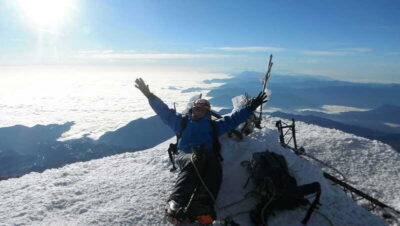
Etna’s summit feels like another planet. This Mount Etna trek begins at Piano Provenzana, takes you up by Special Off-Road 4×4, then hikes toward the crater zone near 3,340 meters when volcanic rules and weather allow. You’ll also get big-sky views of Sicily, the Aeolian Islands, and the Italian coast from altitude, on the wilder north side of the volcano.
I love the small group limit of 10, and the calm, safety-first way guides like Luca Cosma, Marco, and Arturo keep the pace steady when the ground turns steep or loose. The trade-off is that the route can change depending on volcanic activity and meteo, and there’s an extra €50 cash fee for the Unimog 4×4 round trip ticket, so your total cost may be higher than the headline price.
In This Review
- Key things I’d bet on (before you book)
- Why this Etna summit trek feels different from a cruise-stop outing
- A quick reality check on expectations
- Meeting at Sole-neve Souvenirs: gear-ready and parking-friendly
- The 4×4 ride up: what it does for your day
- Hiking to the craters: what you’ll actually feel underfoot
- The terrain can be loose and steep
- A practical safety mindset
- Cratere Centrale dell’Etna: the guided moment that makes the whole trip click
- The “conditions decide” part
- Picnic break and crater-area walking: how to make the most of downtime
- Valle del Bove: the view stop that turns volcanic damage into perspective
- What to expect on the descent
- Price and Logistics: where the real value math lands
- What to pack for Etna: dust, wind, and cold at elevation
- Bring
- Consider adding based on real conditions
- Not allowed
- How hard is the hike, and who should skip it
- A few smart self-checks
- Guides are the real difference maker here
- Should you book the Mount Etna Summit Trek?
Key things I’d bet on (before you book)
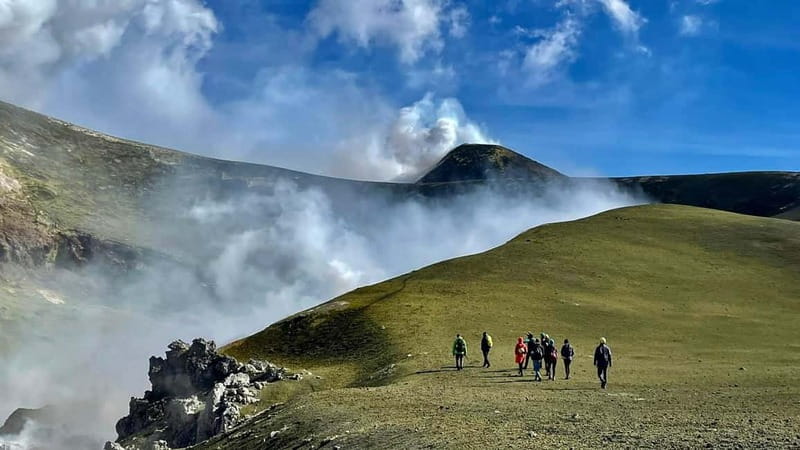
- North-side Etna, not the postcard loop: you head away from the usual routes and spend time on lava terrain.
- 4×4 to about 2,900 m, then real hiking: less time in transit, more time actually on the volcano.
- Craters plus wide views: summit-area viewpoints include Sicily, Aeolians, and the coast.
- Guides that adjust on the fly: the schedule depends on volcanic activity and wind/gas direction.
- Gear helps a lot: boots, jacket, helmet are included, which matters on a cold, windy summit.
Why this Etna summit trek feels different from a cruise-stop outing
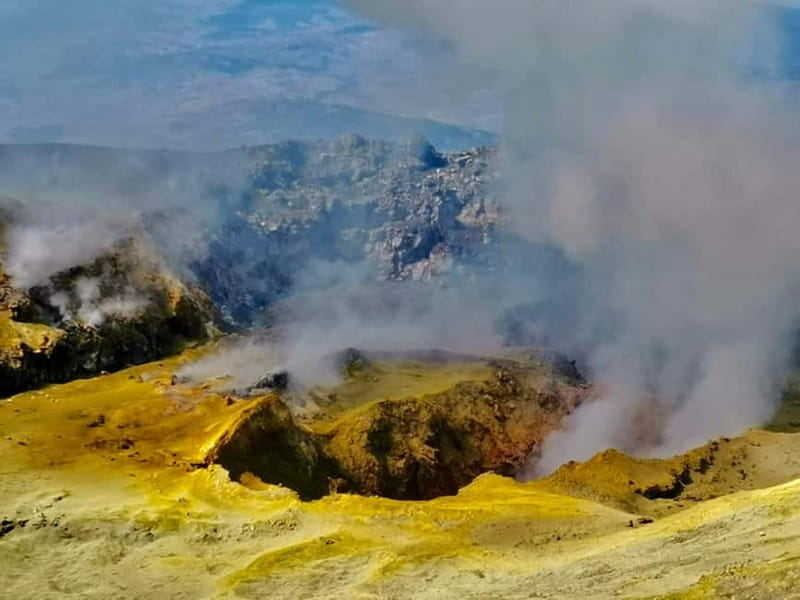
If your idea of Etna is big buses and short viewpoints, this tour changes the feeling fast. You’re working your way up on the least-known north side, crossing volcanic ground instead of just looking down from the edge. That difference isn’t just dramatic—it’s practical. When you actually move across the terrain, the crater shapes, lava layers, and destruction zones make more sense.
The other thing I like is the “real volcano” approach. The stay near the summit area depends on volcanic activity and meteo conditions. That means you’re not treating Etna like a theme park with a fixed checklist. You’re doing it the way the mountain demands: go up, check conditions, move safely, then adjust if needed.
You can also read our reviews of more tours and experiences in Mount Etna.
A quick reality check on expectations
You’re planning for an active, changeable environment. Even when conditions are good, you’ll deal with wind, dust, and altitude. And if conditions aren’t right, the summit plan can shift. That’s not a failure. It’s part of how trekking in the summit area works.
Meeting at Sole-neve Souvenirs: gear-ready and parking-friendly
Your tour meets right at the Sole-neve Souvenirs shop, with parking available on site. That’s useful in Sicily, where it’s easy to lose time hunting for a meeting spot.
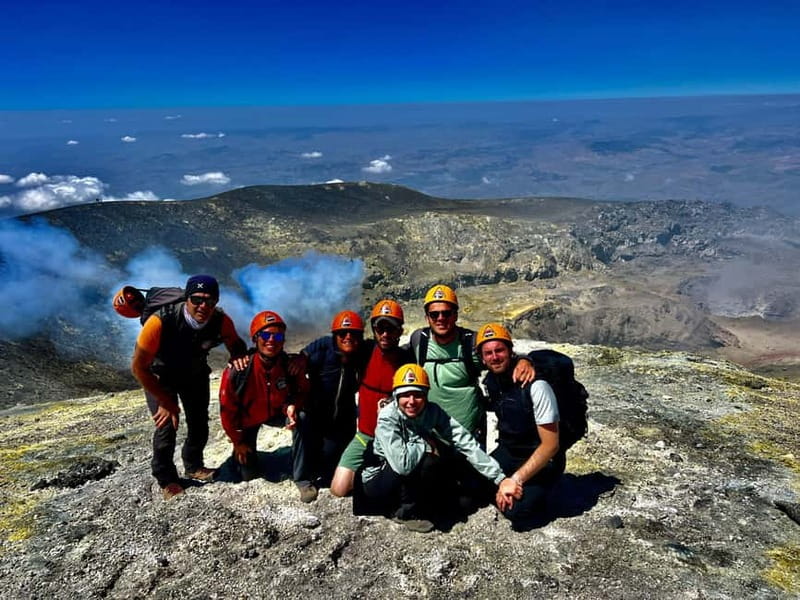
Expect a short start routine: a safety briefing and equipment checks before you head up. The tour provides hiking boots, a jacket, a helmet, and you’ll hike with an alpine/volcanological guide. Insurance is included, which is reassuring for a volcano hike where footing can get gritty.
One small but important detail: food and drinks aren’t included. You’ll want to bring what you can carry in a daypack, especially since there’s break time on the mountain.
The 4×4 ride up: what it does for your day
The day is built around two modes: off-road vehicle time and hiking time. First, you’ll ride up via Special Off-Road 4×4 after the initial briefing and checks. The trek begins around 2,900 meters, so you’re not spending your whole 4.5 hours just trying to gain altitude.
This is also where you’ll see the volcano changing in front of you. The north side tends to feel emptier and more stark than the easier-access areas. You’re not just climbing; you’re transitioning through different volcanic conditions and terrain types.
Hiking to the craters: what you’ll actually feel underfoot
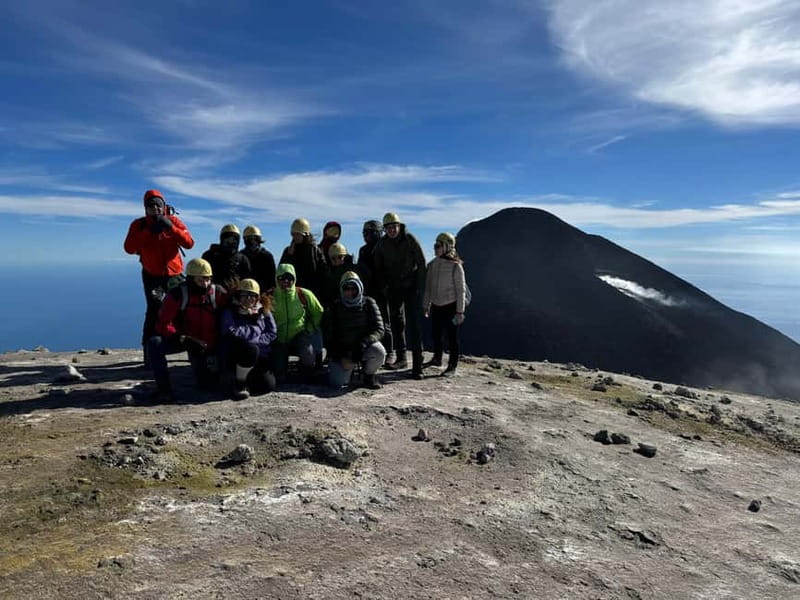
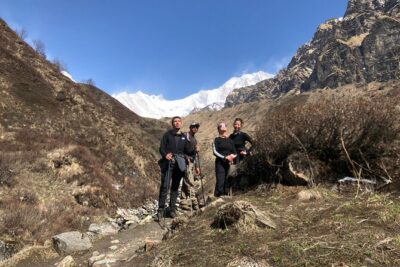
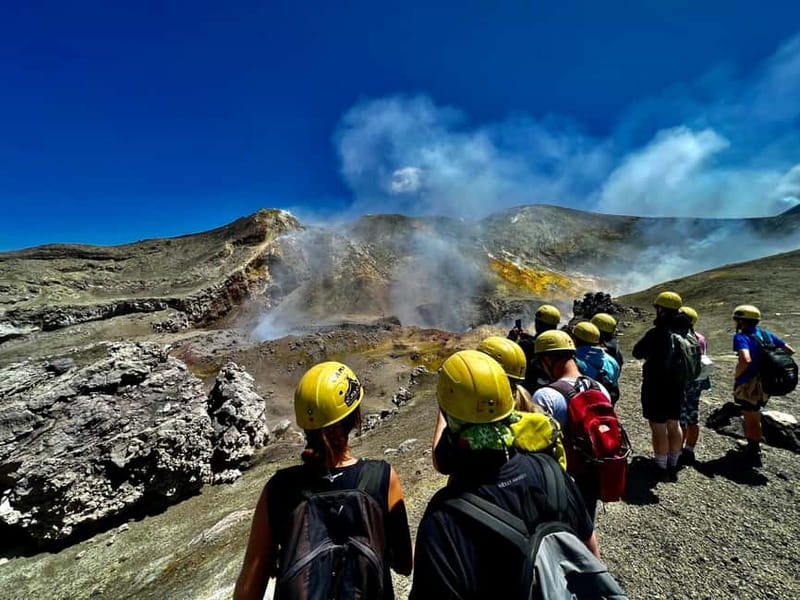
Once you start the trek, it’s not a “stroll to a viewpoint.” You’ll hike through volcanic areas, including lava fields. The pace is managed by the guide, and the route can be modified depending on summit access rules and weather.
The terrain can be loose and steep
Multiple guides in the tour’s experience have been praised for patient care—especially when someone feels nervous on steeper sections. That makes sense here. Volcanic ground can be dusty, uneven, and sometimes sharp enough to shred the comfort out of bad footwear.
I’d also plan for a short but serious altitude effort. Even though the hike blocks are time-limited, you’ll be at high elevation for several segments: the route includes a main hike period, then more walking around crater viewpoints, then additional hiking toward Valle del Bove.
A practical safety mindset
The guide team keeps an eye on everyone’s pacing and off-trail wandering. That matters because volcanic areas can look similar—easy to get curious and drift. If you want photos, you’ll need to balance “look around” with “stay with the group” until the guide gives you a clear moment to stop.
Cratere Centrale dell’Etna: the guided moment that makes the whole trip click
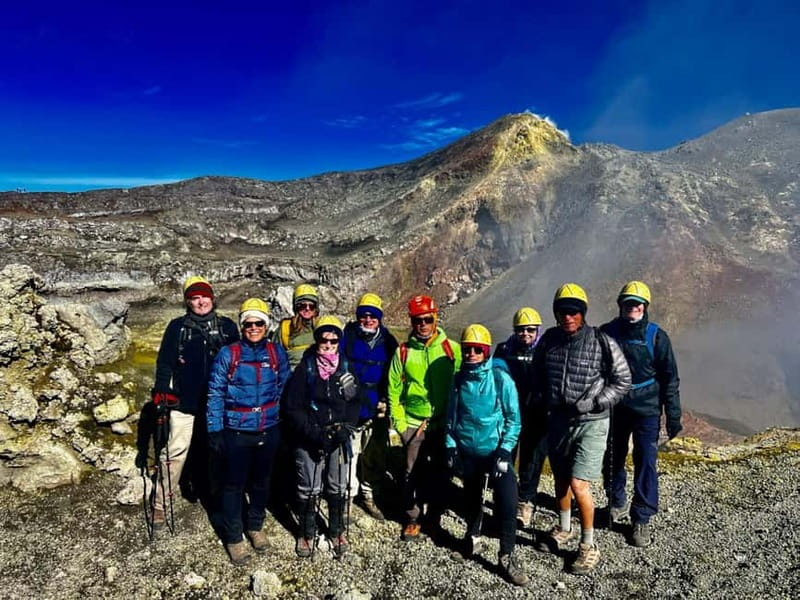
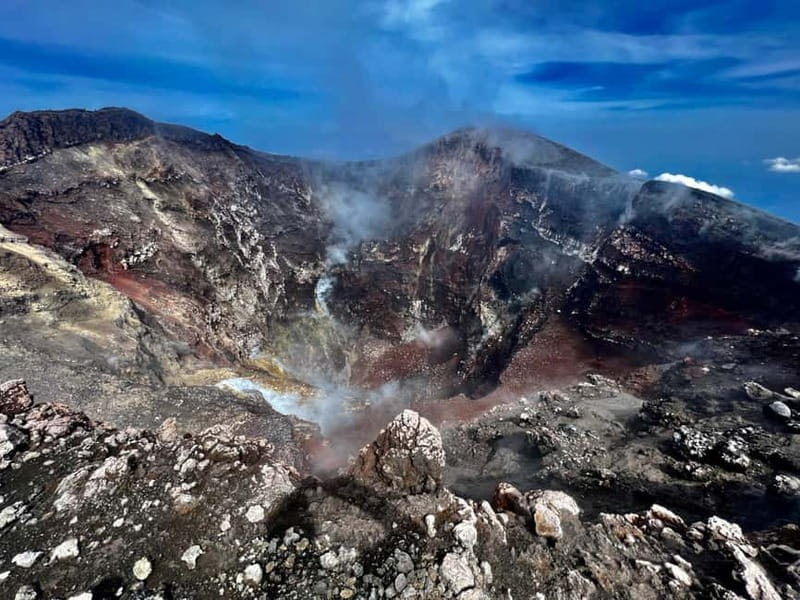
At the summit-area portion, you’ll spend time at Cratere Centrale dell’Etna with a guided visit and walking/hiking on the way, plus scenic crater views. This is where a volcanology guide earns their pay.
The value here isn’t just seeing a crater. It’s understanding what you’re looking at—how Etna works, why certain terrain looks the way it does, and how eruptions shape the ground over time. You’ll also get time for stops and viewpoint moments rather than constant marching.
The “conditions decide” part
If wind shifts or volcanic gases blow toward your group, your plan can change. That’s why your guide won’t treat the summit like a guaranteed finish line. It’s also why you should pack a way to handle dust and gas exposure.
From the experience notes, sulfur clouds can happen enough that bringing a face covering (or a scarf you can pull up) can make the hike easier on your breathing. If you’re sensitive, that’s a smart move.
Picnic break and crater-area walking: how to make the most of downtime
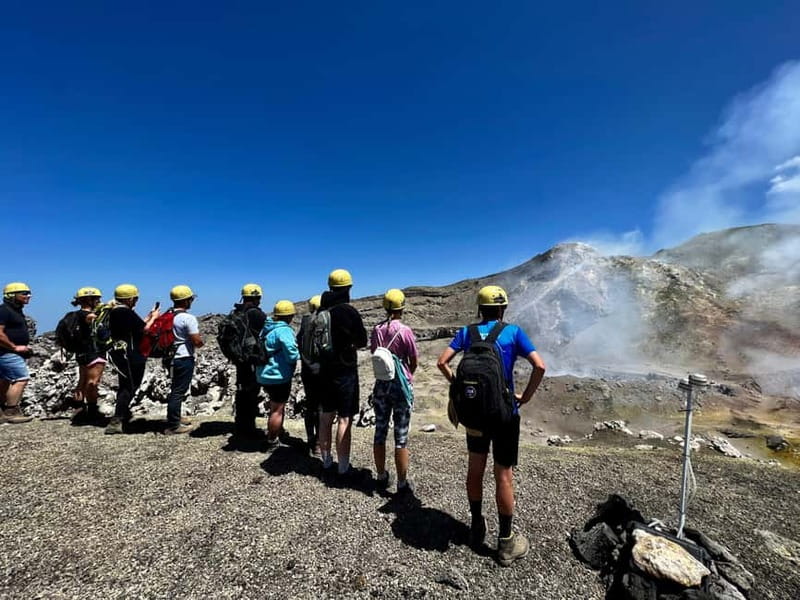
There’s a break segment built into the schedule—time for a picnic, sightseeing, and additional walking/hiking. This is where you settle into the altitude, take photos, and let your body adjust to the way the wind feels at elevation.
Since food and drinks aren’t included, your best move is to pack simple, easy-to-eat snacks and a bottle you can drink from even if you’re not thirsty. Being at 3,000+ meters can make you misread thirst.
Tip: dress in layers. A jacket is provided, but you’ll still want a system you can tighten or loosen as the wind changes.
Valle del Bove: the view stop that turns volcanic damage into perspective
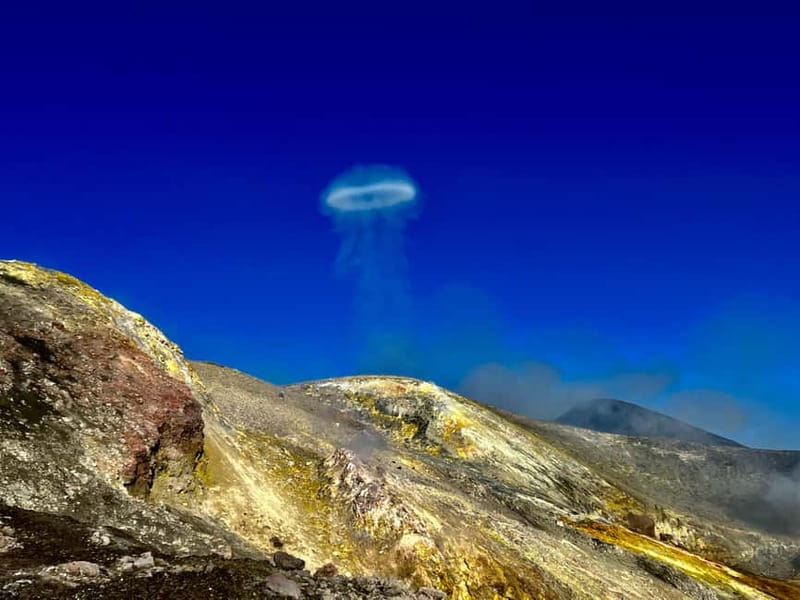
After time around the crater zone, you’ll descend and later hike toward Valle del Bove. The route includes a short hiking segment (about 30 minutes) in that area.
One highlight described in the itinerary is that after enjoying summit-area views, you’ll start the descent through sand gullies toward Pizzi Deneri, where you can enjoy a majestic view over Valle del Bove. That sequence matters: the valley view hits harder after you’ve worked up close to the summit terrain.
What to expect on the descent
Descent can be steep and slightly nerve-inducing, especially with loose volcanic sand and rock. The guides are used to this and will manage pace and positioning. If you’ve ever had sweaty palms on a steep rocky trail, plan for that feeling—then plan how you’ll handle it: slow steps, keep your eyes on the ground, and don’t rush just to catch up.
Price and Logistics: where the real value math lands
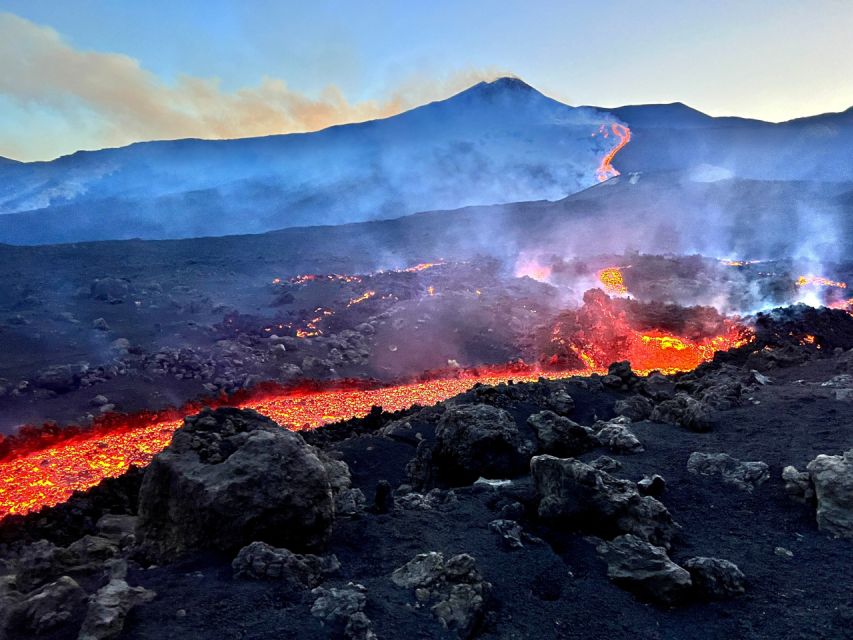
The tour price is listed as $65 per person for about 4.5 hours, and the inclusion list is strong for a volcano trek: guide, insurance, helmet, jacket, and hiking boots.
But there’s a big budgeting detail: the Unimog 4×4 round trip ticket costs €50 per person, paid in cash on the spot. The tour description also suggests transport up isn’t bundled into the $65 price.
So how do you judge value? I’d look at it like this:
- You’re paying for a small guided group and safety management on steep, loose terrain.
- You’re not paying out-of-pocket for boots/jacket/helmet because they’re included.
- You are paying an extra transport fee, so your all-in cost is higher than the booking price.
Still, for a summit-area experience that can’t be replicated by simply driving to a viewpoint, the included gear + guide supervision can make the hike feel like money well spent—assuming you’re happy with the “conditions can change” reality.
What to pack for Etna: dust, wind, and cold at elevation
Even if it’s warm in town, Etna can feel cold and windy. Gear like down jackets is provided, but you still benefit from bringing the basics that make your body comfortable.
Bring
- Sunglasses (wind + dust is not your friend)
- Sun hat
- A jacket layer system (even in warmer months)
- Hiking shoes (or use the provided boots, but good socks help either way)
- Daypack
- Food and drinks (since they aren’t included)
- Weather-appropriate clothing
- Cash (for the €50 Unimog ticket)
Consider adding based on real conditions
- Long trousers and long socks to protect against loose stones
- A scarf or face covering for sulfur/dust (one time there can be a sulfur cloud, and coughing happens)
- Avoid contacts if you’re sensitive to dust (eye comfort can become a bigger issue than you expect)
Not allowed
Alcohol and drugs are not allowed on the experience.
How hard is the hike, and who should skip it
This tour isn’t presented as a beginner “easy day.” It involves altitude, steep or loose sections, and real crater walking.
It also isn’t suitable for:
- Pregnant women
- People with heart problems
- People with respiratory issues
- People with low level of fitness
Even if you’re generally active, you should respect that the terrain is volcanic and sometimes uneven. One good sign: the guide approach is praised for staying calm and helping people when they get nervous. That’s exactly what you want when the ground is slippery or the slope feels bigger than expected.
A few smart self-checks
- If you get winded easily at height, plan to move slowly right from the start.
- If you’re prone to dizziness on steep climbs, bring that awareness to your guide and ask for pace adjustments.
- If your breathing is sensitive to gases and dust, this is a place to be cautious.
Guides are the real difference maker here
Lots of tours sell the volcano. This one sells the guided experience that helps you read the volcano while staying safe.
You’ll see recurring guide names in the experience history, including Luca Cosma and a rotating set of lead guides such as Marco, Arturo, Paolo, Jonathan, Claudio, and others. The consistent theme is patient leadership, careful timing, and answers to questions without shutting people down.
Also worth noting: the group may be split by language speakers at some points. That can help communication when you ask how the geology works or what the current wind and gas conditions mean for your route.
Should you book the Mount Etna Summit Trek?
Book it if:
- You want a guided summit-area walk on Etna’s north side, not just a distant viewpoint.
- You’re okay with a plan that can change with volcanic activity and weather.
- You like the idea of included boots/jacket/helmet and a guide who manages pace and safety.
- You’re fit enough for a steep, loose, high-altitude hike.
Skip it if:
- You have heart or respiratory issues, or you’re pregnant.
- You don’t want altitude and steep walking, even if the guide helps.
- You’re not comfortable paying the additional €50 cash transport fee on the spot.
If you do book: pack for cold wind and dust, bring cash, and trust the guide when conditions shift. Etna rewards respect.