REVIEW · MOUNT ETNA
Mount Etna: Private Trek on the North Slope Craters
Book on GetYourGuide →Operated by Empeeria · Bookable on GetYourGuide
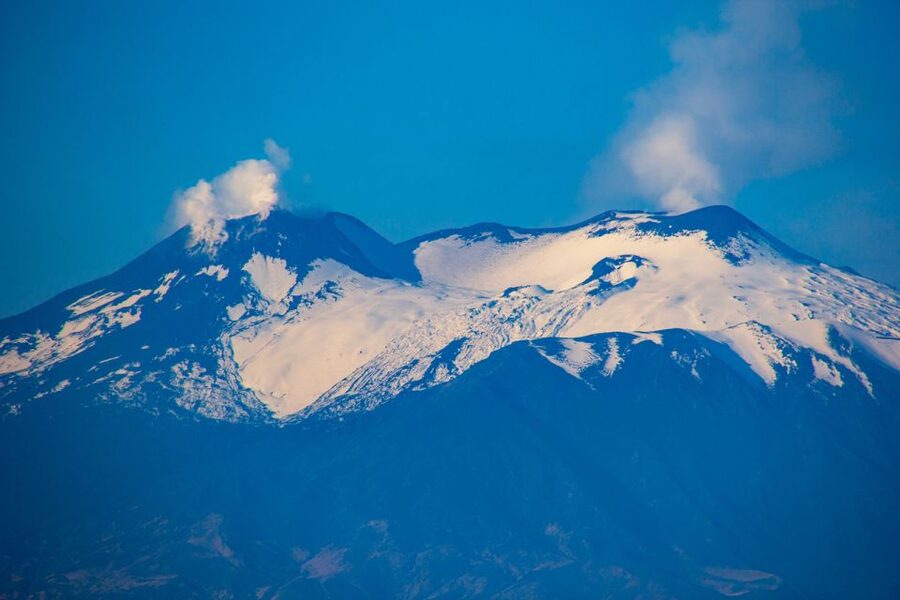
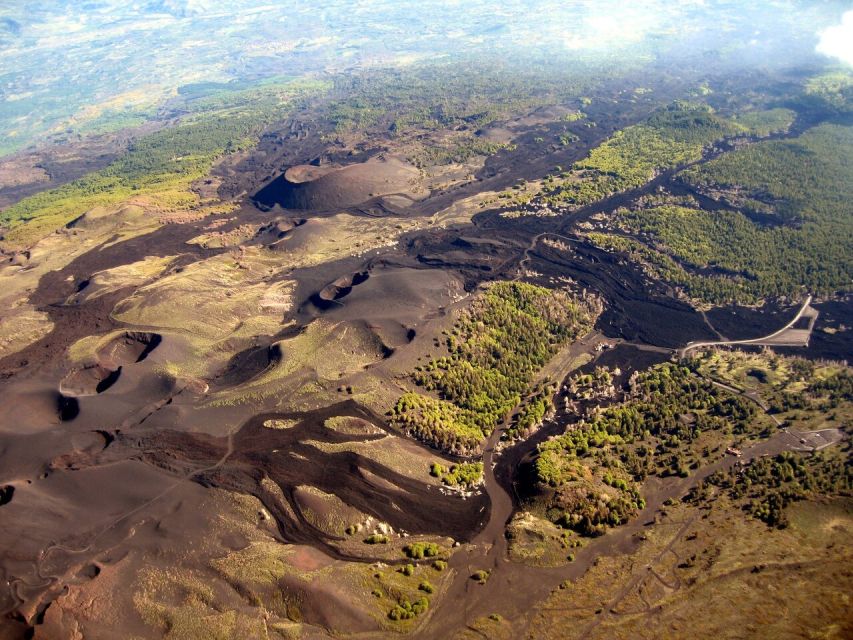
You can feel Etna’s heat here. On this private trek up the north slope, I love the crater-edge views and the way the trail crosses old lava flows before you climb through beech forest. The catch: the route can be steeper than photos suggest, and fog or a fear of heights can make the tougher moments feel more intense.
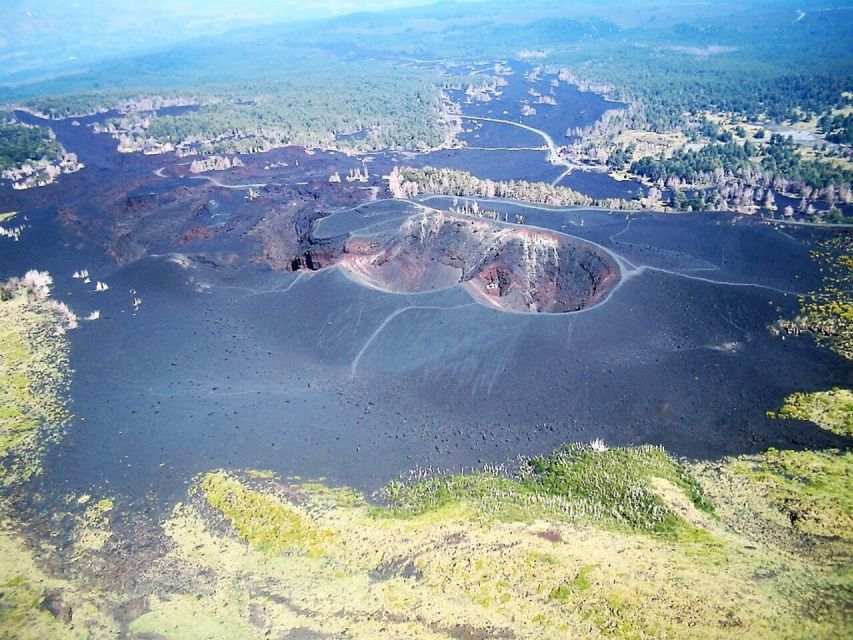
What makes it especially worth your time is the human layer—your guide explains what you’re seeing and ties it to the mountain’s recent violence. You’ll get a close look at the site where the 2002 volcanic eruption mattered in the last decades, plus you’ll walk among lava that still tells on the shape of the flow.
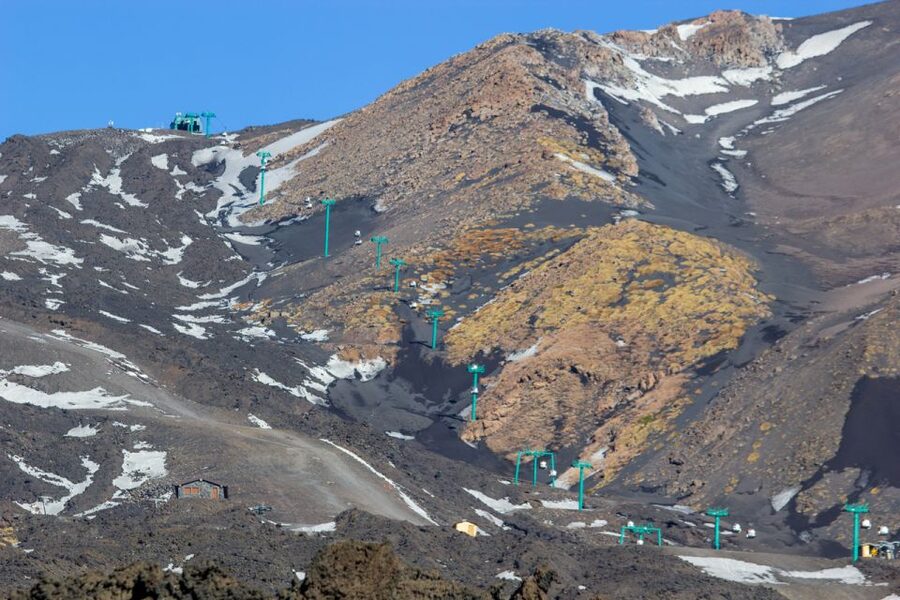
You start and finish at Piano Provenzana, a known ski-slope area, and the whole outing lasts about 3 hours with a private guide and a small group. You’ll also want to plan on bringing your own water and snacks since food and drinks aren’t included.
In This Review
- Key things to know before you go
- Starting at Piano Provenzana on Etna’s North Side
- Warm-up on an easy path along the lava flow edge
- Beeches and black rock: the best kind of scenery shift
- Reaching the base of the northern craters
- The 2002 eruption site: where the story gets specific
- Crossing additional lava flows and seeing older pine remains
- Who this trek suits best (and who should think twice)
- Price and value: what $317.20 per group gets you
- What to bring for a comfortable, safe hike
- Your guide: what the best ones do well
- How long it takes and how to plan your morning
- Should you book this Etna North Slope Private Trek?
- FAQ
- What’s the duration of the Mount Etna private trek?
- Where do I meet the guide?
- Where does the tour end?
- Is this a private tour or a group tour?
- How much does it cost?
- What languages are available for the live guide?
- What’s included in the price?
- What should I bring for the hike?
- Is food included?
Key things to know before you go
- North-slope craters first, viewpoints second: the hike is built around the northern side, not just generic photo stops.
- Lava-flow walking, not a bus tour: you’re actually moving across ground shaped by eruptions.
- Beech forest climb: the switch from black rock to cooler forest helps the whole trek feel varied.
- The 2002 eruption is explained in context: you’re shown what changed and why it matters.
- Guides who match your pace: feedback highlights guides like Gio/Guiseppe who help hikers of different comfort levels.
- Weather can change your experience: fog and conditions can make sections feel steeper or more dramatic.
Starting at Piano Provenzana on Etna’s North Side
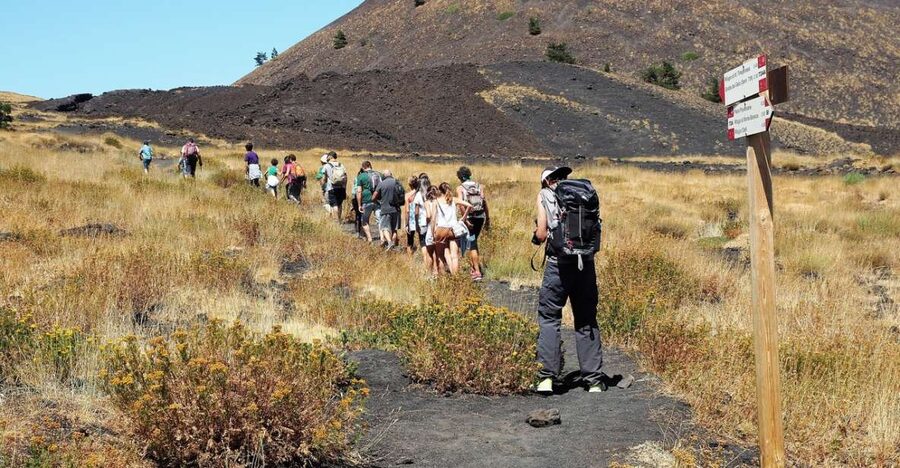
Most Etna experiences fail at one thing: logistics. This one is refreshingly simple. You meet at Piano Provenzana, on the Etna ski-slope area, so you’re not hunting for a meeting spot in the dark or guessing where the trail begins.
Plan to arrive at least 30 minutes early. That buffer matters because you’ll want time for a proper intro, your safety briefing, and to get your shoes sorted before you step onto uneven, volcanic ground. If the weather looks iffy, showing up early also helps you relax and let the guide adjust the plan on the ground.
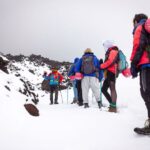
This is a private group outing, typically up to 12 people per group, which is a big difference from the loud, crowded Etna herd. Even with a group size like that, a private guide means you get a real conversation and questions can be answered on the spot (great when you’re trying to understand what you’re seeing in real time).
You can also read our reviews of more tours and experiences in Mount Etna.
Warm-up on an easy path along the lava flow edge
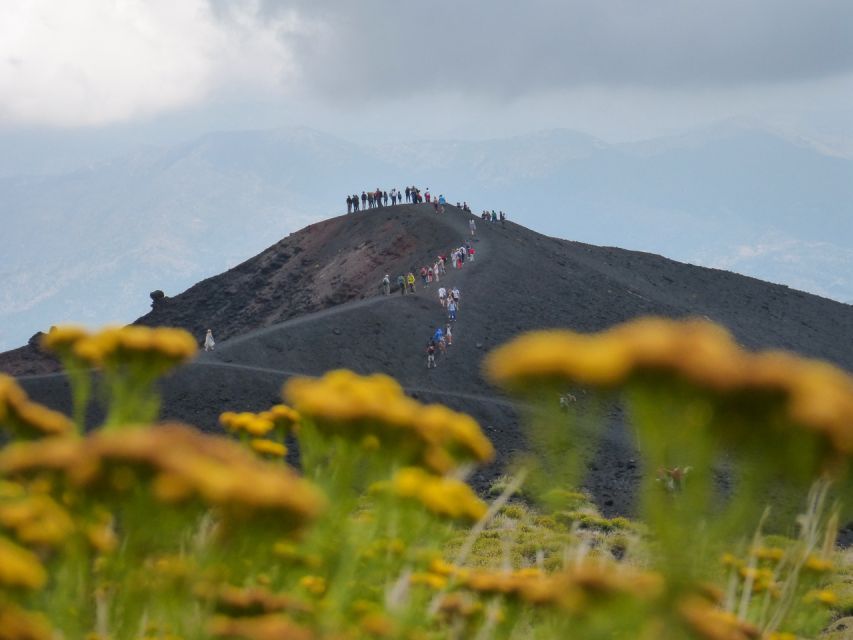
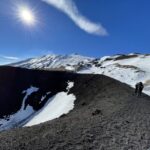
Right after the briefing, the hike begins on an easy path along the edge of a lava flow. This is smart design. You get moving without immediately dumping you into a steep, exposed climb. It’s the kind of start that helps you settle your footing on rock that doesn’t behave like a normal trail surface.
From there, you gradually climb. That “gradual” part is important. You’re not stuck doing one long wall of ascent at once. Instead, you move up through terrain that feels more like a sequence of short challenges, which is a big deal if you’re not training for a mountain race.
One practical note: the trail can be steeper than some photos make it look. Based on real feedback from hikers, I’d treat this as moderately strenuous. If you’re comfortable on uneven outdoor paths and you take your time, you’ll likely enjoy it. If you hate heights, choose carefully—fog can make depth perception feel sharper than you expect.
Beeches and black rock: the best kind of scenery shift
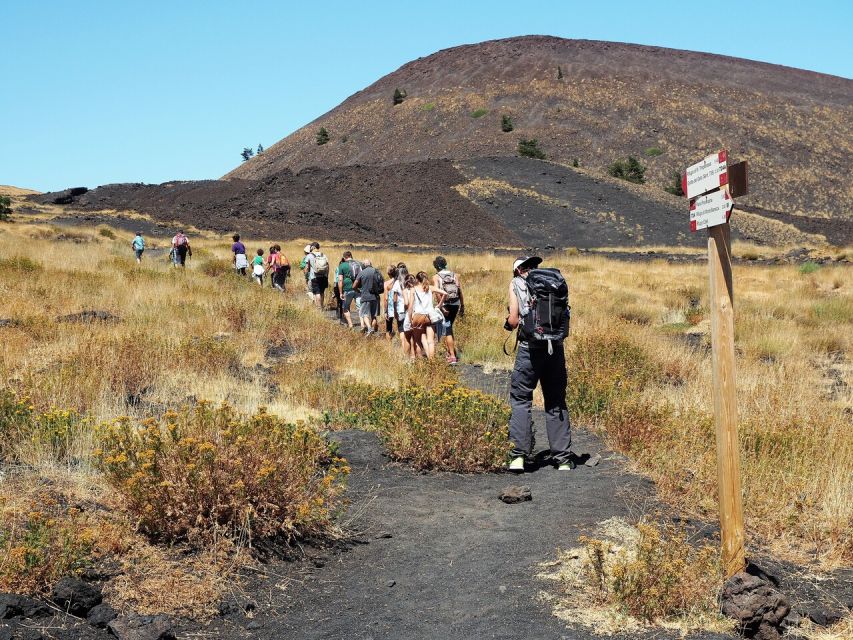
As you gain elevation, the hike passes into a forest of beech trees. I like this part because it changes the feel of the trek. The beech area tends to feel cooler and calmer compared with the harsher black-and-gray volcanic zones. It also gives you a break from the constant focus on “where to step next.”
This mix—beech forest + lava field—is one of the reasons I think this north-slope option works so well for first-timers. You’re not just walking in one mood. You’re moving between ecosystems and textures that show you the bigger story of Etna: heat and regrowth happening side by side.
Bring sunscreen even if the forest covers you for part of the walk. On Etna, light can shift fast, and when you step back out near open views, you’ll want protection ready.
Reaching the base of the northern craters
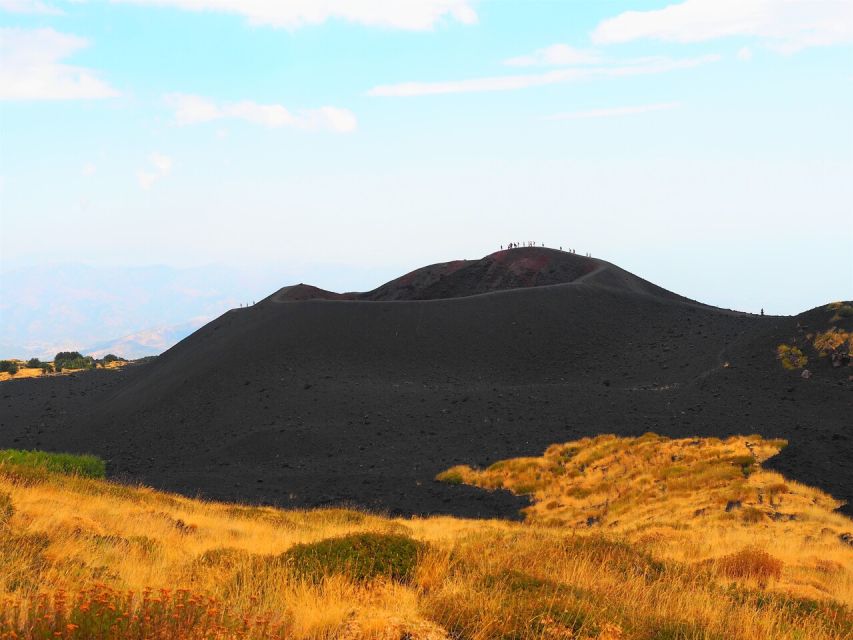
The heart of the trek is the visit to the craters on Etna’s northern side. This is where the ground starts to feel more dramatic, and where your guide’s explanations become the difference between a cool walk and a meaningful one.
At the northern base, you’re positioned for that crater-level perspective that most people miss. Instead of seeing Etna from far away, you’re close enough to understand the scale—how deep craters can feel and how lava channels carved their way through the mountain over time.
This section is also where your guide’s local knowledge really comes through. Your guide will help you connect what you’re seeing to what happened in the mountain’s recent history, including stories that make the eruption feel real rather than abstract.
The 2002 eruption site: where the story gets specific
One of the most valued parts of this trek is the chance to see the site linked to the most important eruption of the last decades—often referenced as the 2002 eruption—and to understand what its effects looked like on the ground.
I think this is the key educational payoff of the experience. You’re not just hiking through volcanic scenery. You’re learning how eruptions reshape routes, how lava spreads, and how later conditions set the stage for new vegetation and different types of terrain.
When you’re looking at crater areas and lava channels, it’s easy to feel like you’re staring at “cool rocks.” With the guide’s context, those rocks become clues. You start noticing why certain paths are where they are, why the surface is broken in specific ways, and how the terrain reflects the eruption’s direction and behavior.
Crossing additional lava flows and seeing older pine remains
After the crater-area viewing, the hike continues with crossings of more lava flows. These stretches matter because they show you the variety within lava itself. Some sections feel like a more obvious flow path, while others look like leftover edges and seams where lava leaked through or shifted as it moved.
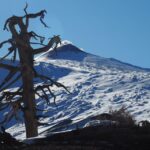
You’ll also be guided past the remains of the centuries-old Ragabo Pinewood. This is a haunting but hopeful detail. It’s a reminder that Etna’s power isn’t only about destruction—it’s also about change over time, with what survives and what returns.
If you enjoy photography, this is a strong stretch. The contrast between black volcanic rock, the curve of the terrain, and the occasional hints of plant remnants creates images that don’t look like generic Etna postcards.
Who this trek suits best (and who should think twice)
This outing fits hikers who want a north-slope Etna experience with real guidance and actual walking—without turning it into a full-day ordeal.
You’ll likely enjoy it if you:
- Want a 3-hour Etna option that still feels like you got somewhere.
- Like guided explanations rather than self-guiding a trail map.
- Feel comfortable on moderately strenuous paths and uneven surfaces.
- Can walk at a steady pace, take breaks as needed, and enjoy the scenery.
You should think twice if:
- You have a strong fear of heights. Some hikers noted it may not be for them if that’s an issue, especially in fog.
- Weather is likely to be very rough. The experience can be subject to change or cancellation depending on conditions, and fog can make steep bits feel sharper.
Price and value: what $317.20 per group gets you
The price is $317.20 per group, up to 12 people. That number can look high if you’re thinking per person, but it’s easier to judge once you picture what’s included: a professional guide for the full duration and a private-group structure.
For a group (friends, family, or a small travel crew), the value is strong because you’re paying for guidance and time, not for a seat on a bus. A private guide also means you’re not stuck at the back of the line, and you can ask about what you’re seeing when it counts—on the crater edge, at the lava-flow crossings, and at the 2002 eruption site.
For solo travelers, the “value” depends on how you feel about paying for privacy. If you’d rather have a more individualized experience than joining a larger group, it can still be a good deal. Just be honest with yourself about whether you want guided time on Etna’s northern side enough to justify the private pricing.
What to bring for a comfortable, safe hike
You’ll want to show up prepared. Bring:
- Camera (you’ll want it for crater angles and lava textures)
- Hiking shoes (non-slip matters on uneven volcanic ground)
- Sunscreen (Etna sun can bite even when it’s not beach weather)
- Water (food and drinks aren’t included)
- Comfortable clothes you can move in
I also suggest a light layer. Even on warmer days, higher elevations and changing conditions can cool things down quickly, especially if fog rolls in.
Your guide: what the best ones do well
The experience is led by a professional, and feedback specifically calls out guides by name such as Gio and Guiseppe. The big takeaway from those notes isn’t just that the guides are friendly—it’s that they’re comfortable with mixed experience levels and patient during steeper sections.
That matters because the trek starts easy and then gradually gets more demanding. If you’re slower, or you want frequent pauses to look at lava features, a patient guide changes the whole tone of the hike. You’re more likely to enjoy it instead of rushing.
How long it takes and how to plan your morning
The trek runs about 3 hours. That’s a sweet spot: long enough to experience the north-slope craters and lava-flow crossings, short enough that you can still do other things the same day.
A practical planning tip: don’t schedule something tight right after the trek. Even when the hike ends back at Piano Provenzana, you’ll want time to breathe, check photos, and get organized. If weather causes a reroute or change, having a buffer helps.
Also, because the starting times depend on availability, I’d plan to pick a slot that matches your energy. If you’re fresh in the morning, mornings often make the most sense for a moderate hike.
Should you book this Etna North Slope Private Trek?
Book it if you want Etna close up—craters, lava flows, and the northern side—with a guide who connects the view to real eruption history (including the 2002 eruption). I especially like it for people who want more than a quick look and less than a full day of effort.
Skip or rethink it if steep terrain and exposure could stress you out, or if you’re only interested in an easy, flat stroll. Also pay attention to weather: if fog and conditions are bad, the experience may change or get canceled.
If your goal is a guided, authentic Etna hike that teaches as it walks, this one is a solid choice.
FAQ
What’s the duration of the Mount Etna private trek?
The trek lasts about 3 hours.
Where do I meet the guide?
You meet the guide at Piano Provenzana.
Where does the tour end?
The tour ends back at the meeting point (Piano Provenzana).
Is this a private tour or a group tour?
It’s a private group experience.
How much does it cost?
The price is $317.20 per group, up to 12 people.
What languages are available for the live guide?
The live tour guide is available in French, English, and Italian.
What’s included in the price?
A professional guide is included.
What should I bring for the hike?
Bring hiking shoes, water, sunscreen, comfortable clothes, and a camera.
Is food included?
No. Food and drinks are not included.