REVIEW · GONDER
2 Nights 3 Days Trek to Semien Mountain
Book on Viator →Operated by Ethio Backpacker Tours · Bookable on Viator
Simien Mountains trekking has a way of resetting your brain. I love the way you start getting wildlife fast, with gelada baboons likely early, and I also love the payoff views at Imet Gogo where lammergeiers can circle overhead. One thing to consider: the walking is spread across long, high-altitude days (up to about 3,600m), so you’ll want a steady pace and realistic expectations for breath and energy.
What really makes this trip practical is how organized it is on the ground: you get an English-speaking guide and a scout, plus permits handled before the trekking begins. I also like that meals are built for you, including vegan options and adjustments for health restrictions. If you’re booking through Ethio Backpacker Tours and you care about extra depth from your guide, you can ask about Tsehaynew, since one review singled him out for sharing more information than others.
In This Review
- Quick hits before you go
- Simien Mountains National Park: Why This Trek Works in 3 Days
- Gondar to Sankabar: Permits, Park HQ, and Gelada Baboon Odds
- Jinbar Waterfall to Geech: Lobelia Plants and Kedadit Sunset
- Imet Gogo Promontory on Day 3: Where Lammergeiers Meet Big Views
- Price and Logistics: What $400 Covers and Why It Feels Fair
- Comfort, Fitness, and Altitude: Your Real Success Factors
- Where Gondar Fits In: A Good Pre-Trek Base
- Customer Service That Actually Matters in the Field
- Should You Book This 2 Nights, 3 Days Simien Trek?
- FAQ
- What city does the trek start from?
- What time does the experience start?
- Where does the trek end?
- How long is the trek?
- What is included in the $400 price?
- Are vegan meals available?
- Is pickup provided?
- Are alcohol drinks included?
- What group size should I expect?
- Do I need moderate fitness?
- Do I need good weather for this trek?
Quick hits before you go
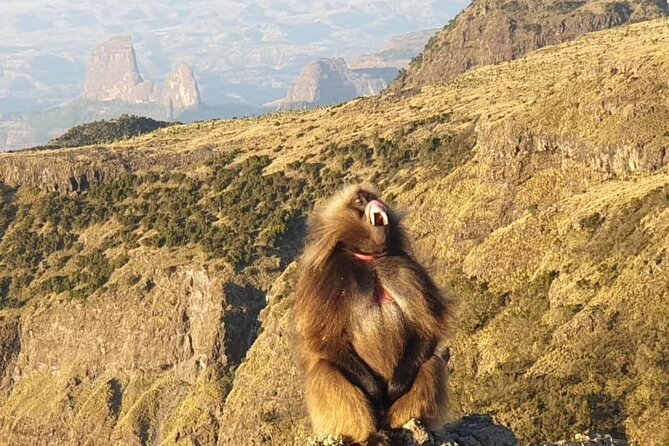
- Real wildlife moments: gelada baboons on the early walk; lammergeiers at the Imet Gogo viewpoint
- Permits and a scout included: you don’t scramble for paperwork once you reach the park
- Big views, not just hiking: Kedadit summit is a strong sunset option near Geech
- High, airy camps: Geech sits around 3,600m, so plan for cooler evenings and slower breathing
- Comfort level depends on the setup: the program includes accommodation, and the region’s lodge-style options can change the feel versus pure camping
- Small group size: up to 15 people, which usually means less waiting around and more time to enjoy the route
Simien Mountains National Park: Why This Trek Works in 3 Days
The Simien Mountains are one of Ethiopia’s easiest “wow” destinations from Gondar. The park covers about 220 square kilometers of peaks, plateaus, and valleys, and it’s known for big viewpoints plus trekking routes that feel distinctly African—more raw and dramatic than the usual sightseeing circuit.
This 2 nights / 3 days format is a sweet spot if you want the mountain experience without committing to a week. You’ll drive in first, then shift into a rhythm of walking, stopping for natural highlights, and sleeping at high points where the air feels thinner and the nights cool down. That combo matters because it makes the scenery feel earned, not just viewed from a bus window.
Also, the trip doesn’t pretend it’s easy. The durations on each day range from about 3–4 hours up to 5–7 hours, and you’ll be moving in a zone where altitude can catch up to you. You’ll enjoy it more if you treat it like a steady hike with a camera plan, not like a race.
You can also read our reviews of more tours and experiences in Gonder.
Gondar to Sankabar: Permits, Park HQ, and Gelada Baboon Odds
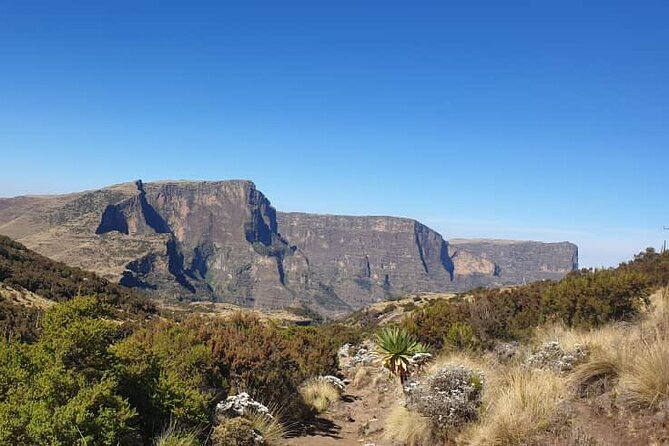
Day 1 starts early—8:00am pickup from Gondar—and you’ll spend the first part of the day driving toward the trekking area. The schedule gives you a heads-up that the Gondar-to-park drive is roughly 2–3 hours, which is useful because it helps you avoid the common mistake of arriving unprepared, hungry, or mentally late.
Once you reach Debark, the process gets very “real Ethiopia, not just tourism paperwork.” You’ll obtain a permit at the park headquarters and collect your obligatory scout. That matters more than it sounds. It keeps the trip legal and smooth, and it also means someone local is tied to your movement in the area, which is part of how these routes work in practice.
After that, you continue toward Sankabar (around 3,250m). Then the trek proper begins near Buytras, at the Simien Lodge area. From there, it’s typically about 3–4 hours to Sankabar campsite. The day’s practical win is that it’s long enough to feel like day one is happening, but not so long that everyone arrives exhausted to camp.
One of the best small details here is the wildlife angle. The route notes a good chance of seeing gelada baboons during the walk. Even if you don’t see every animal on demand (because mountains don’t run on schedules), that possibility adds a fun edge to the early hiking hours. It’s one of those moments that makes the whole trek feel alive instead of just scenic.
Jinbar Waterfall to Geech: Lobelia Plants and Kedadit Sunset
Day 2 is where the hike becomes properly scenic. In the morning, you walk to Geech via Jinbar waterfall, and the trip estimates about 5–7 hours. That time range is important. You’re not just walking distance—you’re moving over terrain that can slow you down, especially when you’re already at altitude.
The itinerary highlights a classic mountain pattern: descent first, then a short climb. You’ll descend down to Jinbar Wenz, which feeds the waterfall, then there’s a remaining ascent to Geech village. This is a good day to pack smart: bring a layer for cool air at higher points and keep your energy steady rather than sprinting uphill.
The camp near Geech is described as having excellent mountain views and being characterized by giant lobelia plants. That detail is worth picturing. In this part of the world, lobelias aren’t just background—they’re part of what gives the high-elevation ecology its distinct look. If you like noticing how landscapes change with altitude, this is a strong day to pay attention.
Geech sits around 3,600m, so plan for altitude reality: cooler air, slower pacing, and a body that needs time to settle. Then there’s the sunset option. The nearby Kedadit summit is listed as one of the best places to catch the sun setting. Even if you don’t make it to Kedadit itself, the camp location is built for mountain gazing, and you’ll likely find a spot to watch colors shift as the light changes.
Imet Gogo Promontory on Day 3: Where Lammergeiers Meet Big Views
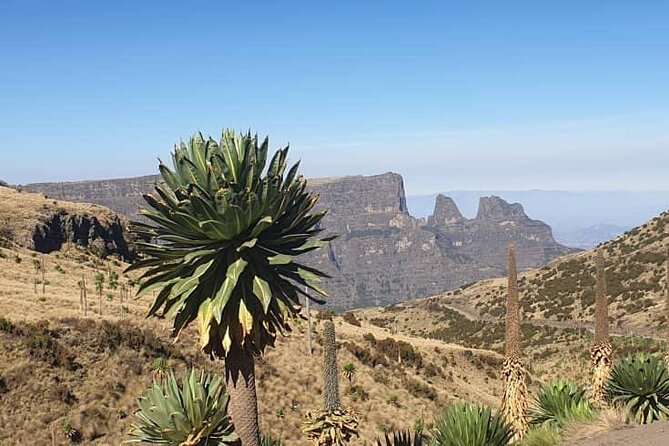
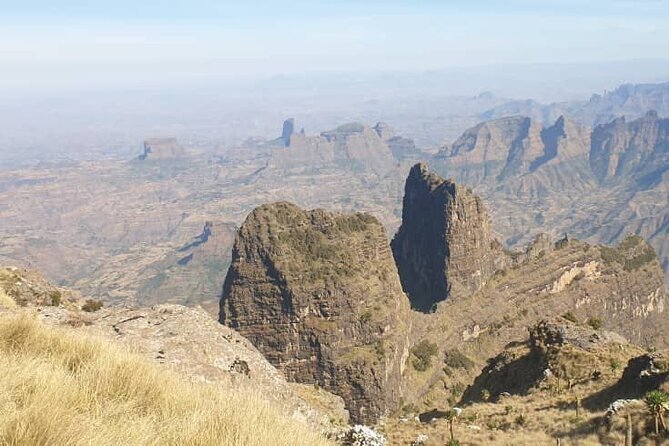
By Day 3, you’re in “viewpoint day” mode. You trek from Geech toward the Imet Gogo promontory, which is repeatedly described as one of the most spectacular viewpoints in the whole mountain range.
The timing estimate is about 4–5 hours for the trek portion of Day 3. It’s also structured like this: hike out for the promontory view, enjoy the moment, then hike back toward the road near Ambaras and meet the car for the drive back to Gondar. That makes the day easier to mentally manage because you know you’re working toward a single highlight point, not trying to do everything.
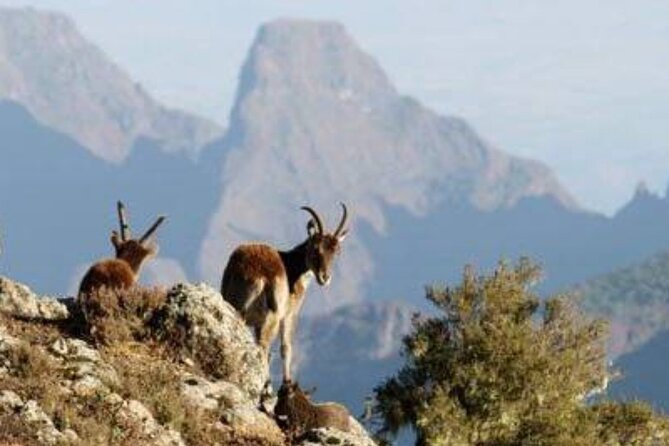
This is also one of the better spots for birdwatching. The route specifically calls out lammergeier vultures. If you’ve never seen a lammergeier in flight, the idea alone is exciting—these birds are big, and they move with purpose. The important practical note: birds don’t always cooperate, but the promontory is positioned for you to have a shot.
Once you finish trekking near Ambaras, you’ll meet your car and drive back to Gondar, ending at the meeting point. It’s a nice wrap because you’re not still hiking while the rest of the group is mentally done. The mountain work ends and the transport begins.
Price and Logistics: What $400 Covers and Why It Feels Fair
At $400 per person for 2 nights / 3 days, the big value isn’t just “you get to trek.” It’s what’s bundled in.
Included in the price are:
- All entrance fees and taxes
- English-speaking guide and scout
- Accommodation for the overnights
- Meals: breakfast (3), lunch (3), dinner (3)
- Pickup offered (and the tour uses a mobile ticket)
Not included:
- Flight tickets
- Alcohol drinks
Here’s the practical way to think about it: paying for a trek in the Simien area isn’t cheap once you factor in park requirements, guidance, and the actual cost of keeping everyone fed on-route. This package takes care of those baseline items, so you can budget for the things you control (like getting to Gondar, or snacks outside the meal plan).
The other detail that affects value is group size. With a maximum of 15 people, the trek isn’t a cattle-call. Smaller groups usually mean you spend less time waiting, and you get more chances to stop and look without the schedule snapping you back into motion.
Comfort, Fitness, and Altitude: Your Real Success Factors
The tour asks for moderate physical fitness, and it’s honest about the trekking time. You’ll walk about:
- Day 1: around 3–4 hours
- Day 2: around 5–7 hours
- Day 3: around 4–5 hours
Those numbers matter because they hint at pacing. You’re not doing one short leg and calling it a day. You’re doing three working days, in a region that climbs from roughly 3,250m (Sankabar) up to about 3,600m (Geech).
If altitude affects you easily, don’t treat it like a personal failure. You can win by pacing. Slow down on uphills, take breaks before you’re totally out of breath, and drink water consistently. The itinerary’s structure helps because each day has a clear start, an expected walking block, and a defined overnight spot.
Also note the meal plan: vegan food is provided, and meals can be adjusted based on health restrictions. That’s not a small thing on a trek. It keeps you fueled so you don’t end up relying on random purchases in remote areas.
What about comfort? The overview points out that two lodges in the area—Simien Lodge and Limalimo Lodge—offer alternatives to the typical camping setup. Your trek still includes campsites on the route, but this lodge presence means you may not be stuck in a purely basic camping experience the entire time. If comfort is a big priority for you, ask how the accommodation portion is handled for this exact departure.
Where Gondar Fits In: A Good Pre-Trek Base
Even if your official trekking schedule focuses on the mountains, Gondar is part of the story because you start here and return here. One review notes seeing Fasil castle and churches in Gondar, which is a helpful reminder: arrive with time if you can. That way, the trek doesn’t start with jet lag and hunger. It starts with a sense of place.
If you’ve got only a day before the 8:00am start, you might still manage a short walk around town to get your bearings and test what gear you forgot at home. If you can spare more time, Gondar gives you a cultural warm-up before you switch into hiking mode.
Customer Service That Actually Matters in the Field
I put weight on how a company behaves when things could get messy, like weather shifts, permit steps, or route timing. This one stands out because multiple reviews highlight strong customer service and smooth organization.
There’s also a practical tip tied to those reviews: if you care about learning more than the basics, ask for Tsehaynew. One review singled him out as someone who knows more information than other guides. Even if you don’t get him, it’s still a signal that the company invests in guides who can explain what you’re seeing.
This is especially valuable in the Simien Mountains, where you’re surrounded by natural features that can look similar if you’re not told what to watch for. A good guide helps you notice the right things at the right times—wildlife cues, viewpoint logic, and what to expect next.
Should You Book This 2 Nights, 3 Days Simien Trek?
Book it if you want a mountain trek that’s short but not skimpy. This route gives you a logical progression: drive in and settle (Day 1), hike through waterfall country into Geech with plants and sunset potential (Day 2), then finish at Imet Gogo for major viewpoints and lammergeier chances (Day 3).
I’d skip it or think twice if:
- You expect a low-effort walk. The schedule includes 5–7 hours on Day 2 and altitude up to about 3,600m.
- You’re uncomfortable with cold evenings at high elevation.
- You need a highly flexible itinerary with lots of extra downtime. This trek is structured, and you’re moving every day.
One last reason to feel confident: the experience is designed around good-weather conditions. If weather forces a change, you’ll be offered a different date or a full refund, and cancellation is free up to 24 hours in advance. That kind of safety net matters when you’re heading into the mountains.
If you want to see the Simien Mountains in a way that feels real—wildlife, high camps, and viewpoint-driven hiking—this is a solid choice.
FAQ
What city does the trek start from?
The trek starts in Gondar, Ethiopia.
What time does the experience start?
It starts at 8:00am.
Where does the trek end?
The activity ends back at the meeting point in Gondar.
How long is the trek?
It runs for 3 days (about 2 nights and 3 days).
What is included in the $400 price?
Entrance fees and taxes, an English-speaking guide and scout, accommodation, and meals (breakfast, lunch, and dinner across the 3 days).
Are vegan meals available?
Yes. The tour provides vegan food and can adjust meals based on health restrictions.
Is pickup provided?
Pickup is offered.
Are alcohol drinks included?
No, alcohol drinks are not included.
What group size should I expect?
The tour has a maximum of 15 travelers.
Do I need moderate fitness?
Yes. Travelers should have moderate physical fitness level.
Do I need good weather for this trek?
Yes. The experience requires good weather, and if it’s canceled due to poor weather, you’ll be offered a different date or a full refund.