REVIEW · GONDER
3 Days Simien Mountains Trekking
Book on Viator →Operated by Simien Tour and Travel · Bookable on Viator
The Simien Mountains feel like a giant chessboard in the sky. This 3-day trek from the Gondar area turns big views into a practical walking plan, with a local guide, an obligatory scout, and camps set up for real nights in the high country. I love how the route is built around Simien Mountains National Park highlights, and I also like the focus on wildlife moments like Gelada baboons and birds of prey. One thing to weigh: you’ll be in steep, high-altitude terrain where moderate physical fitness matters, even though the trekking days are paced.
You start early, pick up permits before you walk, and your days have clear targets: waterfall-to-village walking, a major viewpoint at Imet Gogo, and then a return by road. The camp setup described in the experience details and guest feedback is the kind that makes a multi-day trek feel manageable rather than miserable. The main drawback is weather and altitude: clouds and cold at 3,250–3,600 meters can make a short day feel longer than you expect.
In This Review
- Key highlights you’ll care about
- Why the Simien Mountains Trek feels special (and not just scenic)
- Gondar to Debark: permits, scout, and getting your bearings by 8:00 am
- Day 1: Buytras to Sankabar (3,250m) and the first wildlife odds
- Day 1 camp reality check: what you’re actually waking up to
- Day 2: Jinbar waterfall to Geech (3,600m) and sunset at Kedadit
- Animals on Day 2: how to spot them without losing the trail rhythm
- Day 3: Geech to Imet Gogo promontory for lammergeiers
- The bird-and-view payoff: why Imet Gogo is worth your attention
- What you’re paying for: value at $387 per person
- Transportation and group size: small enough to feel personal
- Fitness, weather, and packing tips that match this itinerary
- Who should book this Simien trek (and who might want a different option)
- Should you book 3 Days Simien Mountains Trekking?
- FAQ
- What time does the trekking start?
- Do I need a permit to enter Simien Mountains National Park?
- Is pickup available?
- What’s included in the tour price?
- Are meals and camp equipment provided?
- How long is the trek each day?
- What is the cancellation window for a full refund?
Key highlights you’ll care about
- National Park permits + an obligatory scout before the first walk
- Camp altitude around 3,250m (Sankabar) and 3,600m (Geech), not just “easy sightseeing”
- Jinbar waterfall and the Jinbar Wenz area that shapes Day 2’s route
- Giant lobelia plants near Geech camp plus sunset options at Kedadit summit
- Imet Gogo promontory for one of the best-viewing spots in the whole range
- Mule and handler support, so you’re not carrying everything on your back
Why the Simien Mountains Trek feels special (and not just scenic)
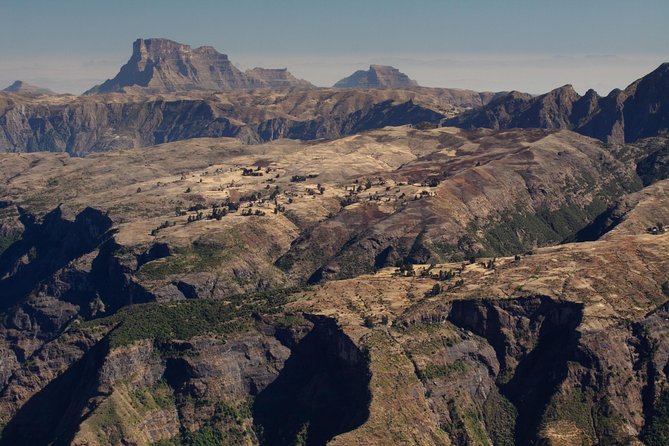
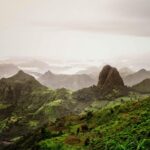
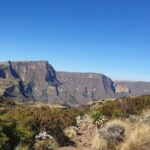
The Simien Mountains are famous for drama: sharp ridges, deep gorges, and long drops that make your sense of scale reset. The trek makes that drama useful because you’re not just looking from a road pull-off. You’re walking through the parts of the range where animals actually move and where viewpoints matter.
I also like that the tour is built on real logistics, not just vibes. You get a park permit, a scout, and mule support, which helps you focus on the day’s walking and the wildlife you might spot. And the walking days are long enough to feel like a trek, but not so extreme that this becomes an endurance test for most moderate travelers.
You can also read our reviews of more tours and experiences in Gonder.
Gondar to Debark: permits, scout, and getting your bearings by 8:00 am
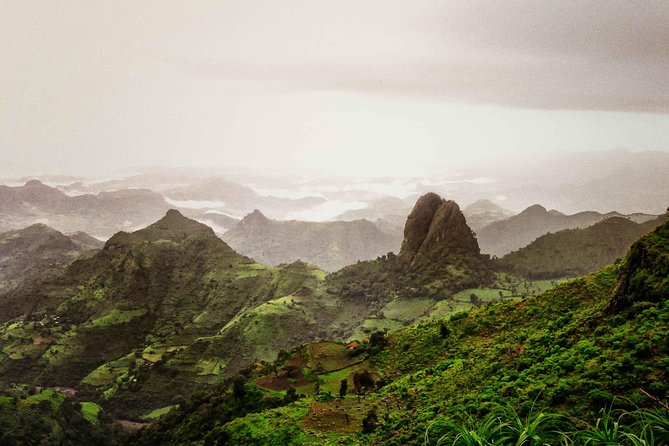
Your day begins at 8:00 am, and that timing is a big deal in the Simien setup. The drive from Gondar to Debark takes about 2–3 hours, and you need time before the first camp planning becomes real. After you reach Debark, you go to the park headquarters for the permit and collect the obligatory scout.
This is one of those steps that feels administrative until you’re actually there. In a place like the Simiens, having the right authorization and local support isn’t just paperwork—it’s what keeps the trekking smooth and safe. From there, you move on toward Sankabar (around 3,250m) as your first overnight target.
Day 1: Buytras to Sankabar (3,250m) and the first wildlife odds
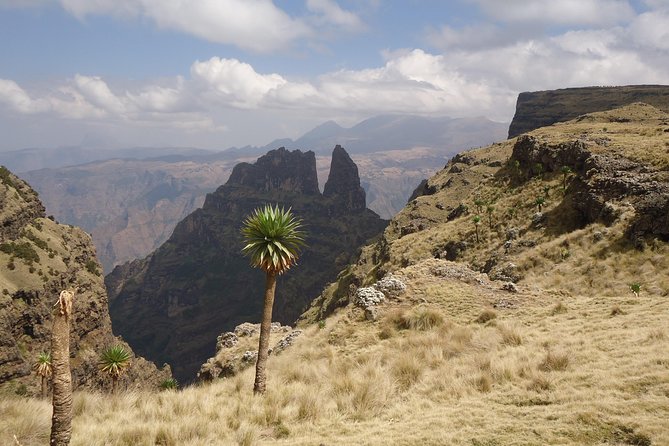
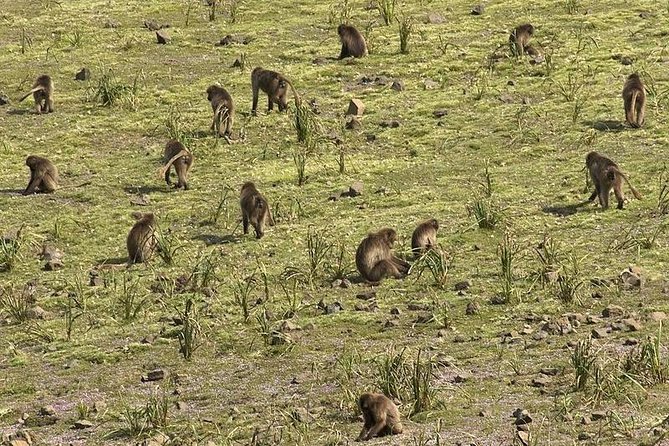
Day 1 starts from Buytras at Simien Lodge. The walk to the Sankabar campsite typically takes about 3–4 hours, which is a smart way to ease you into altitude and trail rhythm. It’s also the day when you may get your first big wildlife hit, including gelada baboons, depending on conditions.
What makes this first trek segment valuable is pacing. You’re not thrown into the hardest climbing on Day 1, and you’re still out long enough to feel you’ve started the real experience. After the walk, you settle into camp at Sankabar, where high-mountain cold tends to show up faster than you’d expect.
Day 1 camp reality check: what you’re actually waking up to
You should expect a proper trekking camp setup rather than “comfortable hotel” expectations. The experience details and guest feedback point to tents, sleeping bags, and organized meals that keep you warm and fed. Hot water bottles were specifically mentioned by past guests, which is a small touch that makes a cold night feel less punishing.
One practical consideration: at these altitudes, you can feel temperature swings quickly. You’ll want layers you can manage during stops, and warm items that work once the sun drops. If you’ve never slept in cool mountain air, plan to treat the evening as part of the trek effort.
Day 2: Jinbar waterfall to Geech (3,600m) and sunset at Kedadit
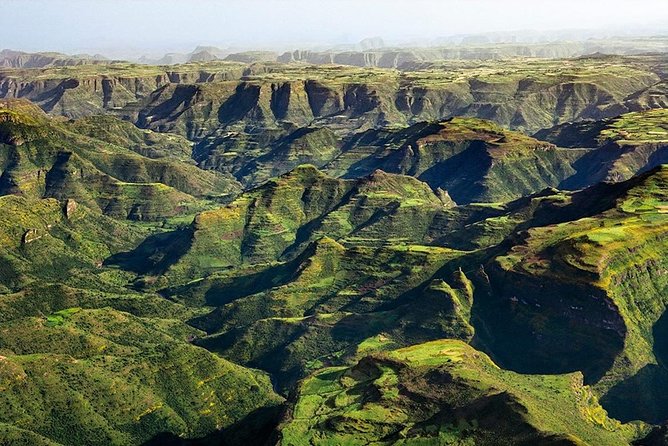
Day 2 is your longer walking day, usually around 5–7 hours, and it starts with a highlight: the trek to Geech via Jinbar waterfall. This isn’t just a view stop—it’s the route itself. You descend toward the Jinbar Wenz, which feeds the waterfall, then you do a short ascent to reach Geech village.
Once you arrive near the camp site, the setting shifts into something distinct: giant lobelia plants are part of the scenery around the Geech area. Camp here sits at about 3,600m, so you’ll feel the altitude more than Day 1. Past guests have described the views from camp as a real payoff, not a minor bonus.
After settling in, you’ve got a strong sunset option at the nearby Kedadit summit. That’s a great plan because sunset in the Simien range tends to reward you with changing light on ridges and cliffs. Even if you don’t nail the perfect photo, it’s one of the best times to enjoy the range without the midday wind and glare.
Animals on Day 2: how to spot them without losing the trail rhythm
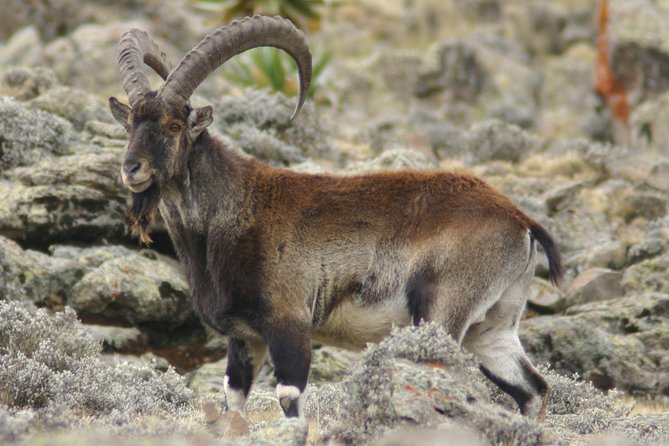
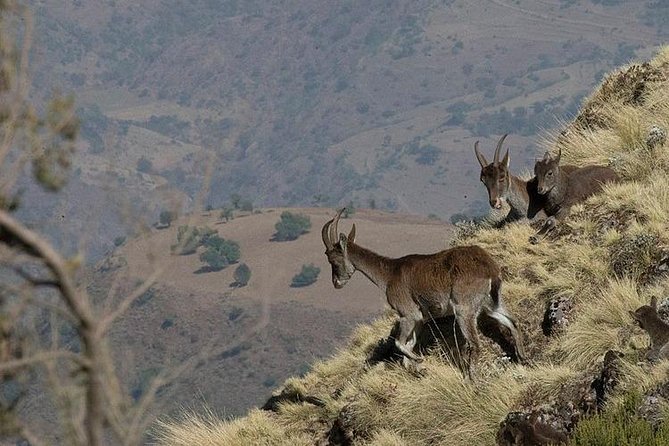
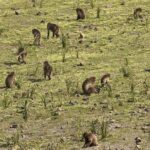
You’re not guaranteed animal sightings, but this itinerary is designed in a way that gives you chances. Geech and its surrounding terrain are part of the range where people often look for high-altitude wildlife. Past guests have mentioned sightings like Ethiopian wolves and other iconic species during the trip, along with the more commonly seen gelada baboons.
My advice is simple: don’t let animal spotting wreck your pacing. Stop briefly when you spot movement, watch from a safe distance, and then get back to your walking rhythm. The best sightings often happen while you’re already moving between landmarks, not only when you pause for long stretches.
Day 3: Geech to Imet Gogo promontory for lammergeiers
Day 3 focuses on a big viewpoint and a shorter hiking day. You trek from Geech to the Imet Gogo promontory, which the experience frames as one of the most spectacular vantage points in the Simien range. The payoff is immediate: this is the day for birds of prey, especially lammergeier vultures.
After Imet Gogo, the trail turns back toward the road near a village called Ambaras. Then you meet the car and drive back toward Gondar. The walking time is about 4–5 hours, which makes Day 3 a great finish if you want an active trek without an exhausting final push.
There’s also an option to end in Axum, which can help you keep your broader Ethiopia route tidy. If you’re building a multi-city plan, ending farther on can save you time compared to retracing your steps.
The bird-and-view payoff: why Imet Gogo is worth your attention
Imet Gogo is the kind of stop that can reset your idea of what a “short” walk can deliver. Even though Day 3 is shorter, it’s still high in the mountains, and the promontory offers wide, open viewing. If you’re a bird person, lammergeiers are the star here.
Practical tip: spend time scanning. With birds, you often need patience more than speed. You don’t need to hike harder on Day 3—you need to look better. A good strategy is to take a few minutes at each viewing pocket rather than rushing from one spot to another.
What you’re paying for: value at $387 per person
At $387 per person for a 3-day trek, the value depends on what you would otherwise have to arrange yourself. Here, you’re paying for the whole moving system: the vehicles, park-related costs, guiding, camp support, and the daily meals.
Included items you should factor into the math:
- Air-conditioned vehicle for drives between areas
- All fees and taxes
- Local guide and scout (including the obligatory scout requirement)
- Mule(s) and mule handler, which reduces the load on you
- Bottled mineral water
- Meals: breakfast (2), lunch (3), dinner (2)
When a trek includes permits, local expertise, and camp logistics, it’s usually cheaper than cobbling it together day by day. And the fact that camps are described as comfortable enough—tents, sleeping bags, and hot water bottles—matters. Comfort isn’t a luxury item when you’re sleeping cold at altitude. It directly affects how you feel the next morning.
Transportation and group size: small enough to feel personal
This trek runs with a maximum of 20 travelers, which is a healthy size for a guided wildlife-and-scenery trek. You’re not stuck in a huge bus-group vibe, and you can still get attention when you need it—especially early in the morning when everyone is adjusting to altitude and walking pace.
You also get air-conditioned vehicle transport. That sounds minor until you’re sitting for hours after already walking all day. It’s a practical comfort that helps you recover before the next day’s trek.
Fitness, weather, and packing tips that match this itinerary
You should aim for moderate physical fitness. Day 2 can run 5–7 hours, and you’re trekking at elevations like 3,600m. This isn’t “extreme” in the sense of technical climbing, but it is demanding in the way mountain walking always is: slower pace, steady effort, and cold mornings.
Because the tour covers cold-night camping, pack like you’ll truly use your layering. Bring warm layers for evening and early starts, and keep your rain plan simple and accessible. The itinerary is short, so if you’re stuck cold or wet, you’ll feel it quickly.
Also remember: mule support helps, but you still have to carry your day essentials—water, layers, and small items. Keep your pack light enough that you can move comfortably.
Who should book this Simien trek (and who might want a different option)
This is a strong pick if you want:
- A guided trek through Simien Mountains National Park
- Real camp nights and organized meal support
- A route designed for wildlife chances, including rare species like walia ibex and Ethiopian wolves (when conditions align)
- Big viewpoints without a week-long commitment
It may not be the best fit if you want a fully easy walk with no altitude effects. Even with pacing, you’re in high mountain terrain across multiple days. If you’re looking for a mostly flat day tour, you’ll likely find this too active.
Should you book 3 Days Simien Mountains Trekking?
I’d book it if you want a compact trek that treats the Simien Mountains like more than a postcard. The combination of permits + scout, mule support, and organized camps makes it a practical way to experience the range without turning the trip into a logistics project. Add the strong focus on viewpoints like Imet Gogo and wildlife chances, and you get a trek that’s both scenic and purposeful.
The main reason to hesitate is altitude and cold at 3,250–3,600m, plus Day 2’s longer walking stretch. If you’re comfortable with moderate trekking and you pack for real mountain nights, this itinerary makes a lot of sense.
FAQ
What time does the trekking start?
The tour starts at 8:00 am.
Do I need a permit to enter Simien Mountains National Park?
Yes. You obtain the required permit at the park headquarters in Debark before continuing with the trek.
Is pickup available?
Pickup is offered.
What’s included in the tour price?
Included items are an air-conditioned vehicle, all fees and taxes, a local guide and scout, mule(s) and mule handler, bottled mineral water, and meals (breakfast 2, lunch 3, dinner 2).
Are meals and camp equipment provided?
Meals are included. Camp comfort is part of the setup, and past guests specifically described tents, sleeping bags, food, and hot water bottles.
How long is the trek each day?
Day 1 is about 3–4 hours walking, Day 2 is about 5–7 hours, and Day 3 is about 4–5 hours. Driving time is also part of the schedule between areas.
What is the cancellation window for a full refund?
You can cancel up to 3 days in advance of the experience for a full refund.
If you want, tell me your travel dates and your broader Ethiopia route (Gondar only, or also Axum), and I can help you sanity-check whether this 3-day pacing fits your trip.