REVIEW · MARRAKECH
2 Days Mt Toubkal Trek
Book on Viator →Operated by Adrar Trips From Marrakech · Bookable on Viator
Toubkal turns 2 days into real altitude. This trek starts in Marrakech, drives you to Imlil, then hikes to Neltner hut for camping before an early shot at the top of 4167 m Mount Toubkal.
What I like most is the way it’s paced for humans, not robots. You’re hiking about five hours on day one to settle in, then roughly eight hours on day two to summit and get down—plus your English guide manages breaks and tempo so the summit effort feels controlled.
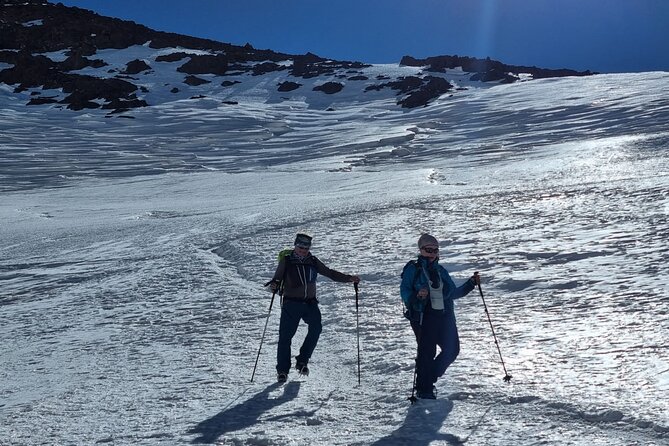
One thing to consider: it’s not a casual walk, and the cold can be serious. Sleeping bags and winter gear like crampons or an ice ax are not included, so if you’re trekking in colder months, you may need extra rentals (and you’ll want to pack for chilly nights).
In This Review
- Key highlights worth planning for
- Why this 2-day Toubkal trek hits differently than a day hike
- Starting in Marrakech: the meeting point and the rhythm of the day
- The ride to Imlil and the first trail stretch
- Day one: hiking to Neltner hut and sleeping high
- Day two: early summit push and the descent that matters
- Guides: the names you’ll hear and why they matter on Toubkal
- Gear and winter equipment: what’s included, what’s not
- Food and energy: what’s included on a mountain timeline
- Value check: is $248.55 a fair deal for 2 days?
- Who this trek suits best (and who should rethink it)
- Should you book this 2 Days Mt Toubkal Trek?
- FAQ
- What time does the trek start in Marrakech?
- Where does the trek end?
- How long are the hiking days?
- Is the trek technical or does it require mountaineering skills?
- What’s included in the price?
- What equipment is included, and what do I need to bring?
- Are drinks included?
- Is there free cancellation?
Key highlights worth planning for
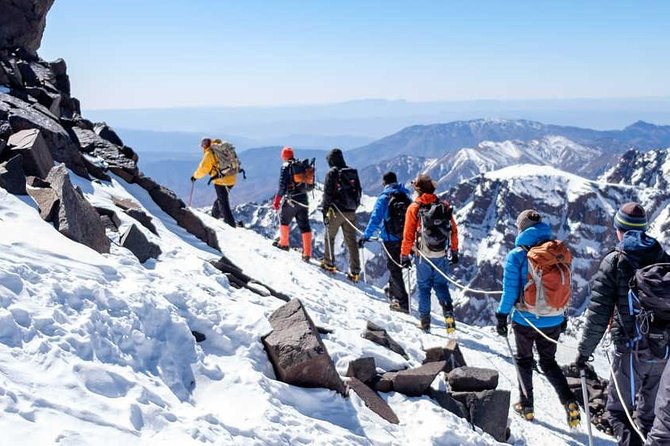
- Small group size (max 8): easier communication, more personal pace control, and fewer bottlenecks on the trail.
- Camping near Neltner hut: you sleep high in the Toubkal area, which makes the summit day feel purposeful.
- A true early summit strategy: day two starts early so you can reach the top and still descend at a reasonable time.
- English guides who adjust to the group: guides like Samir and Idriss are repeatedly praised for supportive pacing and safety.
- Food is built into the hike: two lunches plus dinner and breakfast keep energy steady without you hunting meals.
- Optional winter equipment: if crampons or axes are needed, they can be arranged for an extra fee.
Why this 2-day Toubkal trek hits differently than a day hike
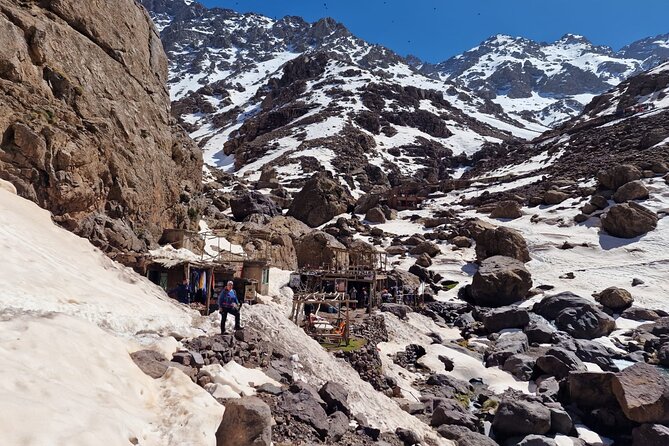
Mount Toubkal is the highest mountain in North Africa at 4167 meters. The trek to the summit is difficult, but it’s not a mountaineering course. That matters because it means the focus is on hiking ability, stamina, and smart pace—not technical rope skills.
You’re also choosing a tight time window. Two days is fast, but it gives you a clear goal: walk into the Toubkal zone on day one, camp near Neltner hut, then go for the summit early on day two. In the real world of Morocco trips, that’s a good setup because you can still build in time for Marrakech after.
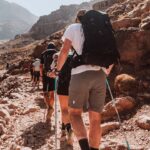
The walk times are substantial: about five hours on day one and around eight hours on day two. If you can handle long climbs at a steady effort, you’ll enjoy the payoff—clear views from the summit make all that uphill worth it.
You can also read our reviews of more tours and experiences in Marrakech.
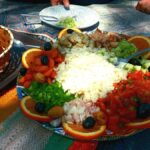
Starting in Marrakech: the meeting point and the rhythm of the day
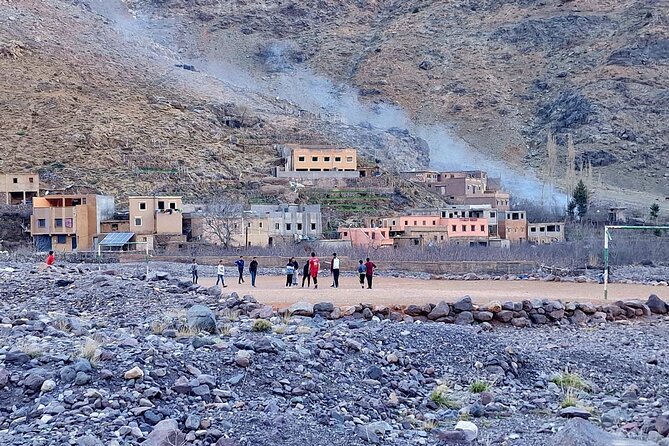
Your morning begins at 8:30 am at Hôtel Restaurant Café de France, right near Jemaa el-Fna. The activity ends back at the meeting point, so you’re not stuck trying to navigate a far-off pickup drop-off maze later.
Pickup is offered, so you might be collected instead of starting exactly at the café. Still, treat the 8:30 start time seriously. With a summit route, everyone’s timing matters, and early departures are part of how the trek stays doable.
Also note the group size: up to eight people. That keeps the experience more personal. On mountain hikes, it helps when the guide can manage spacing, answer questions, and adapt the pace without turning the group into a line.
The ride to Imlil and the first trail stretch
From Marrakech, you travel a few hours to Imlil. This drive isn’t just transportation—it’s your transition from city life to the Atlas Mountains. You arrive, meet your guide and team, and get ready for the hike that starts after the handoff from town logistics to trail rhythm.
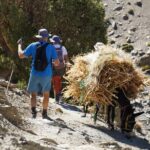
Day one walking is about five hours to Neltner hut, where you camp for the night. Expect steady hiking. This is the leg that sets the tone: it’s not about speed, it’s about settling into altitude effort while you still have energy for tomorrow’s summit.
Practical tip: on day one, don’t spend your legs racing the first switchbacks. Guides on this route are known for pacing the group, and you’ll feel the benefit when day two starts early and longer.
Day one: hiking to Neltner hut and sleeping high
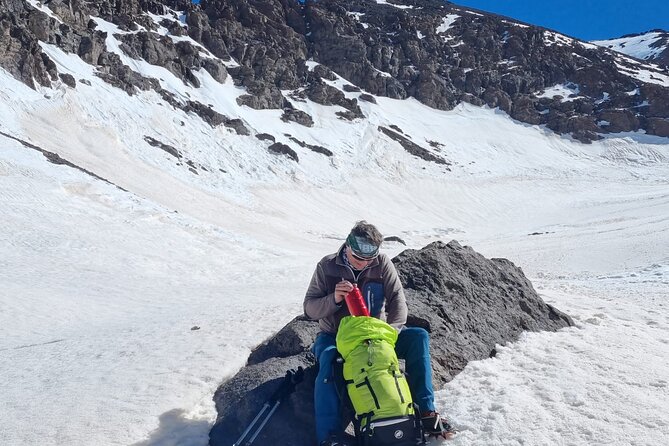
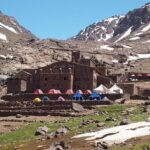
Day one ends at the camping area near Neltner hut. This is the part of the trek that many people end up remembering longest—not because it’s the hardest, but because it’s the “we’re really here” moment.
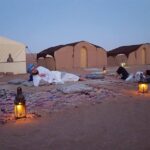
You’ll be camping on the mountain, and gear is provided. You also get meals along the way, including two lunches during the trip, plus dinner and breakfast. One advantage of having meals included is that you don’t have to ration energy or spend mental energy figuring out food at altitude.
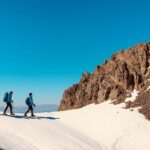
Here’s the reality check: camping means cold nights. Winter conditions can be windy and chilly, and some trips in colder months can include snow and low temperatures. Sleeping bags are not included, so if you’re going in winter or shoulder season, you’ll want to bring what you need or arrange appropriate rentals (sleeping bags and walking sticks are listed as not included).
If you feel altitude quickly, day one is your chance to acclimate in motion—slow your breathing, take breaks when offered, and let the guide manage the tempo.
Day two: early summit push and the descent that matters
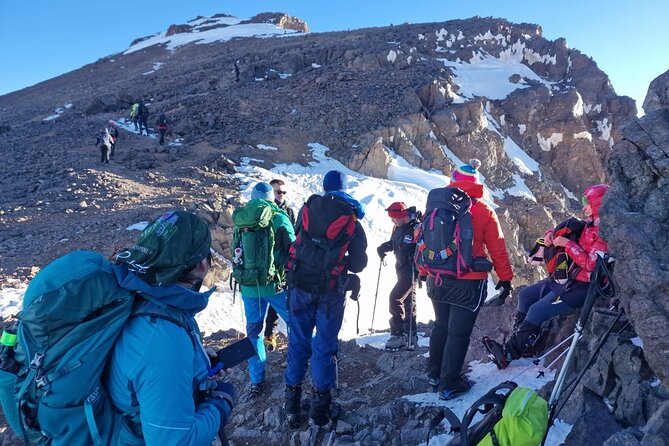
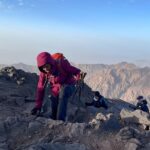
Day two is the summit day. You’ll want an early start so you can reach the top and get down in good time. Walking time is around eight hours, which sounds straightforward until you remember: you’re hiking at elevation, often with cold air and changing trail conditions.
The good news is that you don’t need mountaineering experience. The challenge is hiking difficulty plus altitude management. The best results come from staying steady rather than aggressive.
Guides like Idriss and Samir are specifically praised for keeping a good pace and adapting to the group. That “adapt” part is huge. If someone needs more pauses, the route plan needs to accommodate it. That’s how you avoid turning a summit attempt into a suffering marathon.
Descent is not optional, and it’s where fatigue can catch you. If your legs feel heavy, take the break the guide suggests and keep your steps controlled. The goal is to finish the trek safely and comfortably back near the meeting point at the end of the activity.
Guides: the names you’ll hear and why they matter on Toubkal
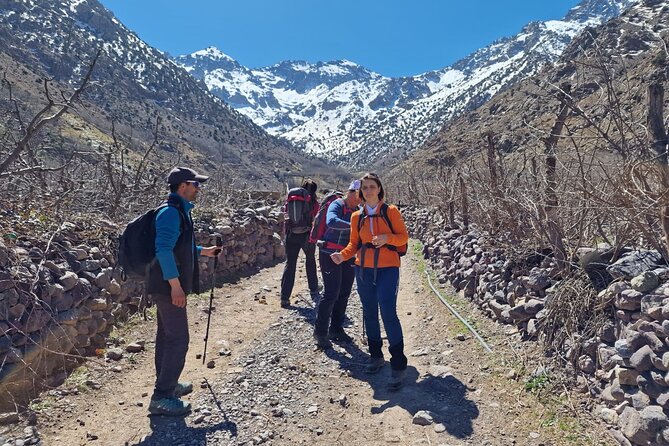
This trek includes an English guide and the team support that makes a two-day mountain plan run smoothly. The reviews spotlight a pattern: guides are patient, friendly, and experienced with group pacing.
You’ll see guide names like Mo, Mustapha, Samir, Ibra, Idriss, Driss, and Omar showing up in positive experiences. While your assigned guide depends on dates and availability, the takeaway is consistent: you want someone who can keep you comfortable while managing the hard parts of altitude and effort.
What that means for you:
- You’ll likely get route guidance and cultural context as you hike through villages and valley areas.
- You’ll get pace adjustments and breaks instead of a one-size-fits-all march.
- You’ll feel more secure on a mountain day that has weather and timing pressure.
On Toubkal, comfort isn’t fluff. It’s part of performance.
Gear and winter equipment: what’s included, what’s not
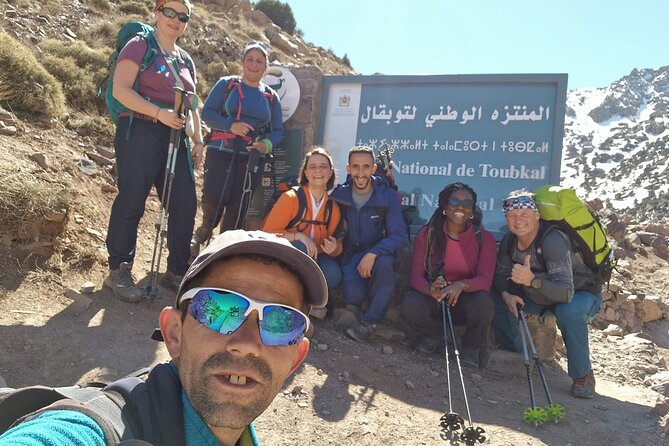
Gear is provided for the trek, and the route planning accounts for mountain hiking needs. But this is a key list of what’s not included:
- crampons (winter)
- ice ax (winter)
- sleeping bags
- walking sticks
- rental equipment in general unless specifically arranged
There’s also an option to arrange extra equipment like axes and crampons for an extra fee if needed. That’s important for anyone planning a winter trek, because snow and ice can change how risky the upper sections feel.
So how should you approach gear?
- If you’re trekking in colder months, plan to handle cold and possible snow conditions yourself through layering and proper equipment.
- If you don’t know what you need, ask your operator early. The trek can require different rentals depending on season and trail conditions.
Even with a “hike, not mountaineer” framing, winter gear is still about safety and stability.
Food and energy: what’s included on a mountain timeline
Meals are part of the deal. You get:
- 2 lunches
- 1 breakfast
- 1 dinner
The trek also includes Marrakech transportation and a night of camping accommodation. That combination is valuable because eating well on a summit schedule is not easy. When meals are organized, you spend less time thinking about logistics and more time moving toward the summit at a sustainable effort.
Moroccan food along the way is part of the experience, and you’ll likely get traditional-style meals suited to hikers—filling, practical fuel rather than fancy tasting-menu portions.
One more note: non-alcoholic drinks are not included. Mineral water and other drinks like Fanta are on the list of things you’ll have to pay for. I’d budget for hydration, especially on cold mornings when you still need fluids.
Value check: is $248.55 a fair deal for 2 days?
At $248.55 per person for a two-day trek, you’re paying for more than walking time. You’re buying:
- transportation to and from Marrakech
- an English guide and the Toubkal guide entrance component
- camping accommodation for one night near Neltner hut
- most meals on the hike (two lunches, one dinner, one breakfast)
- the structured plan that makes an early summit day realistic
The excluded items matter because they can add cost if you need winter rentals: sleeping bags, walking sticks, crampons, and ice ax are not included. Drinks and tips are also not included.
So the value depends on your situation:
- If you already have proper cold-weather gear and you don’t need extra rentals, this usually feels like strong value.
- If you need winter equipment rentals and sleeping gear, the final cost can rise. Still, you’re often saving time and uncertainty by having the trip organized.
Also, small group size (max 8) helps justify the price. On a mountain hike, it’s the difference between getting attention and feeling lost in a crowd.
Who this trek suits best (and who should rethink it)
This trek is listed as suitable for travelers with moderate physical fitness. That fits many active people who hike regularly but don’t do technical climbs.
It’s a great choice if:
- you want a guided summit attempt without mountaineering experience
- you enjoy long days on foot and can handle a tough climb with breaks
- you like the idea of camping high near Neltner hut instead of rushing back the same day
- you want to pair it with Marrakech since the hike is timed from the city and the itinerary is only two days
It may be a poor fit if:
- you struggle with long hiking days (about five hours up first, eight hours day two including descent)
- you dislike cold camping nights and don’t have suitable sleeping gear
- you’re not prepared for winter equipment needs in colder months
Should you book this 2 Days Mt Toubkal Trek?
I think you should book if you want a focused, high-reward hike with structure: meet at 8:30 in Marrakech, ride out to Imlil, hike to Neltner hut, then start early the next day for a summit push. The plan is built for momentum, and the consistently praised guides—Samir, Idriss, and others—signal good group management, pacing, and a real sense of care.
Book with caution if you’re going in winter and you’re missing key cold-weather items like sleeping bags, or if you’re unsure about whether you’ll need crampons or an ice ax. Since those rentals aren’t included, you’ll want to plan ahead so the trip stays about the summit—not about improvising gear.
FAQ
What time does the trek start in Marrakech?
The start time is 8:30 am at Hôtel Restaurant Café de France near Jemaa el-Fna.
Where does the trek end?
It ends back at the same meeting point in Marrakech.
How long are the hiking days?
Day one is about five hours of walking, and day two is about eight hours of walking.
Is the trek technical or does it require mountaineering skills?
The summit hike is difficult but does not require any mountaineering experience.
What’s included in the price?
The price includes transportation in Marrakech, return to Marrakech, one night of camping accommodation, meals (two lunches, one breakfast, one dinner), an English guide, and entrance related to the Toubkal guide.
What equipment is included, and what do I need to bring?
Gear is provided, but rental equipment such as crampons (winter), ice ax (winter), sleeping bags, and walking sticks are not included.
Are drinks included?
Non-alcoholic drinks are not included.
Is there free cancellation?
Yes, free cancellation is available up to 24 hours before the experience start time, and the trek can also be rescheduled or refunded if canceled due to poor weather.