REVIEW · KATHMANDU
Manaslu Circuit Trek 13 Days
Book on Viator →Operated by Trek Mania Nepal · Bookable on Viator
Manaslu rewards patience with big views. This 13-day trek pairs Manaslu-range panorama days with monastery stops and high-pass hiking, so the scenery keeps changing even when the trail stays steady. One caution: you’ll need moderate fitness and good weather, because the altitude work (and long walk days) can be demanding.
I also like the practical side: this trip runs with a government-licensed English-speaking guide, and it handles the official paperwork up front. That includes the Manaslu Conservation Area fee plus the Manaslu Special Permit (noted as seven days), along with the Annapurna Conservation Permit and TIMS—so you spend your energy on walking, not paperwork.
In This Review
- Key highlights you’ll feel fast
- Manaslu Circuit Trek: what makes this route special
- Price and logistics: what you pay for at $1,400 per person
- River gorges to first villages: Machha Khola and Jagat
- Prayer walls and monastery detours: Deng to Namrung to Lho
- Shyala, Samagaon, and the side day to Pungyen Gompa
- Birendra Taal and the push toward Samdo
- Larkya La: the day that earns its reputation
- Tilche and Tal: the long walk out
- Ending in Kathmandu: Tal to Besisahar and rest time
- Trek Mania Nepal: what guide quality feels like on the ground
- Should you book Manaslu Circuit 13 Days with Trek Mania Nepal?
- FAQ
- How long is the Manaslu Circuit Trek?
- Where does the trek start and end?
- What is the price per person?
- What permits are included?
- Are meals included in the package?
- Is trekking accommodation included?
- Is there a guide included, and what language?
- Are porters included?
- Do I need travel insurance?
- What happens if weather is poor?
Key highlights you’ll feel fast
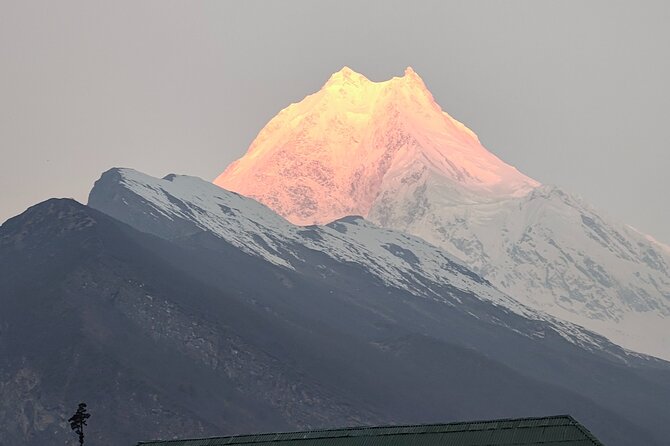
- Larkya La pass views: a true “day changes everything” moment on the Manaslu Circuit
- Tibetan-flavored villages: you’ll pass through places often described as Nepali versions of Tibet, plus monasteries and chortens
- Well-timed acclimatization: rest days around Samagaon and Samdo help you handle altitude better
- Walks through real communities: Gurung, Tamang, and other local culture shows up in daily life, prayer walls, and village routes
- Guide support that keeps you moving: multiple named guides (like Hem, Kumar, Pradip, Rajesh) have been highlighted for care and clear communication
- Simple food break rhythm: dhal bhat has been singled out as a favorite during long trekking days
Manaslu Circuit Trek: what makes this route special
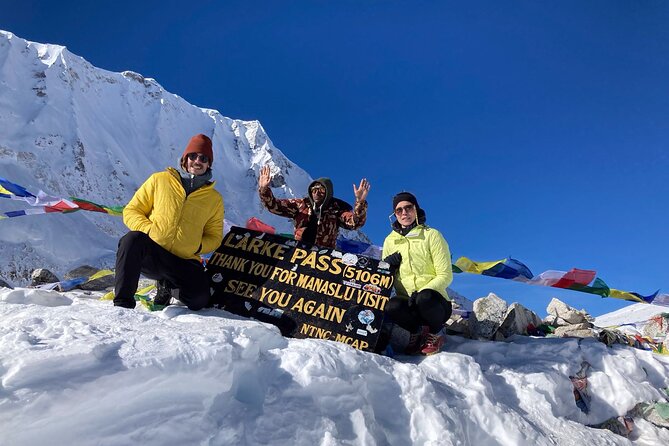
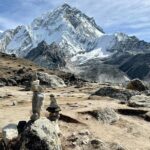
The Manaslu Circuit is one of those Himalayan treks where the reward isn’t one single photo moment. It’s a slow build. One day you’re walking along river gorges and terraced fields. Next you’re threading past prayer walls and monasteries. Then you’re climbing toward the big pass, where the air gets sharper and the sky looks closer.
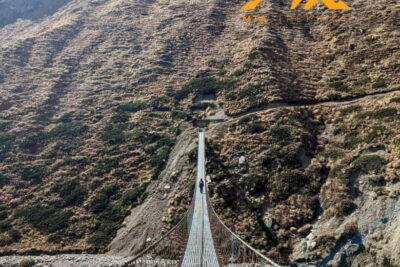
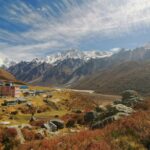
What makes this trek feel authentic is how often the trail moves through villages rather than just skirting them. You’ll walk past chortens, cross suspension bridges, and pass painted monastery gateways. In Namrung, you get a strong Tibetan-style vibe, and by Lho you’re in a part of the route where the Manaslu range basically hangs over the village like a promise you’re working toward.
There’s also a practical angle I like: the route is designed with acclimatization stops before the high point. If you’ve ever felt altitude hit you on hikes that rush too fast, you’ll appreciate the slower rhythm around Samagaon and Samdo.
You can also read our reviews of more tours and experiences in Kathmandu.
Price and logistics: what you pay for at $1,400 per person
At $1,400 per person, this trek is priced like a guided, permit-managed, organized adventure—not like a bare-bones DIY plan. The included portion covers important “hard-to-want-to-handle” items: public transportation, permits, a licensed English-speaking guide, and a first aid medical box. You also get a t-shirt, duffel bag, and a trekking map with the company logo, plus a farewell dinner.
But here’s the part you should plan for early: meals and trekking accommodation are listed as not included. That means your real trip cost will depend on where you stay each night and what you eat at teahouses along the way. If you like to travel with predictable costs, you’ll want to budget for those daily basics from day to day.
Also not included: visa fee, international airfare, porters, and travel insurance/rescue costs. No one wants to think about rescue costs on a mountain trek, but you should treat insurance as non-negotiable—especially because this route involves high altitude and weather-dependent passes.
One more logistics detail you’ll care about in Nepal: this experience offers pickup, and it uses a mobile ticket. That’s helpful when you’re arriving jet-lagged and just want the first steps to be smooth.
River gorges to first villages: Machha Khola and Jagat
You start with an early drive to Machha Khola, following the Trishuli and Budhi Gandaki Rivers. The vibe here is “get your legs under you.” Machha Khola is the starting anchor, then the trek drops into the Budhi Gandaki gorge route.
Next comes Jagat. This section is described as following an easier trail with a unique mix of vegetation along the way, then descending into that gorge atmosphere. In practical terms, these early days are where you learn your walking pace. You also get your first taste of the rhythm of small rest points—where you stop, breathe, refill water, and keep moving without overthinking it.
What I like about this start is that you’re not thrown into the most technical part of the circuit right away. You’re building a rhythm for what comes later: longer climbing days and thinner air.
Prayer walls and monastery detours: Deng to Namrung to Lho
After Jagat, you head onward through a sequence of villages that gradually shift the feel of the trek toward Buddhist Tibet-influenced culture.
You pass Sirdibas, then Philim, and Ekle Bhatti—meaning one house. That tiny, isolated rest point matters because it shows you the scale of the trail in this region: sometimes it’s not about a big town meal, it’s about a quiet pause and continuing.
Then comes Deng, after crossing a suspension bridge. This is where the route’s “human geography” really shows: painted gate details, village life, and forests that get denser as you leave the river edge behind.
From there, Bihi Phedi is a sharp reminder that the circuit is a trek, not a stroll. The trail climbs through hillside settlements arranged in clusters. Then you reach Ghap, with a monastery stop along the way—Serang Monastery—with colorful Buddhist figure paintings and carvings. If you like small religious art details, this is the kind of stop you’ll remember.
Namrung is often described as the Nepali version of Tibet. You’ll feel it in the monastery culture and the way the village looks and functions. After that, the route keeps stepping through farming areas and chorten sites, reaching Lho—one of the strongest viewpoints on the early-to-mid arc. The setting is special because you’re close enough to the Manaslu range to feel it pulling you forward.
Practical note: in this stretch you’ll often be deciding whether to push on or take a longer break. If you want the best photos, stop earlier in the day. If you want to feel better later, move consistently and don’t rely on one “big push” day.
Shyala, Samagaon, and the side day to Pungyen Gompa
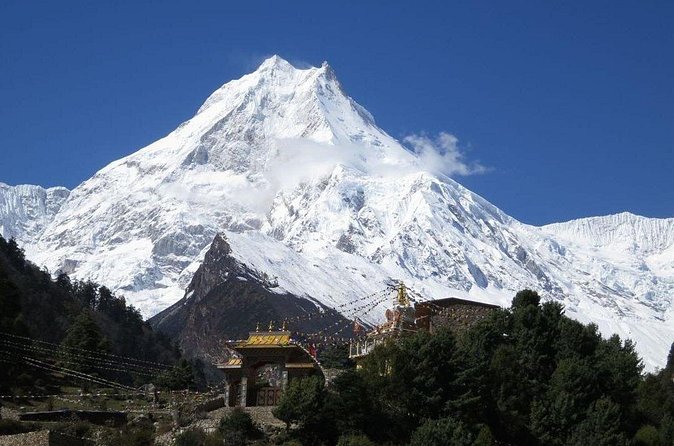
Lho to Shyala moves you into alpine-type vegetation and references an older yak caravan route where timber exchanges once happened between regions. That’s a cool historical detail, but what you’ll actually feel is a change in plant life and a slightly different trail mood.
Then comes Samagaon, which is often described as peaceful and spiritual. This is your acclimatization anchor before the high pass zone. You’ll get time to rest, regroup, and adjust your pace.
A standout day is the trip to Pungyen Gompa. You retrace steps back to a junction, then head northwest toward the gompa. Two small chortens appear along the route as you gain toward the monastery. This side visit matters because it breaks up the main walking pattern with a clear destination that’s cultural, not just scenic.
If you’re the type who likes to understand where you are—why the trail winds like it does—these monastery days are a big part of making the circuit feel meaningful, not just athletic.
Birendra Taal and the push toward Samdo
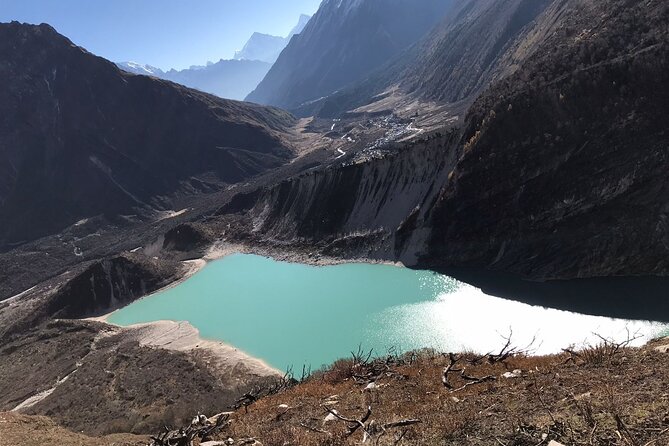
Birendra Taal is a turquoise glacial lake named after King Birendra Bir Bikram Shah Dev, who visited it. The color is explained as coming from glacial decomposition at the bottom. Even if you’ve seen lakes before, this one tends to stick because it feels like a “high altitude pause” in a trek that keeps moving toward bigger things.
From there, the route returns to Samagaon viewpoints and continues onward to Samdo. Samdo is a quiet village that acts as a staging point before the final ascent work. You’re not just walking through it; you’re using it. You’ll likely feel the difference in air and the way your breathing changes as you get closer to the pass zone.
This is a key point in the whole trek: altitude doesn’t just happen on the pass day. It builds. If you take your time here—eat, hydrate, and avoid sprinting up climbs—you’ll set yourself up for a safer, more comfortable Larkya La day.
Larkya La: the day that earns its reputation
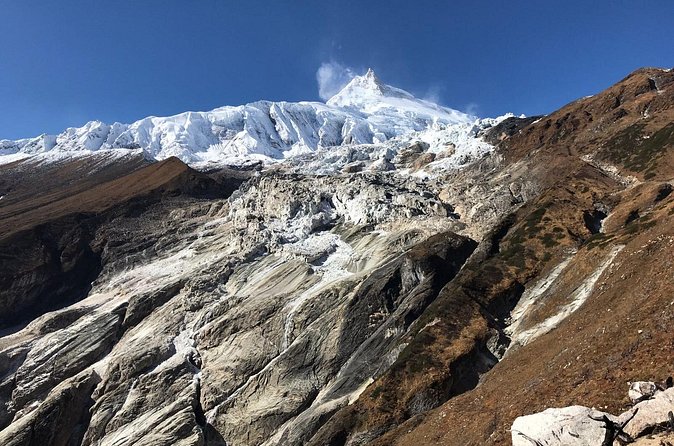
Larkya Bazaar is an older trading hub you pass on your way to Larkya Phedi, also called Dharamsala. The route description emphasizes the cultural markers—chortens and mani walls—plus glaciers and juniper bushes. In other words, it’s not just steep. It’s steep and interesting.
Then you reach Dharamsala for the climb setup. From here, altitude can affect breathing, so pace becomes more important than speed. If you’ve ever tried to “out-will” thin air, this is the day to practice patience.
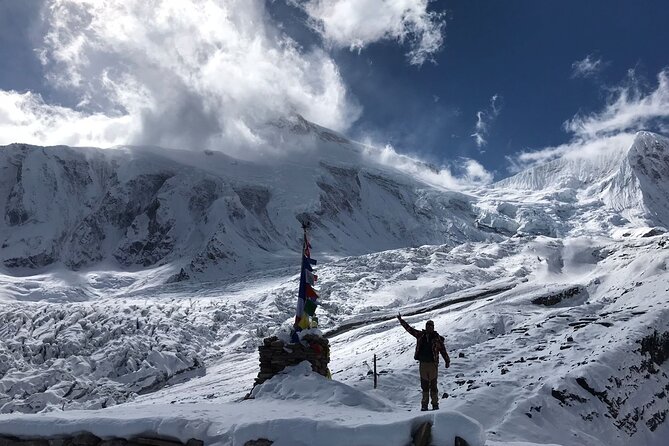
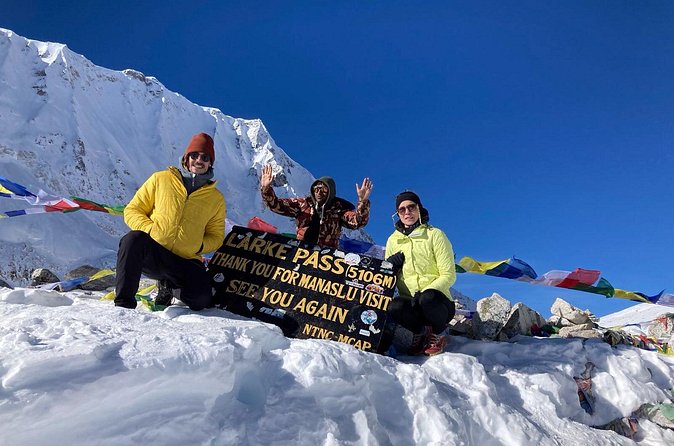
Larkya La Pass is the highlight. You’ll climb with glacier views, prayer stone features, and wide Manaslu range sightlines. On a day like this, what you remember isn’t only the peak view. It’s the contrast: how the terrain and air change as you gain, and how quickly the mind starts focusing on steady steps.
After the pass, Bimthang is the reset. It’s described as a well-deserved rest with picturesque surroundings and a place to relax and acclimatize. This part matters because you don’t want to turn the success day into a failure day. Eat, drink, slow down, and let your legs cool off properly.
Tilche and Tal: the long walk out
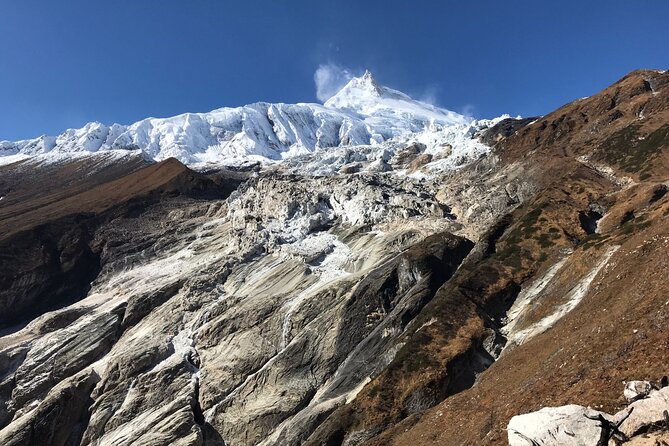
After the pass, Tilche is the next checkpoint as you descend. Even here, the views can stay strong, with mountains looking closer than they did at the pass. The walk goes through rhododendron, pine, and oak forests—another shift from the harsher high-pass feel.
Then comes Tal. The trek from Tilje to Tal doesn’t get described as “grand views” day, but it’s still valuable because the scenery and vegetation shift again and the villages become denser. This is one of those “keep walking, feel better” stretches where you start thinking about the end of the circuit.
If you’re a photo-first person, you may find Tal less dramatic. If you’re a “walk and watch village life” person, this is where the circuit can feel personal again. Either way, it’s an important transition toward getting out.
Ending in Kathmandu: Tal to Besisahar and rest time
From Tal, you descend on foot to Besisahar and then catch a long drive back to Kathmandu. The final day is not about climbing. It’s about recovering. Back in Kathmandu, you’re set up for rest and relaxation in a hotel, which is exactly what you want after the Larkya La effort.
It’s also where good organization shows. If the exit day feels smooth—no last-minute surprises—your whole trek feels safer and less stressful.
Trek Mania Nepal: what guide quality feels like on the ground
The trekking guide experience is a big part of why this circuit works well. The operator uses a government license holder English-speaking trekking guide, and feedback highlights guide personalities and care.
Named examples include Hem, Kumar, Pradip, and Rajesh. People also talk about porters such as Deepak and teamwork that keeps the group calm and moving. In plain terms, you want a guide who can explain what you’re seeing, keep you steady on steep sections, and handle the “small problems” fast—like pacing adjustments when altitude changes how fast you can walk.
One more thing I appreciate from the style described: smooth communication before the trek, with Devaraj and his daughter called out for professional and quick responses. That matters more than you might think. Trek planning is stressful. Clear communication removes stress.
Should you book Manaslu Circuit 13 Days with Trek Mania Nepal?
Book this trek if you want:
- A guided circuit with permits handled (Manaslu Conservation Area, Manaslu Special Permit for seven days, Annapurna Conservation Permit, TIMS)
- A mix of culture + monasteries plus high-altitude hiking
- A trek paced with acclimatization stops around Samagaon and Samdo
- A team that’s been praised for caring, organized guidance (examples include Hem, Kumar, Pradip, Rajesh)
Think twice if:
- You hate long walking days and steep climbs. This route climbs repeatedly, and Larkya La is not a casual day.
- You’d rather have meals and trekking accommodation included in the package. Here, meals and lodging during the trek are listed as not included, so your budget needs room for daily tea house costs.
If you fit the “moderate fitness + ok with high-altitude weather variability” profile, you’re very likely to find this circuit worth the effort. Manaslu is one of those treks where the smaller village moments matter as much as the big pass.
FAQ
How long is the Manaslu Circuit Trek?
The trek runs for about 13 days, from the start in the first walking days out of the Kathmandu area, through the circuit, and back with a final drive to Kathmandu.
Where does the trek start and end?
It’s based in Kathmandu. The trek starts with driving to Machha Khola and ends with a drive back to Kathmandu after descending to Besisahar.
What is the price per person?
The price is listed as $1,400.00 per person.
What permits are included?
Included permits are Manaslu Conservation Area fees, the Manaslu Special Permit (noted as seven days only), Annapurna Conservation Permit, and a TIMS card.
Are meals included in the package?
No. Meals are listed as not included.
Is trekking accommodation included?
No. All accommodation during the trek is listed as not included.
Is there a guide included, and what language?
Yes. The package includes a government license holder English-speaking trekking guide.
Are porters included?
No. Porters are listed as not included.
Do I need travel insurance?
Travel insurance and rescue operation costs are listed as not included, so you should plan for insurance separately.
What happens if weather is poor?
The experience requires good weather. If it’s canceled due to poor weather, you’ll be offered a different date or a full refund.