REVIEW · POKHARA
3 Days 2 Nights Poon Hill Trekking
Book on Viator →Operated by Peak to Peak Tours and Treks Pvt Ltd · Bookable on Viator
Three days, one jaw-dropping sunrise. This Poon Hill trekking route is a classic Annapurna shortcut to big Himalayan views with minimal fuss, and it comes with a licensed mountain guide and permits handled for you. I like that it also builds in cultural time at Ghandruk, not just photo stops.
I also like the way the trek is paced for people with moderate fitness, with overnight stays in tea houses along the way. The one real drawback: meals and drinks are on your own (tea houses do sell food), and the sunrise day starts early, so plan for a long morning.
In This Review
- Key highlights from this Poon Hill trekking setup
- Why this 3-day Poon Hill trek feels so “worth it”
- Day 1: Pokhara transfers, Uleri by road, then Ghorepani on foot
- Day 2: Pre-dawn Poon Hill sunrise, then back through Ghandruk
- Day 3: Ghandruk down to Nayapul, then back to Pokhara
- What the $228.47 price includes (and what it doesn’t)
- Tea houses, comfort level, and the real deal on sleep
- Guides and support: why names show up in the best reviews
- Getting the timing right: sunrise is the whole point
- Group setup, pickup, and how logistics affect your mood
- Who this trek suits best (and who might want another option)
- Should you book this Poon Hill trekking package?
- FAQ
- Is pickup from Pokhara included?
- What permits and entry fees are covered?
- Will I stay in tea houses during the trek?
- Are meals and drinks included?
- What fitness level do I need?
- Can I get a full refund if I cancel?
Key highlights from this Poon Hill trekking setup
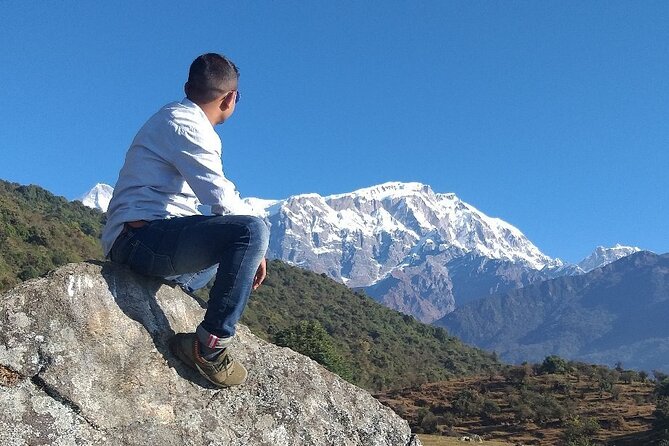
- Poon Hill sunrise timing that sets up your best chance for clear views
- Ghandruk village visit during the middle of the trek, so it’s not rushed at the end
- Tea house accommodation included for the trekking nights, so you’re not hunting rooms mid-route
- Licensed guide + permits + entry fees covered, which keeps paperwork stress low
- Private group experience, plus private transportation for the transfer pieces
Why this 3-day Poon Hill trek feels so “worth it”
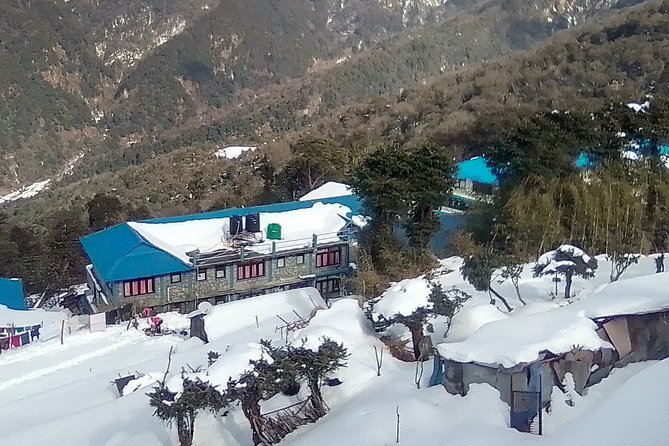
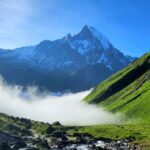
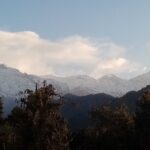
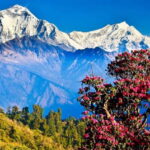
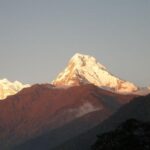
Poon Hill is famous for a reason. In a short amount of time, you get sweeping views over the Annapurna region, often with sun hitting the ridgelines in layers. The trick is doing it in a way that doesn’t burn all your energy on logistics. This route is built around that idea: take care of the travel bits, then focus your effort on the walking and the views.
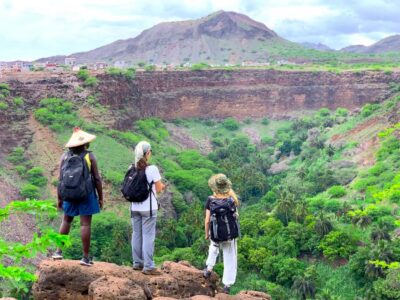
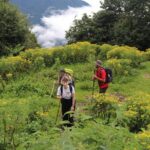
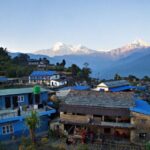
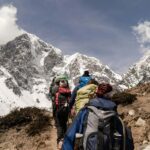
I like that the tour frames the trek as a mix of scenery and terrain variety. You’ll move through dense lower Himalayan evergreen forest early on, then climb into clearer viewpoints. And you’ll also spend time at a traditional village in the foothills, so the experience isn’t only about mountains.
One more practical win: you’re not left to guess about the route. You get a guide who can explain culture, people, and the terrain as you go. That matters, because in Nepal, a trek can feel like a blur of steps unless someone helps you connect what you’re seeing with how people live nearby.
You can also read our reviews of more tours and experiences in Pokhara.
Day 1: Pokhara transfers, Uleri by road, then Ghorepani on foot
Day one is all about getting you into position without wasting daylight. You start in Pokhara, and the package includes private transportation plus a pickup option. From there, you drive to Uleri, then switch gears to hiking toward Ghorepani.
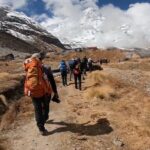
What makes this day work well is the “warm-up” nature of it. The walk to Ghorepani lets your body adjust to elevation and trail rhythm while you’re still surrounded by more forested scenery. The route runs through dense lower Himalayan evergreen areas, which means your hike often feels cooler and shaded compared with exposed ridgelines.
Ghorepani is where you settle for the night in a tea house. That matters more than people think. Tea houses mean you can plan meals and rest without turning the first day into an extra scavenger hunt. You also get an early window to prepare for the sunrise push the next morning.
Tip: On day one, don’t treat it like a “race day.” Even though it’s only the first leg, it’s easier on your legs to start steady and let the climb build naturally.
Day 2: Pre-dawn Poon Hill sunrise, then back through Ghandruk
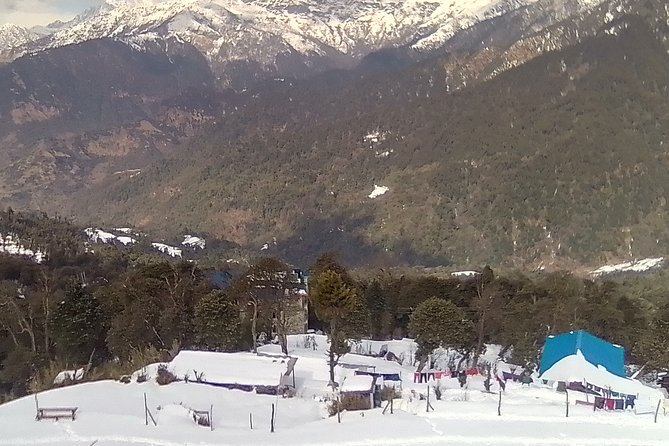
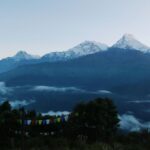
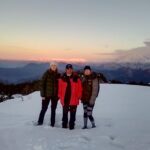
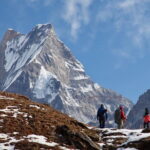
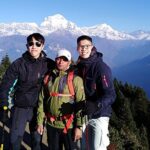
Day two is the headline. It starts with an early trek to Poon Hill for sunrise. The payoff is the combination of timing and elevation: you’re high enough to see the mountain silhouettes, but this route is short enough that you’re not spending the whole trip just getting there.
Sunrise trekking is also a mental game. You’ll likely feel cold at the beginning, then warm up once the walking starts. Bring layers you can peel off. And when you reach the viewpoint, give yourself a few minutes to let your eyes adjust to contrast—mountain views can look “too bright” at first until your vision settles.
After sunrise, you hike back toward Ghandruk. This part is important: the trek shifts from pure viewpoint chasing to village life. Ghandruk is a traditional Himalayan foothills settlement, and it adds real texture to the trip. Instead of being isolated on a trail all day, you’re seeing how communities are built around the mountains—what daily life looks like, what people do, and how the terrain shapes the way settlements work.
Practical note: sunrise mornings are early by nature, so you’ll want an unhurried breakfast plan at the tea house the night before (within what the tea house offers). Since food and drinks aren’t included, it’s smart to budget for a couple of meals and hot drinks.
Day 3: Ghandruk down to Nayapul, then back to Pokhara
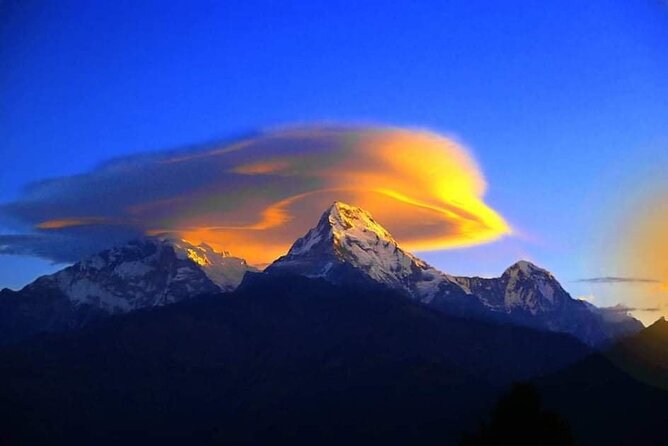
Day three keeps things moving but stays realistic for a 3-day schedule. You hike from Ghandruk to Nayapul, then you connect back toward Pokhara with the included transportation.
Why this final day matters: you end with a descent and completion, not another big climb. For many people, that makes the trek feel more manageable overall. You get the satisfaction of finishing the route, plus a clear “wrap-up” into normal life—roads, cars, and the comfort of being back where you started.
Also, by this point you’ve already experienced the main two draws: the sunrise viewpoint and Ghandruk’s village setting. So your focus on day three can stay on leg rhythm and enjoying the last stretch, rather than stressing about hitting the perfect view.
If you’re the type who likes a clean ending: this itinerary gives you one.
What the $228.47 price includes (and what it doesn’t)
At $228.47 per person for about 3 days, this trek includes a lot of the items that usually add up and create headaches.
Included:
- Private transportation
- Guide expenses
- A licensed mountain guide
- All fees and taxes
- Permits and entry fees
- Tea house accommodation during the trekking portion
Not included:
- Food and drinks (purchased along the way)
- Rescue cost in an emergency
- Gratitude (optional)
So the value question isn’t just the sticker price. It’s what the package removes from your planning: permits, entry fees, guide logistics, and the baseline sleeping arrangements in tea houses. That’s what helps the trek feel “hassle free.”
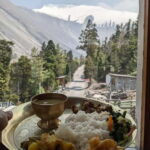
The one thing to watch is meals. Tea houses can provide food and hot drinks, but you’ll still want to budget. If you’re traveling with specific dietary needs, give yourself extra money for flexibility.
And about emergencies: the trek includes rescue cost not being covered in the price. That’s normal in many trekking setups, but it’s still a reason to make sure your personal travel insurance actually covers trekking and evacuation if needed.
Tea houses, comfort level, and the real deal on sleep
Tea houses are central to the Poon Hill style of trekking. You’ll stay in tea house lodging during the trekking nights, which means you’re not hauling camping gear or searching for beds every evening. That’s a big part of why this route is popular for short trip planners.
What you should expect from tea houses in practice:
- Basic lodging (you shouldn’t expect hotel-level luxury)
- Food available to purchase
- Space that’s often shared with other trekkers heading in similar directions
Where the tour setup helps is predictability. You’re not left trying to secure rooms on the fly. Having accommodation included reduces the chance of a “we’ll find something” situation.
Also, because this is a moderate fitness trek, tea house nights are where you recover properly. If you push too hard on day one or two, day three will feel it. The itinerary supports steady trekking, but you still need to listen to your body.
Guides and support: why names show up in the best reviews
The best-run treks feel calm because someone else is handling the moving parts. This company operates as Peak to Peak Tours and Treks Pvt Ltd, and multiple reviews highlight strong coordination and hospitality.
One guide name that came up clearly was Madhu Sudan Dahal, with praise for smooth management and helpful support. Another name mentioned was Ravi Gyawali, specifically for making the trip feel “best” through good service and guidance.
Even if you never meet the same person, the pattern matters: you’re likely to get a guide who explains the terrain and helps you handle day-to-day trekking choices without drama. That’s especially useful for first-timers who know the trek is “famous” but still aren’t sure what to expect day by day.
Getting the timing right: sunrise is the whole point
If you’re considering Poon Hill, understand this: the sunrise viewpoint is the main event. That affects everything—sleep timing, breakfast timing, layering, and how much energy you spend in the morning.
Early starts can feel harsh at first. But the upside is that you’re walking when many people are still asleep, and you’re often rewarded with better light for mountain visibility.
What you can do to improve odds:
- Wear warm layers early, then adjust as you walk
- Bring a hat and gloves if you run cold
- Give yourself time at the viewpoint for clouds to shift (when they do)
And remember: weather in the mountains can change fast. A clear sunrise is the dream, not a guarantee. A good guide helps you stay flexible.
Group setup, pickup, and how logistics affect your mood
This is a private tour/activity, meaning only your group participates. That can be a meaningful difference if you dislike feeling rushed or if your group needs a bit more time for photos or resting.
There’s also a pickup offered, plus the tour is described as near public transportation. Translation: you’re not stuck on the edge of town wondering how to connect to the trail start. Private transportation plus pickup reduces the common “last-mile stress” that can drain the first hour of your day.
One more detail worth noting: a mobile ticket is included. That’s handy if you’re juggling phones, small wallets, and trekking-ready minimalism.
Who this trek suits best (and who might want another option)
This trek is aimed at people with moderate physical fitness. That’s a good sign for most visitors who want real trekking without going hardcore.
It also works well if you like:
- A short trip with a big “main moment” (sunrise)
- A mix of views and village culture (Ghandruk)
- Tea house comfort without heavy planning
You might consider another option if:
- You want the trek to include meals in a fixed price (food isn’t included here)
- You dislike early mornings in general
- You want a longer, more remote trek experience (this route is short and efficient)
Still, for a first Annapurna area trek, this is a solid way to get your feet wet.
Should you book this Poon Hill trekking package?
If you want the best mix of iconic views, a traditional village stop, and low friction planning, this one is a strong yes. The biggest reasons are practical: permits and entry fees are included, you get a licensed guide, and you don’t have to guess about tea house lodging.
Book it if:
- You want a short trek with a clear highlight (Poon Hill sunrise)
- You value hassle-free logistics
- You’re okay paying for meals and drinks separately
Think twice if:
- You want a fully all-inclusive food package
- You’re hoping to avoid any early wake-ups
If you go in prepared for cold mornings and budget for meals, this trek’s “short and sweet” structure is exactly what makes it satisfying.
FAQ
Is pickup from Pokhara included?
Pickup is offered, and the tour also includes private transportation. That usually makes it easier to start your trekking days without extra taxi juggling.
What permits and entry fees are covered?
The price includes permits and all entry fees, along with all fees and taxes.
Will I stay in tea houses during the trek?
Yes. Accommodation in a Tea House during the trekking is included as part of the package.
Are meals and drinks included?
Food and drinks are not included. You can buy them along the way at tea houses during the trek.
What fitness level do I need?
The trek is for travelers with a moderate physical fitness level.
Can I get a full refund if I cancel?
Yes. You can cancel up to 24 hours in advance for a full refund. If you cancel less than 24 hours before the start time, the amount paid isn’t refunded.