REVIEW · SA PA
From Sapa: Sapa Trekking Private Tour With Female Guide
Book on GetYourGuide →Operated by Vietnam Package Tours · Bookable on GetYourGuide
Sapa feels like it’s made for short, story-rich trips, and this one is a great fit. I like how you get two major ethnic groups in the morning stop alone, and I also like the hands-on cultural moments like visiting traditional houses and sharing a welcome drink and tea talks. One catch: it’s only 4 hours, so if you want long hikes or hours in one village, you’ll feel a bit rushed.
This is a private group tour with pickup from your place in Sapa, so you’re not wasting time figuring out logistics. Your guide is English-speaking and female, and a name that pops up often in feedback is Dely, praised for good English, clear explanations, and a friendly sense of humor.
The route covers the North and Southeast sides of Sapa, including the Muong Hoa valley. You’ll see terraced fields and meet locals, but the itinerary can shift with weather and timing, so bring patience if rain or fog changes the plan.
In This Review
- Key things that make this tour worth your time
- A smart half-day plan for Sapa’s village life
- Pickup in Sapa, then straight into the North
- Inside Black Hmong and Red Dao traditional houses
- Tea talks and cultural context (the part that sticks)
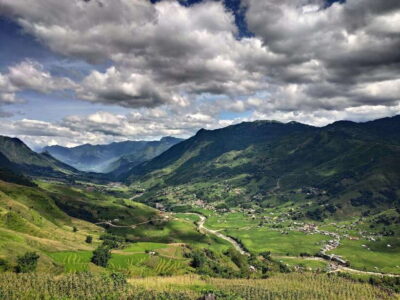
- Muong Hoa Valley: terraced views and Dzay village life
- The return to Sapa on a different winding route
- Price and value: what $30 buys you here
- What to bring, and how to stay comfortable
- Should you book this Sapa ethnic villages tour?
- FAQ
- How long is the tour?
- Is this tour private?
- Will I be picked up from my accommodation in Sapa?
- What ethnic groups will I learn about?
- What’s included in the price?
- Is an English guide provided?
- Is it suitable for wheelchair users or people with back problems?
- What should I bring?
- Can I smoke during the tour?
- Do itineraries ever change?
Key things that make this tour worth your time
- Black Hmong + Red Dao in one stop set: You visit traditional houses and get the real-world differences from your guide.
- Tea chats that turn photos into context: You don’t just look—you learn what you’re seeing.
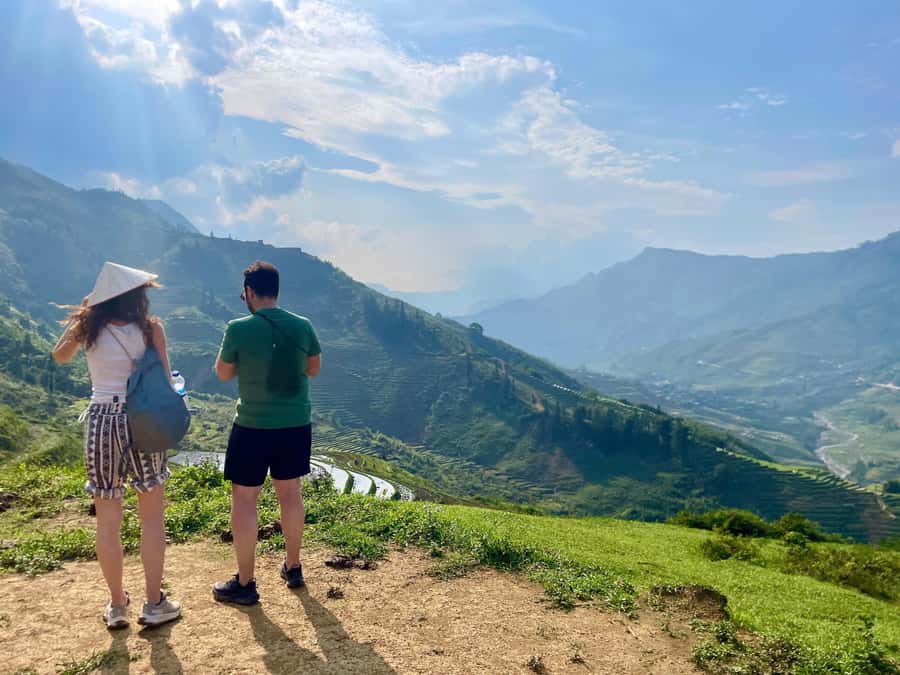
- Muong Hoa valley viewing time: Terraced fields and local life, focused in a tight half-day.
- Dzay group encounters in the Southeast: You’ll see how another community lives in the same wider region.
- Private pacing with pickup: It starts from your accommodation, which makes the whole morning simpler.
- Bonus edited video from your photos: If you send images to the guide on WhatsApp, you get an edited video.
A smart half-day plan for Sapa’s village life
A 4-hour tour sounds short, but in Sapa that can be a feature, not a bug. The town sits near multiple ethnic communities spread across valleys and hillside roads. In a short window, this kind of route helps you connect the dots between groups, without turning your day into a bus-and-wait marathon.
For you, the big win is structure. You’ll start in central Sapa, head toward the North for Black Hmong and Red Dao, then continue to the Southeast into Muong Hoa valley for the Dzay group. That means you’re not repeating the same scenery or the same village conversation.
Also, because it’s a private tour, the pace can be more flexible than group tours. Your guide can slow down when questions come up—especially during the tea talk moments.
You can also read our reviews of more tours and experiences in Sa Pa.


Pickup in Sapa, then straight into the North
The day starts with pickup from your accommodation in Sapa. That sounds small, but it matters here. Local roads can be tricky to navigate, and you don’t want to spend your limited half-day hunting a meeting point.
Once you meet your English-speaking guide, you’ll get a short introduction and then head out toward the North of Sapa. This section is focused on understanding two of the biggest ethnic groups in the area—Black Hmong and Red Dao—through what they do daily and how they live in their traditional houses.
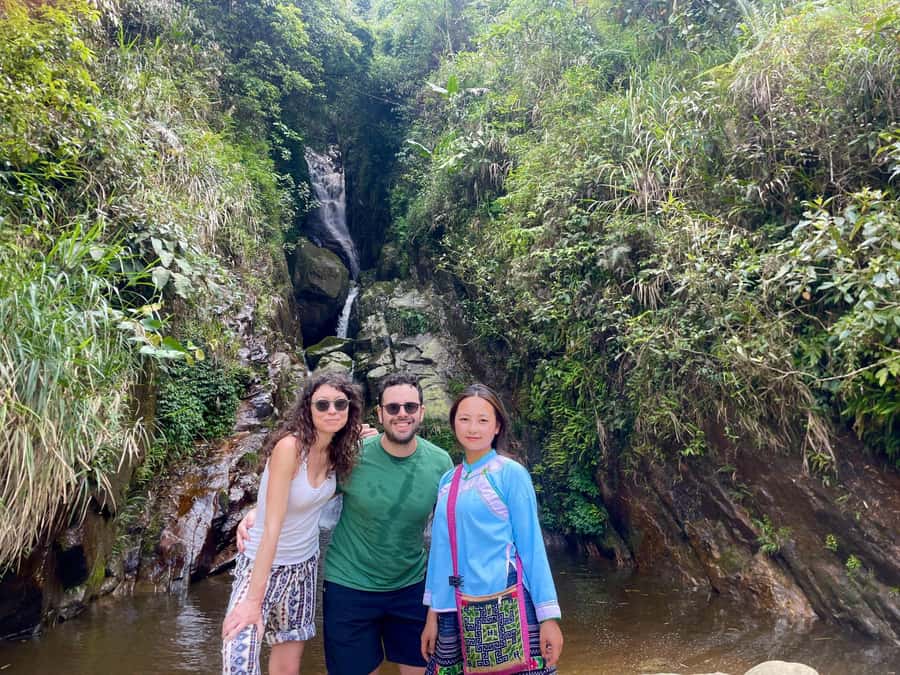
This is also where your guide’s communication style becomes important. In feedback connected to this tour, Dely is specifically mentioned for having strong English, explaining things clearly, and keeping the vibe friendly. You’ll feel it most during the time when you’re looking at homes and listening to customs, not just taking photos.
What to watch for: if you’re hoping for a lot of walking on steep paths, temper expectations. The tour is described as a visit-and-explore loop with a walk component, but it’s not pitched as a long trek.
Inside Black Hmong and Red Dao traditional houses
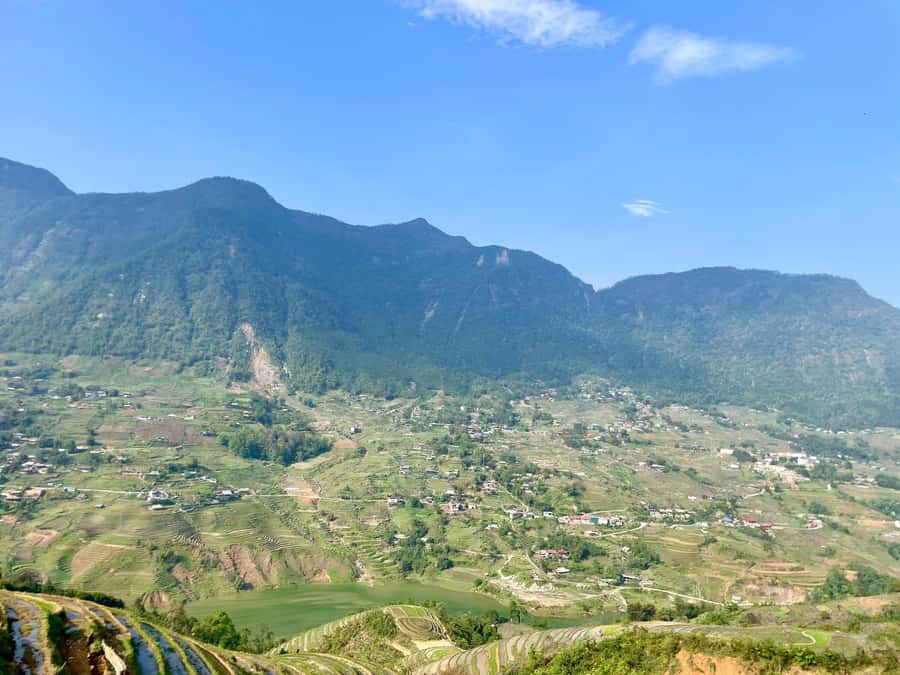
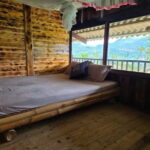
You’ll visit traditional houses associated with the Black Hmong and Red Dao communities. This kind of stop is valuable because it shifts your attention from surface aesthetics to practical details—how people organize daily life and how traditions show up in the home.
You’ll also get a welcome drink with these visits. That’s not just a nice extra. It’s a gentle way to slow down and connect. When you’re offered something and you sit for a moment, you’re more likely to ask questions and listen instead of rushing through.
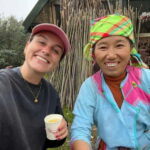
And yes, you’ll take photos with locals. Just remember: a camera shouldn’t come before the moment. If you can, ask first, be respectful, and keep it light.
The difference between groups matters here. Your guide will explain interesting contrasts between Black Hmong and Red Dao. Even if you’ve read a little online, hearing it directly—while you’re standing in front of homes and people’s everyday routines—makes the differences feel real.
Tea talks and cultural context (the part that sticks)
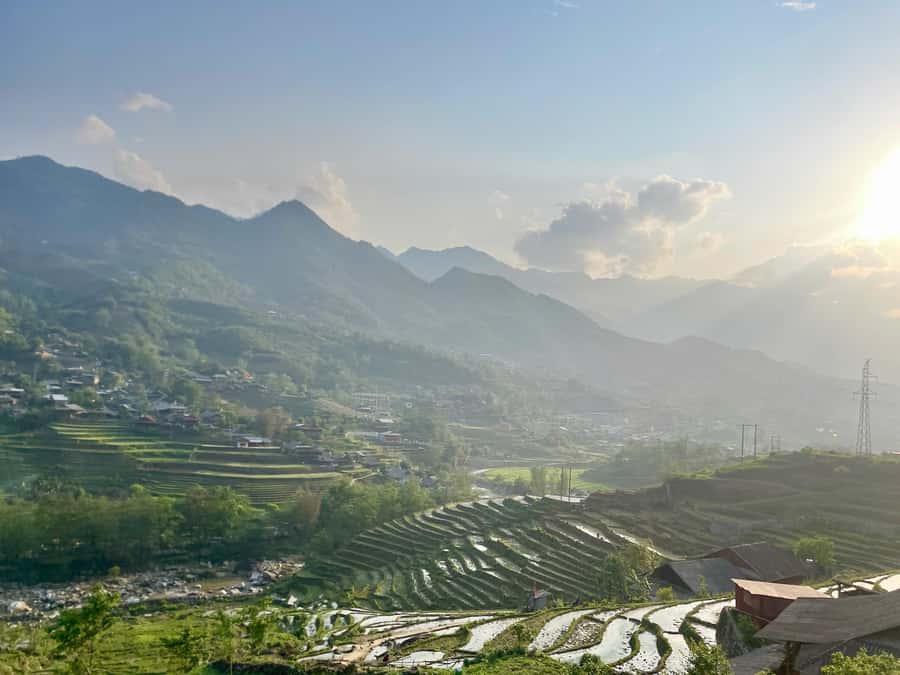
One of the best parts of this tour format is the “talking over tea” time. You’ll have a cup of tea during your visits, and your guide will share customs and what daily life looks like.
This is where a good guide earns their tip. On tours like this, the houses and views are only half the value. The other half is how someone translates daily habits, social customs, and identity into something you can actually understand on the spot.
If you’re getting Dely, that’s exactly the kind of guidance people highlight: she’s described as friendly, funny in a natural way, and able to explain local lifestyle clearly. For you, that means fewer confusing moments where you can see something interesting but don’t know what you’re looking at.
Quick practical note: tea chats can run long if you’re asking lots of questions. That’s usually a good thing. Just know it can affect how much time you have for photos and moving between sites.
Muong Hoa Valley: terraced views and Dzay village life
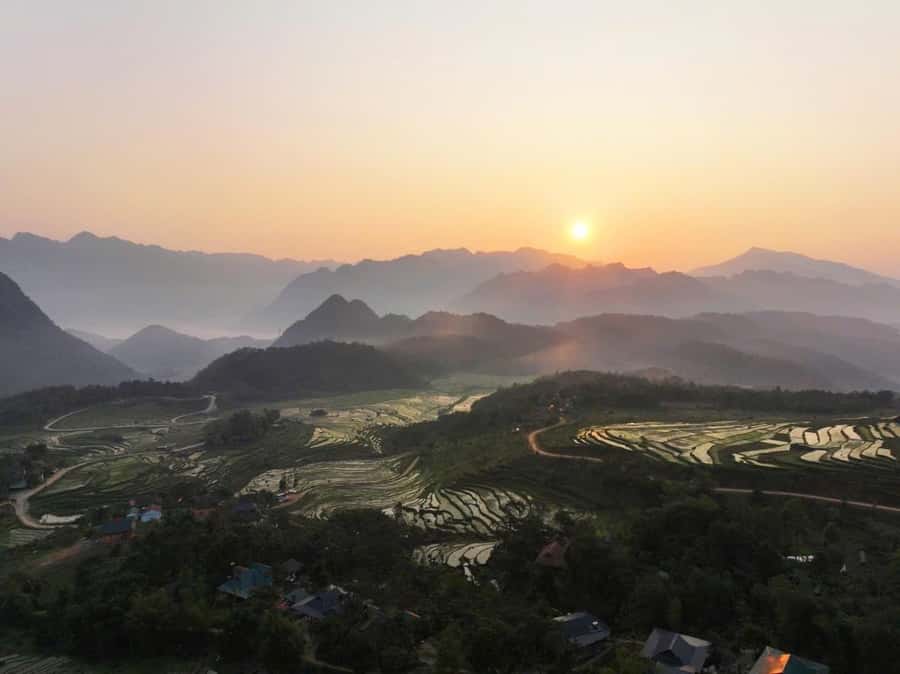
After the North side stops, you’ll continue to the Southeast to explore the Muong Hoa valley and its inhabitants—specifically the Dzay group.
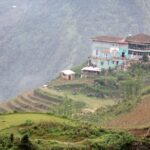
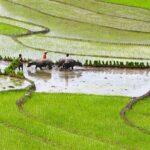
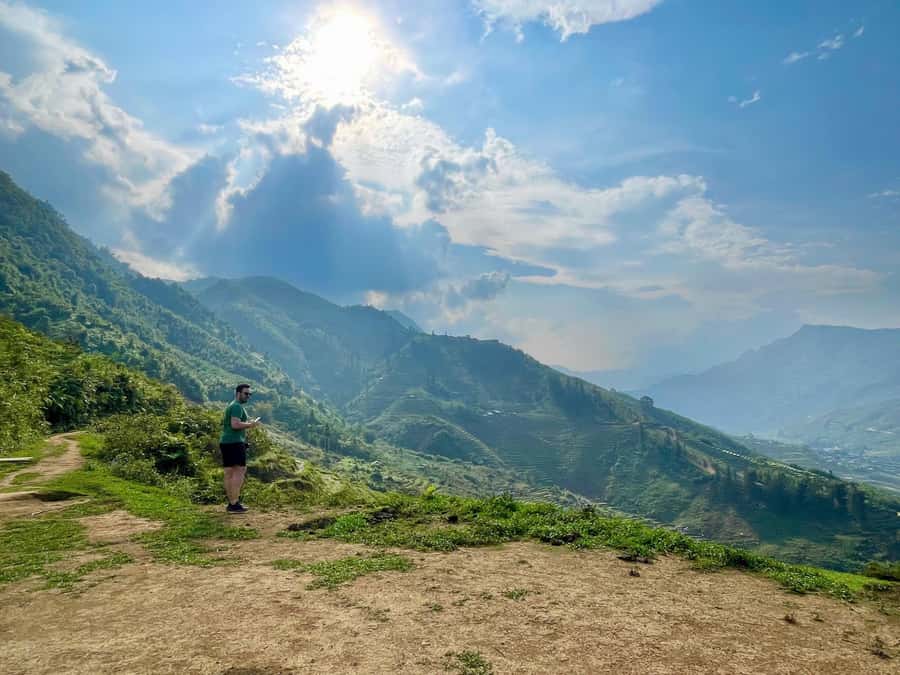
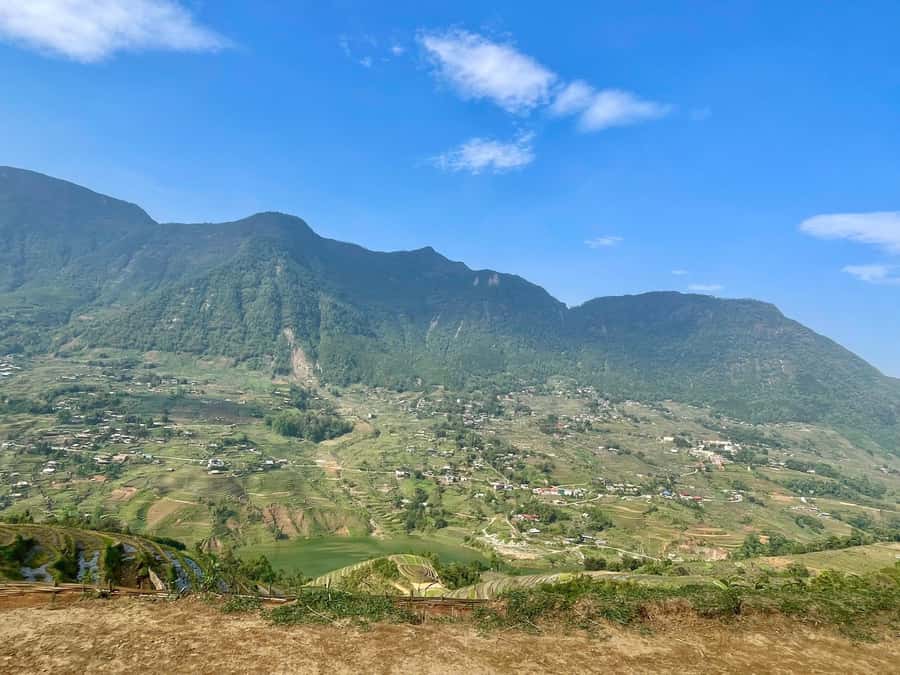
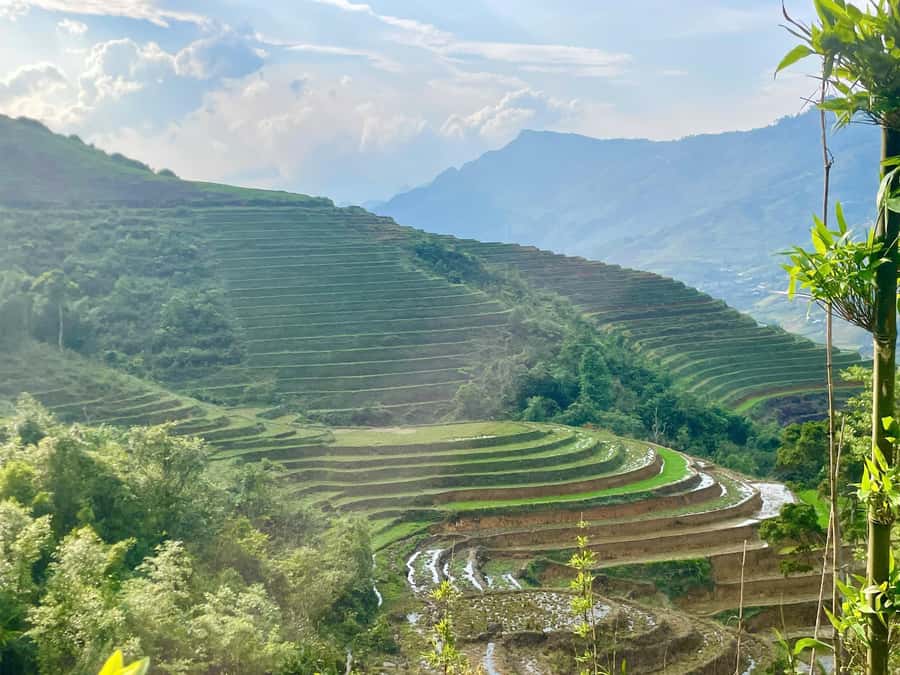
Muong Hoa valley is the kind of place where the scenery gives you a head start on understanding. Terraced fields shape the land, and you can often feel how agriculture influences the rhythm of daily life. Your tour focuses on witnessing that beauty and connecting it to the people living there.
You’ll spend time in the valley with the Dzay community. Expect a friendly, everyday feel—less museum-like, more like you’re stepping into a working region where locals go about life while visitors observe respectfully.
What makes this section worth it: it broadens the story. You’re not only collecting facts about one ethnic group. You’re seeing how multiple communities relate to the same larger Sapa area—different customs, different ways of living, and different ways the terrain gets used.



The return to Sapa on a different winding route
When it’s time to head back, you’ll go via a different sneaking road back to Sapa (in plain terms: another winding route). Routes like this can change the view and the experience, and they help break up the day visually.
This return drive is also when you’ll get your final reality check on timing. At 4 hours total, you’re not coming back for a second half-day, so whatever you want to capture with photos needs to happen at your stops, not after you’ve already hit the road.
If weather is bad—fog, mist, or heavy rain—the itinerary could shift. That’s not unusual in Sapa. The key is that your guide can adjust to keep the experience moving.
Price and value: what $30 buys you here
At $30 per person for a 4-hour private tour, you’re paying for three things at once: local interpretation, door-to-door convenience, and structured access to culturally meaningful stops.
Compared to doing everything on your own, the value is in the guide time. You don’t just want a ride—you want context. A good guide helps you understand why the Black Hmong and Red Dao differences matter, and what you’re seeing in Muong Hoa valley when you meet the Dzay group.
Also, this tour includes:
- pickup from your accommodation in Sapa
- visits to traditional houses for Black Hmong and Red Dao
- Muong Hoa valley exploration
- a different route back to Sapa
- an English-speaking tour guide
- edited videos if you send photos to the guide
Meals aren’t included, so you’ll likely want to plan something before or after. But in exchange, you get an experience that’s highly focused on culture and guided learning—not just sightseeing.
Who benefits most from the price: couples, solo travelers, and small groups who don’t want to negotiate rides, translate directions, and wonder if they’re visiting the “right” places.
What to bring, and how to stay comfortable
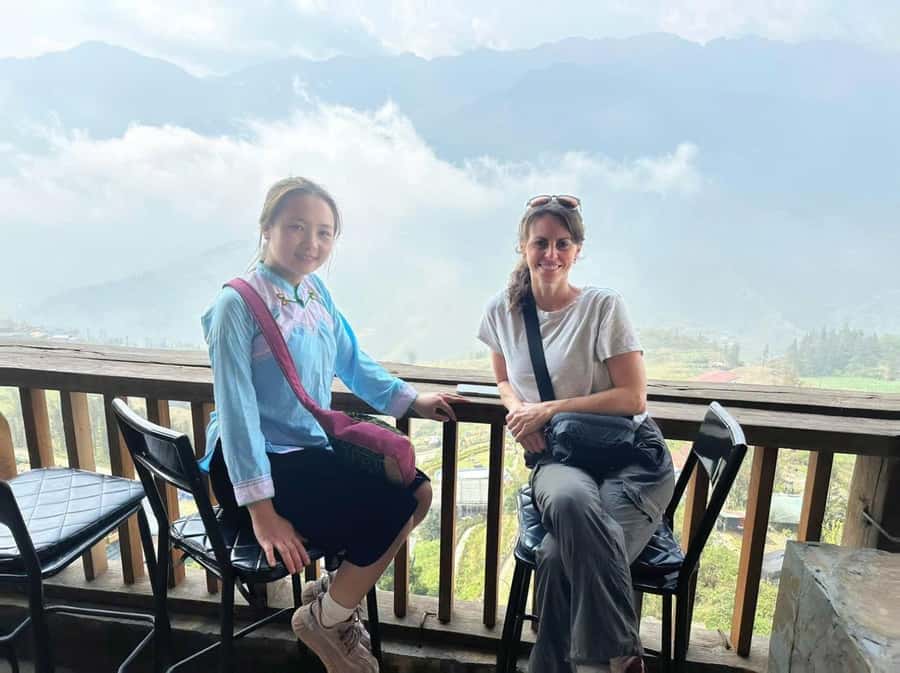
For a half-day village tour, your comfort gear matters. Bring:
- Comfortable shoes (you may be walking around during visits and while exploring the valley)
- Hat for sun or light rain coverage
- Camera (and keep it ready for people-to-people moments)
- Sunscreen
- Water
Not allowed: smoking. Simple rules like this make the shared experience nicer for everyone.
One more note: the tour is not suitable for people with back problems or wheelchair users. That’s worth respecting, because village routes and transfers can be uneven.
Should you book this Sapa ethnic villages tour?
I’d book it if you want a tight, well-paced introduction to three ethnic groups without losing a full day. This works especially well if you:
- want a private, guided experience with pickup
- care about understanding cultural differences, not just taking photos
- like short walks and valley scenery, but don’t want a long trek
- appreciate a guide who can explain clearly in English (Dely’s name comes up often for that reason)
I’d skip it if you need more time in one community, or if your ideal day is mostly hiking for hours. Also, if you have mobility or back issues, the tour’s unsuitability for those needs is important—choose a different kind of Sapa outing.
If you book, send photos to your guide on WhatsApp after the tour to get the included edited video. It’s a fun way to keep memories from turning into a forgotten camera roll.
FAQ
How long is the tour?
The tour runs for 4 hours. You’ll see available starting times when you check availability.
Is this tour private?
Yes. It’s listed as a private group experience.
Will I be picked up from my accommodation in Sapa?
Yes. The tour includes pickup service from your accommodation in Sapa.
What ethnic groups will I learn about?
You’ll visit traditional houses related to the Black Hmong and Red Dao groups in the North of Sapa, and you’ll explore the Muong Hoa valley with the Dzay group in the Southeast of Sapa.
What’s included in the price?
Inclusions are pickup, visits to traditional houses, Muong Hoa valley exploration, an English-speaking tour guide, and edited videos if you send photos to the guide. Meals and personal expenses are not included.
Is an English guide provided?
Yes. The tour has an English-speaking guide.
Is it suitable for wheelchair users or people with back problems?
No. It’s not suitable for wheelchair users or people with back problems.
What should I bring?
Bring comfortable shoes, a hat, a camera, sunscreen, and water.
Can I smoke during the tour?
Smoking is not allowed.
Do itineraries ever change?
Yes. The itinerary could be subject to change based on weather, booking times, or other unforeseen circumstances.