REVIEW · SAPA
Private Trekking through Terraces Rice Fields in Sapa
Book on Viator →Operated by Sapa Trekking Hiking Tours · Bookable on Viator
Five-and-a-half hours can feel like a week.
This private Sapa trekking route gives you rice terraces that change every time you turn a corner, plus real village stories from a local guide who grew up in the area. I also like that the tour is handled with care, from clear pickup planning to an English-speaking guide like Gio Ly with his team. One thing to consider: you do need moderate walking fitness, and the timing depends on weather since it’s best in good conditions.
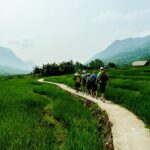
You’ll start from Sapa Church and head out on a route built around three village areas tied to some of the most famous terrace views: Y Linh Ho, Lao Chai, and Ta Van. It’s private, so the pace feels natural instead of rushed, and it’s designed to balance walking with cultural stops.
In This Review
- Quick takes
- Private Trekking Through Terraces Rice Fields in Sapa: The Big Picture
- Start at Sapa Church: Timing, Pickup, and What You’re Really Signing Up For
- Stop One: Y Linh Ho and the Fansipan-Backed Terraces
- Stop Two: Lao Chai Black Hmong Village and Silk-Ribbon Terrace Views
- Stop Three: Ta Van Village for Giay Culture, Food, and Music
- Lunch and the Small Comforts That Keep You Happy on Trail
- How Hard Is It, Really? Walking Pace, Weather, and Altitude Reality
- Price and Value: Why $45 Makes Sense for This Route
- Who This Sapa Terrace Trek Fits Best
- Should You Book This Private Rice Terrace Trek? My Call
- FAQ
- How long is the Private Trekking through Terraces Rice Fields in Sapa?
- What villages do you visit on this trek?
- Is lunch included, and do they offer vegetarian food?
- Do I need to pay village entry fees?
- What time does the tour start, and where do you meet?
- What happens if the weather is bad?
Quick takes
- Local guide from the community: you get stories tied to daily life and major moments like weddings and Lunar New Year.
- Muong Hoa Valley terrace views: this trek focuses on classic terrace angles along the stream and valley.
- Three village stops, different cultures: Y Linh Ho (terraces + Fansipan backdrop), Lao Chai (Black Hmong homes), Ta Van (Giay village culture).
- Lunch included, vegetarian available: you won’t have to plan a meal mid-trek.
- Raincoat + water included: small comforts that help if Sapa does its usual weather switch.
- Private group only: you’re not sharing the trail with strangers from five other tours.
Private Trekking Through Terraces Rice Fields in Sapa: The Big Picture
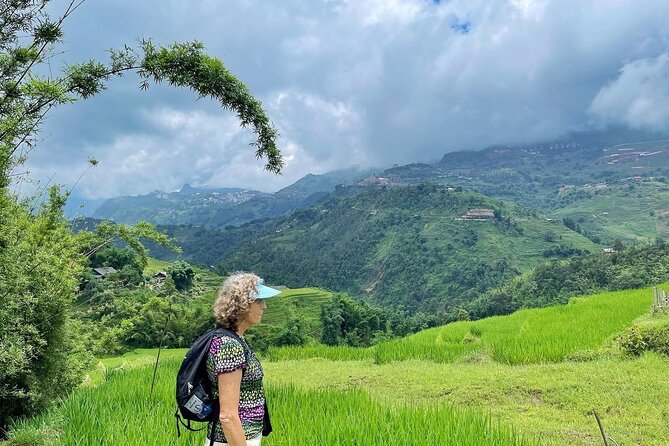
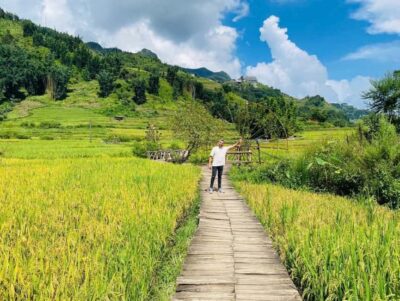
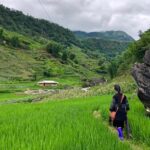
Sapa’s rice terraces are the kind of sight that makes you stop talking. The reason this tour works is simple: it doesn’t try to cram in everything. It concentrates on the places where the terraces look best and keeps your time moving in a way that still leaves room to look, ask questions, and soak up the setting.
I especially like that this is a private format. In a place where trails can be busy, going with only your group makes it easier to hear the guide and not feel like you’re just being herded from photo spot to photo spot. And because your guide comes from the Black Hmong community and grew up in the villages around Sapa, the cultural pieces don’t feel like a script. You’re hearing about traditions and life in the area—weddings, funerals, and Lunar New Year are specifically called out as topics.
The trek is about walking through terrace views and village life, not about ticking off distant checkpoints. That’s a good fit if you want meaningful time outdoors without signing up for a full-day hike.
Start at Sapa Church: Timing, Pickup, and What You’re Really Signing Up For
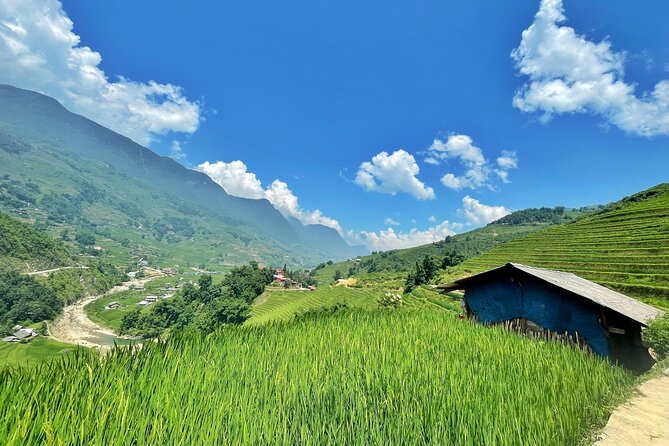
The tour begins at Sapa Church (Hàm Rồng area), with a 9:00 am start. If pickup is offered for your booking, it helps you avoid the first time stress of finding the right meeting spot while you’re still adjusting to Sapa’s mountain mood.
Plan for a total trip time of about 5 hours 30 minutes. That includes trekking between the three village stops, time on-site, and the return transfer back to Sapa from the last village. You’ll also receive a mobile ticket, which is one less thing to manage on the day.
What to bring is pretty straightforward:
- Comfortable walking shoes with grip (terrace paths can be uneven).
- A light layer for cooler mountain air.
- A rain layer, even though the tour provides a raincoat if weather turns.
The tour is set for people with moderate physical fitness. If you can handle a steady walk and short climbs on uneven ground, you should be fine.
Stop One: Y Linh Ho and the Fansipan-Backed Terraces
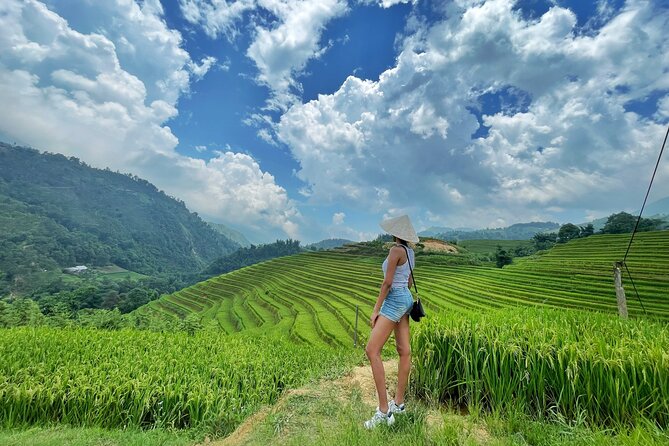
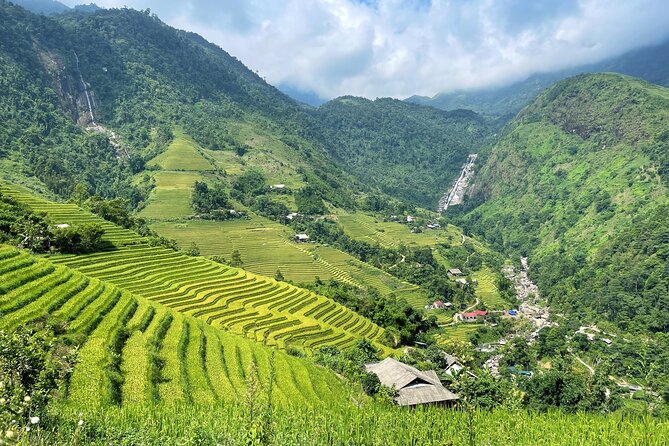
Y Linh Ho is where the views start hitting right away. This village sits along the Muong Hoa stream, with Mount Fansipan looming behind it. The tour gives this stop about 3 hours, and that’s important—terraces need time. If you rush them, you miss the detail: how the fields step down in layers, how water shapes the patterns, and how the trail angle changes what you see.
This is also one of the terrace locations the tour highlights as a must-see. Expect a good balance of walking and looking, with time to pause and take in the terraced geometry that makes Sapa so famous.
The admission for this stop is included, which matters because it keeps the day simple. You don’t have to stop and figure out what you need to pay at each village entrance.
One practical note: with Fansipan in the background, the weather can feel more changeable here. If it’s misty, you’ll still get plenty of atmosphere, but your visibility for distant peaks may be lower.
Stop Two: Lao Chai Black Hmong Village and Silk-Ribbon Terrace Views
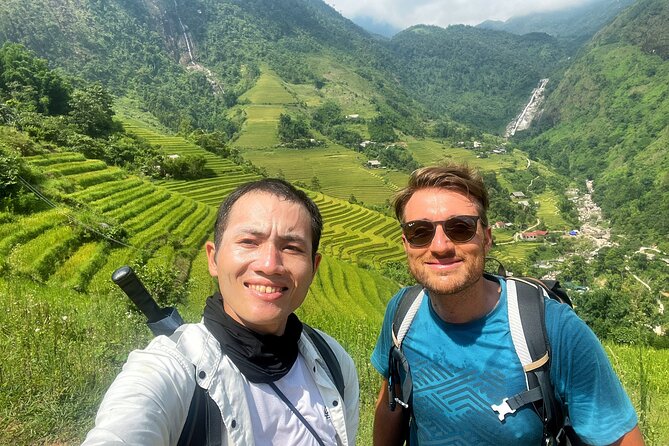
Next is Lao Chai, an ancient Black Hmong village placed between the Muong Hoa valley and the terraced fields. You’ll spend about 2 hours here, and it’s a strong contrast to the first stop: still terrace-focused, but with more village-to-field relationships in view.
This is where the description about terraces winding like silk ribbons is most satisfying. You can see the terraces curl in front of houses and connect the living spaces to the working landscape. The tour also points out family houses—Ly, Lo, and Giang—which gives you a clearer sense of how the village is organized and how daily life sits alongside farming.
Admission for Lao Chai is listed as free. That’s a quiet value plus, especially when you’re already paying a single price for the whole private experience.
Culturally, this is the stop where you’ll likely get more of the “how life works here” conversation. The guide’s background helps here too. Instead of just pointing at customs, the tour frames them as part of long-term community life—again, weddings, funerals, and Lunar New Year are all themes tied to the guide’s stories.
A consideration at Lao Chai: depending on season and day conditions, the trail can feel wetter or muddier. Bring your best grip shoes, and don’t try to speed through. The terrace angles are worth the slower pace.
Stop Three: Ta Van Village for Giay Culture, Food, and Music
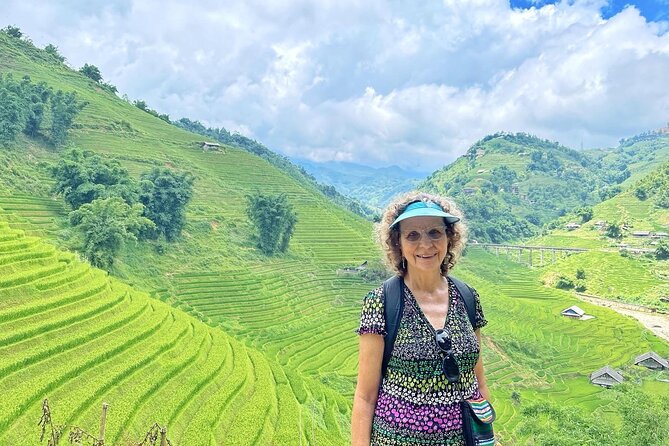
Ta Van Village brings the tour to the Giay people community, with about 30 minutes on-site. It’s the shortest stop, but that can be a good thing if you’re saving energy for the final transfer back and you don’t want your day stretched too far.
Ta Van is described as having many unique cultural features, including food and music. In practice, this kind of quick cultural window works well because you get a sense of village life without the hike feeling like it resets every 10 minutes.
Admissions are listed as included for Ta Van, so you’re not scrambling for extra payments right at the end.
One practical tip: since this stop is shorter, treat it like your “closing scene.” Ask questions during the time you have, and don’t save all your curiosity for the first village. By Ta Van, you’ll have the context from Y Linh Ho and Lao Chai—so your questions can get more specific.
Lunch and the Small Comforts That Keep You Happy on Trail
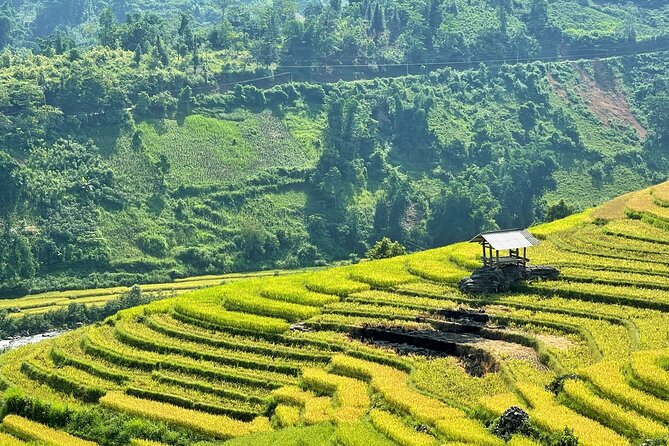
A good trekking day has at least two parts: the scenery and the energy. This tour includes lunch with traditional food, plus a vegetarian option if you need it. That’s a big deal. In Sapa, it’s easy to burn time deciding what to eat, or end up with a meal that doesn’t match what you planned for.
You also get water: one small bottle included. This is enough to take the edge off, but you might still want to buy more if you run hot or plan to snack extra. Just remember the tour lists extra drinks as not included.
Two other helpful details:
- Raincoat provided if weather is bad.
- Transportation back to Sapa from the last village is included.
These are the kinds of “boring details” that make the day feel smoother. And based on the overall tone of feedback for this kind of setup, the included driving and meal experience tends to be a highlight—especially when you don’t have to manage logistics yourself.
How Hard Is It, Really? Walking Pace, Weather, and Altitude Reality
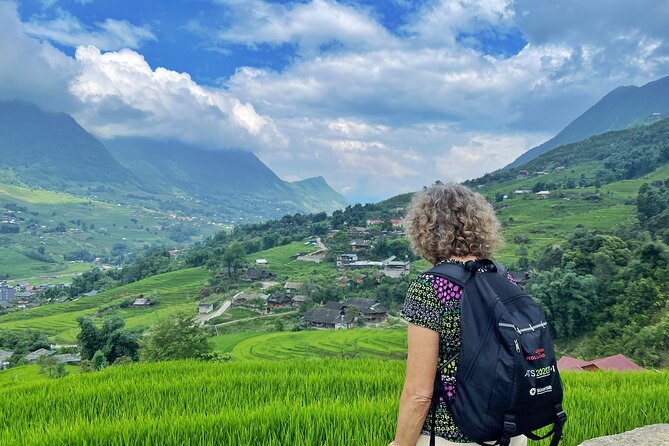
This is a moderate physical fitness trek. That wording matters. You’re not signing up for a technical climb, but you also shouldn’t expect flat, paved ground. Terrace paths can be uneven, and walking on slopes can slow you down without warning.
Timing helps you manage effort. Y Linh Ho is longer, so the day starts with the most time on foot. Lao Chai follows, and then Ta Van wraps things up with a shorter cultural stop.
Weather is the wildcard in Sapa. The tour notes that it requires good weather, and if it’s canceled due to poor conditions, you’ll be offered a different date or a full refund. Even when trekking happens, Sapa can shift from bright to cloudy fast, so that raincoat provision is there for a reason.
What you’ll feel most is not altitude panic. It’s just the combination of mountain air, walking tempo, and terrace steps.
Price and Value: Why $45 Makes Sense for This Route
At $45, the price is easy to justify if you’re comparing it to what private time typically costs in Sapa. What helps here is that the price bundles real items, not just a “guide for the walk.”
Included value points:
- English-speaking tour guide.
- Lunch (including vegetarian option).
- Village entry fees (with details like Lao Chai being free and other stops included).
- Pickup offered (when available) and transport back to Sapa.
- Raincoat and a bottle of water.
You’re also getting a private program built around three specific terrace village areas, not a generic drive-and-walk plan. The guide’s personal connection to the Black Hmong community adds another layer of value. You’re not only seeing terrace views—you’re hearing why those traditions matter and how the community lives through the year.
One consideration for value: if you’re the only person in your group, you still pay for a private experience. But that’s also the point—you’re buying control of pace, attention, and timing.
Who This Sapa Terrace Trek Fits Best
This tour is ideal if you want:
- A private trekking experience with a local guide and story context.
- A terrace-focused route that hits Y Linh Ho, Lao Chai, and Ta Van.
- Included comfort items like lunch, water, and a raincoat.
It’s also a good choice if you want to learn about ethnic minority culture without turning the day into a museum tour. The guide’s background and the village themes (weddings, funerals, Lunar New Year) make it easier to connect what you see with what people practice.
If you’re traveling with kids or anyone who struggles with uneven walking, the moderate fitness requirement is the line to respect. You might find the pace and terrace steps too demanding unless the group can handle steady movement.
Should You Book This Private Rice Terrace Trek? My Call
I’d book this if you care about terraces and you want more than scenery. The best reason is the balance: you get serious terrace time in multiple village settings, plus a cultural layer delivered by someone rooted in the community. And because the tour includes lunch, water, rain coverage, and transport back, you’re not spending your energy juggling details.
I’d think twice if your plans are heavily weather-dependent. Since the trek is said to require good weather, you’ll want a flexible schedule. If you’re only in Sapa for a very short window, it’s worth considering timing and backup options.
If you’re ready for a private, story-driven day of Sapa rice terraces—with practical comfort built in—this is a solid pick.
FAQ
How long is the Private Trekking through Terraces Rice Fields in Sapa?
It lasts about 5 hours 30 minutes.
What villages do you visit on this trek?
You visit Y Linh Ho, Lao Chai, and Ta Van.
Is lunch included, and do they offer vegetarian food?
Yes. Lunch is included, and vegetarian food is provided if you need it.
Do I need to pay village entry fees?
Village entry fees are included in the tour price, with the information that Lao Chai admission is free.
What time does the tour start, and where do you meet?
It starts at 9:00 am at Sapa Church on P. Hàm Rồng, TT. Sa Pa.
What happens if the weather is bad?
The experience requires good weather. If it’s canceled due to poor weather, you’ll be offered a different date or a full refund. There is also a raincoat provided in case of bad weather.