Stars and a steep peak await in Kedarkantha. I love the pine-and-oak forests and the camping gear included, because it keeps the focus on the trail and the night sky. The long road approach and the push toward 12,500 feet mean you should plan for cold, wind, and sore legs.
This trek, run by Outdoor Monks, starts with a 6:30 am pickup in Dehradun and then heads roughly 220 km to Sankri. From there, you’ll hike village-and-stream paths up toward Juda, sleep in supplied camps, and finish with the climb to Kedarkantha Peak for wide views over the Har ki Dun valley.
In This Review
- Quick hits you’ll feel on the trail
- Dehradun to Sankri: why the journey shapes your whole trek
- Sankri and the Juda climb: start easy, get altitude-aware fast
- Juda to Kedarkantha base camp: the forest feels close, the pace steadier
- Summit day from 11,250 to 12,500 feet: short, steep, and worth it
- Camp life and stargazing: what your nights are really for
- Wildlife, streams, and village trails: what makes the route feel local
- Price and what you actually get for $235
- Who this Kedarkantha trek suits best (and who should think twice)
- Outdoor Monks and the kind of organization that matters
- What to pack for Kedarkantha Peak conditions
- Should you book this Kedarkantha Trek?
- FAQ
- Where does the Kedarkantha trek start?
- How do you travel to Sankri?
- Is camping equipment provided?
- What meals are included during the trek?
- How hard is the trek and what fitness level is needed?
- What is the approximate trekking duration?
- Do I need to pay for forest fees or first aid?
- Is the tour private or shared with other groups?
- What is the cancellation window?
Quick hits you’ll feel on the trail
- Camping gear is handled for you, including tents, sleeping bags, toilet tents, and a mattress
- Forest walking is a big part of the experience, with pine and oak along the way
- Kedarkantha Peak is the payoff, with panoramic views when conditions cooperate
- You’re moving between specific altitude zones, including a climb from about 11,250 to 12,500 feet on the summit day
- Night sky moments are built in, with time to relax after trekking and a cup of tea
- Wildlife sightings are possible, like boars, martens, and hares, in their natural habitat
Dehradun to Sankri: why the journey shapes your whole trek
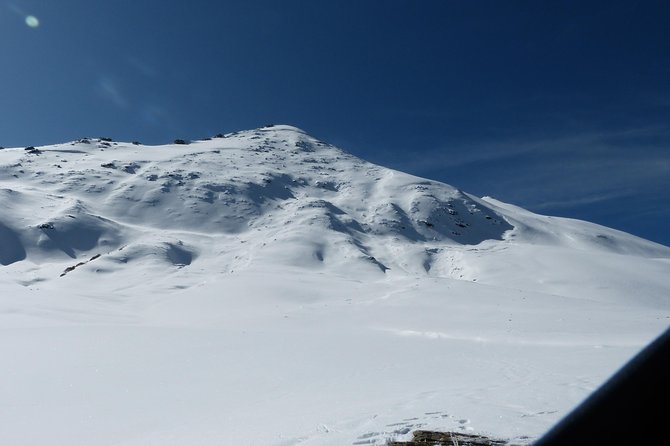
The trip begins with a 6:30 am welcome in Dehradun, then you travel by road to Sankri (about 220 km along National Highway 123). That kind of early start matters more than it sounds. If you’re prone to motion sickness, arrive well-hydrated and eat lightly before you move. If you like momentum, this schedule gives you a clean start and gets you into the trek rhythm sooner.
Sankri is the launchpad for the high-country route. After you reach the area, you’ll still have an active day ahead: this trek doesn’t just drop you at a trailhead and call it a tour. You’ll get trekking time that same day, plus the routine of settling into camp life.
One more practical note: travel to and from Dehradun isn’t included, so you’ll want to factor your own arrival timing and how you’ll get back afterward. The tour itself focuses on getting you from Dehradun onward and keeping logistics simple once you’re in the mountains.
Sankri and the Juda climb: start easy, get altitude-aware fast
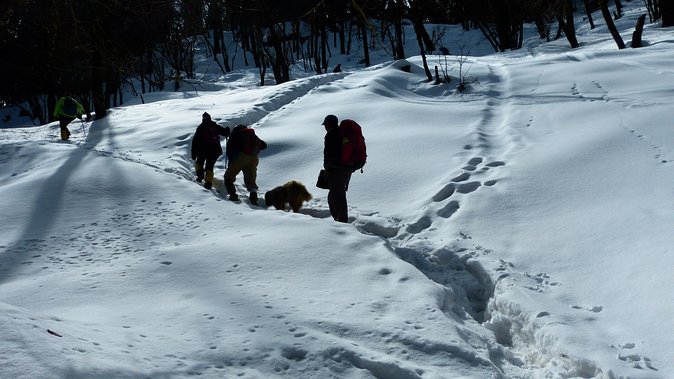
Your hiking for the trek proper begins after breakfast in Sankri, with a trek toward Juda (around 9,100 feet). The distance is listed at about 4 km, so you’re not doing a marathon on day one of the trail.
Here’s what I like about this approach for most people: you build comfort with the pace and footing without immediately jumping into a full summit push. You also start practicing the most important habit for high altitude hiking—steady breathing. Even if the climb feels manageable, your body will notice altitude quickly.
You’ll be walking on trails that run past villages and along streams, with green hills in view. That’s more than scenery. It helps you stay mentally fresh because the trail isn’t just one long grind with nothing to think about. If you’re lucky with conditions, you’ll get clearer sightlines of the valley areas around you.
Juda to Kedarkantha base camp: the forest feels close, the pace steadier
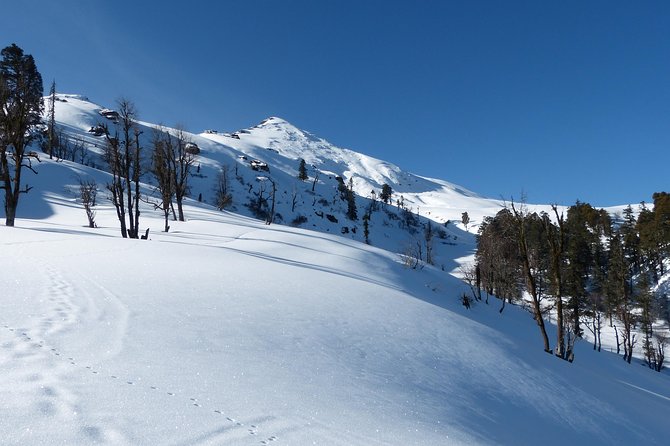
Next, you move from Juda to Kedarkantha Base Camp (about 4 km, roughly 2.5 hours at a moderate speed). The route is described as straight forward and clearly visible, which is comforting if you’re new to trekking.
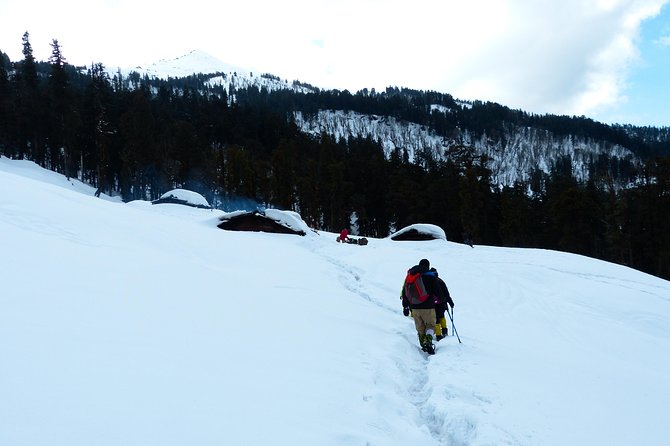
This is where the environment takes over. You’ll pass through dense pine and oak forests, which tend to soften the day. Compared to exposed ridgelines, forest trails can feel less harsh and more predictable in changing weather. If there’s winter snow around (the trek is often done in winter months), trees also offer visual cues for where you are and help break the monotony of the climb.
It’s also a good day for paying attention to small life around you. The trek description includes wildlife you might spot—boars, martens, and hares. I wouldn’t treat that as a guarantee, but I would treat it as a reason to slow down sometimes and look beyond your feet.
Summit day from 11,250 to 12,500 feet: short, steep, and worth it
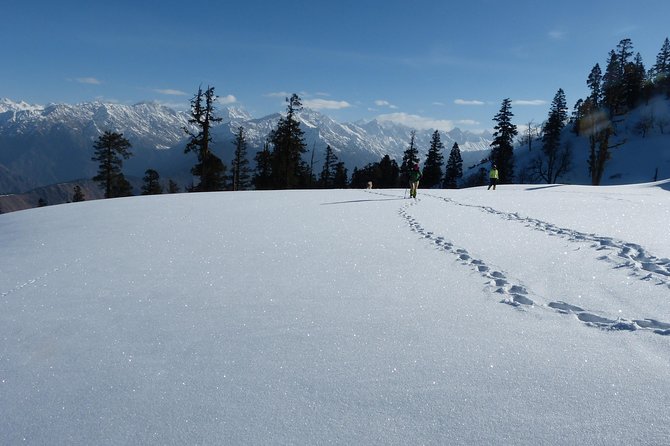
The big day is aimed at Kedarkantha Peak. The schedule includes an ascent from about 11,250 feet to 12,500 feet, then a descent back to camp at Hargaon. This is not a slow, scenic stroll. Expect steep effort and careful foot placement.
What you’re really buying with a summit day like this is a very specific kind of reward: panoramic views from a high viewpoint and that moment when the climb stops feeling like work and starts feeling like achievement. The trek is built for that, with the rest of the days setting you up with forest walking and camp routines so you’re not arriving at the hardest part already exhausted.
Temperature can change fast at altitude, especially when wind hits. The description also notes clear skies for stargazing on the nights—so on summit day, your weather windows may matter a lot. If you’re the type who gets nervous in steep snow or slippery sections, bring the right mindset: take it slow, trust your guide and pacing, and move confidently one step at a time.
A practical consideration: this day includes both a climb and a descent. So you’re not just judging how hard the ascent is—you’re also judging your legs for the downhill. If you know your quads get angry on descents, this is where trekking poles can help you stay stable (the tour provides camping gear, not trekking gear).
Camp life and stargazing: what your nights are really for
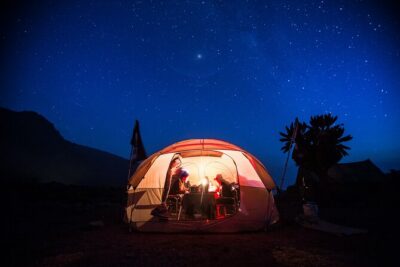
Camping is a major part of this experience, and the inclusions are specific: tents, sleeping bags, toilet tents, and mattresses are supplied. That’s a big value point for you if you don’t want to rent equipment separately or stress about whether you chose the right warmth rating for sleeping bags.
The tour also builds in a simple comfort rhythm:
- You hike during the day.
- You arrive, set into camp, and eat.
- You relax and enjoy tea, with time to look at the stars on clear nights.
That’s not a small detail. Many treks fail to account for how much morale depends on post-hike comfort. Here, your nights are structured so you can actually recover instead of spending the evening wrestling with gear.
If you enjoy outdoors, this trek gives you the kind of quiet that’s hard to find near cities. You’re in dense forest country and valley views are part of the payoff. If you’re sensitive to cold at night, sleeping bag warmth becomes your main comfort tool—so pay attention to how warm it will be for your trekking dates.
Wildlife, streams, and village trails: what makes the route feel local
A lot of Himalayan treks are branded as views and peaks. Kedarkantha also delivers that, but the route is described as moving through real countryside: villages, streams, and green hills. That gives you a more human-feeling journey, not just a natural theme park.
The wildlife mention—boars, martens, and hares—adds another layer. Even when animals don’t show up, the reason you might notice them is that the route is close to habitat, not in a fenced off trail corridor. Keep your eyes open, but don’t rush. Stopping briefly to watch what’s around you can turn a tiring segment into a memorable one.
Also, expect lots of water and breaks. The description specifically mentions that you can fill water during the descent period on the final day. That matters because you’ll want to stay hydrated, especially when cold air makes you feel less thirsty.
Price and what you actually get for $235
At $235 for an approximate 5-day trek, this price can feel reasonable or pricey depending on what you’ve already planned for. Here’s the value breakdown based on what’s included:
Included:
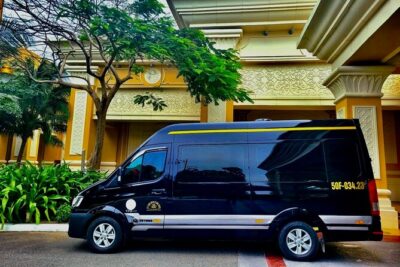
- Private transportation and parking fees
- Camping setup: tents, sleeping bags, toilet tents, mattresses
- First aid kit
- Forest fee
- Meals: breakfast (4), lunch (3), dinner (4)
Not included:
- GST
- Breakfast and lunch on Day 1
- Travel expenses to reach and return from Dehradun
- Personal and medical insurance
- Any meals/services not listed above
So what does that mean for your budgeting? If you were imagining paying separately for camping equipment, permits, or organized meals, this tour bundles a lot of those essentials into one package. If you’re already traveling with your own tent and sleeping bag system and you prefer to arrange your own transport, the value shifts. For most people, though, the big win is not having to coordinate equipment and meal plans across multiple days.
One more money tip: since GST isn’t included, your final total may be higher than the base price you see. Check your final booking amount carefully before you plan your spending.
Who this Kedarkantha trek suits best (and who should think twice)
This tour is aimed at people with moderate physical fitness. The summit day includes a significant altitude change, but the structure spreads the effort across multiple days. You’ll hike from village trails and forest areas, then handle the peak push once you’ve already adjusted to altitude and camp life.
You’ll likely enjoy it most if you:
- Want a short, focused Himalayan trek rather than a long multi-week expedition
- Prefer camping with provided equipment and organized meals
- Like the idea of stargazing, tea breaks, and a real outdoors routine
- Are comfortable with an active schedule after a long road travel day
You might want to think twice if you:
- Don’t handle cold well, since you’re hiking in a winter-style trek context
- Get overwhelmed by steep uphill and steep downhill on the same day
- Need to minimize early-morning starts (the day starts at pickup time in Dehradun)
Good news for practical travelers: it’s a private tour/activity, meaning only your group participates. That can make communication smoother and let you set your own pace within the trek plan. Service animals are allowed, and the start area is described as near public transportation.
Outdoor Monks and the kind of organization that matters
Organization shows up in two places on this type of trek: what you don’t have to think about, and what you do think about calmly.
From the structure here, you get:
- Private transportation handled end-to-end from Dehradun onward
- Clear inclusions for camp gear
- A first aid kit
- A forest fee included (so you’re not tracking paperwork day by day)
- Mobile ticket for the booking process
I also like that the tour uses a private-group format. On a mountain trek, small coordination issues can snowball into bigger stress. Keeping the group contained usually helps your day feel more predictable.
One thing to confirm before you go: since travel to and from Dehradun isn’t included, ask your organizer for a clear schedule for pickup and return timing relative to your own hotel in Dehradun. That one detail can save you from late check-in chaos.
What to pack for Kedarkantha Peak conditions
The tour data doesn’t list an itemized packing list, but it does point clearly to winter trekking realities: high altitude, clear-sky nights, and steep summit effort. Pack like cold is the default, not the exception.
At minimum, plan for:
- Warm layers for cold mornings and exposed summit sections
- A hat and gloves for both day hiking and night camp time
- Footwear with strong grip for steep and potentially icy descent
- A way to stay hydrated and refill water when you can
- Extra socks (camp nights often mean you’ll want dry warmth quickly)
If you already own trekking poles, bring them. Descents are often where people lose confidence, and steady support can help you stay calm on steep stone paths.
Should you book this Kedarkantha Trek?
If you want a well-structured 5-day Himalayan trek with provided camping gear, organized meals, and a real summit goal, this is a strong fit. The best parts are practical: pine-and-oak forest walking, the Kedarkantha Peak payoff, and nights that actually let you recover. The biggest caution is equally practical: you’ll be dealing with altitude and cold, plus a long road day before you fully settle into the mountains.
I’d book it if you:
- Have moderate fitness and can handle steep walking for short periods
- Want the planning stress reduced by an operator providing tents, sleeping bags, toilet tents, and mattresses
- Care about stargazing and valley views, not just a line on a map
I’d be more cautious if you’re unprepared for cold-weather trekking or if you need guaranteed warm conditions. In mountains, conditions can shift fast, and the tour’s value depends on you coming ready for that reality.
FAQ
Where does the Kedarkantha trek start?
The trek starts in Dehradun. Trekkers are received warmly at 6:30 am for onward travel to Sankri by road.
How do you travel to Sankri?
The trip includes private transportation from Dehradun to Sankri, a distance of about 220 km on National Highway 123.
Is camping equipment provided?
Yes. Camping equipment is included: tents, sleeping bags, toilet tents, and mattresses.
What meals are included during the trek?
Meals included are breakfast (4), lunch (3), and dinner (4). Breakfast and lunch on Day 1 are not included.
How hard is the trek and what fitness level is needed?
The tour is listed for travelers with moderate physical fitness. You’ll hike on multiple days, including a summit day with a climb from about 11,250 to 12,500 feet.
What is the approximate trekking duration?
The trek is listed as 5 days (approx.).
Do I need to pay for forest fees or first aid?
Forest fees are included, and the tour includes a First Aid Kit.
Is the tour private or shared with other groups?
It’s a private tour/activity, and only your group participates.
What is the cancellation window?
You can cancel up to 6 days in advance for a full refund. Cancel 2–6 days before for a 50% refund, and cancellations less than 2 days before aren’t refunded.