REVIEW · SA PA
Red Dao Village Trek and Herbal Bath
Book on GetYourGuide →Operated by Sapa Trekking Hiking Tours · Bookable on GetYourGuide
A trek through Sapa’s villages beats a day stuck in town. I like that this one centers Red Dao and Black Hmong culture with real village visits, and I also like the scenic walking route lined with bamboo, corn, and terraced fields. The main consideration: the day can be more physically demanding than you expect, so bring solid shoes and don’t assume it’s an easy stroll.
You start with pickup in Sapa center, then head out along smaller roads to villages that feel far from the tourist bustle. The plan links multiple communities, with time to look at traditional houses and learn about marriage customs and daily life. If you’re mainly after a low-effort cultural photo stop, you might feel rushed, and the herbal bath is an extra cost.
At around 6 hours, it’s a good length for seeing more than one village without turning the day into a marathon. For $38 per person, you get a local English-speaking guide, entry fees, lunch, water, and a raincoat, which helps keep the overall cost reasonable. Just budget extra for the Red Dao herbal bath and any drinks, and keep cash handy.
In This Review
- Key Highlights You’ll Feel
- Why This Trek Gets You Out of Sapa Town
- The 6-Hour Plan: Pickup, Fields, and Ta Phin’s Culture Focus
- Suoi Ho and Ma Tra: Black Hmong Life and Hill Views
- Can Ho for Lunch: A Reset Between Village Stops
- The Trail Between Villages: Bamboo, Corn, and Terraced Steps
- Ta Phin Red Dao Village: Houses, Accommodation, and Marriage Customs
- The Herbal Bath: Optional, Separate Fee, and Part of the Story
- What You’re Paying For: Price, Inclusions, and Extras
- Who Should Book This Trek (and Who Should Rethink)
- A Practical Tip for Getting the Most From Your Questions
- Should You Book the Red Dao Village Trek and Herbal Bath?
- FAQ
- FAQ
- How long is the Red Dao Village Trek and Herbal Bath?
- What does the $38 per person price include?
- Is the herbal bath included in the price?
- Where do you get picked up in Sapa?
- How soon should I be ready for pickup?
- What kind of walking should I expect?
- What should I bring?
- What is not allowed on the tour?
- Does the tour have an English-speaking guide?
- Is the tour wheelchair accessible?
Key Highlights You’ll Feel
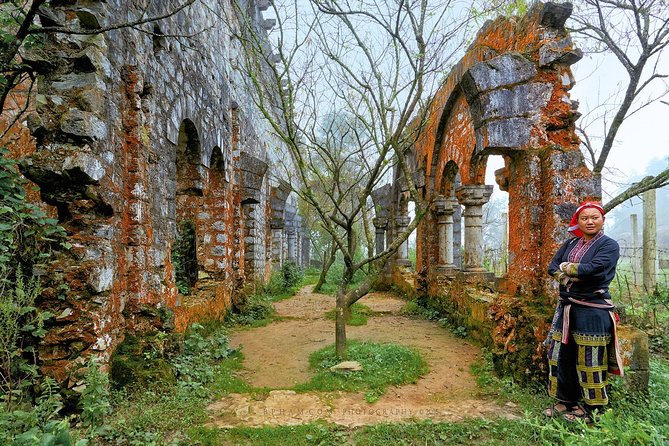
- Village culture with Red Dao and Black Hmong guides who explain daily life, customs, and traditions
- Suoi Ho panorama views from a hill position over streams and rice fields
- Ta Phin village time focused on Red Dao homes, living arrangements, and marriage customs
- A walk through bamboo, corn, and terraced scenery that’s visually impressive but can be demanding
- Herbal bath option at a Red Dao house where you learn the remedy’s uses (separate fee)
Why This Trek Gets You Out of Sapa Town
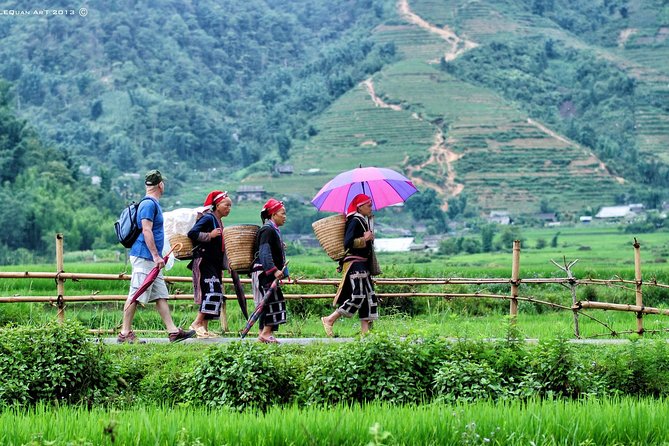
Sapa can be loud, crowded, and repetitive fast. This tour is designed to take you away from the center quickly, swapping shops and buses for narrow paths, village houses, and field views. The best part is that the day isn’t only about scenery; it’s also about how people live in these communities.
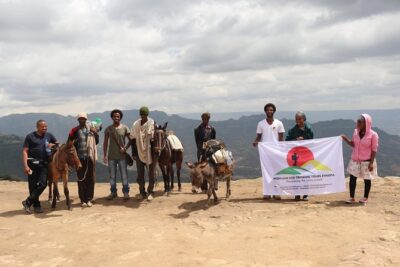
I also like that the guiding is handled by locals connected to the area’s ethnic groups. You get an English-speaking guide, and the group is described as a private experience, which usually means fewer strangers, less waiting, and more time for questions.
One practical point: this is not a drive-and-drop sightseeing circuit. You’ll spend meaningful time walking, and your day will depend on the walking pace and route the guide chooses.
You can also read our reviews of more tours and experiences in Sa Pa.

The 6-Hour Plan: Pickup, Fields, and Ta Phin’s Culture Focus
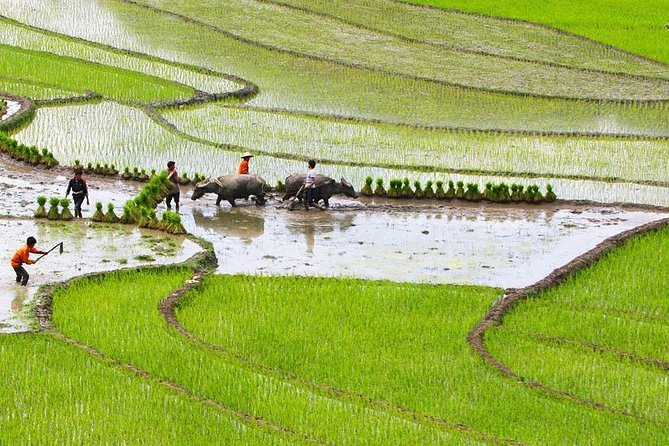
The day starts in Sapa with hotel pickup in the Sapa center area or at Sapa Church. Your guide typically waits around 15 minutes in the hotel lobby at pickup time, so if you’re late, you could miss the departure window. After a short briefing, you’ll move out toward ethnic villages via smaller roads.
The route links several stops: you’ll first visit villages around the Suoi Ho and Ma Tra area for high views, then you’ll move toward Can Ho for lunch. After lunch, the path leads you through agricultural scenery—corn fields, bamboo forest sections, and terraced steps—before reaching Ta Phin, home of the Red Dao community.
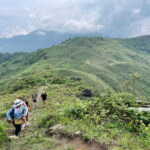
Even though the overall duration is listed as 6 hours, do expect a hiking feel. One past group described a roughly 12 km walking day through rice fields, and they also flagged that the path can be physically demanding.
Suoi Ho and Ma Tra: Black Hmong Life and Hill Views
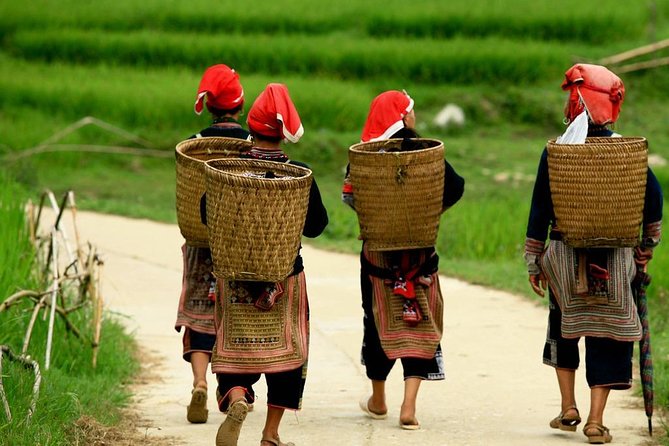
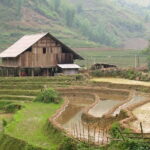
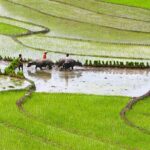
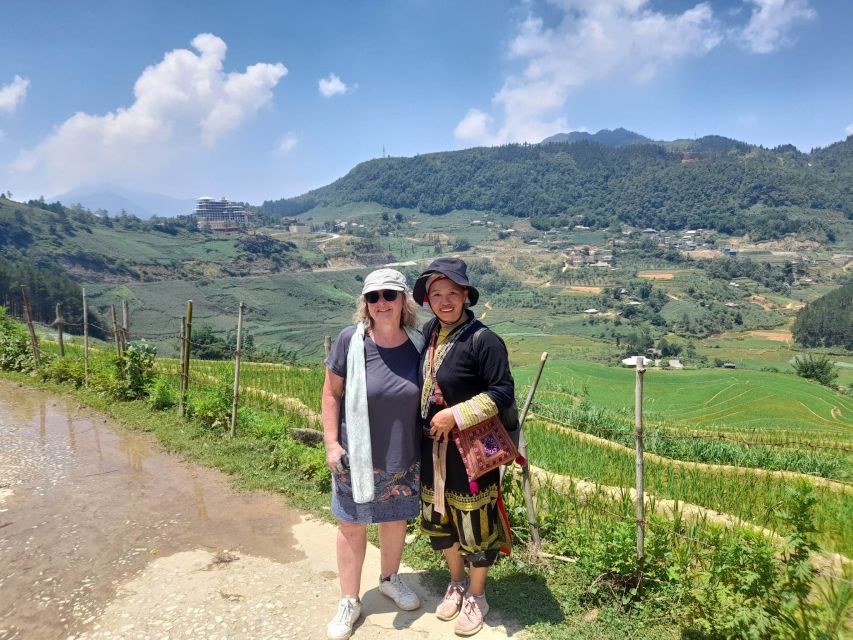
The Suoi Ho part is where the day starts to feel big. You’ll reach a hill area with a panorama view over the Suoi Ho valley, rice fields, and a stream below. It’s a good moment to slow down, look around, and realize you’re not just visiting houses—you’re seeing a living landscape of cultivation and settlement.
Suoi Ho is described as a traditional village of Black Hmong people. You can expect to see traditional houses and observe women’s work such as embroidery, indigo dyeing, and cloth weaving. Even if you don’t fully understand the techniques, it helps to watch with patience: these skills often reflect how a family organizes labor and time.
Then the tour shifts toward Ma Tra, another village area where the community has its own traditions even while it shares broader Black Hmong identity. You’ll spend time looking at terraced fields and traditional houses of the Ma family community. If you like “how people build a life on steep ground,” this is one of the more satisfying stretches.
Can Ho for Lunch: A Reset Between Village Stops

Lunch happens after the mid-morning village viewing, in a small community along the route called Can Ho. This is a real break in the day, not just a quick meal stop. You’ll likely have lunch at a local restaurant, with the included meal meant to fuel the afternoon trekking.
I like this pacing because lunch is placed right before the longest walking section. It reduces the chance you feel wiped out before the trail gets more serious. Also, the day’s flow means you’re not only eating between “points A and B”—you’re eating as part of the route’s village rhythm.
One thing to keep in mind: if your goal is meeting lots of people for lively conversations, the number of visitors and how active the village feels can vary by day. This is rural touring, not a staged museum.
The Trail Between Villages: Bamboo, Corn, and Terraced Steps
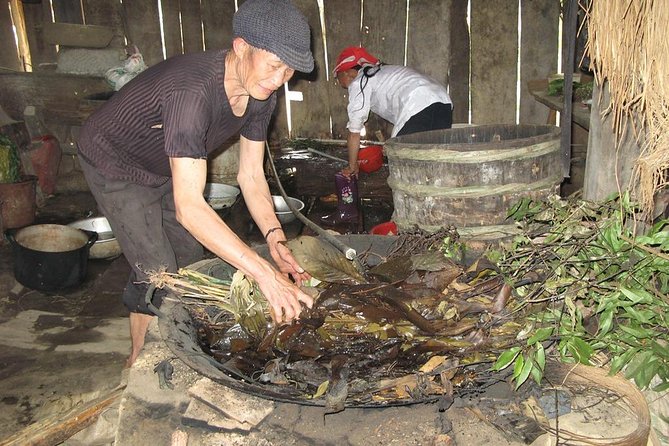
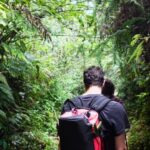
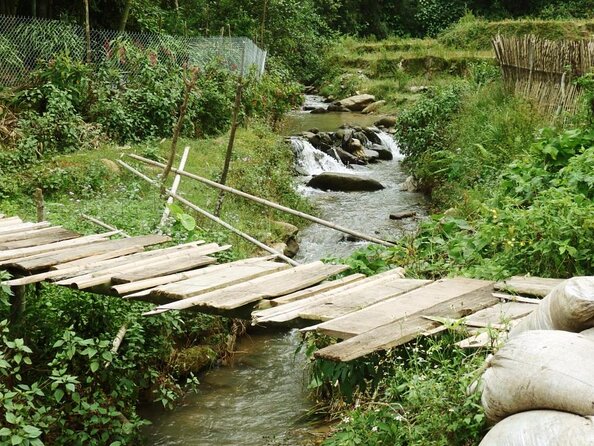
After lunch, the trekking path becomes the heart of the experience. The route is described as passing through corn fields, bamboo forest, and terraced fields before you reach Ta Phin.
This is where your planning matters. Comfortable shoes are non-negotiable because you’re on paths shaped by agriculture and terrain. The tour includes a raincoat, which is helpful if weather shifts, but that doesn’t replace good footwear.
Be honest about your fitness level. The time on your feet can feel intense if you’re not used to uneven ground or steady uphill/downhill walking. One group highlighted how the route was demanding and advised that it may not suit people who aren’t physically fit. If you’re unsure, choose this tour only if you can comfortably walk a few hours with a backpack.




Ta Phin Red Dao Village: Houses, Accommodation, and Marriage Customs

Ta Phin is the cultural centerpiece of the day. This is a colorful Red Dao village, and the tour description notes that the area also has Black Hmong residents. That mix helps explain why you might see similar regional influences while also noticing distinct Red Dao traditions.
You’ll get time to explore traditional Red Dao houses and learn how accommodation works in the village context. The tour also focuses on marriage customs—so it’s not only about architecture and clothing. You’ll be taught about traditional Dao practices connected to marriage, and that’s where the day feels more meaningful than a simple sightseeing stop.
I find these customs explanations especially valuable because they answer the question you’ll have while walking around: What rules and roles shape everyday life here? When a guide explains traditions in practical terms, the village stops being a set of pretty buildings and becomes a community with systems.
If the day is calm where you are, you can take your time asking questions. In a quieter setting, listening can be more rewarding than rushing for photos.
The Herbal Bath: Optional, Separate Fee, and Part of the Story
At the end of the tour, you’ll be invited to take a shower with a Red Dao herbal bath. This part is listed as not included in the base price, so you’ll need to pay for it separately.
The good news: it’s not presented as a gimmick. The tour notes that you’ll learn about the uses of this traditional remedy as part of the experience. So you’re not just stepping into water—you’re hearing how local people view herbs, remedies, and everyday health practices.
Because it’s an added cost, I suggest you treat it like an optional bonus. If you’re curious and you’re comfortable with the idea of changing into swimwear or using a washing setup, it can be one of the more memorable cultural touchpoints of the day.
What You’re Paying For: Price, Inclusions, and Extras
This trek is priced at $38 per person and runs about 6 hours. For the money, the inclusions are solid for a village day trip: hotel pickup and drop-off in Sapa center, villages entry fees, an English-speaking local guide, a included lunch at a local restaurant, and water (1.5 liters per person). You also get a raincoat per person and transportation back to Sapa from the last village.
What’s not included is important to understand up front:
- The Red Dao herbal bath (pay separately)
- Personal travel insurance
- Extra drinks along the way
- Tips for guide and driver
In practice, your total day cost will depend on two things: whether you do the herbal bath and how much you buy for drinks. If you’re budget-minded, you can keep it close to the headline price by planning your water and snacks.
Also consider that the tour is described as a private group. That can help you get more direct time with the guide, especially if you like asking questions about how the culture works in daily life.
Who Should Book This Trek (and Who Should Rethink)

This tour suits you if you want a real cultural day in Sapa’s nearby villages and you enjoy walking between stops. You’ll likely get the most value if you’re the type who likes asking questions about customs, homes, and local skills like indigo dyeing and weaving.
It may be less suitable if you:
- need a wheelchair-friendly route (the tour is not suitable for wheelchair users)
- have mobility impairments that make uneven terrain a challenge
- prefer very short walks with minimal hills
One more consideration: because you’re spending time on paths and fields, you’ll want to arrive ready. Bring comfortable clothes, a hat, sunscreen, and cash. The tour also suggests a change of clothes and oversize luggage is not allowed.
A Practical Tip for Getting the Most From Your Questions
A highlight mentioned in the past was a friendly guide, including one female guide named Chi, who answered questions and explained day-to-day life clearly. Even if your guide isn’t Chi, the lesson is the same: this tour works best when you ask.
Good questions to bring:
- What’s the purpose of the house layout?
- How do marriage traditions affect community life?
- How does indigo dyeing and weaving fit into household routines?
- What herbs are used in the bath and why?
If you keep questions simple and curious, you’ll come away with a stronger connection to what you saw.
Should You Book the Red Dao Village Trek and Herbal Bath?
Book it if you want a cultural trek that actually spends time in Red Dao and Hmong villages and includes real learning moments like marriage customs, traditional houses, and craft work. The mix of hill panoramas, terraced fields, bamboo scenery, and a guided village visit makes it good value for the price, especially with lunch, water, and entry fees handled.
Don’t book it if you’re looking for a mostly comfortable, low-walking day. The route can feel long and demanding, so if your fitness is limited, you might feel stressed instead of enjoying the scenery.
If you can handle a steady hike and you’re curious about village life, I think this is the kind of Sapa day that sticks with you long after you’re back in town.
FAQ
FAQ
How long is the Red Dao Village Trek and Herbal Bath?
It lasts about 6 hours, though starting times can vary. You’ll want to check availability for the exact departure.
What does the $38 per person price include?
The price includes hotel pickup and drop-off in Sapa center, villages entry fees, an English-speaking local guide, lunch at a local restaurant, 1.5 liters of water per person, a raincoat per person, and transportation back to Sapa from the last village.
Is the herbal bath included in the price?
No. The herbal bath at the Red Dao house is not included, and you pay for it yourself.
Where do you get picked up in Sapa?
Pickup is included at hotels in Sapa center, or you can meet at Sapa Church if your accommodation is not in the center.
How soon should I be ready for pickup?
Your guide waits about 15 minutes in the hotel lobby about before the scheduled pickup time.
What kind of walking should I expect?
This is a trekking tour with village paths, and the route can be physically demanding. You’ll be walking through areas like corn fields, bamboo forest, and terraced fields.
What should I bring?
Bring comfortable shoes and clothes, cash, a hat, sunscreen, and a change of clothes. The day also involves conditions where rain can matter, so dressing for the weather helps.
What is not allowed on the tour?
Oversize luggage is not allowed.
Does the tour have an English-speaking guide?
Yes. The tour includes an English-speaking guide and an English audio guide.
Is the tour wheelchair accessible?
No. It is not suitable for wheelchair users or people with mobility impairments.