REVIEW · SRINAGAR
The Best Monsoon Trek: Kashmir Great Lakes
Book on Viator →Operated by Himalaya Shelter · Bookable on Viator
Snow, then wildflowers, on seven big days.
The Kashmir Great Lakes trek works because it plays with timing: in early July you can see lingering snow on the high ridges while meadows are just waking up. I love how the route layers scenery—streams, pine-and-maple meadows, and then those classic lake basins—so each day feels like a new chapter rather than one long slog. You’re hiking toward passes like Nichinai and Gadsar, and the payoff is both altitude drama and quiet alpine water.
Two things I really liked: the camp and food setup and the support from the guide team. The cooking has a real mountain rhythm—hot soups, dals/rajma, pasta, and even trout dishes—so you actually recover instead of just surviving. And the guide teams I saw named in feedback (Surendra Rana, Rishabh, Bachan, Choudhary) consistently show up as safety-focused, especially when weather turns rough. One drawback to consider: this trek is weather-dependent. When late-season rain and wind roll in, days can feel longer and conditions less predictable—so pack for cold, wet, and reduced visibility, even if the forecast looks friendly.
In This Review
- Key takeaways before you lace up
- When July timing makes the whole trek
- Srinagar to Sonamarg: the drive that sets your mood
- Day 2: Nichinai Pass approach and the “maple meadow” feeling
- Day 3: Vishansar to Nichinai Pass, the first altitude real moment
- Day 4: Gadsar Lake and the Gadsar Pass challenge
- Day 5: Tarsar Lake day, a relative breather that still counts
- Day 6: Gangabal Lake, Zaj Pass, and the weather-read skill
- Day 7: The steep descent to Naranag and back to Srinagar
- Tents, sleeping gear, and meals that actually fuel hikes
- Price and value: what $481 buys you in real terms
- Group size, pace, and who should join
- Should you book Kashmir Great Lakes with Himalaya Shelter?
- FAQ
- How long is the Kashmir Great Lakes trek?
- Where does the trek start and end?
- What time does the activity start?
- What’s included in the trek package?
- What should I budget for that is not included?
- Is there a group size limit?
- What happens if weather is bad?
Key takeaways before you lace up
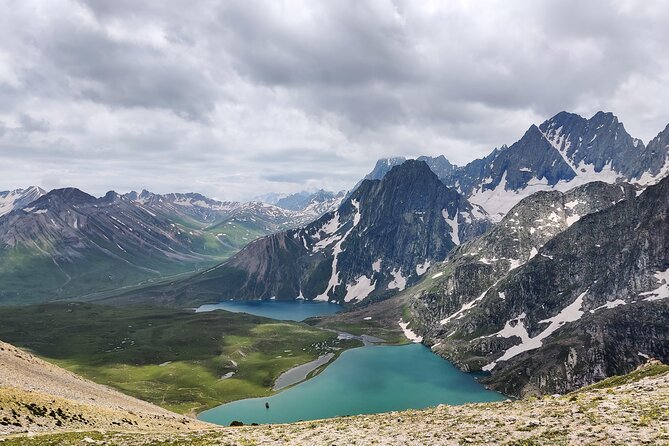
- Early July is the sweet spot: snow still lingers high, while meadows are in fresh bloom and nights feel more comfortable.
- You’ll cross multiple high passes: Nichinai (around 4,100 m), Gadsar (around 4,210 m), plus the Zaj Pass (~13,280 ft).
- Food is genuinely part of the experience: hot meals, soups, and notable trout dishes help you stay steady on tougher days.
- Small groups make it easier: max 11 travelers, so the pace and camp logistics feel more human.
- One long day is built in: the Vishansar to Gadsar crossing can run about 10 hours.
- Bring patience for lake-and-weather timing: this route runs on good conditions, and abrupt rain can change the feel fast.
When July timing makes the whole trek
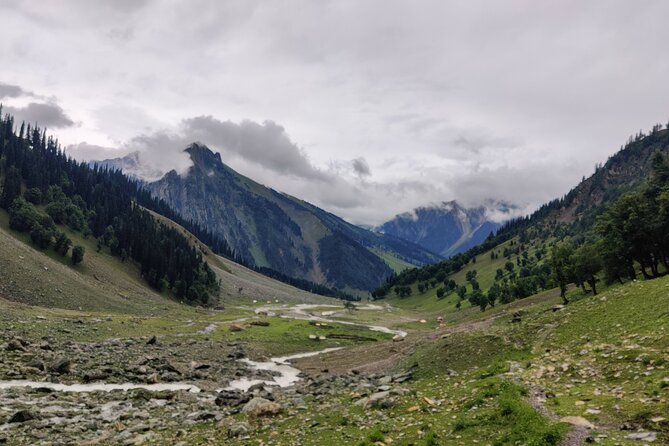
This trek is all about seasonal contrast. If you go in early July, you can catch a rare look where snow still sits on the highest parts while the meadows below are full of fresh growth. If you wait until end of July, that snow tends to melt away and the meadows go all-in with floral color. The bonus then is practical: temperatures are warmer and nights can feel easier for camping.
By late August, the temperature starts to drop and the flower show begins to fade as colder conditions move in. You also get a higher chance of abrupt rainfall—more than you’d expect on a calm day—which matters because wet trail + slippery rocks changes your pace and energy. The trek can still run into the second week of September, but once snow starts to return to the higher reaches, conditions can get tougher fast.
My advice: if you want the “snow meets bloom” look, aim earlier. If you hate cold nights and want more predictable trail surfaces, go later July. Either way, don’t treat “monsoon season” like it means constant rain—you’re more likely to face bursts of weather that can make a normal trail feel new.
You can also read our reviews of more tours and experiences in Srinagar.
Srinagar to Sonamarg: the drive that sets your mood
You start from Srinagar, with a meeting point in the city and a start time listed as 11:00 am. On Day 1, the group leaves around 1:00 pm and reaches Sonamarg by about 4:30 pm, riding along the Sind River. There’s a nice, low-pressure introduction to the region as you travel and watch the valley shift.
One neat detail on the way: you pass by Anchar Lake in Srinagar before heading toward Sonamarg, and that gives you an early taste of Kashmiri waters without needing hiking boots yet. You’re also crossing a key point near Wayil Bridge (around 25 km ahead of Srinagar) as the drive tracks along the river’s changes.
Practical tip: treat this as your warm-up day. You’ll arrive with enough energy to settle into camp, but don’t overdo it with heavy snacks or too much celebrating before the first real climb.
Day 2: Nichinai Pass approach and the “maple meadow” feeling
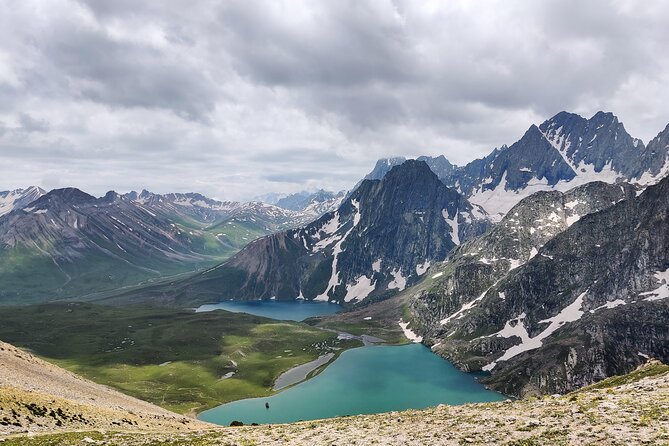
Day 2 starts from camp at Shitkadi and moves toward Nichinai Camp, following the Nichinai stream that stays to your right for much of the trek. This is a good first “real hiking” day because it builds rhythm without immediately throwing you into the steepest terrain.
Expect about 5 hours of trekking time. After hiking upstream roughly 1.5 km, you reach a meadow dotted with maple trees. That meadow moment is more than pretty—it’s where you can catch your breath, adjust your pace, and mentally prepare for the higher pass day coming next.
What to watch for: streams and early alpine meadows can mean muddy sections. Trekking shoes with decent grip help more than fancy footwear. If you’re prone to shin soreness, this is a day to use trekking poles if you have them.
Day 3: Vishansar to Nichinai Pass, the first altitude real moment
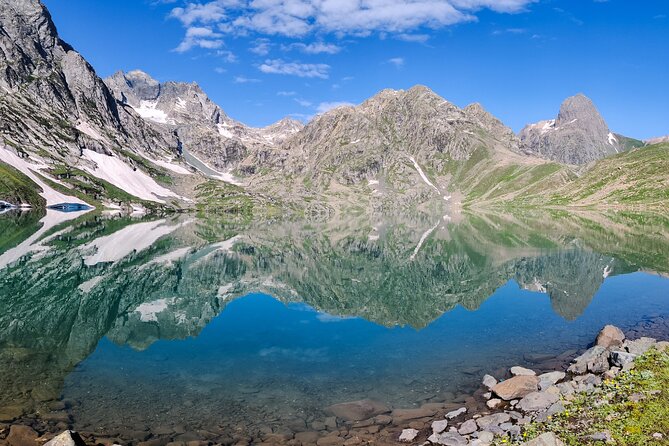
On Day 3, you climb from Nichinai Camp toward Nichinai Pass, which sits at about 4,100 meters. The ascent takes a good couple of hours from the campsite to reach the pass at a moderate pace. The route crosses into higher ground where the air gets thinner and your effort feels more “serious,” even if the trail isn’t always the steepest.
This day is listed around 4 hours, and the pacing matters because reaching the pass early is what you want for photo opportunities before the weather reshuffles. As soon as you’ve crossed over, you get that sense of being above the meadow layer and looking down on the basins below—one of the reasons people keep coming back to this circuit.
Small strategy that helps: keep your breathing controlled during the ascent. When you rush, altitude punishes you quickly. Save your energy for the descent sections where you actually get to move more smoothly.
Day 4: Gadsar Lake and the Gadsar Pass challenge
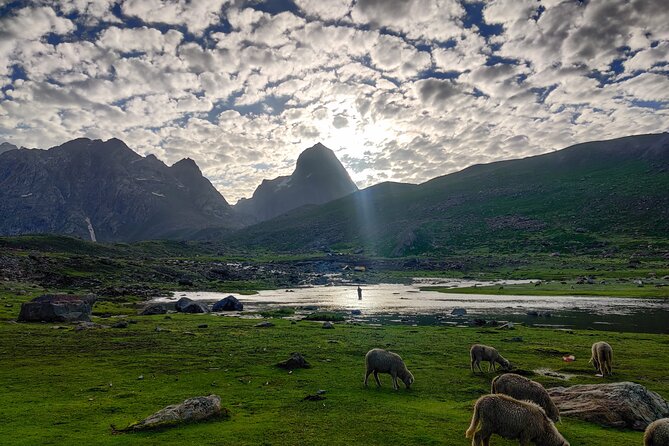
Day 4 is the demanding one. You trek from Vishansar to Gadsar, crossing the Gadsar Pass at around 4,210 meters—the highest point along the trek route at a modest altitude by comparison to some Himalayan treks, but still a big effort day here. The trek is listed as about 10 hours, so plan for a long day even if you’re fit.
This is also the day where trail conditions tend to matter most. Higher elevations plus weather bursts can mean wet rock, slick patches, and lower visibility. If you see the team tighten formation and reduce chatter, it’s usually them reading conditions—not a “mood.” You’ll feel safer when you follow their pace and instructions.
Why I consider this day worth the pain: it connects two lake basins with a pass crossing that gives you that full-scale view—mountains layered above lakes you can’t fully appreciate until you’re up and looking down.
Day 5: Tarsar Lake day, a relative breather that still counts
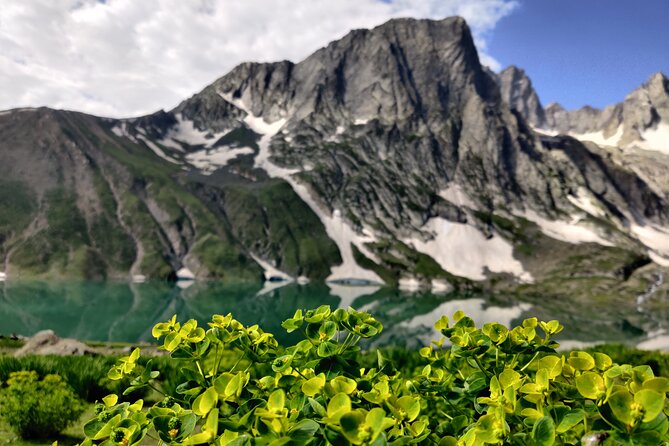
Day 5 runs from Gadsar to Satsar and is described as a relatively easier day compared to the prior pass days. You start with an initial steep hike—just over an hour—then you reach a trail that becomes gradual and mostly level for a long stretch across plains.
The trekking time listed is about 6 hours, which is a manageable window when your legs already know what the passes feel like. This is a day for steady hiking, snack breaks, and letting your body catch up.
Also, it’s a nice “lake time” day. You’re not just marching through terrain; you’re building toward lake basins—Tarsar/Satsar—where you can slow down, take a breath, and enjoy how the water sits in the high meadows.
Day 6: Gangabal Lake, Zaj Pass, and the weather-read skill
Day 6 takes you toward Gangabal Lake, starting with an ascent to the Zaj Pass. This pass is comparatively lower than earlier ones, but it’s still significant at about 13,280 feet and typically takes around 2 hours to reach. The trail starts with that effort, and after the pass you still have enough trekking time for your day to feel full.
This section is listed around 6 hours. It’s also a day where you should pay close attention to the sky and team decisions. In feedback, guide teams were praised for getting groups down safely when weather turned bad on similar Kashmiri trek conditions. Even if your day looks fine, the lesson stands: you don’t “negotiate” mountain weather.
If it’s raining or windy, keep your layers on and your pace steady. Wet weather makes you burn energy faster, and then suddenly you’re tired at the exact moment you need energy for the final push.
Day 7: The steep descent to Naranag and back to Srinagar
The last trekking day runs as a mix of minor ascents and descents for about half the distance, then turns into a steep descent all the way to Naranag. The profile matters here because steep downhills can hammer knees, especially after pass days.
You arrive in Srinagar between 5 and 7 pm, depending on when your hike starts from Gangabal. That time window is helpful because it means you’ll likely get back to the city while there’s still daylight for a meal and rest.
One thing to plan for: the descent day often feels longer than its time listing. You’ll be tired in a different way—less breath, more leg fatigue. If you’ve been skipping stretching or hydration, Day 7 will make you pay attention.
Tents, sleeping gear, and meals that actually fuel hikes
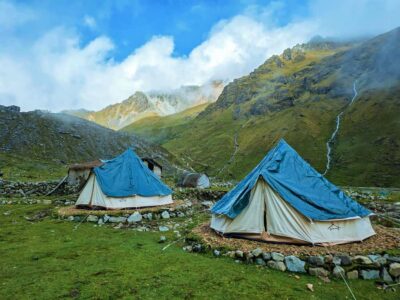
You stay in standard tents for 6 nights on the trek, using double occupancy tents. The camp setup is described with a kitchen, dining tent, and toilet tent, plus portable seats and camping stools. You also get clean sleeping bags and mats, which is a big practical value in alpine areas where cold can creep in.
This matters because most people don’t struggle with trekking more than sleeping gear. A good mat and a sleeping bag that fits the conditions can be the difference between waking refreshed and waking angry. Since the trek timing can range from early July bloom seasons to late-August cold snaps, the sleeping setup you’re given helps you avoid a lot of guesswork.
Food-wise, the feedback highlights strong support meals: hot, steaming soups, dals and rajma, pasta, and even trout dishes on the mountain. That last detail is a great “real value” clue. It suggests the kitchen team isn’t just feeding you calories—they’re trying to keep you warm and motivated on tough stretches.
Price and value: what $481 buys you in real terms
The price is listed at $481 for about 7 days, and it includes a lot of the heavy lifting that you’d otherwise pay for separately. You’re getting 6 nights of tent accommodation (double occupancy), meals (6 breakfasts, 5 lunches, 6 dinners), and all fees and taxes. You also get transport support starting from Srinagar onward, plus a BMC-certified professional trek guide with a First Aid kit.
On top of that, you’re not carrying the full “systems” load. The tents, kitchen/dining/toilet setup, sleeping bags, mats, and basics like camping stools are handled. For a trek with high passes and variable weather, that kind of organization is usually where your money turns into stress reduction.
What’s not included is also worth noting. You’ll pay for personal expenses like tips and personal medicines, and you need to cover transport to reach Srinagar from your hometown. The last day mentions no included accommodation back in Srinagar, so you might need a plan if you arrive late. If you want a porter for personal luggage, it’s INR 500 per bag (under 12 kg) per day, so packing light saves real money.
My take: this price makes sense if you value guided support, included camping systems, and consistent meals. It’s less attractive only if you already have your own gear and you’re trying to minimize guided structure.
Group size, pace, and who should join
This trek caps at 11 travelers, and that small size shows up in the overall vibe: easier coordination, fewer bottlenecks at passes, and more personal attention when weather changes. You can also expect a moderate fitness requirement. The experience is described as best for travelers with moderate physical fitness.
Who this suits well:
- You can hike steadily for long stretches, including a 10-hour day.
- You’re okay sleeping in tents and being flexible with mountain conditions.
- You want guides who are focused on safe pacing when wind and rain hit.
Who might struggle:
- If steep downhills make you miserable, take knee care seriously before Day 7.
- If you can’t handle sudden cold or wet weather bursts, late August into September can be tough.
Should you book Kashmir Great Lakes with Himalaya Shelter?
If you want one of the classic Kashmir lake treks with a strong focus on real camp comfort, good meals, and experienced leadership, this is a solid bet. The included tent system, sleeping bags/mats, and meal support make the trek feel more doable. And the guide names that come up in feedback—Surendra Rana, Rishabh, Bachan, Choudhary—signal teams that take safety seriously, especially when weather turns.
I’d book it if you can match the timing. Early July for snow plus bloom magic. End July for more floral color and warmer nights. Late August and September if you’re ready for temperature drops and heavier rain odds.
One last check before you commit: pack for uncertainty. Even in “good” seasons, the mountains don’t follow your schedule.
FAQ
How long is the Kashmir Great Lakes trek?
It runs for about 7 days.
Where does the trek start and end?
It starts in Srinagar and ends back at the meeting point in Srinagar.
What time does the activity start?
The listed start time is 11:00 am.
What’s included in the trek package?
You get 6 nights standard tent accommodation (double occupancy), transport support from Srinagar onward, all fees and taxes, a certified trek guide with a First Aid kit, sleeping bag and mats, and meals (6 breakfasts, 5 lunches, 6 dinners).
What should I budget for that is not included?
Personal expenses like tips and personal medicines aren’t included. You also cover transport to reach Srinagar from your hometown, accommodation in Srinagar on the last day, and a porter if you need one (INR 500 per bag under 12 kg per day).
Is there a group size limit?
Yes. The maximum group size is listed as 11 travelers.
What happens if weather is bad?
This experience requires good weather. If it’s canceled due to poor weather, you’ll be offered a different date or a full refund.