REVIEW · KALAW
3Days Less Touristic Way Trekking from Kalaw To Inle
Book on Viator →Operated by Rohit Kalaw Trekking · Bookable on Viator
Walking these trails feels like a shortcut to real life. This 3-day Kalaw to Inle Lake trek takes you past rolling farmland, tribal villages, and rainforest country, with two nightly homestays built into the route and a group capped at 10 travelers so you actually talk to people.
I really like how this tour handles the hard parts for you: there’s backpack transfer so you’re not hauling heavy loads, plus all meals and water are included. The main catch is weather. The rainforest section on Day 1 can be affected by rain showers, so the plan may shift if conditions aren’t great.
In This Review
- Key things that make this trek worth your time
- Why Kalaw to Inle Lake on foot feels like a different trip
- The 3-day route: what happens each day (and why it matters)
- Day 1: Kalaw trailwork, rainforest country, and Palaung village time
- Day 2: farm plots, seasonal vegetables, and village-path variety
- Day 3: the long walk to the lake, then a boat ride to Inle
- Homestays in local villages: what you’re really signing up for
- Guides and pace: why the group size feels like the real feature
- Backpack transfer and meals: the logistics that make the hiking enjoyable
- Boat transfer into Inle: the smooth landing after a long Day 3
- Price and value: how $31 stacks up for this kind of trek
- What to keep in mind before you go
- Should you book this Kalaw to Inle homestay trek?
- FAQ
- What is the duration of the trek?
- What time does the tour start in the morning?
- Does this tour include homestays?
- Is pickup offered?
- How many people are in the group?
- What transfers are included?
- How long and how far is the final day walk?
Key things that make this trek worth your time
- Two village homestays give you a night-to-night view of daily life, not just quick photos.
- Limited to 10 people means you’re more likely to get a personal pace and real conversations.
- Backpack transfer reduces strain, especially on longer walking days.
- Meals and water included keeps you focused on the trail instead of trip math.
- Boat transfer to your Inle hotel turns the last leg into a smoother finish.
- Final day walk is substantial (about 15–16 km, around 4 hours), so you should go in ready.
Why Kalaw to Inle Lake on foot feels like a different trip
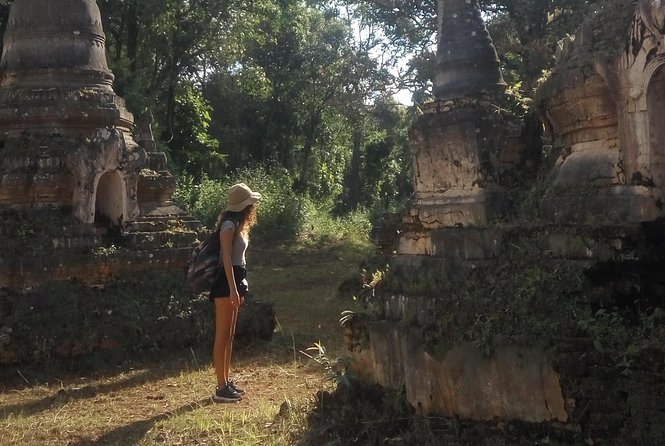
If you’ve been to Myanmar before, you might know the country can be a little overwhelming when you only see it from a car window. This trek flips the script. You start near Kalaw and gradually work your way toward Inle Lake, with stops that cut through farmland and villages along the way.
What makes it appealing is the mix. You get countryside views and vegetable plantations (season dependent), then you move through ethnic village areas like Hin kha gone (Palaung people). You’re not stuck in one kind of scenery for three days. You also get those overnight stays in local homes, which is where the trip stops being just exercise and becomes human-scale travel.
The “less touristy” angle isn’t about a marketing vibe here. It’s about the structure: small group, homestays, and walking distances that put you in the same rhythm as the people living along the trail.
You can also read our reviews of more tours and experiences in Kalaw.

The 3-day route: what happens each day (and why it matters)
Day 1: Kalaw trailwork, rainforest country, and Palaung village time
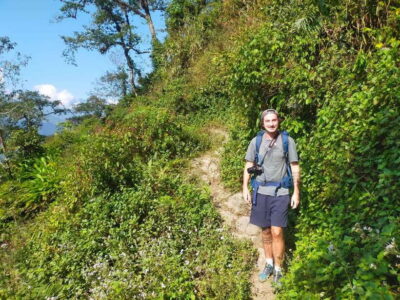
You start at 7:30 am and begin from your hotel in Kalaw. From there, the route passes through rainforest areas, but the plan is explicitly weather dependent. If rain showers show up, you may not pass that rainforest section.
After that, the itinerary heads to Hin kha gone, associated with the Palaung ethnic group. This is one of the reasons the trek feels more grounded than a straight hike: you’re moving through a living community area, not just scenery.
Lunch comes mid-route (included), and you keep going toward Myin taik station and Ywar pu. Even where the names are unfamiliar, that’s part of the point. You’re following a trail route that locals recognize, which helps the whole day feel practical rather than staged.
Day 2: farm plots, seasonal vegetables, and village-path variety
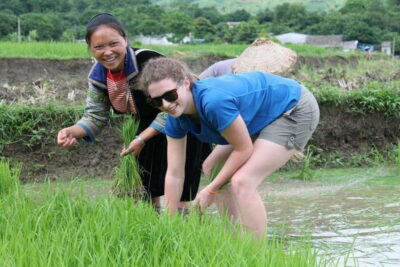
After breakfast, you’re back on the trail with more of a “everyday Myanmar” feel. The route includes views of countryside and vegetable plantations, but again, it’s season dependent, so what you see will vary.
You’ll pass areas listed as Lamine, Pinn nwe, and Khone Hla (lunch included along the way). After lunch, you get a good view segment before continuing to Hti Tain monast (a monastery area).
This day matters because it bridges the trek’s two “moods.” Day 1 leans more into forest and ethnic village movement. Day 2 shifts toward open farmland patterns and the calm rhythm around a monastery. It’s still walking, but the scenery and atmosphere keep changing so you don’t get bored.
Day 3: the long walk to the lake, then a boat ride to Inle
Day 3 is the serious walking day. After breakfast, you move through a village area and start getting views toward the lake. Then you walk down to the western part of the lake jetty boat station, where lunch is included.
The walk is listed as about 15–16 km, roughly 4 hours. That’s the part to plan for. If you’re the type who hates surprises, treat Day 3 as your main workout and prepare for a steady effort.
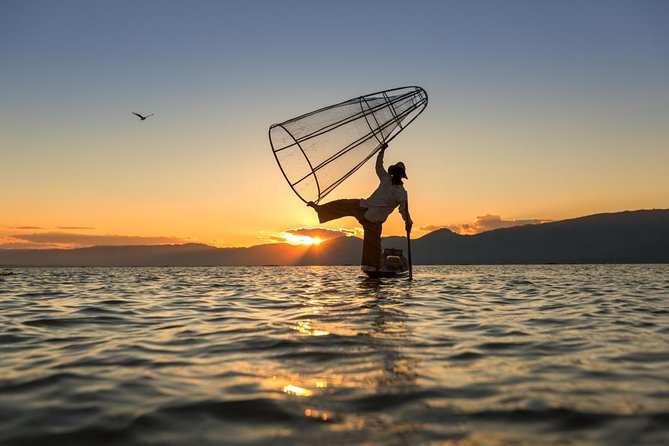
After lunch and the walking section, you take a boat trip to your Inle Lake hotel. The boat ride is about 40 minutes. It’s a nice way to end: you finish with water movement and a real arrival feeling instead of another long stretch of uphill hiking.
Homestays in local villages: what you’re really signing up for
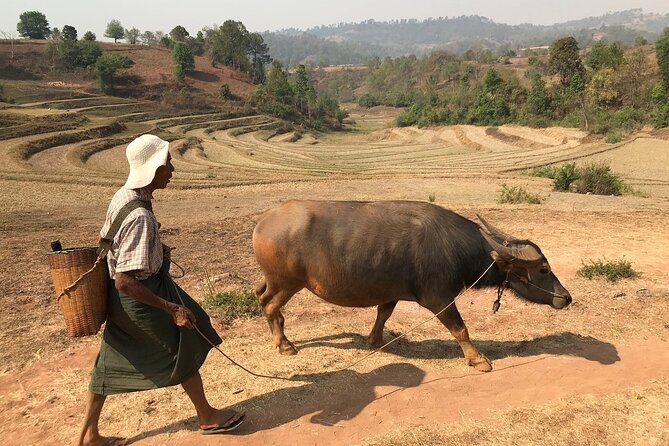
This trek includes two nightly homestays. That word sounds simple, but it changes the whole trip. You’re not just passing through. You’re eating, sleeping, and living the night rhythm in a village home.
From the way the tour is described and the way guides run it, this is set up to be conversation-heavy. Guides like Rohit (and sometimes others, depending on your departure) are praised for how they talk with villagers and help visitors understand what you’re seeing—down to things like plants used for seasoning and medicinal purposes.
So what should you expect from a homestay experience in this context?
- You’ll be part of daily life for the night, not just a quick guest stop.
- The homestays support local communities, which is the point of keeping the group small.
- You’ll likely have a better sense of culture because you’re there after the walking stops, not only during daylight photo windows.
One practical note: the tour’s comfort level depends on the village stay setup. The core inclusions are meals, water, and the homestay nights. Beyond that, you should keep expectations simple and flexible.
Guides and pace: why the group size feels like the real feature
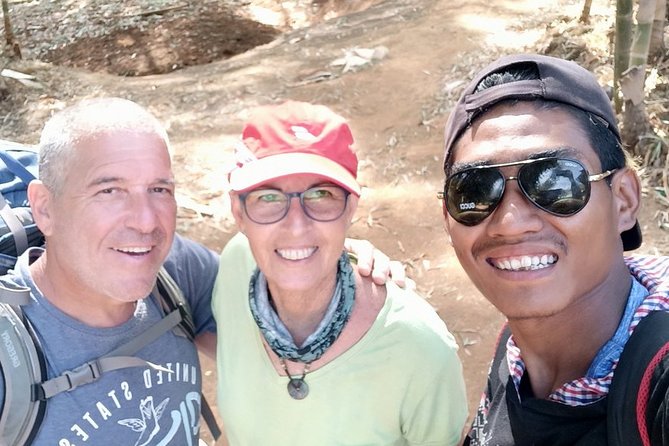
This is a maximum 10-person trek. That’s not a trivia line. It affects everything: pacing, who you can ask questions to, and how much time you get at each stop.
In the reviews, the guide Rohit shows up repeatedly—praised for being friendly, safe, and careful about pace. One recurring detail is how guides don’t treat villages like an outdoor museum. They stop to talk with people, and they seem to know the right questions and the right moments.
Another guide name that shows up is Robin, who is credited with plant spotting and medicinal/seasoning knowledge. A separate review mentions guide Min Min, also described as attentive and engaged with villagers.
What that tells you, as a reader, is that this trek is guided with a focus on interaction. If you like chatting, asking why, and learning through small moments, you’ll likely enjoy the tour more than if you prefer a quiet hike-only experience.
Backpack transfer and meals: the logistics that make the hiking enjoyable
Most Kalaw-to-Inle treks come with some kind of carrying plan. Here, the standout is backpack transfer. The idea is simple: you don’t carry heavy loads yourself. That alone can be the difference between a trek you remember fondly and one that feels like punishment.
The other big relief is food. You get:
- Breakfast (3)
- Lunch (3)
- Dinner (2)
- Water
So instead of trying to find snacks in remote stretches, your energy is managed. You can walk with fewer decisions. And because lunches are timed inside the itinerary (including on the final-day lake approach), you’re not constantly guessing when the next meal will happen.
Is it perfect? No plan is. But the overall setup is built to remove the kind of stress that makes short treks feel longer than they should.
Boat transfer into Inle: the smooth landing after a long Day 3
After that 15–16 km finish, the boat ride is exactly what you want—especially when you’ve got about 40 minutes of travel time to your Inle hotel.
This part helps in two ways. First, it shifts you away from walking right after exertion. Second, it gives you a clear arrival moment. Inle is strongly associated with water-based travel, so finishing by boat feels natural rather than tacked on.
Just remember: the boat transfer is included, but the tour description also notes that some items like certain fees aren’t included (general note: all fees and taxes aren’t listed as included).
Price and value: how $31 stacks up for this kind of trek
At $31 for a roughly 3-day trekking experience with homestays, meals, water, and transport support, the value is strong—especially when you compare it to the cost of doing similar walking plus separate lodging plus meals plus transfers.
Why it feels like value:
- Two homestay nights can be expensive on your own if you’re paying for accommodation separate from the trek.
- Meals and water cover daily costs that can add up quickly during short active trips.
- Backpack transfer saves energy without requiring extra gear solutions.
- Boat transfer provides a practical end to the hike.
The trade-off is that this tour is built for good conditions. Weather affects whether you pass the rainforest section on Day 1, and the tour description makes it clear it requires good weather. If conditions are poor, the tour may be offered on a different date or refunded.
What to keep in mind before you go
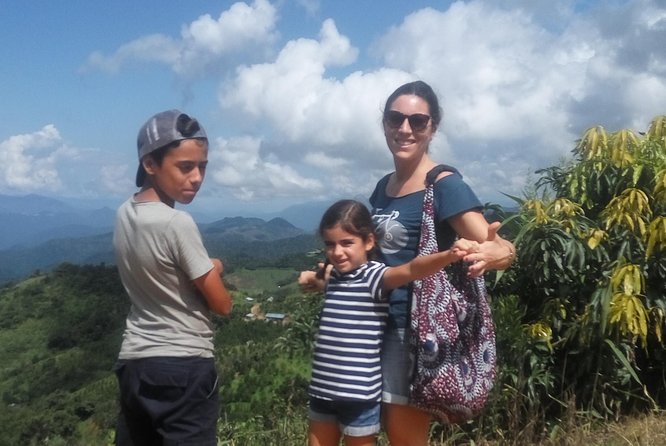
This trek is built around walking days that change in length and terrain. The big number is Day 3: 15–16 km in about 4 hours.
Also, plan around the reality of rain. Day 1 has a rainforest route segment that depends on weather and rain showers. If you show up with a flexible mindset and basic rain readiness, you’re more likely to enjoy the trek even if the itinerary adapts.
Finally, go with the right expectation for homestays. You’re there for local life, not a “hotel experience in the woods.” You’re supported with meals, water, and homestay lodging, but village comfort levels can vary.
Should you book this Kalaw to Inle homestay trek?
Book it if you want a small-group walking route with two local homestay nights, included meals, and a practical finish by boat. This is a great match for you if you enjoy learning through real conversation—especially if you like guides who stop, talk, and explain what you’re seeing. The repeated mentions of Rohit’s friendly approach and plant knowledge are a strong signal that your time with the guide matters here.
Skip it (or choose another option) if you need a very strict, unchanging itinerary with no weather impact. The rainforest section on Day 1 can change if rain shows up, and the final day’s distance requires you to feel comfortable walking that long.
If you’re somewhere in the middle—excited to walk, okay with weather-based adjustments, and happy to trade comfort-luxury for cultural closeness—this trek is a solid value.
FAQ
What is the duration of the trek?
It runs for 3 days (approx.).
What time does the tour start in the morning?
The start time is 7:30 am.
Does this tour include homestays?
Yes. You’ll stay in two nightly homestays.
Is pickup offered?
Yes, pickup is offered.
How many people are in the group?
The tour has a maximum group size of 10 travelers.
What transfers are included?
A backpack transfer is included, and there is also a boat transfer at the end to your Inle hotel.
How long and how far is the final day walk?
On Day 3, you’ll walk about 15–16 km for roughly 4 hours before taking the boat to your hotel.