REVIEW · SAPA
Sapa Tour: 2-Day Fansipan Trekking
Book on Viator →Operated by Vietnam Nomad Trails · Bookable on Viator
Fansipan has a way of making you slow down. This 2-day trek from Sapa mixes high-mountain effort with real culture, not just a race to a view.
I especially liked how well-organized the trip feels—pickup, permissions, guides, meals, and transport are handled—so you spend energy on walking, not logistics. I also really valued the porter help, because it keeps the climb focused on your legs instead of your shoulders.
One thing to plan for: it’s often cold up high, and fog can roll in at the summit. That’s part of the magic, but it means you should pack for chill and accept that visibility can change.
In This Review
- Key Highlights You’ll Feel on This Trek
- Why Fansipan Trek With a Small Group Works Better Than DIY
- A realistic expectation
- Day 1 From Sapa Into the Tram Ton Trek Start
- Where Sapa town time fits in
- Trek focus: effort, not carrying
- Overnight on Fansipan: Cabin Sleep, Sleeping Bags, and Cold-Wet Reality
- What you should expect at night
- The social side of sleeping together
- Summit Day: Climb Up With Your Guide and Chase the Fog Views
- Summit mood: mystical fog is still a win
- The descent down to Tram Ton
- Transport, Meals, and What Actually Feels Included
- The value isn’t only convenience
- Price and Value: Is $136.65 Worth It?
- Who gets the best value
- Who This Trek Fits Best (And Who Should Rethink It)
- Should You Book the 2-Day Fansipan Trek?
- FAQ
- Where do I meet for the trek?
- What time does the tour start?
- How long is the trek?
- What’s included in the price?
- Is a porter included?
- How large is the group?
- Do I need a passport?
- Is cancellation free?
Key Highlights You’ll Feel on This Trek
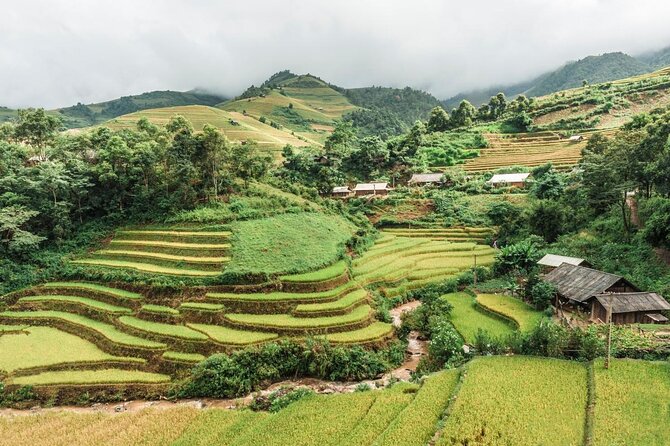
- Porter support means no surprise heavy loads on your back
- English-speaking guide who stays practical while leading you safely
- Overnight cabin setup with sleeping bags and separate rooms in a shared wooden cabin
- National park permissions and entrance fees are covered
- Summit views can happen through mystical fog, not just clear skies
- Small group size (max 20) keeps the experience manageable
Why Fansipan Trek With a Small Group Works Better Than DIY
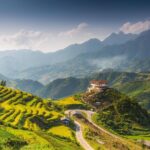
Fansipan sits high above Sapa—over 10,000 feet—and it’s one of the highest mountains in Southeast Asia. When you’re going that high, your biggest enemy is not only altitude or distance. It’s the mess of decisions: what permits you need, where to sleep, what to pack, how to move between trail points, and whether you’ll get turned around.
On this kind of organized trek, you get structure. You start with pickup from either Lao Cai station or your hotel in Sapa, then the day rolls into breakfast and the move toward Tram Ton. Instead of worrying about route navigation, your guide comes with you and helps you stay on track all the way up.
You also get a clearer sense of what you’re stepping into. The trek is framed around learning about the mountain environment and the Indigenous tribes living there. Even if you only catch parts of the story during the walk, it changes the vibe. This isn’t just a workout; it’s a way to understand the place beyond the photo.
A realistic expectation
The summit can be dramatic, but not always in the way you expect. One strong theme from past experiences is the sudden arrival of fog at the top. That means you should treat the view as a bonus, not a guarantee. If you go in flexible, the mountain feels bigger and stranger—in a good way.
Day 1 From Sapa Into the Tram Ton Trek Start
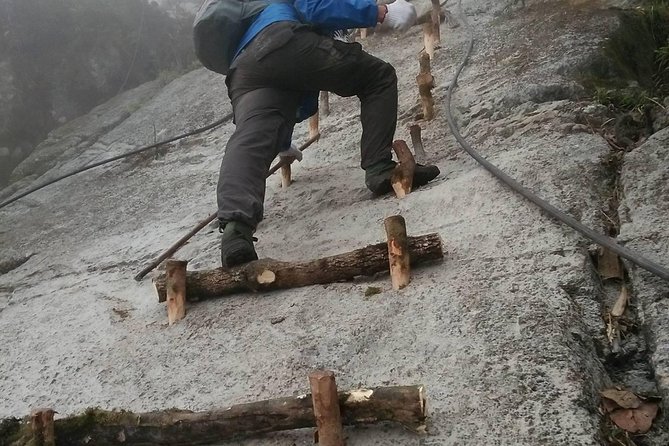
Day 1 starts early, with a start time of 8:30 am and a pickup that can come from Lao Cai station or your Sapa hotel. If you’re arriving by train or bus, that’s a comfort: you’re not stuck figuring out local transport after travel fatigue.
After pickup, you’ll have breakfast before heading to Tram Ton. Tram Ton is your launching point for the trek, and it matters because it reduces the amount of unnecessary town-to-trail shuffling you’d otherwise deal with on your own.
This is also where the tour’s “no surprises” style shows. You’ll have access to water and meals, and you’re set up with the right basics so the day doesn’t turn into a scavenger hunt for food, permits, or gear. The trip also includes national park permission and entrance fees, which is the kind of detail that can quietly derail DIY plans.
Where Sapa town time fits in
The experience isn’t only hiking. You get some time to explore Sapa Town at your own pace before you climb. For me, that’s a smart use of time. It helps you acclimate mentally, grab a snack you like, and soak in the town’s atmosphere without feeling rushed. Just keep your schedule realistic—your body will want an early night once the cold mountain air starts.
Trek focus: effort, not carrying
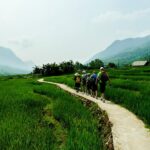
A huge practical win is the porter support. You’re meant to enjoy the trek without unexpected heavy loads. In plain terms: you walk more comfortably, and you recover better for the second day.
Overnight on Fansipan: Cabin Sleep, Sleeping Bags, and Cold-Wet Reality
After your first day moving through the mountain, you reach the overnight area with accommodation included. That includes sleeping bags and a stay in a hut or tent in the mountains.
One of the most praised details is the kind of place you might sleep: a shared wooden cabin with separate rooms. Even when you share a building, separate rooms help with privacy and rest. And because sleeping bags are provided, you’re less likely to arrive underprepared.
What you should expect at night
I’d plan for mountain conditions that can feel sharper than you expect. One past experience notes how cold it gets. Fog is also a real possibility on this trek, and when fog or damp air settles, temperatures feel lower.
So treat “cold” as a serious factor, not an annoyance. Bring warm layers you can move in, and keep your cold-weather essentials close at hand. Since water and meals are included, you can keep your packing simple and focus on staying warm.
The social side of sleeping together
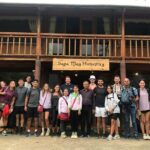
This is a small group trek (max 20), and overnight time tends to make people talk. That can be a bright part of the experience if you’re open to it. One guide-led trip is remembered for meeting new friends, which makes sense: you’re all dealing with the same cold, the same timing, and the same next-day summit plan.
Summit Day: Climb Up With Your Guide and Chase the Fog Views
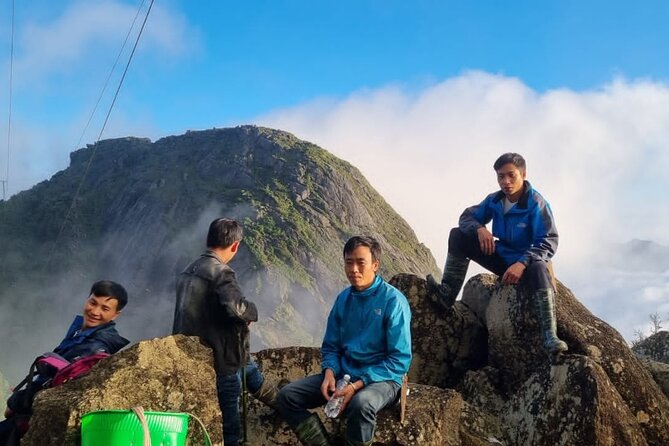
Day 2 is built around the summit and the return down to Tram Ton. The big difference on summit day is mental. You’ll feel the pull between wanting to rush and wanting to savor what’s happening around you.
Your guide stays with you. That matters because it reduces the risk of getting lost, and it keeps the group together at a steady pace. A past highlight also mentions an English-speaking guide, Mr Zi, with correct English and clear guidance. He wasn’t described as a nonstop talker, which honestly I like in mountain guides: you want communication when you need it, not constant chatter that distracts you from breathing, footing, and timing.
Summit mood: mystical fog is still a win
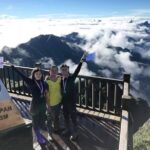
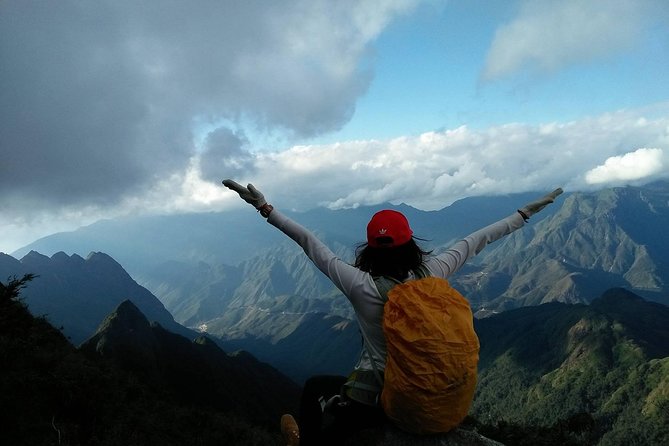
If the summit is clear, you’ll get classic mountain views. But fog can also roll in and turn the top into something more mysterious. One standout memory is a mystical fog at the summit. If you’ve only seen mountains in perfect weather, fog can be a shock.
Here’s the trick: don’t fight it. Fog reduces distance and sharp edges, but it can make the mountain feel endless and weighty. You’ll still be standing on one of the highest spots in Southeast Asia, and the effort will feel earned even if the horizon disappears.
The descent down to Tram Ton
After the summit, you hike back down to Tram Ton. Descent is its own kind of work—legs and knees get the burn. With a guided group and the same basic setup for transport and meals, you can focus on safe steps rather than figuring out timing or routes.
Transport, Meals, and What Actually Feels Included
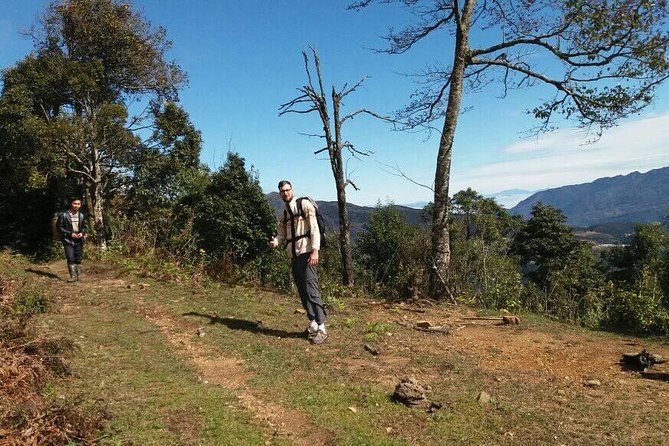
This trek is designed so you don’t have to run around at the last minute. Here’s what’s covered, and why it matters:
- Round-trip transfers from Sapa’s train and bus stations are included. That’s valuable if you’re coordinating arrival and departure without stress.
- Meals are included: breakfast, dinner, and two lunches, plus water 1.5L per person per day. In a high-mountain trek, that removes a major variable. You’ll spend less time stopping to buy things and more time focusing on pacing.
- Guide support: an English-speaking guide, plus national park permission and entrance fees.
- Accommodation with sleeping bags: hut or tent in the mountain area, and you may sleep in a cabin arrangement with separate rooms (based on how the experience has been delivered).
The value isn’t only convenience
It’s easy to call a trek convenient and move on. But in practice, covered meals, transport, and park fees keep you from making the wrong choice under pressure. When you’re tired, you’re more likely to overspend, buy the wrong gear, or accept a chaotic plan. This experience tries to prevent that.
Price and Value: Is $136.65 Worth It?
At $136.65 per person for roughly 2 days, the price can look either reasonable or steep—until you add up what you’d normally have to source yourself.
You’re paying for:
- guided hiking to the top (with an English-speaking leader),
- porter support for carrying,
- national park permission and entrance fees,
- transport tied to stations and local pickup,
- meals (including a lot of the energy stuff you need),
- overnight accommodation with sleeping bags.
If you were planning this alone, you’d likely spend time and money on parts that are hard to compare: correct permits, the right sleeping setup, reliable transfers, and safe navigation. Even if you find individual pieces for less, your biggest cost is usually time and mental load.
Who gets the best value
You’ll feel the value fastest if:
- you’re short on time and don’t want to hunt for logistics,
- you want a guided route so navigation is off your mind,
- you want porter support so your pack stays manageable.
If you’re the kind of hiker who loves planning everything, you might feel you could DIY it. But the money here buys peace, timing, and the ability to show up ready.
Who This Trek Fits Best (And Who Should Rethink It)
This trek is best for adults who want a guided Fansipan experience without being a full-time trip planner.
It’s a strong fit if you:
- want small-group hiking up to a major peak,
- like the idea of learning about the mountain environment and Indigenous tribes,
- prefer structured days with meals and transport handled,
- care about comfort details like sleeping bags and cabin or hut lodging.
It may not be ideal if you:
- hate cold weather conditions on a mountain (you’ll likely feel it),
- need guaranteed visibility at the summit (fog happens),
- want fully independent travel with zero group coordination.
One more note: there’s a minimum age of 18 and a minimum of 2 people per booking, so solo travelers will want to confirm how the provider handles departures.
Should You Book the 2-Day Fansipan Trek?
I’d book this if you want Fansipan, but you want it run cleanly. The combination of porter support, meals, transport from major arrival points, and guided summit hiking removes the usual friction that turns a good plan into a stressful one. And if you’re okay with fog being part of the deal, the mountain can feel genuinely magical.
Skip it—or at least think twice—if you’re expecting guaranteed clear summit views or if cold mountain sleep sounds miserable. This trek is memorable partly because it’s not a controlled theme-park walk. It’s a real hike on a high peak.
If you like mountains but also like getting there and sleeping well, this strikes a practical balance.
FAQ
Where do I meet for the trek?
You meet at Nomadtrails Boutique Sapa, 15 Tuệ Tĩnh, Sa Pa, Lào Cai, Vietnam. The tour ends back at the meeting point.
What time does the tour start?
The start time is 8:30 am.
How long is the trek?
It runs for 2 days (approx.).
What’s included in the price?
The experience includes breakfast, dinner, two lunches, water (1.5L per person per day), an English-speaking guide, national park permissions and entrance fees, accommodation with sleeping bags (hut or tent in the mountain), and transport to the trekking point and return.
Is a porter included?
Yes. The trip is designed so you won’t carry unexpected loads, with porter convenience included.
How large is the group?
The tour has a maximum of 20 travelers.
Do I need a passport?
A current valid passport is required on the day of travel.
Is cancellation free?
Yes. You can cancel up to 24 hours in advance for a full refund.