REVIEW · TETEBATU
Mt Rinjani Trekking 2 Days 1 Night Summit
Book on Viator →Operated by HaLoMi Trekker · Bookable on Viator
Rinjani in two days is pure stamina work. This 2-day/1-night summit trek from Sembalun is built for hikers who want big views, tight timing, and a real camping night on the crater rim. You also get a guide who stays with you the whole way (and helps capture photos).
What I really liked: you’re not left to guess logistics. The package covers meals and bottled water, plus coffee/tea and snacks, so you can focus on pacing and not rationing. And the support is hands-on: a guide, local guides, and porters handle the big stuff so your personal carry stays manageable.
One thing to think about first: this is not a casual walk. The summit push can be tough, and the needed gear (like head lamp and warm layers/jacket) isn’t included. Also, one past booking flagged a health-and-safety decision when someone became hypothermic, so bring proper layers and take the cold seriously.
In This Review
- Key things to know before you go
- Why Mt. Rinjani’s 2 Days 1 Night Summit Feels Different
- Day 1: Briefing plus Sindang Gile & Tiu Kelep Waterfalls
- Day 2: The Trek Up to Sembalun Crater Rim Camp
- Pro tip for planning your mindset
- Day 2 Night: Crater Rim Camping Reality Check
- Day 3: Summit Push at Sunrise and the Walk Down
- What’s Actually Included (and Why It’s Good Value)
- The HaLoMi Trekker Support Team: Guides, Photos, and Porters
- Bonus Days: Waterfalls on Arrival and the Free Gili Transfer
- Price and Logistics: Pickup, Meeting Time, and Private Transport
- Weather, Pace, and Safety: Don’t Treat Summit Day Like a Hike
- Who This Trek Is Best For
- Should You Book This Mt. Rinjani 2 Days 1 Night Summit Trek?
- FAQ
- How long is the Mt. Rinjani trek package?
- What time does the trek start?
- Is this a private tour?
- Where do you get picked up and where do you get dropped off?
- What meals and drinks are included?
- Does the price include the Gili transfer?
- Which waterfall sites are included on the arrival day?
- What trekking gear is not included?
- Is there a vegetarian meal option?
- Is the booking refundable if I cancel?
Key things to know before you go
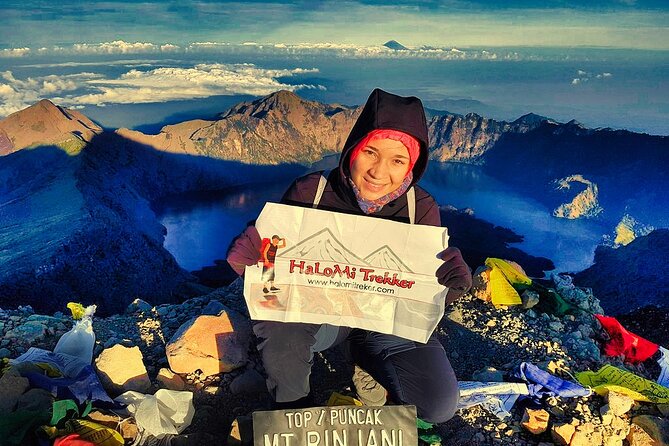
- Sembalun to summit on a fast schedule: two days of hiking with one overnight on the crater rim
- Waterfall add-on on arrival day: you’ll visit Sindang Gile and Tiu Kelep
- Food and water are handled: breakfast, lunch, dinner, bottled water, coffee/tea, and snacks are included
- Your guide also helps with photos: you hike with a professional photographer guide
- Free boat transfer to Gili after the trek: easy continuation to Gili from Lombok
Why Mt. Rinjani’s 2 Days 1 Night Summit Feels Different
A 2D/1N summit is short. That’s the point. You don’t spend forever slowly “getting used to altitude.” You go. You climb. You camp. You climb again.
That tight schedule makes the experience more intense in a good way. You’ll have that day-1 energy after the waterfall stops, then day-2 night is all about staying steady through the crater-rim camp. Day 3 becomes a focused mission: summit hike, then walking back down toward the village.
And because this trip is private (your group only), you’re not stuck feeling like a number while you’re tired and your legs disagree with your plans. Private guide time matters most when conditions change.
You can also read our reviews of more tours and experiences in Tetebatu.
Day 1: Briefing plus Sindang Gile & Tiu Kelep Waterfalls
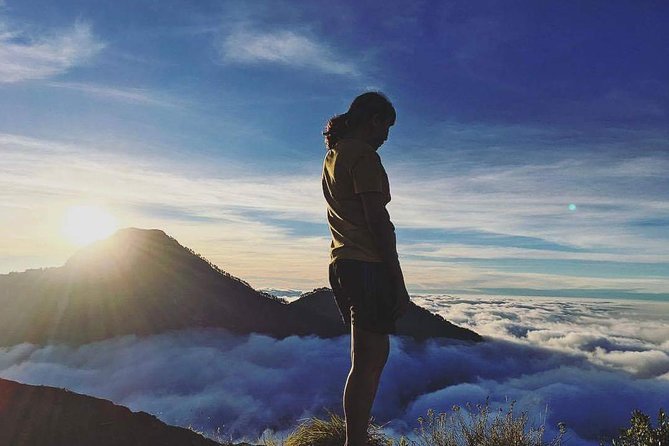
Day 1 starts with briefing time and then transitions into the fun part: the waterfall outing. You’ll visit Sindang Gile and Tiu Kelep Waterfall—two names that fit Mt. Rinjani trekking like a warm-up track before the main climb.
Why this is a smart add-on: waterfalls are the kind of activity that gives you motion and sight without draining you for the summit push. It also gives you a chance to get your trail legs back before night camping and the early summit attempt.
What to expect in practical terms:
- You’ll likely be walking on uneven ground around the sites, so slippery shoes help.
- It’s a good day for light photos, quick energy breaks, and asking your guide about what to watch for (weather, footing, and the reality of “how hard is hard” on summit day).
Day 2: The Trek Up to Sembalun Crater Rim Camp
Day 2 is where the trip turns into the real deal. You start the trek to the campsite on the Sembalun crater rim.
This is the day that tests consistency. People often think “I can handle this,” but Rinjani punishes uneven pacing. The win is staying controlled—steady steps, regular water intake, and not sprinting because you feel good for the first hour.
At the crater rim, you’re trading comfort for view and experience. Camping here isn’t just a pause. It’s part of the summit rhythm: you wake up knowing you’re close, and you’ve got that night’s weather to deal with.
What you’ll have going for you:
- You’re on a guided setup that includes meals and bottled water.
- You’ll be camping, not hotel-hopping, so the team keeps the core logistics moving while you focus on hiking.
Pro tip for planning your mindset
Treat this day like training for the summit push. If you go out too fast on day 2, you’ll feel it on day 3 when the climb becomes a battle against both steep ground and cold air.
Day 2 Night: Crater Rim Camping Reality Check
You’re sleeping on the crater rim. Translation: temperature swings are part of the deal. Even if your day feels warm, mornings and nights near volcanic terrain can turn chilly.
This is where small prep items matter. The trek info doesn’t include a head lamp/hand torch, so you should plan to bring one if you have any inclination to move around in low light. And since trekking shoes and a trekking jacket aren’t included, you should plan for the gear you’ll actually use on this kind of terrain.
From past experiences with this operator, I’ve seen a theme: good teams make the camp night feel easier than you expect. One booking described the setup as well managed, with enough water and solid food, and guides/porters doing the heavy lifting while hikers carry personal belongings.
Day 3: Summit Push at Sunrise and the Walk Down
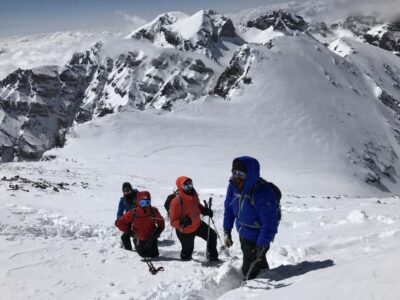
Day 3 is the summit day: you’ll hike up to the summit and then walk down to the village.
A summit trek is always part physical challenge, part mental game. The mental part gets easier when you know you have a plan, a guide next to you, and a team that’s moving with you. A past booking reported reaching the summit at sunrise, which makes sense for visibility and timing on steep paths.
Here’s what you should plan for on summit day:
- Early, cold air: even if it’s not freezing, you’ll feel it if you show up underdressed.
- Slow steps beat hard gasps. Your legs will thank you later.
- The descent is its own workout. You’ve earned the summit, but your knees still need respect.
And then you transition back down toward the village. That’s often when you feel oddly proud and oddly tired at the same time.
What’s Actually Included (and Why It’s Good Value)
The price is $280 per person, and the main question is: what does that cover that you’d normally have to piece together yourself?
For starters, this package includes:
- National Park fees, local taxes, and an environmental management charge (Reef Tax)
- Overnight accommodation (so you’re not hunting for a last-minute place)
- Meals during the trek: breakfast, lunch, dinner (two dinners, three breakfasts, three lunches)
- Beverages, bottled water, coffee/tea, and snacks
- Driver/guide plus a local guide and a professional guide
- A professional photographer guide (so you’re not stuck with awkward stop-and-start photo timing)
- Hotel/port pickup and drop-off and private vehicle transport
Also, there’s a major continuity win: you get a free bonus boat transfer to Gili Island after the trek.
When you add all that up, the $280 doesn’t look like just “guide service.” It’s paying for a full system—fees, food, transport, and the camp night. If you were trying to do the same thing on your own, you’d likely spend time coordinating multiple pieces, and you still might miss the fee/tax coverage that’s included here.
The HaLoMi Trekker Support Team: Guides, Photos, and Porters
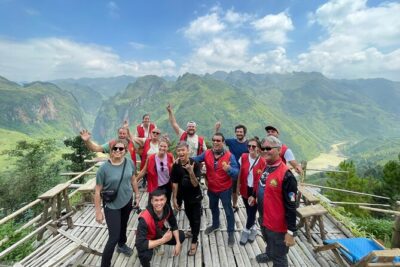
This trek is powered by people, and the human side shows up in the feedback. Different guide names come up repeatedly—such as Mr Sinjan and Uki, Wir, Adi, Mul, Eddie, Aji, Andy, and Hendri—plus porters like Wirnadi and Jitrani.
I don’t want to pretend any guide is guaranteed for every departure. But I do think it’s fair to take one lesson: ask who you’ll have, and if you’re able, request a guide you feel good about.
One strong theme from past experiences: guides and porters can make the trek feel less chaotic. In at least one account, hikers reported carrying only personal items while the larger camp load (tents, food, enough water, and other supplies) stayed with the team.
Also, the “guide takes photos” angle is practical. You’re hiking—stop-for-photos moments happen, but having a dedicated person for pictures helps keep you moving and keeps the photo timing from becoming a stress point.
Bonus Days: Waterfalls on Arrival and the Free Gili Transfer
This package is set up like a Lombok circuit, not a standalone trek.
On the way in, day 1 builds in the Sindang Gile and Tiu Kelep Waterfalls—a nice sight break that doesn’t replace training for the summit.
On the way out, you get the big life upgrade: a free boat transfer to Gili Island after the trek. That means you’re not scrambling for the next leg while you’re sore and hungry.
In travel terms, that matters. Your energy after a summit day is limited. A smooth handoff to Gili lets you rest without spending the evening negotiating transport.
Price and Logistics: Pickup, Meeting Time, and Private Transport
Timing and movement are where many treks lose people. This one tries to fix that.
- Start time is listed as 8:00 am.
- Pickup and drop-off can be arranged anywhere on mainland Lombok, as long as it works for your schedule.
- Transport is by private vehicle, plus hotel/port pickup and drop-off.
This is one of the reasons the trek feels “organized.” You aren’t trying to connect public transit links after a rough night. You’re moving with the team.
Also, it’s worth noting the trip runs about 3 days (approx.) even though it’s a 2-day/1-night summit concept. That extra time is basically where the arrival waterfalls and the Gili departure transfer fit in.
Weather, Pace, and Safety: Don’t Treat Summit Day Like a Hike
Rinjani can be tough in different ways on the same trip. Some conditions trend hot and humid, and then summit day can still feel cold at altitude. That mix makes it easy to misjudge your clothing.
So I’d plan for layers, not vibes:
- Bring the jacket and warm clothing you’ll actually wear at night and early morning (the package doesn’t include a trekking jacket).
- Bring a head lamp (not included) so early/late movement is safe and simple.
- Use trekking shoes (not included) that have grip for rocky, muddy trail sections.
And here’s the candid part: one past booking described a situation where a guide didn’t make a health-related decision properly when someone developed hypothermia, and that’s unsettling. You can’t control every moment, but you can control preparation:
- Don’t arrive underpacked.
- Tell your guide immediately if someone is struggling with chills or symptoms.
- Take the cold seriously, even if you feel fine at the start.
If you want a harder-than-expected but still well-run trek, you can have that. Just don’t treat health and cold as minor.
Who This Trek Is Best For
This trek is a strong match if:
- You’re fit and ready for a challenging summit push
- You want the crater-rim camping experience without a long multi-day grind
- You prefer a guided setup that includes meals, water, camp logistics, and photos
It may be less ideal if:
- You dislike early starts or steep, slow walking
- You show up with limited gear and hope the operator will cover it (you won’t)
- You’re not comfortable with a high-physical-demand day
Should You Book This Mt. Rinjani 2 Days 1 Night Summit Trek?
If you want a real summit experience without stretching it into a longer expedition, I think this is a smart choice. The biggest value is the total package: fees, meals, bottled water, camping, private transport, and the free Gili transfer all included in one price.
Book it if you:
- can handle the physical challenge,
- plan your layers and lighting,
- and want an organized Lombok-to-Gili flow.
Skip or reconsider if you:
- aren’t prepared to pack what’s not included (especially head lamp and a warm jacket),
- or you know you get overwhelmed by cold, steep climbs, and tight timing.
Bottom line: this trek is built for hikers who want the mountain experience fast, with support that keeps you fed, hydrated, and moving. Bring the right gear, keep a steady pace, and you’ll likely feel that sunrise-summit payoff is worth the suffering.
FAQ
How long is the Mt. Rinjani trek package?
The overall trip is listed as about 3 days, with a 2-day/1-night summit hiking structure.
What time does the trek start?
The listed start time is 8:00 am.
Is this a private tour?
Yes. It’s a private tour/activity, meaning only your group participates.
Where do you get picked up and where do you get dropped off?
Pickup and drop-off can be arranged anywhere on mainland Lombok that works for your schedule, and there is hotel/port pickup and drop-off included.
What meals and drinks are included?
The package includes breakfast, lunch, and dinner during the trek portion, plus beverages, coffee and/or tea, snacks, and bottled water.
Does the price include the Gili transfer?
Yes. There’s a free bonus boat transfer to Gili Island after the trek.
Which waterfall sites are included on the arrival day?
You’ll visit Sindang Gile and Tiu Kelep Waterfall.
What trekking gear is not included?
Not included items include trekking shoes, a trekking jacket, head lamp/hand torch, and trekking clothing like long pants/trousers.
Is there a vegetarian meal option?
Yes. A vegetarian option is available if you advise at the time of booking.
Is the booking refundable if I cancel?
No. This experience is non-refundable and cannot be changed for any reason.