REVIEW · HANOI
Hanoi: 3-Day Sapa Trek Secret Trails, Waterfall, Stay in Villages
Book on Viator →Operated by Vietmountain Travel · Bookable on Viator
Secret trails in Sapa feel like a gift. I love the off-the-beaten-path village walking and the chance to talk with Hmong and Dao families. I also like that your food and key stops are handled, so you can stay present on the trails instead of searching for meals. The main catch: the days require moderate trekking fitness and good weather.
In small groups (max 15), English-speaking guides such as Kien and Hoai help you understand what you’re seeing, from terraced rice to traditional textile colors. You’ll sleep in simple homestays and eat mostly home-style meals, which is a big part of why this feels real instead of staged.
In This Review
- Key things I’d watch for before you go
- From Hanoi to Sapa: the smooth start that sets the tone
- Cat Cat Village: rice terraces, a downhill warm-up, and the return climb
- Y Linh Ho, Lao Chai, and Ta Van: where everyday life turns into a lesson
- Giang Ta Chai and the bamboo-forest morning
- Homestays, food, and the comfort trade-offs you should expect
- Price and logistics: is $163 really good value?
- What to pack for these secret trails (and what you’ll thank yourself for)
- Who should book this Sapa trek with Vietmountain Travel?
- Should you book this 3-day Sapa trek?
- FAQ
- How long is the Sapa trek experience?
- What’s included in the price?
- Are meals available for vegetarians?
- Do I need a certain fitness level?
- How big are the groups?
- What happens if the weather is bad?
Key things I’d watch for before you go
- Hidden-trail pacing with real village time instead of quick photo stops
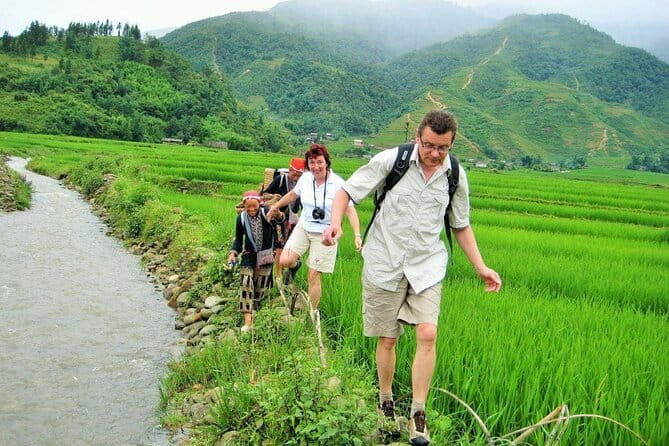
- Cat Cat to Sapa town includes a downhill and a return climb for two different viewpoints
- Hmong textile and farming glimpses (including natural indigo-dyed threads)
- Bamboo-forest morning walks with that crisp mountain air feeling
- A group capped at 15 for a more personal experience and better guide attention
- Meals and entrance fees included, with vegetarian available on request
From Hanoi to Sapa: the smooth start that sets the tone
You start this adventure in central Hanoi at 204 Đ. Trần Quang Khải (Hoàn Kiếm). It’s a good location to meet, and the tour uses a mobile ticket, which makes day-one easier than digging for paper.
The trip runs on a “walk, eat, sleep” rhythm. In practice, that means you’re not spending the whole day figuring out logistics. You get transport and accommodation from Hanoi, plus an air-conditioned sleeping bus with a safe driver. That matters because Sapa days are long and the altitude hikes add up faster than you expect.
Once you arrive in Sapa, you don’t just get dropped off. You’ll be picked up from the bus office, then you get lunch and check-in. I like this because it helps you avoid the classic travel stress spiral: arrive tired, hungry, and then try to do paperwork or navigation before you even begin walking.
Also pay attention to how the schedule is designed around light and weather. The plan includes early starts (wake up and breakfast in the mountains), which is great for comfort and views. But it also means you’ll be giving up some morning sleep. If you’re the type who hates early alarm clocks, mentally prep for that now.
You can also read our reviews of more tours and experiences in Hanoi.
Cat Cat Village: rice terraces, a downhill warm-up, and the return climb
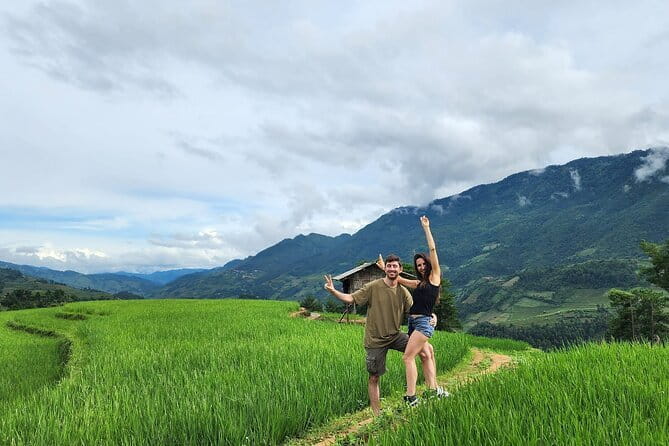
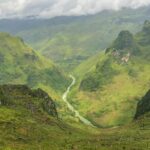
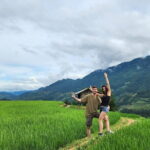
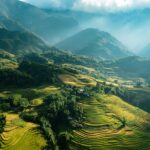
Day 1 starts with a trek that’s intentionally scenic and manageable: an afternoon walk from Sapa to Cat Cat Village. You begin around 2:30 pm, with about a 3-kilometer downhill route. The reward is immediate: terraced rice fields, misty mountain views, and that slow “mountain weather” feel that makes you want to stop for photos often.
Cat Cat is a strong first taste of ethnic village life because the walk itself is the introduction. You’re not just arriving at a place—you’re gradually descending into it, which makes the scenery feel larger as you go. It’s also a nice way to get your legs working before the longer village-to-village days.
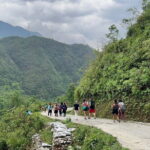
Then comes the part many people underestimate: the return. Around 5:30 pm, you head back toward Sapa on about a 4-kilometer trek uphill. This isn’t a brutal climb, but it is noticeable after hours of walking and in cool mountain air. I think this design is good value because you see the valley from two directions: first down into it, then up out of it.
By 7:00 pm, you’re back in town for dinner and free time. That free time is your decompression window—shower, snack, and reset—before tomorrow’s earlier start.
Y Linh Ho, Lao Chai, and Ta Van: where everyday life turns into a lesson
The second day is where the culture learning gets more concrete. You wake up around 7:00 am, grab breakfast to warm up, and then start trekking at 8:30 am toward Y Linh Ho Village. The morning timing helps you feel the temperature difference in the mountains without rushing, and the walk gives you time to notice how people organize daily life around the terrain.
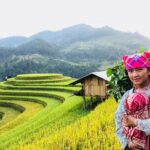
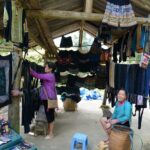
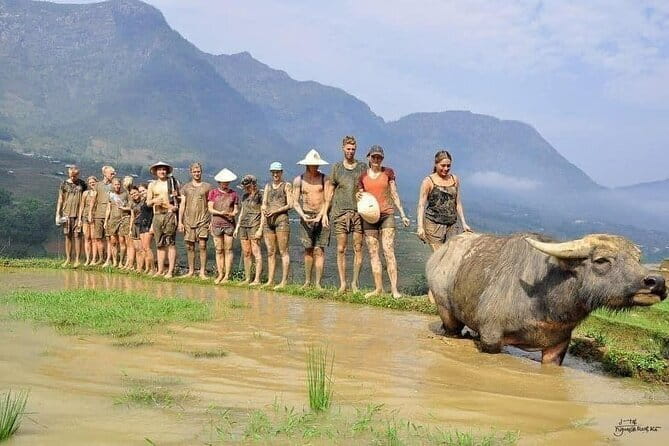
Next up is Lao Chai, described as the heart of the Hmong community. This is one of the most interesting sections of the whole trip because it’s not only about scenery. You’ll get to see daily routines and learn about traditional farming techniques. You also get a textile angle: locals craft and dye fabrics using natural indigo (so the color story isn’t abstract—it’s tied to work you can watch).
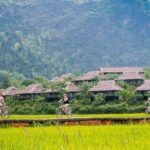
Finally you head to Ta Van Village, shared by the Hmong and Giay communities. Here you’ll walk through bamboo groves and along a setting defined by meandering rivers and simple rural charm. This part of the day often feels quieter than the larger viewpoints, which is exactly what I’d want on a “secret trails” style trek.
A practical note: days like this can move fast even when each segment is “just a village visit.” You’ll spend time walking, listening, and asking questions—so bring your patience with you. The payoff is that you’re not just passing through; you’re slowing down enough to connect what you see (fields, dye, houses) to why people live the way they do.
Giang Ta Chai and the bamboo-forest morning
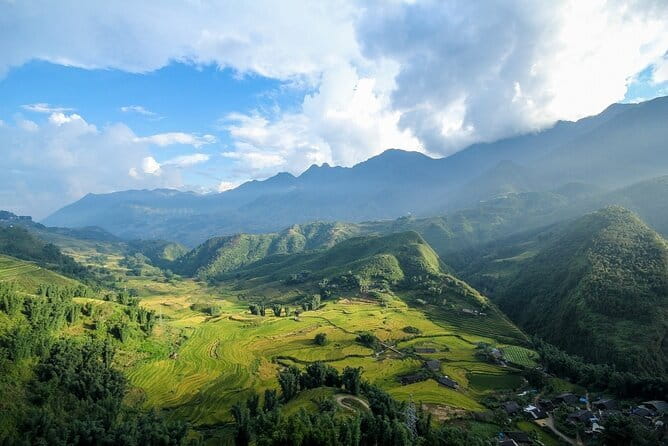
Day 3 begins with another early rhythm. Around 7:00 am, you have breakfast outdoors with panoramic terraced rice views. This is one of those moments that doesn’t need a big explanation. You simply get the scale of Sapa: hills layered with farms, paths cutting through the valleys, and weather that can shift while you’re still eating.
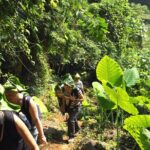
At about 8:30 am, you start trekking through a bamboo forest. The walk is designed to be calming, and you’ll hear the forest sounds that city life usually muffles. Bamboo also changes the light, so your photos come out different from earlier days—more shade, more texture, less haze.
This is also a day where you should expect the tour’s “waterfall” highlight. The experience is marketed around it, and the program’s pacing fits a scenic reach at some point during the trek. Just don’t assume you’ll get a giant, theme-park waterfall view at every moment; mountain trails often mean the best waterfall moment is the one you find on the path when the group is ready to stop.
Your trekking day winds down, and by 2:00 pm you return to Sapa town. You’ll have a shower at the hotel and then be taken back via shuttle to the bus office, with help for boarding and a packed snack before you depart.
Homestays, food, and the comfort trade-offs you should expect
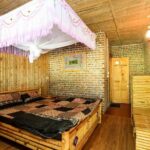
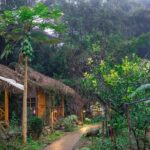
One reason this trek gets praise is that it’s built around staying in villages, not just sightseeing from the outside. You’ll sleep in cozy homestays, and meals are included across the trip: 2 breakfasts, 3 lunches, and 2 dinners (with vegetarian available on request). Plus, you get bottled water as listed.
The “trade-off” is that homestays are simple. That’s not a problem if you know what you’re booking. It’s a good sign, actually: you’re paying for time with people and a real rhythm of life, not for a polished hotel experience. The comfort level you should expect is basic but clean and practical.
Where comfort is handled for you: after tough walking days, the schedule includes time to reset—dinner on day 1, and showers back in Sapa before the final outbound trip. Also, that air-conditioned sleeping bus on the main transport leg makes a huge difference when you’re mixing early starts with downhill and uphill stretches.
If you’re someone who needs your lodging to feel hotel-like every night, this may feel rustic. But if you like “local pace” and you’re okay with simple rooms, this is exactly the kind of setup that makes the villages feel like part of the journey instead of a quick stop.

Price and logistics: is $163 really good value?
At $163 per person for roughly 3 days, this isn’t a cheap add-on, but it also doesn’t read as overpriced for what’s included. Here’s why.
You’re not only paying for guiding and trails. The package covers all entrance fees, trekking activities, and village visits, plus key meals and accommodation, and transport from Hanoi to Sapa. On top of that, you get an English-speaking local guide and 24/7 hotline support.
So the value equation is simple: you’re buying time and structure. Instead of piecing together bus tickets, entry costs, meals, and guide arrangements, you get one plan where the walking, food, and village access match each other.
Two small “budget reality” notes:
- Tips for the guide are not included.
- Beverages and personal expenses aren’t included.
If you plan to keep spending modest and you don’t need bottled drinks every meal, you’ll likely find this cost aligns with your total on-the-ground budget.
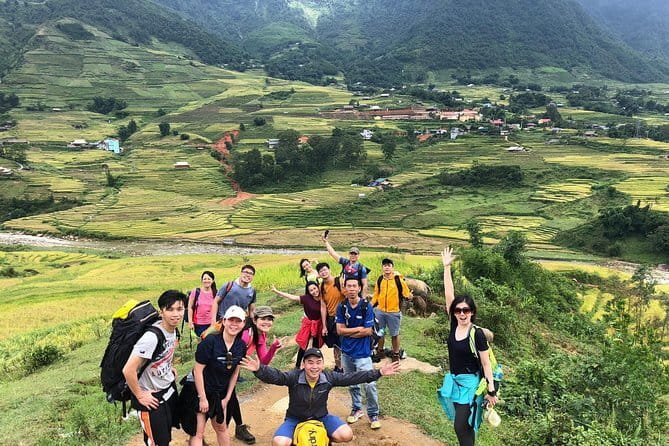
Also, group size matters for comfort and value. With max 15 travelers, you’re less likely to feel like one random face in a big shuffle.
What to pack for these secret trails (and what you’ll thank yourself for)

The tour is clear about what works: comfortable shoes and trekking clothing. Beyond that, I’d treat this as a “mountain hike” packing list.
Bring:
- A small backpack
- Hat for sun and rain shifts
- Sunglasses
- A water bottle (and plan to top up with the included bottled water)
- Mosquito spray
Pack in layers. Sapa can feel cool even when Hanoi feels warm, and you’ll be walking between shaded bamboo and open rice terraces. Also, don’t wait until you’re tired to find your “best walking shoes.” Wear them early so blisters don’t crash your trip.
Finally, remember the pace is tied to weather. The experience requires good weather. If conditions are poor, you’ll get an option for a different date or a full refund, so build flexibility into your Hanoi/Sapa planning.
Who should book this Sapa trek with Vietmountain Travel?
This is a great match if you want:
- Real village conversations tied to daily work, farming, and textiles
- A trekking plan that has variety: rice terraces, downhill-to-uphill walking, bamboo forests, and a waterfall highlight
- A guide who explains what you’re seeing (the program’s English guides like Kien and Hoai are specifically praised for that)
It’s also a solid fit for groups who don’t want to manage logistics and just want a plan that flows.
I’d hesitate if:
- You’re not comfortable with moderate trekking fitness
- You hate early mornings (day 2 and day 3 start early)
- You need hotel-style comfort every night
Should you book this 3-day Sapa trek?
If you’re choosing between a basic Sapa day tour and a full trekking experience, I’d lean toward this one. The combination of small group size, included meals and transport, and a focus on ethnic village life makes it feel like more than a checklist.
Book it if you want to walk through Sapa’s views and understand how people live there—especially around Hmong and Giay communities, farming rhythms, and natural textile dye. Pass if you want a low-effort itinerary or if you’re worried you won’t meet moderate walking demands.
FAQ
How long is the Sapa trek experience?
It’s about 3 days.
What’s included in the price?
Entrance fees, trekking activities, village visits, bottled water, meals as specified, and an English-speaking local guide. You also get clean modern air-conditioned sleeping bus transport and accommodation as part of the program.
Are meals available for vegetarians?
Vegetarian food is available on request.
Do I need a certain fitness level?
You should have a moderate physical fitness level since the program includes trekking.
How big are the groups?
The tour has a maximum of 15 travelers.
What happens if the weather is bad?
The tour requires good weather. If it has to be canceled due to poor weather, you’ll be offered a different date/experience or a full refund.