Etna walks feel like another planet. From the start, this tour mixes 4×4 transport with a guided hike into active volcanic terrain, all run in English with a small group. I also love how the guide work focuses on real interpretation of what you’re seeing, and I’m especially a fan of how Cristian can explain Lady Etna in a way that makes the day click.
You should know one thing up front: this is for people with strong physical fitness, because you’ll spend hours walking on volcanic rock, sand, and ash. If you’re hoping for a casual stroll, you may feel it.
In This Review
- Key Highlights to Know Before You Go
- Etna in One Day: 4×4 Pickup Meets a Real Volcano Walk
- Meeting at Mareneve: How the Morning Sets the Tone
- Rivieria dei Limoni to Etna Slopes: Why the 4×4 Stage Helps
- Sapienza to 2500m: Getting Higher by Cableway and Starting the Trek
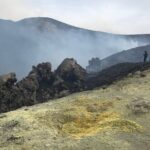
- Barbagallo Craters to Summit Craters: Lunar Ground and Sulfur in the Air
- Central Crater Edge and the North-Slope Descent: Walking on Fire Shapes
- Piano delle Concazze and the Volcanological Observatory Area (around 2800m)
- Getting Down to Piano Provenzana (1900m) and the Beech Forest
- Valle del Bove: The Ox Valley View Stop
- Price and Value: Is $145.12 a Good Deal?
- What You’ll Be Walking Through: Surfaces, Smells, and the Wind Factor
- Guide Quality: Why Cristian’s Explanations Matter
- Who Should Book This Etna Trek (and Who Might Rethink It)
- Planning Your Day: Weather, Comfort, and What to Bring
- Should You Book This Etna Trek (EtnaWay)?
- FAQ
- How long is the Etna trekking tour?
- Is lunch included?
- What should I bring for the hike?
- What language is the tour in?
- How many people are in the group?
- Where does the tour start and end?
Key Highlights to Know Before You Go
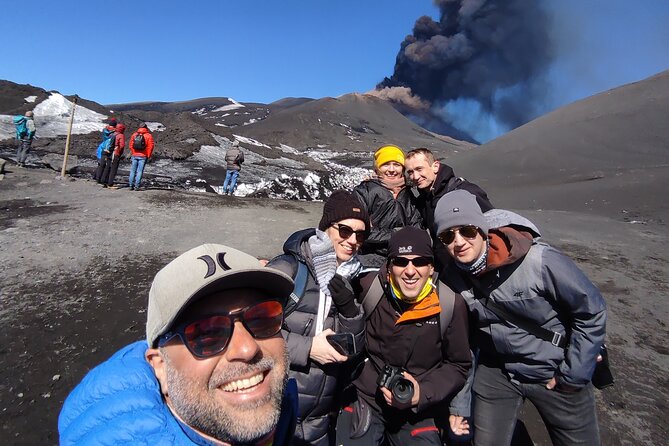
- Small group size (max 10 travelers) keeps the pace more manageable and the questions more useful
- 4×4 ride plus trekking gets you higher faster, then you walk where the geology is the point
- Summit-area crater views include a lunar-like zone with sulfur smell and wind-blown gas
- Real lava terrain: you’ll cross dried flows and sandy canyons covered by ash and lapilli
- Piano delle Concazze stop puts you at the level of the volcanological Observatory area (around 2800m)
- Breakfast and optional gear support reduce what you need to pack from home
Etna in One Day: 4×4 Pickup Meets a Real Volcano Walk
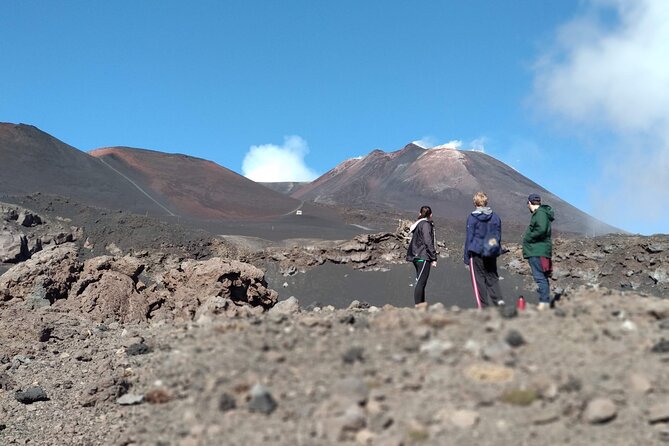
This is not just a photo trip. You’re brought up by 4×4 jeeps, then you hike across features that look and feel unlike anything you’ll find on mainland tours.
The day has two big strengths. First, you start near the Etna Park area and head toward villages and protected zones, so your walk isn’t wasted on flat roads. Second, the guiding approach is practical—less lecturing for its own sake, more “here’s what this is” as you move through craters, lava paths, and ash beds.
The other thing I like is the pace of the experience. You climb, reach a high point with big views, then you spend a long time descending through different volcanic surfaces. That mix helps the day feel like progress, not a single long grind.
You can also read our reviews of more tours and experiences in Sicily.
Meeting at Mareneve: How the Morning Sets the Tone
The tour starts back at Bar & Restaurant Mareneve in Fornazzo (Via Mongibello, 41). The start window is 9:00 AM to 9:30 AM, and you’ll meet there before the first transport stage.
You get breakfast included, which matters on Etna. Eating first means you’re not scrambling for food while you’re dealing with altitude, wind, and the mental effort of hiking on sharp ground.
Also keep in mind the timing ranges you’ll see. The overview says about 6 to 7 hours on average, but the route description also frames the full adventure as about 11 hours. Plan like it could take most of the day, especially if you want to stop for photos and let your eyes adjust between volcanic zones.
Rivieria dei Limoni to Etna Slopes: Why the 4×4 Stage Helps
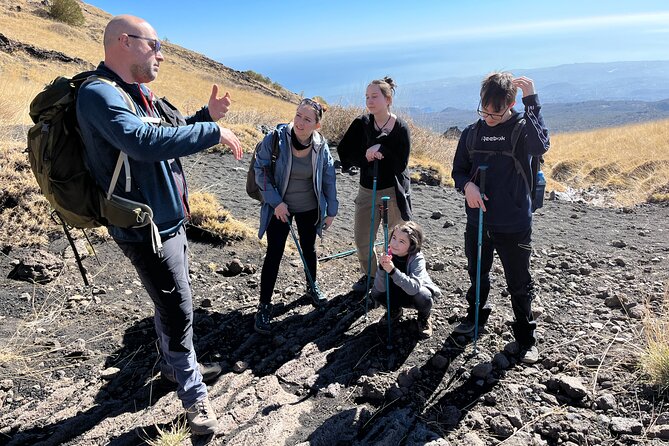
Once you board the 4×4 jeeps, you head away from the Riviera dei limoni area and toward Etna’s hill country. You’ll pass through routes that cross old mulattiere (ancient mule drivers’ roads) and coalmen paths—so even the “transport” part feels connected to how people historically moved around the volcano.
At around 1000m, the route enters the region of a large protected area (720km² is mentioned). The terrain shifts from everyday hills into the volcanic story: cold, dried lava flows that look like black highways cutting through the mountainside.
This early phase is valuable because it sets expectations for the hike. You’re not dropped into the toughest surfaces without context. You see the types of ground you’ll likely walk over later, and you get time to mentally gear up.
Sapienza to 2500m: Getting Higher by Cableway and Starting the Trek
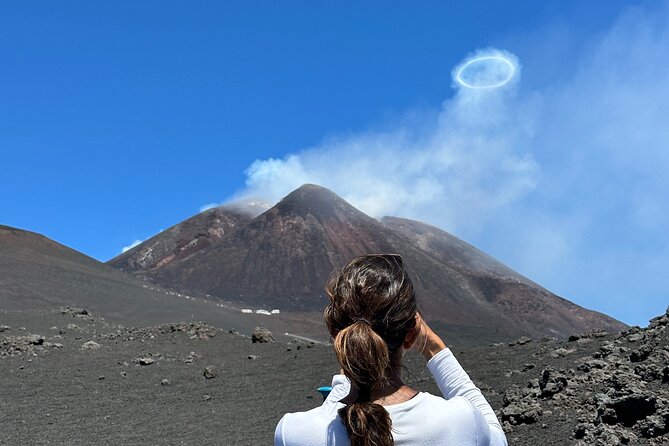
From the south slope ski station (Rifugio Sapienza), the cableway lifts you from about 1800m to 2500m. That’s a huge head start, and it changes the whole day. You save energy for the parts where walking actually matters.
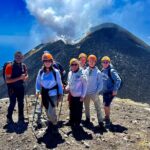
From 2500m, you start trekking along the lava flow terrain connected to eruptions. The route description highlights the 2002 eruption and the Barbagallo Craters at about 2900m.
What I like here is that you’re walking through a “map of time.” Even if you don’t memorize dates, the surfaces teach the story. Older lava tends to look differently than newer ash, and you start noticing how wind and time shape the ground.
Barbagallo Craters to Summit Craters: Lunar Ground and Sulfur in the Air
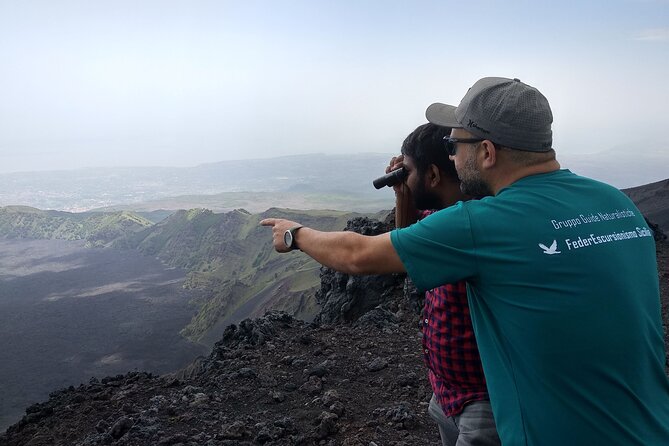
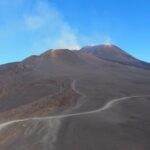
Once you move along the lava flow sections toward summit areas, the experience gets more intense. The description doesn’t sugarcoat it: the top zone is described as almost plant-free, with a sulfur smell, gas emissions blown by the wind, and a skyline that feels endless.
This is the part of the tour that most people are chasing. The top section is basically a crater-world viewpoint, where you see below you and out across Sicily. On a clear day, the route says you can even spot the Aeolian Islands, the Calabrian coast, and a wide portion of the Sicilian hinterland.
Here’s the practical consideration: this area can feel exposed. Wind and sulfur are mentioned, so bring a layer you can close up and protect from gusts. Even on a sunny day, your body may get colder once you’re at higher elevations and moving in open air.
Central Crater Edge and the North-Slope Descent: Walking on Fire Shapes
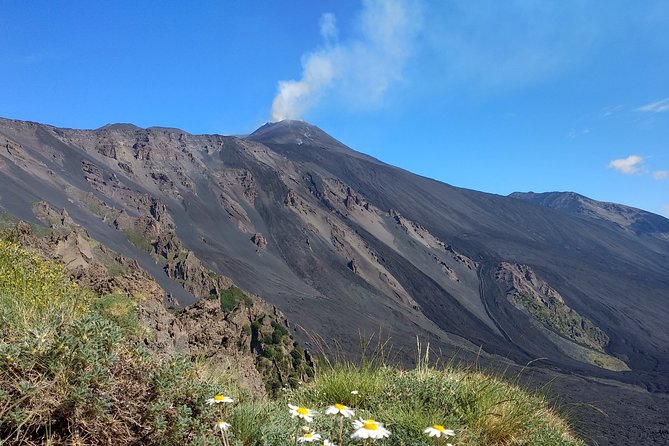
After the high point, you move on to the Central Crater edge walking, and then you begin descending the north slope. This section is where the “trek” becomes real underfoot.
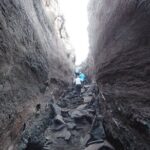
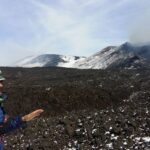
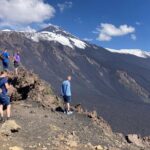
The route calls out rocks shaped by fire and boots sinking into volcanic sand. You’ll also walk down sandy canyons covered by ashes and lapilli. That’s not the kind of footing that forgives sloppy steps, so good shoes matter even if you’re given support gear.
Another useful detail: you’re moving through different textures more than once. Lava rock, then sand, then ash-covered paths. If you’ve only hiked on dirt trails, treat this as a different sport.
Piano delle Concazze and the Volcanological Observatory Area (around 2800m)
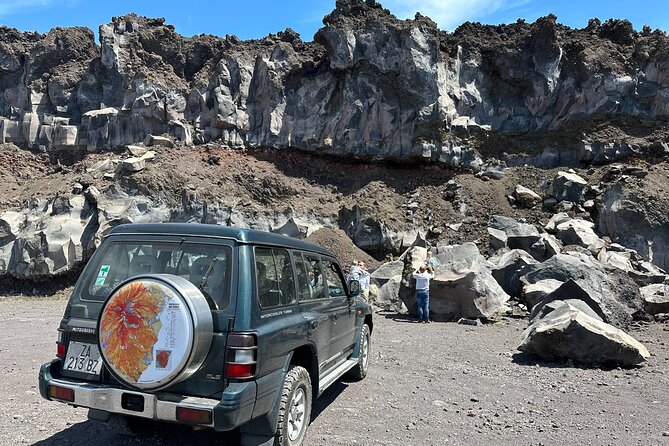
At a high point on the way down, you reach Piano delle Concazze. The route says this is where the volcanological Observatory is located (around 2800m), and there’s a scheduled picnic stop in a comfortable area.
This stop is valuable because it breaks the day into two phases: climb-to-peak energy, then a slower, longer descent. It also gives you a moment to recover without pretending you’re walking on easy ground.
One thing to know clearly: packed lunch is not included in the tour price. You can bring your own lunch, or grab food at the local shops at the beginning of the tour. Breakfast is included, but lunch is on you.
Getting Down to Piano Provenzana (1900m) and the Beech Forest
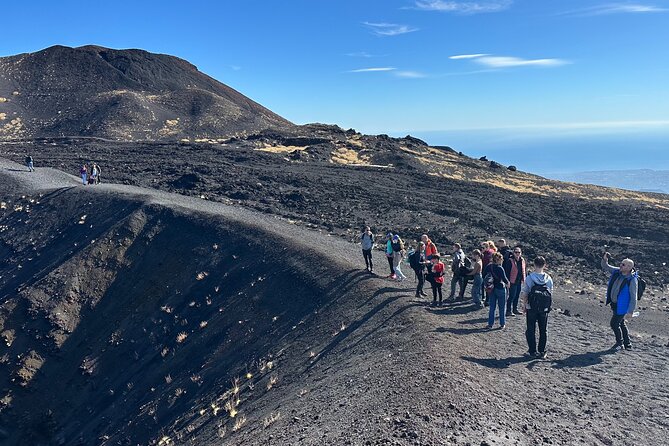
After the break, the itinerary continues downhill until you meet the path leading to the 2002 lava flow eruption area, then on to the beech forest and the final step at Piano Provenzana (1900m).
This is where the tour’s rhythm shifts again. The surfaces change, and you may feel your energy returning as you drop to lower altitude. The beech forest is a welcome contrast to the open, sulfur-scented zones above—suddenly you’re dealing with shade and more typical trail feel.
When you finish around Piano Provenzana, you’re not done with the story yet. The description says you’ll cross the Etna Park again and return over older lava flows on the way back.
Valle del Bove: The Ox Valley View Stop
The experience also includes a view stop at Valle del Bove, described as the Ox Valley. This part is set as a 1-hour segment with admission ticket free.
Even if you don’t know the geological details, the value of a viewpoint stop is mental. After hours of tracking your footing and your breathing, you get a wider look at how Etna’s structure spreads out. It’s also a nice counterweight to the more gritty crater-walking segments.
Price and Value: Is $145.12 a Good Deal?
At $145.12 per person, this tour can look like a “premium” day. But when you break down what’s included, the pricing starts to make sense—especially if you don’t want to rent a bunch of gear or figure out logistics yourself.
Included items:
- Authorised tour guide and insurance
- Helmet
- Breakfast
- Optional support gear like hiking poles, backpacks, wind jackets, and hiking boots (you need to provide your size in advance)
- GST is listed
Not included:
- Lunch (you either bring it or buy it at the start)
So you’re mostly paying for guided access to the higher Etna zones plus the day-long structure: transport, altitude stages, and careful routing on volcanic terrain. If you’re already traveling with good hiking boots and you hate paying for organized tours, you may feel you could DIY this. But if you’d rather spend energy on the hike itself (and let the guide worry about route logic and timing), this price looks more fair.
Also, the group limit is maximum 10 travelers. Smaller groups often mean more attention on pacing and safety, which matters on ash and lapilli.
What You’ll Be Walking Through: Surfaces, Smells, and the Wind Factor
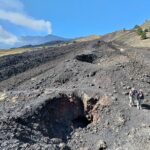
The description is very clear about how this feels on the ground. Expect dried lava flows like black highways, sandy canyons covered in ash and lapilli, and volcanic sand that can grab your boot soles.
You should also plan for the sensory side. The top zone is described as having a sulfur smell and gas emissions blown by wind. That doesn’t mean a constant “alarm” smell, but it does mean you should treat the higher crater area as a real exposure zone.
If you run cold easily, plan to layer. Wind is mentioned specifically, and on Etna’s upper terrain wind changes comfort fast. If you run warm easily, still bring a light layer you can put on quickly when the wind shifts.
Guide Quality: Why Cristian’s Explanations Matter
One of the strongest parts of the experience is the guide. A recent highlight in the reviews is Cristian, praised for explaining Lady Etna and for making the activity feel understandable.
That matters because you can’t truly appreciate what you’re seeing by visuals alone. Volcanic features can look similar from a distance—craters, lava flows, and ash fields blur together unless someone gives you a framework. A good guide turns walking into learning without turning it into a classroom.
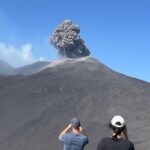
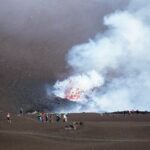
The review comments also mention luck with the day’s conditions, including sounds and activity from Etna. You can’t control volcanic behavior, but a capable guide can help you notice what’s happening and connect it to what you’re standing on.
Who Should Book This Etna Trek (and Who Might Rethink It)
This fits best if you’re comfortable with hard walking and uneven ground. The tour data calls for strong physical fitness, and the route description supports that with sandy, ashy descents and crater-area terrain.
It’s also a great pick if you want a mix of:
- high elevation viewpoints
- active-volcano context
- a day that feels like “terrain education,” not just sightseeing
You might reconsider if you want an easy scenic day, or if you’re not ready for potentially long stretches of trekking. Even with gear support, you’re still doing the walking.
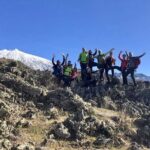
Good news: the tour group is small (max 10), and you’re not expected to bring everything yourself. If you tell the provider your size, they can bring hiking boots, wind jackets, and poles to the meeting point.
Planning Your Day: Weather, Comfort, and What to Bring
Weather matters here. The tour notes that it requires good weather and can be rescheduled or refunded if conditions don’t work. Since you’re climbing to exposed crater terrain, plan for a day where visibility could change quickly.
For comfort and safety, focus on:
- Sturdy hiking boots with good traction (or use the provided ones if you’ve shared your size)
- A wind layer (wind is explicitly part of the higher zone)
- Your own lunch, if you don’t want to shop at the start
- A reusable water bottle (not listed, but it’s a practical move on a long volcanic trek)
If you’re thinking of booking, also note the tour is offered in English and uses a mobile ticket. That’s convenient when you’re on the move.
Should You Book This Etna Trek (EtnaWay)?
If you want a guided Etna day that prioritizes walking volcanic ground rather than just driving to viewpoints, I’d lean yes. The best reason to book is the combo of access + interpretation: you climb via Sapienza, hike through lava flow terrain, hit high viewpoints, and finish with another meaningful look in Valle del Bove.
You should only skip if you know you’re not ready for strong hiking. The terrain described is active-volcano country, and it’s not a flat, forgiving path.
And if you care about learning while you walk, the guide component is a big part of the value. Cristian’s explanations are called out for a reason: they help you understand what you’re seeing, not just where you’re standing.
FAQ
How long is the Etna trekking tour?
The tour is listed as about 6 to 7 hours on average, though the route description also frames the adventure as about 11 hours.
Is lunch included?
No. Packed lunch is not included. You can bring your own lunch or grab something at local shops at the beginning of the tour.
What should I bring for the hike?
You’ll need lunch (since it’s not included). The provider can also bring hiking poles, backpacks, wind jackets, and hiking boots if you share your size in advance.
What language is the tour in?
The tour is offered in English.
How many people are in the group?
The tour has a maximum of 10 travelers.
Where does the tour start and end?
It starts at Bar & Restaurant Mareneve in Fornazzo and ends back at the same meeting point.