REVIEW · SICILY
Etna Morning or Sunset – Trek & Lava Tunnel with Gear
Book on Viator →Operated by Etna Periperi Excursion · Bookable on Viator
Two worlds of Etna in one outing. You’ll hike up to Craters Silvestri and then head underground to explore Via Grotta Lunga, with the right gear handed to you so you can focus on the views. I like the clear, detailed way the guides explain what you’re seeing, and I also like that you get real equipment—helmets, torches, trekking poles, and even windbreakers—so you’re not stuck improvising. One thing to consider: it’s not recommended if you have respiratory ailments, since this is an active trek and you’ll also spend time in a tunnel.
This is built as a private experience, so you and your group move together with private transportation from Catania. You’ll typically spend about 5 to 6 hours on the whole loop, with enough time left in the day to eat well in Catania afterward. I also like that admission details are handled for the crater and tunnel stops (you’re not scrambling for tickets on-site).
The main practical catch is what’s not included: there’s no bottled water or dinner. Bring your own plans for hydration and a meal, especially if you’re choosing a morning or sunset option and you want to keep your day smooth.
In This Review
- Key things to know before you go
- From Catania, you get real volcano time (not just a drive-by)
- Your pace and timing: a 5–6 hour loop that stays focused
- Stop 1: Catania pickup and the quiet pre-hike transition
- Stop 2: Craters Silvestri hike—what you’re seeing and why it matters
- What the crater walk feels like in real terms
- A practical drawback: altitude + tunnel time means you should pace yourself
- Stop 3: Via Grotta Lunga lava tunnel—walking under a 2,000-year-old process
- The torch and helmet aren’t optional extras
- The tunnel is only 20 minutes, so don’t treat it like a detour
- Stop 4: Back to Catania—wrap up with the right kind of tired
- Gear and what it means for your comfort
- English-guided learning—how to turn sights into understanding
- Price and value: what $71.35 really covers
- Who should book this Etna trek and lava tunnel?
- Quick practical checklist
- Should you book this Etna Morning or Sunset trek?
- FAQ
- How long is the Etna trek and lava tunnel experience?
- Where does the tour pick up and end in Catania?
- What gear is included?
- Is dinner or bottled water included?
- Is the tour offered in English?
- What if weather conditions are poor?
Key things to know before you go
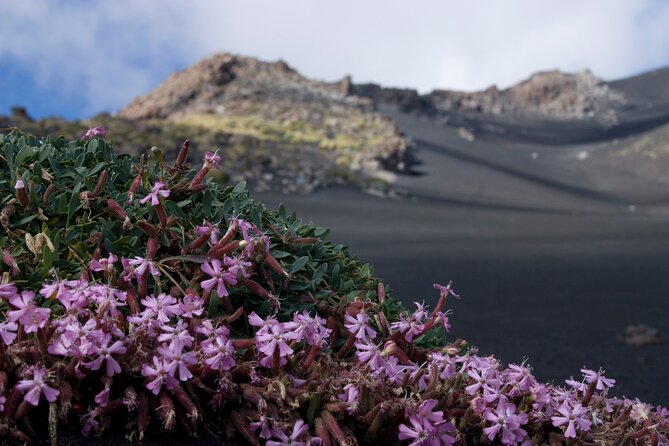
- Craters Silvestri sit around 1,900 m on Etna’s slopes near Nicolosi, with a formation tied to the 1892 eruption
- Via Grotta Lunga is a 55 m lava-gallery walk with a pointed-arch vault, where torches matter
- Gear is part of the tour: helmets, torches, trekking poles, and windbreakers (shoes on request)
- Private group + private transport means a more personal pace and fewer logistics headaches
- English offered and confirmations come at booking time, with a mobile ticket for simplicity
- Good weather is required, and the operator will offer another date or a full refund if poor conditions cancel it
From Catania, you get real volcano time (not just a drive-by)
Etna is big, and most people only see it from a distance. This trip gives you a structured slice of the volcano: a crater hike, plus an actual lava tunnel walk. The best part for me is that it’s not just scenic stops—it’s movement, learning, and tactile experience.
You start in Catania with pickup in the city center area (Piazza Borsellino 13-15). The tour also lists Via Alcalà 13/15 as the start/end meeting point, so expect that the day is organized around a clear Catania meet-up and then you’re transferred onward with the group. It’s about an hour out and about an hour back, leaving the hiking and tunnel as the true “main event.”
Because it’s a private tour, you’re not squeezed into a big cattle-car schedule. That matters on Etna, where weather can shift fast and guides may want to adjust pace. You’ll feel it most during the crater walk, when walking time and breaks can matter just as much as the view.
You can also read our reviews of more tours and experiences in Sicily.
Your pace and timing: a 5–6 hour loop that stays focused
The total duration is about 5 to 6 hours. Stop times are built in so the day doesn’t feel like constant waiting: about 2 hours at the Craters Silvestri, 20 minutes at Via Grotta Lunga, and roughly 1 hour each for the Catania transfer segments.
That 20-minute tunnel slot might sound short, but it’s a practical length. Lava tunnels are not a museum stroll. You’ll need to move carefully, watch your footing, and use the torch correctly as light levels change.
If you’re doing this around sunset, keep in mind that “timing feels everything” on Etna. The tour name suggests morning or sunset options, and the operator also notes the experience requires good weather. So think of it as a window you choose—then you take what the conditions allow.
Stop 1: Catania pickup and the quiet pre-hike transition
You begin from Catania city center at Piazza Borsellino 13-15, and the day is organized to get you moving without making you figure out how to reach the starting area yourself. The itinerary also references Via Alcalà 13/15 as the meeting point where the activity ends back again.
I like this setup because it reduces the “Sicily puzzle” feeling. You’re here to see the volcano, not to play transport roulette. Plus, having private transportation means your group stays together, and you don’t end up waiting for stragglers at the most inconvenient time.
Also, admission is marked free for this initial Catania segment. That’s a small detail, but it signals that the only paid/managed parts of your day are the key nature sections: crater and tunnel.
Stop 2: Craters Silvestri hike—what you’re seeing and why it matters
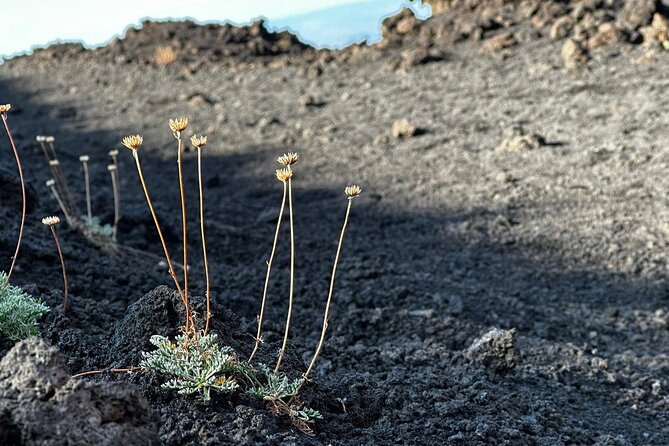
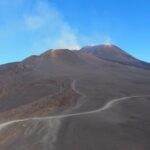
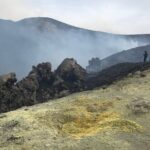
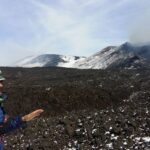
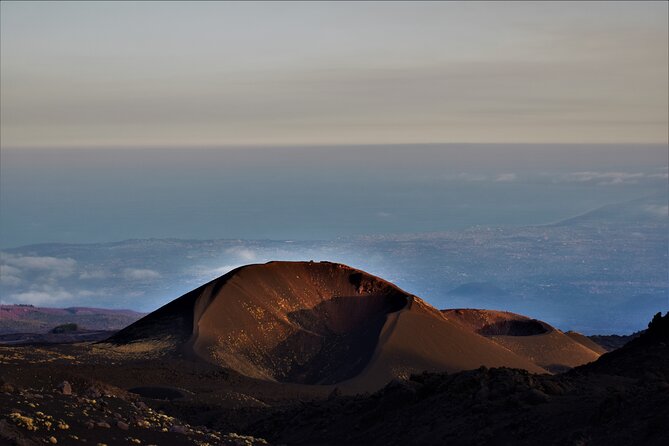
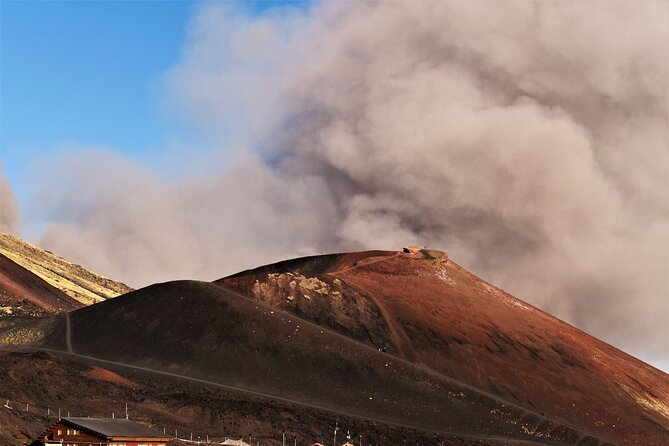
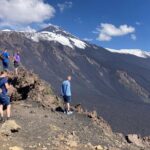
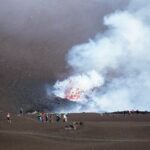
Craters Silvestri are two pyroclastic cones north of Nicolosi, roughly at an altitude of about 1,900 m. This part of the experience is special because it’s close enough to feel physical—wind, slope, and all—but still structured as a guided trek.
Here’s the kind of context you’ll appreciate when the guide explains it: these cones formed during the 1892 eruption, which began on 9 July. The eruption involved a radial fracture and produced a set of five craters across the volcanic flanks, between about 2025 m and 1800 m. It lasted 173 days and covered roughly 7 km until it reached the Monti Rossi area on the eastern side, stopping just above Nicolosi at about 970 m.
You don’t need to memorize those numbers to get value from the story. What you do get is a sense of cause and effect—how an eruption moves through space and time, and how that translates into the shapes you’re standing on now.
What the crater walk feels like in real terms
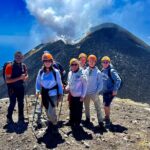
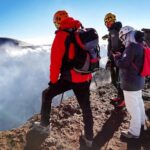
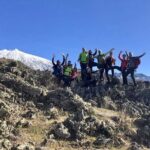
You’ll have about 2 hours here. That’s enough time to slow down, take in the views, and still return before the day gets too long. Trekking poles are included, which is smart for uneven ground and changing angles on the slope.
Windbreakers are also provided. Even if you don’t think of Etna as a windy place, altitude changes how weather feels. Better to have the barrier already in your kit than to improvise halfway up.
A practical drawback: altitude + tunnel time means you should pace yourself
There’s no specific fitness grade listed beyond “most travelers can participate,” but respiratory ailments are explicitly a no-go. Even without that note, Etna walking is walking. You’ll want to keep your effort steady and follow guide cues, especially if you get winded easily.
Stop 3: Via Grotta Lunga lava tunnel—walking under a 2,000-year-old process
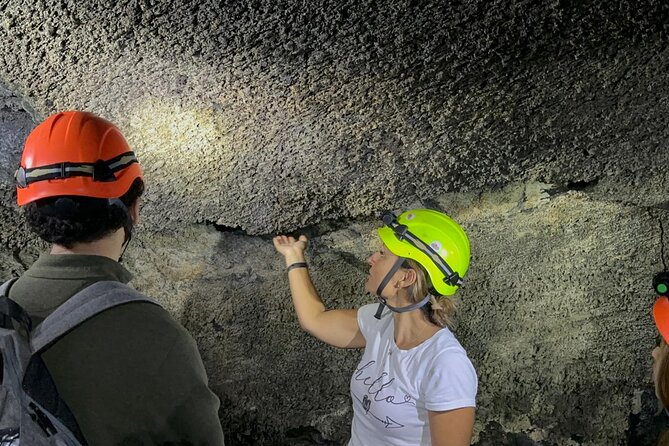
Then comes the part that makes this tour different from a standard crater-only hike: Via Grotta Lunga. This cavity is described as an outflow gallery linked to the Monpeloso eruptive apparatus, formed in the years 252–253 AD.
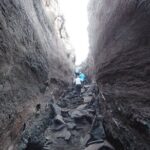
What you’re actually entering is a 55 m long gallery with a characteristic pointed arch vault. That short measurement helps your expectations. You won’t be stuck underground for hours. Still, it’s long enough to change the feel of the day—from open-air views to close-space geology.
The torch and helmet aren’t optional extras
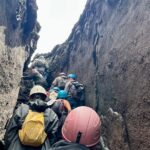
Torches and helmets are included. That’s the right way to think about tunnels: you’re not just visiting, you’re moving through an environment where light and head clearance matter. The torch also gives you control over where you look, which helps you notice textures that would be invisible in daylight.
If you’re the type who likes to understand what you’re seeing, this is your moment. The guide can point out the tunnel shape and how such galleries form—so the time underground is about more than the novelty.
The tunnel is only 20 minutes, so don’t treat it like a detour
This stop is about 20 minutes. I suggest using that time efficiently: keep your pace steady, don’t linger in the entrance area, and follow instructions for safe movement. You’ll get a meaningful taste of the underground story without feeling rushed through the rest of your Etna day.
Stop 4: Back to Catania—wrap up with the right kind of tired
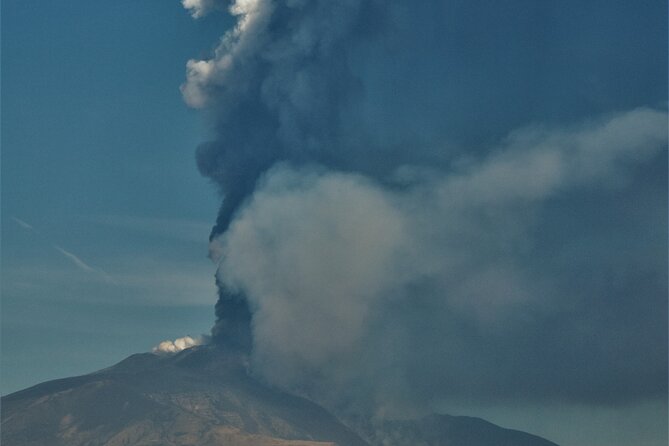
After the hike and tunnel, you return to Catania, ending back at the city area around Piazza Borsellino (and the activity end point is listed at the meeting point in Via Alcalà).
This timing is good. It’s enough time for a proper volcano day, but you’re not arriving back in Catania at midnight. You’ll likely want a shower and then dinner, but dinner isn’t included—so plan a meal you’d actually enjoy. If you’re picky about food, pick a place near where you end.
Admission is marked free for the return segment as well. Translation: there’s no last-minute fee to “finish the day.” You simply wrap up and head back.
Gear and what it means for your comfort
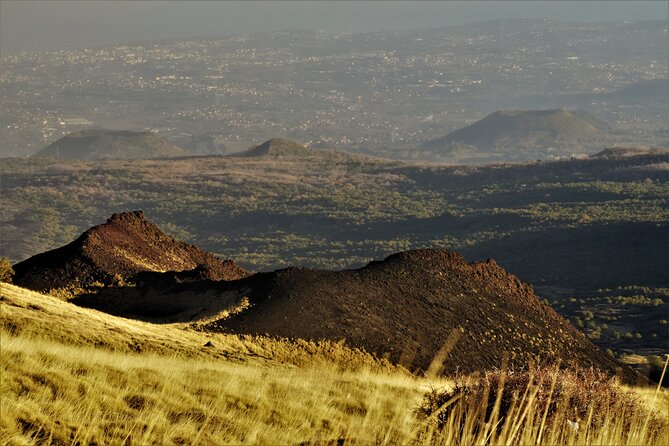
This tour includes helmets, torches, trekking poles, and windbreakers. That’s a very practical list, because it covers the essentials for both environments: outdoor footing and underground visibility.
Trekking shoes are included only upon request and based on size availability. That matters because if you show up without suitable footwear, you might not get a shoe option. Even if shoes are provided, you’ll still be better off with solid grip and ankle support.
Also, windbreakers help with comfort during exposed sections. Even on a calm day, higher-altitude air can feel sharp.
One more practical point: since bottled water and dinner aren’t included, you’ll want your own hydration plan. On Etna, you can get thirsty without noticing it until you’re halfway up. Plan for that before you step into your gear and head out.
English-guided learning—how to turn sights into understanding
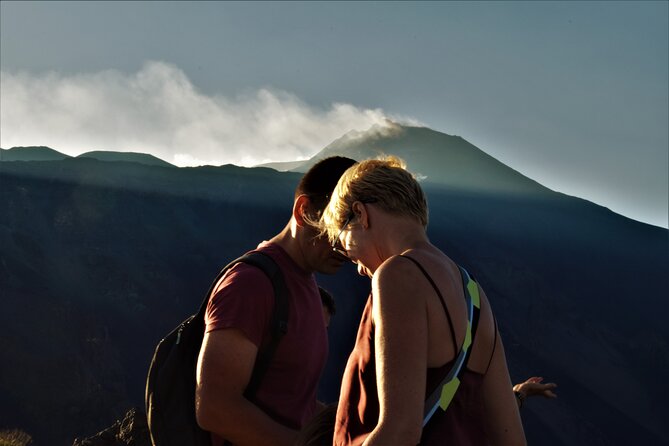
The experience is offered in English, and the overall rating reflects strong satisfaction with guidance. The vibe you’re aiming for is simple: you want someone to connect the physical places you walk through to the eruption story behind them.
What I like here is that the key stops match the explanation style. Craters Silvestri is the “how the eruption formed landforms” section. Via Grotta Lunga is the “how lava moved and left galleries” section. Then you’re done.
If you enjoy geology and want your hike to feel meaningful, this structure helps. You’re not just collecting photos—you’re walking through explanations that make the volcano make sense.
Price and value: what $71.35 really covers
The price is $71.35 per person. On paper, it’s not a huge amount for Etna. In practice, the value comes from three things the operator handles for you:
First, private transportation from Catania saves you time and stress. Second, the gear kit is included rather than an optional rental you have to remember to book. Third, admission is listed as included/handled for the key crater and tunnel elements.
The parts not included—dinner and bottled water—are mostly normal for a 5–6 hour outdoor outing. This price structure nudges you to think: bring water planning and meal planning, and the tour itself gives you the core experience and the safety/comfort basics.
If you’re comparing options, treat “included gear + guided crater + guided tunnel” as the main value. That’s the product you’re paying for, not just being driven to a viewpoint.
Who should book this Etna trek and lava tunnel?
This tour is a good fit if you want:
- a guided Etna morning or sunset experience (your choice)
- a real hike to volcanic craters near Nicolosi
- a short but memorable lava tunnel walk
- a private group setup with just your crew and not a giant mixed schedule
You’ll likely enjoy it most if you like guided context and you don’t want to figure out tunnel gear or safe movement on your own.
It’s not for everyone. The big caution is respiratory ailments. If that applies to you, I’d skip this one and look for an alternative that’s gentler and less confined.
If you’re a careful walker and you can handle uneven ground, the “most travelers can participate” note suggests you’re within the typical comfort zone.
Quick practical checklist
Before you go, sort out these basics:
- comfortable hiking clothing for about a half-day
- closed-toe trekking shoes (and if you need rentals, request them in advance since sizing may be limited)
- your own water plan since bottled water isn’t included
- a plan for dinner after you return to Catania
And yes, even with gear included, bring common sense. The helmet and torch help a lot, but you still need to watch your step.
Should you book this Etna Morning or Sunset trek?
I’d book it if you want an organized, guided Etna experience that goes beyond a scenic stop. The combination of Craters Silvestri and Via Grotta Lunga gives you both the “above ground eruption shapes” and the “underground lava movement” story in one outing, with gear taken care of for you.
I wouldn’t book it if you have respiratory issues or if you’d rather avoid active walking and moving through a tunnel environment. And if you hate planning for hydration and meals, remember dinner and bottled water aren’t included.
If you pick the morning or sunset option, I think you’ll end the day with that satisfying feeling of actually doing something on Etna—not just looking at it from a distance.
FAQ
How long is the Etna trek and lava tunnel experience?
It lasts about 5 to 6 hours in total.
Where does the tour pick up and end in Catania?
The tour pickup is in Catania city center around Piazza Borsellino 13-15. The experience ends back at the meeting point listed as Via Alcalà 13/15, 95129 Catania CT, Italy.
What gear is included?
You get helmets, torches, trekking poles, and windbreakers. Trekking shoes can be provided upon request, based on size availability.
Is dinner or bottled water included?
No. Dinner and bottled water are not included.
Is the tour offered in English?
Yes, the experience is offered in English.
What if weather conditions are poor?
The experience requires good weather. If it’s canceled due to poor weather, you’ll be offered a different date or a full refund.