REVIEW · SICILY
Etna Southern Slope Guided Easy Trek
Book on GetYourGuide →Operated by Sicily Touring Tour Operator · Bookable on GetYourGuide
Etna turns walking into geology class. On this Etna southern slope trek (2.5 hours), you move around craters and lava while a nature guide explains how eruptions shaped this part of Sicily. I like that it’s not just sightseeing: you’re there to understand the volcano, stop by stop, as you walk through the Silvestri area and the evidence of major eruptions.
I also love the payoff at altitude: you reach a high point inside the upper Silvestri craters, where you can admire wide views over Etna’s foothills and toward the Ionian coast of Catania. One consideration is that it’s not a stroll—starting around 1900 m means you’ll want decent stamina and good footwear, and it won’t run in rain or stormy weather.
In This Review
- Key things that make this Etna trek work
- Rifugio Sapienza: the smart 1900 m starting point
- The itinerary’s core: how 1766, 1892, and 2001 are linked by walking
- Silvestri Craters: reading crater edges and finding the views
- 2001 lava and the volcanic fracture: the story becomes physical
- Calcarazzi craters and finishing panoramas over Catania’s coast
- Guide quality makes a difference on Etna
- Pace, safety, and comfort: what easy really means here
- What to bring (and what will make the trek less annoying)
- Price and value: paying $46 for a 2.5-hour volcanology guide
- Should you book this Etna southern slope guided easy trek?
- FAQ
- How long is the Etna southern slope guided easy trek?
- Where do I meet the guide?
- Is food included in the price?
- What should I bring?
- Does the tour run in rain or storms?
- Is this trek suitable if I have motion sickness or heart problems?
Key things that make this Etna trek work
- A guide-led volcanology route, focused on eruptions from 1766, 1892, and 2001
- Starting right at Rifugio Sapienza (about 1900 m), near the Etna cable car station
- Silvestri Craters + Monti Silvestri walking on upper crater areas
- A 2001 lava section, including the spot tied to the eruption’s volcanic fracture
- Calcarazzi craters and the Calcarazzi Mountains as the route’s final chapter
- Question-friendly guiding, with clear explanations and well-timed pauses
Rifugio Sapienza: the smart 1900 m starting point
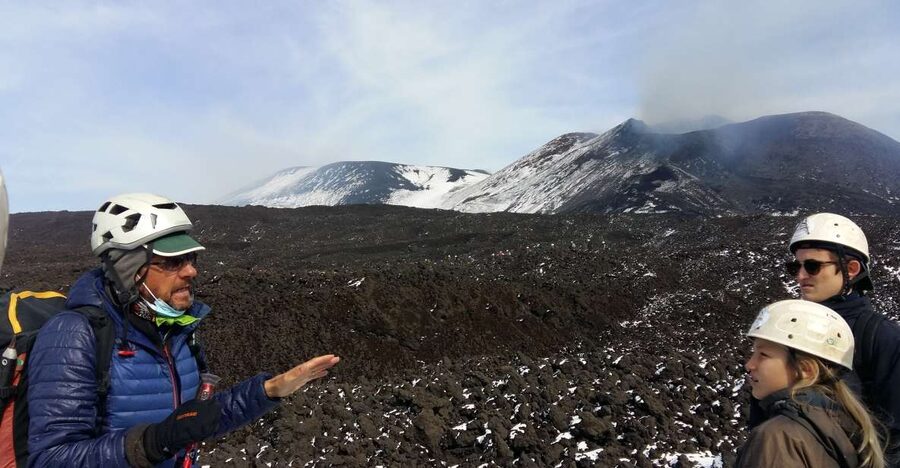
This trek is built around one practical idea: start high, so you spend your energy on the volcanic story instead of hours getting there. The walk begins at the Hotel/Restaurant Rifugio Sapienza, close to the departure station of the Etna cable car on the southern slope. That matters because it keeps the experience “active,” not logistical.
From there, the route sets you into the higher southern Etnean territory, around 1900 m at the start. Expect a medium-difficulty feel. That doesn’t mean technical climbing, but you are walking on uneven volcanic ground, with a guide pacing the group and making stops where the geology is most visible.
If you’re hoping for a classic “check a view, take a photo, leave” trip, this isn’t only that. The guide’s job is to help you read what you’re seeing: crater edges, lava surfaces, and fracture zones are the clues. You’ll feel it especially if you ask questions—English and Italian are both offered, and the best guides make complex volcano talk feel simple fast.
And yes, you’ll want to show up ready. The list is basic but real: hiking shoes, comfortable clothes, water, and rain gear.
You can also read our reviews of more tours and experiences in Sicily.
The itinerary’s core: how 1766, 1892, and 2001 are linked by walking
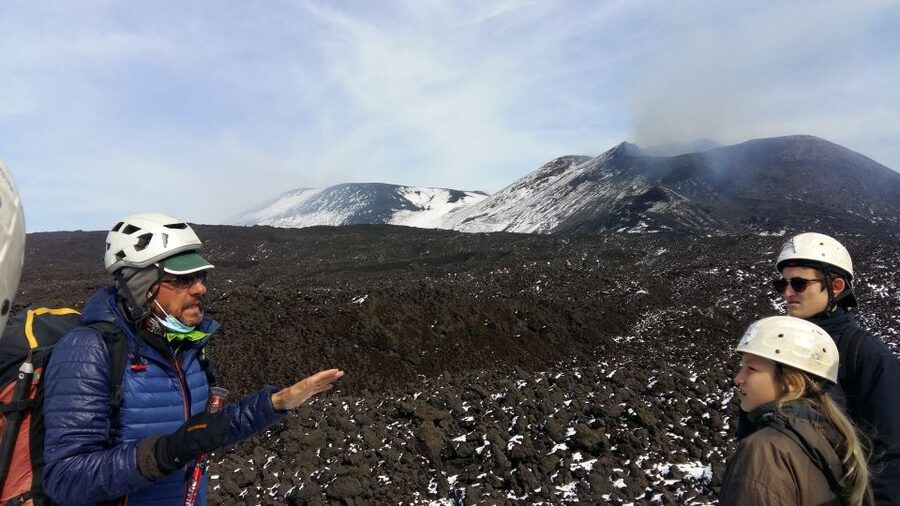
The real value of this experience is that it turns key eruption dates into a physical route. You go through the southern part of Etna’s territory with the major events as anchors—1766, 1892, and 2001—so you start understanding the “timeline” of the landscape you’re moving across.
Here’s the gist of how the walk tells that story:
- You begin in an area shaped by past activity, then head through zones tied to the older eruption history.
- You cross upper craters in the Monti Silvestri area, which gives you a sense of how crater rims frame the volcano’s structure.
- You then walk on the lavas from the 2001 eruption, where the ground becomes a direct clue to what happened.
- The route takes you to the volcanic fracture of 2001, a key place because fractures are where the volcano’s behavior becomes visible in the rock itself.
- Finally, you reach the Calcarazzi craters of the 1766 eruption, and the route closes with a high point overlooking the Etna foothills and the Ionian coast.
Why that matters for you: when you learn volcano basics on the ground, the information sticks. Instead of memorizing eruption dates, you connect them to what your boots are stepping over. That’s the difference between “knowing Etna erupted” and understanding how eruptions carve and reshape space.
One more reason this format works: the trek is only about 2.5 hours, so you get structure without feeling rushed. The best part isn’t just the science—it’s that your guide can point out what to notice in a short time window, and keep the pace comfortable with stops placed when they make sense.
Silvestri Craters: reading crater edges and finding the views
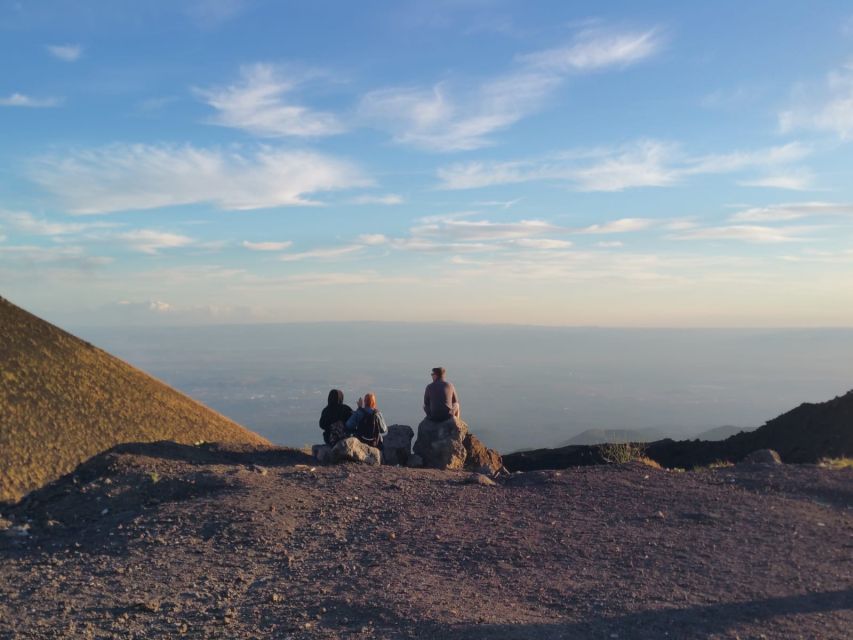
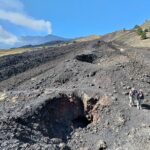
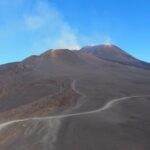
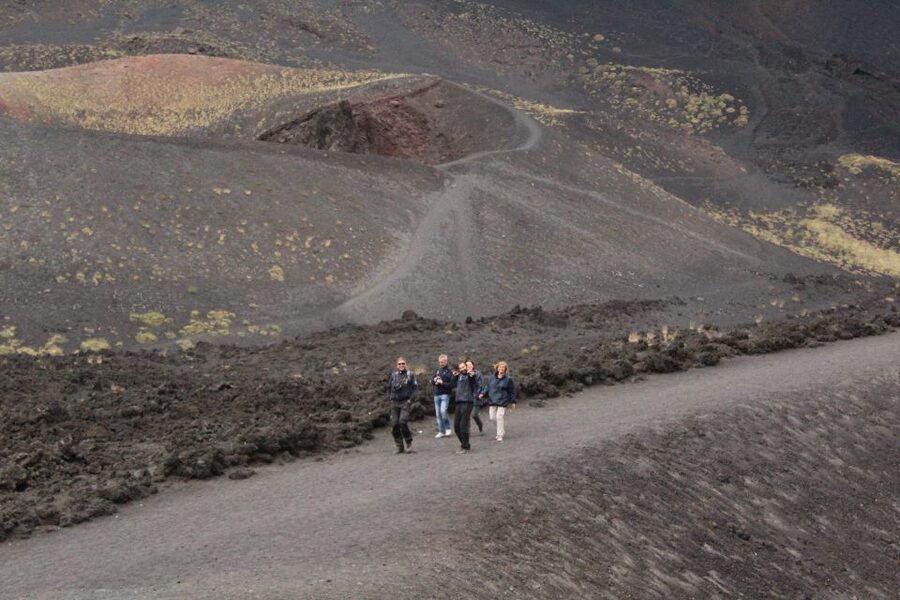
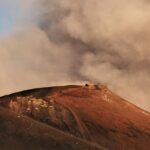
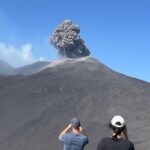
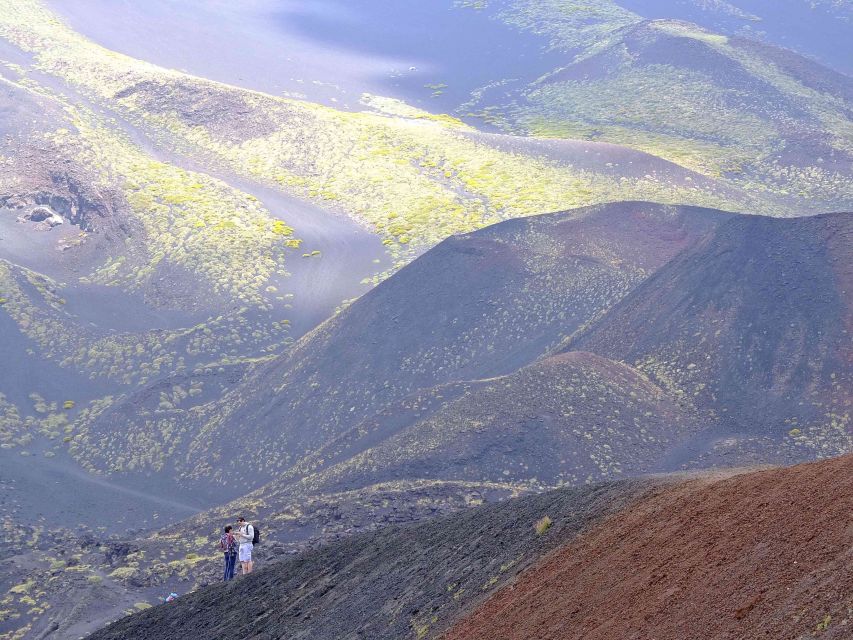
The Silvestri Craters section is where the walk starts feeling like a mix of geology and big-sky scenery. After you cross upper crater areas connected to Monti Silvestri, you move through the types of terrain that make Etna famous: steep, ash-and-lava textures, and slopes that look almost “moonlike” once you’re at altitude.
What I like about this part is that crater walking changes your perspective. From ground level, the volcano isn’t a single peak in the distance—it’s an entire system of shapes. Upper crater areas help you see how the terrain bends and how different layers or rock surfaces can stand out depending on light and angle.
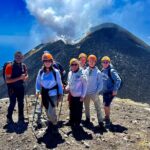
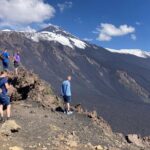
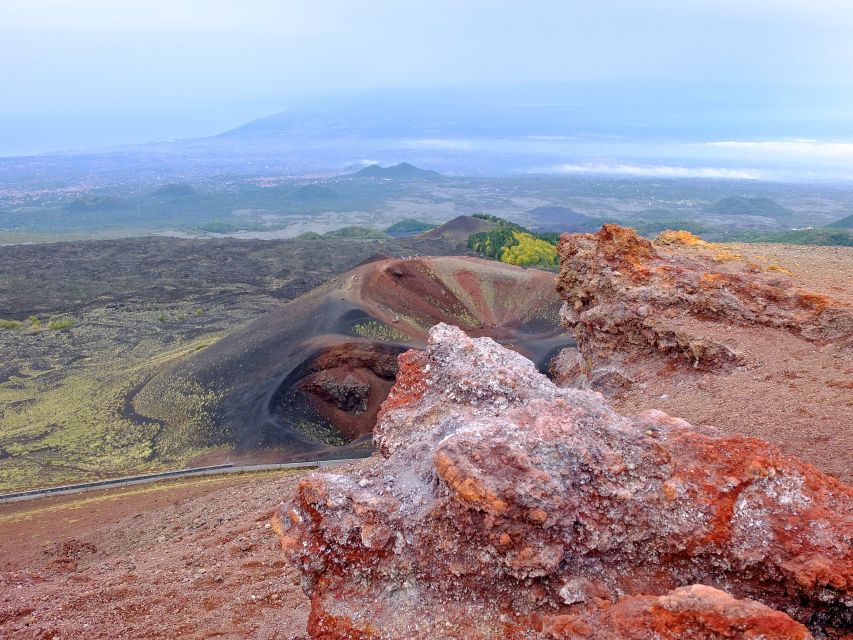
And then there’s the payoff. The route includes a climb to the highest point of the upper Silvestri craters. That’s the moment where your walk becomes a viewpoint moment: you can admire a broad panorama over the Etna foothills and toward the Ionian coast of Catania.
Practical note: views at altitude can make you want to slow down. Your guide will likely manage that with the pacing, but do your part—keep an eye on footing first, and save the extra scrambling for photos only if it’s safe.
If you’re someone who likes to understand what you’re seeing, this is also where a good guide really shines. In the recent feedback, the guides are praised for passion and clarity in short time, including the way they answer questions and place pauses at the right moment so the group doesn’t get strung out.
2001 lava and the volcanic fracture: the story becomes physical
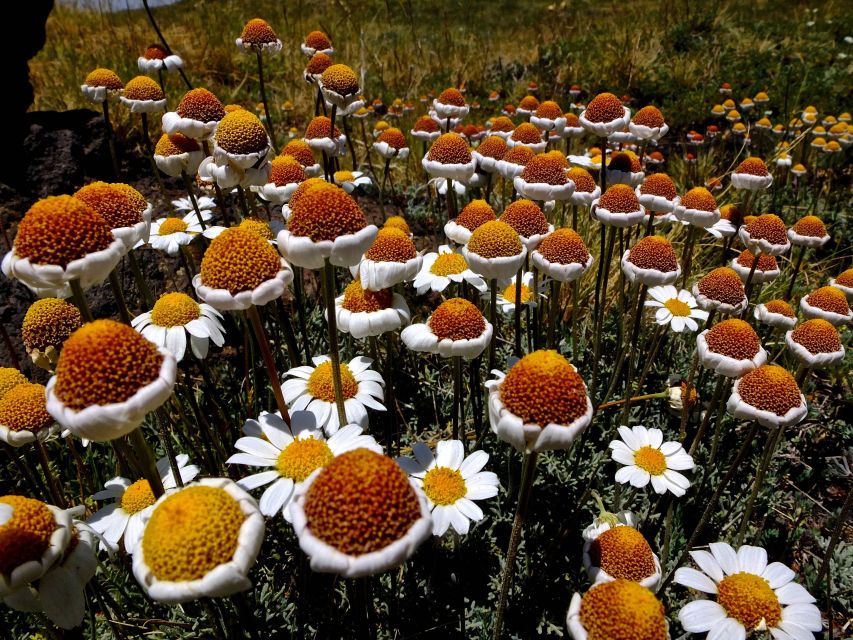
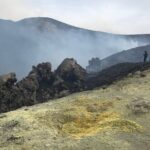
When the route reaches the 2001 eruption lava, it stops being theoretical. Lava ground looks and behaves differently than ash-covered slopes or crater rims, and your guide’s explanations tend to land better once you’re standing right on the evidence.
The walking section tied to 2001 is also where the trek’s intensity is most noticeable—not because it’s extreme, but because it demands attention. Volcanic terrain can be visually dramatic while still being firm enough for a guided trek. The guide will steer you toward the spots that show best the eruption effects in front of you.
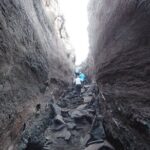
Then comes a standout stop: the volcanic fracture of 2001. The value here is simple. A fracture is a real structure, not a vague idea. When your guide points out how the fracture relates to the eruption, you start to understand volcano behavior as something with pathways and openings, not just fire and smoke.
This is also a good moment to think about your own comfort. If you’re sensitive to motion or have conditions that make being outdoors challenging, this is the section where you’ll feel the “real walking” more. The tour isn’t meant for everyone, and the operator flags limits for people with heart problems, motion sickness, or low fitness.
If you do go, bring your “slow and steady” mindset. This isn’t a race, and the quality of the experience comes from noticing, not rushing.
Calcarazzi craters and finishing panoramas over Catania’s coast
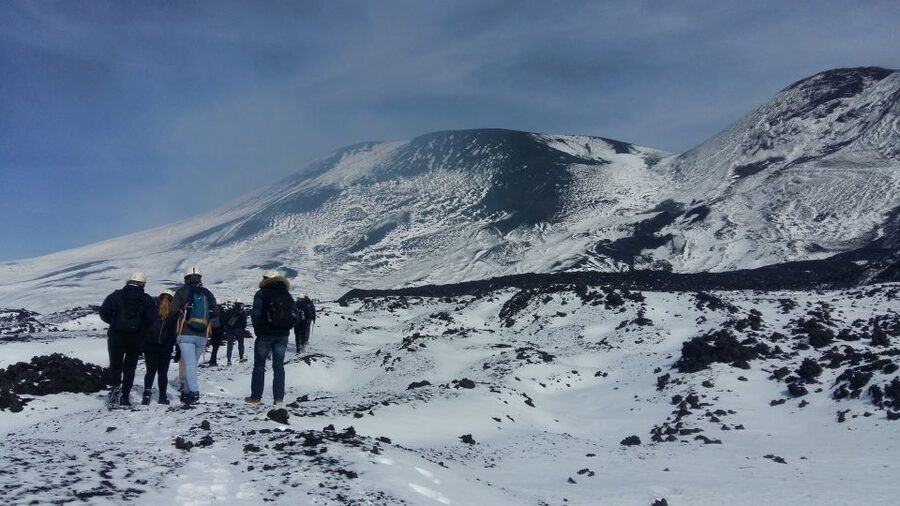
After the 2001 portion, you move toward the Calcarazzi Mountains and the Calcarazzi craters of the 1766 eruption. This is the route’s final chapter, and it does something important: it brings your understanding full circle.
The older eruption features matter because they show how Etna repeats and evolves. Walking from 2001 evidence to 1766 crater areas helps you see that the volcano’s history isn’t a single event. It’s a layered pattern—each eruption leaving different marks, each shaping what the next eruption can build on.
The terrain can also feel like it’s changing “mood” as the route progresses. You go from crater-edge views and lava surfaces to areas where older crater forms become the main visual theme again. That keeps attention from fading, which is key on any hike.
And of course, finishing is about views. The highest point in the upper Silvestri craters gives you that “Etna is bigger than it looks” moment—foothills, and the Ionian coast of Catania off in the distance. If you time it well, you can get that feeling of scale that makes this region so memorable.
One more detail: the meeting point is straightforward. You meet inside the Esagonal bar where you’ll find a flag with the Sicily Touring symbol, and the guide welcomes you there. That reduces last-minute confusion, and you can focus on putting on your shoes.
Guide quality makes a difference on Etna
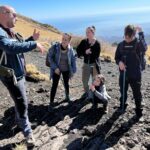
Etna can be confusing if you just follow a route without context. The best thing about this trek is the guide-driven format. Recent feedback highlights a strong theme: guides with real passion, and the ability to teach in a short time.
You may meet guides such as Mario or Thomas. Names matter because you can feel the difference between someone who reads facts and someone who connects the volcano to what you’re walking on. In the reviews, Mario is praised for delivering many interesting details fast, with passion clearly coming through in every sentence. Thomas gets recognition for professionalism.
You’ll likely notice another guiding strength: well-timed pauses. That’s not fluff. Pauses keep the group together, let people regain breath, and give you a moment to look at the specific rock features the guide is describing. If you like asking questions, the experience is set up so answers feel clear and practical rather than evasive.
Languages are English and Italian, so you can choose what best fits your comfort level. If you’re not fluent, don’t worry—good guides keep explanations structured and visual, which really helps at a site like Etna where the environment does a lot of the teaching.
Pace, safety, and comfort: what easy really means here
The trek is described as medium difficulty, and that’s the honest middle ground. It’s not a crawl, and it’s not a walk-anywhere stroll. You’ll start at about 1900 m, and the ground is volcanic. That combination means you should take footwear and pacing seriously.
Also, the tour has weather limits. It will not take place in rain or stormy weather. So if you’re visiting in a changeable week, plan your flexibility around clearer conditions. It’s better to move your day than to risk a canceled outing.
Not suitable for:
- pregnant women
- people with heart problems
- people with low level of fitness
- people with motion sickness
- people over 95 years
That list isn’t there to scare you off. It’s there because the trek involves walking at altitude and being outside in a rugged terrain environment, where you need stable energy and comfort.
If you’re generally fit but not a hiker, you can still be a good candidate—just be realistic about the medium-difficulty aspect. The best “easy trek” mindset is: slow down, focus on steps, drink water, and let the guide do the heavy lifting on interpretation.
What to bring (and what will make the trek less annoying)
This is one of those tours where basic prep makes a big difference. The essentials are clear:
- Hiking shoes (traction matters on volcanic ground)
- Water
- Rain gear (even if the day is expected to be good)
- Comfortable clothes
If you’ve ever done a mountain walk where you underpacked, you know the feeling: cold hands, sore feet, sudden thirst. Here, you’re at altitude on uneven terrain, so it’s smart to treat this as a real hike, not a sightseeing stroll.
A small but important tip: pack your “look and walk” attitude. You’ll want photos, and the guide will point out features along the way. But don’t stop in the middle of tricky footing zones. Step aside safely, then take your time.
Finally, check yourself against the not-suitable list. If motion sickness hits you outdoors, even on buses, this may not be for you. If you have heart concerns, you’ll want to avoid strenuous altitude situations—this tour is flagged for a reason.
Price and value: paying $46 for a 2.5-hour volcanology guide
At $46 per person for about 2.5 hours, you’re paying for the guide service and the guided structure that turns a volcanic area into something you can understand. There’s no food included, and you won’t be provided mountain gear, so you’re also paying for interpretation, not a full day package.
Here’s what makes it good value for the right person:
- A nature guide helps you spot what matters in the craters, lava, and fracture zones.
- The route focuses on specific eruptions (1766, 1892, 2001), giving context rather than random wandering.
- You get a worthwhile final viewpoint over Etna’s foothills and toward the Ionian coast of Catania.
Where value can feel weaker is if you’re looking for a self-paced hike without guidance. If you already know volcano geology and you want freedom to linger anywhere, you might prefer a different format. But for most visitors, the guide-driven approach is exactly what makes the time feel “worth it.”
One more small perk: the operator includes a nature guide service, and the tour offers free cancellation up to 24 hours in advance and reserve now & pay later. If your plans are flexible—or you’re playing the weather card—this is a practical cushion.
Should you book this Etna southern slope guided easy trek?
Book it if you want Etna in a time-efficient, guide-led format that connects what you walk over to eruption dates you can actually remember. This is a strong choice for people who enjoy nature and want real context, not just photos. The Silvestri Craters, the 2001 lava, and the stop at the volcanic fracture of 2001 make the geology feel tangible, and the high point at the end gives you a real view payoff.
Think twice if weather is iffy during your dates, because the trek won’t run in rain or storms. Also skip it if any of the not-suitable conditions apply—especially heart problems or motion sickness—or if your fitness level is low and you’re worried about a medium-difficulty walk at around 1900 m.
If you’re the kind of traveler who likes asking questions and learning fast, this is the kind of guided trek that makes those questions worthwhile. With guides like Mario and Thomas being praised for passion and clarity, you’re likely to leave with a better understanding of Etna than you arrived with.
FAQ
How long is the Etna southern slope guided easy trek?
The tour lasts 2.5 hours.
Where do I meet the guide?
Meet inside the Esagonal bar, where you’ll find a flag with the Sicily Touring symbol and the guide will welcome you.
Is food included in the price?
No. Food and drinks are not included.
What should I bring?
Bring hiking shoes, water, rain gear, and comfortable clothes.
Does the tour run in rain or storms?
No. The tour will not take place in rain or stormy weather.
Is this trek suitable if I have motion sickness or heart problems?
No. It is not suitable for people with motion sickness or people with heart problems.