REVIEW · KATHMANDU
14-Day Annapurna Base Camp Trek from Kathmandu
Book on Viator →Operated by Outfitter Himalaya Holidays P. Ltd · Bookable on Viator
Fourteen days, and you earn every view. This Annapurna Base Camp trek threads through Gurung and Magar villages, rhododendron and bamboo forests, and high alpine meadows before you stand in the Annapurna sanctuary with Himalayan peaks all around. I really like the safety-first guidance you get from the team, including well-regarded guides such as Raj and Amrit who are repeatedly praised for care, clear info, and keeping the group moving smart.
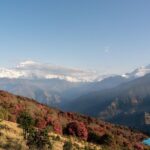
You’ll also love the day-to-day variety, especially the Poonhill sunrise morning where you can catch a spread of giants like Dhaulagiri, Annapurna I/II/III, Machhapuchhare, and more. Between villages, prayer flags, suspension bridges, and thick forest sections, the trek never feels like one long repeat.
One thing to consider: this route includes plenty of stair-heavy climbing and steep descents, so if your knees don’t like stairs, plan to use trekking poles and move at a steady pace.
In This Review
- Key Highlights You’ll Feel on the Trail
- Kathmandu Valley Kickoff: Temples, Markets, and Trek-Prep Time
- The Pokhara Drive: River Views Now, Big Mountains Later
- Day 4-5: Tikhedunga, Ulleri, and the Rhododendron-to-Views Transition
- Poonhill Sunrise and the Ghorepani to Tadapani Shift
- Chomrong Gate: Suspension Bridges, Bamboo, and Forest-Noise
- Into the Sanctuary: Bagar Meadows and the Final Push to Base Camp
- Base Camp Day: Amazing Views, Then a Smart Descent
- Day 11: Bamboo to Chhumrong Khola and Hot Springs Relief
- Day 12-13: Back to Pokhara, Then Kathmandu by Tourist Bus
- Getting Your Money’s Worth: Price, Permits, and What’s Included
- Guide and Team Support: Why People Keep Mentioning the Same Strength
- Packing and Fitness: The Moderate Level That Still Feels Serious
- Should You Book This Annapurna Base Camp Trek?
- FAQ
- Where do I meet the tour in Kathmandu?
- Is pickup included?
- How long is the trek and the overall tour?
- What’s included in the trek price?
- What ground transportation is provided?
- What Kathmandu sights are visited on Day 2?
- What permits are included?
- Is travel insurance included?
- Do I need a porter?
- What is the cancellation window for a full refund?
Key Highlights You’ll Feel on the Trail
- Small group size (max 14), which helps the pace and makes it easier to get guidance when conditions change.
- Kathmandu buffer day with real sights: Durbar Square, Monkey Temple, Pashupatinath, and Boudhanath, plus time to shop for trekking gear.
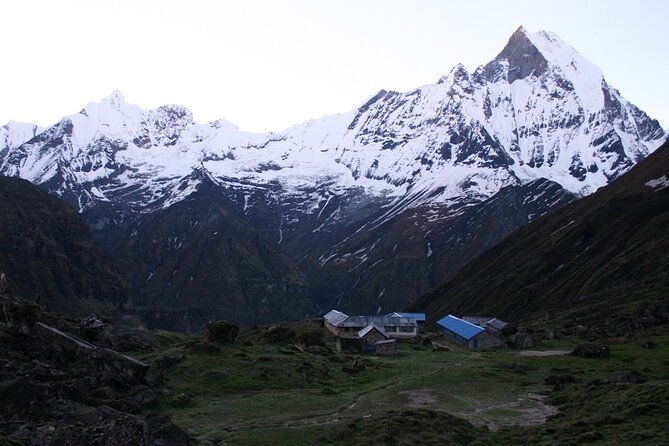
- Poonhill sunrise (3232m) with big-name peak views listed on the program.
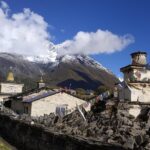
- Cultural transition from terraced sub-tropical hills up into cooler Buddhist and animist middle hills with chortens and prayer flags.
- Base Camp day at ~4170m, then a return route designed to be easier on tired legs.
Kathmandu Valley Kickoff: Temples, Markets, and Trek-Prep Time
Your trip starts in Kathmandu with an airport representative meeting you and transferring you to your hotel. Day 1 is intentionally free. Use it to rest, sort your layers, and make sure your daypack works for you—small comfort things matter more once you’re on the trail.
On Day 2, you get a structured Kathmandu Valley sightseeing run with a professional guide. The stops are classic and practical for understanding Nepal fast: Kathmandu Durbar Square, Monkey Temple, Pashupatinath, and Boudhanath Stupa. You’ll also get time to shop for trekking equipment, which is a smart touch if you’re arriving with gear that’s almost-right rather than perfect.
Why this matters for your trek: Annapurna Base Camp will ask for sustained effort and good timing. Kathmandu days give you a chance to adjust to altitude at sea level (comparatively), get your bearings in the city, and avoid the panic-buying that happens when you realize you forgot gloves or a better base layer.
You can also read our reviews of more tours and experiences in Kathmandu.
The Pokhara Drive: River Views Now, Big Mountains Later
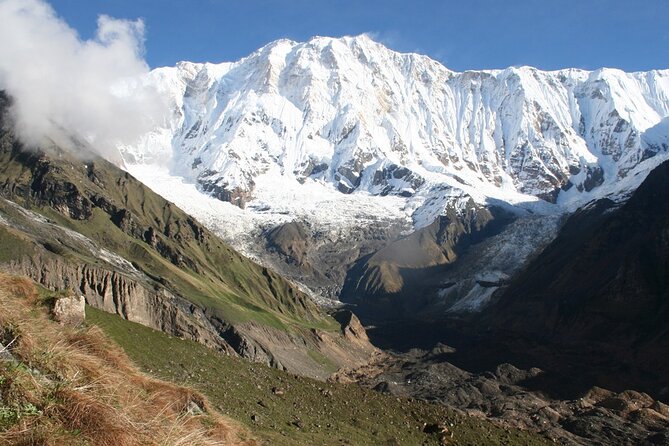
Day 3 is a scenic drive along the Trisuli and Marsyangdi River to Pokhara. The program notes views of Ganesh Himal and Manaslu peak on the way. Even if you’re not chasing waterfalls or rafting right now, this stretch helps you shift from city mode to mountain mode.
Pokhara is described as a lakes-and-temples base, and that’s exactly how it plays here: you’re going to sleep at a comfortable elevation and reset your legs before the first trekking days. If you’re the kind of person who gets nervous about starting climbs, this day is your emotional warm-up.
Day 4-5: Tikhedunga, Ulleri, and the Rhododendron-to-Views Transition
On Day 4, you drive to Nayapul (about 1.5 hours) and start hiking to Tikhedunga via Birethanti. The route begins fairly easy with a flat-out feel through lively settlements, then turns into gentle ascents toward your destination.
Day 5 is where the trek starts reminding you that Annapurna is a real climb. You ascend steeply for the first couple of hours, then continue through Ulleri and Banthanti. This is also one of the “views days,” with program highlights including Machhapuchhare (Fish Tail), Hiunchuli, and Annapurna out ahead.
Then the trail gets more enjoyable: rhododendron and shadowy forest sections bring bird sounds and a cooler feel under the canopy. The trekking goal for the day ends at camp, and the rhythm here is key: you’ll likely feel tired in the afternoon, but not wrecked. That’s what you want before deeper elevation days.
Possible drawback you should plan for: early steep segments plus stone paths can feel harsher than distance alone suggests. Pace yourself and keep a consistent step tempo rather than pushing to “win” the morning.
Poonhill Sunrise and the Ghorepani to Tadapani Shift
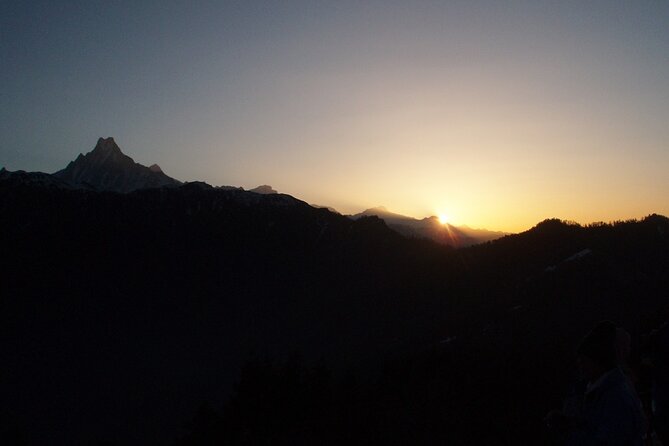
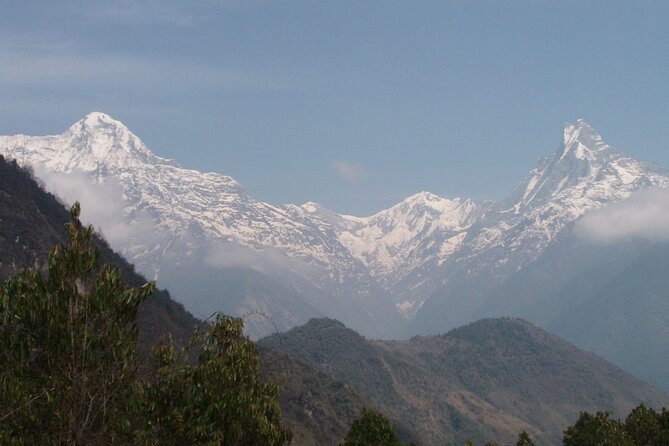
Day 6 is a two-part payoff day: first, hike to Poonhill (3232m) for sunrise. The program lists a long view lineup in the morning—Dhaulagiri, Annapurna I/II/III, Annapurna South, Machhapuchhare, Lamjung Himal, and others. Even if the exact cloud cover changes your view, the idea is consistent: you’ll be rewarded for getting up early.
After sunrise, you trek down to Ghorepani, grab a hot breakfast at the lodge, and continue to Tadapani (2650m). The description of this section focuses on blooming rhododendron forest—meaning you’re not just walking between elevations; you’re walking through changing textures of the landscape, from thick green to flower-season color.
This is also a mental shift day. The trek starts feeling less like “getting there” and more like you’re inside the Annapurna world: forests, birds, and the steady cadence of climb → rest → climb.
Chomrong Gate: Suspension Bridges, Bamboo, and Forest-Noise
Day 7 moves you through a descent into rhododendron and oak forests, then into a steep climb up toward Chomrong, described as the gateway to Annapurna Base Camp. You’re also following the natural soundscape—bird chirps and forest atmosphere—right up until the village area.
On Day 8, you start after a hot breakfast and get a mix of stair descent and a key crossing. The route descends on stone steps, crosses the Chhomrong Khola on a suspension bridge, then climbs out of the side valley. After that, you move along high above the Modi Khola and pass bamboo, rhododendron, and oak before reaching Sinuwa (2350m). From there you descend again through deep bamboo and rhododendron forests toward Bamboo and then toward Dovan/Himalaya in the day’s end.
What I like about this stretch: it’s not just scenic; it’s varied underfoot and under weather. Suspension bridges and stair sections can change your “feel” of the day, and your guide can help you choose safer foot placements.
Into the Sanctuary: Bagar Meadows and the Final Push to Base Camp
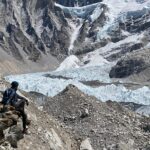
Day 9 is the approach to the sanctuary. The valley widens, the trail includes gates to the sanctuary area, and the program notes narrow sections that hurdle up against cliffs and cross avalanche tracks. That’s not just dramatic language—it signals that this is a more serious terrain environment than your earlier days.
You reach Bagar (3310m), a green meadow area with abandoned hotels. From there, the normal trail follows the left side of the valley and continues into alpine meadows, with gentle uphill sections as you approach Annapurna Base Camp (4170m).
Reaching Base Camp is the obvious “bucket list” moment. The less obvious part: this day tests your pacing more than your strength. If you keep moving steadily, the last push tends to feel more manageable.
Base Camp Day: Amazing Views, Then a Smart Descent
On Day 10, you visit Annapurna Base Camp and surrounding views after breakfast. The program frames the scenery from Base Camp as amazing, and this is one of those days where you’ll want to stop often—just not so much that you freeze.
Then you trek back toward Dovan, taking about six hours. The route is easier going down, and the program makes a practical point: even though some trekkers can reach Sinuwa in a single day, this chosen option helps those who might struggle with fatigue-related wobbling on descent.
I appreciate that. A lot of trekking plans focus only on “can you do it,” not “will your legs feel good enough to do it safely.” Here, the route design is trying to keep you functional on the return.
Day 11: Bamboo to Chhumrong Khola and Hot Springs Relief
Day 11 brings more descent and forest walking. You go from Bamboo through rhododendron, oaks, and bamboo plants, then the path steepens up for about an hour before flattening out toward Sinuwa. From there you gradually descend to the Chhumrong Khola and follow stone stair sections for nearly an hour to reach Chhumrong, then continue steeply down toward Jhinudanda.
After you get into the guest house rooms, the program includes an option to visit hot springs for a refreshing bath in warm natural water. Even if you’re not a “soak it” person, it’s a useful recovery tool because your lower legs will be begging for something after multiple days of stairs.
Day 12-13: Back to Pokhara, Then Kathmandu by Tourist Bus
On Day 12, after breakfast, you trek down—first descent, then flat land—until you reach Birethati for lunch. After about 30 minutes of walking, you connect to a car/van waiting to take you back to Nayapul and toward Pokhara (city of lakes).
Day 13 is the long road reset: a tourist bus leaves at 7 AM after breakfast and drives about six hours to Kathmandu. The program calls out passes through satellite towns, rural settlements, terraces, and fast-moving rivers. It’s a different kind of movement: no high steps, but plenty of looking out the window.
This is your chance to shift gears and prepare for the final day without the adrenaline of trekking. Plan for a calmer evening.
Getting Your Money’s Worth: Price, Permits, and What’s Included
The tour price is $950 per person for about 14 days. The value comes from what’s bundled in, not just the headline cost. You’re getting:
- 13-night accommodations during the tour
- Kathmandu Valley sightseeing with a professional guide
- Annapurna conservation entry and TIMS permit included
- Ground transport from Kathmandu to Pokhara and back by tourist bus (plus the local transfer pieces described)
- An experienced guide
- Meals on a set schedule: breakfast (12), lunch (9), dinner (8)
- Sightseeing entrance fees on Day 2 (noted as NPR 2600, about $25)
What’s not included is also clear and you should budget around it: Nepal entry visa fee, travel insurance (compulsory), international airfare, and drinks. Tips for guide/porter/driver are not included, and a porter is only included if you specifically arrange one yourself (since porter support is listed as not included if you need it).
My practical take: $950 is fairly “all-in” for a trek that includes permits, guide, lodging, and a lot of meal coverage. Your main extra costs are the ones you can’t skip anyway (visa and insurance) and the personal choices (drinks, optional porter, tips).
Guide and Team Support: Why People Keep Mentioning the Same Strength
Across the feedback style shared for this trek, one theme shows up again and again: the guide team and porters focus on keeping you safe and supported. Names mentioned include Raj, Bier, Bhim, Soraj, Amrit, Suraj, Indra, Pralad, and others. What you want to notice isn’t the celebrity list—it’s what those names represent: communication, patience, and a steady pace that fits different fitness levels.
The program also caps groups at 14 travelers, which generally makes it easier for a guide to manage the flow and react to trail conditions. Small-group trekking matters on days with stairs, bridge crossings, and weather changes.
Food is part of the story too. The trekking plan specifies meal counts, and multiple comments tied satisfaction to good meals and tea-house logistics. In this region, good organization isn’t a luxury—it’s what keeps you from spending energy worrying about basic needs.
Packing and Fitness: The Moderate Level That Still Feels Serious
The tour notes moderate physical fitness as the target level. That’s honest, but let me translate it: moderate means you can keep a steady pace for uphill and stair days without sprinting every section. It does not mean the trek is flat or easy.
If your body is sensitive to altitude, you should still take the pacing seriously. If your knees are sensitive to stairs, treat trekking poles as part of your standard kit. The itinerary has enough descent and step-down sections that footing and recovery matter.
Also, you’ll be sleeping and trekking through changing climates—sub-tropical down low and much cooler air at higher elevations. Pack layers you can adjust without fighting your clothes every time the trail switches from sun to shade.
Should You Book This Annapurna Base Camp Trek?
I’d book it if you want a well-structured ABC trek that balances culture in Kathmandu with real time on the trail, and you prefer logistics handled for you—permits, guiding, lodging, and a meal schedule. The small group size and the repeated praise for guide support are a strong signal that this is not a throw-you-in-and-hope situation.
I’d think twice if you know you struggle with long stair-heavy hikes and steep descents, or if you want a more flexible route with fewer fixed driving days. This itinerary is built around a specific flow: Kathmandu → Pokhara → classic forest-and-village corridor → Base Camp → return with sensible pacing.
If you’re reasonably fit and you’re happy trading comfort for mountain views you can’t replicate at home, this is a solid pick for an Annapurna Base Camp trip that feels guided in the best sense: clear, careful, and focused on getting you to the right places at the right time.
FAQ
Where do I meet the tour in Kathmandu?
The meeting point is Tribhuvan Airport, Kathmandu, Nepal. You’re also met and greeted by an airport representative for the transfer to your hotel.
Is pickup included?
Yes. Pickup is offered, including airport pickup and transfer to your hotel on arrival.
How long is the trek and the overall tour?
The tour is listed as 14 days (approx.).
What’s included in the trek price?
The price includes 13-night accommodations, Kathmandu Valley sightseeing, Annapurna conservation entry and TIMS permit, ground transport from Kathmandu–Pokhara–Kathmandu, an experienced guide, Day 2 sightseeing entrance fees, and selected meals (breakfast 12, lunch 9, dinner 8).
What ground transportation is provided?
You travel between Kathmandu and Pokhara by tourist bus, and the program also includes the local drives needed to start and end trekking segments (such as driving to Nayapul and returning).
What Kathmandu sights are visited on Day 2?
The sightseeing tour includes Kathmandu Durbar Square, Monkey Temple, Pashupatinath Temple, and Boudhanath Stupa.
What permits are included?
Annapurna conservation entry and a TIMS permit are included.
Is travel insurance included?
No. Travel insurance is not included and is described as compulsory.
Do I need a porter?
A trekking porter is not included. If you need a porter, you’d have to arrange that separately (not included in the package).
What is the cancellation window for a full refund?
You can cancel up to 6 days in advance for a full refund, meaning you must cancel at least 6 full days before the experience start time.