REVIEW · MARRAKECH
Mount Toubkal Trek in 2D/1N Private From Marrakesh
Book on Viator →Operated by Visit Toubkal -Day Tours · Bookable on Viator
High altitude work starts fast. In two days you’ll leave Marrakech behind, hike from Imlil (1,740m) to Nelter Hut (3,210m), then head out at dawn for Mount Toubkal summit views.
I love how this trip is built around real walking time, not just transfers, and how the overnight in the refuge area keeps the rhythm of an Atlas trek.
Two things I like most: small-group attention with a dedicated mountain guide, and meals that are already planned (including breakfast, dinner, and lunches) so you can focus on the trail. The one drawback to plan for is effort: you’ll need moderate physical fitness for the steep ascent both days.
In This Review
- Key highlights you’ll feel on this Toubkal trek
- Why this Toubkal route works better than a rushed day hike
- Marrakech to Imlil: the climb begins before the first steep section
- Day 1 trek to Nelter Hut refuge: where the altitude starts to speak
- The Nelter Hut overnight: refuge camping that supports an early start
- Day 2 dawn summit push: what you should expect on the top climb
- Food, water, and the included meals that actually matter
- Guide and group size: more attention on steep days
- Price and value: is $249.71 per person worth it?
- Practical pacing: how to make this climb feel doable
- Who should book this Mount Toubkal trek, and who should reconsider
- Should you book this Toubkal summit trek?
- FAQ
- How long is the Mount Toubkal trek (2D/1N)?
- What time does the trek start?
- Is pickup from Marrakech included?
- What are the main stops during the two days?
- What’s included for meals and drinks?
- Where do you stay overnight?
- What fitness level is required?
- Is the group size limited?
- What’s the cancellation policy?
Key highlights you’ll feel on this Toubkal trek
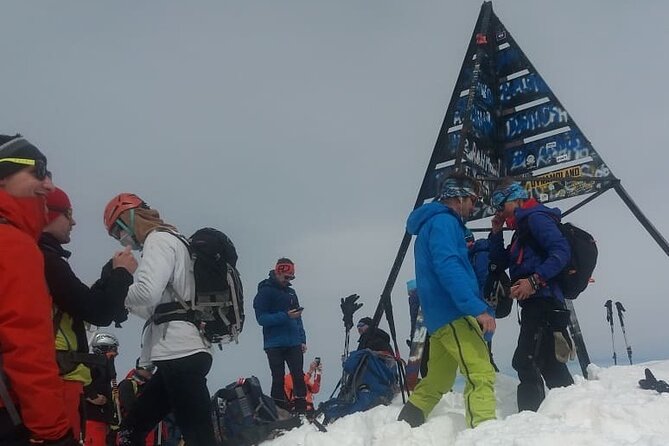
- Imlil to Nelter Hut altitude jump gives you a clear sense you’re actually climbing, not just hiking “nearby.”
- Overnight at the Toubkal refuge area means you’re set up for the early summit push instead of rushing on day two.
- Dawn ascent to the summit is timed for when conditions are more manageable and photos are best.
- Mountain guide support (including the very well-regarded Rachid Jeallah) helps you keep pace and stay confident on tougher stretches.
- Private transportation from Marrakech plus coffee/tea and bottled water reduces the day-to-day friction.
- Max 20 travelers keeps the group size from turning into a moving crowd.
Why this Toubkal route works better than a rushed day hike
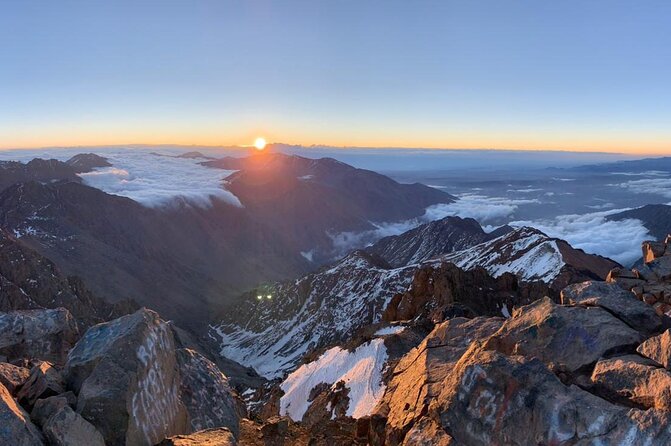
Mount Toubkal is the kind of goal that doesn’t care about your schedule. If you try to do it in a single day, you end up spending most of the time traveling and second-guessing your stamina. This 2D/1N format gives you something better: time at altitude and a calmer second day.
You start close enough to Marrakech to feel connected, yet you’re quickly high enough for the mountains to take over. Day one ramps you up from Imlil (1,740m) toward Nelter Hut (3,210m), then you sleep near your overnight base. Day two then begins early for the summit work, with a return to Marrakech after lunch—so you get the achievement without turning the trip into a week-long endurance test.
The trip is also built for people who like structure. You know when meals happen, when you’re transferring, and when the big push begins. That matters when the weather can change fast in the Atlas, and when the body wants a steady routine more than it wants improvisation.
You can also read our reviews of more tours and experiences in Marrakech.
Marrakech to Imlil: the climb begins before the first steep section
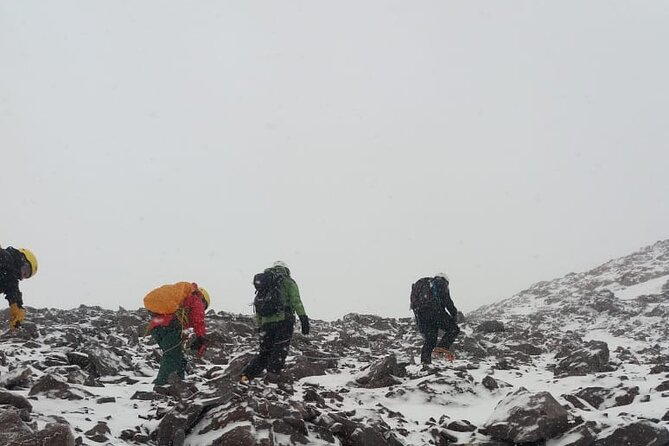
Your day begins with a transfer from Marrakech to Imlil, at 1,740m. That elevation matters more than it sounds. Even before the real trekking starts, the air feels different, and your pace naturally slows a bit so you don’t gas out early.
This part is also practical: private transportation is included, so you’re not stuck coordinating taxis or figuring out who’s taking what bus at 7-something in the morning. The start time is 8:00am, so you can plan your day without guessing. In at least one account, the guide coordinated a taxi pickup directly from a riad in the medina at the set time, which is exactly the kind of low-stress detail that makes a trek like this feel more “handled.”
Once you arrive, the trail becomes your clock. Your best strategy here is simple: start slower than you think you need. The higher you go over day one, the more your breathing becomes your metronome. If you pace it right, you’ll arrive at Nelter Hut with energy left for the evening routine.
Day 1 trek to Nelter Hut refuge: where the altitude starts to speak
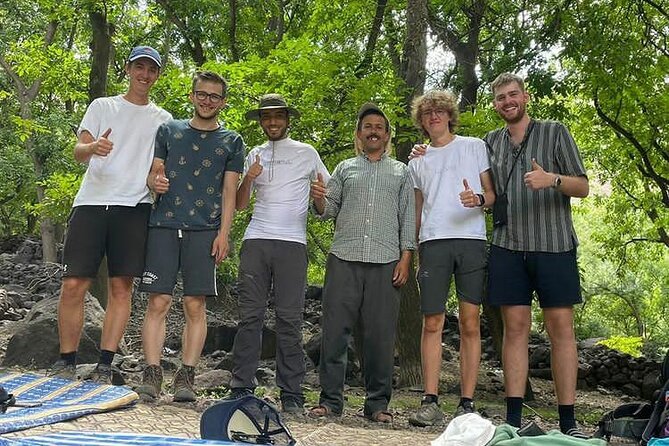
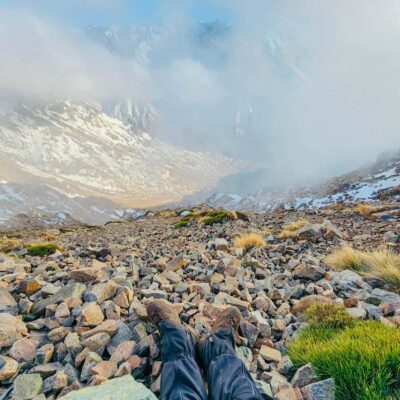
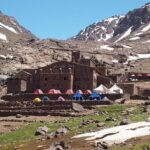
Day one is a trek from Imlil up to Nelter Hut at 3,210m. That’s a serious climb in one hiking day, and it’s the heart of why this trip feels like a real mountain outing. You’re not just “getting out of town.” You’re moving your body into high country.
The Nelter Hut stop isn’t only about reaching a point on a map. It’s where the trek becomes a story you can feel—because once you’re that high, the mood changes. Even if you’re not thinking about it, your body is. Your legs burn a little more, and your planning becomes more focused: how you drink water, how you take breaks, and how you keep the pace steady.
Dinner and camp setup happen there. According to the trip info, you’ll have dinner and set up camp for the night at the refuge area, then get breakfast on day two. Having that overnight base is a big value piece: it’s what allows the summit day to start early without chaos.
One practical consideration: night at altitude can feel cold, and you’ll likely be tired. Bring patience for the evening logistics and remember you’re not trying to “optimize comfort.” You’re trying to position yourself for the next day’s ascent.
The Nelter Hut overnight: refuge camping that supports an early start
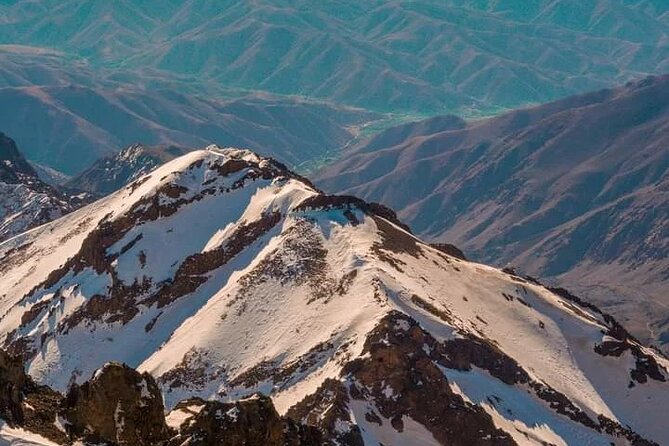
Sleeping near the refuge area is one of the smartest parts of this itinerary. The summit day begins with an early ascent, and that works only if you’re already close to your starting line. Here, you’re not waking up still traveling uphill. You wake up ready.
Accommodation is described as staying in the Toubkal refuge, and your meals are handled: dinner the night of day one, plus breakfast. That means you can avoid the most common trek mistake: spending energy shopping, hunting for snacks, or negotiating food during the only hours you don’t want to think.
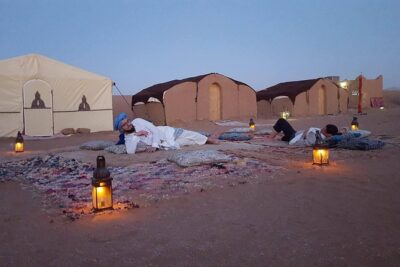
Comfort levels aren’t promised like a hotel, and that’s not the point. This is camping-style overnight in a mountain setting. So if you’re the kind of traveler who needs a lot of softness and silence, you might find the setup basic. If you’re okay with that trade, you’ll like the sense of being “in it,” surrounded by the rhythm of a working mountain route.
Also, the trip includes coffee and/or tea. That small inclusion can feel like a big deal when you’re waking up early and your body needs a little help getting started.
Day 2 dawn summit push: what you should expect on the top climb
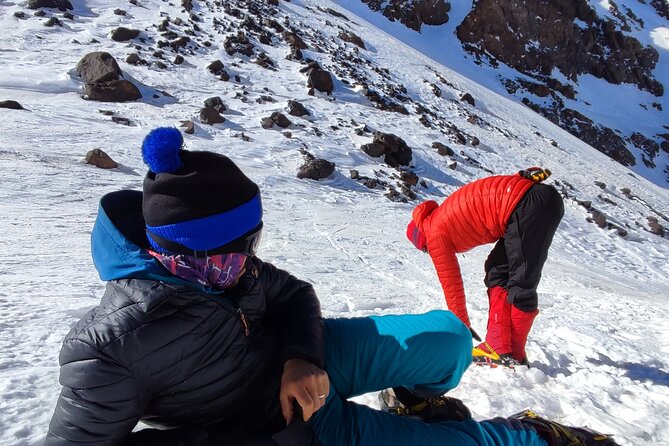
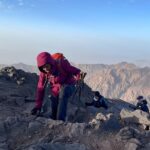
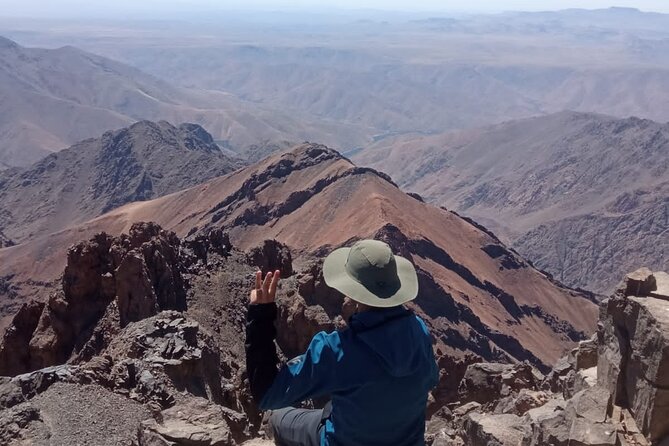
Day two starts with an early rise to tackle the ascent to the summit. The key detail is that it’s not a casual stroll. It’s a dedicated climb, and you’ll be doing it when conditions are more manageable and when you can enjoy the moment at the summit without rushing.
Once you reach the summit, you’ll have time for views and photos, and then you’ll return back to Nelter Hut for lunch. That lunch stop matters more than you might expect. It gives you a planned recovery moment before the final transfer back to Marrakech after lunch.
Here’s the mental approach that makes day two easier: think of the summit as a sequence of manageable steps, not one endless wall. When the terrain gets tough, it’s your pacing—and your ability to stop for short breaks without losing momentum—that helps.
Also, the guide is part of this equation. In one very positive experience shared with this trek, the guide Rachid Jeallah was praised as both super professional and kind, and he also handled a pickup taxi from a riad in the medina at 8:00am. That’s the kind of competence you want on summit day, when small timing problems can become big stress.
Food, water, and the included meals that actually matter
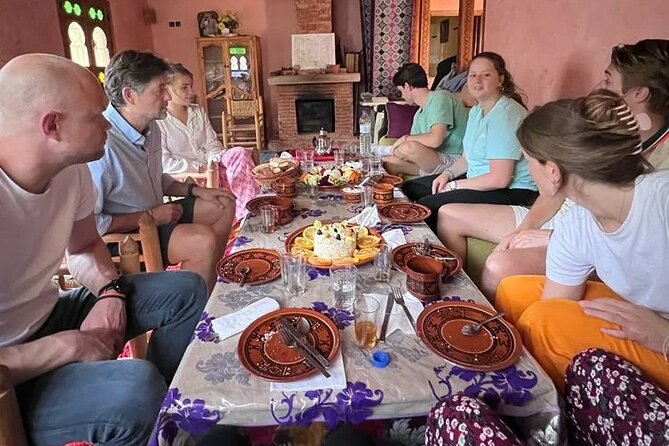
This trek includes lunches + dinner + breakfast, plus bottled water. It also includes coffee and/or tea. That’s a lot of meal coverage for a short 2-day format, and it reduces what you have to carry.
What isn’t included is soda/pop. So if you’re someone who likes a fizzy treat, plan to either skip it or budget for it separately. Otherwise, the “included” set-up gives you what you need to fuel your effort: regular meals and water, rather than “maybe we’ll find something.”
A helpful way to think about it: on a mountain hike, you don’t want food to be a project. You want it to be a routine. This itinerary does that by putting meals at logical points—dinner after reaching Nelter Hut, breakfast before the summit push, and lunch back at Nelter Hut before returning to Marrakech.
Guide and group size: more attention on steep days
This experience is offered with a mountain guide, and the trip is designed to stay small. The operator notes a maximum of 20 travelers, which usually means you won’t be navigating a long conga line. Since the experience is listed as a private trip from Marrakech with private transportation, you can also expect your guide to keep the day aligned for your group rather than running a one-size-fits-all schedule.
Why does that matter? Because on Toubkal, the hard parts aren’t random. They come in the steep sections and the moments when you’re tired and your choices get sloppy. A good guide keeps you moving safely, helps you pace, and can adjust the plan if the mountain asks for more care.
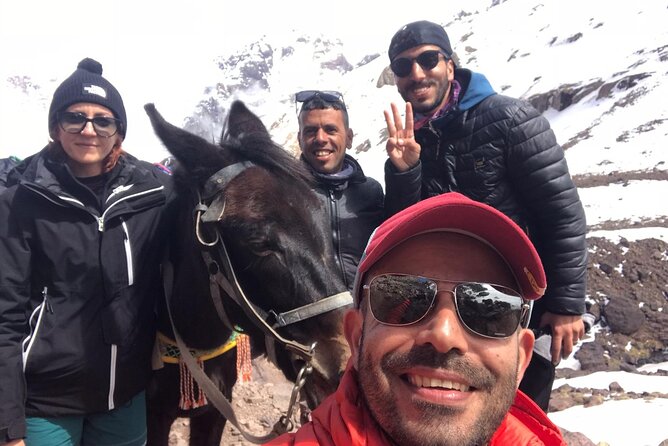
The praise for Rachid Jeallah in the experience makes this point feel real. The comments highlight his professionalism and kindness, and the way he handled timing and transportation for a morning pickup. That kind of attention is exactly what you want when your second day starts early and you’re committing to the summit.
Price and value: is $249.71 per person worth it?
At $249.71 per person, you’re paying for more than the right to walk up a mountain. You’re paying for a full mountain service package: private transportation, a mountain guide, overnight refuge accommodation, all fees and taxes, and a set of meals (breakfast, lunches, dinner), plus bottled water.
Here’s how I judge value for this kind of trek: the biggest “hidden costs” on mountain trips are usually logistics and time. If you had to arrange transportation, find a guide, sort out lodging, and plan meals yourself, the cost can creep up fast—and you lose the calm structure this itinerary provides.
Given the short 2-day format, this pricing also makes sense because you’re buying support for multiple moving parts: the transfer to Imlil, the climb to Nelter Hut, the overnight, and the early summit plan. If you’re traveling in a pair and want the guide attention to stay focused, the per-person cost can feel fair for the work involved.
It’s not a budget hike in the “cheap and simple” sense. But it’s also not an upscale, hotel-style trip. The value is in being organized and guided so you spend your energy climbing, not troubleshooting.
Practical pacing: how to make this climb feel doable
The tour information says travelers should have moderate physical fitness. That’s a good signal. It’s not saying you must be an athlete, but it is saying you should be comfortable with a multi-hour hike with elevation gain, then do a harder push early on day two.
Your best move is to treat day one like an endurance training session, not a sprint. You’re climbing from 1,740m to 3,210m across the day, and your body will tell you if you go out too fast. Short breaks, steady drinking of the included bottled water, and staying mentally calm are what help you arrive ready for the overnight routine.
For day two, expect an early ascent to the summit and then a return to Nelter Hut for lunch. That means you want to sleep well enough to function. If you’re sensitive to altitude or cold nights, take that seriously and don’t plan this trek if you’re already under the weather.
One more practical tip: because the tour is structured around transfers and meal timing, don’t plan any extra “must-do” activities in Marrakech right before or right after. Give yourself buffer time so the trek remains the focus.
Who should book this Mount Toubkal trek, and who should reconsider
This is a great fit if you want a clear, two-day goal: get out of Marrakech, sleep near the trail, and go for the summit. You’ll likely enjoy it most if you like hiking challenges and prefer a plan with meals, guide, and lodging handled for you.
You should reconsider if you don’t handle elevation or long uphill walking well, because both days involve real climbing. Also, if you need hotel-style comfort and quiet luxury, the refuge camping setup may feel too basic for your preferences.
It’s also ideal for travelers who want less chaos. Private transportation is included, the start time is set at 8:00am, and the small group cap helps keep the day feeling manageable.
Should you book this Toubkal summit trek?
If you’re choosing between a “see the mountain” day trip and something more serious, this one leans serious—in a good way. You get an overnight at Nelter Hut, a summit day with time for views and photos, and the structure to make the whole thing feel organized.
Book it if you’re ready to work your legs and you want a guided experience with meals, water, lodging, and transport already in place. Skip it if moderate fitness isn’t realistic for you, or if cold mountain nights and basic refuge-style accommodation would be a dealbreaker.
If you want Mount Toubkal as a real accomplishment, this 2-day plan is built for that.
FAQ
How long is the Mount Toubkal trek (2D/1N)?
The tour runs for 2 days (approx.).
What time does the trek start?
The start time is 8:00am.
Is pickup from Marrakech included?
Yes. Private transportation is included, and the day begins with a transfer from Marrakech to Imlil.
What are the main stops during the two days?
You’ll transfer to Imlil, trek to Nelter Hut for dinner and camping overnight, then wake early on day two for the summit ascent, return to Nelter Hut for lunch, and transfer back to Marrakech after lunch.
What’s included for meals and drinks?
The tour includes breakfast, lunch(es), and dinner, plus coffee and/or tea and bottled water. Soda/pop is not included.
Where do you stay overnight?
You stay at the Toubkal refuge area (accommodation in the Toubkal refuge is included).
What fitness level is required?
Travelers should have a moderate physical fitness level.
Is the group size limited?
Yes. The experience has a maximum of 20 travelers.
What’s the cancellation policy?
Free cancellation is offered, and you can cancel up to 24 hours in advance for a full refund.