REVIEW · KAMPALA
5 Days Gorilla and Chimpanzee Trekking in Uganda
Book on Viator →Operated by Adventure In The Wild Safaris · Bookable on Viator
Primate magic starts before sunrise. This Uganda trip strings together chimp trekking in Kibale and gorilla time in Bwindi with a calm nature/water finale on Lake Bunyonyi. I love how the route is built around real wildlife focus, not just scenery stops. I also like that permits and park activities are handled upfront so you spend less time chasing paperwork and more time following guides into the forest. The main drawback to plan for is effort: you’ll do early starts and steep, thick-forest trekking, with the day length that can stretch based on where the animals are.
One more thing I really value here is the human touch. Past guides tied to this safari, like Robert, Ariyo Timothy, Dan, and Joram, have been praised for being on time, patient, and good at keeping you calm through the long days. You’ll also get a pickup from Kampala hotels or the Entebbe airport on arrival, plus a private setup where only your group participates. Just know this is a real trekking safari, so moderate fitness helps.
In This Review
- Key points before you go
- Why this 5-day primate route works: Kibale to Bwindi to Bunyonyi
- Getting to Uganda: Kampala pickup and Entebbe airport arrival
- Kibale Forest: chimp trekking near Kanyanchu and the other primates you might see
- Bigodi Wetlands Sanctuary: birding time with Great Blue Turaco and Papyrus Gonolek
- Crossing into Bwindi: why the gorilla forest feels different
- Gorilla trekking in Bwindi: briefing, thick undergrowth, and one-hour viewing
- Lake Bunyonyi finish: canoeing, photos, and islands with local interaction
- Price and value: what $2,350 covers and what you’ll still pay for
- Guide quality, safety, and pace on forest days
- Who this trip suits best (and who might want a gentler version)
- Should you book this 5-day gorilla and chimpanzee safari?
- FAQ
- FAQ
- What permits are included?
- What does the tour include for meals and lodging?
- Where do the chimp and gorilla treks happen?
- Are park activities like Bigodi and Lake Bunyonyi included?
- Is pickup included?
- What is not included in the price?
- How long is the trek day for gorillas?
- Is this a private tour or shared group?
Key points before you go
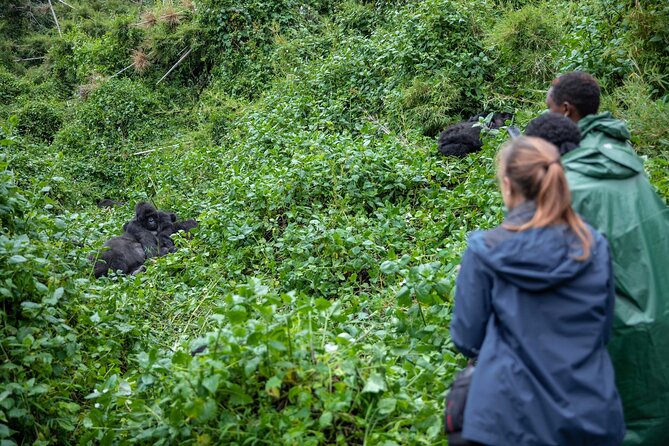
- Kibale Forest chimp trek near Kanyanchu with a good chance to see other primates in the same forest patch
- Bigodi Wetlands Sanctuary walk geared toward birding, including Great Blue Turaco and Papyrus Gonolek
- Bwindi gorilla briefing at the park headquarters with dos and don’ts before you start moving
- One-hour gorilla viewing time after the trek, then you head back out through guided trails
- Lake Bunyonyi canoeing and local interaction as a gentler end to the trip
- Permits and park-activity tickets included (chimp and gorilla permits, plus key sanctuary/lake activities)
Why this 5-day primate route works: Kibale to Bwindi to Bunyonyi
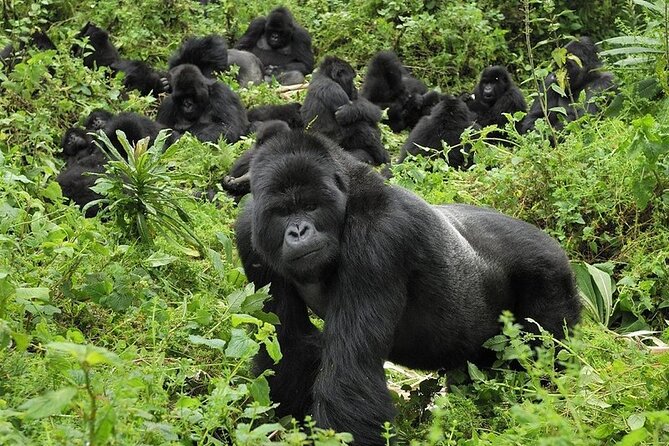
This itinerary is a smart Uganda primer if your main goal is primates. Kibale Forest is your chimp base, Bwindi is your gorilla destination, and Lake Bunyonyi gives you a break from constant tracking. The spacing matters: you get an intense wildlife day, then you shift environments so you don’t burn out in the same kind of routine.
The best part is how the forests pay you back in different ways. Kibale tends to reward you with lots of primate variety in a single day. Bwindi, on the other hand, is about one big target: mountain gorillas, found through a careful trek and guided rules that keep you and the gorillas safe.
And yes, Bwindi takes work. But the payoffs are specific: the briefing, the trek into dense undergrowth, and then the one-hour window once the group is located.
You can also read our reviews of more tours and experiences in Kampala.
Getting to Uganda: Kampala pickup and Entebbe airport arrival
Your trip starts smoothly, which is not small in Uganda. You get pickup from Kampala hotels or from Entebbe International Airport when you arrive. That means you’re not scrambling to arrange transport while your energy is running low after flights.
Then you travel west toward Kibale, with a lunch stop around Fort Portal. After that, you arrive in time to ease into the evening with dinner and an overnight stay at your lodge.
The practical takeaway: plan for travel time that eats into your first day. Even with pickup included, you’ll still want a relaxed approach on Day 1. The goal is to arrive rested enough to handle the early wake-up that comes next.
Kibale Forest: chimp trekking near Kanyanchu and the other primates you might see
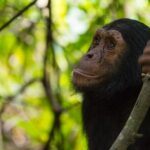
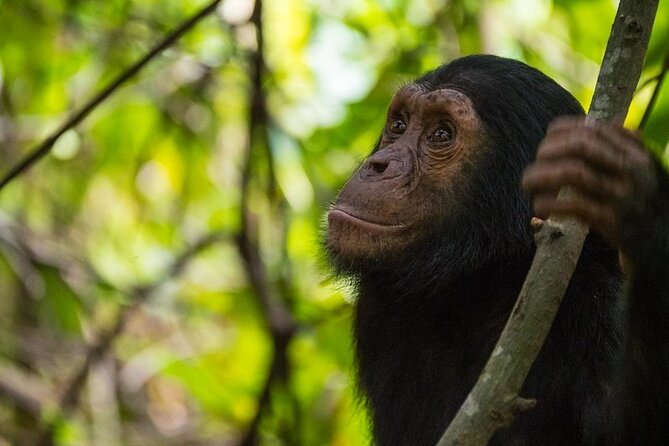
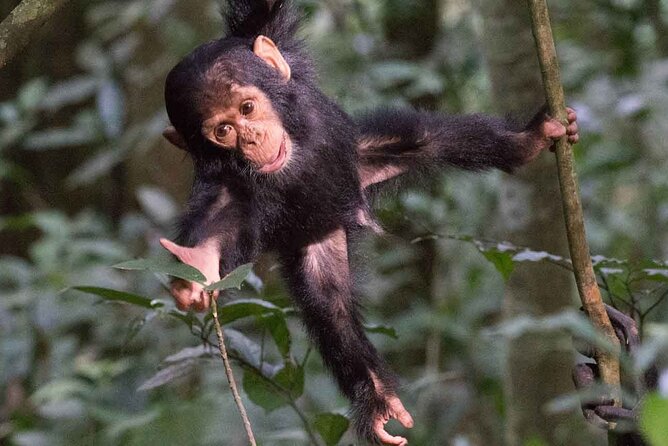
Kibale is where you earn your chimp moment. You’ll rise early and start tracking near Kanyanchu. The trek can take about half a day, and it’s not a guaranteed straight line. You’ll follow your guide’s directions and watch for movement high in the canopy and along forest edges.
What I like about Kibale is the bonus wildlife. Even if your main mission is chimps, you might also encounter other primates while you’re in the same general area. Depending on conditions, that can include golden monkey and L’Hoest monkey, plus baboons, white-and-black colobus, grey checked mangabey, red colobus, and blue monkeys. Even when chimps are quiet, the forest doesn’t feel empty.
Kibale can also surprise you with less-common forest animals. The trip notes forest elephants (different from the common type), giant forest hogs, and a striking mix of tree species. You don’t have to “tick every box” for this day to feel like it delivered.
A useful expectation to set: your guide will be scanning constantly and adjusting. So bring patience. Chimp trekking is as much about reading the forest as it is about spotting a specific animal.
Bigodi Wetlands Sanctuary: birding time with Great Blue Turaco and Papyrus Gonolek
After the chimp trek day, you shift gears to Bigodi Wetlands Sanctuary. This is guided nature walk time, built for slower observation and birding. It’s a nice contrast after the focus and intensity of tracking primates.
The big draw is birdlife. You can spot Great Blue Turaco and Papyrus Gonolek, and the area is known for a wide range of species—137 species is specifically noted. If you like butterflies, this is also where you’ll likely have your camera out for them too.
This is also a mentally helpful transition day segment. You’re still in wildlife territory, but the pacing is calmer. The walk is about two hours, then you return for dinner and your overnight stay.
My practical advice: treat this like a photo and listening session. Keep your eyes up for birds, but also scan the vegetation edges. Many sightings come from small movements rather than dramatic action.
Crossing into Bwindi: why the gorilla forest feels different
When you head from Kibale toward Bwindi Impenetrable Forest National Park, the “feel” changes. Bwindi is known for its dense, steep, forested terrain, and your day-to-day experience reflects that.
You’ll have lunch en route and then check in to your lodge for dinner and overnight. This night matters. Gorilla trekking starts early, and you want real rest—not just “close your eyes and hope.”
One thing to remember: Bwindi is half of the remaining mountain gorilla population in the world. That doesn’t mean you’ll see gorillas instantly. It means the park is a major stronghold, and the trekking system is built around careful searching with strict rules.
So, take the drive seriously. It’s not just transit. It’s your lead-in day.
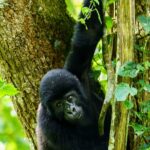
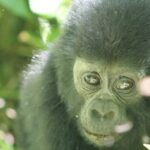
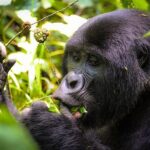
Gorilla trekking in Bwindi: briefing, thick undergrowth, and one-hour viewing
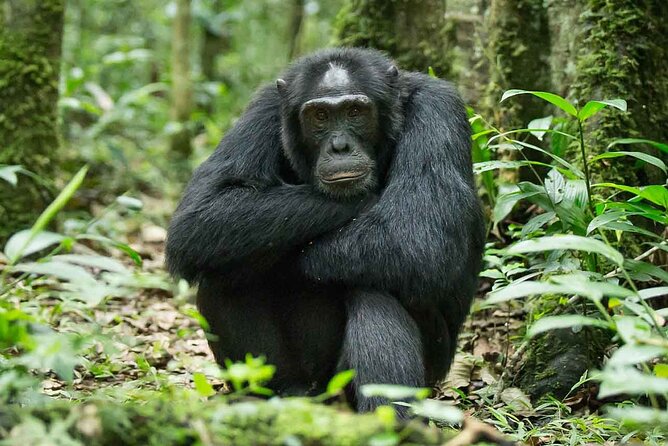
Gorilla day is organized on purpose. You’ll have an early breakfast, then drive to the park headquarters for registration and a gorilla trekking briefing. This is where the dos and don’ts are explained, and it’s not just bureaucracy. Those rules protect you and the gorillas during a close encounter.
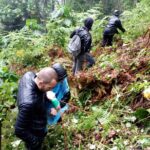
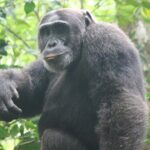
Once the briefing is done, you join your guides and start trekking through thick creepers and undergrowth. The time can vary widely—anywhere from half an hour to three quarters of the day. That range is normal because where the gorillas are and how the trail conditions work matter more than your schedule.
Bwindi’s trails help, but it’s still physical. The forest is incredibly dense, yet crisscrossed by animal trails that allow access to tourists. While you’re searching, you might see other primates, birds, and rare tree species. That’s a real perk: even the “search time” can be meaningful.
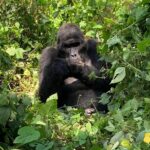
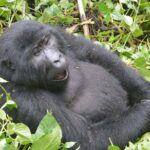
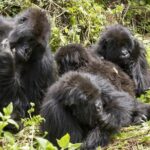
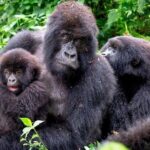
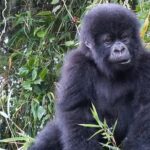
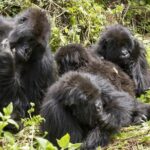
When you finally find the gorillas, you get one hour with them. That one-hour block is the emotional anchor of the trip. Then you trek back to the park headquarters.
Practical tip: wear the kind of boots and clothes you trust in mud and undergrowth. Also plan to stay flexible with your timing. Gorilla tracking is controlled chaos in the best way.
Lake Bunyonyi finish: canoeing, photos, and islands with local interaction
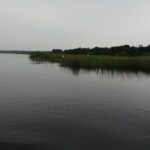
After the intense forest days, Lake Bunyonyi is a welcome reset. In the afternoon you transfer to the lake area, described as Uganda’s deepest and dotted with islands. It’s a totally different mood from Bwindi.
Day 5 adds a canoeing activity. You’ll take photos of the lake, and you’ll interact with locals as part of the outing. It’s the kind of ending that helps your brain digest what you just did in the gorilla and chimp forests.
This is also where you’ll feel the value of having a plan that isn’t just back-to-back trekking. You still get nature and scenery, but in a calmer format that lets you enjoy the experience without worrying about another briefing or long search.
Price and value: what $2,350 covers and what you’ll still pay for
At $2,350 per person, the headline number looks big—until you break down what’s included. This safari covers chimpanzee permits and gorilla trekking permits, plus accommodation and all fees and taxes. Meals are also included: breakfast (4), dinner (4), and lunch (5). That matters because in Uganda, permits and park-related costs can change the real cost more than hotels do.
You’re also getting pickup offered from Kampala or Entebbe airport arrival, plus drop-off back to Kampala or Entebbe (or the airport). And since it’s private, you’re not sharing the whole experience with an unknown crowd.
What’s not included is also clear: visa and international flights. So your true budget needs those line items too. If you’re coming from outside Africa, international flights can be the biggest variable, while the core safari portion is already accounted for.
My take on value: this price makes sense if you want both chimps and gorillas in one tight plan with permits handled for you. If you’re the type who hates logistics and wants guided access to the parks, you’ll appreciate what’s built in here.
Guide quality, safety, and pace on forest days
A trekking safari lives and dies by the guide. That’s where this trip’s reputation shines. Guides like Robert, Ariyo Timothy, Dan, and Joram have been praised for being on time, friendly, and great companions—plus good at keeping you steady when conditions are slow or tiring. Joram, in particular, is noted for patience even when English was limited, which is a real comfort on days when you need instructions clearly.
Safety comes first in the gorilla briefing: the dos and don’ts are given before you enter the situation. Your job is to follow the rules and stay calm. Your guide’s job is to position you correctly and interpret what you’re seeing in dense vegetation.
Pacing is another reality check. Chimp trekking can be about half a day. Gorilla trekking can stretch from 30 minutes to up to 3/4 of a day depending on where the animals move. If you have a moderate fitness level, you’ll be fine with the walking and steep terrain, but you should plan on earning the sightings.
If you’re sensitive to early mornings, mentally prepare for that. Early wake-ups come with prime wildlife windows.
Who this trip suits best (and who might want a gentler version)
This works best for active travelers who want maximum primate time with minimal self-planning. If you love wildlife photography, guided interpretation, and the excitement of locating animals rather than just viewing them from afar, you’ll enjoy it.
It also fits couples and small groups who value privacy. Since it’s private and only your group participates, you get the attention you’d want on days with complicated rules like gorilla treks.
It may be less ideal if you can’t handle steep, dense forest trekking or if you strongly prefer predictable walking durations. Gorilla tracking time can vary, and the environment is physically demanding.
For families: if everyone in your group truly has a moderate fitness level and can follow instructions calmly in the forest, it can still work. But it’s not a stroller-friendly style trip, even if the overall program is organized.
Should you book this 5-day gorilla and chimpanzee safari?
If your priority is seeing both chimps and gorillas on one trip, this plan is a strong match. The value is in the included permits, the guided forest access, and the way the itinerary balances intensity with a calmer finish on Lake Bunyonyi.
Book it if you’re ready for early starts and thick-forest trekking. The more patient you are with the searching process, the more you’ll enjoy the actual moments when the animals appear.
Skip it if you want a relaxed sightseeing itinerary with very short walking days. This is a trekking safari, and the forest will set the pace.
FAQ
FAQ
What permits are included?
Chimpanzee permits and gorilla trekking permits are included.
What does the tour include for meals and lodging?
Accommodation is included, along with breakfast (4), dinner (4), and lunch (5).
Where do the chimp and gorilla treks happen?
Chimp trekking is in Kibale National Park. Gorilla trekking is in Bwindi Impenetrable National Park.
Are park activities like Bigodi and Lake Bunyonyi included?
Bigodi Wetlands Sanctuary nature walk is included, and the Lake Bunyonyi canoeing activity is included.
Is pickup included?
Yes. Pickup is offered from your hotel in Kampala or from Entebbe International Airport on arrival.
What is not included in the price?
Visa and international flights are not included.
How long is the trek day for gorillas?
Gorilla trekking can take from half a day to up to three quarters of the day, depending on where the gorillas are found. After you find them, you spend one hour with the gorillas.
Is this a private tour or shared group?
This is a private tour/activity, and only your group will participate.