REVIEW · KATHMANDU
Manaslu Circuit Trek 15 Days.
Book on Viator →Operated by Beyond The Limits Treks & Expedition P ltd · Bookable on Viator
This trek hits the sweet spot between hard and beautiful. You’ll walk through Manaslu country, meet Tibetan-influenced villages, and test your legs at Larkya La Pass (5167m)—all while the trip organizer handles the paperwork and day-to-day moving parts.
I particularly like the way the company pairs you with an experienced guide and porter support. From client stories naming guides like Kumar Neupane, Dipendra, Jaya Gurung, and DB, the common theme is clear: you get explanations that calm nerves, plus safety-first decision-making on the trail.
The second thing I like is simple: value that shows up in the details. Permits are included (ACAP, MCAP, and the Manaslu Special Permit), you get a Kathmandu hotel with breakfast, and your trek meals are largely covered (breakfast 15, lunch 13, dinner 13).
One consideration: this is high-altitude trekking with a real pass day. You’ll want a moderate fitness level and a head for cold, thin air, especially around the Larkya La section. The trip also depends on decent weather, so plan for possible schedule changes if conditions are bad.
In This Review
- Key highlights worth your attention
- Manaslu’s quiet draw: why this circuit feels different
- Price and what you’re actually buying for $1,395
- Kathmandu starts strong: Thamel, Royal Suite, and a real orientation
- Arughat to Soti Khola: your first taste of trekking rhythm
- Machha Khola to Khola Bensi and Jagat: bridges, gravel, and early effort
- Jagat to Deng: river-hopping scenery and big mountain sightlines
- Namrung, pastures, and the shift toward alpine terrain
- Sho and Lho: Tibetan villages and the calmer kind of awe
- Rest day that actually helps: base camp ideas and confidence building
- Samdo and Dharmasala: forests thin, air thins, and the border feeling starts
- The Larkya La Pass day: where the trek becomes real
- Tilje to Dharapani: you drop altitude and the trip relaxes
- Lodges, meals, and the part you’ll actually remember
- Guide and porter support: why this shows up in real comfort
- Weather, Plan B, and the part no one controls
- Who this trek suits best (and who should think twice)
- My take: should you book the Manaslu Circuit?
- FAQ
- What does the Manaslu Circuit trek include for accommodations and meals?
- Is airport pickup and drop-off included?
- How high is the highest point on the trek?
- Are trekking permits included?
- What kind of guide and support do you get?
- Are Kathmandu meals included?
- What transport is provided during the trek?
- What’s the trip duration?
- Is this a private tour?
- What are the main things not included?
- What happens if weather is bad?
Key highlights worth your attention
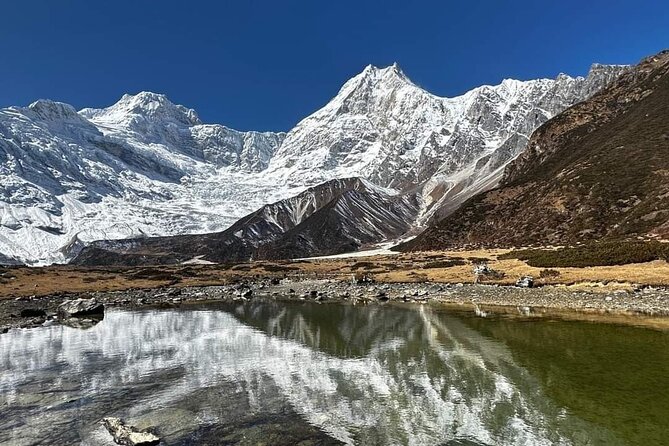
- Larkya La Pass (5167m) is the main event, with snow-rock travel and serious views
- Permits handled up front: ACAP, MCAP, and Manaslu Special Permit included
- Guides named by past trekkers (Kumar Neupane, Dipendra, Jaya Gurung, DB) with safety focus
- Tibetan culture in Sho and Lho, including monasteries, mani walls, and chortens
- Acclimatization built in, including a full rest day you can turn into a hike
- Meals and lodging largely included, with the mountain portion taking care of breakfast/lunch/dinner
Manaslu’s quiet draw: why this circuit feels different
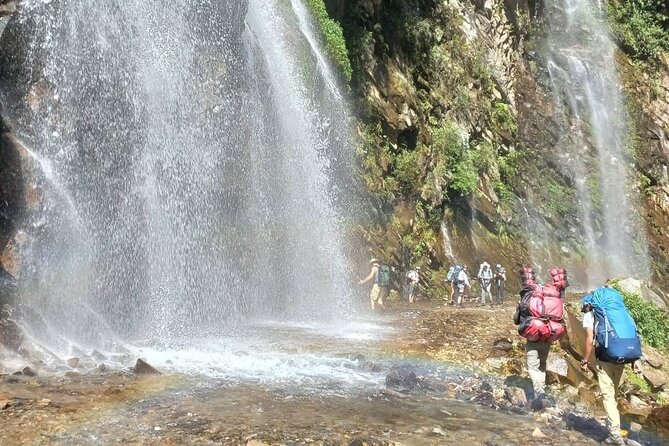
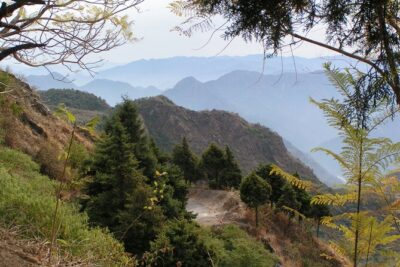
Manaslu is the kind of trekking region that doesn’t try to be everything to everyone. It feels more local. More lived-in. And the route works like a long, steady lesson in Nepal’s mountain worlds—rivers in the lower valleys, forests as you climb, then the Tibetan-influenced feel as you get higher and closer to the borderlands.
The big marketing point is that it’s an alternative to the busiest classics. What matters for you, though, is the vibe: you trade crowds for patience. You walk long enough to notice villages changing, not just scenery flashing by. That slow burn payoff is why a Manaslu circuit often becomes a favorite itinerary type for people who like their adventures a little less staged.
And yes, you’ll still get a serious summit-style day without claiming you’re doing anything casual. Larkya La Pass is the moment that turns the trek from scenic walking into a true mountain challenge. The trek is built to get you there with a mix of gradual altitude gain, culture stops, and a dedicated acclimatization day.
You can also read our reviews of more tours and experiences in Kathmandu.
Price and what you’re actually buying for $1,395
At $1,395 per person, this package isn’t about bargain-basement trekking. It’s priced like a managed trek: guides, porter support, permits, transport between key locations, and most meals/lodging included.
Here’s what that means in practical terms:
- Permits are included: ACAP, MCAP, and the Manaslu Special Permit. This is the kind of cost and paperwork that can derail DIY plans.
- Lodging and meals are mostly handled: the package includes 12 nights in mountain and 3 nights in Kathmandu, plus trek meals (breakfast 15; lunch 13; dinner 13) and breakfast during the Kathmandu hotel stay.
- Transport is arranged: you’ll use bus/jeep transfers on the approach and on the exit day. You’re not hunting rides or renegotiating schedules at the last minute.
- Guide support is built in: a government-licensed trekking guide is included, and a porter is provided between two clients (so it’s not zero support, and it’s not a personal porter-by-default setup either).
What you should budget extra for (because this package is clear about it): drinks and snacks during the trek aren’t included, and tips for the guide/porter are not included. Also, meals in Kathmandu are not part of the package beyond what’s covered by the included breakfast.
If you want a smooth, low-stress trek where you spend your energy on walking and acclimatizing—not organizing paperwork and logistics—this price can feel fair. If you’d rather micromanage everything yourself, you’ll see fewer “value wins.”
Kathmandu starts strong: Thamel, Royal Suite, and a real orientation
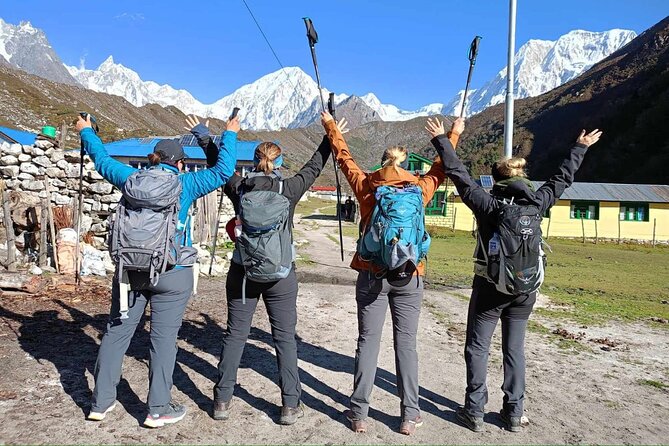
Day 1 begins with an easy landing experience: you’re met at Tribhuvan International Airport and transferred to Kathmandu. The stop in Thamel is more than a tourist-friendly area. It’s where you can get your bearings, pick up any last items, and let the staff brief you on the itinerary in a way that helps you mentally map the trek.
You’ll stay at Royal suite Kathmandu with bed and breakfast. That matters because after arrival, you’ll likely want one calm night before committing to long travel days. A proper breakfast setup also helps you start Day 2 without rushing.
A small detail I appreciate here is the fact that your itinerary gets explained early. Multiple client stories mention guides who explain the plan clearly, which means less guesswork later when the trail turns confusing or altitude changes your mood.
Arughat to Soti Khola: your first taste of trekking rhythm
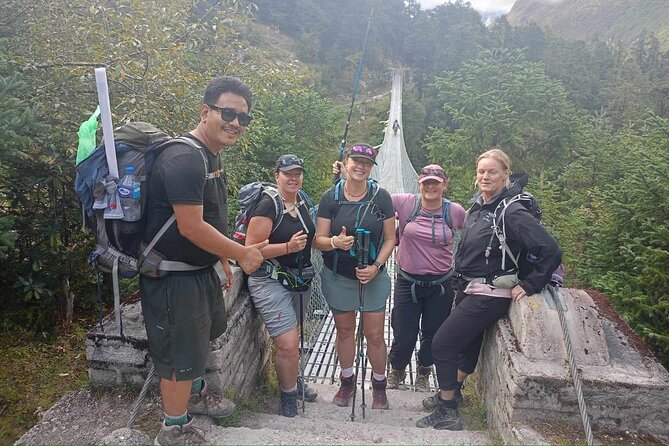
On Day 2 you leave Kathmandu early (around 6:30am) for the lower Gorkha region. You drive to Arughat Bazaar, then switch to a local jeep to reach Soti Khola and stay overnight in a lodge.
What you’re really doing this day is resetting your body and timeline. The drive is part of the experience—Nepal doesn’t do “instant mountains.” But you’re also buying yourself something important: time to adjust your walking pace before altitude starts climbing in earnest.
Why this start works: it sets a routine—breakfast, start moving, lodge at day’s end—so you aren’t building the rhythm while also doing big altitude effort.
Machha Khola to Khola Bensi and Jagat: bridges, gravel, and early effort
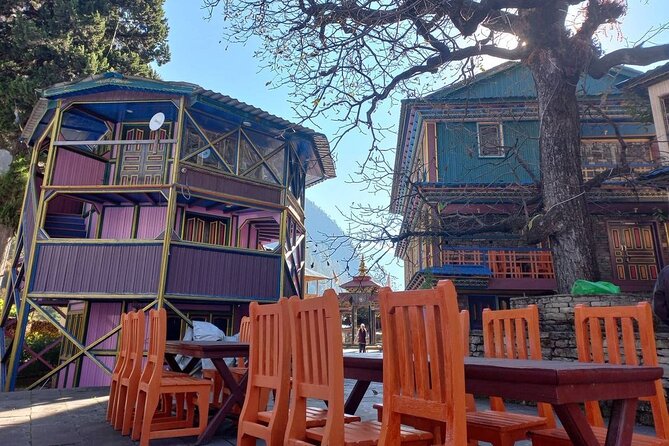
Day 3 heads to Machha Khola by bus, then Day 4 carries you through Khola Bensi, Tatopani, and onward toward Jagat. This is where the trail starts giving you those classic circuit moments: suspension bridges, river crossings, and sections that can feel more like careful hiking than pretty strolling.
Even the route notes hint at why Day 4 can feel tough: you’ll deal with a challenging trail, then extensive gravel beds, plus multiple transitions over suspension bridges. For your body, this is good training. For your mind, it’s a reminder that the circuit isn’t just “views and vibes.” You’ll need good footing and calm patience.
Practical takeaway: if you’re prone to speeding up early, this section is a good place to practice steady pacing. It’s also a place where trekking shoes with grip matter.
Jagat to Deng: river-hopping scenery and big mountain sightlines
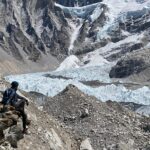
Day 5 is a longer walking day (around 7 hours). You move from Jagat toward Film and then up and down through varied terrain, including places where you can capture views like Sringi Himal and Ganesh Himal as you pass river-adjacent sections and village pockets like Saguleri, Gata Khola, and Deng.
I like days like this because they teach you something: the circuit’s drama doesn’t always appear as one giant peak in your face. Sometimes it’s perspective—seeing how different mountains sit behind valleys and how the river shapes the travel line.
The potential drawback? Longer days add up. If Day 5 feels like a grind, don’t panic. This trek is staged: it gives you time later, including a true acclimatization rest day.
Namrung, pastures, and the shift toward alpine terrain
Day 6 moves you toward Namrung. You’ll trek through alpine terrain with mountain views and pass village areas with pasture. You also cross the Buri Gandaki in the broader walking flow.
This day is about change. The vegetation tends to thin compared to lower valleys, and the air can feel different even before you reach the highest stretches. You’re starting to feel more like you’re traveling through mountain systems rather than valleys.
The best way to handle this mentally is to treat it like a “transition hike.” Don’t force big gains by walking fast. Let the trek climb at its own pace, and use breaks to hydrate.
Sho and Lho: Tibetan villages and the calmer kind of awe
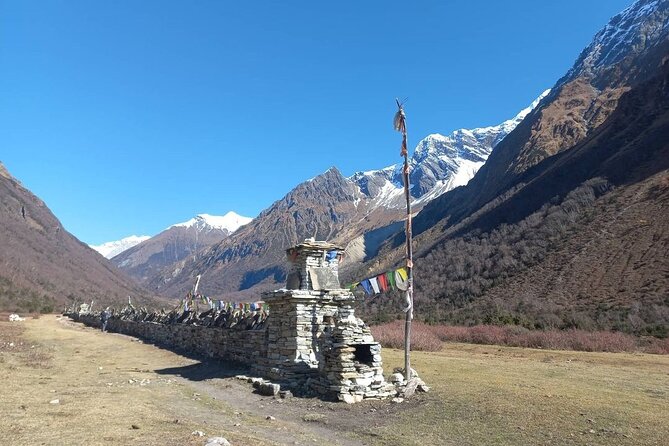
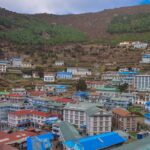
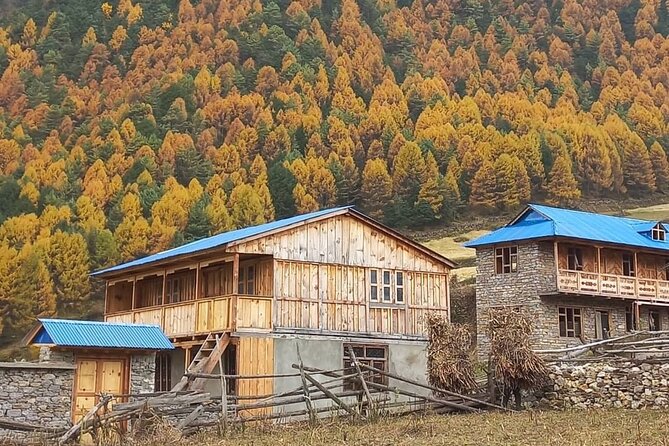
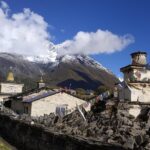
Days 7 and 8 add an important cultural shift. You enter higher alpine areas and reach Tibetan villages—first Sho, then Lho, with monastery sights, mani walls, and chortens.
I love this part of the circuit because it breaks the monotony that some treks create. Yes, you’re hiking. But you’re also reading the region. Religious markers appear more clearly. Village layouts feel different. Even if you don’t know every term, the physical cues make the experience richer.
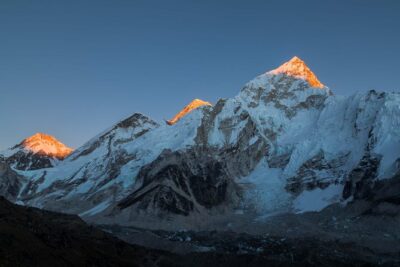
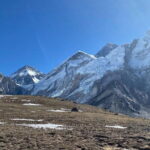
Day 8 includes a route that passes Samagaon and goes through Sho, Lho, and Shyala villages, with big panoramic chances around Mt. Manaslu and other peaks like Himal Chuli and Ngadi Chuli. If weather is clear, this can be one of your most rewarding view days.
Rest day that actually helps: base camp ideas and confidence building
Day 9 is a dedicated acclimatization/rest day. You stay in the village and you can prepare for upcoming difficulty. You can also choose a side hike like Manaslu Base Camp or Punggyen Gompa.
This is where I think the trek pacing is smart. A rest day isn’t just a gift. It’s a buffer that helps you handle the later push toward higher altitudes. It also reduces the mental stress of “Is today going to be the day everything hurts?”
If you do the optional hike, keep it gentle. Think of it as motion plus oxygen practice, not a fitness race.
Samdo and Dharmasala: forests thin, air thins, and the border feeling starts
Day 10 takes you toward Samdo, passing forests of birch, juniper, and rhododendron. You’ll ascend through a more “borderland” landscape and pass under a stone arch, ending near Samdo, where the trekking route division toward the Tibetan border is part of the experience.
Day 11 continues to Dharmasala, with higher altitude and trekking through juniper forests. You’ll pass toward Larke Phedi and stay overnight in lodge.
This section is less about quick thrills and more about steady survival skills: warm layers, careful breathing, and paying attention to how your body responds to altitude. Even if you’re fit, altitude changes the pace of everything.
A good guide really matters here. And based on past stories involving guides like Dipendra and others, the theme is that they watch the group, keep people informed, and adjust decisions when needed.
The Larkya La Pass day: where the trek becomes real
Day 12 is the highlight day. You’ll head toward Larkya La Pass (again, the trek’s high point at 5167m) via gradual ascent through snow enclosed rock and intense pass conditions. Then you descend toward Bimtang.
This is the day where you’ll be glad you had acclimatization built in. It’s also the day where clear weather is everything. Even the best trek plan can’t make harsh conditions comfortable.
What to expect on the ground: altitude plus snow/rock travel typically makes every step feel slower. Cold is real at this height. Your legs will feel different. But the payoff comes in the panoramic view moments along the way—on a good day, you get big glimpses like Kangguru, Himlung, Annapurna II, and Cheo referenced in the route flow.
If you’re someone who likes “one big day” in an itinerary, this is that day. If you’re someone who hates pass days, you still need to respect it. It’s part of what makes the Manaslu circuit worth the effort.
Tilje to Dharapani: you drop altitude and the trip relaxes
Day 13 starts with trekking downward toward Tilje, with forest and pastureland along the way, then arrives at Tilje (a Gurung village). Day 14 continues toward Dharapani and then you transition to the Annapurna Circuit trail before taking a jeep drive to Beshisahar.
I like the structure here: after the hardest pass day, the route shifts toward a calmer rhythm and ends with transport. That final jeep segment matters because it protects you from turning “finished” into “still exhausted.”
Day 15 returns to Kathmandu by jeep, with a drive that follows the bank of the Marsyangdi and Trishuli rivers, then onward travel after the trek package ends.
Lodges, meals, and the part you’ll actually remember
This package includes a lot of meals and night stays. You’ll spend 12 nights in mountain plus 3 nights in Kathmandu, with breakfast in Kathmandu and trek meals throughout the main route.
Based on past client feedback, people have liked the food and the overall experience level—meaning it’s not just about survival calories. When you’re trekking for 15 days, you’ll remember the dinners. You’ll remember warm drinks when the weather turns. You’ll also remember whether meals were timed well enough that you could walk with some energy.
One practical point from the package details: drinks during the trek aren’t included. That means you should budget for tea/coffee and other small costs as you go.
Guide and porter support: why this shows up in real comfort
The biggest “invisible” value in any trek package is how it handles people. A good guide reduces confusion. A calm guide improves safety choices. And porter support reduces physical strain for your group.
Client stories that specifically name guides like Kumar Neupane, Dipendra, Jaya Gurung, and DB highlight a consistent pattern: they were experienced, safety-conscious, and organized, and they explained what you were doing each day. In plain language, that means you spend less time guessing and more time moving.
Also, the porter is provided between two clients. So if you’re traveling with a partner or small group member, you can balance load planning. If you’re traveling solo, you may still benefit from support, but it won’t necessarily be “one porter per person.”
Weather, Plan B, and the part no one controls
The trek requires good weather. If conditions aren’t right, the experience can be canceled and you’ll be offered a different date or a full refund. There’s also free cancellation if you cancel at least 24 hours in advance.
This matters because high altitude plus mountain weather isn’t predictable. Good operators build flexibility into operations. Past experience with this company includes an example of adapting routes when landslides or bad conditions disrupt plans, with the guide making sure people were taken care of and safe.
Who this trek suits best (and who should think twice)
This experience is best for you if:
- You have moderate physical fitness and can handle long walking days.
- You want a managed trek with permits, transport, guide support, and most meals handled.
- You’re interested in both mountains and culture—especially the Tibetan-influenced villages around Sho and Lho.
- You want an alternative to the busiest trekking circuits without giving up the big pass moment.
Think twice if:
- You’re not comfortable with high altitude and cold pass conditions.
- You want zero risk from weather changes (this trek depends on it).
- You’re extremely sensitive to longer walking days like the around-seven-hour segments and the full pass day.
My take: should you book the Manaslu Circuit?
If your goal is a classic high-mountain circuit with less crowd energy, and you want a company that handles permits, guide support, and logistics cleanly, I think this is a solid choice.
I’d book it if you value:
- Experienced guidance that helps you understand each day and stay safe
- A route that mixes culture and altitude
- A package that includes the important stuff like permits and trek meals
I’d hold off if you’re not ready for Larkya La Pass day or if your schedule can’t tolerate weather-related changes.
If you want, tell me your current hiking experience level and whether you’re traveling solo or as a couple. I can help you judge if the 15-day pace and pass day fits your comfort range.
FAQ
What does the Manaslu Circuit trek include for accommodations and meals?
The package includes 3 nights in Kathmandu at Royal suite Kathmandu with bed and breakfast, plus 12 nights in mountain lodges. It also includes breakfast (15), lunch (13), and dinner (13) during the trekking portion.
Is airport pickup and drop-off included?
Yes. The package includes pickup/drop from Tribhuvan International Airport.
How high is the highest point on the trek?
The trek reaches Larkya La Pass at 5167 meters.
Are trekking permits included?
Yes. All permits for the trek are included, including ACAP, MCAP, and the Manaslu Special Permit.
What kind of guide and support do you get?
A government license holder trekking guide is included. A porter is also included between two clients.
Are Kathmandu meals included?
Meals in Kathmandu are not included in the package details, aside from the bed and breakfast coverage at the Kathmandu hotel.
What transport is provided during the trek?
Ground transportation is included via bus/jeep on the approach and exit days (with jeeps used for parts of the route including the Beshisahar segment).
What’s the trip duration?
The duration is listed as 15 days (approx.).
Is this a private tour?
Yes. It’s listed as a private tour/activity, with only your group participating.
What are the main things not included?
Not included are personal expenses, international air fare, meals in Kathmandu, and all drinks during the trek. Tips for the guide and porter are also not included.
What happens if weather is bad?
The experience requires good weather. If canceled due to poor weather, you’ll be offered a different date or a full refund.