REVIEW · SAPA
Sapa Valley Trek and Homestay – 3D2N
Book on Viator →Operated by Trekking Tour Sapa · Bookable on Viator
Sapa trekking meets real village life. What makes this Sapa Valley Trek and Homestay stand out is the mix of village walks plus rice terraces, with real time with ethnic communities like the Giay and Red Dao. I especially like the chance for a simple homestay welcome in Ta Van, including a hot shower and dinners that feel local rather than staged.
The only real caution: this is a trekking route with moderate uphill and longer walking days, so you’ll want solid shoes and a pace that doesn’t rush you. Think slippery sections and altitude-style fatigue, even if it’s doable for an average traveler with planning.
I also like how the trip stays small (max 15) and culture-forward. Guides from the local minority communities—people like SoSo, Ly, May, Dom, Sush, and Mae—tend to explain what you’re seeing and help adjust effort on tougher stretches.
In This Review
- Key Highlights
- Mapping Your Route: How This Trek Builds Real Sapa Views
- Day 1: Y Linh Ho to Ta Van Village With a Homestay Reset
- Day 2: Giang Ta Chai Waterfalls and the Ban Ho Village Area
- Day 3: Tay Culture in Traditional Houses and Nam Tong Village
- What You Get Included: Meals, Entry Fees, Guide, and the Homestay Setup
- The Guide Factor: Why SoSo, Ly, May, Dom, and Sush Matter
- Trek Reality Check: Distance, Footing, and What Moderate Fitness Means
- Price and Value: Is $170 Worth It for 3D2N in Sapa?
- Who This Trek Suits Best (and Who Might Want a Different Option)
- Should You Book This Sapa Valley Trek and Homestay 3D2N?
- FAQ
- FAQ
- What time does the tour start and where do I meet?
- How long is the Sapa Valley Trek and Homestay?
- How many nights do I stay in a homestay?
- Which villages and communities does the itinerary include?
- What’s included in the price?
- What is not included?
- Is pickup available or do I need to get to the start point myself?
- Is there free cancellation?
- How big is the group?
Key Highlights
- Five village stops across Giay, Hmong, and Red Dao (plus other nearby community areas)
- Ta Van homestay night with a hot shower, set meals, and a family-style welcome
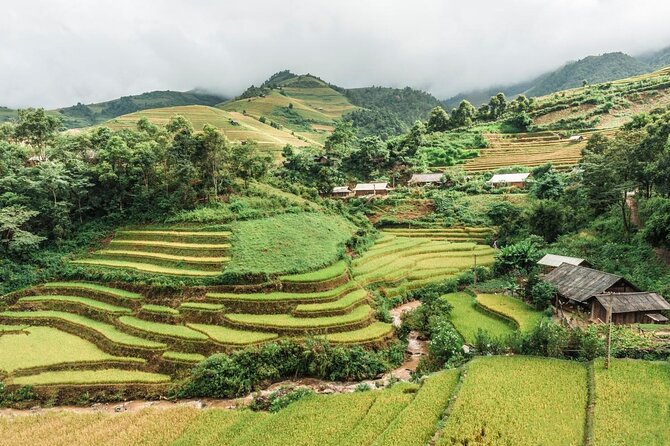
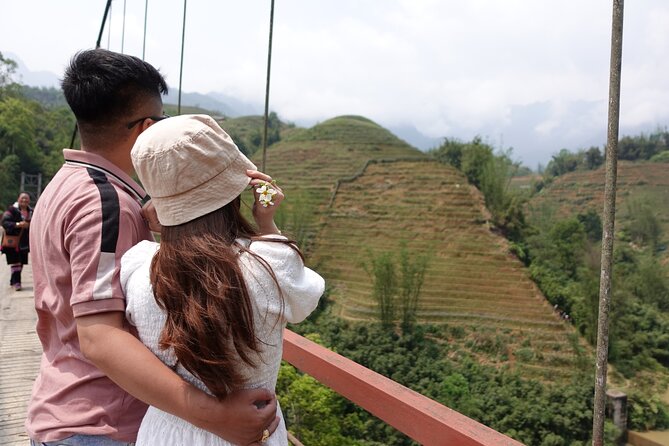
- Rice fields + big valley views, including famous terrace areas you’ll walk through
- Waterfall time on Day 2 during the walk up toward Giang Ta Chai
- Small group feel (up to 15), with guides who help on slippery tracks
Mapping Your Route: How This Trek Builds Real Sapa Views
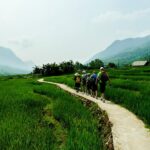
This 3D2N format is designed so you’re not just doing one village, snapping a few pictures, and heading back. Instead, you move through multiple communities over three days, so you get a better sense of how people live across the valley—terraces, paths, and hamlets spread along the mountain slopes.
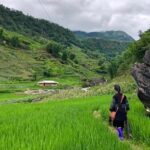
A big value point for me is that your day includes both scenery and learning moments. You’ll see rice terrace fields, mountain views, and river/valley scenery, but you’ll also get explanations tied to daily life: how houses get built, how people work the fields, and what traditions mean. Even if your Vietnamese is limited, a good guide turns the walk into a story you can follow.
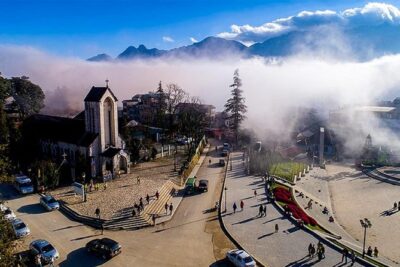
One more practical advantage: you start at 9:00 am at Sapa Church, and you end back at the same meeting point. That makes the timing easier to plug into a broader Sapa plan, especially if you’re pairing this with Fansipan or a separate town evening.
Day 1: Y Linh Ho to Ta Van Village With a Homestay Reset
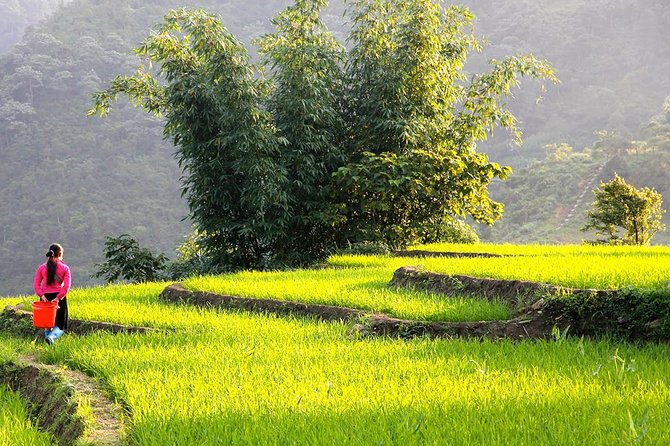
Day 1 starts with a morning meet-up in Sapa—either at your hotel in Sapa Town or in front of the local main church. After a quick introduction, you head downhill for the first village visit around Y Linh Ho, with an admission ticket included.
Y Linh Ho is a classic start because it gets you onto the walking path early, and it helps you feel the shape of the valley—how villages connect with the roads below and the trails above. You’re not only observing; you’re moving, so you’ll notice how quickly the environment changes as you walk.
After the first stop, you continue toward Ta Van Village, home of the Giay community. This is where the day shifts from sightseeing to daily-life rhythm. Your local host family welcomes you, and you get time to rest—this matters more than it sounds. After a trekking day, having time to reset before dinner keeps the vibe relaxed rather than rushed.
You’ll also have a hot shower in Ta Van and then get ready for dinner. That’s one of the smartest parts of the itinerary: it helps you actually enjoy the next day instead of starting Day 2 half-recovered.
Day 2: Giang Ta Chai Waterfalls and the Ban Ho Village Area
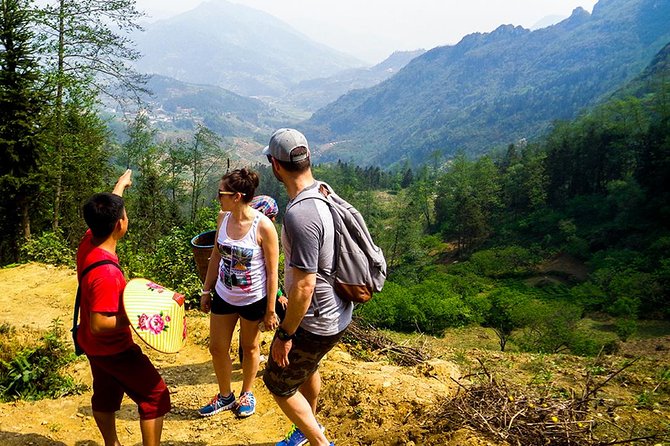
Day 2 begins with a homestay-style morning. You start with breakfast, then have time to look around the area around your homestay—plus nearby rice fields—before heading uphill again. This morning segment is a calm lead-in that makes the later climb feel less sudden.
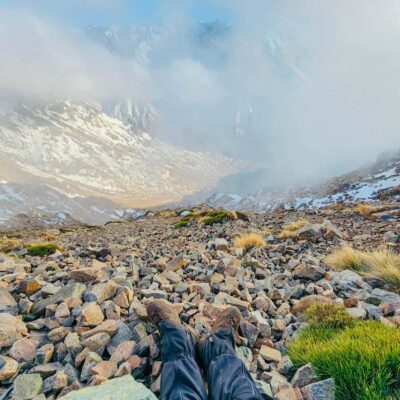
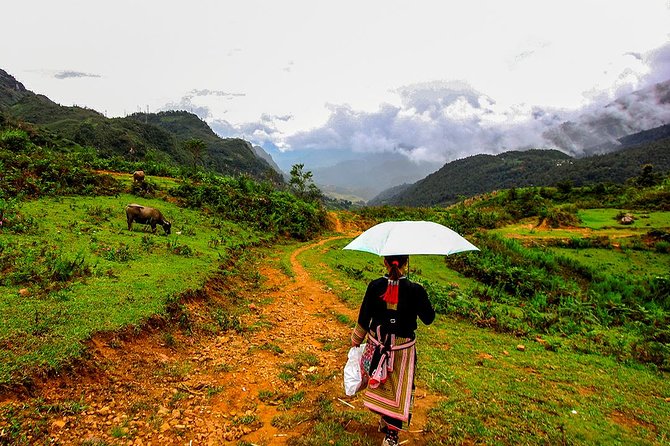
You’ll then walk toward Giang Ta Chai Village, including a trek up into the mountains toward waterfalls. If you like the moment when weather, clouds, and sound change as you approach water, you’ll probably enjoy this section. It’s also a good day to watch your footing, because hillside paths can get slick depending on conditions.
After the break, the itinerary moves toward the Ban Ho Village area, with a route that goes through community regions connected to the Black Hmong group before reaching Ban Ho. Here you’ll meet multiple ethnic communities listed in the itinerary description—Red Dao, Tay, and others—so this day gives you a wider cultural mix than a single village stop.
One thing I really value on a day like this is the balance. You’re not just walking to a view. You’re walking between communities that maintain distinct identities, and your guide explains the differences you’re seeing in everyday life—work routines, homes, and customs—so the walk feels purposeful.
Day 3: Tay Culture in Traditional Houses and Nam Tong Village
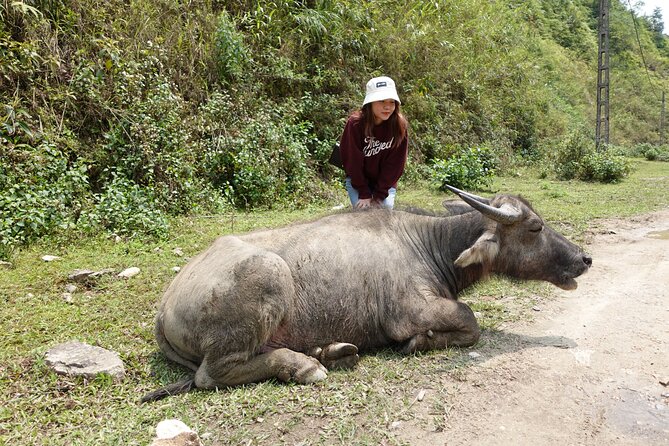
After breakfast on Day 3, you head to Ban Ho Village again for a cultural focus. This is where the trip leans into homes and community life: you’ll visit traditional houses and learn about Tay culture. House visits are often the most “real” part of Sapa village trips because you can compare what you see against what you’ve grown up with—construction style, layout, and how space supports daily routines.
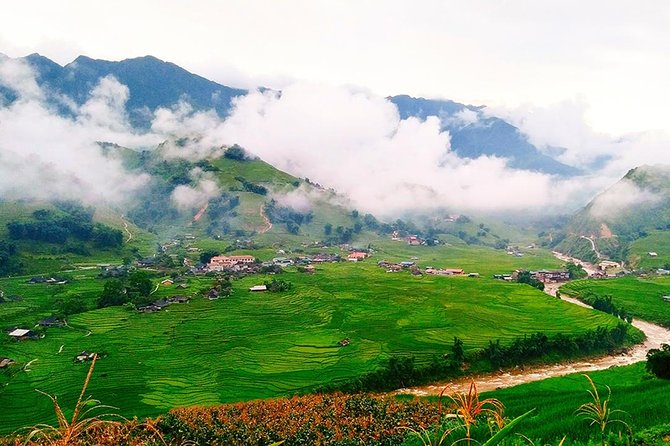
From Ban Ho, the itinerary continues to Nam Tong Village. This portion tends to feel more scenic because the walk connections reveal the valley’s structure—how terraced plots, streams, and paths line up across the mountainside. Even if you’re not chasing photos, the views help you connect the dots between days.
By the end of Day 3, you return back to Sapa after the tour ends, and you’re brought back to the same meeting point. That keeps the ending simple: no complicated extra transfers if you’re trying to make dinner plans in town.
What You Get Included: Meals, Entry Fees, Guide, and the Homestay Setup
This tour keeps things practical with a strong set of inclusions. You get:
- Village entry fees
- Accommodation: 1 night in a homestay
- Local guide
- Meals: Lunch (3), Breakfast (2), Dinner (2)
- Transport back to Sapa after the trek
- 1 big bottle of water per person
Those meal counts matter because trekking days can be hard to manage on your own. Having lunches and dinners included means you won’t spend your energy hunting for food after long walks. It also helps you stay on pace; you’re less likely to lose time waiting for restaurants that might not be close together.
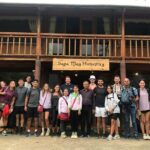
Homestay expectations are usually “simple but functional,” and the reviews you shared line up with that. People describe homestays as cosy and clean, with what they needed. A hot shower in Ta Van is specifically mentioned, and that alone can change how you feel about the whole trip.
One caution: extra drinks at the homestay are not included. The tour data lists extra drinks like bottled water or beer as not included, and tips are also your choice.
The Guide Factor: Why SoSo, Ly, May, Dom, and Sush Matter
This tour is capped at 15 travelers, which is a good sign for your experience. Smaller groups usually mean you’re not stuck waiting while the slowest hikers get re-aligned, and your guide can actually check in on how everyone’s doing.
The reviews you provided repeatedly highlight guides who explain both culture and practical things on the route. Guides named in the feedback include SoSo, Ly, May, Dom, Sush, and Mae—all described as friendly, helpful, and attentive. One helpful pattern shows up in the comments: guides support people on difficult or slippery tracks, and they adjust the difficulty depending on how you feel.
You’ll also get cultural context in human terms, not just facts. The tour description mentions things like Hmong marriage traditions, rice fields, house-building techniques, and more. That’s the difference between seeing a village and understanding what you’re seeing while you walk.
If you care about interaction (not just observation), you may also like the kinds of add-ons guests reported, like hands-on cooking moments such as making fried spring rolls. Those details depend on timing and the homestay, but the tone is consistent: the trip invites you into everyday rhythms when possible.
Trek Reality Check: Distance, Footing, and What Moderate Fitness Means
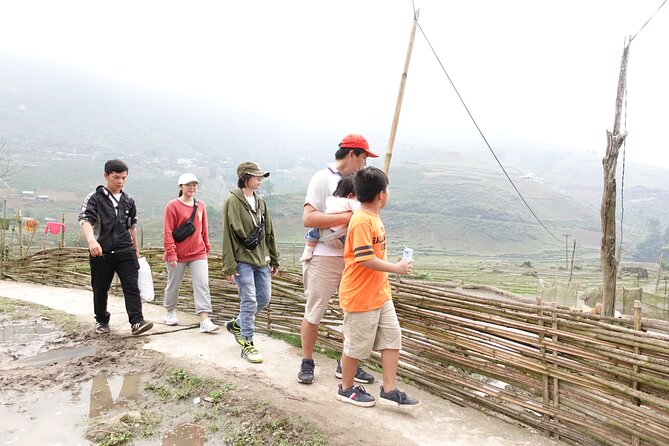
This isn’t a gentle stroll. The route includes uphill segments (especially on Day 2) and long walking days, with a note that it’s for travelers with moderate physical fitness. That matches what you want to hear before paying money: the trip is feasible for an average person, but you should take it seriously.
Here’s how to plan:
- Wear shoes with grip. Slippery tracks happen on mountain paths.
- Bring layers, because mountain weather can shift as you move through valleys and up toward waterfalls.
- Pace yourself early, especially Day 2, so Day 3 feels enjoyable instead of punishing.
If you’re traveling with kids or you’re an active adult, the key is managing expectations. People with trekking experience have described longer distances as doable, but they still emphasize the effort. So: start Day 1 with a comfortable pace and you’ll likely enjoy the whole rhythm.
Price and Value: Is $170 Worth It for 3D2N in Sapa?
At $170 per person for about 3 days, this is not the cheapest option in Sapa—but it’s also not trying to be a budget transfer. The value comes from the package design: you’re paying for the guide, the homestay night, meals, village entry fees, and the return transport to Sapa.
To judge value, look at what you’d otherwise have to solve yourself:
- You’d need a guide for multiple villages and cross-community navigation.
- You’d need to organize homestay lodging for 1 night.
- You’d need transport back to Sapa.
- You’d have to budget meals for trekking days.
- You’d have to handle village entry costs.
Since those items are included, the price mostly buys you reduced hassle and better flow. Also, the small group limit (max 15) helps keep the experience closer to a guided walk than a busy bus tour.
If you’re the type who wants to save money by DIY’ing routes and homestays, this might not be your best match. If you want low-stress logistics with real village walking, it’s a fair deal.
Who This Trek Suits Best (and Who Might Want a Different Option)
This tour is ideal if you want:
- Cultural village walking across multiple ethnic communities (Hmong, Giay, Red Dao, plus Tay areas)
- Rice terraces and mountain valley views as part of the route, not a one-stop photo moment
- A homestay experience in Ta Van with a hot shower and set meals
- A small group with a guide who can explain what you’re seeing and help on tougher sections
It’s less ideal if you need a fully relaxing experience with minimal walking, or if you’re avoiding any uphill trekking. The trip notes moderate physical fitness, and the route descriptions suggest it’s more active than casual.
Should You Book This Sapa Valley Trek and Homestay 3D2N?
Book it if you want an organized trek that mixes five village stops, rice fields, and a homestay night in Ta Van, with meals and a local guide handled for you. With guides like SoSo, Ly, May, Dom, and Sush showing up in the experience feedback, you’re likely to get both explanation and practical help on the trail.
Skip or consider a different style if you’re expecting an easy walk with lots of free time. This is a trekking route, and your comfort will depend on your willingness to walk uphill and manage slippery footing.
Also, because the experience depends on weather, you’ll want some flexibility in your Sapa dates.
FAQ
FAQ
What time does the tour start and where do I meet?
The tour starts at 9:00 am. The meeting point is Sapa Church on Hàm Rồng Street in Sapa.
How long is the Sapa Valley Trek and Homestay?
It runs for about 3 days (3D2N).
How many nights do I stay in a homestay?
You stay in a homestay for 1 night.
Which villages and communities does the itinerary include?
The tour visits five village stops, including Y Linh Ho and Ta Van (Giay minority). It also includes Giang Ta Chai, Ban Ho (with Red Dao and Tay mentioned), and Nam Tong.
What’s included in the price?
Included are village entry fees, the 1-night homestay, a local guide, lunch (3), breakfast (2), dinner (2), transport back to Sapa after the trek ends, and 1 big bottle of water per person.
What is not included?
Personal travel insurance, extra drinks at the homestay, and tips are not included.
Is pickup available or do I need to get to the start point myself?
Pickup is offered. The stated meeting points include either your hotel in Sapa Town or in front of the local main church, with the main start at Sapa Church.
Is there free cancellation?
Yes. You can cancel up to 24 hours in advance for a full refund.
How big is the group?
The tour has a maximum of 15 travelers.