Mustang tests your legs and rewards your eyes. This 16-day private Upper Mustang trek takes you through the Mustang region, with Muktinath as a major highlight, plus Tibetan-influenced culture along the way.
What I like most is the pace: you’re not rushing. You walk about 4–6 hours a day, visit old monasteries, and spend time in local cultural towns that feel lived-in.
The only real catch is physical effort. You’ll want moderate fitness, since some days will likely feel closer to 6 hours than 4—especially at higher elevation.
In This Review
- Key Things You’ll Notice On This Upper Mustang Trek
- Upper Mustang: Why This Trek Feels Different
- The Route Plan: Jomsom to Kagbeni to Upper Mustang (What the Walking Really Means)
- Muktinath: The Sacred Stop That Adds Weight to the Trek
- Monasteries and Local Towns: More Than Just Stops
- Day-to-Day Tempo: How to Handle 4–6 Hours of Trekking
- Meals and Comfort: What’s Included (and What You Must Plan For)
- Private Tour Value: Pickup Offered and Only Your Group
- Price and Value: Is $2,205 for 16 Days Fair?
- Weather Reality: Mustang Needs Good Conditions
- Who Should Book This Upper Mustang Trek
- Should You Book? My Practical Take
- FAQ
- How long is the Upper Mustang Trek?
- Where does the trek start and what route does it follow?
- How long do you walk each day?
- What cultural or religious sights are included?
- Are meals included?
- Is WiFi available during the trip?
- Is bottled water included?
- Is soda/pop included?
- Is this a private tour?
- What happens if there’s bad weather?
Key Things You’ll Notice On This Upper Mustang Trek
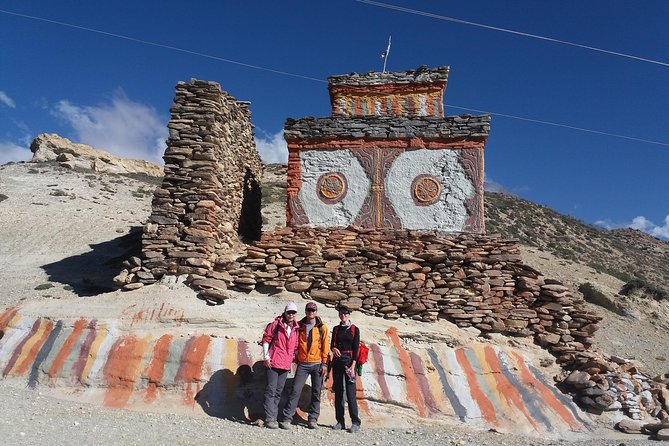
- Jomsom to Kagbeni to Upper Mustang: a classic route through Mustang’s cultural corridor.
- Daily 4–6 hour walking: enough time to see places slowly, without turning it into an all-day grind.
- Old monasteries and cultural towns: you’ll connect the scenery to real religious and village life.
- Muktinath included: a spiritual destination that adds meaning to the trek.
- Private group + pickup offered: calmer logistics since it’s only your group.
- Meals handled, but water isn’t: breakfast, lunch, and dinners are included—plan ahead for bottled water.
Upper Mustang: Why This Trek Feels Different
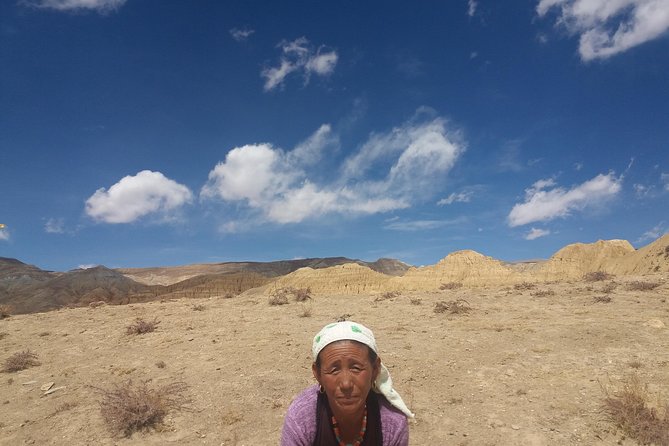
Upper Mustang has a way of pulling you out of the usual Nepal trail routine. Instead of a one-note hiking experience, you get a route that connects religion, daily village rhythms, and a distinctly Tibetan-flavored atmosphere. You’re also seeing the broader Mustang region rather than only one narrow hiking corridor.
From a practical point of view, the trek is built around steady movement. You start in the Jomsom area and gradually work your way through Kagbeni toward Upper Mustang, spending your days walking and your time at stops with monasteries and towns. That structure matters. It means your days feel purposeful, not random, and you’re not constantly transferring from one setting to another without context.
This trek also makes a lot of sense if you care about cultural stops. The itinerary explicitly includes old monasteries and local cultural towns, so your time on the trail isn’t only about reaching a destination—it’s also about understanding what you’re passing.
You can also read our reviews of more tours and experiences in Kathmandu.
The Route Plan: Jomsom to Kagbeni to Upper Mustang (What the Walking Really Means)
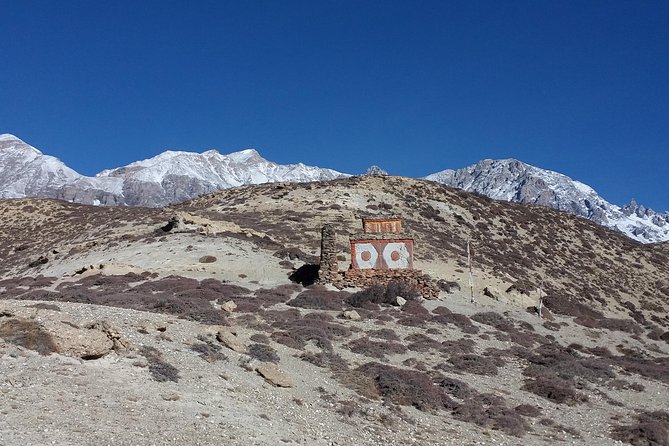
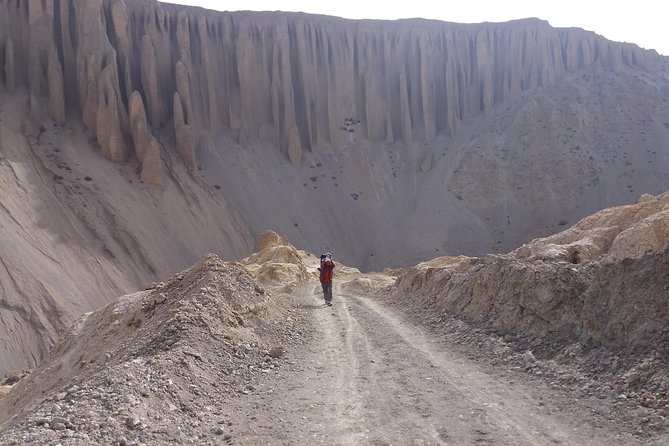
Your trek begins with walking from Jomsom, then continues via Kagbeni into Upper Mustang. Each day is designed for around 4–6 hours of walking, depending on conditions and the day’s plan.
That 4–6 hour range is a sweet spot for a lot of people. It’s long enough that you’ll feel like you earned the journey, but it still leaves room to slow down at stops—especially when you’re visiting older religious sites or cultural towns. When a trek stays in this zone, you can also better manage energy for the next day.
Here’s how to think about Kagbeni and Upper Mustang in your mind as you go:
- Kagbeni works like a cultural waypoint. It’s the kind of place where you see how the region lives, not just how it looks.
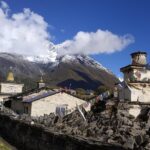
- Upper Mustang is the destination zone—where the Tibetan cultural influence and monastery visits become the center of gravity.
One consideration: because the trek time shifts day to day, you’ll want flexibility in your schedule and mindset. If you plan for 4 hours mentally, a day that trends toward 6 hours can feel like a surprise. Train lightly, pace smartly, and keep a steady rhythm.
Muktinath: The Sacred Stop That Adds Weight to the Trek
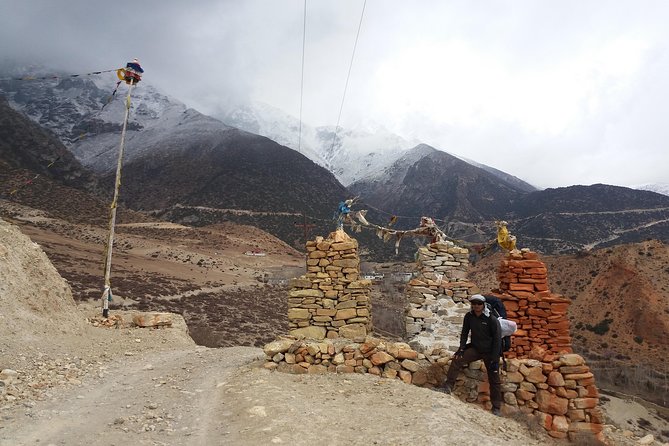
Muktinath is explicitly part of this experience, and that matters more than it sounds. When a trek includes a major sacred site, your route stops being just a physical challenge. It becomes a pilgrimage-style journey, where the destinations are tied to belief and tradition.
In Mustang, religious sites are not isolated photo stops. They’re connected to the broader culture you pass through each day. That means Muktinath can help you tie everything together: the monasteries you visit, the towns you move through, and the overall Tibetan-influenced feel of the region.
If you’re the type of traveler who likes meaning behind the miles, you’ll appreciate having Muktinath built into the trek. If you only care about distance and views, it’s still a standout because it shifts the mood from “hike mode” to “witness mode.”
Monasteries and Local Towns: More Than Just Stops
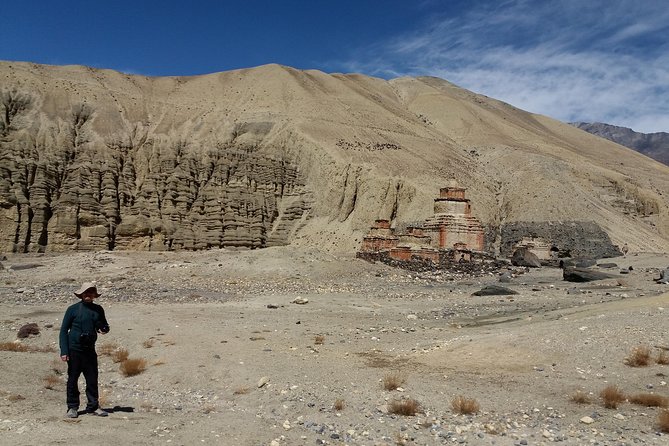
This itinerary includes visits to old monasteries and local cultural towns during the trek. That’s a key difference between a trek that feels like a corridor and one that feels like a place you’re actually traveling through.
Monasteries give you structure to the cultural story. They also tend to slow you down naturally—because you’ll want to look closely, ask questions when appropriate, and notice details that you’d otherwise pass by quickly.
Local towns are where that cultural story becomes practical. You can see how daily life fits into the geography. Even if you don’t speak the language, you’ll pick up signals from routine: where people gather, how spaces are used, and what types of buildings and religious practices are common in everyday life.
Practical tip: bring a little patience for these segments. The most rewarding moments often happen after the initial photos, when you’re standing still long enough to take in how the place functions.
Day-to-Day Tempo: How to Handle 4–6 Hours of Trekking
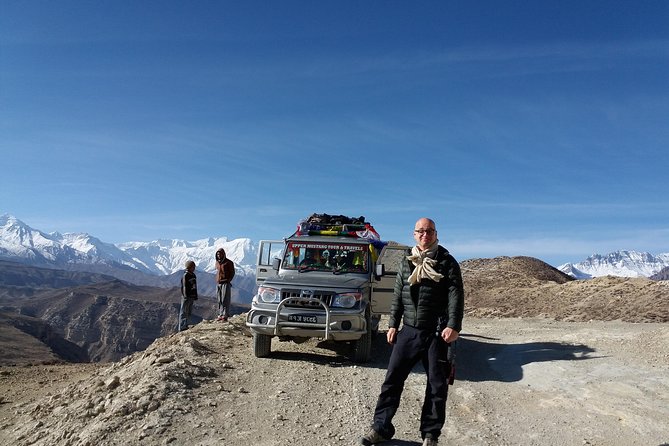
This trek is listed as roughly 16 days (approx.), with 4–6 hours walking per day. That daily window is a real factor in how enjoyable this becomes for you.
To enjoy a trek like this, you need more than raw stamina. You need smart pacing. Many travelers overestimate how long the hiking will feel and underestimate how much small climbs, descents, and altitude-related effort can tax you.
So aim for consistency:
- Start each walking day with a steady pace, not a sprint.
- Give yourself room to slow down at monastery and town stops.
- Keep your plan flexible, because the trek duration is explicitly dependent on the day.
Also, you should take the moderate fitness requirement seriously. If you’re comfortable with day hikes at home, but only on weekends, this is where you’ll want to build a little more regular walking beforehand.
Meals and Comfort: What’s Included (and What You Must Plan For)
Meals are one of the clearer value points here:
- Breakfast is provided every day.
- Lunch is included during the trek.
- Dinner is included during the trek, plus welcome/farewell dinner in Kathmandu.
That’s helpful because the trek removes a chunk of daily decision-making. You won’t be wondering where your next meal will come from or trying to manage meal costs on the fly.
Now the small-but-important part:
- Bottled water is not included.
- WiFi on board is not included.
- Soda/Pop is not included.
So treat bottled water as your responsibility. Plan to carry what you need and follow whatever water guidance your trek team gives you. And yes, it’s a WiFi-free environment. If you’re hoping to work daily or stream everything, this trek will force you to unplug. Many people love that. If you don’t, you’ll at least appreciate having a clear expectation.
Private Tour Value: Pickup Offered and Only Your Group
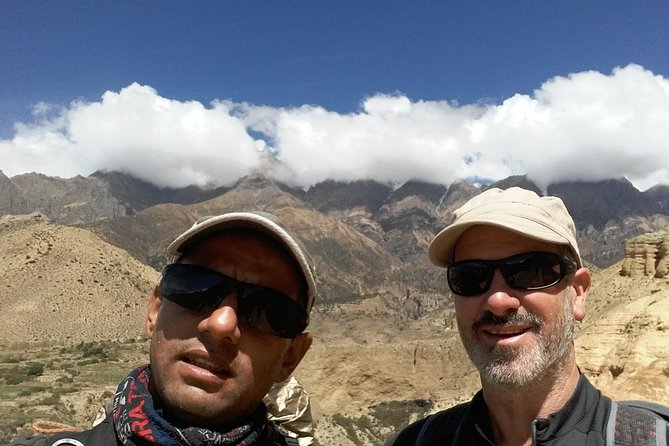
This is a private tour/activity, so only your group participates. That changes the feel of the trek immediately. You’re not cycling through shared-group decision points or being shaped by other people’s pace and preferences.
It also includes pickup offered in Kathmandu and a mobile ticket, which helps reduce small hassles like printing and last-minute confusion. Those details seem minor until you’re tired at the end of a travel day and just want the process to be smooth.
A private format is a particularly good fit if you:
- want a quieter, more personal cultural experience,
- have a specific pace need,
- or simply dislike the back-and-forth that comes with larger group travel.
Price and Value: Is $2,205 for 16 Days Fair?
At $2,205.13 per person for about 16 days, you’re paying for more than a route. You’re paying for guided trekking structure, daily meals, and the private-group setup.
Here’s the value math based on what’s explicitly included:
- You get three meals daily on trek days (breakfast + lunch + dinner).
- You also get welcome and farewell dinners in Kathmandu.
- The experience runs as a guided private activity, meaning you’re not arranging the whole sequence yourself.
What’s not included also affects your real cost:
- bottled water,
- WiFi,
- soda/pop.
So yes, it’s not a bargain price. But if you add up what guided multi-day trekking costs when you factor in meals and a private format, it starts to look more reasonable.
The best way to judge value for yourself: think about how much you want to outsource planning. If you’d rather spend your energy enjoying the trek instead of coordinating logistics, this price can feel fair.
Weather Reality: Mustang Needs Good Conditions
The experience notes a weather requirement: it needs good weather. If it’s canceled due to poor weather, you’ll be offered a different date or a full refund.
That’s important because Upper Mustang can be sensitive to conditions. It also means you should book with a mindset of flexibility. If you’re the type who hates schedule shifts at any cost, you may find the weather dependency stressful.
If you can handle the possibility of a date change, this kind of trek becomes more enjoyable, because you’re trusting the team to keep the experience safe and workable.
Who Should Book This Upper Mustang Trek
This trek is well suited to travelers who want:
- Tibetan culture and monastery visits, not just hiking miles,
- a daily pace around 4–6 hours, and
- a route that covers the Mustang region, including Muktinath.
It also fits groups that enjoy a private format. The “only your group participates” setup tends to create an easier flow, especially when you’re stopping for cultural sites.
If you’re chasing a very fast, athletic summit-style adventure with long days, you might find this slower than what you expect. If you want a balanced walking rhythm plus culture, it’s a strong match.
Should You Book? My Practical Take
If you want Upper Mustang in a structured, guided format, I think this is a strong choice—especially because the essentials are covered. You get daily meals, a clear walking rhythm, and the cultural content is part of the design, not an optional extra.
I’d book it if:
- you’re comfortable with moderate fitness and 4–6 hour walking days,
- you care about monasteries, cultural towns, and Tibetan influence,
- and you like the idea of a private group trek from start to finish.
I’d think twice if:
- you need dependable WiFi and regular soda-style comfort,
- you’re not ready to plan for bottled water,
- or you get stressed by weather-driven schedule changes.
In Mustang, the payoff is the mix of moving through real places and spending time with the culture behind them. This trek is built for exactly that.
FAQ
How long is the Upper Mustang Trek?
It’s listed as 16 days (approx.).
Where does the trek start and what route does it follow?
You walk starting from Jomsom, then via Kagbeni into Upper Mustang.
How long do you walk each day?
You’ll walk about 4–6 hours per day, depending on the day.
What cultural or religious sights are included?
The trek includes visits to old monasteries and local cultural towns, plus the region includes Muktinath.
Are meals included?
Yes. Breakfast is included every day, lunch is included during the trek, and dinner is included during the trek. There are also welcome and farewell dinners in Kathmandu.
Is WiFi available during the trip?
No, WiFi on board is not included.
Is bottled water included?
No. Bottled water is not included.
Is soda/pop included?
No. Soda/Pop is not included.
Is this a private tour?
Yes. It’s a private tour/activity, and only your group will participate.
What happens if there’s bad weather?
This experience requires good weather. If it’s canceled due to poor weather, you’ll be offered a different date or a full refund. Also, it is listed as non-refundable and cannot be changed for any reason.