REVIEW · KATHMANDU
Kanchenjunga Circuit Trek
Book on Viator →Operated by Mount Advenutre Holidays · Bookable on Viator
A remote Nepal circuit, built for quiet highs. I like the way this trek targets Pangpema base camp around 5,100–5,143m and makes it feel structured without crowd noise. I also like that you travel with a government-licensed English-speaking guide and get a lot handled for you on logistics and permits. One drawback: you’re looking at big altitude from the start, plus a long, remote route where you’ll really notice slow days at higher elevation.
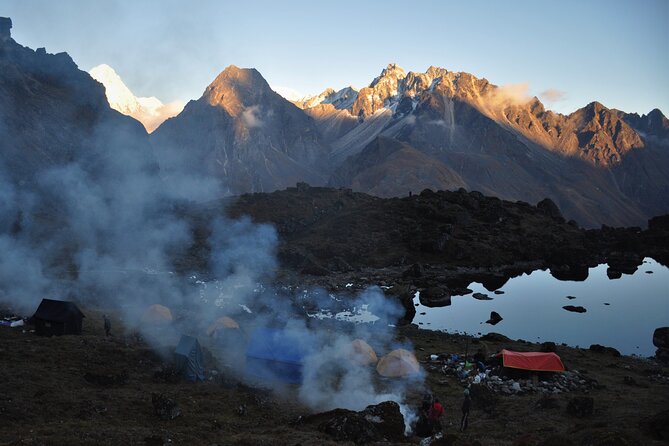
You’ll move from forests and ethnic villages into harsher high-country terrain, with chances for wildlife sightings and dramatic mountain views. You’ll also get a real sense of remoteness—this isn’t the kind of trail built for selfies and quick photos. Think steady effort, good camp routine, and a gradual climb toward the Kanchenjunga region’s most memorable passes and base camp areas.
In This Review
- Key Things That Make This Trek Worth Your Time
- From Tribhuvan Airport to Suketar: Starting at 2,420m
- Forest Valleys to Cheram: Your Acclimatization Anchor
- Yalung Base Camp and Selela Pass: High Country Payoff
- Ghunsa to Kambachen to Lhonak: Settlements Before the Big Base Camp
- Pangpema Base Camp Overnight at 5,143m: The Moment You Came For
- Descent Through Amjilosa, Chirwa, and Phurumbu to Suketar
- Price of $3,000: What You’re Actually Paying For
- Guides, Food, and Private Group Pace
- Wildlife, Forests, and Big Mountain Views (When Weather Plays Nice)
- Who Should Book the Kanchenjunga Circuit (and Who Should Pause)
- Should You Book Mount Adventure Holidays for This Circuit Trek?
- FAQ
- How long is the Kanchenjunga Circuit Trek?
- Where do we start, and what time?
- How high does the trek go?
- What meals are included during the trek?
- Are permits and conservation fees covered?
- Do I need to bring my own guide?
- What trekking gear is provided?
- Is a porter included?
- Is free cancellation available?
Key Things That Make This Trek Worth Your Time
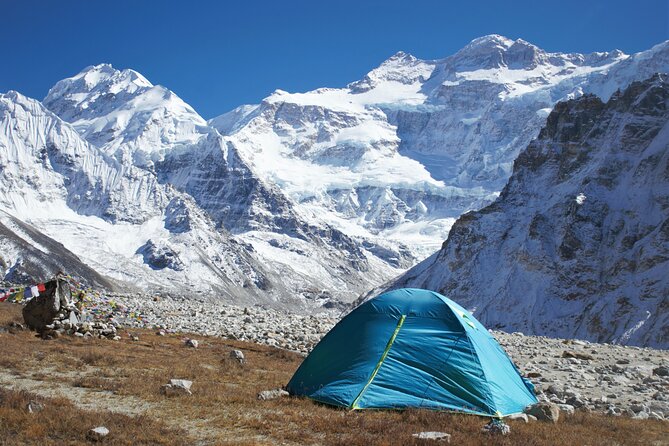
- Pangpema base camp at extreme altitude: The trek reaches the high base camp area and includes an overnight around 5,143m.
- Selela Pass and high passes on route: Expect long days of walking as you gain elevation toward major viewpoints.
- Village culture through multiple ethnic communities: You’ll pass communities such as Rai and Limbu as the trail threads through settlements.
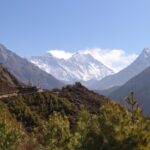
- Long-range mountain views: You’ll see big names like Makalu, Jannu, and Everest from the Kanchenjunga region route.
- Acclimatization built into the schedule: There’s a dedicated rest/acclimatization day at Cheram.
- Gear and support included (most of it): Down jacket + sleeping arrangements during the trek are provided, plus permits, map, and a first aid kit.
From Tribhuvan Airport to Suketar: Starting at 2,420m
The trek begins with a morning plan that’s simple: you meet at Tribhuvan Airport around 7:15am, then fly to Suketar (2,420m). That jump matters. You start hiking already above town altitude, so you’ll want to take the first couple days easy and let your breathing settle before you start pushing pace.
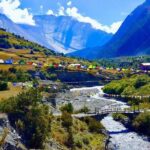
From Suketar, the trail drops into the kind of valley scenery you get in Nepal’s far east—wooded patches, small settlements, and a steady walking rhythm rather than constant steep grind. You trek to Lalikha on Day 1. The next days keep things moving with gradual elevation changes: Lalikharka to Khesewa (~2,120m) and then Khesewa to Mamankhe (~1,785m).
I like the way that early up-and-down feel works for your body. You’re not just marching upward in a straight line; you’re learning how the trail changes with elevation. Still, don’t treat “lower altitude” days as easy. Legs feel different when you’re carrying the same mental load and hiking hours.
You can also read our reviews of more tours and experiences in Kathmandu.
Forest Valleys to Cheram: Your Acclimatization Anchor
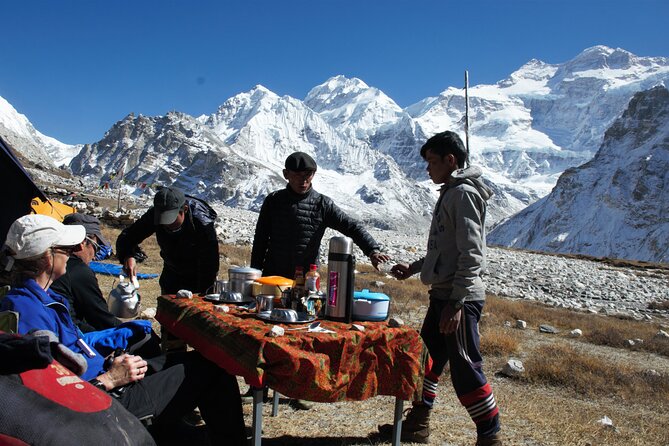
After Mamankhe, the trek heads back upward toward the higher trail system with stops like Yamphudin (~2,080m) and Tortong (~2,995m). By the time you reach Cheram (~3,870m), you’re deep in high-mountain walking territory.
Here’s one of the most important schedule choices: Cheram includes an acclimatization and rest day. That day isn’t “free time” so much as “body work.” You’re giving yourself the best shot at handling what comes next—higher camps, longer high viewpoints, and days where weather can tighten your timeline.
Then the trek climbs again to Ramchaur / Ramche (~4,580m). This is where the circuit starts to feel serious in a way that’s hard to copy in a shorter trek. You’ll likely notice slower steps and quicker fatigue—not because something is wrong, but because altitude changes the math of hiking.
Yalung Base Camp and Selela Pass: High Country Payoff
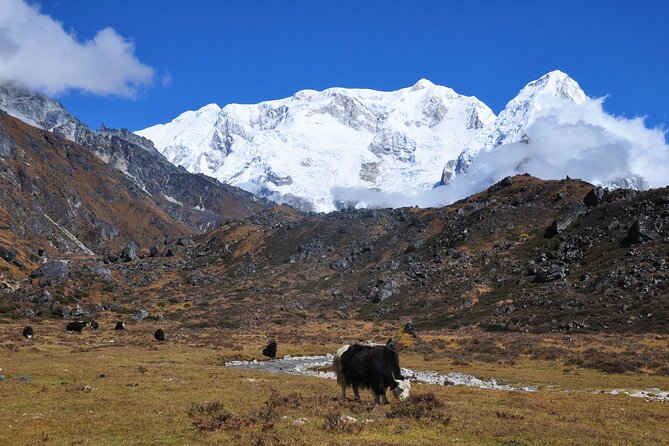
From Ramche, you head toward Yalung Base Camp (~4,500m) and return to Cheram. This is a classic style of trek day: you’re not just reaching a camp; you’re getting a destination that feels like a milestone. If you enjoy the sense of earning a view, this kind of day delivers.
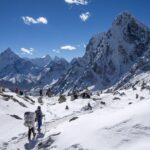
Then you push toward Sele La / Selela Pass (~4,290m). This is the part of the route where the scenery shifts from “forest and villages” to “more exposed terrain and harsher conditions.” You’ll want a steady layer system and a calm pace. Big pass days can feel long, even when the distance isn’t extreme.
Also keep the broader trek context in mind: the route includes a pass like Mirgin-La (~4,725m) on the higher-country sweep of the Kanchenjunga region. You’re moving through areas that link multiple mountain zones, and the views can be stunning when weather cooperates. When they don’t, you’ll still have that quiet, remote “we’re in the mountains for real” feeling.
Ghunsa to Kambachen to Lhonak: Settlements Before the Big Base Camp
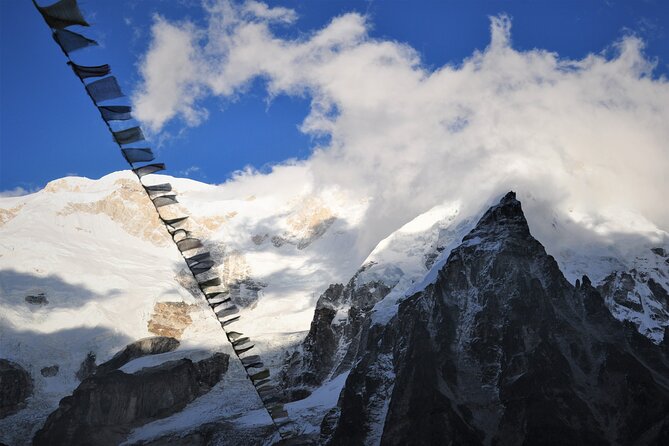
After the pass area, the trek settles into a rhythm of high villages and staging points. You go from Sele La to Ghunsa (~3,595m), then from Ghunsa to Kambachen (~4,050m), and then Kambachen to Lhonak (~4,780m).
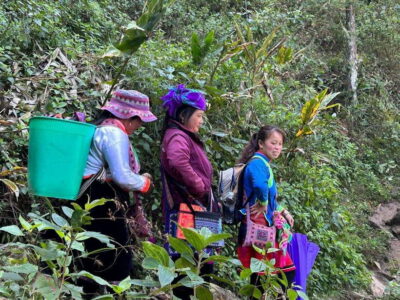
This phase is valuable for two reasons. First, the altitude keeps rising, but not in one massive jump. Second, you get a clearer sense of daily life as the trail threads through settlements. The region’s ethnic communities show up through the way the trail is used and how local life holds together even as the mountains dominate everything around it.
If you’re someone who likes meeting people and watching how routines work at altitude, this stretch can be a favorite. It’s also where weather management becomes part of your day: start early, keep moving safely, and don’t rely on perfect conditions.
Pangpema Base Camp Overnight at 5,143m: The Moment You Came For
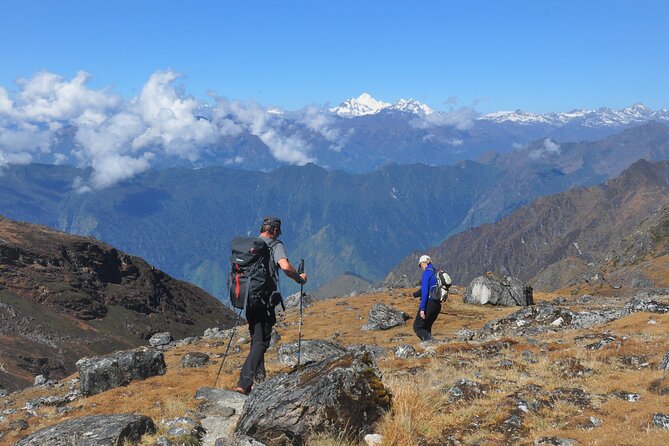
Then comes the climax: Kanchenjunga base camp time, including an overnight at Pang Pema (~5,143m). This is the part that tends to stick with people. You’re high enough that even small activities feel like work.
The way the circuit handles it is practical. You reach the base camp area, then return down the next day. The next segment is Pangpema to Lhonak, then Lhonak back to Ghunsa (~3,475m). That back-and-forth matters: it lets you recover while still giving you that “yes, I reached it” experience rather than only a distant viewpoint from a lower camp.
I’d treat this phase like a check-in on your body, not just your destination list. Hydration, sleep, and pacing are everything here. You’ll likely feel the altitude most on the day you’re highest, but you’ll also feel it in subtle ways the day after—like why you move slower or why you want to sit a little longer at camp.
Descent Through Amjilosa, Chirwa, and Phurumbu to Suketar
After Ghunsa, you continue the circuit down through Amjilosa (~2,308m) and then further into lower terrain: Chirwa (~1,270m) and Phurumbu (~1,549m). This is where your legs start to feel more human again, and your mind starts to loosen around the edges.
Still, descent isn’t automatically easy. Going down can stress knees and create a different kind of tired. On the plus side, lower areas often bring clearer chances to regroup mentally. You’re also more likely to feel the contrast between the forested lower regions and the stark high trail you’ve already climbed.
Finally, you finish with Phurumbu to Suketar, then fly back to Kathmandu. That last day can feel surreal if you’ve been living on the mountain’s schedule for weeks. Suddenly you’re back in Nepal’s urban air after living in cold, thin air for a long time.
Price of $3,000: What You’re Actually Paying For
At $3,000 per person for about 21 days, the price isn’t just for walking. It covers a bundle of costs that can add up fast on remote treks:
What’s included
- Airport/hotel pickup and drop-off by private vehicle in Kathmandu
- Kathmandu hotel stays with breakfast
- Three times meals during the trek
- A government-licensed experienced English-speaking guide
- Kanchenjunga permit and conservation fee
- All government taxes
- One trekking map per person
- First aid kit
- Seasonal fresh fruit
- Down jacket and sleeping for the trek (refundable after)
- Mobile ticket is part of the setup
What’s not included
- International airfare and Nepal visa fees
- Travel and medical insurance, plus emergency evacuation
- Personal expenses (snacks, hot showers, drinks, laundry, calls, and similar)
- Meals and accommodation in Kathmandu if you return early or have late departures
- Porter service (available but extra cost)
In plain terms: you’re paying for high-altitude logistics, permits, a guide, meals, and key gear support—less for the “view” and more for the structure that keeps the trek moving safely. If you’ve ever tried to cobble these pieces together yourself in a remote Himalayan region, you know why this kind of all-in package can be good value.
Guides, Food, and Private Group Pace
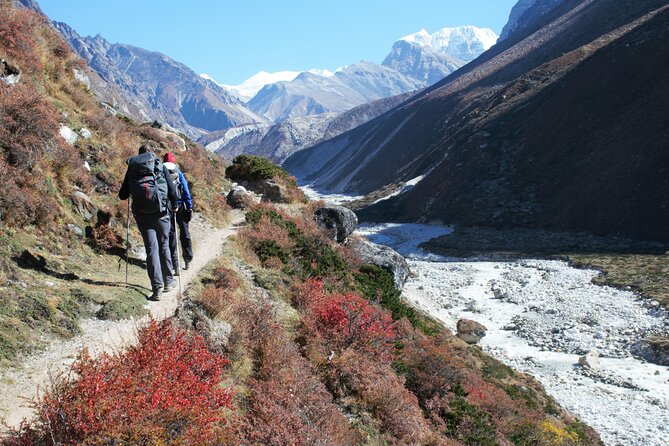
This is a private tour/activity, so it’s set up for your group only (no random mix of strangers). You also get a licensed guide who speaks English, which helps a lot when you’re dealing with altitude, weather changes, and route decisions.
From the guide names associated with this trek, two names show up clearly: Nima Sherpa and Pasang. Both are described as friendly and well spoken, and that matters because you’ll spend a lot of time with your guide—on the trail, in camp, and during the days when conditions shift.
Food is also handled. You get three meals a day during the trek, plus seasonal fresh fruit. One trekker who followed a vegan diet said they had no problems eating. That’s not a guarantee for every meal plan, but it tells me the operator can handle diet needs if you communicate them early.
Porters aren’t included, but they are available at extra cost. If you want a lighter load, plan for that early rather than waiting until you’re already tired on day ten.
Wildlife, Forests, and Big Mountain Views (When Weather Plays Nice)
One of the best parts of this route is the mix of ecosystems. You’ll pass oak and rhododendron forests early on, then keep climbing into harsher terrain. If you love nature details—birds, plants, and the shift in temperature and light—this is a trail worth slow-walking.
The trek area is known for wildlife possibilities like snow leopards and mask deer, plus lots of bird life. Will you see them? Nobody can promise. But when the trail passes through remote valleys and forests, your chances feel real.
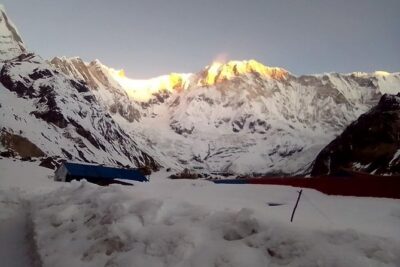
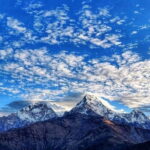
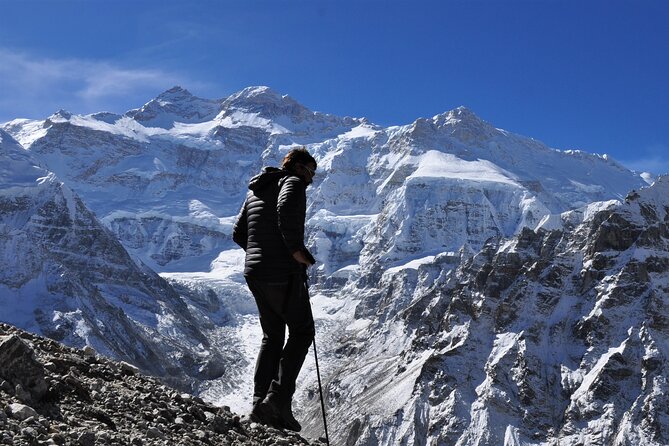
The view factor is also a big deal. The route connects multiple mountain zones, and the information given for the trek includes sightlines to Makalu, Lhotse, and Everest along with the Kanchenjunga massif. You’ll also get standout views toward Jannu and the wider region as you move toward pass areas like Selela.
Who Should Book the Kanchenjunga Circuit (and Who Should Pause)
This trek fits best if you:
- Have moderate physical fitness
- Like a route with real altitude work, not just easy scenery walks
- Want solitude and a remote feel instead of a crowded trail vibe
- Enjoy village life and trekking through areas inhabited by communities like Rai and Limbu
I’d think twice if you:
- Don’t handle altitude well (this trek reaches 4,500m+ and peaks around 5,143m)
- Rely on emergency support and haven’t arranged insurance (insurance and evacuation are not included)
- Want low-effort hiking for 21 days (this is sustained trekking)
Also, plan your pack with realism. Even if you have down jacket and sleeping support provided, you still need your own systems for layers, hydration, and warm sleep comfort.
Should You Book Mount Adventure Holidays for This Circuit Trek?
If you want a Kanchenjunga circuit that’s built around structure—licensed guide, permits, meals, and gear support—this option makes sense. The standout value points for me are the Pangpema overnight plan, the acclimatization day, and the fact that key pieces (like permits, map, and down jacket/sleeping arrangements) are included in the base price.
Before you commit, do two practical checks: confirm you can handle long hiking days with altitude, and budget for what’s not included (especially insurance, airfare, and any porter help). If you’re good with steady effort and you want the real remote side of Nepal’s far north-east, this trek is a strong choice.
FAQ
How long is the Kanchenjunga Circuit Trek?
It runs for about 21 days (approx.).
Where do we start, and what time?
The meeting point is Tribhuvan Airport, Kathmandu, Nepal, with a start time of 7:15am.
How high does the trek go?
You’ll reach very high elevations, including an overnight at Pang Pema around 5,143m, plus multiple days above 4,000m.
What meals are included during the trek?
The trek includes three times meals during the trek, plus breakfast with your Kathmandu hotel stay. Fresh seasonal fruit is also included during the trek.
Are permits and conservation fees covered?
Yes. The trek includes the Kanchenjunga permit and conservation fee.
Do I need to bring my own guide?
No. A government licensed, experienced English-speaking guide is included.
What trekking gear is provided?
You get a down jacket and sleeping arrangements during the trek, and those items are refundable after the trek.
Is a porter included?
Porter service is available at an extra cost, but it’s not included in the base package.
Is free cancellation available?
Yes, you can cancel for a full refund up to 24 hours in advance of the experience start time.