REVIEW · ARUSHA
5 Days Marangu Route – Mount Kilimanjaro Trek
Book on Viator →Operated by Rupia Adventure · Bookable on Viator
Kilimanjaro has a clear nightly rhythm. I really like the small-group cap and the way the team handles a gear check in Moshi before you step onto the mountain via the Marangu route. One thing to consider: the summit stage starts around midnight, so expect a tough, cold wake-up and a long, slow push upward.
From rainforest walking to high-altitude cold, this trek has a logical pace that helps you settle into altitude. You’ll pass through places like Mandara Hut, and the views change day by day, not all at once.
In This Review
- Key things that make this Kilimanjaro trek worth your time
- Why the Marangu Route feels practical on Kilimanjaro
- Arrival in Moshi: airport pickup, hotel handoff, and a real gear check
- Day 2: Rainforest walking to Mandara Hut, with primates and Maundi views
- Day 3: Timberline, heath, moor zones, and the big Horombo Plateau payoff
- Day 4: Long tough hours to Kibo Hut, with the “Last Water” and the saddle
- The midnight summit push to Uhuru Peak: Hans Meyer Cave to sunrise at Gillman’s Point
- Day 6 descent: Mandara lunch, rainforest return, and finally Moshi shower time
- Price and logistics: what your $1,500 per person is really buying
- The human factor: how guides like Meshack, Maziku, Franky, John, and Julius can change the feel
- Who this trek suits best (and who should think twice)
- Should you book Rupia Adventure for the 5 Days Marangu Route?
- FAQ
- How long is the full trip, and how many days are spent trekking?
- Where are you picked up and how do you transfer during the trek?
- When does the summit attempt start, and what altitude milestones happen before Uhuru Peak?
- What’s the highest point on this climb?
- How many people are on the trek at once?
- What if weather is bad or you need to cancel?
Key things that make this Kilimanjaro trek worth your time
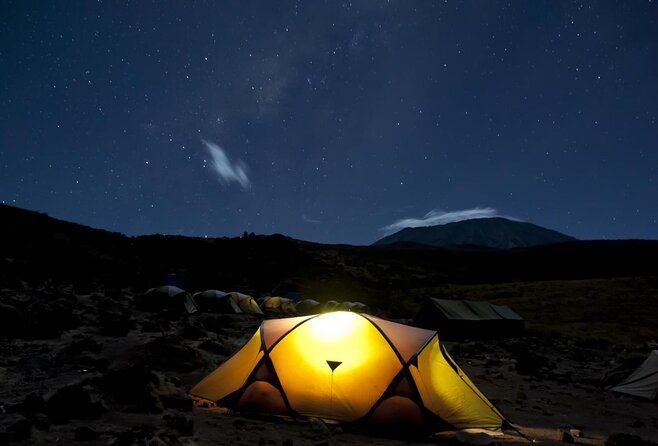
- Moshi setup with pickup and gear check: you’re met, briefed, and your equipment gets checked, with rentals possible if something’s missing
- Rainforest to crater rim: you hike into dense rainforest first, then move toward Maundi Crater views and higher moor zones
- Classic acclimatization stops: Horombo Hut sits at 3,700m, with broad views over Mawenzi, Kibo, and the Masai steppe
- Summit plan built around sunrise: you start the final push near midnight, reach Gillman’s Point at sunrise, then continue to Uhuru Peak
- Warm food and a smoother end of trek: you’ll get warm meals at huts and a proper return toward Moshi for shower time after the descent
Why the Marangu Route feels practical on Kilimanjaro
If you want Kilimanjaro without too many logistical headaches, the Marangu route is one of the more straightforward options. The schedule is built around stopping at huts and moving step-by-step through distinct altitude zones.
I also like how the trek’s “story” unfolds. You’ll go from dense rainforest into cooler heath and moor terrain, and you’ll feel that shift in your body as much as you see it. By the time you’re near the summit push, you’re not suddenly thrown into everything at once.
A quick reality check: this route is still serious. You’re aiming for Uhuru Peak at 5,895m, so you should come ready for cold, fatigue, and altitude management.
You can also read our reviews of more tours and experiences in Arusha.
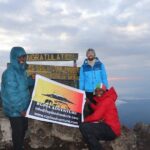
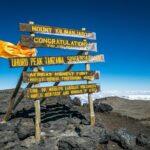
Arrival in Moshi: airport pickup, hotel handoff, and a real gear check
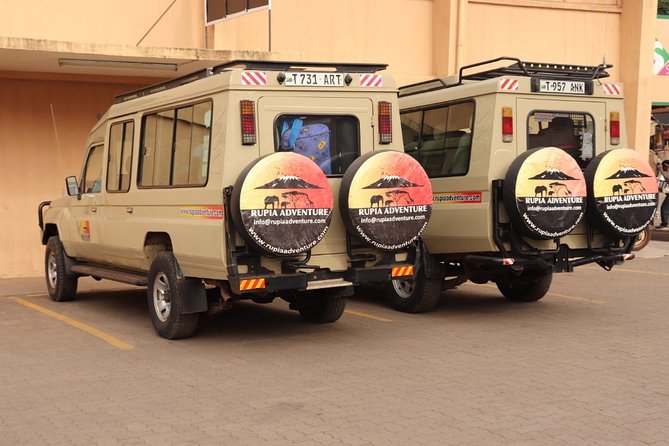
Your trip typically starts with a pickup at Kilimanjaro International Airport, then a transfer into Moshi town. When you arrive, you meet your guide for a trek briefing and an equipment check to confirm you have what you need.
This matters more than it sounds. A missing warm layer, rain cover, or proper mountain-ready items can turn an already-challenging trek into an uncomfortable one. Since gear can be rented on this first day, you’re not stuck with do-or-die improvising right when it matters.
You’ll also spend the first night at a Moshi hotel (the program names options like Panama Hotel or Mvuli Hotel in Arusha, or an alternative). That gives you time to settle before the mountain work begins.
Day 2: Rainforest walking to Mandara Hut, with primates and Maundi views
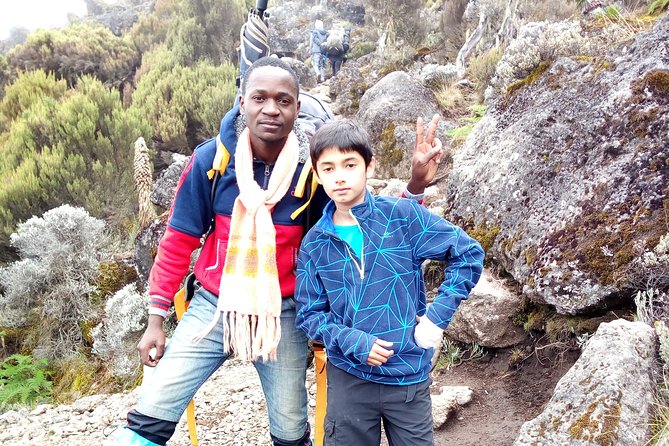
After breakfast, you head from Moshi to the Marangu gate. Once paperwork is done, the trek starts fast with dense rainforest. This is your “warm-up world,” where the air can feel thick and the ground can stay damp.
Along the way, you may spot primates. I like that this day isn’t just hiking stats—it’s a chance to experience Kilimanjaro’s lower slopes as a living, active ecosystem, not just a corridor toward altitude.
You’ll reach Mandara Hut for rest, then continue toward Maundi Crater for a view of the Kenyan interior. The big value here is timing: you’re not going straight to high altitude yet, so you can focus on settling into the rhythm of walking and conserving energy.
Possible drawback: rainforest days can be slower and more slippery than you expect. If you’re prone to sore feet, plan to take your time on footing and keep your pace steady.
Day 3: Timberline, heath, moor zones, and the big Horombo Plateau payoff
Day 3 begins with early breakfast, then you leave Mandara Hut behind. Soon you reach the timberline, and then the scenery shifts into heath and moor zones.
This is one of the most important transition days because your body is climbing into colder, drier air. You’ll likely spend about 4 to 6 hours moving before Horombo Hut appears at 3,700m.
From Horombo, you get fantastic views over Mawenzi, Kibo, and the wide plain of the Masai steppe. This is the kind of viewpoint that helps you mentally connect the route to the goal. You’re not just climbing—you’re tracking how the mountain changes.
Possible drawback: the altitude is starting to feel real, even though it’s not the summit day. If you get headaches easily or feel short of breath at lower exertion, take your time, drink what you can, and don’t force speed.
Day 4: Long tough hours to Kibo Hut, with the “Last Water” and the saddle
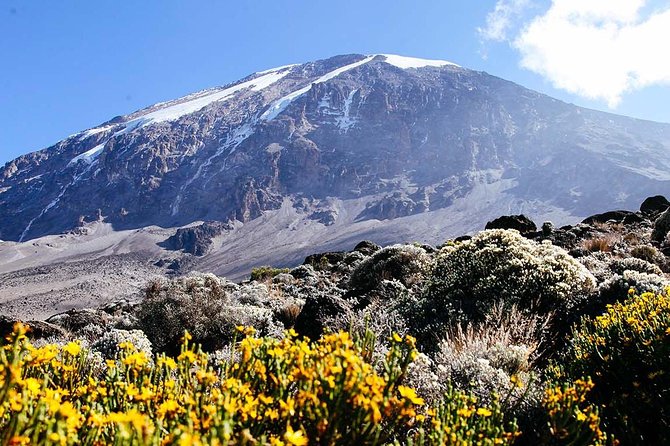
Today is described as long and tough, and the route gives you the reasons. The well-built trail passes the Last Water point, then follows the “saddle”—a nearly vegetation-less plateau that links the main summit area of Kibo with Mawenzi.
From there, your destination is Kibo Hut, usually reached in about 5 to 6 hours. This day has two practical roles: it moves you high enough for the summit push and it sets up your energy for the short, intense window that comes next.
When you arrive at Kibo Hut, you’ll eat early and go to bed early too. The note here is key: night will be short compared to what you might be used to, because the real work starts later.
Possible drawback: this is the day where fatigue tends to stack. If you go too fast here, summit night can feel even harder than it needs to.


The midnight summit push to Uhuru Peak: Hans Meyer Cave to sunrise at Gillman’s Point
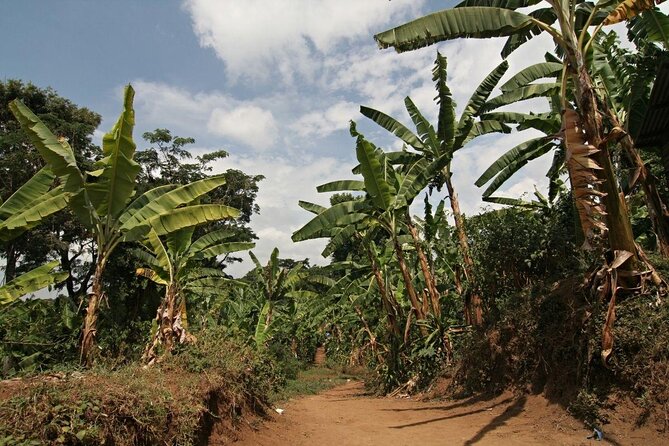
Day 5 is the summit stage—the one with the highest emotion and the lowest comfort. You’ll begin your final ascent around midnight, and it’s described as long and strenuous.
Early on, you pass Hans Meyer Cave at 5,220m. Then the climb slowly trends upward, which is good news in one sense: you’re not sprinting. Bad news: at these heights, slow still takes everything you have.
At sunrise, you reach Gillman’s Point (5,681m), the crater rim. The idea is simple and brilliant: the sun warms the land after the cold night. After that, you hike another 1 to 2 hours to reach Uhuru Peak (5,895m).
Once you come back down to Kibo Hut, a warm meal awaits. Then you take a 1 to 2 hour break before heading back down to Horombo Hut.
A helpful human detail: summit day timing is often what stresses people out most. If you’re the kind of person who worries about schedules, this is where you’ll want to mentally accept that you’ll be moving in the dark and that sunrise will arrive partway through the grind.
Day 6 descent: Mandara lunch, rainforest return, and finally Moshi shower time
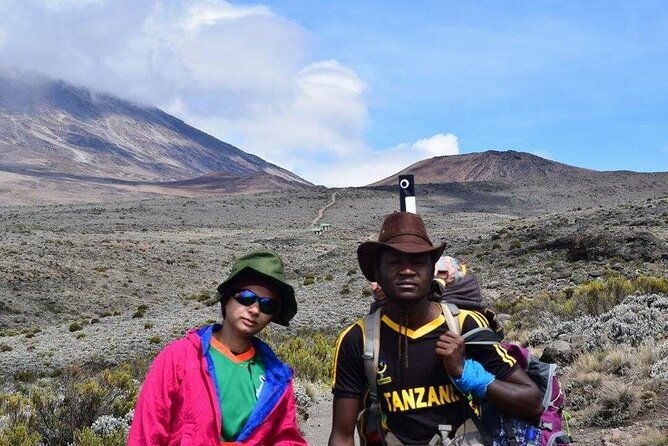
After the summit, Day 6 focuses on coming down safely and efficiently. You pass through heath and moor zone back toward Mandara Hut (2,700m), where a warm lunch is waiting.
From there, you transition back into tropical rainforest. The descent totals about 6 hours trekking back to the Kilimanjaro National Park Gate (1,860m).
Then it’s goodbye to your mountain guides, followed by a short transfer back to your hotel in Moshi. This is where the whole experience becomes real in a different way. A warm and relaxing shower isn’t a small thing—it’s your reward for getting home from altitude.
Possible drawback: even when you’re descending, your legs can feel cooked. Expect that knees and ankles will do their own honest work, especially after summit morning.
Price and logistics: what your $1,500 per person is really buying
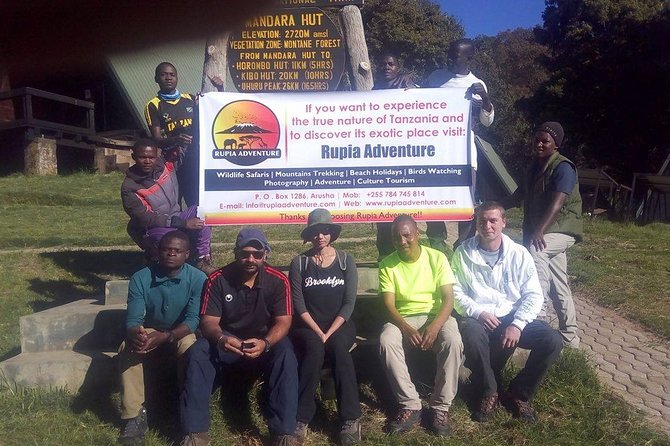
At $1,500 per person, you’re paying for far more than a route on paper. You’re paying for a coordinated team approach that includes pickup, transfers, guide briefing, equipment checking, and a structured climb with hut-based stops.
I also value the maximum of 15 travelers. A smaller group can mean better attention on the details that keep people comfortable: pacing, timing, and quick problem-solving if someone’s gear setup isn’t right.
The program also notes pickup offered and mobile ticket. That doesn’t sound like “mountain magic,” but it matters. Clear logistics reduce the chaos that can drain energy before you even start climbing.
One more practical note: the experience requires good weather. That’s not a minor clause when you’re stacking summit risk and timing. If conditions are poor, you may be offered a different date or a full refund.
The human factor: how guides like Meshack, Maziku, Franky, John, and Julius can change the feel
On Kilimanjaro, the guide matters. Not because they control the mountain, but because they guide the pace, help you manage discomfort, and keep your head in the right place.
In past trips with Rupia Adventure, names like Meshack and Maziku come up for being fun and consistently smiling. That attitude matters during the long stretches and the checkpoint moments, when morale can dip.
Other guides mentioned include Franky, noted for knowing the mountain well and sharing tips along the way. On summit night, small advice can help you stay calm and methodical instead of panicking.
You’ll also see references to John and Julius as professional and strong guides. When a group is built for real mountain work, it shows in how the climb is run, how you’re briefed, and how you’re handled when fatigue hits.
A small-but-important summit detail from one experience: the group started around midnight and reached Uhuru Peak at about 6am. That’s a useful expectation for planning your own emotions. It’s not instant. It’s a steady fight through cold and altitude.
Who this trek suits best (and who should think twice)
This trek says most travelers can participate, but Kilimanjaro is still a high-altitude challenge. You’ll hit 3,700m at Horombo and go all the way to 5,895m at Uhuru Peak. If you know you struggle with altitude, or you’ve had bad reactions on climbs, you should think hard and talk with a medical professional before committing.
This is also a good fit if you want a structured, hut-based climb. You’re not cobbling together your own rhythm each day. The route is planned: rainforest day, acclimatization day, tough approach to Kibo, midnight summit, then a descent with warm stops.
It may not be ideal if you hate early mornings and dislike night climbing. Summit night starts around midnight, and the whole day’s comfort level is lower than the daylight hours earlier in the week.
Should you book Rupia Adventure for the 5 Days Marangu Route?
I’d book this if you want a classic Kilimanjaro route with clear pacing, strong logistics, and guides who bring real experience and good energy. The combination of pickup, gear check, a 5-day summit-focused schedule, and a small group cap makes it feel well-run in the practical ways that matter on a big mountain.
I wouldn’t book it if you’re looking for comfort-first hiking or if you’re not ready for a midnight summit start and the physical reality of thin-air altitude. Also, be honest about weather. Since the trek depends on good conditions, you should be comfortable with the idea of schedule changes if conditions force it.
If you want, tell me your starting month and fitness level (roughly: are you used to 4–6 hour hikes?), and I’ll help you sanity-check whether the Marangu schedule fits your pace and expectations.
FAQ
How long is the full trip, and how many days are spent trekking?
The trek is set up for a 5-day Marangu route, with a total trip duration of about 7 days including arrival, trek days, and a free day afterward depending on flight times.
Where are you picked up and how do you transfer during the trek?
You’re picked up at Kilimanjaro International Airport and transferred to your hotel in Moshi town. During the climb, you’re collected from your lodge in Moshi for the drive to the Marangu gate, and at the end you’re returned back to your Moshi hotel after reaching the Kilimanjaro National Park Gate.
When does the summit attempt start, and what altitude milestones happen before Uhuru Peak?
The summit stage starts around midnight. You pass Hans Meyer Cave at 5,220m, reach Gillman’s Point at 5,681m around sunrise, and then continue to Uhuru Peak at 5,895m.
What’s the highest point on this climb?
The highest point is Uhuru Peak at 5,895m.
How many people are on the trek at once?
The group size has a maximum of 15 travelers.
What if weather is bad or you need to cancel?
This experience is non-refundable and cannot be changed for any reason. If it’s canceled due to poor weather, you’ll be offered a different date or a full refund. If the minimum number of travelers isn’t met, you’ll be offered a different experience/date or a full refund.