REVIEW · POKHARA
Pokhara: 2-Day Ghorephani and Poon Hill Private Trek
Book on GetYourGuide →Operated by Travel Guides · Bookable on GetYourGuide
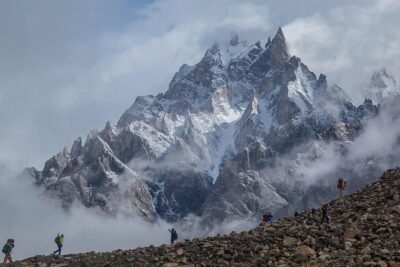
Poon Hill sunrise is the main event. In two short days from Pokhara, you’ll climb into position for Annapurna and Dhaulagiri sunrise and walk through rhododendron forest paths that feel very Nepal, not tourist-showy.
I also like that this is built for people with limited time: drive in, hike uphill at a steady pace, sleep in Ghorepani, then get back to Pokhara without a long multi-day commitment. The one real drawback to plan around is early starts and long, bumpy road time, which can test your patience even if the trek itself is manageable.
In This Review
- Key things that make this 2-day Poon Hill trek worth it
- Getting the most out of Poon Hill in just 2 days from Pokhara
- Day 1: Drive toward Ulleri, then hike up to Ghorepani (forest, villages, and altitude prep)
- Day 2: The pre-dawn push to Poon Hill sunrise, then back toward Ulleri and Pokhara
- Teahouses, warmth, and what dinner feels like in Ghorepani
- Sunrise odds: weather, patience, and how your guide handles surprises
- Road time, steps, and the practical packing list that matters
- Price and value for a private 2-day trek with permits, pickup, and a guide
- Should you book this Poon Hill private trek?
- FAQ
- How long is the trek?
- Where do you pick up and drop off in Pokhara?
- What route and altitude will I reach?
- Is sunrise actually part of the experience?
- How hard is it for a beginner?
- What’s included in the price?
- What should I bring?
- Do I need trekking permits?
- Are there any restrictions during the trek?
- Is cash necessary in Nepal for this trek?
Key things that make this 2-day Poon Hill trek worth it
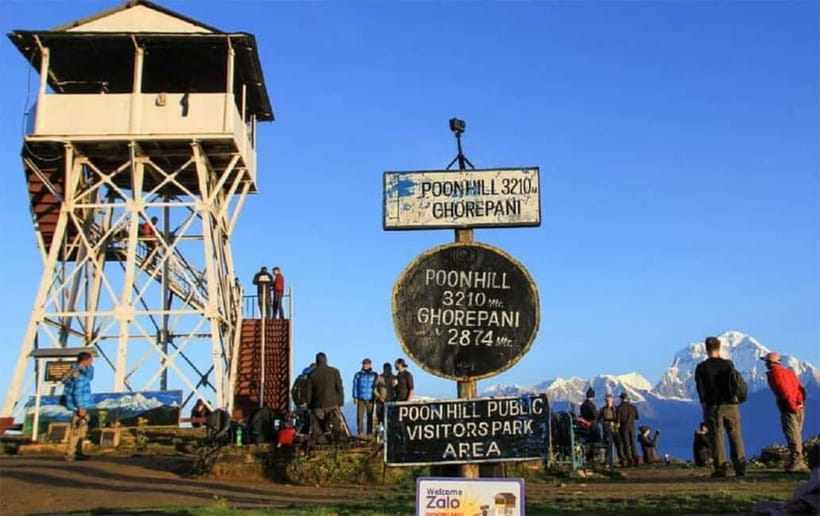
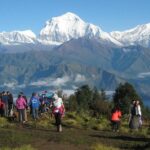
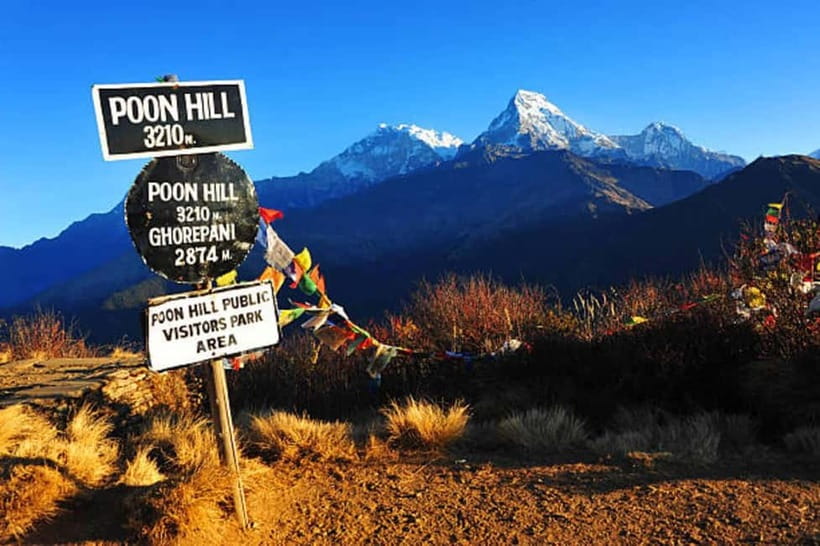
- Sunrise at Poon Hill (3,210 m) gives you wide views over Annapurna, Dhaulagiri, Machhapuchare (Fish-Tail), and more mountain chains
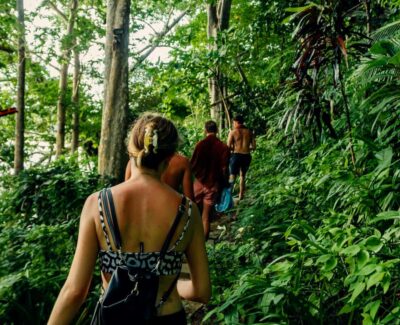
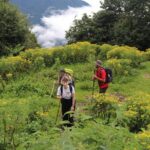
- Rhododendron-magnolia-oak-pine-fir forest on the way up feels cooler, greener, and more varied than you’d expect for such a short hike
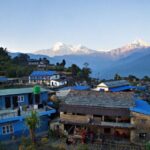
- Ghorepani night puts you in a classic ridge village setting, with teahouses and a comfortable base for the dawn push
- Private, licensed English-speaking guide means pacing can be adjusted and logistics handled, including permits and official documents
- Possible route changes happen (landslides and blocked roads are real here), and guides can adapt so you still reach key viewpoints
Getting the most out of Poon Hill in just 2 days from Pokhara
This trek works because it concentrates the best part of the Annapurna foothills into a tight schedule. You start in the Pokhara lakeside area, get driven toward Nayapul, then spend your short walking time climbing into the Ghorepani region—high enough for big mountain views, not so high that you need weeks of acclimatization.
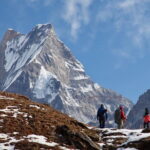
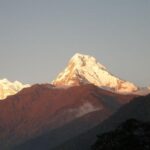
What makes it special is that you get multiple “glances” at the mountains, not just one photo moment. Day 1 brings hillside views as you rise toward Ulleri and walk into forest. Day 2 is the payoff: a pre-dawn hike to Poon Hill for sunrise, when the sky shifts fast and the peaks look close enough to reach.
The trek is often described as easy or moderate, but do not treat it like a casual stroll. You’ll be climbing and walking for hours on uneven trails, and the roads around Pokhara can eat up a lot of your day.
You can also read our reviews of more tours and experiences in Pokhara.
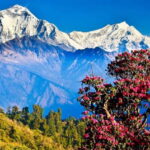
Day 1: Drive toward Ulleri, then hike up to Ghorepani (forest, villages, and altitude prep)
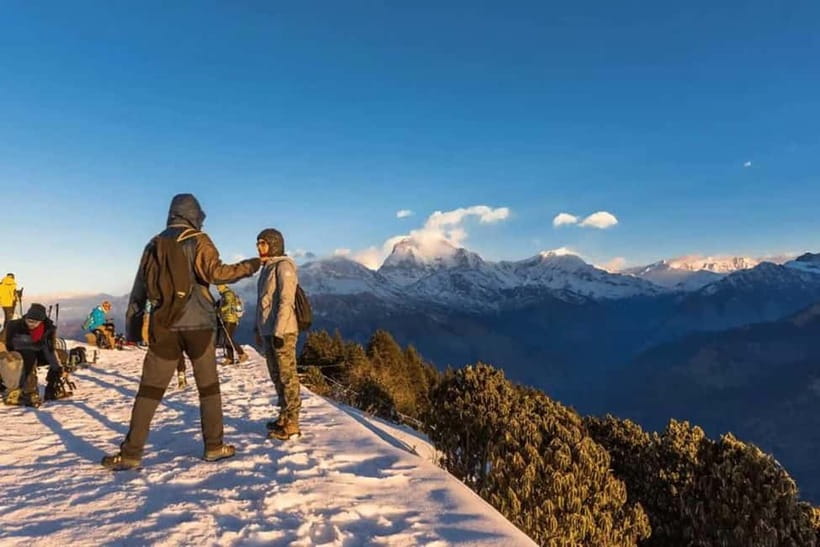
Your day starts with hotel pickup within the Pokhara lakeside area. The guide comes to your hotel lobby, and you’ll head out by bus (or similar shared transport) toward the Nayapul/Bhirethati area, then continue through villages and viewpoints along the mountain road.
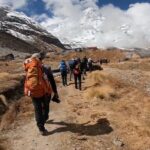
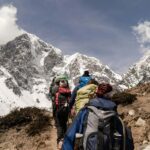
From there, the driving portion moves you up toward the trailhead areas around Hile and Tikhedhunga, and then up the winding road toward Ulleri. Ulleri sits at about 1,960 m, and it’s a good “warm-up” altitude before the forest climb. From Ulleri, your walking begins and continues past Bhanthati, then gradually up through tall rhododendron, magnolia, oaks, pines, and fir trees to reach Ghorepani (2,880 m).
This is a smart day to take slow. Your altitude gain is real, even if the trek stays in the lower Annapurna belt. I’d treat the first day as preparation for the sunrise morning—drink water, use the trekking pole (included), and keep your breathing steady. One reason guides like Rajesh, Sagar, or Shiva stand out in this area is their habit of adjusting pace so beginners can finish without sprinting.
Even if the weather is cloudy on day 1, you’re building the routine you’ll need for the big dawn hike: early wake-up, short steps forward, and calm breaks. That’s how you arrive feeling ready instead of rushed.
Day 2: The pre-dawn push to Poon Hill sunrise, then back toward Ulleri and Pokhara
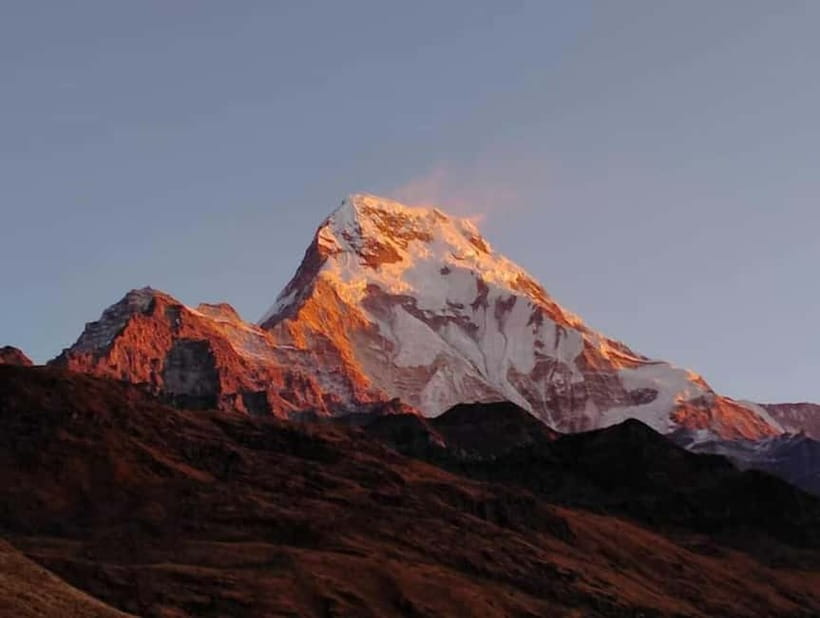
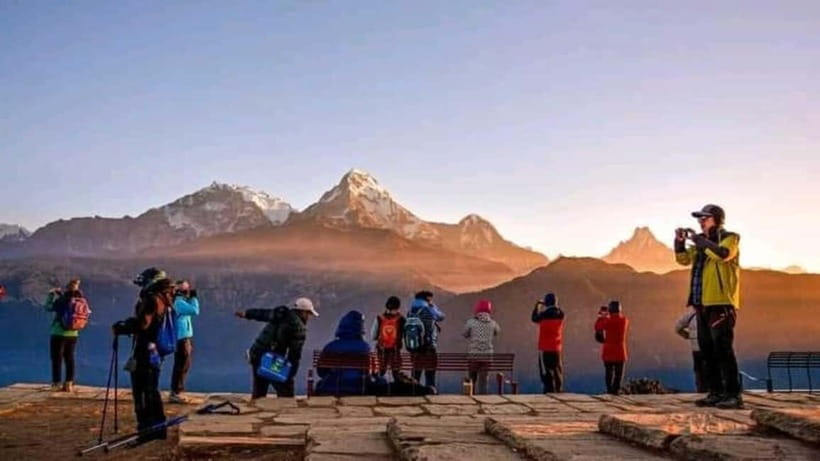
Day 2 begins early. You’ll hike up to Poon Hill, which tops out around 3,210 m. The climb from the village area to the viewpoint is described as about an hour, but it’s still an uphill effort before sunrise—bring warm layers and expect cold air at this height.
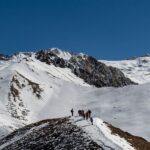
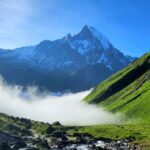
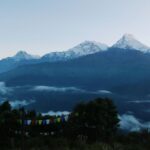
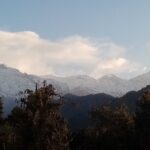
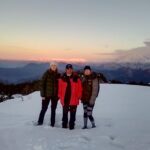
Once you reach the viewpoint, you’re there for the main show: sunrise over a chain of Himalayan peaks, including Dhaulagiri, Annapurna, Machhapuchare (Fish-Tail), and also references to Mustang Himal, Nilgiri’s, Lamjung, and Manaslu. The mountain lineup is why Poon Hill remains so popular: you get a dramatic, wide-angle moment without spending a week on the trail.
After the sunrise break and breakfast, you’ll descend back through the forested trail area, passing back through places like Bhanthati and continuing toward Ulleri. Then it’s ride time: shared jeep or bus back to Pokhara.
Be aware of the vibe on this day: it feels like a “mission” in the early hours. Once you’ve watched the sky change color and the peaks light up, the rest of the day becomes a long downhill exhale—still active, but easier on the legs.
Teahouses, warmth, and what dinner feels like in Ghorepani
Sleeping in Ghorepani is one of the best parts of a short trek. You’re not camping in a windy spot. You’re in a teahouse village where people keep basic comfort within reach.
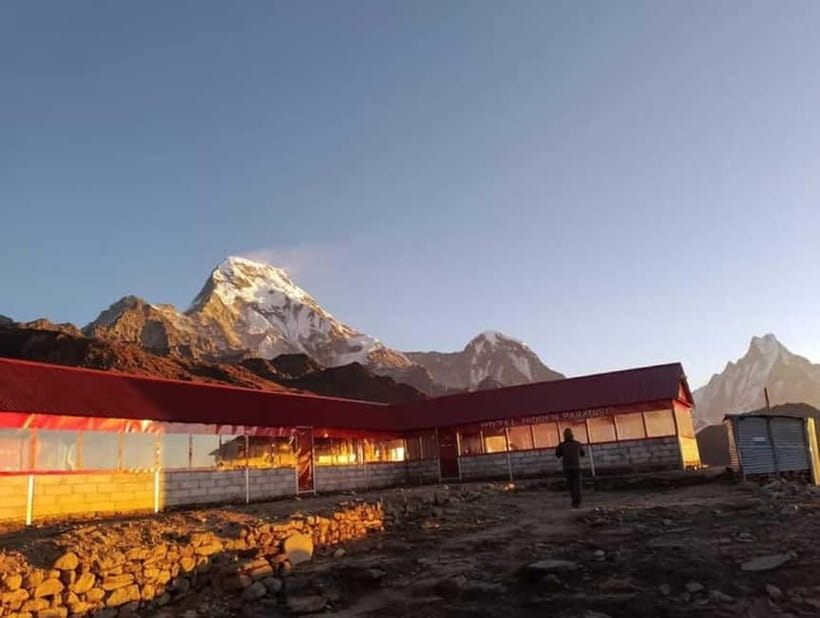
Accommodation for this experience includes a booked hotel-style stay in Ghorepani, with attached bathroom and a hot shower mentioned as likely included. Still, it’s smart to expect that the exact warmth and shower setup can vary. Some trekkers note that warm showers may cost extra, and rooms aren’t always heated.
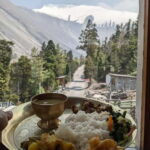
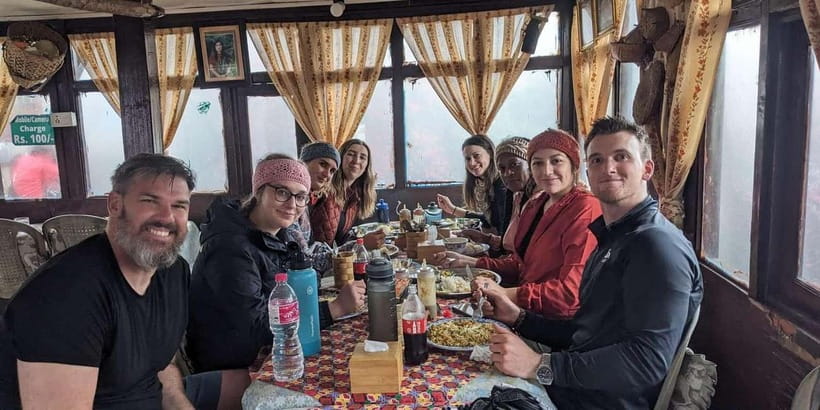
Food is straightforward and practical. You can purchase meals and drinks along the way, and breakfast is included. A common pick is dal bhat, because it’s filling and familiar after hours of climbing. In general, you’ll find standard teahouse options, and in colder conditions you may be offered things like electric blankets for warmth.
One small but important habit: pack out what you bring. This area has bins at some points, but it’s safer to assume you’ll be carrying trash until you see a bin. Keep your trail tidy—it’s part of respecting the forest and the villages you’re walking through.
Sunrise odds: weather, patience, and how your guide handles surprises
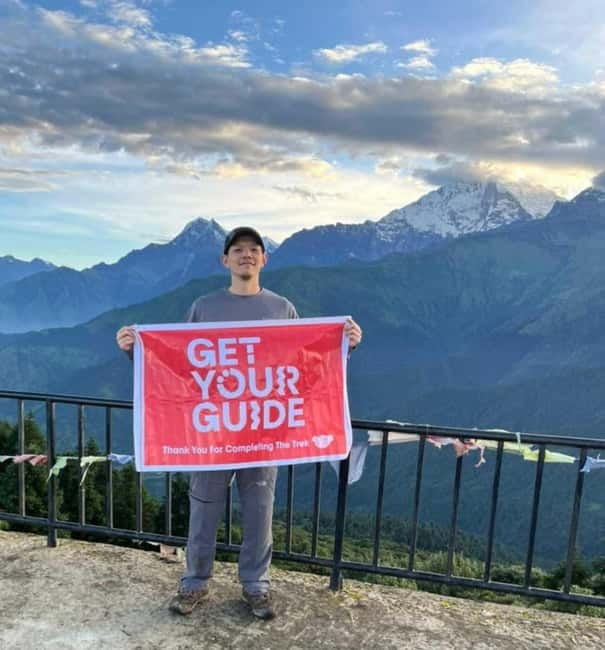
Poon Hill sunrise depends on the weather. Clear skies can happen, fog can happen, and wind can happen. That’s not a reason to cancel; it’s a reason to plan your attitude.
The guides on this route are built around sunrise timing. You’re starting early, hiking to reach the viewpoint before the main light show, then returning for breakfast. If visibility is reduced, the best thing you can do is stay warm, stay patient, and let the light shift work—even fog can thin out for glimpses.
Trail conditions can also change. Landslides and road blocks are a reality in the region, and your guide may reroute you or adjust how you reach the next village. In one case, a blocked vehicle route meant an extra trek segment, but the guide managed pacing so the group still reached Ghorepani before dark.
I like that this experience treats flexibility as normal. If you’re the type who hates uncertainty, you’ll still be okay—you just need to accept that the mountain doesn’t follow schedules perfectly.
Road time, steps, and the practical packing list that matters
This trek is short on paper, but the route is not short in time. Driving can take several hours, and the final stretches toward the trail areas can be rough and bumpy. Plan your day with the mental math that the trek starts after the roads do their thing.
Also: expect steps. Many trails on this side of the Annapurna foothills use frequent stair-like sections. If you’ve been living on elevators lately, your calves will get a vote. The good news is the pacing can be slow and steady if you ask for it, and trekking poles help a lot.
Here’s what you should bring based on what’s stated for this trek:
- Comfortable shoes with grip
- Warm clothing (for sunrise cold and early morning air)
- Camera
- Snacks (especially if you burn more energy than expected)
- Water
And one practical tip: keep your layers easy to peel on the climb and easy to re-add at the viewpoint. Day 2 involves standing still at altitude, which turns warmth into a priority.
Finally, follow the simple rule: no smoking. It’s not a big ask, and it protects the people sharing these trail spaces.
Price and value for a private 2-day trek with permits, pickup, and a guide
The price listed is $104 per person for a private 2-day experience. What you’re really paying for is not just the hike. You’re paying for:
- hotel pickup/drop within Pokhara lakeside
- a licensed English-speaking trekking guide (private)
- trekking permits and official documents
- round-trip transfer by shared jeep or bus
- Ghorepani accommodation with attached bathroom and hot shower indicated
- guide meals and expenses
- a basic emergency first aid kit with the guide
- a trekking pole included
- breakfast
Food and drinks are not included beyond breakfast, so you’ll want some cash for meals and tea house purchases. This matters for value, because $104 feels especially fair when you already plan to eat simple local food along the trail.
Private also changes the experience. You can move at your pace, ask questions, and get help with route adjustments if needed. That’s a big deal on a dawn hike when stamina and timing matter.
If you’re trying to do Poon Hill in two days and don’t want to figure out permits, guides, and transfers yourself, this package is doing the heavy lifting.
Should you book this Poon Hill private trek?
Book it if you want the classic Annapurna view hit in a tight time window and you’re okay with an early morning start. It’s also a good choice if you’d rather have a guide handle permits and route timing than piece everything together solo.
I’d think twice if you have heart or serious back problems, or if you’re traveling with small kids under 8 or you’re pregnant—this trek is not marketed for those groups. And be honest about the roads: you’ll spend significant time in shared transport, and the ride can be bumpy on the approach.
If you do book, go in with two goals: pace smart on day 1, and dress warm for sunrise. Do that, and the rest becomes a very memorable Himalayan taste-test.
FAQ
How long is the trek?
It’s a 2-day trek, with driving and walking each day. Day 1 includes a drive plus a 4–5 hour walk, and Day 2 includes a morning hike plus downhill walking and about 6 hours total including drives and walks.
Where do you pick up and drop off in Pokhara?
Pickup and drop-off are included within the Pokhara lakeside area. You wait at your hotel lobby for about 10 minutes while the guide comes to pick you up.
What route and altitude will I reach?
You drive from Pokhara toward Nayapul and the trailhead areas, then hike up to Ghorepani. Key elevations listed are Ulleri at about 1,960 m, Ghorepani at about 2,880 m, and Poon Hill at about 3,210 m.
Is sunrise actually part of the experience?
Yes. On day 2, you hike up to Poon Hill in the early morning to witness sunrise over the Annapurna and Dhaulagiri mountain ranges.
How hard is it for a beginner?
It’s described as easy or doable for beginner trekkers with at least average physical condition. You still need reasonably good fitness because you’ll be walking uphill for hours and doing a pre-dawn climb.
What’s included in the price?
Included items are pickup and drop-off (lakeside area), an experienced licensed English-speaking trekking guide, trekking permit and documents, round-trip transfers (sharing jeep or bus), accommodation with attached bathroom and hot shower likely, guide food and expenses, a first aid kit with the guide, a private tour, a trekking pole, and breakfast.
What should I bring?
Bring comfortable shoes, warm clothing, a camera, snacks, and water.
Do I need trekking permits?
Yes. Permits and official documents are included as part of the experience.
Are there any restrictions during the trek?
Smoking is not allowed. The experience is also stated as not suitable for children under 8, pregnant women, people with back problems, and people with heart problems.
Is cash necessary in Nepal for this trek?
Yes. ATMs are scarce, so it’s recommended to carry Nepalese Rupees for personal expenses like extra meals and drinks.