REVIEW · PRAIA
Santiago: Calabaceira Valley Trek & Visit to Cidade Velha
Book on GetYourGuide →Operated by Bu Country Tours · Bookable on GetYourGuide
Tropical trails meet deep Cape Verde history. I love the Calabaceira Valley walk through lush vegetation and the way Cidade Velha brings major UNESCO sights into one focused afternoon, but note the hike is labeled easy and still includes uneven, narrow stretches that can feel harder (and the day can run long for some groups). The payoff is real: you get nature, people, and hard history in the same loop—without it turning into a museum sprint.
I also like that the guide work can make or break this day, and the experience tends to shine when your guide is someone like Mario, Katia, Ivana, Soraya, or Riccardo—people credited with being friendly, organized, and strong on local details. You’ll cover a lot ground in 4 hours, but you’re not rushed through it: there’s time for village-style farm conversation, a lunch break on the seafront, and some real looking-out over the old town from the Fortress of São Filipe.
In This Review
- Key highlights worth prioritizing
- Calabaceira Valley: the walk that sets the tone
- Rum distillery and farm fields: nature with a human pulse
- Arriving in Cidade Velha: UNESCO on foot, not in a rush
- São Francisco Convent, Banana Street, and Nossa Senhora do Rosário church
- The former slave market and Sé Catedral ruins: facing the hard stuff
- Royal Fortress of São Filipe: views plus pirate-era defense
- Lunch on the seafront: plan for it, don’t count on it
- Price and what you really get for $82
- Shared group vs private: choose based on your comfort with uneven ground
- What to bring so the easy hike stays easy
- Should you book Santiago Calabaceira Valley Trek & Cidade Velha?
- FAQ
- How long is the trek and the full tour?
- How difficult is the hike in Calabaceira Valley?
- What will I see in Cidade Velha?
- Is lunch included?
- Do I need to pay any entrance fees?
- Can I choose a private tour instead of a shared group?
Key highlights worth prioritizing
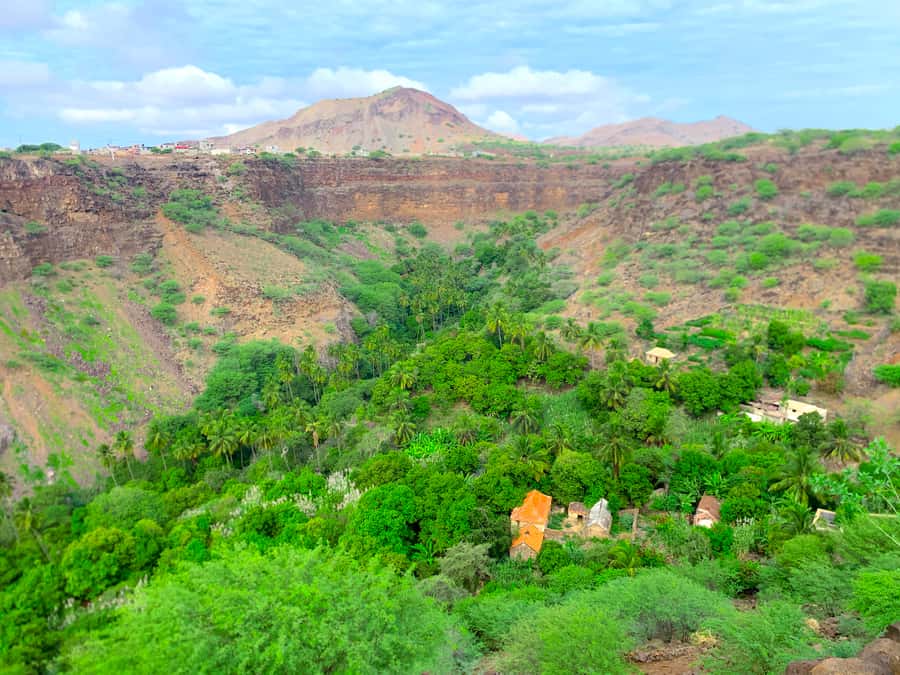
- Calabaceira Valley trek (about 3 hours) on a simple, mostly accessible trail with a one-way route
- Rum distillery visit in the middle of working farm country, with conversation tied to sugar cane and other crops
- Cidade Velha UNESCO sites on foot: São Francisco Convent, Banana Street, and Nossa Senhora do Rosário church
- The former slave market + Sé Catedral ruins, with the story of this place treated as more than a photo stop
- Royal Fortress of São Filipe viewpoint, plus an explanation of how the area defended itself against pirates
- Shared group or private/small group option, so you can match the pace to your comfort level
Calabaceira Valley: the walk that sets the tone

This day starts in Praia and quickly trades beach time for a mountain-green feel. After pickup, you head to the small village area of Calabaceira, where your hike begins from higher ground. Expect a roughly 5 km one-way trek with about 2 hours of walking, and a total time of around 4 hours for the full program.
The trail is described as easy, but pay attention to the practical details: the path can be narrow at the beginning and has some medium tilt. Elevation changes aren’t extreme on paper (low gain, a larger reported loss), but narrow + tilted + uneven can still make your legs work. If you have knee issues or you hate steep footing, go slowly from the start and consider choosing a private option if one is available at your date.
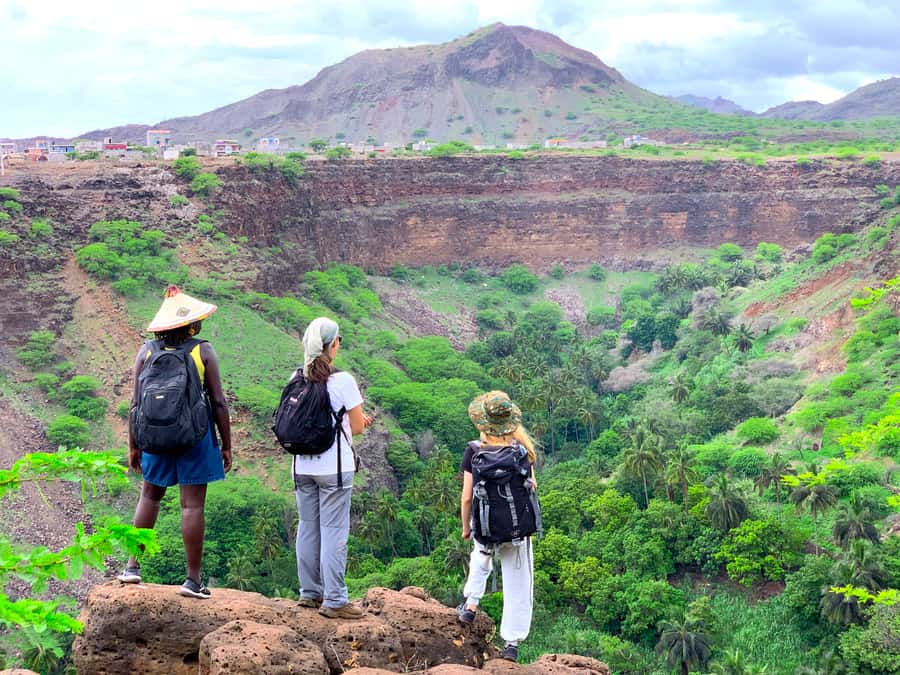
Now for the part you actually came for: the valley is where Cape Verde feels alive. The vegetation is dense enough that the area works like a natural corridor—shade, green, and a sense of moving through a pocket of growth that still feels wild. In this zone, it’s not unusual to hear birds and spot wildlife like king fishers and monkeys, and to notice the kind of trees that visitors associate with Darwin’s observations of baobabs.
I like this trek because it’s not just scenery time. Your guide’s job here is to connect what you see—plants, animals, and baobabs—to why people lived and traveled this way long before modern roads.
You can also read our reviews of more tours and experiences in Praia.

Rum distillery and farm fields: nature with a human pulse
After the greenery, you pivot to agriculture and everyday life. At the heart of the intact natural area, the tour includes a visit to a local rum distillery. This stop matters because it keeps the day grounded: you’re not only learning history at Cidade Velha; you’re also seeing how people currently shape the island’s flavors and economy.
The distillery visit is paired with a chance to meet local farmers and understand what’s growing around them. You can expect conversation tied to crops such as sugar cane, mango trees, cassava, and bananas, plus other small agricultural details that depend on what’s in season.
This is a smart mid-day break in the tour rhythm. You’ve already done the walking; now you shift to the senses—smell, taste (if offered), and the real-world logic of turning local plants into spirits. Even if you’re not a huge rum person, it helps you read Cape Verde like a working place, not just a destination.
A practical note: wear shoes you’re comfortable walking in. You’ll move between areas around the farm and distillery, and you don’t want to rely on flip-flops or slick sandals when the ground is uneven.
Arriving in Cidade Velha: UNESCO on foot, not in a rush

Cidade Velha is UNESCO World Heritage, and the best way to experience it is on foot with a guide. The day’s pacing turns here: you go from valley walking to old-town walking, where streets and ruins carry stories.
Cidade Velha is often described as the first city built by Europeans in sub-Saharan Africa. That single fact changes how you see everything else that follows. The buildings and churches aren’t only beautiful; they’re physical reminders of how power, trade, and forced labor shaped the region.
You’ll also be walking in older areas with uneven footing, so it helps if you keep your pace calm and your attention on where you’re stepping. The tour includes several key stops that form a logical storyline rather than random sightseeing.
If you love places where you can connect the dots—nature to agriculture to colonial-era architecture—this section of the tour is where it all clicks.
São Francisco Convent, Banana Street, and Nossa Senhora do Rosário church
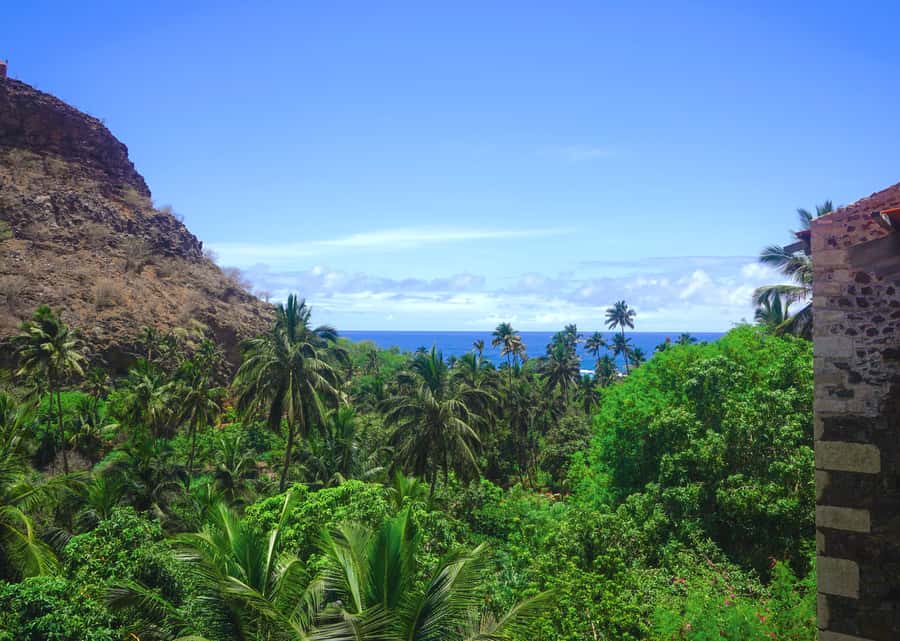
Your UNESCO time starts with the most recognizable anchors. The tour includes visits to the São Francisco Convent, Banana Street, and Nossa Senhora do Rosário church. Each stop gives you a different angle on Cidade Velha’s character.
- São Francisco Convent: Convent spaces tend to feel quieter and more reflective than market or fort areas, which gives you a good reset after the hike. Even if you’re not a church-history nerd, you’ll probably appreciate the way the architecture holds its form in a town shaped by centuries.
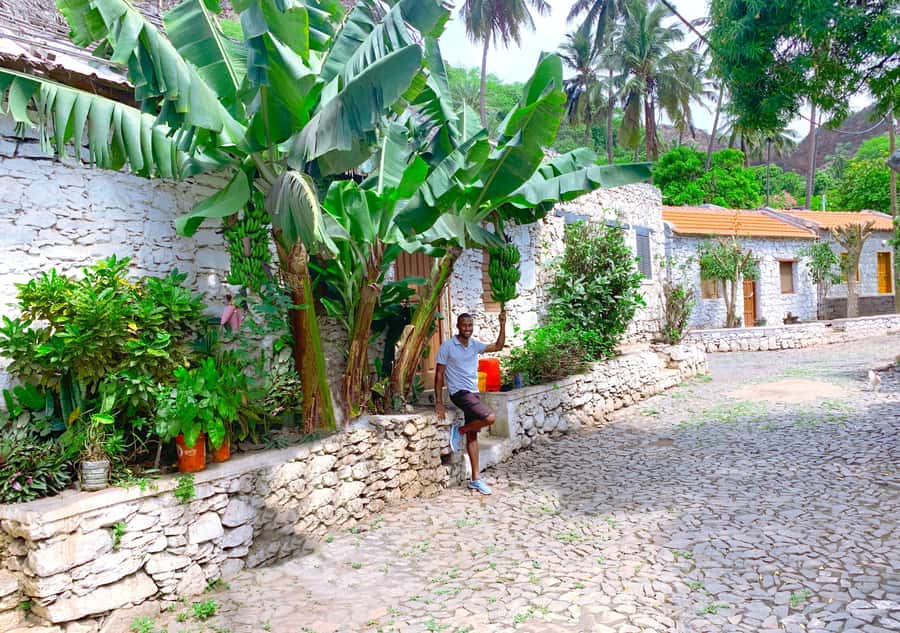
- Banana Street: This name alone makes it feel local, and it gives you a chance to walk through the town’s everyday character rather than only the big monuments.
- Nossa Senhora do Rosário church: Churches in historic European-era cities often carry layered meaning—religion, community, and the physical mark of the period.
What I like here is that the guide is there to connect details to context, so the church stops don’t become just photo-taking. And because you’re doing this right after the valley trek, it feels like a natural continuation: first you learn about the island’s living environment; then you learn how people built their early urban life within it.
The former slave market and Sé Catedral ruins: facing the hard stuff
Cidade Velha includes sites that don’t let you skim the past. The tour takes you to the former slave market, the ruins of the Sé Catedral, and more. This is the emotional center of the day.
I think this kind of stop works best when it’s handled with respect and clarity. A guide’s role matters here—explaining what happened in plain language and pointing out surviving traces so you understand this is not vague “old history.” You’re looking at specific places tied to systems of control, trade, and forced movement.
The Sé Catedral ruins add another layer. Even when a building is gone, ruins tell you about what was important and what endured. Pairing it with the former slave market is a strong way to understand Cidade Velha as both a religious and economic hub—and as a place where human rights were violated.
If you’re sensitive to heavy topics, this might be the moment where you need a slower pace and a bit of breathing room. The good news: the tour includes a lunch break afterward, so you can step out of the emotional intensity and reset.
Royal Fortress of São Filipe: views plus pirate-era defense
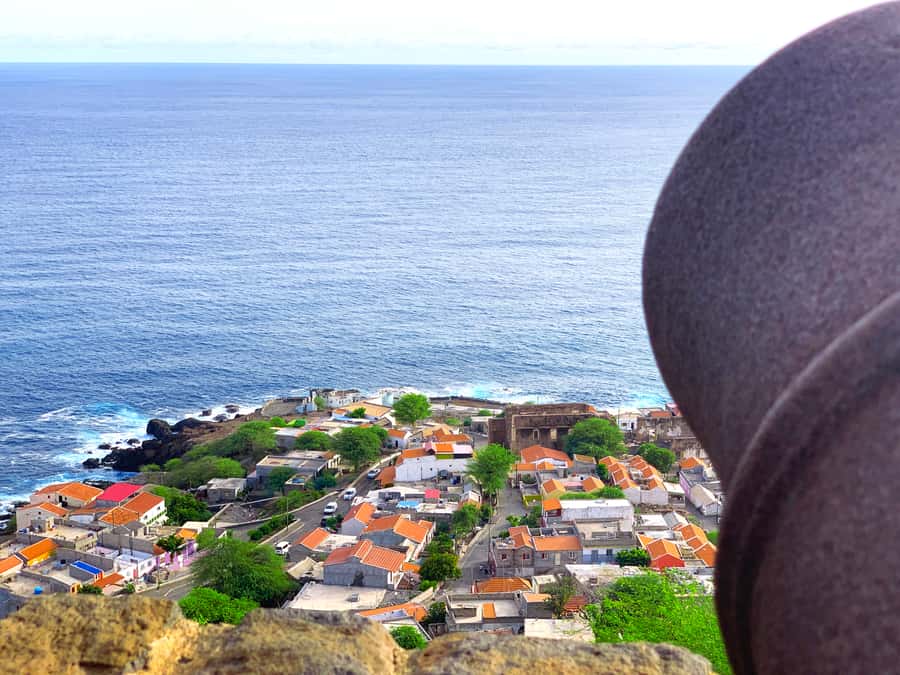
After lunch, you climb into the defensive history. The tour includes the Royal Fortress of São Filipe—with an additional entrance fee you should budget (€5). From the top, you get sweeping views over the old town, and the guide explains the system of defense used against pirates.
This stop is practical in two ways. First, it’s a viewpoint that helps you understand the geography: why settlements grew where they did, and how sightlines and barriers mattered. Second, it turns the “why” of the town’s layout into something you can literally see.
It’s also a good moment for photos, but don’t treat it like a postcard-only stop. The defense story is part of the larger Cidade Velha narrative: trade routes brought wealth, and wealth attracted threats. The fortress is where you watch that tug-of-war become physical.
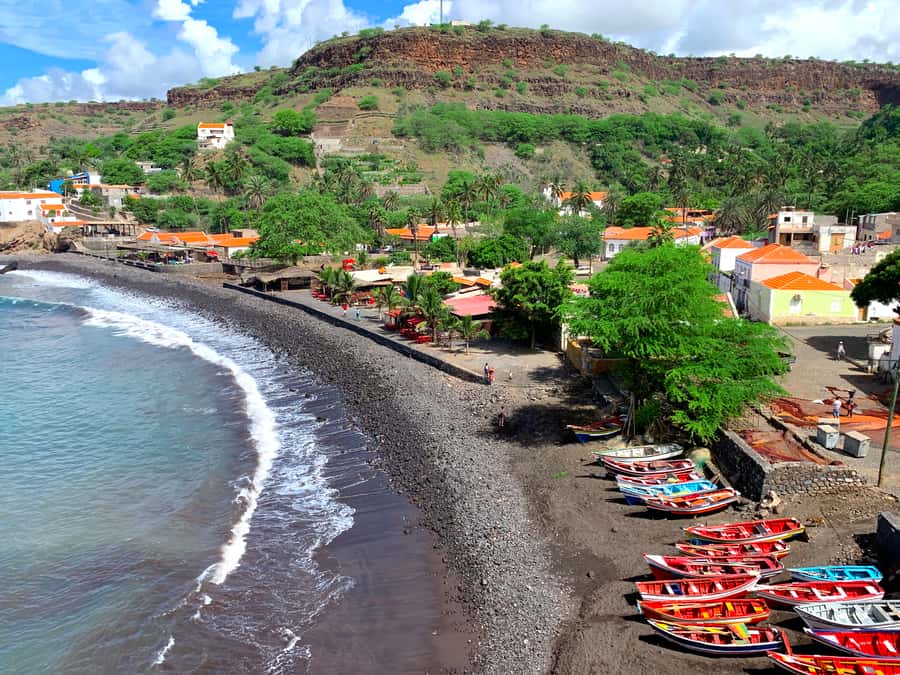
Lunch on the seafront: plan for it, don’t count on it
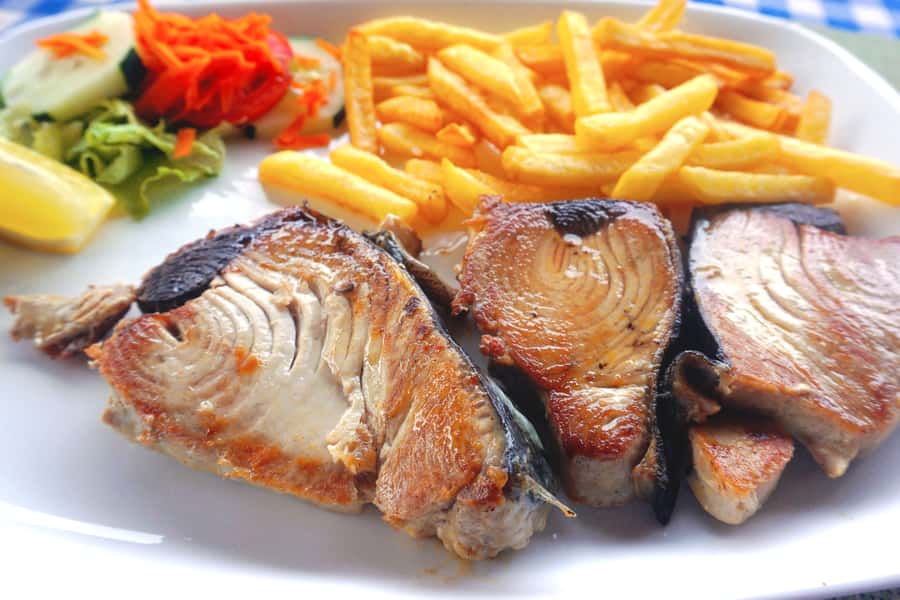
Lunch is not included in the tour price, but there’s a designated break for you to eat at a typical restaurant right on the seafront. You’ll want to plan for your budget here, especially since the day already includes transport and guided access to multiple sites.
Because the tour runs about 4 hours total, you should treat lunch as a flexible window rather than a long sit-down meal. If you’re picky about timing—say you need to be back in Praia by a specific hour—build in some slack. One recurring theme with this type of mixed hike-and-old-town program is that the real schedule can vary depending on walking comfort and how the guide handles the storytelling.
For me, the seafront lunch break is a smart design choice. After history and walking, you get something restorative: salt air, a chance to sit, and a view that makes you feel like you’re still on the island.
Price and what you really get for $82
The listed price is $82 per person for about 4 hours, including:
- pickup and drop-off from your hotel in Praia
- transportation
- a tour guide
- liability insurance
Not included:
- lunch
- the €5 entrance fee for the Fortress of São Filipe
So is it good value? I’d say yes, especially if you factor in what you’d otherwise pay for separately: transport out to Calabaceira and back, a guide to interpret Cidade Velha’s UNESCO sites (including the harder parts like the former slave market), and guided navigation through older streets and ruins.
This tour also tends to make sense if you’re short on time on Santiago Island. You’re getting two major experiences—nature + UNESCO history—in one go, without needing to stitch together multiple tickets and guides yourself.
If you’re trying to squeeze maximum value, bring €5 for the fortress, bring your own water, and don’t plan on lunch being quick and cheap only—you’re paying for a seafront break too.
Shared group vs private: choose based on your comfort with uneven ground

You can choose either a shared group or a private/small group experience. The shared option runs as long as there are at least 2 participants; if not, the provider may suggest another date, charge extra for privacy, or cancel for a full refund.
Here’s how I’d decide:
- Choose shared if you’re comfortable with group pacing and you like meeting other people while keeping costs down.
- Choose private if you want a more controlled pace on the hike, extra time for questions, or you’re nervous about the parts of the trail that can feel narrow or uneven.
While the trek is labeled easy, it’s not wheelchair-friendly, and at least one group experience has included people struggling with steep, bouldery footing. So if you’re older, traveling with mobility limitations of any kind, or you just want a smoother day, private can be worth it.
Also consider your attention span. If you like lots of explanation, private can feel even better because you won’t be waiting your turn at stops.
What to bring so the easy hike stays easy
Even though the trek is described as easy, you’ll enjoy it more if you treat it like a real walk.
Pack:
- Hiking pants, especially August to November
- Decent footwear with grip
- Hat and sunscreen
- Water
- €5 for the Fortress of São Filipe entrance
The tour says the path quality is medium tilt and narrow at the beginning, and it’s a one-way trail. That means your shoes and balance matter more than you think, particularly when you switch from valley terrain to old-town stones and steps later.
If you like photos, bring a phone or camera—but keep one hand free when the trail narrows. It’s not a thrill obstacle course; it’s just enough uneven ground to reward careful footing.
Should you book Santiago Calabaceira Valley Trek & Cidade Velha?
Book this tour if you want a single day that connects walking through real plant life with UNESCO history you can’t get from a quick pass. I especially recommend it if:
- you like guided interpretation rather than self-guided wandering
- you want both Cidade Velha’s major sites and its harder historical stops
- you’re staying in Praia and want pickup, transport, and organization handled for you
Skip it (or switch to a more tailored plan) if:
- you have mobility impairments
- you’re very sensitive to uneven or narrow footing
- you need tight timing with no room for variation—because a hike day plus multiple town stops can sometimes stretch beyond the neat estimate
If you go with the right mindset—comfortable shoes, water, and respect for the significance of places like the former slave market—you’ll come away with that rare combo: a greener side of Santiago Island and a clearer understanding of Cidade Velha’s role in world history.
FAQ
How long is the trek and the full tour?
The trek is about 3 hours, and the total experience is about 4 hours, including transport and the Cidade Velha visits.
How difficult is the hike in Calabaceira Valley?
It’s rated easy. You’ll walk around 5 km with a one-way trail, and the path can be narrow at the beginning with medium tilt.
What will I see in Cidade Velha?
You’ll visit the São Francisco Convent, Banana Street, Nossa Senhora do Rosário church, the former slave market, the ruins of the Sé Catedral, and the Royal Fortress of São Filipe.
Is lunch included?
No. Lunch is not included, but there is a break for lunch at a typical restaurant right on the seafront.
Do I need to pay any entrance fees?
Yes. You’ll need about €5 for the Fortress of São Filipe entrance.
Can I choose a private tour instead of a shared group?
Yes. You can choose between a shared group and private or small group options, subject to availability and minimum participants for shared departures.