REVIEW · SA PA
Sapa: Trekking Sapa One Day With Group Tour
Book on GetYourGuide →Operated by Sapa Trekking Hiking Tours · Bookable on GetYourGuide
Golden rice paddies start early. Then the trail does the rest. This one-day Sapa trek is all about walking with local insight, from bamboo forest paths to Black Hmong villages, with an English-speaking guide who knows how to make the day feel personal. You also get a proper taste of the countryside rhythm, not just photos at a viewpoint.
I love the balance here: real village stops plus a countryside walk that gives you time to breathe, ask questions, and actually see daily life. Guides like May Pham, Du, Chi, Zu, and Pang Chau come up again and again, and the common thread is how they connect what you’re seeing to their own community knowledge. One drawback to plan for: the trail can start muddy and steep, especially after rain or in foggy weather, so you’ll want shoes with grip and patience at the beginning.
In This Review
- Key Things You’ll Remember
- Sapa Cathedral Start: Getting Oriented in One Easy Meeting
- Bamboo Forests to Muong Hoa Valley Rice Paddies: The Trek Part That Makes the Day
- Y Linh Ho Village: Black Hmong Homes, Textiles, and Daily Life
- Lao Chai Village: The Bigger Community Stop Plus Lunch With Views
- Ta Van Village: Giay Stilt Houses and Another Culture Within the Same Valley
- Timing, Pace, and Weather: When the Views Are Still Worth It
- Transportation, Lunch, and In-Trail Comfort: What’s Included
- Price and Value: Is $26 Worth It in Real Life?
- Who Should Book This Sapa One-Day Trek (and Who Might Skip It)
- Should You Book This Sapa One-Day Trek?
- FAQ
- Where is the meeting point?
- What time should I arrive?
- How long is the tour?
- What’s included in the price?
- Does lunch include vegetarian options?
- Do I get a raincoat?
- What should I bring?
- Is the tour suitable for wheelchair users or people with heart problems?
- Is there a cancellation policy?
Key Things You’ll Remember
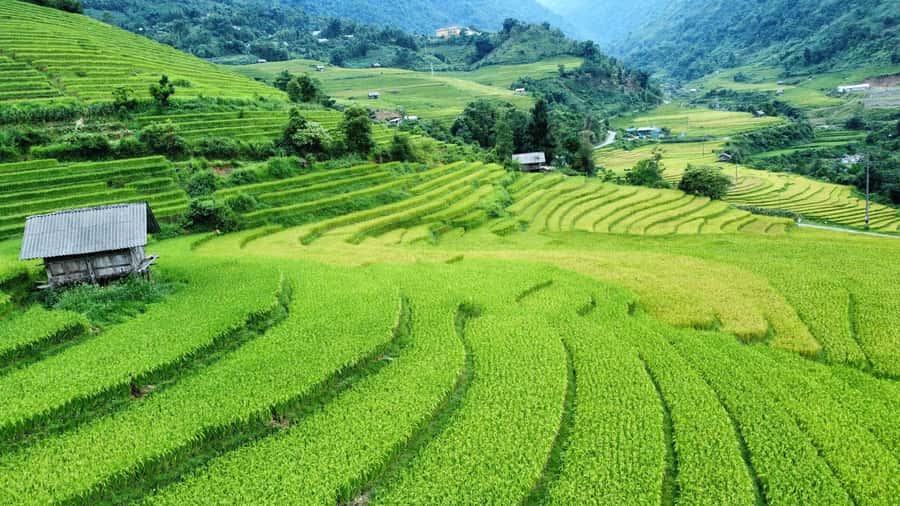
- Bamboo-to-rice trekking that stays scenic from the first steps
- Black Hmong village visits (Y Linh Ho and Lao Chai) with culture and textiles
- Stilt houses and Giay life in Ta Van, plus village photo stops
- Village lunch with options, including a vegetarian option you can request
- Guide-led pace control, with some guides offering a tougher or gentler route
Sapa Cathedral Start: Getting Oriented in One Easy Meeting
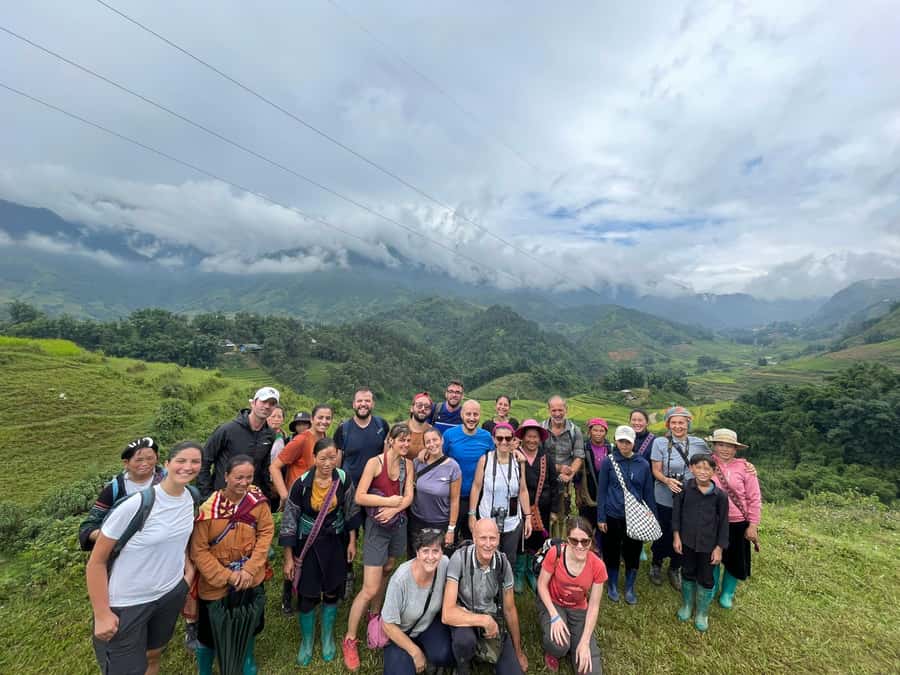
Your day begins at Nhà Thờ Đá Sapa (Sapa Cathedral). The pickup is listed for 9:30 AM, and you’ll do a quick check-in and a short safety briefing (about 15 minutes). If you’re the type who likes to feel steady before walking, this helps a lot. You’re not guessing what’s coming next, and you’re not trying to organize a group in a busy town.
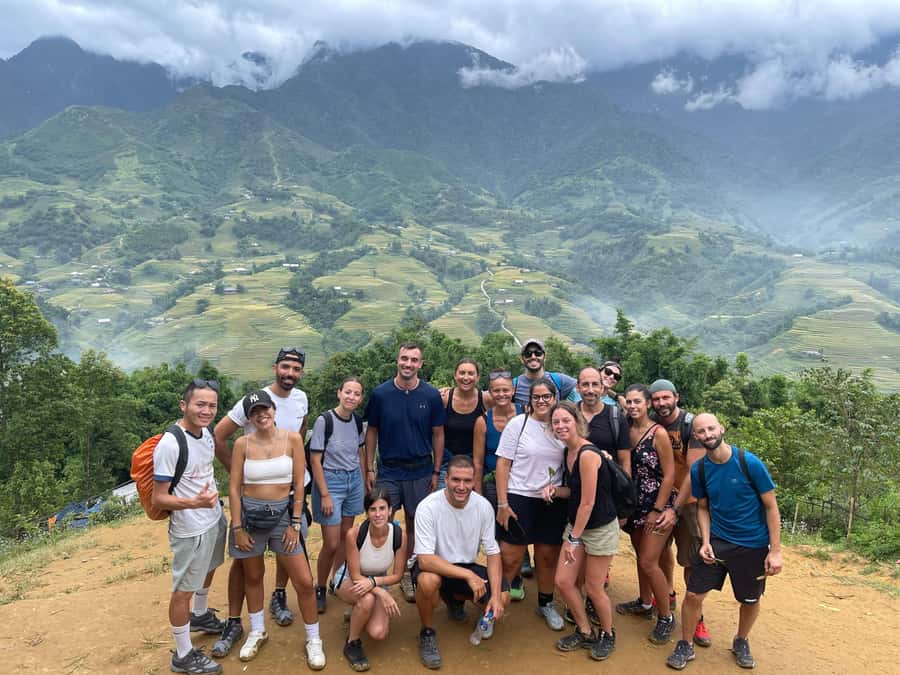
This is also where the tour’s tone becomes clear. You’ll meet your guide, get an overview of the walking route, and then get moving. Even if your group is small, you’ll still have structure: breaks, photo stops, and guidance on what to expect when you reach each village. The cathedral area is easy to find, and it gives you a clean “start and finish line” for the day.
Practical tip: arrive 10–15 minutes early. It saves you stress and usually means you can start on time.
You can also read our reviews of more tours and experiences in Sa Pa.


Bamboo Forests to Muong Hoa Valley Rice Paddies: The Trek Part That Makes the Day
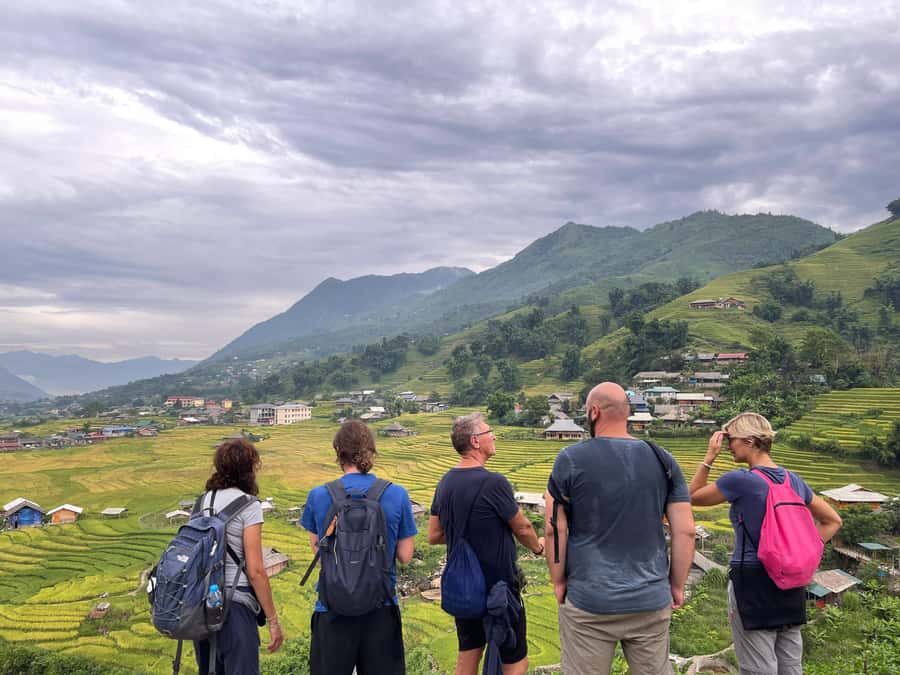
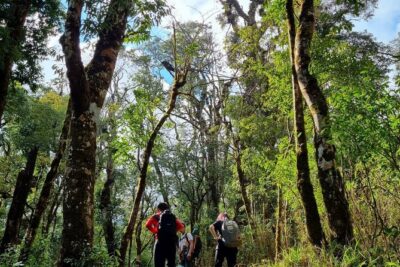
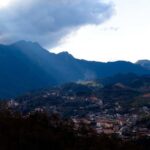
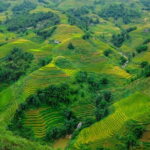
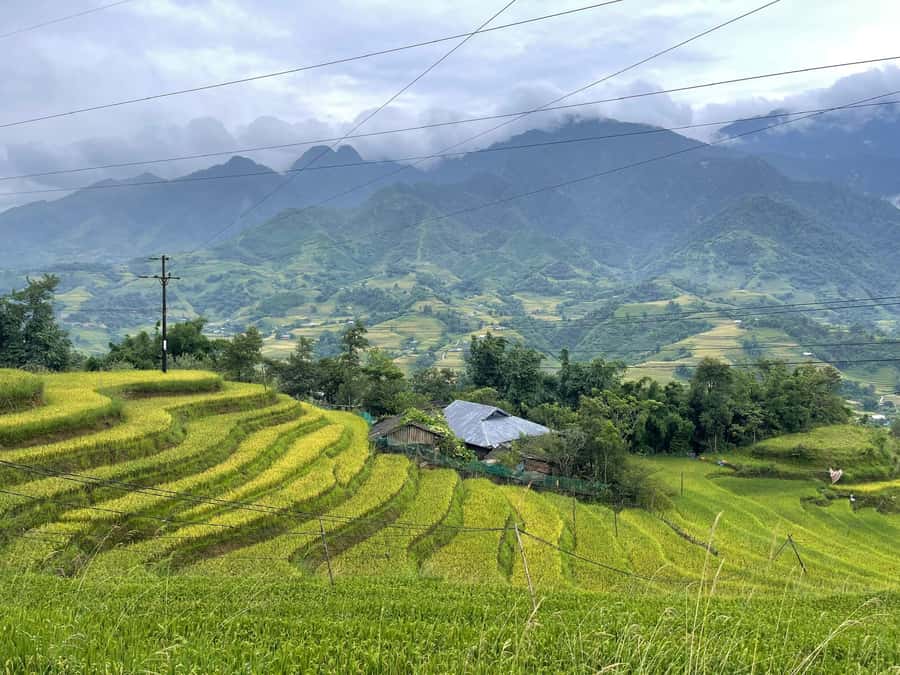
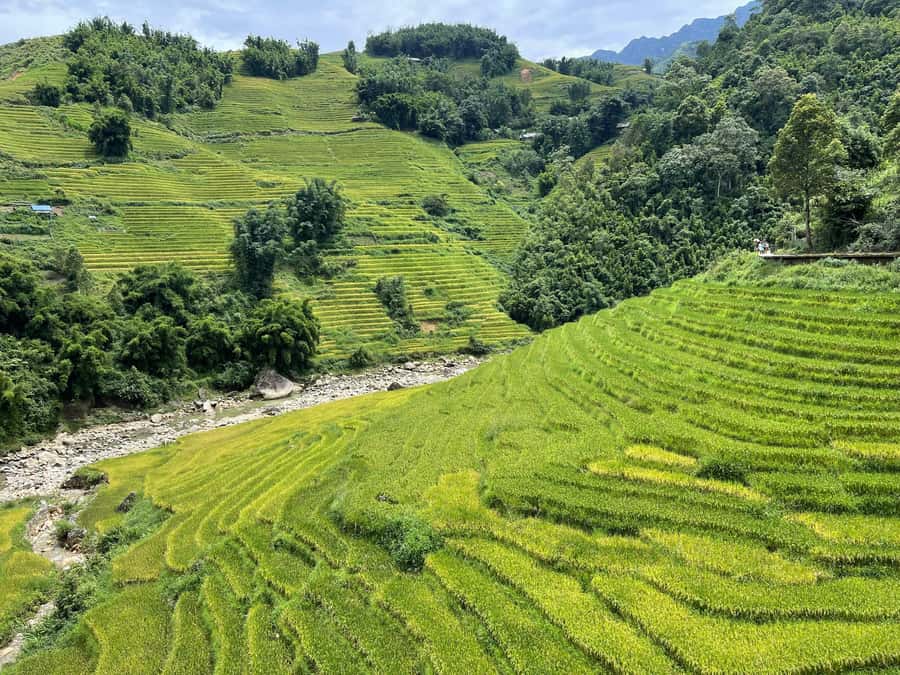
Once you’re out of town, the walking turns into the main event. You’ll trek through bamboo forests and along the rice terraces of the Muong Hoa Valley. This section is the one that gives the Sapa feel fast: mist or fog can roll in, the terraces layer out below you, and the paths can get slick depending on the weather.
The route is designed to feel varied rather than repetitive. One moment you’re moving through a shaded bamboo corridor; the next, you’re stepping into open views over terraced fields. That rhythm keeps you from feeling like you’re just hiking from one stop to another.
A pattern shows up in the real-world experience: the first part of the hike can be the toughest. Multiple guides have been noted for keeping people moving safely through muddy or slippery spots, especially right after rain. You’ll also likely have several rest pauses for photos and breathing room, not a nonstop slog.
What it means for you: if you bring sturdy shoes and keep a steady pace early, you’ll enjoy this more. If you rush, you’ll feel the mud more than the views.
Y Linh Ho Village: Black Hmong Homes, Textiles, and Daily Life
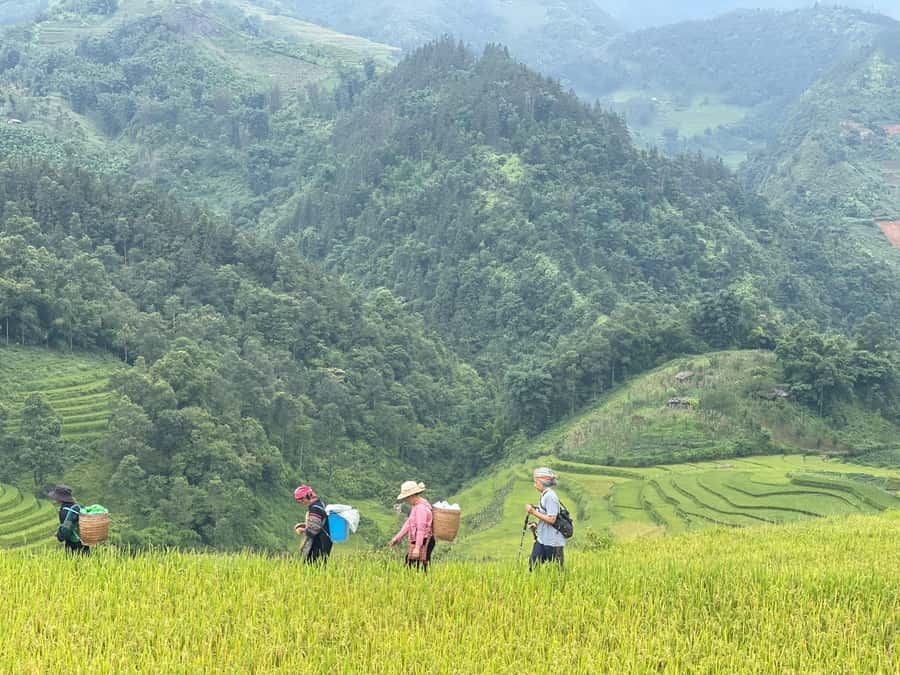
From the Muong Hoa walking sections, you’ll reach Y Linh Ho, a Black Hmong village in the valley. This is where the day stops being only about scenery and becomes about people and customs.
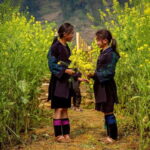
In Y Linh Ho, you’ll get time to learn about traditional lifestyles and see handwoven textiles. You may also have the chance to step into the slower, everyday side of village life rather than treating it like a checklist. A good guide makes this part work: they explain what you’re seeing and connect it to family routines, clothing traditions, and how communities survive and adapt at altitude.
Why this stop is worth your time: textile work and traditional clothing aren’t just souvenirs. They’re practical—built for the climate, identity, and history of the community. And when your guide can explain the meanings behind patterns and materials, the whole visit feels more respectful and more interesting.
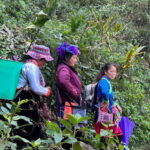
Small reality check: in villages, interactions can include offers to purchase items. One important detail from the experience: you might see Hmong women following the group who are not part of the formal tour team and may ask if you want to buy crafts. That’s your call—no pressure required—so keep some cash on hand if you might want something, but don’t feel obligated.
Lao Chai Village: The Bigger Community Stop Plus Lunch With Views
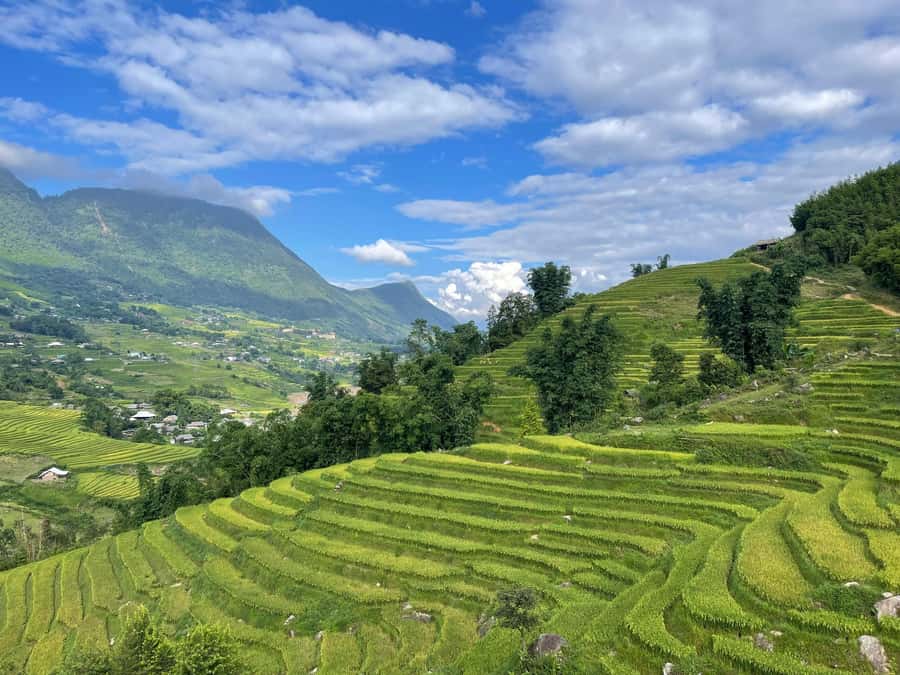
Next comes Lao Chai, described as the largest Hmong village in Sapa. This is a good contrast to Y Linh Ho. Bigger village energy, more activity, and more chance to observe how a community functions beyond a small cluster of homes.
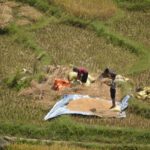
Here, you’ll walk among rice fields and visit authentic Hmong homes. The focus is on understanding customs and community spirit, not just taking pictures. And this stop is where your day’s energy matters, because lunch is coming soon.
Lunch is included at a cozy village restaurant, and you’ll usually eat while surrounded by terrace scenery. Based on what’s been shared by people who took the trek, there’s often a vegetarian option you can request. If you’re a vegetarian, tell your guide before lunch so they can guide you to what’s available.
How to make the most of this break: don’t rush the meal just to get back on the trail. Use the sitting time to ask your guide a few focused questions—how clothing is made, what a typical day looks like, or how the valley farming cycle works. This is the part that turns the trek into a story you can remember.
Ta Van Village: Giay Stilt Houses and Another Culture Within the Same Valley
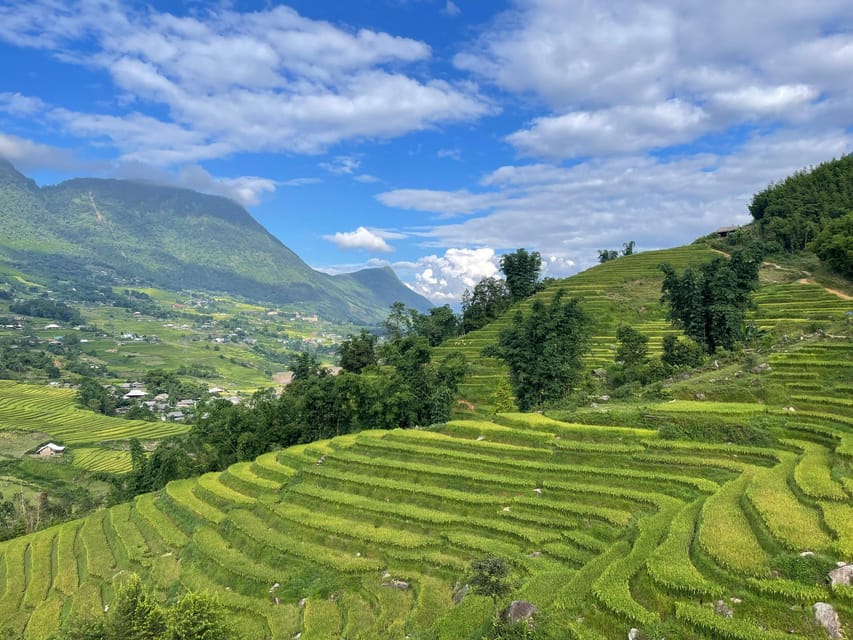
After lunch and a short transition, you’ll trek to Ta Van, home to the Giay people. This is a key moment because it broadens your understanding of the region. You’re still in Sapa’s highlands, still surrounded by terrace views, but the cultural tone shifts.
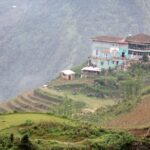
You’ll have photo stops and guided time here, plus the chance to see traditional stilt houses. The stilt design makes sense in a wet, mountainous environment, and it’s one more way to understand how architecture adapts to local conditions. The day also highlights how different ethnic cultures coexist in the same valley system.
For many people, Ta Van is the “you can’t believe this is real” stop. Not because it’s staged, but because it feels like you’re stepping into a living home rather than a museum display. If you’re respectful with your pace and your questions, you’ll likely get the most meaningful interactions.


Timing, Pace, and Weather: When the Views Are Still Worth It
This tour runs as a full morning-to-afternoon experience. You start around 9:30 AM and end back at Sapa Cathedral around 3:30 PM. That’s the full day flow, including walking time, breaks, and travel back into town.
Walking time can feel like a mix of gentle stretches and more demanding sections. Some guides can adjust the route depending on the group. One helpful detail you should know: some groups have been given an option for a more difficult walk with better views versus an easier route with fewer dramatic scenes. If you want a choice, ask your guide early. They can often help you match the walk to your comfort level.
Weather matters in Sapa. Fog can reduce the big panorama moments, but it can still make the bamboo and terraces feel atmospheric. If it’s rainy, the trail can become muddy and slippery, especially near the beginning. Guides have been noted for helping people negotiate rough footing, but you should still come prepared.
What to bring (and why it matters on this route):
- Hat and sunscreen (you’ll be in open terrace sections)
- Comfortable clothes you can move in
- Cash (for small purchases if you want crafts)
- Use the provided raincoat if needed
- Wear shoes with good grip; bring an umbrella if you’re prone to getting caught in sudden rain
Transportation, Lunch, and In-Trail Comfort: What’s Included
The package includes more than just a guide and a name on a map. You’ll get:
- An English-speaking local guide
- Village entrance fees
- Lunch in the village
- Water: one big bottle per person
- A raincoat for bad weather
- Transportation back to Sapa from the last village (by car)
That last point matters. In a region where weather can slow you down, having a return plan takes stress off your shoulders. You finish back at the cathedral, which makes it easy to continue your day in town.
If you’re thinking about comfort: the “included” water and rain gear helps, but you still need to manage your own energy. Bring a small personal snack if you know you run low on stamina, and plan for a slower start if conditions are wet.
Price and Value: Is $26 Worth It in Real Life?
At $26 per person, this trek is priced like a solid budget-to-mid range day, especially because several things are already covered: guide, village entrance fees, lunch, and a major chunk of transportation support.
Here’s the value math that matters:
- You’re getting a guided visit to multiple villages, not just one stop.
- You’re getting a real walk through bamboo and terraces, not only short photo segments.
- You’re paying for cultural access (entrance fees) and a meal, which would cost extra if you did it on your own.
- You’re paying for someone local to interpret what you see, including practical explanations of customs and daily life.
Where you might spend extra: tips for guide and driver, and any drinks or snacks beyond lunch. Also, if you want to buy handicrafts, having cash ready keeps things easy.
The main thing that makes the price feel fair: the guide quality. Many people highlight their guides by name, and the guide’s ability to translate the day into understandable stories is what turns the trek from a walk into a meaningful experience.
Who Should Book This Sapa One-Day Trek (and Who Might Skip It)
This trek is best for you if you:
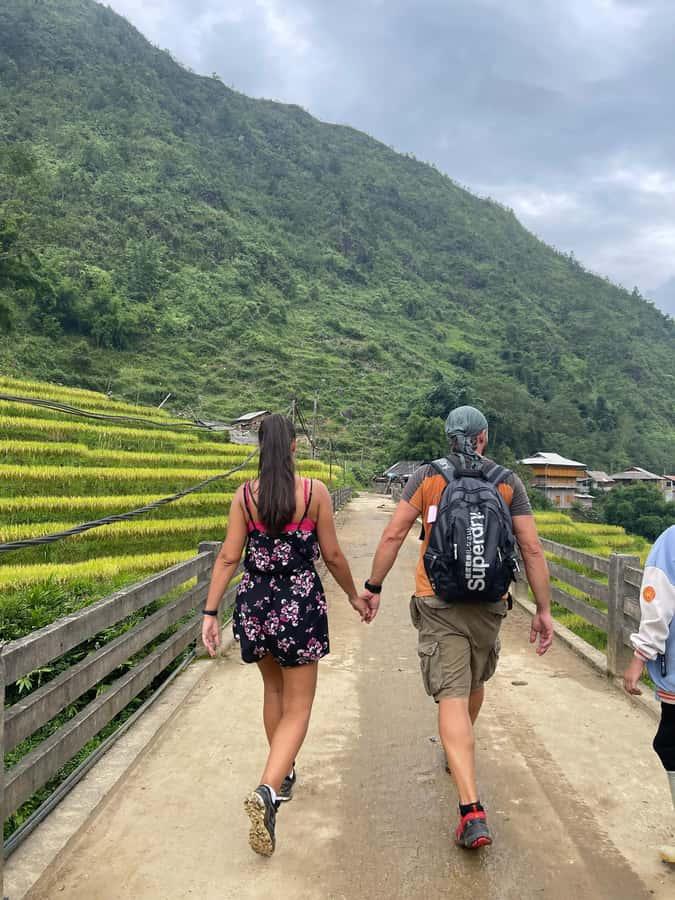
- Enjoy walking on uneven paths and don’t mind a bit of mud
- Want more than viewpoints and photos
- Like cultural exchanges where your guide explains what’s practical and personal
- Can stay flexible on pace and weather
It’s not a great fit if you have mobility constraints. It’s listed as not suitable for wheelchair users, and it’s also not suitable for people with heart problems and people over 70. If you fall into any of those categories, choose a gentler option with less walking.
Also be aware of village visiting norms. Short skirts are not allowed, so dress with that in mind. The tour also notes electric wheelchairs aren’t allowed.
Should You Book This Sapa One-Day Trek?
Yes, if you want a day that feels grounded in real village life and a countryside walk that actually holds your attention. The price-to-inclusions ratio is strong, and the best part is how the day is guided—your time in Black Hmong villages and Ta Van isn’t just sightseeing. It’s an education you can walk through.
Book it with confidence if you’re comfortable with a trek that can be slippery at the start. Skip it only if you want flat, easy hiking or you need a fully accessible route.
FAQ
Where is the meeting point?
You’ll meet your local guide in front of Sapa Cathedral (Notre Dame Cathedral), at Nhà Thờ Đá Sapa.
What time should I arrive?
Pickup is listed for 9:30 AM, and you should arrive 10 to 15 minutes early.
How long is the tour?
The tour duration is listed as about 5 hours, and the schedule runs from the morning pickup to an afternoon return.
What’s included in the price?
Included are an English-speaking local guide, village entrance fees, lunch in the village, water (1 big bottle per person), a raincoat, and transportation back to Sapa from the last village.
Does lunch include vegetarian options?
Lunch is included, and a vegetarian option has been mentioned. It’s smart to confirm your preference when you meet the guide.
Do I get a raincoat?
Yes. A raincoat is included in case of bad weather.
What should I bring?
Bring a hat, sunscreen, comfortable clothes, and cash.
Is the tour suitable for wheelchair users or people with heart problems?
No. The tour is listed as not suitable for wheelchair users and not suitable for people with heart problems.
Is there a cancellation policy?
Free cancellation is offered up to 24 hours in advance for a full refund. No refund is given for cancellations made within 24 hours of departure.