REVIEW · MARRAKECH
3 Day Trek in the Atlas Mountains and Berber Villages from Marrakech
Book on Viator →Operated by Targa Travel & Trekkinginmorocco · Bookable on Viator
High Atlas passes can make your whole trip feel slower—in a good way. This 3-day trek from Marrakech takes you into the High Atlas Mountains for Berber village life, with guided hikes over mountain passes and home-style food. You’ll sleep in simple guesthouses/gites and watch daily life change from town streets to mule paths.
What I like most is the human stuff: you stop for mint tea in a traditional home, and your days are paced around real villages instead of just viewpoints. I also like that you get mountain-day structure across three days, including high passes (like Tizi n’ Tamatert) and a big waterfall day in Toubkal National Park.
The main thing to consider is organization and communication. Pickup details, day timing, and the reality of what’s included (especially lunch and water) can be inconsistent, so you’ll want to confirm your plan early and keep a little cash ready.
In This Review
- Key highlights and details that matter
- Day 1: Marrakech to Imlil, Tizi n’ Tamatert, and your first Berber guesthouse
- Day 2: Oudit Pass hiking, Ikkis/Aguersiwal, and the Ait Aissa hamam evening
- Day 3: Toubkal National Park waterfall, Mzik Pass (2500m), and back to Imlil
- Price and value: what $145 covers, and what to budget for
- Fitness options and how to choose the right hiking level
- Sleeping, mule-borne luggage, and how village meals work
- What to pack for the High Atlas (and why it changes everything)
- Should you book this 3-day Atlas Mountains trek from Marrakech?
- FAQ
- What time does the trek start from Marrakech?
- How long is the 3-day Atlas trek?
- Is it a private tour for my group?
- What meals are included?
- Are mule animals used for carrying luggage?
- What should I pack?
Key highlights and details that matter
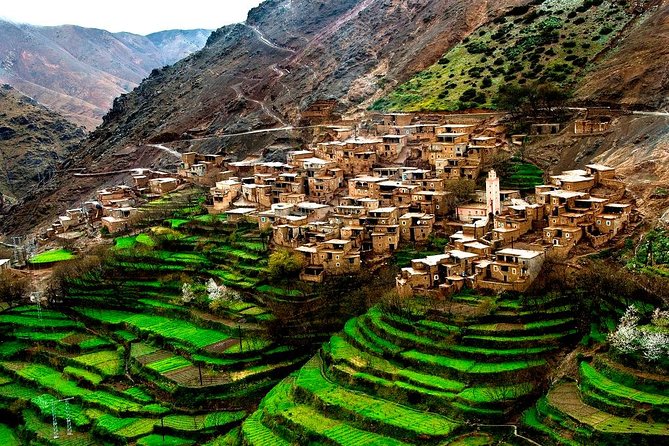
- Private transport from Marrakech so you can start hiking without wasting time on public transit
- Bags carried by mule, which helps you hike with lighter daypacks
- Village tea stop on Day 1, a small moment that sets the whole tone
- Oudit Pass + Ait Aissa hamam option, for a proper “mountain evening” payoff
- Big waterfall in Toubkal National Park on Day 3, before the return trek
- Route over Mzik Pass (2500m) for big views, then downhill to Imlil
Day 1: Marrakech to Imlil, Tizi n’ Tamatert, and your first Berber guesthouse
Your day starts around 9:00am with private transport from Marrakech to Imlil. Once you’re dropped off, you leave town behind fast and start walking through mountain villages. There’s a welcome drink first, then the trek quickly shifts from “driven to nature” to “walking through it.”
After about an hour, you pause for a glass of mint tea in a traditional Berber home. This stop matters because it’s not just a quick photo moment—you get a feel for how routine hospitality works in the villages, even when most visitors only pass through for hours. From there, you continue toward Tizi n’ Tamatert (2300m), where the pass views are the first real reward.
Lunch is scheduled on the pass, and then you head to the last village for the night—Techdirt or Tinghourine, depending on the route. You sleep in a guesthouse, which is basic but part of the experience. If you tend to get chilled easily, Day 1 is your chance to get your layers ready—mountain evenings arrive fast.
What to watch for: Day 1 timing can feel a bit “changeable,” so build in patience. When communication is smooth, Day 1 feels like a gentle landing. When it’s not, you may need to double-check meeting points and what comes next.
You can also read our reviews of more tours and experiences in Marrakech.
Day 2: Oudit Pass hiking, Ikkis/Aguersiwal, and the Ait Aissa hamam evening
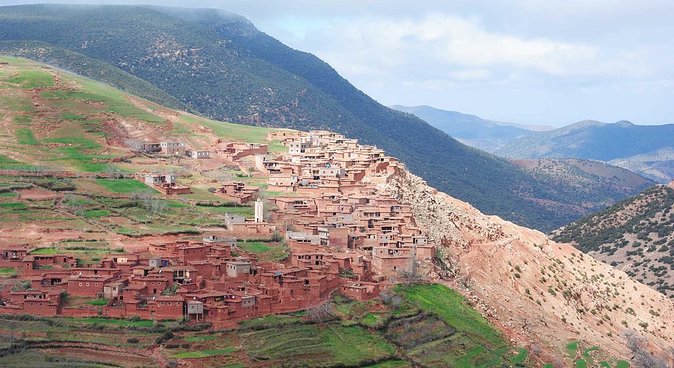
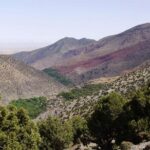
Day 2 is the “real hiking day.” Expect around 4–5 hours on the trail, moving from Tinghourine/Tachdirt toward Ikkis, then Aguersiwal (2100m) and onward through Matat to Ait Aissa. The route passes more small villages along the way, so you’re constantly switching between mountain paths and people’s daily routes.
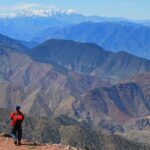
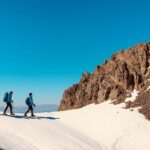
A key moment is walking along Oudit Pass (2200m). Passes are where you get the wide, open air and the big sense of altitude—also where the wind can be annoyingly good at cooling you down. This is where you’ll appreciate walking shoes and a daypack that doesn’t bully your shoulders.
In the evening, you arrive at a gite in Ait Aissa. The itinerary includes a steam bath (hamam) option, if you want to use it. This is one of those details that makes the whole trek feel more like a complete journey, not just a long walk and a bed.
The good trade: Even with all the effort, your day isn’t one long, punishing push. It’s broken up with village scenery and gradual progress. The possible drawback: if your fitness is on the low end, you’ll want your guide to actively steer your pace—this tour can be moderate-to-slightly challenging depending on the day.
Day 3: Toubkal National Park waterfall, Mzik Pass (2500m), and back to Imlil
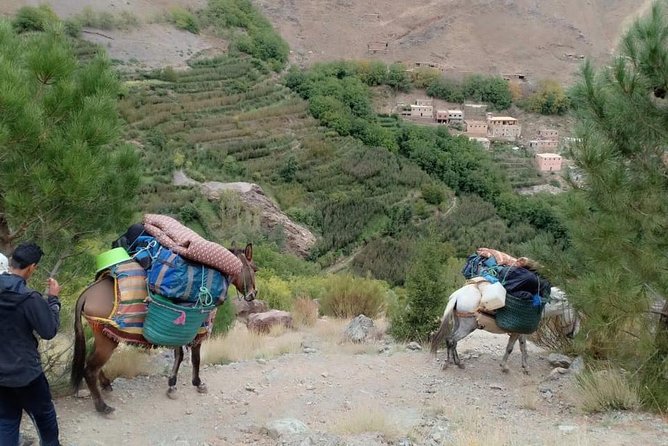
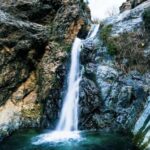
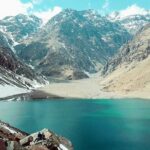
Day 3 starts with a highlight: you visit the biggest waterfall in Toubkal National Park. It’s the kind of stop that breaks up the mental grind of “up, up, up,” even if you only spend a short time there. Then you join the path over Mzik Pass (2500m), where the views open over the Ait Mizan valley.
You’ll have lunch in Mzzik, then the trek becomes a satisfying downhill rhythm back toward Imlil, where the walking ends. From there, you transfer back to Marrakech.
This day is great because it feels like a proper “finish,” not just a return route. You get both a nature payoff (the waterfall) and a high-altitude view payoff (Mzik Pass). And when you finally see Imlil again, you realize how much ground you covered in three short days.
Reality check: Your Day 3 experience can depend on weather and trail conditions. If it’s cold or windy, make sure you have something to pull on quickly at the pass. If your pace is slow, you’ll be glad your guide can adjust so the finish doesn’t turn into a sprint.
Price and value: what $145 covers, and what to budget for
At $145 per person, this tour is aiming to bundle the big essentials: private transport, a local guide, accommodation for two nights, food for three days (breakfast and dinner), and mule baggage support. That’s a lot of moving parts for one fixed price, and it’s exactly why multi-day treks can be worth it even when they’re not luxury travel.
The tricky part is that not everything you’ll want is listed as included. The tour includes breakfast and dinner, but soft drinks are not included. Also, lunch isn’t clearly guaranteed in the “included” section, even though lunch is mentioned in the day-by-day outline. In practice, you should assume you may pay extra for lunch along the route.
A practical way to handle this: bring cash for food and keep a small buffer for extra water if needed. One more reason—some days can run behind schedule due to vehicle coordination, and that’s when lunch timing can feel different than you expect.
Value verdict: If you show up flexible and treat this like a real hike with village stops, the price starts to make sense fast. You’re paying for logistics so you don’t have to guess routes, manage passes, and coordinate nights in rural places.
Fitness options and how to choose the right hiking level
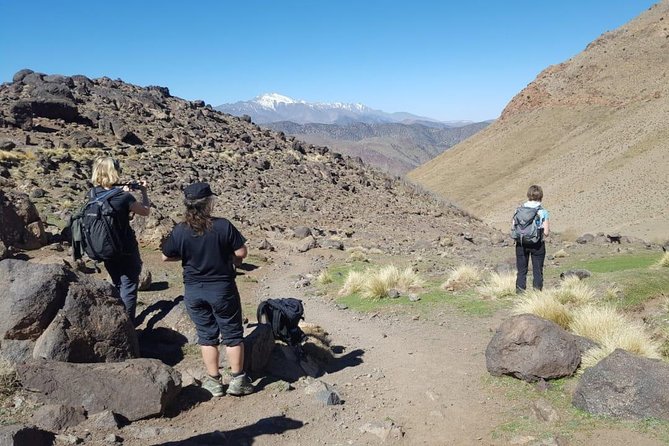
The tour offers different options based on fitness, from a 4–5 hour daily hike to a gentler plan with a mule ride. That’s important because the High Atlas doesn’t care about your vacation schedule—altitude and footing are real.
If you can handle moderate walking, you’ll likely enjoy the full route as written, especially the pass days. If you want the scenery with less strain, I’d push for clarity on what the “gentler” option actually means for your group—how much walking versus riding, and which segments are optional.
In real life, pace also depends on your guide. Some guides are known for keeping the group moving without turning the hike into a race, and others can adjust route intensity when people have different comfort levels. Since this tour runs with a local guide, you’ll be able to ask for a slower pace early and see if the plan can flex.
Who should go: This is best for people who want a walking holiday, not just a countryside sightseeing day. If you dislike stairs, uneven trails, or cold nights, consider a shorter trek or a different style of day tour.
Sleeping, mule-borne luggage, and how village meals work
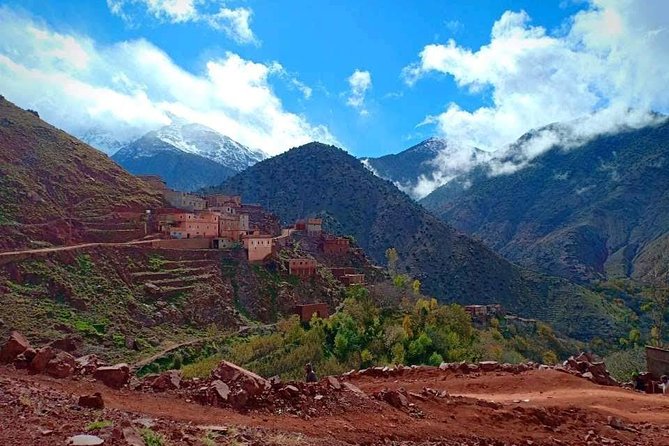
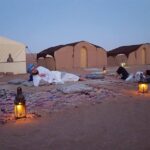
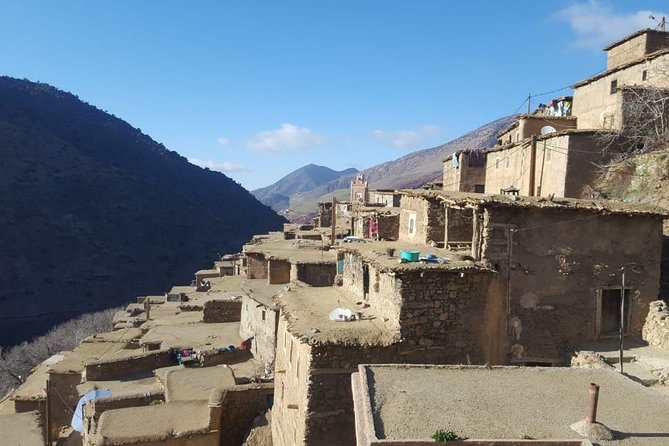
You’ll sleep two nights in guesthouses/gites along the way. These places are basic, but that’s part of what makes the trip feel grounded. You’re not in a hotel bubble—you’re in the same kind of simple setting that village families and workers live with.
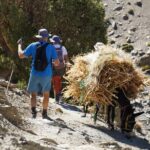
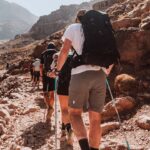
Your mule carries the bags, which is a smart comfort upgrade. You still hike with a daypack, but the weight shift matters. It turns the trek into a long walk you can enjoy rather than a workout where you fight your own shoulders.
Meals are also arranged for the journey. The tour includes food for 3 days (breakfast and dinner), which usually keeps the hard part simple: you can focus on hiking and rest. Lunch may be different depending on how the day runs, so don’t assume it’s fully covered if it isn’t listed as included.
One more important detail: nights can get cold at higher elevations. Even if daytime feels fine, bring warm layers for evenings and mornings. If you pack for comfort only, you’ll feel it later.
What to pack for the High Atlas (and why it changes everything)
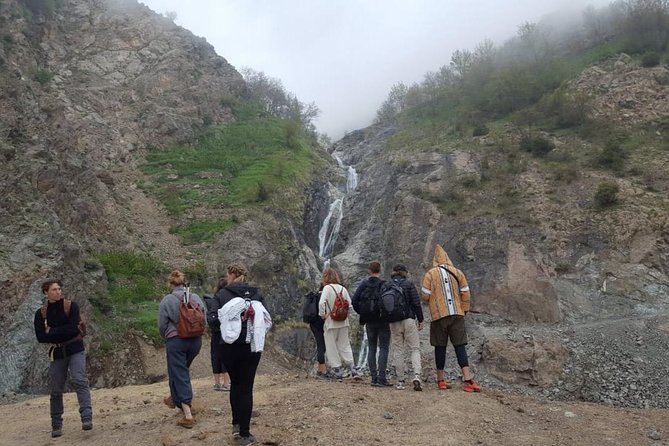
Comfort on a trek like this is mostly about being ready for small things: cold hands, sore feet, bright sun, and weather shifts at passes. The essentials are already clear: walking shoes, plus sunglasses, sun cream, and a camera.
Here’s what I’d add based on how people actually survive these nights and passes:
- Warm layers for the cold evenings, possibly a heavier jacket
- A hat or something to reduce wind chill on exposed sections
- A small reusable water bottle, even if you plan to buy extra water if needed
- A light rain layer if the forecast looks questionable
Also think about your daypack. You want quick access to layers and sun protection because the trail can swing from “warm in sun” to “freezing in shade” in a matter of minutes at altitude.
Finally, bring patience. When pickup and schedule communication are smooth, the tour feels like a well-run path through the mountains. When they’re not, you’ll be grateful you’re prepared to handle small delays without panicking.
Should you book this 3-day Atlas Mountains trek from Marrakech?
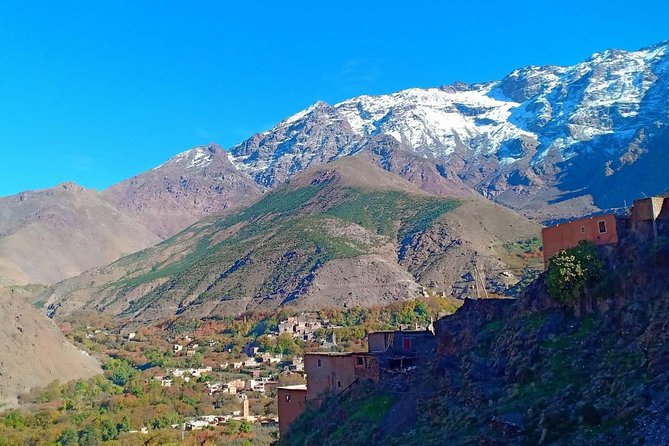
Book it if you want a real High Atlas walking experience with village tea moments, guided passes, and two nights in simple mountain stays. The best reason to choose this tour is the mix: mountain effort during the day, then a village-style evening with food and rest.
Don’t book it if you need ultra-perfect scheduling and crystal-clear communication every step of the way. Since Day 1 and meal details can be inconsistent in practice, you’ll want to confirm key points early and keep cash for lunch/water.
If you’re the kind of person who likes being outside, walking with purpose, and learning through small daily interactions, this is a strong pick for a first trek in Morocco’s High Atlas.
FAQ
What time does the trek start from Marrakech?
The start time is 9:00am, with pickup and private transport offered from your hotel in Marrakech.
How long is the 3-day Atlas trek?
The trek runs for 3 days (approximately), with hiking days planned around mountain passes and village routes.
Is it a private tour for my group?
Yes. This is listed as a private tour/activity, meaning only your group participates.
What meals are included?
The tour includes breakfast and dinner for three days. Soft drinks are not included. Lunch coverage isn’t listed under included items, so you should budget for it.
Are mule animals used for carrying luggage?
Yes. A mule carries your bags, helping you hike with a lighter daypack.
What should I pack?
You’re advised to bring walking shoes, sunglasses, sun cream, and a camera. Plan for cold mountain nights and pack warm layers so you stay comfortable after hiking.