REVIEW · KATHMANDU
Everest Base Camp Trek
Book on Viator →Operated by Explore Himalaya Travel and Adventure · Bookable on Viator
That first flight to Lukla feels unreal. It’s the gateway to the Everest region’s mix of huge peaks and up-close Sherpa culture.
What makes this trek especially interesting is how quickly you go from city life to serious altitude country: Kathmandu, then an early-morning hop to Lukla at about 2845–2860m, then steady days of walking toward Everest’s doorstep. You also get the operational basics handled for you, like airfare, guides/porters, and lodge meals, which makes the trip easier to plan.
The two biggest things I like here are the English-speaking local guide and porters (you’re not doing this alone), and the fact that Kathmandu plus Lukla round-trip flights are included in the price. One possible drawback: the Lukla weather situation is real, so flights can delay or cancel even in good conditions, and you may need buffer time (or a backup plan).
In This Review
- Quick Hits: What Really Matters on Everest Base Camp
- Everest Base Camp: The Real Hook Is Faster Than You Think
- Kathmandu Setup: Your First Day Is About Getting Ready
- The Lukla Flight: Where the Trek Can Start Like Magic
- Walking Through Sagarmatha National Park: Views With a Protected-Place Feel
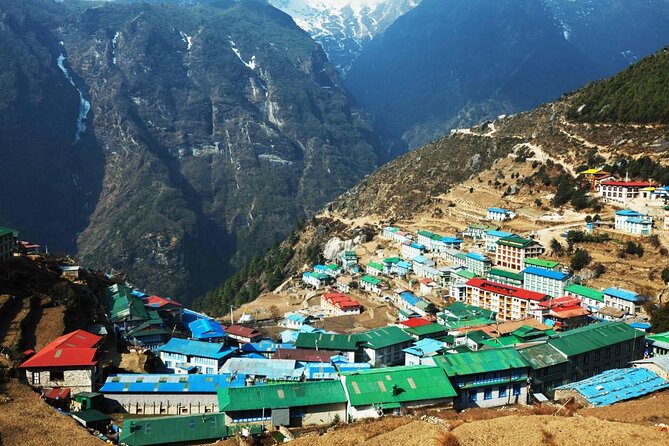
- Sherpa Villages and Monasteries: Culture That Actually Interrupts the Grind
- Lodges and Meals: Comfortable Enough for the Job
- Guides and Porters: Why This Package Wins on Support
- Price and Value: What $2,500 Is Really Paying For
- Who This Trek Best Fits (And Who Might Need a Different Plan)
- Final Call: Should You Book Everest Base Camp With This Operator?
- FAQ
- Do I need a visa for Nepal on this trek?
- What’s included for trekking meals and drinks?
- What kind of lodging should I expect on the trek?
- Are flights to Lukla included, and what if flights get delayed?
- Where do I meet the tour and where does it end?
- Is this a private trek?
- Can I cancel and get a full refund?
Quick Hits: What Really Matters on Everest Base Camp
- Lukla flights run in the morning to avoid bad weather, so your schedule will feel tight early on
- Lodges are standard, not luxury: you get local lodge rooms with sharing bathrooms
- Sherpa villages and monasteries are part of the point, not just scenery
- Sagarmatha National Park time adds wildlife and big-protected-area feeling to the trek
- Guides and porters are the difference-maker when altitude and fatigue start stacking up
- Build buffer days because Lukla can still ground flights
Everest Base Camp: The Real Hook Is Faster Than You Think
Everest Base Camp is one of those goals that sounds simple until you picture the logistics. This trek earns its reputation because it doesn’t waste your time. You start in Kathmandu with a day (or more) to get your bearings, then you fly to Lukla—the high-altitude trailhead perched on the edge of the mountains at roughly 2845m.
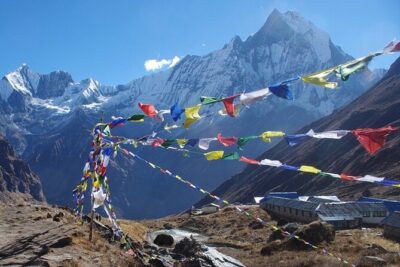
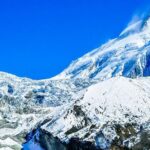
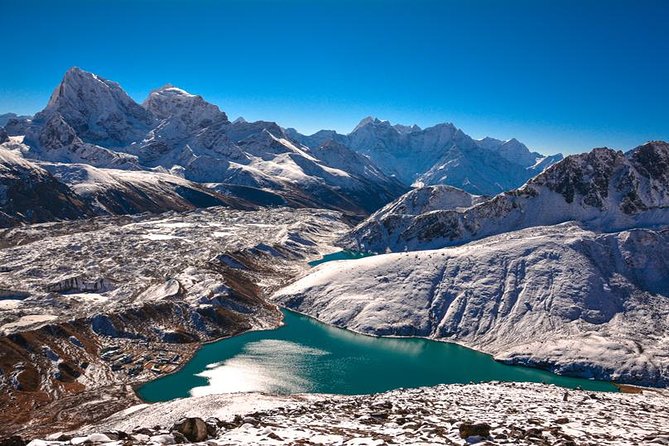
From there, the trek does two jobs at once. It brings you close to the Everest region giants like Everest (8848m), Lhotse (8586m), Cho Oyu (8188m), and Ama Dablam (6812m), and it routes you through places where Sherpa life is visible up close—villages, monasteries, and that daily rhythm of people living near the roof of the world. In other words, it’s not only a view mission. It’s a human one, too.
You can also read our reviews of more tours and experiences in Kathmandu.
Kathmandu Setup: Your First Day Is About Getting Ready
Kathmandu is included with three nights in a 3-star hotel on twin sharing with breakfast. This matters more than it sounds. You’re coming in to Nepal by air, you’ll likely have jet lag, and then you’re facing the jump to Lukla.
The trek also includes surface transfers and a pickup option, plus your meeting point is Tribhuvan Airport in Kathmandu. That reduces the first-day scramble and helps you spend energy on the right things: getting organized, staying hydrated, and learning your plan.
If you’re the type who likes to understand what happens next, you’ll probably appreciate the way this operator supports pre-trek questions. People who worked with their team describe fast, honest answers during planning, including guidance that helps you pack smart and avoid last-minute confusion. One contact name that comes up often in that planning phase is Anuj, including help from the team behind him.
The Lukla Flight: Where the Trek Can Start Like Magic
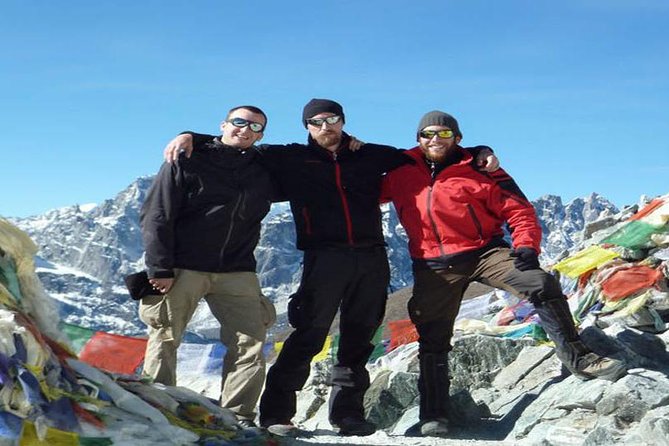
Here’s the part you can’t fully control: Lukla flights. The operator notes that they often operate in the morning to avoid bad weather, and delays or cancellations can happen for one or more days. That means your trek start (or end) can shift.
This affects you in practical ways:
- You should assume the walking portion won’t start instantly after you land in Kathmandu.
- If you have strict commitments at the end of the trip, this route can feel risky.
- It’s smart to bring layers and keep essentials easy to reach, because delays can mean you wait longer than planned.
The company’s guidance is clear: keep buffer days if possible. If flights are canceled for longer stretches, they suggest alternative trekking regions accessible by road (like Annapurna, Langtang, or Upper Mustang), which can keep your vacation moving without depending on Lukla.
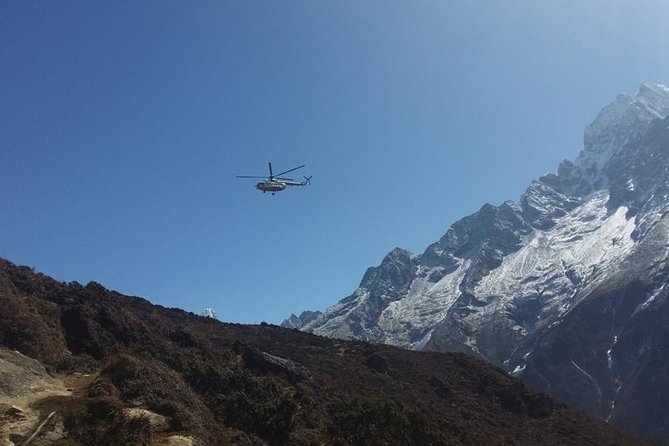
If you want to stick with the original Everest plan, there’s a backup: a helicopter flight supplement to/from Lukla, based on availability. The supplement would be added to the flight cost, and the timing depends on what’s available.
Walking Through Sagarmatha National Park: Views With a Protected-Place Feel
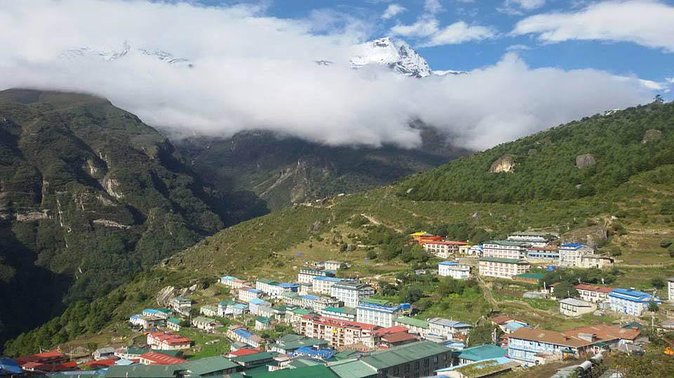
Once you’re in the Everest region, the trek follows the Sagarmatha National Park area. Even if you only care about Everest itself, this is more than a line on a map. National parks in high mountains tend to keep the environment protected, and you’ll likely feel that the trail exists inside a managed space with real rules and real conservation.
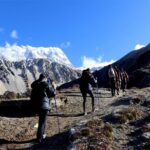
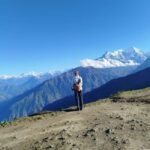
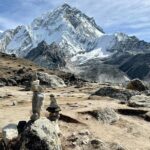
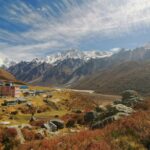
You’ll also be following the trail with repeated mountain views of Everest and the nearby big names. The operator calls out panoramas that include Everest, Lhotse, Cho Oyu, and Ama Dablam, and that matches why people keep returning to this route. The scenery isn’t just a one-time postcard. It’s the slow reveal through the days.
Sherpa Villages and Monasteries: Culture That Actually Interrupts the Grind
A major reason Everest Base Camp works as a trek—beyond altitude and distance—is that it stays social. As you ascend, you move deeper into Sherpa settlements, with monasteries and village life along the way.
This is the part that tends to make the trek feel real instead of mechanical. You’re walking for long stretches, but the villages give you breaks that are more than rest stops. They’re where you see how people live, how prayer spaces sit beside daily work, and how the route supports local livelihoods.
You’ll likely feel this even more because your trek includes 3-course meals with hot drinks each day (breakfast, lunch, dinner), which means you’re not just passing through—you’re stopping, eating, and interacting with the lodge rhythm.
Lodges and Meals: Comfortable Enough for the Job
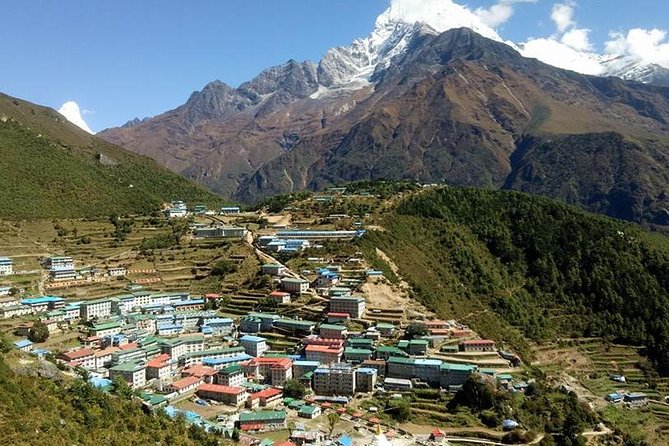
Your accommodation on trek is in local lodges, described as standard lodges with sharing bathrooms. That’s a common setup in the Everest region, and it helps keep the trek affordable and workable.
What I like about the package is that it doesn’t make you manage the food side. You get 3-course meals with hot drinks during trekking days. That’s a big deal because on high trails you don’t want to think about finding meals or negotiating snacks every time you’re tired.
That said, you should budget extra for items not included, like table drinks and snacks while walking, plus your Kathmandu lunches/dinners once you’re back in the city.
Also, remember: emergency evacuation costs are not included, and you’ll need insurance and medical coverage separately. That’s true of most mountain treks, but it’s worth treating as non-negotiable.
Guides and Porters: Why This Package Wins on Support
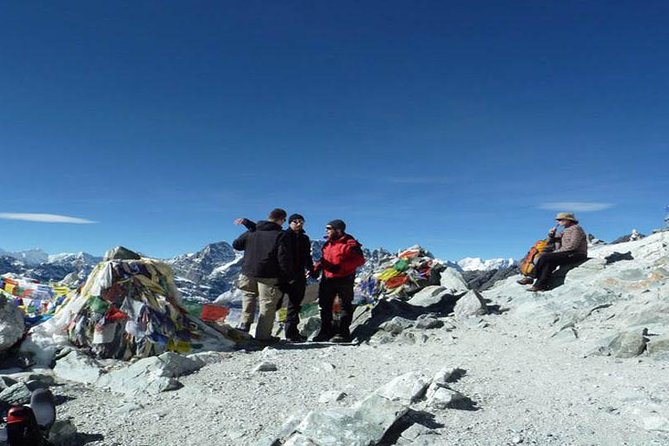
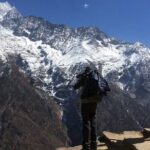
The most consistent theme from the strongest feedback is support quality. In Everest terrain, small guidance choices can matter—pace, acclimatization habits, where to rest, how to handle small injuries, and how to keep you moving safely.
Your package includes an English-speaking local expert guide and porters. And the operator’s team names show up in feedback:
- Raju is mentioned in the context of extra attention for older trekkers, with calm guidance that helped people reach base camp and return on time.
- Bal Kumar Tamang and Sabin Khadka show up for private trekkers, with the team supporting a range of ages and fitness levels.
- Gelu appears as a guide credited with being prepared and explaining things along the way.
- Porters like Tek and Som get recognition for doing the physical work that makes the trek possible.
Even if you never need emergency-level help, you still benefit from that experienced “day-to-day” support: matching your pace, organizing your gear, and helping you keep your head when the altitude and tired legs start arguing.
Price and Value: What $2,500 Is Really Paying For
At $2,500 per person, this trek isn’t cheap. But when you look closely at what’s included, the price starts to make sense.
Included items that often cost a lot separately:
- Kathmandu/Lukla/Kathmandu airfare
- Kathmandu hotel (3 nights) with breakfast
- Local lodge accommodation during the trek (sharing bathroom)
- 3-course meals with hot drinks
- English-speaking guide and porters
- All surface transfers
- Trekkers’ Information Management System fees
So the value isn’t only the walking. You’re paying for the logistical engine: flights you can’t easily DIY, trained support, and a meals plan that keeps you from spending energy on food sourcing.
What’s not included (and you should plan for):
- Nepal visa (multiple entrée 30 days, USD 40)
- Lunch and dinner in Kathmandu
- Drinks/snacks while walking
- Emergency evacuation/road block costs
- Insurance and medical expenses
If you’re comparing options, make sure you price out those missing pieces. A cheaper trek that excludes flights and guides can cost more overall once you add real-world expenses.
Who This Trek Best Fits (And Who Might Need a Different Plan)
This trek is suited to people with moderate physical fitness. That doesn’t mean it’s easy. It means it’s designed for walkers who can handle long days and steadily changing altitude conditions.
You’ll probably love it most if:
- you want a structured plan with guidance and porters handling logistics
- you care about both mountain views and Sherpa culture
- you’re comfortable with lodges being basic and sharing bathrooms
You might want to rethink or adjust expectations if:
- you have zero flexibility due to return flights and work deadlines
- you’re allergic to schedule uncertainty, since Lukla weather can delay you
- you expect luxury accommodations on the trail (this package is standard lodge trekking)
Final Call: Should You Book Everest Base Camp With This Operator?
I’d book this itinerary if you want a well-supported Everest Base Camp experience where the big moving parts are handled: guide/porters, meals, lodging basics, and airfare to Lukla. The strong support culture—names like Raju, Bal Kumar Tamang, Sabin Khadka, Gelu, and porters like Tek and Som—suggests you won’t be treated like a ticket number once you’re on the trail.
I would not book it if your trip depends on Lukla flights happening exactly on schedule. In that case, either build in extra buffer days or ask early about how they’ll handle flight cancellations.
If you’re ready for a demanding but meaningful trek, this is a solid value way to reach Everest’s doorstep.
FAQ
Do I need a visa for Nepal on this trek?
Yes. The Nepal visa listed here is a multiple entrée 30 days option for USD 40.
What’s included for trekking meals and drinks?
During the trek you get 3-course meals with hot drinks (breakfast, lunch, dinner). Table drinks and snacks while walking are not included.
What kind of lodging should I expect on the trek?
You’ll stay in local lodges with standard rooms and sharing bathrooms.
Are flights to Lukla included, and what if flights get delayed?
Kathmandu/Lukla/Kathmandu airfare is included. Lukla flights can be delayed or canceled due to weather, and the operator suggests you keep buffer days. They may also arrange a helicopter supplement flight if you want to stick with the original itinerary.
Where do I meet the tour and where does it end?
The meeting point is Tribhuvan Airport in Kathmandu, Nepal, and the activity ends back at the meeting point.
Is this a private trek?
Yes. It’s described as a private tour/activity with only your group participating.
Can I cancel and get a full refund?
Free cancellation is available. You can cancel up to 24 hours in advance of the experience for a full refund. Canceling less than 24 hours before the start time means the amount paid is not refunded.