REVIEW · KATHMANDU
Everest Base Camp Trek
Book on Viator →Operated by Himalayan Recreation Treks & Expedition Pvt.Ltd · Bookable on Viator
Flying into Lukla changes everything. This Everest Base Camp trek is built around Lukla flights and a licensed trekking guide, so the big moving parts are handled while you focus on breathing, pacing, and getting higher safely.
I like how the package reduces decision fatigue: tea-house accommodation during the trek is included, and you get a 3-star Kathmandu hotel base before and after the hike. I also like that the operator covers the travel-admin load with government taxes, an on-hand first aid kit, and clear gear guidance like keeping your load under 22 lbs (10 kg).
One possible drawback to plan for: the trek cost does not include all food and drinks, and the itinerary can be affected by mountain weather and Lukla flight delays—so you need both a budget and some flexibility.
In This Review
- Quick hits before you commit
- Why this Everest Base Camp trek feels like a safer bet
- Kathmandu setup: Thamel plus the big landmarks
- Day one-to-two: orientation, then the Lukla jump
- Phakding to Namche Bazaar: the first real acclimatization test
- Namche to Tengboche: monastery calm, big peaks, tougher air
- Tengboche to Dingboche: using rest days the right way
- Dingboche to Lobuche: Glacier day energy
- Gorak Shep to Everest Base Camp: the day you came for
- Kala Pattar and the return flow: high views, then controlled descent
- Lukla back to Kathmandu: hotel time and a meal reality check
- Price and value: what $999 really buys you
- Guides, organization, and why names matter
- Altitude, health, and the non-negotiables
- Should you book this Everest Base Camp trek?
- FAQ
- What’s included in the Everest Base Camp package price?
- Do I need travel insurance for this trek?
- What fitness and health level do I need?
- What trekking gear should I bring?
- What documents do I need for permits?
- What if the Lukla flight is delayed or canceled?
Quick hits before you commit
- Licensed guide + safety gear: You travel with a government license holder, basic first aid training, and a first aid kit included.
- Flights included, not just vibes: Kathmandu–Lukla–Kathmandu domestic airfare (with airport tax) is part of the deal.
- Tea-house nights are covered: You won’t have to hunt for lodging every night on the trail.
- A real Kathmandu buffer: You get hotel time in Kathmandu to adjust, reset, and sleep in a proper bed.
- Small group size: Max 8 people per booking, with a private group setup.
- Altitude is serious business: The trek involves demanding altitudes around 5,364 m (17,598 ft), so talk to your doctor ahead of time.
Why this Everest Base Camp trek feels like a safer bet
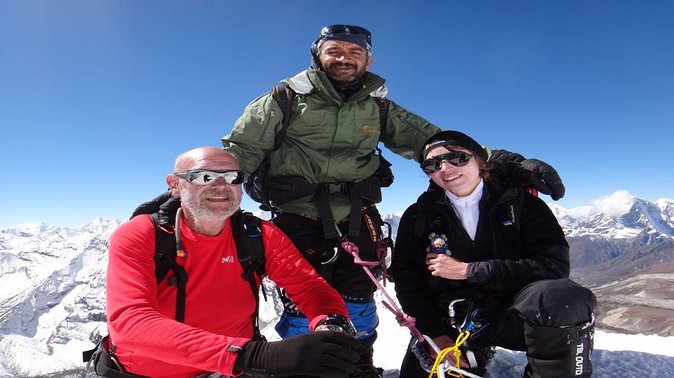
This is not a bare-bones trek where you figure everything out as you go. It’s a structured route with a professional guide, and that matters on the Khumbu. When you’re hours from the nearest medical option, having someone who knows the rhythm of the trail, the villages, and the “slow down here” moments is worth its weight in warm socks.
I also like the operator’s emphasis on practical safety. The guide is described as a government license holder with basic first aid training, plus they carry a first aid kit. That doesn’t prevent altitude sickness, but it does improve how fast issues get recognized and handled.
Finally, the small group limit (up to 8) makes a difference. You get the social energy of a group, without the chaos that can happen when lots of people hit the same tea house at once.
You can also read our reviews of more tours and experiences in Kathmandu.
Kathmandu setup: Thamel plus the big landmarks
Your trip starts around Kathmandu, with pick-up and arrival/departure help by private car. If you’re landing tired or confused, this is a big relief—especially before you’ve even started climbing.
On the Kathmandu side, you’ll spend time in areas like Thamel and see classic spiritual stops such as Swayambhunath and Boudhanath. There’s also time at the Garden of Dreams. It’s not an excuse for endless sightseeing; it’s more like a gentle way to get your bearings before you jump into the mountains.
One practical note: you’ll need to send arrival details so they can pick you up. Also, you’ll be asked for documents for trekking permits, including clear passport photo scans plus additional info. If you do that quickly, you avoid last-minute stress.
Day one-to-two: orientation, then the Lukla jump
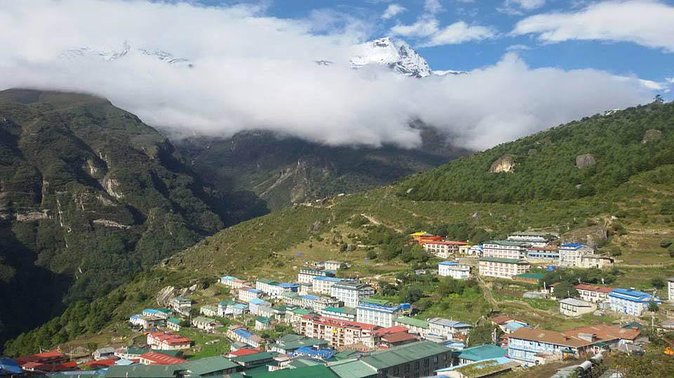
After your Kathmandu start, the plan moves into the Lukla flight day. Domestic flights to Lukla are included, and they’re the gateway to the whole Everest story. The big thing you should understand: Lukla flights depend heavily on mountain weather. The operator specifically asks you to consider possible delays and cancellations and to have 1–2 extra days available.
You’ll then head onward toward Phakding, the early trekking stop where the air is thinner than Kathmandu but still manageable for most people. This is usually the day you learn what you actually pack and what you don’t need.
Given the package rules—carry your own luggage and keep it under 22 lbs (10 kg)—you’ll want to travel with a light mindset from the start. Your guide can help arrange required trekking gear in Kathmandu, which is useful if you’re missing key items and don’t want to scramble later.
Phakding to Namche Bazaar: the first real acclimatization test
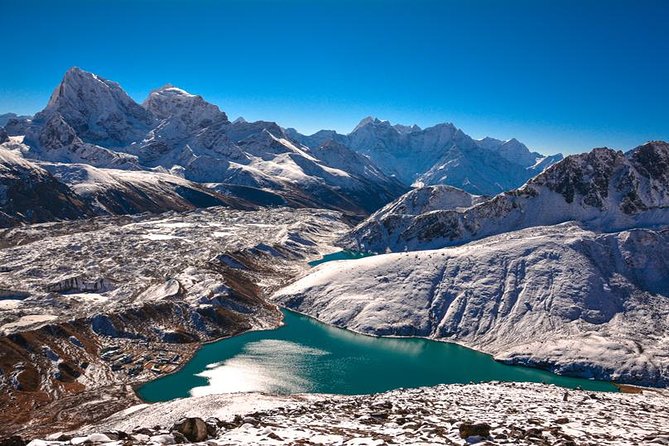
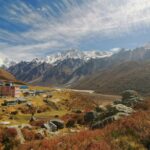
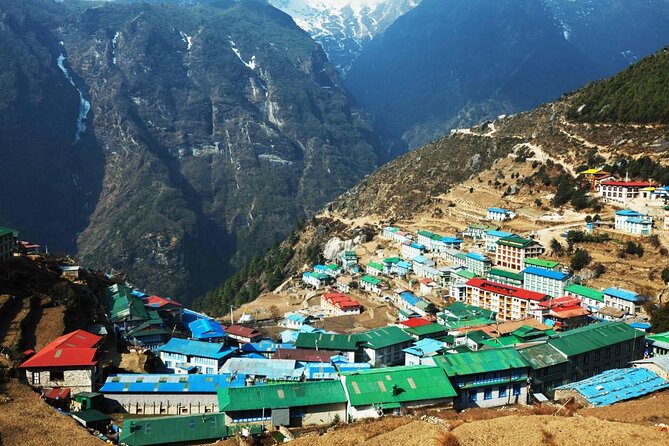
The walk toward Namche Bazaar is where the trek stops feeling like an easy introduction and starts testing your body’s altitude response. You’ll spend time crossing through mountain villages and along river valleys, which can look calm while still demanding steady effort.
Namche Bazaar is the main acclimatization hub, and it’s a practical place to adjust. The included route includes time in Namche and a stop by the Dhudh Koshi River area, which is often a good reminder that you’re not just walking through scenery—you’re earning altitude one step at a time.
Then comes another key piece: Everest View Point. Even though it’s a short addition compared to the whole trek, it gives you a concrete payoff for the climb work you’ve done. You’ll see big mountain views without needing to be at base camp first, and that can help keep morale high on the harder days ahead.
Namche to Tengboche: monastery calm, big peaks, tougher air
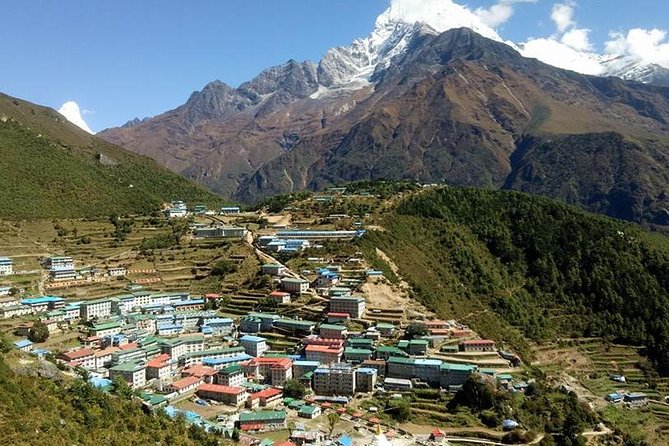
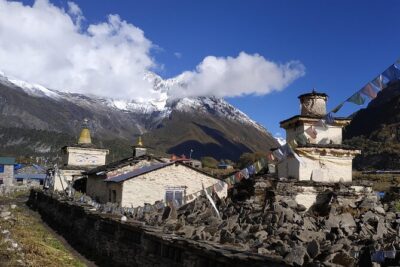
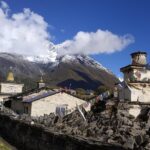
As you move higher, the trail becomes more serious. The Tengboche area is famous for its monastery setting, and your route includes Tengboche and Tengboche Gompa with included visit time.
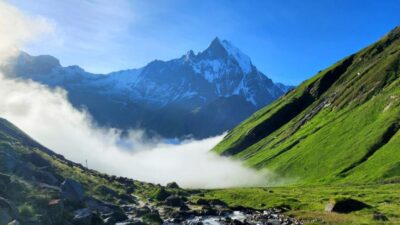
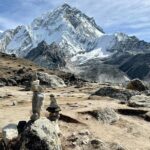
This is also where the scenery starts showing you the scale of what you’re pursuing. You pass through viewpoints tied to peaks like Ama Dablam and Taboche on the route, and those names matter because they’re signposts—landmarks that tell you you’re moving in the right direction and gaining elevation the way you’re supposed to.
The trade-off is effort. The higher you go, the more each uphill section feels slower and heavier. Your guide’s job here isn’t just navigation—it’s pacing you so your body adapts instead of fights.
Tengboche to Dingboche: using rest days the right way
Dingboche is another altitude checkpoint, and the plan includes a day spent there with another acclimatization step. The route includes Chukhung as well, which is a common strategy area for altitude practice.
Here’s the practical value: you don’t just walk more. You learn how to manage your day—slow start, steady breathing, smart pauses, and rest that actually restores you. Tea houses turn into your checkpoint system: you eat, drink, regroup, and decide how you feel before you go higher.
This is also where altitude worries should get real in your planning. The tour warning is clear that you might experience adverse health effects due to altitude, regardless of age or gender, and it recommends discussing the trip with your doctor before departure. If you’ve had altitude problems before, tell your guide early and be honest about how you respond.
Dingboche to Lobuche: Glacier day energy
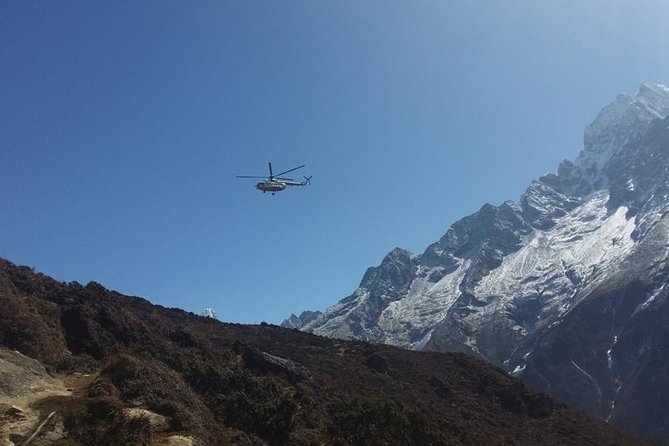
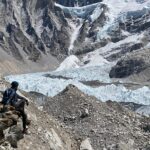
From Dingboche, the route continues toward Lobuche. Your plan includes Lobuche and a stop at the Khumbu Glacier area. This is the kind of day where the scenery feels intense, but the body keeps the final vote.
A useful expectation: even when the trail is straightforward, the air pressure and oxygen drop can turn “simple walking” into slow, focused effort. Keep your pace conservative. Save your energy for the higher days when the view is good and the altitude is even more demanding.
Tea houses here are part of the rhythm. You’ll be staying in included tea-house accommodation, so you should pack for comfort more than luxury. Warm layers, a reliable sleeping setup, and a plan for drying out socks matter more as temperatures drop.
Gorak Shep to Everest Base Camp: the day you came for
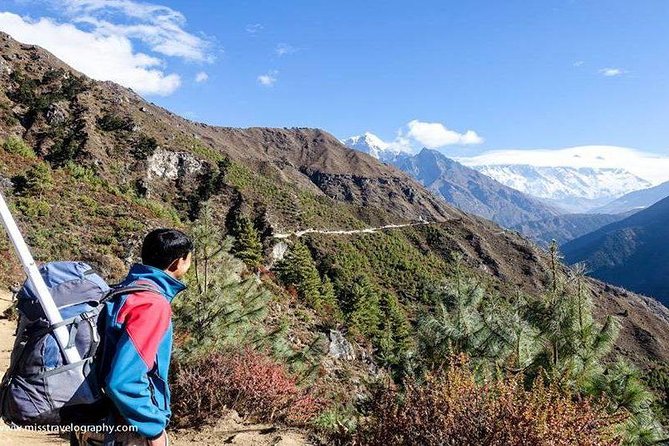
The route includes stops tied to Mount Everest and Gorak Shep. In trekking terms, this is the stretch where your planning and your patience finally pay off. After days of acclimatization and controlled effort, you’re heading into the area that people dream about.
The big reality check: base camp doesn’t mean easy walking. You’re moving at altitude and the air affects your breathing and energy. This is where a guide helps in a very non-glamorous way—keeping you on track, monitoring how you’re doing, and making sure you don’t push too hard just because you can.
Then you transition toward the next iconic viewpoint day. Even if you don’t feel like a superhero on the trail, the whole point is that you’ve arrived in time to appreciate the moment without burning out.
Kala Pattar and the return flow: high views, then controlled descent
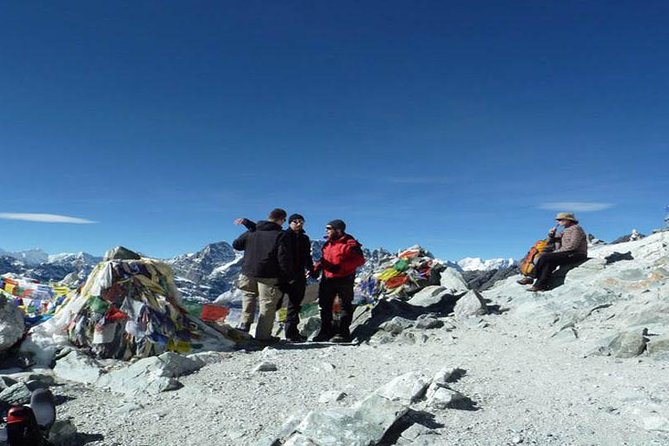
The route includes Kala Pattar, and that’s a major morale booster on many Everest treks because it gives a sweeping look at the region after a hard set of approach days. From there, you continue with additional village stops like Pheriche and Pangboche.
Why this return direction matters: descent helps, but it still needs care. Your legs and lungs both feel it. You also need steady energy because you’ll keep moving back toward lower points.
Eventually, the trek flows back to Namche Bazaar and then to Lukla. That’s the point when the trip stops being about climbing toward something and becomes about staying comfortable while the altitude relief arrives.
Lukla back to Kathmandu: hotel time and a meal reality check
Your plan includes Lukla and then returning to Kathmandu. The domestic airfare back is included, which saves you one of the most annoying logistics headaches for this part of the trip.
Once you’re back, you get hotel nights in Kathmandu. The materials mention three nights in a 3-star hotel, while the inclusions list specifies 2 nights on day 1 and day 13. Either way, the value is clear: you get proper beds and a reset period after the tea-house routine.
Here’s the meal reality check that affects your budget. The package includes dinner and breakfast items listed, but it does not include all food and drinks. The tour sets aside $350 per person for food and drinks unless specified, and gratuities are listed as $150 per person. In other words: plan for real spending once you’re on the trail. Bring cash and be ready to pay for most meals at tea houses.
Price and value: what $999 really buys you
At $999 per person, the headline cost looks simple. The real value is in what’s already handled versus what you’ll still pay during the trek.
Included:
- Kathmandu–Lukla–Kathmandu domestic airfare with airport tax
- Tea-house accommodation for the trekking portion (the details say 10 nights in the overview and 11 nights in the inclusions list)
- Three nights in Kathmandu in a 3-star hotel is stated in the overview, though the inclusions list mentions 2 nights tied to day 1 and day 13
- Government license holder guide with first aid basics
- Taxes, VAT, and service charges
- A first aid kit and a Himalayas Recreation t-shirt
Not included:
- Food and drinks (budget listed at $350 per person unless specified)
- Gratuities ($150 per person)
So the real question is: are you getting enough structure to justify the price? For an Everest Base Camp trek, your biggest risks are logistics and altitude mismanagement. This package pays for the flight routing, guides, and lodging rhythm, which lowers the chances you’ll end up managing details alone when you’re tired and at altitude.
For value seekers who want comfort without turning Everest into a luxury trip, this package fits. For people who already have trekking gear sorted, want to handle their own flights, and prefer to travel completely independently, it might feel pricier than necessary.
Guides, organization, and why names matter
The experience you want on this trek is calm leadership: someone who can keep things organized when weather shifts. In the feedback tied to this operator, names like Bishnu show up as part of the coordination side, and guides such as Basu are noted as attentive and steady.
You don’t need constant chatter on the trail. You need correct timing, sensible pacing, and clear guidance when weather or conditions change. A good guide also helps you avoid the common mental trap—rushing because you’re excited. That matters more than most people expect.
Altitude, health, and the non-negotiables
This is not a casual hike. The trip notes demanding altitudes around 5,364 m (17,598 ft), plus the possibility of extreme weather. It also says adverse health effects from altitude can happen regardless of fitness level.
Plan your decision like this:
- Talk to your doctor before you go.
- Have travel insurance that covers medical expenses and emergency repatriation, and be ready to show proof on day 1.
- Expect weather to shift fast, and don’t treat it like a mild mountain day.
Also, keep packing realistic. You’re expected to carry your own luggage, and the tour recommends staying under 22 lbs (10 kg). If you try to bring a full closet, you’ll pay for it every day with heavier steps and more fatigue.
Should you book this Everest Base Camp trek?
Book it if you want a guided Everest Base Camp plan that already includes the big-ticket logistics: Lukla flights, tea-house lodging, and a professional, government-licensed guide. This is especially a good fit if you value small-group pacing (max 8) and want Kathmandu support so you don’t burn energy on paperwork and last-minute gear.
Consider a different setup if you’re the type who hates budgets for meals and tips, or if you know you won’t handle possible extra days due to Lukla weather. If you can’t get flexible time, altitude risk plus flight delay risk is a tough combo.
FAQ
What’s included in the Everest Base Camp package price?
The package includes pick-up/dropoff assistance by private car, 2 nights in a 3-star Kathmandu hotel (day 1 and day 13) and trekking accommodation in tea houses, domestic airfare Kathmandu–Lukla–Kathmandu including airport tax, a government license holder trekking guide, all government taxes/VAT/service charges, a first aid kit, and a Himalayas Recreation t-shirt. It also lists breakfast items and a dinner as included.
Do I need travel insurance for this trek?
Yes. Travel insurance that covers medical expenses and emergency repatriation is required, and you must show proof of insurance to the tour leader on the first day.
What fitness and health level do I need?
You should have strong physical fitness. The trek involves demanding altitudes around 5,364 meters (17,598 ft) and extreme weather is possible. You’re advised to discuss the trip with your doctor prior to departure because altitude can cause health effects.
What trekking gear should I bring?
The required trekking gears can be bought or rented in Kathmandu, and your guide will help arrange it. You should pack as lightly as possible since you carry your own luggage, with a recommendation to keep it under 22 lbs (10 kg).
What documents do I need for permits?
You’ll need a passport photo copy (clear color scan), passport validity of at least 6 months, two passport-size photos, plus occupation and home details address.
What if the Lukla flight is delayed or canceled?
The operator requests you consider Lukla flight delay/cancellation and to have 1–2 extra days. They recommend visiting their website for more information.