REVIEW · THESSALONIKI
Mount Olympus Hiking Experience – Trekking in Greece
Book on Viator →Operated by Greek Adventure · Bookable on Viator
Olympus rewards effort with big views. This 2-day trek from Litochoro takes you from Gortsia up toward the Moussa plateau, then pushes for the summit of Mytikas if conditions are right. I love the way the schedule gives you time in the high places, not just a rushed “tick the box” hike, and I love the refuge-to-refuge flow that keeps you close to the trail.
One drawback to plan for: the final decision on climbing Mytikas sits with the guide. If snow shows up, or if someone needs extra time, the summit may not happen—even though you’ll still have a real Olympus hike.
A big part of why this experience works is the human factor. Guides such as Adam and Sotiris, and later leaders like Giannis, Thanos, Stelios, Christos, John, and Iraklis are repeatedly praised for clear safety coaching and supportive energy, including for families with kids. If you want a structured trek where someone else manages the tough calls, this is that kind of trip.
In This Review
- Key things that make this Mount Olympus trek worth your time
- The Olympus feel you get when you sleep in the mountains
- Day 1: From Gortsia to the Moussa Plateau shelters (big elevation, steady payoff)
- Day 1 watch-outs (so you don’t waste your energy)
- Day 2: The Mytikas summit decision, then down to Prionia
- What you should do mentally for Day 2
- Guides and safety: why the summit call matters more than the route name
- Refuges on Olympus: what to pack for overnight comfort (and why it’s not optional)
- Don’t forget the small stuff that makes refuges workable
- Price and value: what $433 buys you, and what you still need to budget
- Who should consider adding food vs carrying your own
- What this trek costs in effort (and who it really suits)
- A good fit if…
- Logistics that matter: where you meet, how the group runs, and what changes
- Should you book this 2-day Mount Olympus hike?
- FAQ
- How long is the Mount Olympus hiking experience?
- What’s included in the tour price?
- Are meals included?
- Is the Mytikas summit guaranteed?
- Where do we meet and where does the hike end?
- What should I bring for the overnight refuge stay?
Key things that make this Mount Olympus trek worth your time
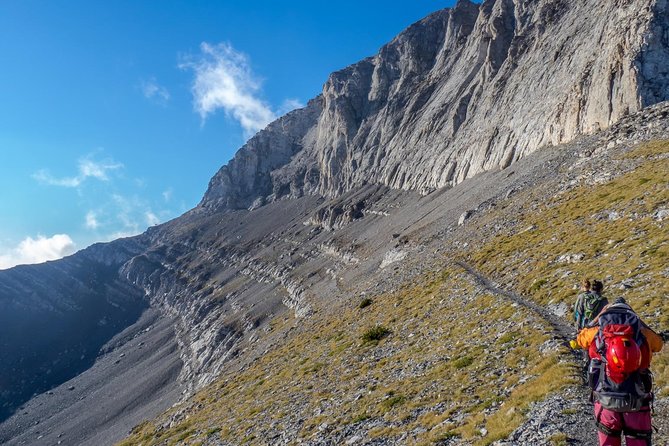
- A real 2-day climb, not a “light walk”: long walking days with major altitude gain and multiple high passes.
- Refuge living that keeps you high and efficient: you sleep in shelters on the Moussa plateau and continue from the next refuge.
- Mytikas is conditional and guide-led: your leader decides based on weather and participant condition.
- Strong safety culture: guides are specifically trained to manage risk, pacing, and summit decisions.
- Meals are flexible, not automatic: you can add half-board or full-board, but you still carry what you bring.
- Group size stays manageable: a maximum of 40 travelers.
The Olympus feel you get when you sleep in the mountains
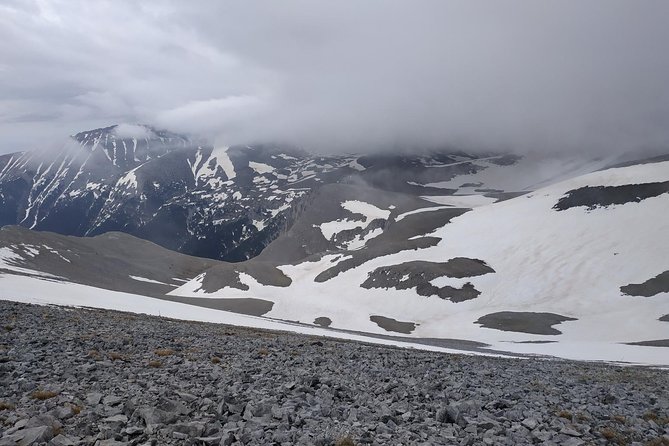
Mount Olympus is famous, but it can still surprise you—especially when you’re not arriving for a quick day trip. Here, you start from Litochoro and work your way up with enough altitude time to feel the mountain change under your feet. Day 1 tops out around 2,724m, then Day 2 heads higher toward Greece’s highest point at 2,918m (if your guide green-lights it).
Sleeping in the refuges is a key part of the magic. You’re not going back down to a hotel after every effort; you’re staying in the mountain world. That makes sunrise and late light part of your hike rhythm, not just something you hope for.
This is also a good setup if you like structure. You’ll have transfers arranged from Litochoro to Gortsia (and back), an English-speaking guide, and a plan that connects major points like Petrostruga, the Pass of Iossos, and the Prionia area on the way out.
Day 1: From Gortsia to the Moussa Plateau shelters (big elevation, steady payoff)
Your day begins in Litochoro at Enipeos 1, then you drive about 13.5 km to Gortsia at 1,123m. From there, the walk starts on one of Olympus’s classic routes—practical, established, and built for pilgrims who want the mountain without chaos.
You hike for roughly 2.5 hours through recognizable waypoints, including Barba, Koka, and Strangos, before reaching the Petrostruga shelter at about 1,940m for a short stop. This section matters because it sets your legs and your altitude rhythm. You’re not thrown straight into the steepest terrain, but you are already climbing in a meaningful way.
After Petrostruga, you keep moving toward higher ground: Skourta (2,476m), Laimos, and the Pass of Iossos. This is where you get the feeling of being above the tree line and looking out across the plateau of the Muses—one of those Olympus moments that feels like it belongs in a story.
From the intersection after Iossos, you take the path leading to the shelter of G. Apostolidis on the Moussa plateau for the night. The walking time is about 7–8 hours total, with day 1 ascent around +1,609m. The descent is relatively small (around -114m), which tells you something important: Day 1 is mostly uphill work, and that’s good to know for energy planning.
Day 1 watch-outs (so you don’t waste your energy)
This is a high-altitude day, even before the summit push. Go slow early. If you start too hard, your legs will feel it later near the high passes and plateau zones.
Also remember: you carry your own stuff. You’re asked to travel light and bring everything you need for both days’ walking. Refuges help with sleep, but they don’t remove your hiking reality.
Day 2: The Mytikas summit decision, then down to Prionia
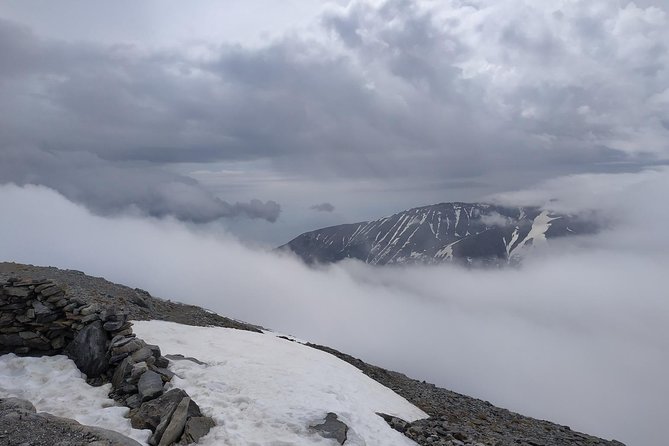
Day 2 starts early. After breakfast, you begin the climb toward Mytikas, the highest mountain in Greece at 2,918m. This part is the big one: it takes extra effort, and it comes with a real altitude caution. The tour notes stress avoiding altitude sickness, and it also explains that safety equipment will be used as you go.
Reaching the top is not just about a number on a map. From Mytikas, you’ll enjoy views of the peaks of Olympus and the Olympic coast. You’ll also sign the visitor’s book, which feels symbolic—like completing a rite, not just finishing a route.
Then comes the descent. You head down to the Spilios Agapitos refuge for a short stop before continuing onward to Prionia, where the car will be waiting to bring you back to Litochoro.
The total walking time on day 2 is about 8–9 hours, and the itinerary explicitly says the summit decision depends on two things:
1) your abilities, and
2) weather conditions.
There’s also a clear weather rule: if snow is present, the ascent to Mytikas is not possible. That’s not a minor detail. It means your “peak dream” should come with a Plan B attitude—because Olympus can change fast.
What you should do mentally for Day 2
Treat the summit as a goal, not a guarantee. I like this approach because it protects your energy and keeps you from forcing issues. If your guide turns the dial down for safety, you still get a major high-altitude trek, just without the final summit step.
Guides and safety: why the summit call matters more than the route name
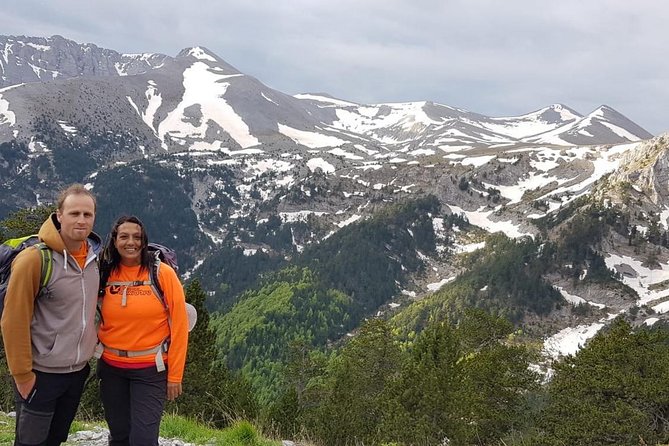
The route is impressive on paper, but the real difference here is who’s making decisions on the mountain. This tour makes it clear that guides keep the final call about whether clients actually climb Mytikas. They factor in participant condition and weather, and they prioritize safety above everything else.
That matters because Mount Olympus is not a theme-park climb. The altitude, the exposure at high points, and the weather shifts all create moments where leadership is more valuable than confidence.
The feedback around this experience highlights that the guides are professional and trained in safety, and they’re also described as encouraging. I especially like the mention of parents and kids staying motivated, since that tells me the guide approach is more than “follow me.” It’s about managing pace and morale too.
If you’re traveling solo or with friends who have mixed hiking levels, that guide-control aspect can make the whole difference. The same mountain can feel doable or punishing depending on pacing and decision-making—and this style is designed to keep the group together without turning safety into a negotiation.
Refuges on Olympus: what to pack for overnight comfort (and why it’s not optional)
You’re sleeping in shelters on the Moussa plateau on night one, and then you continue toward the next refuge on the second day. The tour info asks you to bring a sheet sleeping bag or similar (for example, a duvet cover). It also notes blankets will be available, but your sleeping system is still on you.
That’s a practical call. Refuges are mountain shelters. They’re not hotel rooms, and warmth and dryness depend on your gear. The packing list is very specific for a reason: you’ll be dealing with wind, cold evenings, and moisture.
A few packing items deserve your attention because they directly affect how you feel:
- A warm layer strategy: warm clothes for windy/cold daytime conditions and cool evenings. Fleece tops or similar are suggested.
- Good rain/wind protection: a warm waterproof top with a hood.
- Proper footwear: sturdy, worn-in trekking shoes.
- A head torch or torch: night visibility in mountain shelters is real.
- Walking sticks: helpful for the long downhill moments and fatigue management.
I also like that the tour stresses bringing a 40–50 liter rucksack with padded straps and a waist belt. That’s not comfort theater. On long days with big ascent, a poor pack transfer can wreck your knees and hips faster than you expect.
Don’t forget the small stuff that makes refuges workable
Bring a wash bag and a simple first aid kit (plasters/blister kit, antiseptic, aspirin or similar). Bring sunglasses and sun protection too—high altitude plus sun is not a gentle combo.
You’ll also want a penknife and a water bottle. The tour explicitly tells you to carry what you bring on the walking days. That means your hydration and snacks are your responsibility, even though meals can be added through supplements.
Price and value: what $433 buys you, and what you still need to budget
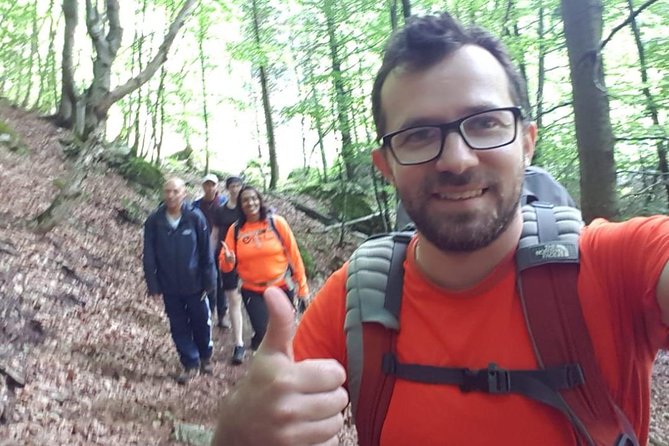
At about $433.06 per person for roughly two days, this isn’t a “cheap hike,” but it also isn’t just a guide waving from trailhead to trailhead. You’re paying for the stuff that’s hard to DIY safely:
- accommodation in Olympus refuges,
- an English-speaking Greek Adventure guide,
- transfers between Litochoro and Gortsia (and back),
- and all taxes.
Meals are the part that can change your total budget. The default doesn’t include meals, drinks, or beverages. But you can add supplements:
- Full board add-on (€55): 1 breakfast, 2 lunch packs, 1 dinner
- Half board add-on (€25): 1 breakfast, 1 dinner
One practical caution from firsthand-style trip feedback: even if you choose full board, you may still want cash for water because drinks with meals are limited. That’s worth planning for so you’re not scrambling on the mountain.
Who should consider adding food vs carrying your own
If you want less hassle, full board or half board can help you focus on hiking rather than sourcing food. If you’re a confident packer and you like your own snacks, you can treat supplements as flexible options and still plan to buy water and drinks where available.
The best value choice is the one that reduces stress for your style. This is a challenging route; you’ll want your brain free for pacing and altitude, not for constant logistics.
What this trek costs in effort (and who it really suits)
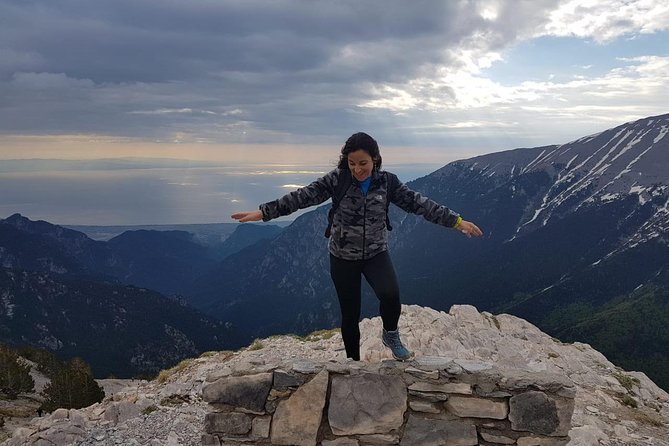
This is a challenging two-day hike. Day 1 alone includes about 7–8 hours walking and around +1,609m ascent, with a high point near 2,724m. Day 2 is an 8–9 hour day built around a summit climb that may or may not happen depending on conditions.
You should have moderate physical fitness, and you should be comfortable walking for many hours while carrying your gear. If you’re new to altitude or you rarely hike uphill, I’d treat this as a “train first” experience rather than a spontaneous weekend plan.
It’s also not ideal if you’re expecting a guaranteed summit. The guide decides on Mytikas based on weather and participant condition, and snow can shut down the summit entirely. Still, you’ll get a full Olympus day of high terrain and refuge experience either way.
A good fit if…
- you want the classic Olympus highlights (Moussa plateau vibe, high passes, major shelters),
- you like having a plan and safety coaching,
- and you want to spend real time in the mountains, not just chase a photo.
Logistics that matter: where you meet, how the group runs, and what changes
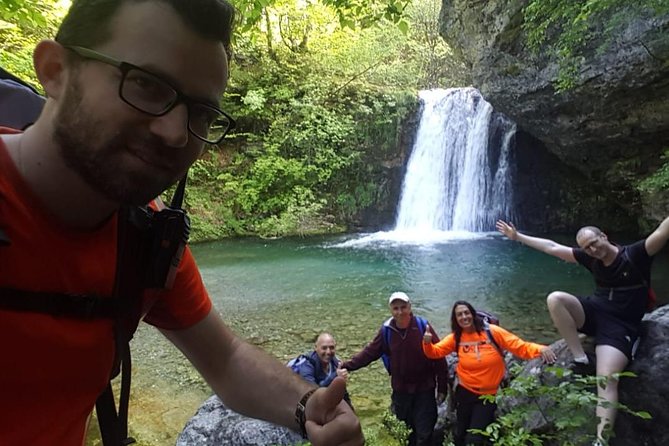
You meet at Enipeos 1, Litochoro 602 00, Greece, and the hike ends back at the same meeting point. The tour starts and finishes in Litochoro, so you’ll need to handle travel to and from Litochoro on your own unless you coordinate with the operator.
The tour also notes the itinerary can change depending on local and weather conditions. That’s not a red flag—it’s mountain reality. Treat it as flexibility, not failure.
Group size is capped at 40 travelers. That helps keep the group moving and reduces the “everyone disappears” feeling on popular routes.
The tour also uses a mobile ticket, and it’s offered in English. Confirmation timing depends on how close you book (same-day-ish confirmation can happen if you’re within 9 days, based on availability).
Should you book this 2-day Mount Olympus hike?
If you want an organized Olympus experience with real mountain sleeping, I’d say book—as long as you’re comfortable with a challenging schedule and the summit is conditional. This trip is built around safety-first decision-making and using refuges to make your time on Olympus efficient.
I’d especially recommend booking if you:
- value a guide who manages pacing and risks,
- prefer sleeping in refuges over day-tripping,
- and like the idea of reaching high points like the Pass of Iossos and aiming for Mytikas when weather allows.
Skip or choose a different option if you:
- need a guaranteed summit outcome,
- have no tolerance for altitude risk,
- or can’t commit to carrying your gear and dealing with cold/wet mountain nights.
If you go in with Plan A (Mytikas) and Plan B (a serious high-altitude hike without the final peak), you’ll get what Olympus does best: a day-by-day climbing story you’ll remember long after you’re back in Litochoro.
FAQ
How long is the Mount Olympus hiking experience?
It runs for about 2 days. Day 1 is about 7–8 hours of walking, and Day 2 is about 8–9 hours of walking.
What’s included in the tour price?
Included are accommodation in the Olympus refuges, an English-speaking Greek Adventure guide, transfers between Litochoro and Gkortsia (and back), and all taxes.
Are meals included?
Meals, drinks, and beverages are not included by default. You can add supplements: full board includes breakfast, two lunch packs, and dinner; half board includes breakfast and dinner.
Is the Mytikas summit guaranteed?
No. The guide makes the decision based on weather conditions and the physical condition of participants. If there’s snow, the ascent to Mytikas is not possible.
Where do we meet and where does the hike end?
The start meeting point is Enipeos 1, Litochoro 602 00, Greece, and the activity ends back at the same meeting point.
What should I bring for the overnight refuge stay?
Bring a sheet sleeping bag or similar (blankets are available), sturdy trekking shoes, a waterproof hooded top, warm layers, a water bottle, sunglasses and sun protection, and a torch (head torch recommended). The tour also suggests walking sticks and a small first-aid kit.