REVIEW · KATHMANDU
annpurna base camp trekking
Book on Viator →Operated by nepal tourism adventure kathmandu · Bookable on Viator
A mountain trek in Nepal usually means paperwork and stairs, so I like this one for how simple it feels to start and how focused the hiking days are. You begin with an airport pickup in Kathmandu and a hotel stay, then step into a classic Annapurna route with measured walking days (many are around 4–6 hours) and a real highlight at Poon Hill for sunrise views. One big plus: the guiding is known for safety and practical problem-solving, even when things get complicated. The main thing to consider is the pace: you’ll face a few longer walk days, including an 8-hour stretch that asks for steady legs and good self-awareness.
If you can handle steady uphill walking and you’ll enjoy village-to-village rhythms, this trip is a strong fit for seeing the Annapurna region without turning your vacation into a logistics project. You’ll also get route guidance that has shown flexibility during rain and confidence for mixed fitness groups, which matters when the trail conditions change. Just be aware this is weather-dependent, so you should be ready for schedule shifts if conditions are poor.
In This Review
- Key things to know before you go
- Starting in Kathmandu with pickup and a real first-night plan
- Pokhara to Nayapool to Ulleri: the warm-up you don’t regret
- Ulleri to Ghorepani: settle in, pace smart, and watch your energy
- Poon Hill sunrise: the early climb that feels worth it
- Tadapani to Chhomrong to Bamboo: village staircases and satisfying progress
- Bamboo to Deurali: a longer day that teaches patience
- Deurali to Machhapuchhare Base Camp: a stop that signals you’re getting serious
- The long day: Machhapuchhare Base Camp to Annapurna Base Camp (plus Bamboo)
- Jhinu Danda back to Nayapool: finishing the trek with a downhill grind
- Kathmandu by tourist bus: the last ride and a calmer landing
- Guide support in real life: why this trek’s reputation matters
- Price and value: what $1,100 buys you on a 12-day trek
- Fitness reality check: moderate fitness, long days, and your knee plan
- Weather can change everything: build in flexibility
- Should you book this Annapurna Base Camp trek?
- FAQ
- Where does the experience start?
- Does this trek include airport pickup and a hotel stay in Kathmandu?
- How long is the Annapurna Base Camp trekking experience?
- What walking days and times should I expect?
- What is the route’s general path through the trek?
- Is the tour private?
- What fitness level is required?
- Is good weather required?
- What are the experience’s operating hours?
- What’s the cancellation policy?
Key things to know before you go
- Airport pickup + Kathmandu hotel: you’re not figuring out day-one transportation on your own.
- A route with a sunrise payoff: you hike to Poon Hill for early-morning views before continuing.
- Plenty of mid-length hikes: most days sit in the 4–6 hour range, with one notably longer day.
- Guides who manage real-world issues: groups have credited guides with fast responses during emergencies and quick logistics when sleep plans need adjusting.
- Private group experience: it’s run as a private activity, so you’re with your group only.
Starting in Kathmandu with pickup and a real first-night plan
Your trip begins at Tribhuvan Airport in Kathmandu. After pickup, you stay at a hotel in Kathmandu before heading out toward the trek area. That first-night buffer matters more than people think. It gives you time to recover from travel, handle any last-minute needs, and get your head in trekking mode.
This also sets up what you want from a trek like Annapurna Base Camp: calm mornings, clear handoffs, and fewer stressful questions. A private tour setup helps here because your time and schedule are meant for your group, not a big crowd where you wait around for everyone else.
One practical detail: the activity runs within set hours (Monday through Sunday, 8:15 AM to 5:15 PM). If your flights land late, you’ll still want to coordinate your arrival so pickup and hotel timing works smoothly.
You can also read our reviews of more tours and experiences in Kathmandu.
Pokhara to Nayapool to Ulleri: the warm-up you don’t regret
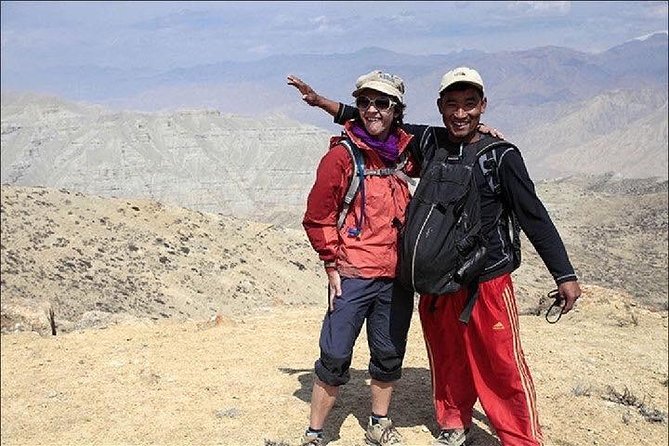
After Kathmandu, you go to Pokhara, then transfer to Nayapool. From there, you start walking to Ulleri, a hike listed at about 4 hours.
Think of this day as your “gear test.” You’ll learn quickly if your shoes are behaving, if your socks are staying comfortable, and how your body responds to repeated steps. Ulleri is also one of those early trekking villages that helps you feel the rhythm of the Annapurna route rather than jumping straight into the hardest days.
You’ll be walking enough to wake up your trekking muscles, but not so long that you’re wrecked for the next day. That balance is part of why this route works well for many people with moderate fitness.
Ulleri to Ghorepani: settle in, pace smart, and watch your energy
The next hike goes from Ulleri to Ghorepani in about 5 hours. This is a key transition day. By now, your routine becomes clear: eat, drink, walk, rest, repeat.
Ghorepani is also your base for the next morning’s early climb. So even if you feel good today, you’ll want to keep some energy in the tank. Trek mornings are faster than you expect because they start before your body feels ready.
A good guide can help with timing, and this is where guiding style really shows. Some guides in the Annapurna region are praised for staying calm and making decisions quickly—useful when trail conditions, weather, or group pace require adjustments.
Poon Hill sunrise: the early climb that feels worth it
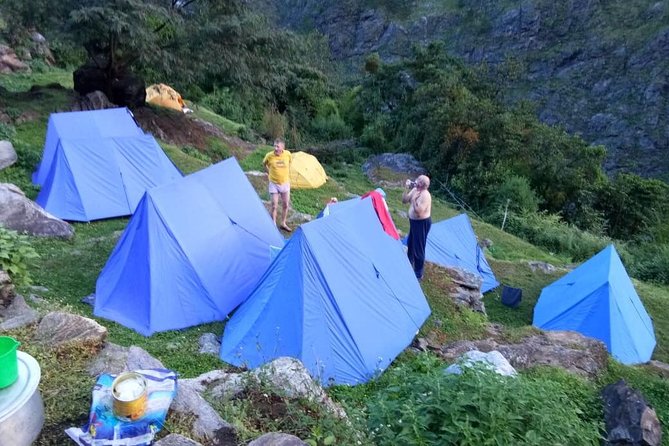
On day four, you hike from Ghorepani to Poon Hill for sunrise, then continue on to Tadapani. This day is listed at about 6 hours total.
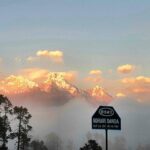
This is your big “turning point” moment. Sunrise on Poon Hill is famous for a reason: you’re up early, but the payoff is that feeling of watching the mountains wake up behind you. And importantly, it breaks the trek into two kinds of effort—early climb for views, then normal walking once you’ve had your moment.
After sunrise, you keep moving to Tadapani. That means you don’t just get a view and stop—you turn it into momentum. If you like seeing the region in pieces rather than only at the final base camp, this structure works.
Tadapani to Chhomrong to Bamboo: village staircases and satisfying progress
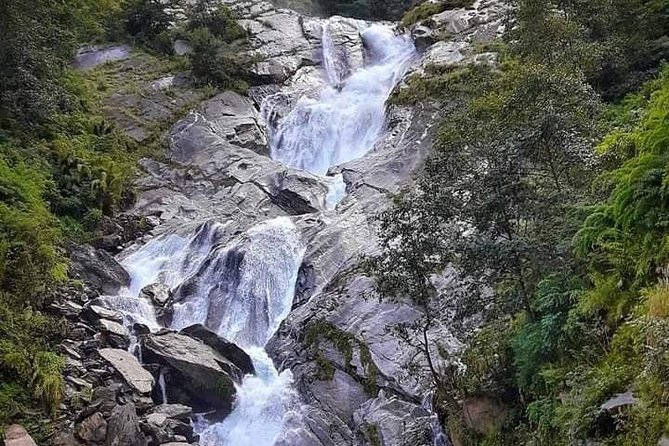
From Tadapani to Chhomrong is about 4 hours. Then Chhomrong to Bamboo is also about 4 hours. These days are classic Annapurna stepping-stone hikes.
Chhomrong is where you often feel the scale of the trekking world: stone paths, village stops, and long stair descents that test your knees. Bamboo is another familiar waypoint that helps you break up the route into manageable chunks.
The practical win here is that you’re building trekking stamina without constant 8-hour grinds every day. You still work hard, but the schedule gives your body recovery time in the form of predictable walking lengths.
Bamboo to Deurali: a longer day that teaches patience
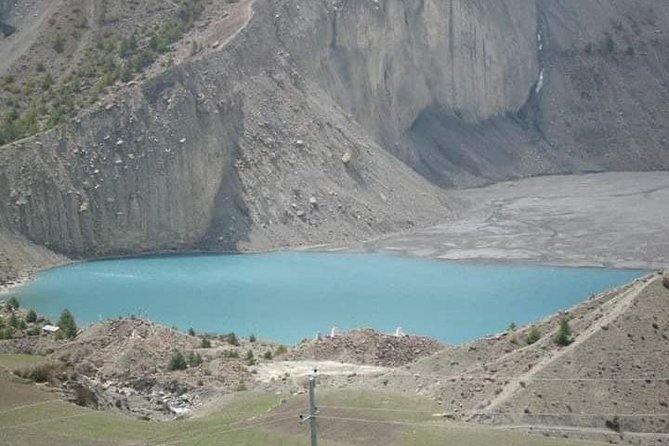
Next you move from Bamboo to Deurali in about 5 hours. This is one of the “settle into altitude thinking” moments on many Annapurna routes, even without specific altitude numbers provided here. The main lesson is pace: slow steps, consistent breathing, and not forcing the climb.
Guiding quality matters on days like this because a good plan can prevent you from burning out too early. In past Annapurna trekking experiences tied to this operator, guides have been credited with humor and confidence on the trail, which helps keep the group steady when energy drops.
Deurali to Machhapuchhare Base Camp: a stop that signals you’re getting serious
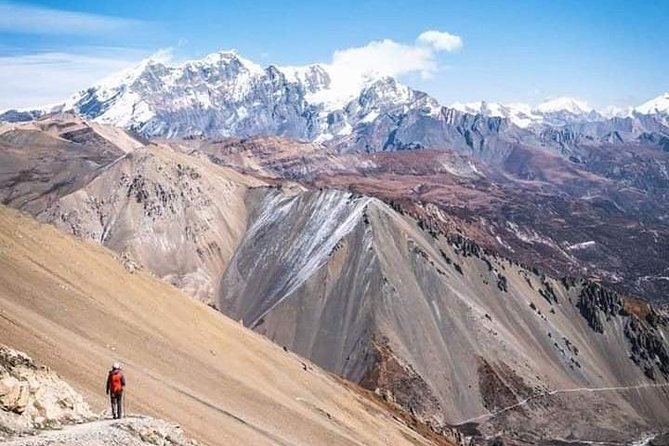
From Deurali to Machhapuchhare Base Camp is listed as about 5 hours. This segment feels like stepping into the more “classic trek” portion of the Annapurna Base Camp approach.
Machhapuchhare Base Camp also gives you a sense of proximity. Even if you’re not at the final goal yet, the route is clearly moving toward the Annapurna centerpiece. It helps mentally because you’re not waiting for the final day to feel progress.
The long day: Machhapuchhare Base Camp to Annapurna Base Camp (plus Bamboo)
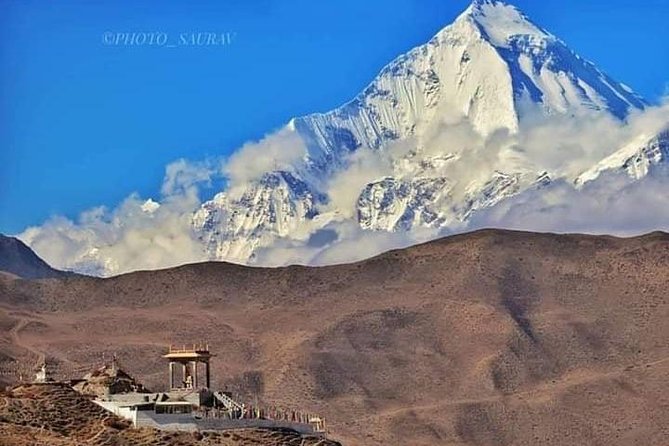
Then comes the heavy-hitter. Day nine is listed at about 8 hours, going from Machhapuchhare Base Camp to Annapurna Base Camp and Bamboo.
That is the day to plan for like a real day of work. Eight hours means your breaks, hydration, and snack timing matter. If you’re the type who wanders off for photos too often, this is where you may feel the consequences.
This is also where a guide’s judgment becomes valuable. In the past, guides associated with this trek style have been praised for solving problems quickly and keeping people safe when conditions get messy. That’s not something you want to discover the hard way halfway through a long day.
Jhinu Danda back to Nayapool: finishing the trek with a downhill grind
On day ten, you go from Annapurna Base Camp / Bamboo onward to Jhinu Danda, listed at about 6 hours. Then day eleven is Jhinu Danda to Nayapool at about 6 hours, followed by driving to Pokhara.
This is a return-from-the-mountain pattern. Expect more downhill and the kind of tiredness that hits differently than uphill. Downhill can be tough on joints, and it’s also easy to get sloppy because the end feels close.
But this structure still gives you a real finish. You transition from trail walking back into transport, so your day doesn’t become a total endurance test.
Kathmandu by tourist bus: the last ride and a calmer landing
Day twelve is the drive back to Kathmandu by tourist bus. That last transfer is where many treks either feel smooth or feel chaotic, depending on what happens on the trail.
Because this trip is organized with pickups and planned transport, the final leg is meant to be straightforward. It’s a nice way to end: you don’t spend your last day negotiating routes. You just ride, reset, and think about what you’ll remember most.
Guide support in real life: why this trek’s reputation matters
One of the most praised aspects tied to this trekking style is the guide experience. Several people associated with this operator’s Nepal treks have been highlighted for being safe, organized, and quick to act when something goes wrong.
Names you may hear in this trekking world include Ram Shahi (often mentioned alongside Dan in group leadership), and Resham Gurung, plus Lok and Nanda Gurung in other Annapurna-related treks. Across those different experiences, common themes show up: guides who keep communication clear, manage mixed abilities, and handle sudden problems fast.
A key detail that stands out: guides have been credited with arranging transport quickly during a medical issue. One case even described coordinating extreme emergency response (including a helicopter) after a serious illness. That’s rare, and you shouldn’t assume it will happen for your trip—but it explains why people put such trust in their local leadership.
Another praised point is flexibility. In one described case, rain storms arrived and the guide adapted arrangements swiftly. On a trek where weather can change quickly, being able to adjust without panic is the difference between a hard day and a manageable one.
Price and value: what $1,100 buys you on a 12-day trek
At $1,100 per person for about 12 days, the value here isn’t just the trek itself—it’s the scaffolding around it. You get pickup in Kathmandu, a hotel stay before the trek begins, and planned transport back to Kathmandu by tourist bus. There’s also a mobile ticket, which is a practical modern touch.
For a base camp trek, you’re paying for the structure that keeps the days moving: route planning, timing, and on-the-ground decisions that affect safety and comfort. On Annapurna routes, small logistical issues can snowball fast—where to sleep, how to handle delays, how to manage group pace.
Is $1,100 a bargain? In Nepal, prices vary a lot based on group size, season, and what’s included beyond the trek. So the most important value check for you is this: confirm exactly what’s included in your package (for example, whether meals, permits, and guide/porter support are part of the price for your exact departure). The trek is long enough that details like that affect your total cost and comfort.
Fitness reality check: moderate fitness, long days, and your knee plan
The trip calls for moderate physical fitness. That’s a fair label for an Annapurna Base Camp route because you’re walking most days, with daily hiking times ranging from 4 hours to 8 hours.
You should be honest with yourself about what “moderate” means for your body. If you’re fine with long walks, hills, and lots of stair-like steps, you’ll likely do well. If you’re only comfortable with short hikes, you may struggle when a day stretches to 8 hours.
A smart strategy: treat the first week as skill-building. Keep your pace controlled and don’t sprint the uphill segments. Also, protect your knees on descents. Even without medical specifics listed here, your best defense is simple: trekking poles if you use them, good shoes, and careful step timing.
Weather can change everything: build in flexibility
This experience requires good weather. If weather is poor, you’ll be offered a different date or a full refund. That’s not just legal language—it’s the practical reality of high mountain walking.
So pack mentally for two things: you can get a great day, or you can get a day where the route timing needs adjusting. That’s where having a guide who can adapt fast is worth its weight.
Should you book this Annapurna Base Camp trek?
I’d book it if you want a structured, classic Annapurna Base Camp approach with a clear beginning in Kathmandu, a sunrise moment at Poon Hill, and a guide-led experience built for day-to-day decision-making. The long-day 8-hour segment is the one part that can test you, so it’s best for people who can walk steadily and don’t mind committing fully for nearly two weeks.
I’d think twice if you’re uncomfortable with long hiking days, or if you hate the idea that weather could affect timing. If you’re the type who needs a perfectly predictable schedule every single day, the mountain will not cooperate that way.
If you do book, focus your prep on stamina and knee-friendly walking. Bring patience for the early mornings, and plan snacks and hydration like you mean it. That’s how you turn Annapurna Base Camp into a trip you remember for the right reasons.
FAQ
Where does the experience start?
The experience starts at Tribhuvan Airport, Kathmandu, Nepal.
Does this trek include airport pickup and a hotel stay in Kathmandu?
Yes. The plan includes pickup at Kathmandu airport and a hotel stay in Kathmandu before trekking.
How long is the Annapurna Base Camp trekking experience?
It lasts about 12 days.
What walking days and times should I expect?
Hiking times listed range from about 4 hours to about 8 hours, depending on the day.
What is the route’s general path through the trek?
You go from Pokhara to Nayapool, then Ulleri, Ghorepani, Poon Hill sunrise, Tadapani, Chhomrong, Bamboo, Deurali, Machhapuchhare Base Camp, Annapurna Base Camp, then onward to Jhinu Danda, and back via Nayapool to Pokhara, finishing by bus in Kathmandu.
Is the tour private?
Yes. It’s described as a private tour/activity, so only your group participates.
What fitness level is required?
You should have moderate physical fitness.
Is good weather required?
Yes. The experience requires good weather, and if it’s canceled due to poor weather you’ll be offered a different date or a full refund.
What are the experience’s operating hours?
The listed hours are 8:15 AM to 5:15 PM, Monday through Sunday.
What’s the cancellation policy?
It offers free cancellation. You can cancel up to 24 hours in advance for a full refund.