REVIEW · KATHMANDU
Private 12 – Day Everest Base Camp Trekking
Book on Viator →Operated by Nepal Alternative Treks & Expeditions Pvt. Ltd. · Bookable on Viator
Everest trekking, minus the logistics stress. This private 12-day Everest Base Camp trek is interesting because private logistics are built in, and you still get to move at your own rhythm toward Everest Base Camp. Flights, permits, tea house stops, a guide, and a porter are already woven into the plan.
I love that the package includes round-trip flights from Kathmandu to Lukla plus tea house accommodation and meals on the trail. I also like the pacing logic: rest time in Namche and an acclimatization hike out of Dingboche, so you are not just grinding upward day after day. In past trips, guides such as Amar and Nauser have also shown up with strong practical problem-solving, including handling paperwork fast when Lukla weather disrupts plans.
The main thing to consider is the big one you cannot control: Lukla flights can be delayed by weather. The team can help manage the admin side quickly, but you should still plan to be flexible with timing.
In This Review
- Key highlights worth your attention
- Price and what $1,300 covers (and why it can be good value)
- The Everest trek logic: pacing, acclimatization, and why this route works
- Day-by-day guide: from Kathmandu to Lukla and back again
- Day 1: Fly to Lukla, then trek to Phakding (Dudh Koshi River)
- Day 2: Phakding to Namche Bazaar (Monjo permit day)
- Day 3: Namche rest day with Khumjung and Khunde
- Day 4: Namche to Tengboche (Ama Dablam in your line of sight)
- Day 5: Tengboche to Dingboche (rocky terrain and Mani stones)
- Day 6: Dingboche acclimatization day (Nangkartshang Peak)
- Day 7: Dingboche to Lobuche (Climber’s memorial on the way)
- Day 8: Lobuche to Gorakshep, then Everest Base Camp
- Day 9: Kala Patthar early morning, then down to Pheriche
- Day 10: Pheriche to Namche Bazaar (return hike with lunch stops)
- Day 11: Namche to Lukla (final descent and park exit)
- Day 12: Fly Lukla to Kathmandu (mountain views from the air)
- What’s really included on the trail (and what costs extra)
- Guides, porters, and the support that can save a day
- Packing and practical tips: how to plan for tea house reality
- Who should choose this Everest Base Camp trek package?
- Should you book this Everest Base Camp trek?
- FAQ
- How long is the Private 12-Day Everest Base Camp Trek?
- Are flights from Kathmandu to Lukla included?
- What’s included during the trek?
- Which permits are included?
- Is this a private tour?
- What is not included on the trek?
- Is there free cancellation?
Key highlights worth your attention
- Lukla flights are included, which removes the hardest-to-time piece of the Everest Region puzzle.
- A built-in acclimatization rhythm (Namche rest day, plus a hike from Dingboche) helps you gain altitude more intelligently.
- Everest Base Camp plus Kala Patthar gives you two different types of big-mountain payoff: camp views one day, the classic sunrise-style panorama the next morning.
- Real Sherpa culture stops like Khumjung, Khunde, Tengboche Monastery, and monasteries around Namche add meaning beyond the scenery.
- Strong on-the-ground support: in reviews, owner Tej (and the team) gets praised for fast responses and handling emergency and flight-grounding issues.
- You get practical extras like a trekking map, water purification support, an oxygen saturation component, and a duffel bag for the trek.
Price and what $1,300 covers (and why it can be good value)
At $1,300 per person, this is not a budget-only trek. But it is also not the kind of price where you show up in Kathmandu and then start paying one surprise fee after another.
What you are paying for here is the structure: Kathmandu–Lukla flights round-trip, permits and park fees, a government-registered trekking guide, and porters with their expenses handled. You also get tea house lodging during the trek and a full set of trail meals (the package lists lunch, dinner, and breakfast on trek days). For many people, that is the real value—your money buys you fewer moving parts and less “do we have the right permit yet?” stress.
Also worth noting: the package includes assistance for emergency rescue evacuation and public liability insurance. In reviews tied to this operator, Tej has been credited with quick help in emergency situations, including working through insurance and evacuation coordination. That kind of support is hard to price, but it matters when altitude and remote logistics are in the mix.
You can also read our reviews of more tours and experiences in Kathmandu.
The Everest trek logic: pacing, acclimatization, and why this route works
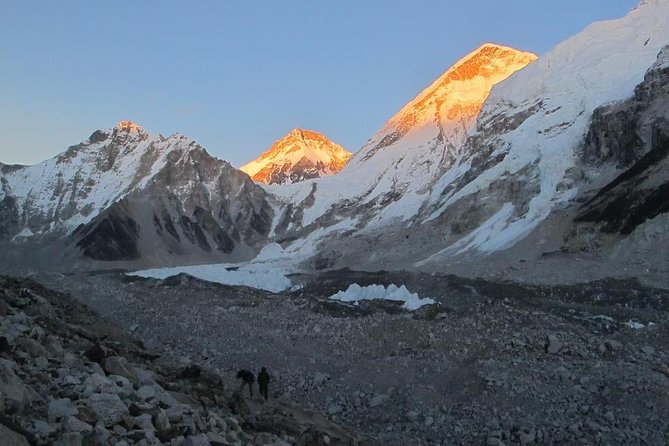
This trek makes a smart bet: you will feel the altitude, so the itinerary builds in time to adjust instead of pushing you up every single day.
Day 2 moves you from Phakding toward Namche Bazaar along the Dudh Koshi River, gaining elevation in a steady way. Day 3 is where the plan starts to protect you: you stay in Namche and explore Khumjung and Khunde, plus options for a short hike toward Khumjung Monastery. That gives your body time to adapt while still keeping you active.
Then Day 6 is the acclimatization checkpoint at Dingboche. You do not just sit still—you hike up to Nangkartshang Peak (5083m). From the top, you get big views that stretch across the Everest region, including Everest itself, Lhotse, Island Peak, and Ama Dablam. And then you come back down to Dingboche for the night, which keeps the acclimatization safe-and-sensible rather than heroic.
On the “go high and return” stretch, you also get two classic view days: the Everest Base Camp day at Gorakshep (Day 8) and the Kala Patthar sunrise-landmark morning (Day 9). That is a good combo because it spreads the payoff: you do not wait only for one single moment.
Day-by-day guide: from Kathmandu to Lukla and back again
Day 1: Fly to Lukla, then trek to Phakding (Dudh Koshi River)
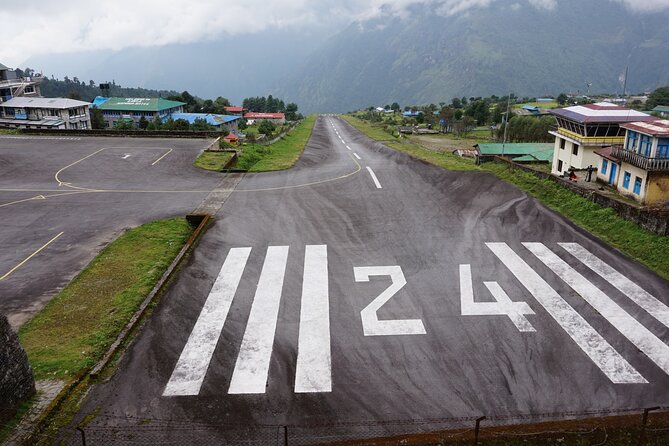
You start early with pickup offered and a drive to Tribhuvan International Airport, then a domestic flight to Lukla. The flight is short but scenic, crossing forested hills and deep ravines before landing in Lukla.
Once you touch down, you eat breakfast and head out on the first trek day. The walk follows the Dudh Koshi River toward Phakding village. It is a good first day because it gets you into rhythm without throwing you into the steepest sections.
Day 2: Phakding to Namche Bazaar (Monjo permit day)
You trek upstream along the Dudh Koshi River past small waterfalls toward Monjo village. At Monjo, you receive the Sagarmatha National Park permit—one of those key logistics items that can otherwise eat your time in Kathmandu.
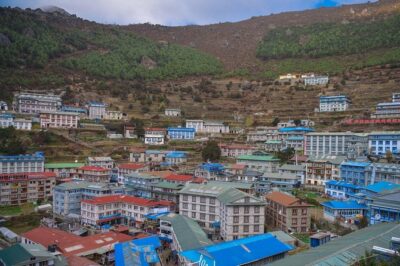
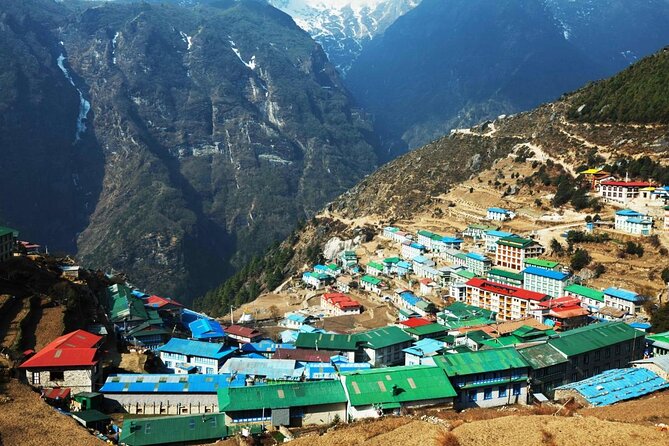
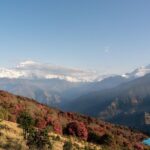
From there, the trail continues through Jorsalle, with suspension bridges along the way, and you reach Namche Bazaar. Namche is the biggest village in the Everest region, and the views from here include the Kongde Ri range.
Day 3: Namche rest day with Khumjung and Khunde
Instead of a long ascent, Day 3 gives you time to breathe. You explore Namche Bazaar, then take a scenic loop toward Khumjung and Khunde villages.
You can visit Khumjung Monastery, which is linked with preserved remains associated with the Yeti story, and you can also pass by Syangboche Airport en route. Another cultural stop is the Edmund Hillary School on the way back toward the Namche area. It is a good day because it keeps things human-scale while you still gain altitude at a slow pace.
Day 4: Namche to Tengboche (Ama Dablam in your line of sight)
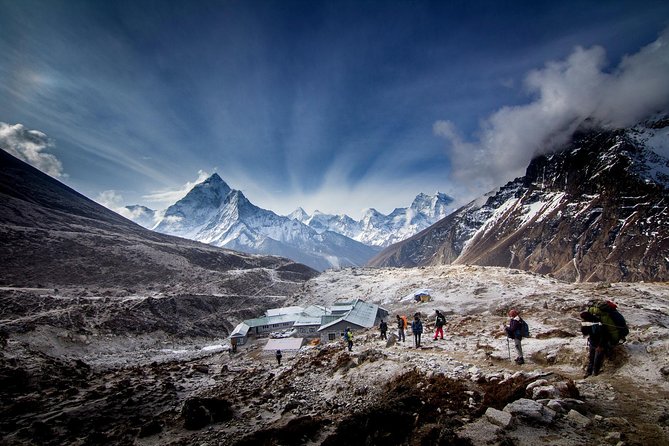
You leave Namche and climb uphill toward Phunki Tenga village, then keep going to Tengboche. Ama Dablam rises into your views as you gain altitude, and the day includes a significant climb of 427 meters.
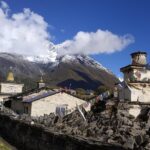
Tengboche is home to Tengboche Monastery, described as the largest monastery in the Everest region. It is also linked with the annual Mani Rimdu festival (held in October). You end the day in Tengboche, which is a classic base for mountain photography and monastery atmosphere.
Day 5: Tengboche to Dingboche (rocky terrain and Mani stones)
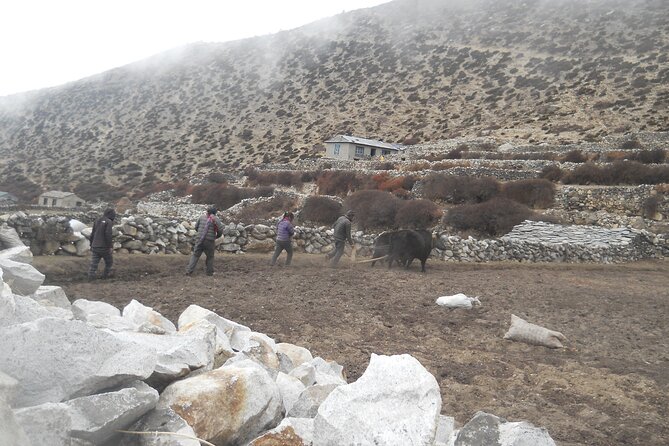
After breakfast with Ama Dablam in the east, you continue trekking from Tengboche. You head uphill along the Dudh Koshi River toward Debuche, then the route shifts from forested walking to rockier ground.
You pass thousands of Mani stones along the trail near Shomare and eventually reach Dingboche, a remote Sherpa village. This is one of the days where you can feel the trip getting serious: less “village in the foreground,” more “mountains everywhere.”
Day 6: Dingboche acclimatization day (Nangkartshang Peak)
This is your targeted altitude-adjustment day. You can hike up to Nangkartshang Peak (5083m), named after the century-old Nangkartshang Monastery.
From the summit, you get wide views across Taboche, Ama Dablam, Island Peak, Lhotse, and Everest. Afterward, you retrace your steps back to Dingboche, with Mt. Pumo Ri also watching over the route. It is a physically demanding day, but it is also a smart one for how it supports the rest of the trek.
Day 7: Dingboche to Lobuche (Climber’s memorial on the way)
You leave Dingboche and climb toward Lobuche, passing Pheriche and Thukla along the way. Near Thukla, you can see the Climber’s memorial park, built to remember climbers who lost their lives on Everest.
The trail keeps rising as you trek along the Lobuche Glacier, and you finish in Lobuche for the night. This is another day where the emotional weight of the mountains shows up—then the hiking moves you forward.
Day 8: Lobuche to Gorakshep, then Everest Base Camp
You trek to Gorakshep, the staging area for the final leg. The route climbs along the Lobuche Glacier and Khumbu Glacier to reach Gorakshep.
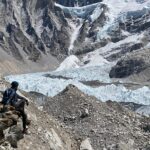
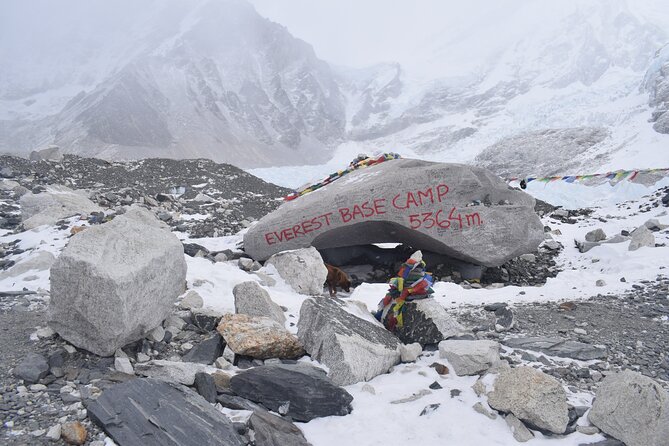
After a rest, you do the short excursion to Everest Base Camp. The trail rises toward the east, following Khumbu Glacier to the base camp area. From there, you can see Khumbu Icefall and Khumbu Glacier, plus peaks including Pumo Ri, Lingtren, Khumbutse, and Nuptse. You return to Gorakshep for the overnight stay.
Day 9: Kala Patthar early morning, then down to Pheriche
Day 9 starts early. You hike up to Kala Patthar, described as the tourist landmark in the Everest region, and you do the climb through the rocky moraine.
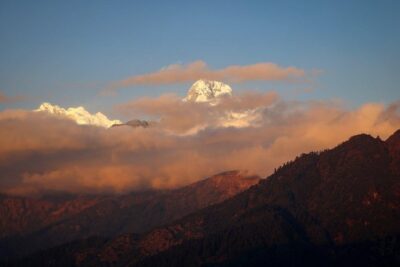
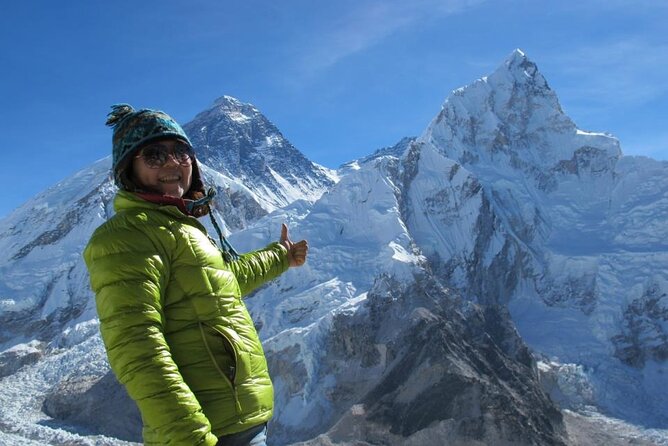
From the top, you get excellent views of Mount Everest (8848m) plus Nuptse, Lhotse, Khumbutse, Pumo Ri, and Ama Dablam among many others. After you retrace your steps to Gorakshep for breakfast, you continue downhill toward Pheriche along the Lobuche Glacier. This is a relief day for your altitude stress, even though your legs still work.
Day 10: Pheriche to Namche Bazaar (return hike with lunch stops)
You head downhill from Pheriche and pass Dingboche before arriving around Pangboche. You drop toward the Imja River and climb again, then stop briefly at Debuche.
You continue to Tengboche for lunch, then trek downstream along the Dudh Koshi River. You cross Phunki Tenga and return toward Namche Bazaar, where you sleep again. This is the day where you notice the valley energy coming back—more trails feel like “going home” rather than “pushing forward.”
Day 11: Namche to Lukla (final descent and park exit)
You wake up in Namche and trek downhill, crossing Jorsalle toward Monjo. Here you exit Sagarmatha National Park, then descend further to Phakding where you have lunch.
After that, the trek is a short run back to Lukla. You also get an evening finish in Lukla to celebrate completing the trek, which is a nice mental reset before the flight.
Day 12: Fly Lukla to Kathmandu (mountain views from the air)
You take an early flight back to Kathmandu. The ride offers panoramic views as you leave the Everest area behind, and you can spot an aerial view of Kathmandu along with UNESCO World Heritage Sites before landing.
Then you drive to your hotel and have the rest of the day to recover, eat well, and let the whole experience sink in.
What’s really included on the trail (and what costs extra)
The included portion is built around removing daily logistics work. During the trek, you get lodge accommodation, guide and porter support, and the key permit fees (including Sagarmatha National Park fees and Pashang Lhamu entry, plus necessary permits). You also get a trekking map, a duffel bag, and a water purification component.
Meals are included on the trek days, with the package listing lunch, dinner, and breakfast. It also notes an oxygen saturation element—useful as a way to pay attention to how your body is reacting during the climb.
What is not included tends to be the small creature comforts and optional extras. In particular, tea/coffee, hot water, hot shower, battery charge, alcoholic drinks, laundry, and phone bills are listed as not included. Translation: you should expect tea houses that are functional rather than spa-like.
Guides, porters, and the support that can save a day
This private trek runs with one government-registered guide and porters, and their expenses are included. That alone helps you keep pace and reduce the mental load of managing multiple decisions.
In reviews connected to this operator, multiple guides have been praised by name. People have highlighted guides such as Tek, Kumar, Yugal, Nauser, Amar, Ongchhu Sherpa, and Andrea for being capable and helpful. There’s also a recurring theme of good English and a calm, can-do attitude when things get complicated.
One example that matters on Everest is Lukla weather. In reviews, Amar is mentioned for handling administrative pickles when planes were grounded. Another review praises Tej for quick emergency response and help contacting insurance and managing evacuation. That kind of operational readiness is exactly what you want when the “remote place rules” show up.
That said, one review notes a guide had limited knowledge about flora and fauna and the Himalaya beyond the core trekking route. If you care deeply about ecology and plant life, ask your guide early what they can cover, and what kind of stories and explanations they prefer to share.
Packing and practical tips: how to plan for tea house reality
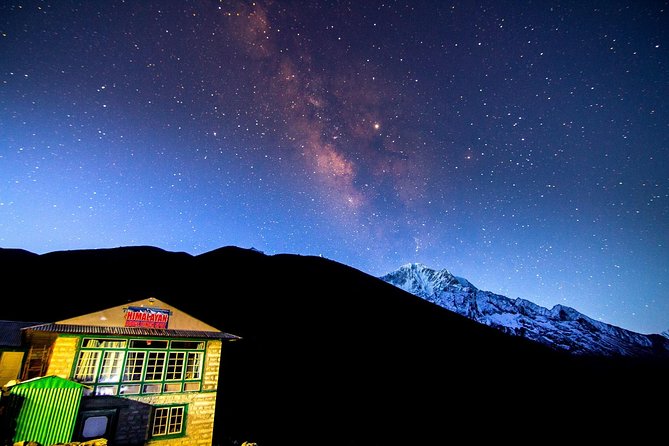
You are staying in tea houses during the trek, which means the vibe is simple: a room, a common eating area, and services that may not match big-city expectations. Since hot shower, battery charge, and hot water are not included, you will likely manage those items as optional add-ons rather than assumptions.
The package gives you a duffel bag and a water purification component, so you do not have to start from zero. You also get a trekking map, which is a small thing until you are tired at altitude and trying to confirm you are on the right path.
For your comfort, plan for a mix of warm daylight and colder mornings, and remember that the itinerary includes higher points like Kala Patthar and the Base Camp day via Gorakshep. If you want this to feel fun rather than just tough, you will do best by dressing in layers and keeping your daily routine consistent.
Who should choose this Everest Base Camp trek package?
This is a great fit if you want the classic Everest Base Camp experience without having to piece together every part on your own. The private nature also suits people who want control over pacing rather than being locked into a group schedule.
It works especially well for travelers who:
- Want flights, permits, and tea house logistics handled
- Prefer a guide’s navigation and cultural context
- Can handle long hiking days plus rough terrain as the route climbs
- Like the idea of acclimatization built in at Namche and Dingboche
The tour also calls for moderate physical fitness. If you are on the fence, be honest about your ability to walk for 5 to 8 hours on consecutive days with elevation changes.
Should you book this Everest Base Camp trek?
I would book it if you want a worry-reduced Everest Base Camp trek with solid operational support. The included Lukla flights, permits, guide/porter, lodge stays, and trail meals add up to a package that protects your time and energy. I also like that the itinerary includes clear acclimatization moments and two major view targets: Everest Base Camp and Kala Patthar.
I would hesitate only if you hate schedule uncertainty. With Lukla weather sensitivity, the trip can shift, and your happiness will depend on how flexible you can be.
If you are going to Everest for the first time and you want an experienced team—led by guides like Amar, Nauser, Kumar, Tek, Yugal, and others named in past trips—to keep the trip moving, this is a strong choice.
FAQ
How long is the Private 12-Day Everest Base Camp Trek?
It runs for about 12 days.
Are flights from Kathmandu to Lukla included?
Yes. Round-trip flights from Kathmandu to Lukla are included.
What’s included during the trek?
Lodge accommodation during the trek, tea house meals (including breakfast, lunch, and dinner as listed), a government-registered guide, required porters, trekking map and duffel bag, oxygen saturation, water purification support, and the listed permit fees.
Which permits are included?
The package includes Sagarmatha National Park fee and Pashang Lhamu entry fees, along with necessary permits.
Is this a private tour?
Yes. It is private, and only your group participates.
What is not included on the trek?
Tea/coffee, hot water, hot shower, battery charge, alcoholic drinks, laundry, phone bill, and desert are not included. Travel insurance and tips for guide and porters are also not included.
Is there free cancellation?
Yes. You can cancel up to 24 hours in advance for a full refund. If you cancel less than 24 hours before the start time, the amount paid will not be refunded.