REVIEW · HANOI
Sapa Trekking Tour 2 Days 1 Night By Bus
Book on Viator →Operated by Hanoi Green Travel · Bookable on Viator
Sapa is where the mountains start talking back. This 2-day trek takes you from Hanoi by sleeper bus, then into villages of the Black H’mong, Dao, and Dzay communities—plus time for traditional food and a chance to swim by a waterfall. I particularly like the way the days are guided and structured (hello, cultural explanations from guides such as Vu and Koo), and I love the option to sleep in a homestay or choose a hotel. One possible drawback: the bus ride timing can vary a lot if the driver sticks to a very slow pace.
What makes this tour worth your attention is the mix of trekking distances, village visits, and real food on the ground. The group stays small (max 15), and the tour includes meals and key transport pieces, which helps you avoid messy logistics. If you’re sensitive to rougher trails or don’t like being approached by locals selling small items, plan your attitude before you go—because you will meet plenty of people along the way.
In This Review
- Key highlights to know before you go
- Hanoi to Sapa: the sleeper bus part you can actually plan for
- Day 1: trekking into Muong Hoa Valley and Lao Chai area (the down-valley day)
- Village visits: Cat Cat, Giang Ta Chai, Su Pan and the reality of being photographed
- Overnight choice: homestay vs hotel changes what you do on Day 2
- Day 2: Dzay family morning or a second downhill trek
- If you’re staying in a homestay
- If you’re staying in a hotel
- Food, waterfall time, and what to pack for real trekking days
- Price and logistics: is $85 good value?
- Who this trek suits best (and who should think twice)
- Should you book this Sapa Trekking 2 Days 1 Night by Bus?
- FAQ
- How long is the Sapa trekking tour?
- Where does the tour start?
- How do you get to Sapa?
- What does the $85 price include?
- What accommodation options are available overnight?
- Which villages will I visit?
- Do I get a chance to swim?
- How much trekking is involved?
- What kind of fitness level do I need?
- What happens if the weather is poor?
Key highlights to know before you go
- Hanoi pickup plus sleeper bus to Sapa: you start early from the Old Quarter area and transfer smoothly to the bus.
- Two different trekking styles on the second day: homestay travelers get a shorter trek after a minority-morning routine; hotel travelers do a longer follow-up trek.
- Village visits across multiple ethnic groups: expect Black H’mong, Dao, and Dzay culture stops rather than just one community.
- Meal coverage is solid: breakfast and dinner are included, plus two lunches during the trek days.
- Small group size (up to 15): it feels more personal than big-coach tours.
- Accommodation choice: from homestays to hotel (your option), so you can match comfort to your taste.
Hanoi to Sapa: the sleeper bus part you can actually plan for
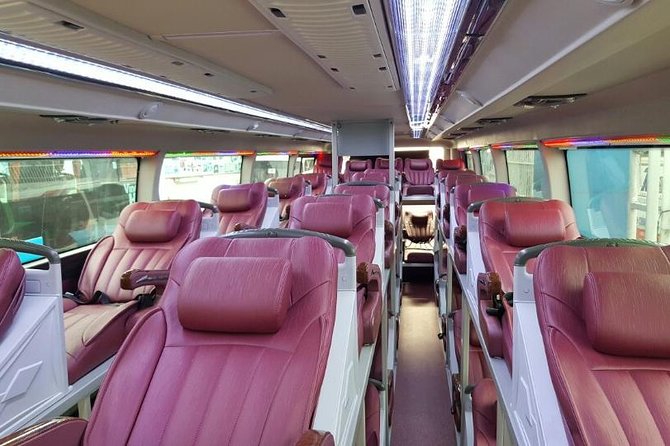
Most Sapa trips start with a night bus, but this one adds something helpful: hotel pickup in Hanoi’s Old Quarter area before you head to the bus station. The stated start time is 6:30 am, and the day includes the transfer to Sapa by sleeping bus with air-conditioning and WiFi onboard.
If you hate uncertainty, here’s what to expect. The tour schedule aims for an early afternoon arrival in Sapa town (around 13:00 is given for arriving and meeting your guide), then you’ll continue into that day’s trek/village block. The route is built for you to get into motion quickly rather than spend hours sightseeing in town first.
One practical note: comfort on sleeper buses varies. I’ve seen people praise the overall comfort, but I also like to warn you about cleanliness expectations—some folks have flagged that bed trays can be less clean than you’d want. Bring a small towel or wipes if you’re picky. Also, if you get cold easily, pack a layer; Sapa weather can turn damp, and at least one guide team has been appreciated for providing a warming blanket after rainy trekking.
Finally, consider timing. One downside that showed up clearly is that the outbound bus can end up taking longer than planned if the driver is extremely cautious. On the flip side, the return trip may feel better—so don’t treat the exact hours as a guarantee. Treat them as a target.
You can also read our reviews of more tours and experiences in Hanoi.

Day 1: trekking into Muong Hoa Valley and Lao Chai area (the down-valley day)

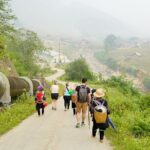
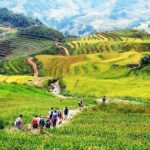
Day 1 has a very clear trekking rhythm: you start in Sapa town and head down into the Muong Hoa Valley. For the homestay option shown, the trek begins around 14:00 with a 12 km route on small trails toward the Black H’mong village of Lao Chai.
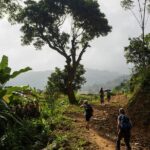
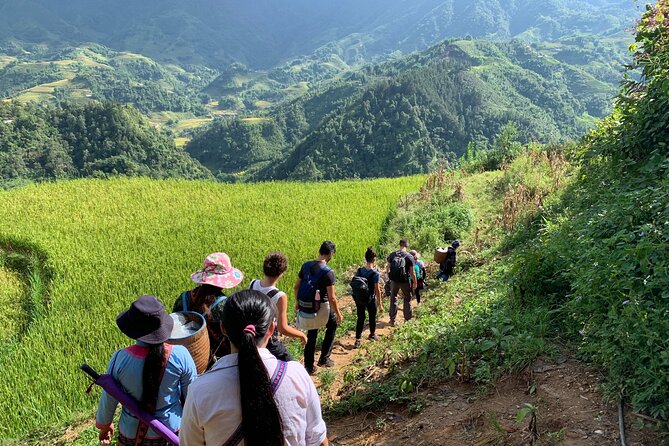
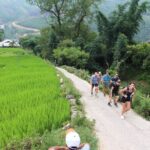
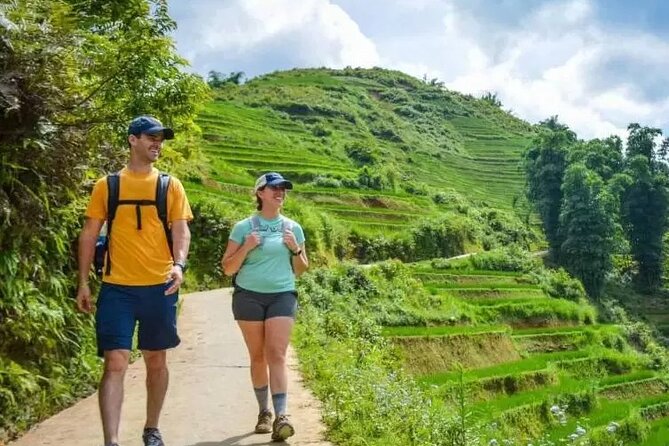
You’ll walk downhill through areas tied to Y Linh Ho and Lao Chai, and that matters more than it sounds. Downhill trekking in northern Vietnam tends to be slow, slippery, and uneven. Even when the distance looks reasonable on paper, your knees feel it. I’d call this a moderate-to-challenging day if you’re not used to uneven paths, especially when the trail is wet.
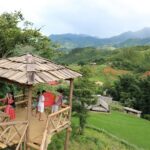
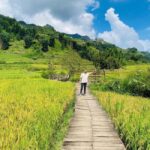
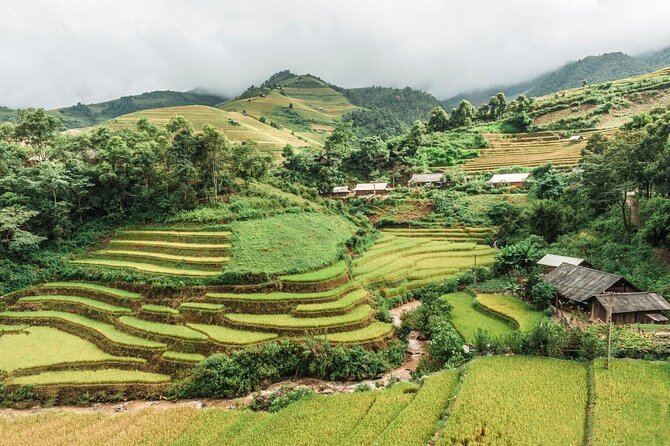
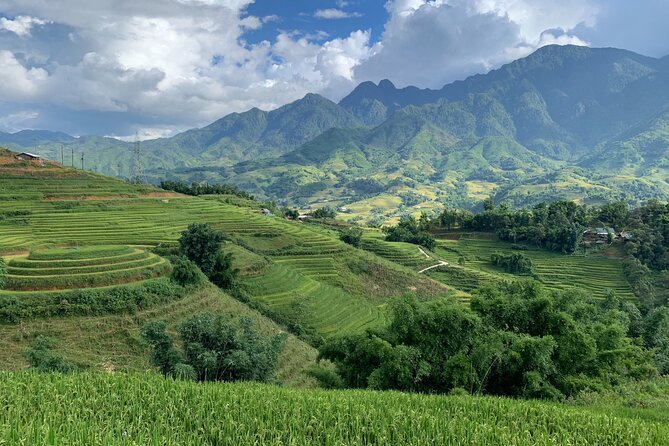
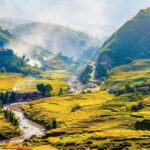
Why this day is often the most memorable: the valley setting. This is one of those places where the hills and rice terraces don’t look like a postcard because you’re actually moving through them. You’re not just staring at views from one spot; you’re working for them.
Lunch is included on the trek days, so you’re not rationing food while you walk. That’s a big value point for a two-day tour, because packing, buying, and coordinating meals on the go can easily eat into your time and budget in Sapa.
What about village experiences beyond Lao Chai? The tour is built to include multiple ethnic village stops like Cat Cat, Giang Ta Chai, and Su Pan. The exact sequence can shift with the group’s pace and your chosen overnight option, so focus on the overall idea: you’re seeing different communities and getting context for daily life, rather than ticking off one “main village.”
Village visits: Cat Cat, Giang Ta Chai, Su Pan and the reality of being photographed
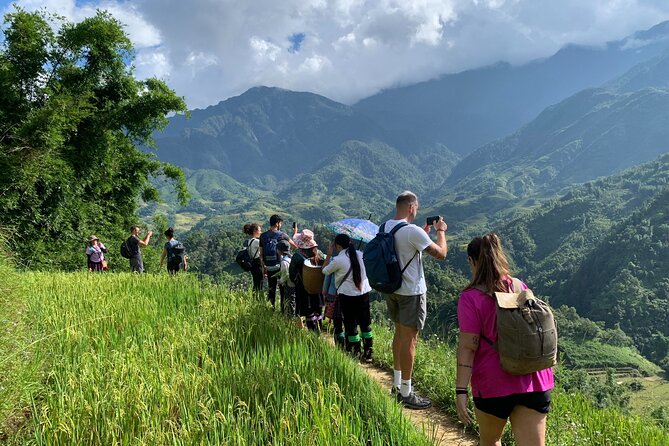
This tour’s pitch is cultural, not just scenic. You’re set up to visit villages belonging to the Black H’mong, Dao, and Dzay communities, and the broader program mentions villages including Cat Cat, Giang Ta Chai, and Su Pan.
Here’s the balanced truth you should carry into your planning. In areas that receive a lot of day visitors, some stops can feel more staged than others. Cat Cat is often the one that draws criticism when people feel they’re seeing costumes and photos rather than everyday life. Still, you can make these visits work if you treat them as part of the ecosystem, not a “one-to-one culture show.”
How to do it well:
- Ask questions beyond what people are wearing.
- Watch how the village functions around the tourist route.
- Don’t force a confrontation; simply keep moving politely if you want a calmer experience.
Another real-world moment: locals may approach you to sell small items during the day. People often describe this as persistent, not aggressive, and that’s exactly how you should interpret it. If you want crafts, compare and ask the price. If you don’t, a calm no goes a long way.
The upside is that guides can steer you toward better understanding. Guides like Vu and Su have been praised for explaining culture in a way that makes village stops feel less like a hallway and more like a community you can respect.
Overnight choice: homestay vs hotel changes what you do on Day 2
This is where your choice really matters.
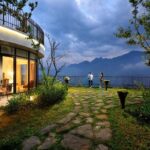
If you book the homestay option, you’re not just changing your bed. You’re changing the flow of the second morning. The program states that you’ll wake early, experience the daily life of a Dzay minority in the morning, and then have breakfast with the Dzay family before checking out and heading into your next trek.
If you book the hotel option, Day 2 starts with breakfast at the hotel and then check-out, followed by a later trek block starting around 9:00. The distance is shown as 12 km down for that option (the text cuts off after the start of the next place name, so the exact village endpoint isn’t fully listed).
So what’s the practical difference?
- Homestay day 2 is more routine-based: morning life, family breakfast, then a shorter walk (6–8 km is noted).
- Hotel day 2 is more trail-based after breakfast: longer downhill trekking (12 km) after check-out.
Neither option is “better” for everyone. Homestays are usually best if you want human connection and don’t mind that comfort levels can be basic. Hotels are better if you want consistency, warmer dry space, and a simpler schedule.
Also think about weather. Sapa can be rainy, and trekking is still trekking. A homestay morning can be cozier, but you still need layers and proper foot gear.
Day 2: Dzay family morning or a second downhill trek
Day 2 is where your tour either turns into a morning with a family or a longer outdoor finish.

If you’re staying in a homestay
Your morning starts around 6:30, and the tour frames this as experiencing Dzay daily life. It’s the kind of start that makes the rest of the trip feel grounded. At 7:30, you have breakfast with the Dzay family, and then you check out.
Then the trekking resumes around 9:00 with a 6–8 km trek into the next area (the destination name is cut off in the provided details, but the structure is clear: morning routine first, then a moderate walk).
This option tends to be best if you like slower moments and you’re okay with the fact that it’s not a “tourist attraction” all day. You’re meeting people first, then moving through the landscape.
If you’re staying in a hotel
You get a more standard hotel morning, check out, and then start the second trek around 9:00. The provided plan lists a 12 km trek downhill (again, the exact end point isn’t fully shown in the text, but the distance is specific).
This option is best if you want more walking time, less early wake-up, and a more predictable routine.
Either way, keep your expectations realistic: the trails can be rough in spots, even when a guide keeps the group moving. You’re on mountain paths, not smooth park sidewalks.
Food, waterfall time, and what to pack for real trekking days

This tour includes a lot of food coverage. You get breakfast, dinner, and lunch twice. That’s a big deal because Sapa meal costs can be unpredictable if you keep stopping for snacks, and trekking days burn through energy fast.
You’ll also get a chance to tuck into traditional Vietnamese food. And the overview mentions swimming by a waterfall. That doesn’t mean you’ll swim for hours like a beach day—it reads more like a short, refreshing option if conditions allow and the area is accessible.
The biggest packing decision is footwear and layers.
- Wear shoes that handle mud and uneven stones.
- Bring a rain layer or quick-dry outer layer.
- Carry a small dry bag so your phone and wallet don’t suffer.
One detail that hints at the weather reality: a heating blanket has been mentioned as appreciated after trekking in rain. So even if the day starts clear, plan as if you might face damp air and cooler evenings.
If you’re traveling with a wide age range, this tour can work, but choose your expectations carefully. The route is described as requiring moderate physical fitness, and the trails are described as rough in places. That’s where guides help: local pacing and the support of community members along the trail can make the difference between gritting your teeth and enjoying it.
Price and logistics: is $85 good value?
At $85 per person for a two-day package, the headline question is whether you’re paying for experiences or for logistics.
Here’s what’s included:
- Sleeper bus with air-conditioning and WiFi onboard
- Hotel pickup in Hanoi Old Quarter area
- Breakfast and dinner
- Lunch (2 times)
- All fees and taxes
- A local guide and organized trekking/village visits
What’s not included:
- Private transportation (so you’re relying on the tour’s pickup and group transfers)
When I look at value like this, this price feels fair because the expensive part of these trips is usually transport plus coordination. You don’t have to figure out bus timing, guide contracting, and meal stops on your own. With a small group max of 15 travelers, you’re also more likely to get a guide who can manage pace rather than just herd people.
Could it be a better deal with two nights instead of one? Some people have said they’d prefer a longer stay. That’s a fair critique, but it’s also a reminder of trade-offs: you’re buying a tight two-day program. If you want extra depth in villages, you might consider extending your time in Sapa on your own after the trek.
Who this trek suits best (and who should think twice)
This is a good match if you want:
- Two days of guided trekking with village context
- The option between homestay vs hotel
- A small-group experience (max 15 travelers)
- Meal coverage without hunting down restaurants every day
You should think twice if:
- You’re not comfortable with uneven downhill trails (rough terrain is mentioned)
- You’re very sensitive to rain and cold, since trekking still happens and layers matter
- You dislike the “someone might approach you to sell items” part of village tourism
On the positive side, guides have been praised for being friendly and helpful, and for sharing cultural explanations that make the walk feel purposeful. If you get a guide like Mu or Koo, you’re likely to get a richer understanding of what you’re seeing rather than just the route.
Should you book this Sapa Trekking 2 Days 1 Night by Bus?
If your goal is a structured, moderate trekking experience from Hanoi—with transport handled, meals included, and real village visits—then I think this is an easy yes. The biggest strengths are the organization, the small group, and the way the homestay option adds a morning-with-family dimension tied to the Dzay community.
Book it if you’re okay with rougher trails and you want something more human than a quick photo stop circuit. Skip (or reconsider) if you want the “relax” factor of Sapa more than the walk-and-visit factor, because this is still active trekking days.
If you want a simple rule: choose homestay for culture and connection, choose hotel for comfort and longer trail time on Day 2.
FAQ
How long is the Sapa trekking tour?
The tour is listed as 2 days (approximately).
Where does the tour start?
It starts in Hanoi, with a stated start time of 6:30 am.
How do you get to Sapa?
You travel to Sapa by sleeper bus, with hotel pickup included in the Hanoi Old Quarter area.
What does the $85 price include?
The package includes breakfast, dinner, lunch (2 times), air-conditioned sleeping bus, WiFi onboard, and all fees and taxes.
What accommodation options are available overnight?
You can choose between a homestay option or a hotel option (the tour notes choices ranging up to 5-star hotel).
Which villages will I visit?
The program includes village visits connected to the Black H’mong, Dao, and Dzay communities, and specifically mentions Cat Cat, Giang Ta Chai, and Su Pan, as well as trekking toward Lao Chai and Y Linh Ho.
Do I get a chance to swim?
The overview states there is a chance to swim by a waterfall.
How much trekking is involved?
Day 1 trekking is listed as 12 km for the homestay option shown. On Day 2, the hotel option lists 12 km, while the homestay option lists 6–8 km.
What kind of fitness level do I need?
The tour notes you should have moderate physical fitness.
What happens if the weather is poor?
The experience requires good weather. If it’s canceled due to poor weather, you’ll be offered a different date or a full refund.