REVIEW · MARAGUA BOLIVIA
Sucre: 2 days trek in Inca Trails and the Crater de Maragua
Book on GetYourGuide →Operated by Jalq'a Tours · Bookable on GetYourGuide
Inca stone and dinosaur footprints, no time wasted. I love the 12th-century Inca trail feel and the dinosaur footprints stop in Niño Mayo. The one drawback: the pace can be quick, so photo breaks may feel rushed.
This trek is also about people, not just places. I’ve found the guiding makes a big difference here, and you’ll see why when guides like Li, Gari, Lizandro, and Johnny are out leading—each brings stories, explanations, and a good sense of group rhythm.
Finally, it’s an active outdoor outing with simple meals and basic overnight comfort. If you want a cushy hotel experience, this is not that kind of trip.
In This Review
- Key things I’d circle before you go
- Sucre to Maragua: why this trek feels special
- Meeting point and getting started in Sucre
- Day 1: Inca stone paths, river walking, and the ascent to Maragua Crater
- Section one: descent along Inca stone paths
- Section two: river-following terrain with gentle changes
- Section three: the climb around the mountains
- Inside Maragua Crater: viewpoints, wildlife, and your first night
- Day 2: leaving the crater to Niño Mayo and the dinosaur footprints
- First step: the uphill exit and viewpoint payoff
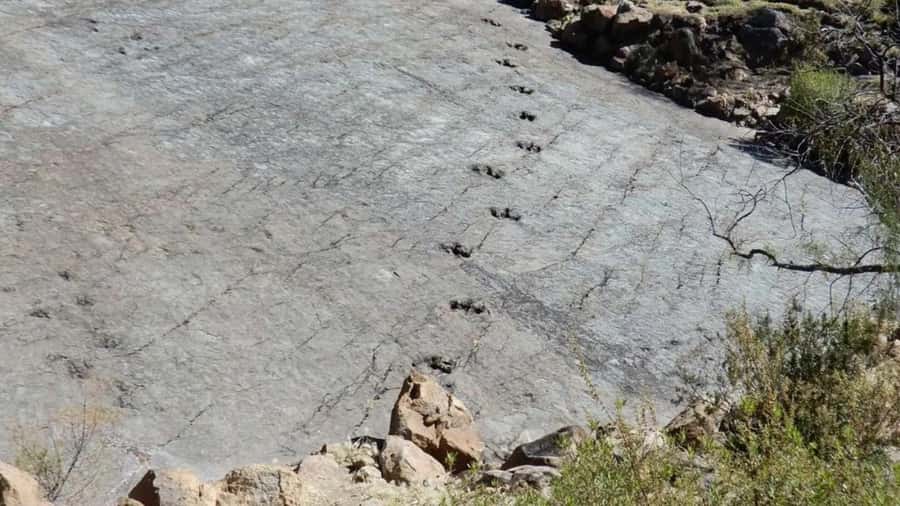
- Midday highlight: dinosaur footprints
- Jalqa culture in motion: weavers, textiles, and traditional villages
- Majada walk and the return to Sucre by private vehicle
- Pacing and photo timing: a real-world heads-up
- What’s included (and what you’ll need to budget for)
- Gear checklist that actually matches the trail
- Price and value: does $124 make sense for this kind of trek?
- Who should book this trek, and who should skip it
- The 3-day option to Tumpeca: an easy way to extend
- Should you book this 2-day Inca Trail + Maragua Crater trek?
- FAQ
- How long is the trek?
- Where do we meet in Sucre?
- How far do we walk each day?
- Are meals included?
- Is water included?
- What kind of overnight is provided?
- What languages are available for the guide?
- Is there an option to extend beyond two days?
- Do I need to bring tickets?
- Who isn’t this trek suitable for?
Key things I’d circle before you go
- Small group (up to 10) means you’ll actually hear your guide instead of just catching bits.
- Two distinct days of hiking: steep Inca descents and climbs on day one, plus a crater exit and easier scenic walking on day two.
- Devil’s Throat viewpoints inside Maragua Crater give you the best bird-and-wildlife watching moment.
- Jalqa culture stops include a weaver visit tied to traditional textile art.
- Overnight in a shared room keeps the budget in check, but expect simplicity.
- Guides may move fast—bring your camera ready and don’t assume you’ll have long standstill time for every photo.
Sucre to Maragua: why this trek feels special
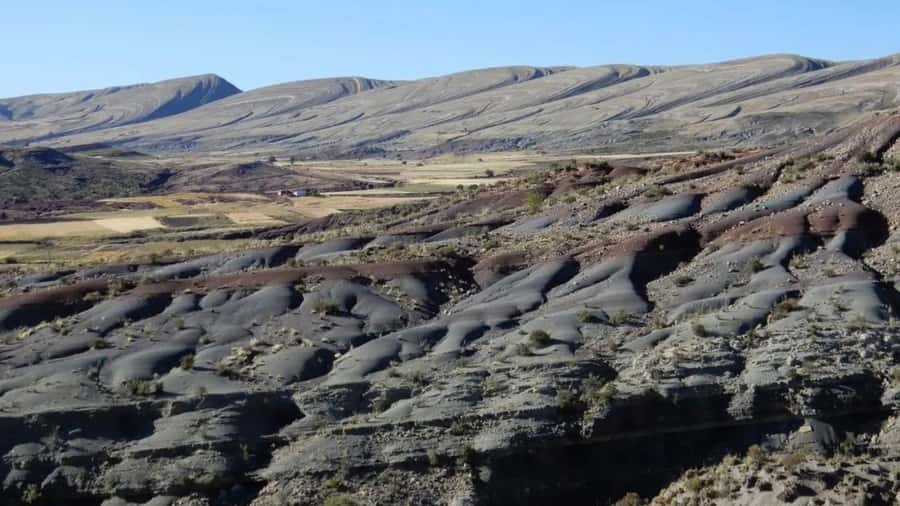
This is the kind of trek that mixes big-ticket visuals with real local texture. One day you’re walking Inca stone paths and river sections, and the next you’re threading through Majada and the Maragua area toward dinosaur footprints—plus a textile stop that helps you understand what you’re seeing.
I like that the trail is broken into clear sections. You’re not stuck guessing what’s coming. The first day ramps up with a descent, then more level walking by the river, and then the tougher climb that brings you to Maragua Crater. Day two starts with an uphill push out of the crater before shifting into easier, scenic walking.
Also, the group size stays small. With a maximum of 10 participants, guides can manage the pace and answer questions without turning your trek into a school hallway.
Meeting point and getting started in Sucre
You’ll meet at the main entrance of Estadio Patria on German Mendoza Street in Sucre. From there, you take public transport to Chataquila. There’s a built-in waiting window that can change depending on how full the bus is, so it’s smart to arrive a little early—no one likes standing around in hiking clothes with time slipping away.
Once you’re in position, the day starts on foot. The trailwork begins with the Inca stone paths, then continues through sections that change how your legs feel: descent, then mostly flatter river walking, then the ascent toward the crater.
If you hate uncertainty, this is the one part you can’t fully control. But it’s a short, practical logistics moment, not something that ruins the day.
Day 1: Inca stone paths, river walking, and the ascent to Maragua Crater
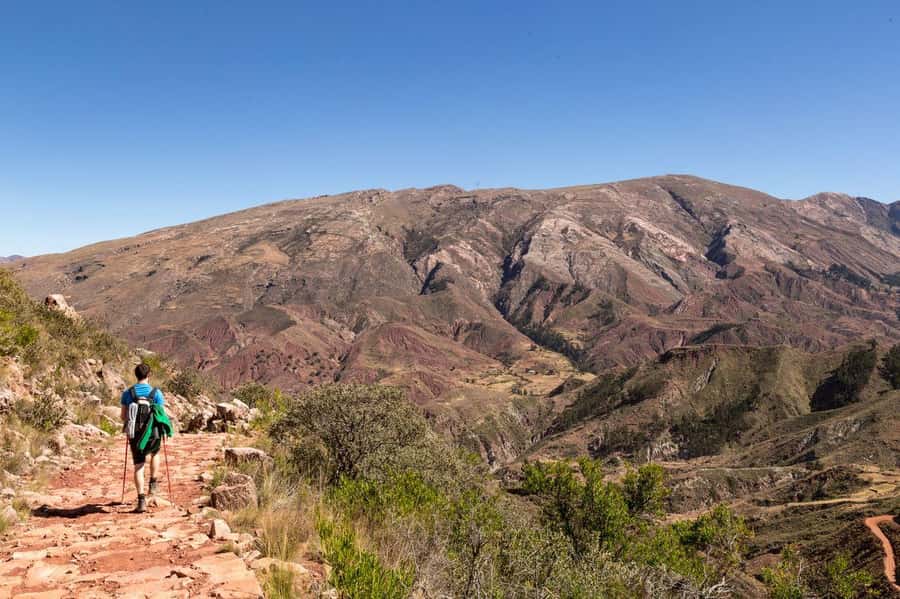
Day one is about 16 kilometers. It’s not just one uniform walk. It’s three different kinds of effort, which is great because you’re never doing the same thing for hours.
Section one: descent along Inca stone paths
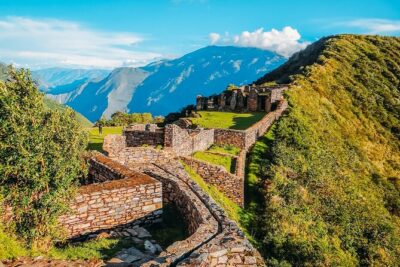
You start with a descent on the Inca stone paths. This kind of walking can feel tricky even when the distance is reasonable, because your knees take the load. Tight control of your footing matters more than speed. If your hiking shoes have good grip, you’ll feel more confident right away.
Section two: river-following terrain with gentle changes
Next comes a river section that’s mostly flat, with short and gentle ups and downs. This is the breathing space part of day one. You’ll still work, but the terrain is friendlier and you can settle into a rhythm.
Section three: the climb around the mountains
The final section turns into the main challenge. It starts with a steep climb, then continues along mountain slopes until you reach Maragua Crater. This is where the trail demands focus. I like that it’s broken up by changing terrain instead of being one endless grind.
When you arrive, you shift from “hike mode” into “crater exploration mode.”
Inside Maragua Crater: viewpoints, wildlife, and your first night
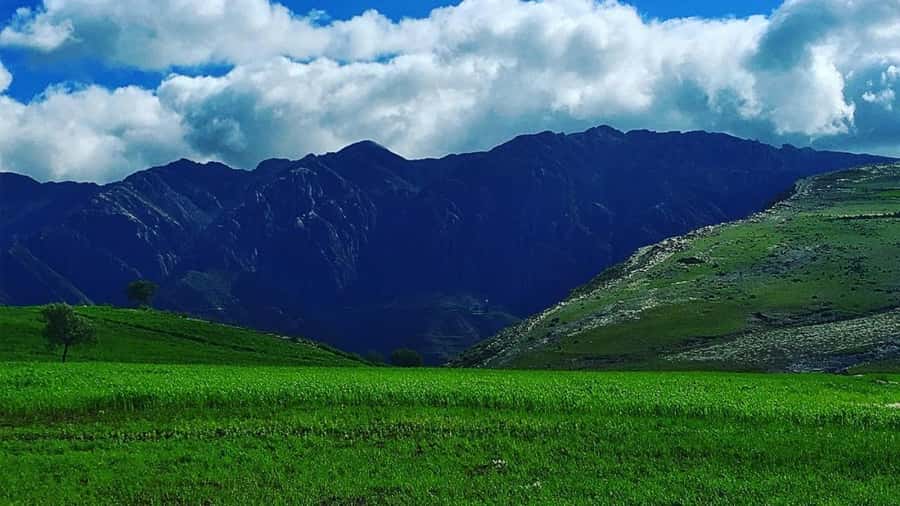
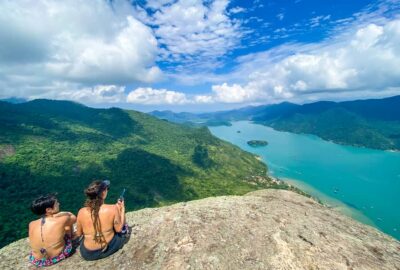
Once you’re inside Maragua Crater, you’re in a landscape of viewpoints and outdoor exploration. One standout is the Devil’s Throat viewpoint, where you can observe local wildlife—especially birds. This is the kind of moment where slowing down pays off. Even if your group pace is brisk, try to take a few minutes to look around before you rush to the next stop.
Other activities are possible while you’re in the crater, but your exact flow depends on conditions and the guide’s plan. The core value stays the same: you’re experiencing a dramatic setting that’s part hiking destination and part natural observation area.
That first night happens inside the crater area, with an overnight in a shared room. Comfort is described as simple, not fancy. I’d treat it like “sleep, shower carefully, and recharge.” If you pack expectations for basic comfort, the night feels totally fine.
Day 2: leaving the crater to Niño Mayo and the dinosaur footprints
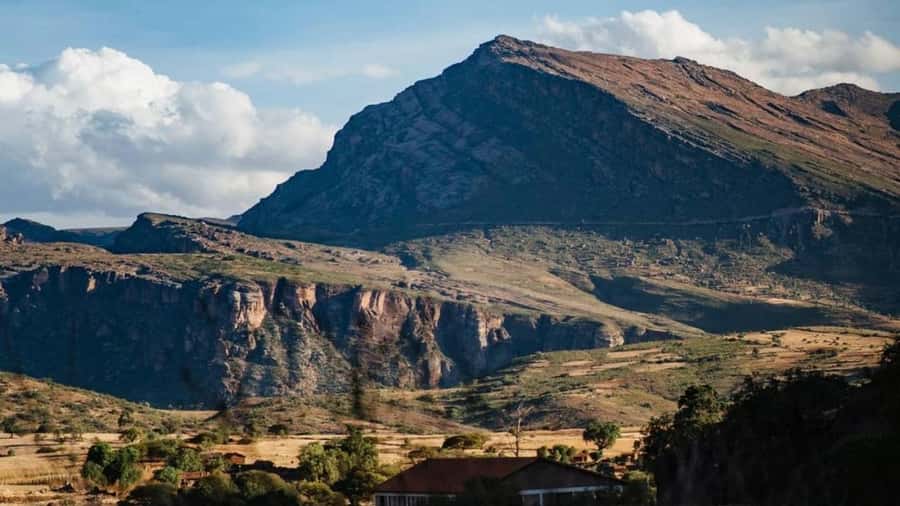
Day two includes breakfast and lunch, and it covers about 12 kilometers. You start early, walking from the lodging to the dinosaur footprints in Niño Mayo.
First step: the uphill exit and viewpoint payoff
The day starts with a hike uphill to a viewpoint. From there, you can see the entire landscape inside the crater. This is a good example of why the first day’s climb matters—you earn your perspective.
After that, the trail becomes easier, with short ups and downs. You’re still walking, but you’re no longer wrestling steep terrain.
Midday highlight: dinosaur footprints
Then you reach the dinosaur footprints area. This is one of the main reasons people choose this trek in the first place. It’s also a rare moment where the scenery turns from “wow views” into “wow science,” even if you’re just seeing tracks and not reading a geology textbook.
If you care about learning, bring questions for your guide. On this trek, guides often explain what you’re looking at and how the trail ties into the region’s deeper story.
Jalqa culture in motion: weavers, textiles, and traditional villages
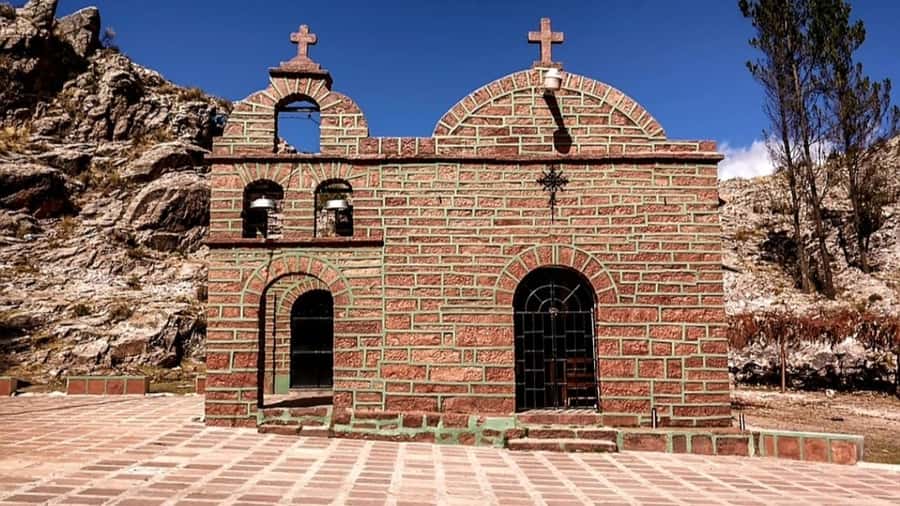
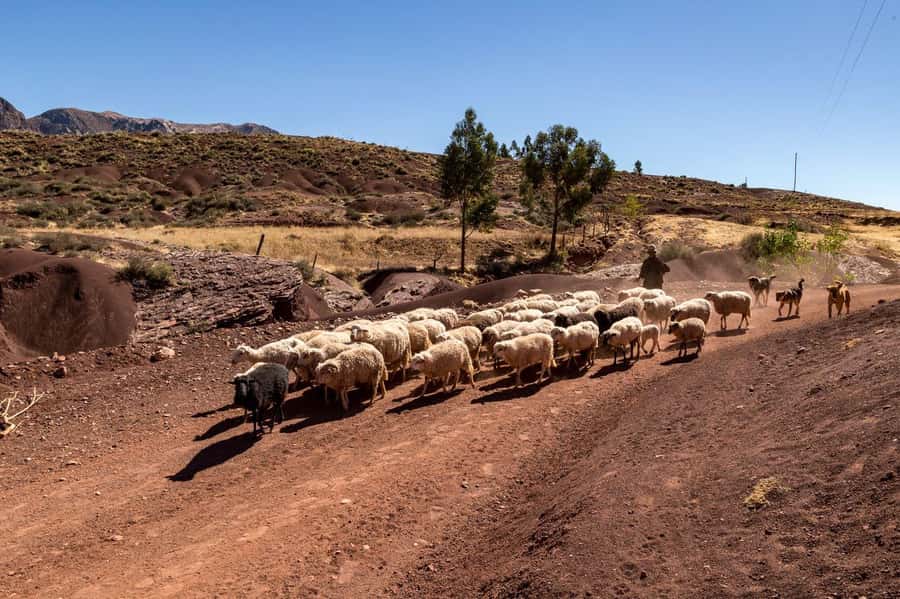
A big part of your day two is cultural, not just physical. After the crater walking segment, you visit a local weaver. You’ll learn the secrets behind the community’s textile art—how it’s made and why it matters.
This is more than a souvenir stop. Textiles are a window into everyday skills and identity. When your guide connects the weaving to Jalqa culture, you’ll understand that the patterns aren’t random decoration. They’re part of a living craft system.
Then you continue on to Majada, a community stop in the colorful mountain area tied to the Jalqa world. It’s about a 5-kilometer walk through the Frailes Mountains area. Expect scenery that’s all angles—ridges, valleys, and close mountain views that keep changing as you walk.
Majada walk and the return to Sucre by private vehicle
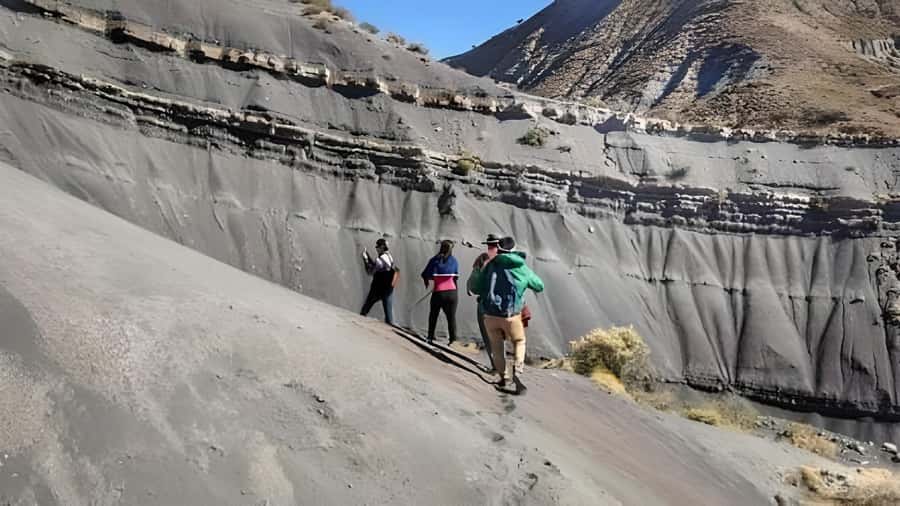
From the footprints area to Majada, the path is described as easy but very scenic. The walk feels like a “keep your camera out” segment. Then after about two hours walking in the Majada area, a private vehicle is waiting to take you back to Sucre.
This is a practical advantage: you get the satisfaction of community walking without having to do an all-day grind on day two. You’re also not stuck guessing transportation at the end—once the hike finishes, you’re moved back smoothly.
Pacing and photo timing: a real-world heads-up
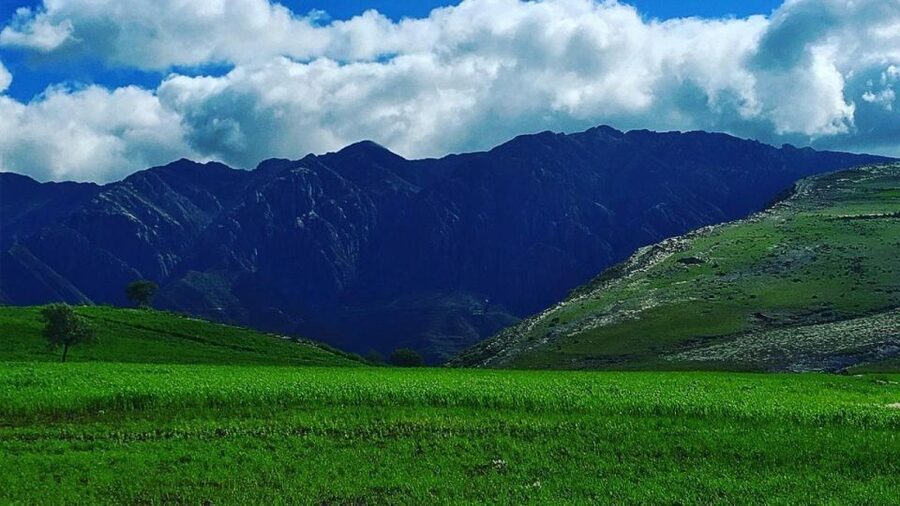
One thing I’d plan around: guides can move quickly. In some cases, that’s great for keeping energy high and groups together. It can also reduce the time you have for photos.
Here’s my advice that works almost everywhere on trails like this:
- Bring your camera ready before each viewpoint.
- Ask early if you can pause longer at the Devil’s Throat viewpoint.
- If you care about shots, keep your layers accessible so you’re not fumbling when the light changes.
Also, hikes like this reward steady effort over burst speed. If you feel yourself sprinting to match the leader, you’ll likely pay for it later in the steep segments.
What’s included (and what you’ll need to budget for)
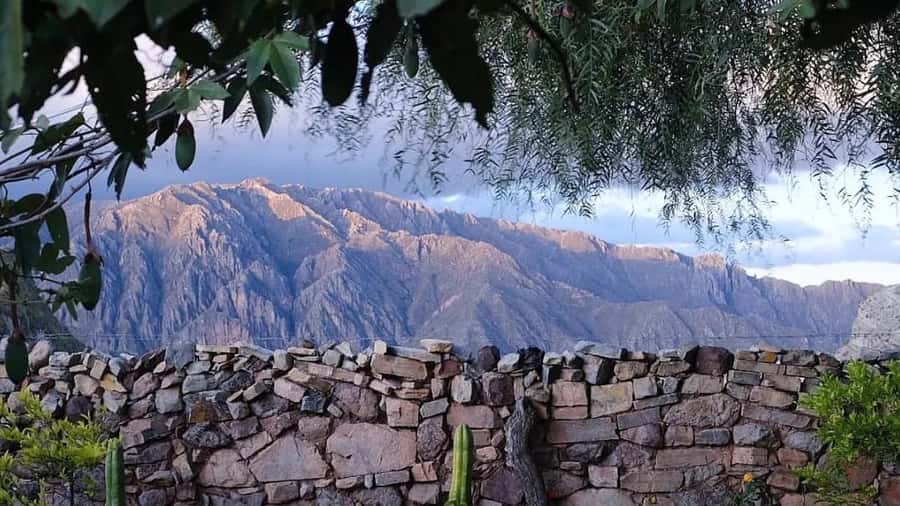
At $124 per person for two days, the value is strong if you like guided hiking and you don’t want to manage logistics. You’re getting:
- entry tickets
- public transport from Sucre
- private transport back to Sucre
- a professional hiking guide (English/Spanish; French depends on availability)
- overnight in a shared room
- meals (1 breakfast, 2 lunches, 1 dinner) plus fruits
- a small-group setup capped at 10 participants
What’s not included is just as important:
- water (bring it)
- snacks (bring extra if you snack often)
- personal hygiene items like wet wipes, toilet paper, soap, toothbrush/paste
This matters because long hikes can make “I’ll buy something later” turn into “nothing is convenient.” Pack smart so your body stays comfortable and you don’t spend the trek searching.
Gear checklist that actually matches the trail
Use the provided packing list as your base, then think through the day-to-day needs.
Bring:
- hiking shoes
- sun hat and sunglasses
- sunscreen
- rain gear
- water
- change of clothes
- waterproof bag
- flashlight
- swimsuit (yes, it’s on the list—bring it even if you don’t plan to use it)
- passport or a copy (accepted)
- personal medication
- waterproof storage for valuables
Don’t forget the basics you might assume you can grab in town. Toiletry items aren’t included, so wet wipes and toilet paper are up to you.
Price and value: does $124 make sense for this kind of trek?
For a two-day trek with guide support, entry tickets, transport, and multiple meals, $124 is the kind of price that tends to work when you want organization without paying for luxury.
It’s not a “cheap and rough” option either. You’re paying for:
- a professional guide with multilingual ability
- transport coordination (public outbound, private return)
- an overnight arrangement
- cultural stops like the weaver visit
If you’d otherwise have to rent guides, buy entry tickets on your own, and piece together transport, the price starts to look fair fast. The trade-off is you accept simple accommodations and you bring your own comfort basics.
Who should book this trek, and who should skip it
This is a great fit if you want:
- a guided hike experience with a small group
- a mix of geology/nature (Maragua Crater and viewpoints)
- culture time (Jalqa community and textile artistry)
- an extra-interest theme (dinosaur footprints in Niño Mayo)
You should skip it if:
- you’re afraid of heights
- you have mobility impairments
- you’re pregnant
- you’re traveling with children under 10
- you’re over 95
That list isn’t there to be difficult. It’s there because crater terrain, steep climbs, and uneven paths demand real comfort on your feet.
The 3-day option to Tumpeca: an easy way to extend
If you don’t want this to end, there’s an option to extend to 3 days and 2 nights with a visit to Tumpeca. You’ll see rock paintings, geological formations, ancient trails, forests, and learn about culture in surrounding communities.
If you’re the type who wants more time to walk slowly, this extension may suit you better than trying to squeeze everything into two days.
Should you book this 2-day Inca Trail + Maragua Crater trek?
I’d book it if you want a memorable two-day combo: Inca stone walking, crater viewpoints with wildlife watching, and a Jalqa culture stop that’s tied to textiles—not just a quick photo stop.
I’d think twice if you’re very sensitive to pace. If you need lots of slow photo time, plan to request pauses and keep your expectations realistic. And if you want clean-but-basic comfort, treat the shared room as functional, not romantic.
If this fits your style—active days, guided context, and simple practicality—this is one of those treks that gives you stories you’ll keep talking about long after you’re back in town.
FAQ
How long is the trek?
It lasts 2 days.
Where do we meet in Sucre?
You meet at the main entrance of Estadio Patria on German Mendoza Street.
How far do we walk each day?
Day one is about 16 kilometers and day two is about 12 kilometers (plus a 5-kilometer walk connected with Majada).
Are meals included?
Yes. You get 1 breakfast, 2 lunches, and 1 dinner, plus fruits.
Is water included?
No. Water is not included, so bring enough for your hike.
What kind of overnight is provided?
You’ll stay overnight in a shared room.
What languages are available for the guide?
The guide works in English and Spanish. French is available depending on guide availability.
Is there an option to extend beyond two days?
Yes. You can extend to 3 days and 2 nights with a visit to Tumpeca, including rock paintings and other natural/cultural stops.
Do I need to bring tickets?
No. Entry tickets are included, and you can skip the ticket line.
Who isn’t this trek suitable for?
It’s not suitable for children under 10, pregnant women, people with mobility impairments, people afraid of heights, or people over 95. Alcoholic drinks are also not allowed in the vehicle.