Manaslu feels off the beaten track, on purpose. This guided trek through Nepal’s Budhi Gandaki valley and Tibetan-influenced villages is built for fewer crowds, steady support, and real day-after-day mountain views—plus tea house comfort and permits handled.
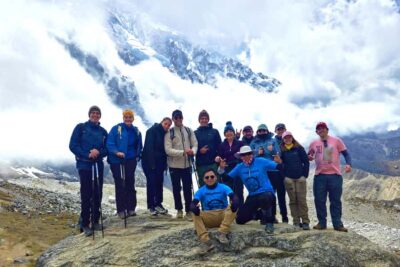
What I like most is how much the basics are covered before you even step onto the trail, and how personal the guiding feels. I really like that you’re traveling with a government-licensed guide and a small group (max 12), and you’ll get three meals a day on trek with down jackets, hiking poles, and sleeping bags available to borrow if you need them.
One consideration: this is physically demanding high-mountain trekking, and the itinerary includes a major pass crossing at Larkya La, so you’ll want solid fitness and realistic expectations about pace. If you’re not comfortable with long uphill days and cold nights, you may find it harder than you hoped.
In This Review
- Key things I’d plan around
- The Manaslu Circuit vibe: quieter Himalayan trekking, real culture
- Price and value: what $1,499 realistically buys you
- First steps in Kathmandu: the part that sets your mood
- Day-by-day on the trail: what each day feels like
- Day 1: Kathmandu to Machha Khola (getting moving, settling in)
- Day 2: Budhi Gandaki views and a coffee stop in Khorlabesi
- Day 3: Jagat to Deng, including a famous-long bridge day
- Day 4: Steep climbs toward Manaslu with Namrung waiting
- Day 5: Landslide section and forest trekking into Lho
- Day 6: Old houses near Sho and the big Samagaon payoff
- Day 7: Rest day at Samagaon
- Day 8: Samdo wind and the chorten arrival marker
- Day 9: Larke Phedi (the staging day)
- Day 10: Larkya La and the long descent into Bimthang views
- Day 11: Dharapani area to Besishar by jeep/bus
- Day 12: Last breakfast and the return to Kathmandu or Pokhara
- Tea houses, meals, and borrowed gear: comfortable enough to keep going
- Guides and small-group support: the human difference
- Who this trek is best for (and who should rethink)
- Should you book this Manaslu Circuit trek?
- FAQ
- FAQ
- How long is the Manaslu Circuit Trek on this tour?
- What’s included during the trek?
- How do I get from Kathmandu to Machha Khola?
- Are there hotels included besides the tea houses?
- What transport happens after the trek?
- What’s the group size limit?
Key things I’d plan around
- Group size capped at 12 for a more personal feel on the trail
- Permits and transport included, so you spend less time solving logistics
- Three meals daily in tea houses, which keeps your energy steady
- Borrowable gear (down jacket, sleeping bag, and hiking poles) can save money
- Tibetan-influenced villages like Samagaon and Gompa culture along the way
- A real “gear day” for views: the push to Larkya La and the long descent to Bimthang
The Manaslu Circuit vibe: quieter Himalayan trekking, real culture
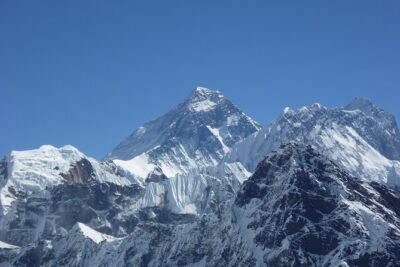
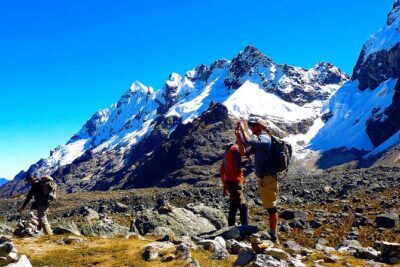
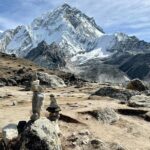
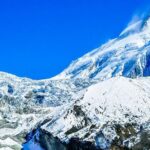
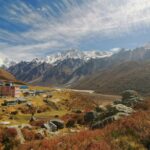
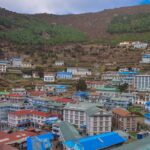
If you want big Himalayan scenery without the feeling of walking through a parade, the Manaslu Circuit is a smart pick. You’ll spend days moving through village rhythms, river gorges, pine and rhododendron forest, and Tibetan-influenced settlements that don’t feel staged for mass tourism.
The cultural piece is not just a side note. Samagaon, for example, is described as an ancient Tibetan trading post and home to a centuries-old Gompa. You’re trekking in a region where Tibetan culture shows up in daily life and how communities organize around the mountains.
And the guides matter here. In the feedback I saw, guides like Raman and Raj were repeatedly praised for being calm in tough moments, paying attention to needs, and taking time to explain what you’re seeing—whether that’s mountains, plants, or culture.
You can also read our reviews of more tours and experiences in Kathmandu.
Price and value: what $1,499 realistically buys you
The listed price is $1,499 per person for an approximately 12-day trek package. What makes it feel fair is that it bundles several expenses that usually add up fast on Himalayan treks: guide service, tea house lodging on trek, three meals daily while hiking, permits, and overland transportation.
Here’s the value angle I’d use to decide:
- You get hotel in Kathmandu and tea house accommodation during the trek, so you’re not guessing where to stay each night.
- You get all required permits included, which is a major practical win on a restricted trekking region.
- You get overland transport included plus specific bus/jeep legs, so you’re not stuck coordinating separate tickets.
- You can borrow trekking gear (down jacket, sleeping bag; hiking poles are mentioned as borrowable), which can save you money if you’re traveling light.
- Your trip is capped at 12 travelers, which usually means less chaos at tea houses and bus stops.
What isn’t included is also worth noting: travel and rescue insurance, and personal spending like phone calls, laundry, battery charging, shower costs, and extra bottled/boiled water. None of that is surprising, but it does affect your real total.
First steps in Kathmandu: the part that sets your mood
You start at Adventure Bound Bahati Pokhari in Kathmandu. The package includes international airport pick-up, plus a taxi to the Kathmandu bus station to connect you to the next leg toward Machha Khola.
Day 1 is basically your long transition into trekking country: a drive from Kathmandu toward Machha Khola, using either a local bus or a Jeep. If you choose the Jeep, there’s an additional cost—use that option if you hate road-time stress, or if the long drive sounds miserable.
The practical benefit of this setup is simple: you’re not spending Day 1 hunting tickets, arguing with timetables, or trying to figure out where the trail starts from. You show up, you go.
Day-by-day on the trail: what each day feels like
Below is how the trek unfolds, in the order you’ll experience it, with what’s special—and what to be ready for.
Day 1: Kathmandu to Machha Khola (getting moving, settling in)
You leave Kathmandu and head toward Machha Khola across the Kathmandu valley and then northwest, navigating road construction areas where timing can be unpredictable. You’ll cross key points en route like Dhading Besi and continue toward Arughat across the Budhi Gandaki River.
What it means for you: this is not a day for sightseeing goals. It’s a day to hydrate, eat sensibly, and get your body oriented for walking days that follow.
Day 2: Budhi Gandaki views and a coffee stop in Khorlabesi
After breakfast, you head into the valley and up into Khorlabesi. One of the fun details here: you can get coffee from coffee trees grown right in the village.
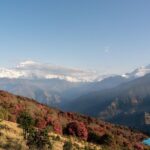
As the valley narrows, you’ll pass through Dovan and climb toward Yaruphant for dramatic views of the Budhi Gandaki. The day includes an exciting feature: a walkway hugging the cliffs above the river, then a suspension bridge crossing before reaching Jagat for tea house night.
What to watch: exposed sections and bridge days can feel intense even when the distance isn’t your biggest problem. Take your time on the footpaths.
Day 3: Jagat to Deng, including a famous-long bridge day
You cross another lengthy suspension bridge and descend near river level on an exposed trail. You’ll pass Saleri (with a traditional tea house viewpoint) and climb toward Siridibas and Philim, then lose altitude, climb again, and descend again.
You’ll reach what’s claimed to be Nepal’s longest suspension bridge, cross it, then handle a steep path up to Deng for the night.
Why this day matters: suspension bridges turn this trek into more than just hiking. They force slower steps and make the river feel right beside you.
Day 4: Steep climbs toward Manaslu with Namrung waiting
You start with breakfast and begin climbing outside the village. The Budhi Gandaki is below you through gorge terrain, with more waterfalls along the way. You’ll pass Ekle Bhatti, do a steep descent to a suspension bridge, then push closer to Manaslu.
An archway signals you’re nearing the area where you’ll finally see Deng across a tributary river. Another bridge crossing and you arrive at Namrung for tea house night.
Practical feel: this day is about grinding uphill segments while keeping your eyes on shifting mountain views.
Day 5: Landslide section and forest trekking into Lho
After early checkout, you cross a bridge and climb to Bihi Phedi. You’ll pass through a section that was destroyed by a landslide, so you may have to move carefully while conditions are sorted on the ground.
Then you continue up the valley through forests of blue pine, oak, and rhododendron—the trek’s scent and scenery shift again. You cross the river two more times, fight a relentless uphill, then descend into Lho for the night.
What you’ll likely feel: this is one of those “long day in the legs” days. The upside is you’re walking through changing forest zones, not repeating the same trail feel.
Day 6: Old houses near Sho and the big Samagaon payoff
You wake in Namrung’s lush surroundings and start walking, passing Lihi and then Sho. Sho is a highlight for people who like human details: very old traditional houses and villagers still wearing traditional clothes.
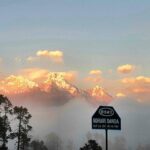
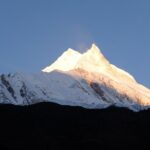
If the signature Manaslu summit cloud appears, the views can be especially striking as you approach Lho, where Manaslu’s twin peaks are framed by colorful millet fields around the village.
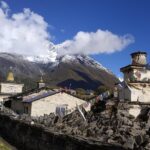
You climb through Lho, pass oak forests and Shyala, and stroll into Samagaon—an ancient Tibetan trading post with a centuries-old Gompa. That’s your destination for the day.
Why Samagaon is a big deal: it’s where the region’s Tibetan influence feels most tangible, not just theoretical.
Day 7: Rest day at Samagaon
This is your scheduled breathing space. You’re already at altitude-meaningful terrain, so rest days aren’t a luxury—they’re a tool for keeping your energy stable.
Use it well: if the weather allows, you can do smaller walks and take photos, but don’t treat it like a forced hike day.
Day 8: Samdo wind and the chorten arrival marker
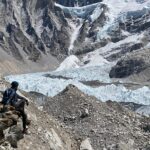
You walk mostly along flatter valley trail, accompanying the Budhi Gandaki as it runs smaller than before. You’ll see remnants of the east Manaslu glacier moraine, then cross a bridge and climb briefly to a chorten marking arrival in Samdo.
Samdo sits at a confluence of valleys and is known for strong winds from the Tibetan Plateau. If you have energy, you can do afternoon hikes.
Gear note: winds can make your body feel colder than expected, even if the sun is out.
Day 9: Larke Phedi (the staging day)
This is a key staging area before the high pass. The itinerary lists Larke Phedi as your stop, setting you up for the slow, careful ascent next.
How to think about it: treat it like a “show-up early for tomorrow” day. You want your sleep and food to work for you.
Day 10: Larkya La and the long descent into Bimthang views
You arrive at the base of the high pass and start your slow-going ascent to Larkya La. You’ll enjoy the views from your success, then begin a long descent toward Bimthang.
Bimthang is described as offering some of the most spectacular views of the entire trek. After the pass pressure, this is the day where your eyes catch up to the effort.
What to be ready for: descents can feel harder than climbs on tired knees. Keep your pacing controlled.
Day 11: Dharapani area to Besishar by jeep/bus
Early morning after breakfast from Dharapani, you’ll take a Jeep or bus to Beishar, which takes about 4–5 hours. You spend your last night at Besishar.
This is a transition day—less about trekking, more about moving back toward civilization.
Day 12: Last breakfast and the return to Kathmandu or Pokhara
You savor the final breakfast on the trail and then take transport back to Kathmandu or Pokhara based on your preference. You’ll overnight in a hotel.
How to make this last day pay off: build in time to unwind, eat well, and soak up the fact you actually walked the circuit’s toughest moments.
Tea houses, meals, and borrowed gear: comfortable enough to keep going
Tea houses are part of the Manaslu Circuit experience. The good news: you’re not on your own for food logistics. Three meals a day—breakfast, lunch, dinner—are included while you trek.
Lodging is also included as tea house accommodation on the trail. That matters because you’ll be making decisions on a schedule, not trying to “wing it” where to sleep.
The gear support is also practical. You can borrow sleeping bags and down jackets if you need them, and hiking poles are mentioned as borrowable. In feedback, I also saw examples of the team lending gear so travelers didn’t have to buy extra stuff on the trip.
What to consider: even with gear support, you’ll still feel real mountain temperatures at night, especially with Samdo’s strong winds and the high-pass area conditions.
Guides and small-group support: the human difference
The best part of this trek for many people isn’t a single view—it’s feeling safe and guided when conditions get serious. The package includes a government-licensed, experienced, helpful guide, and group size is kept small.
The names that kept popping up in feedback were guides like Raman, Raj, Suresh, Santosh, and CK Gurung. Across comments, the pattern is consistent: guides helped with strenuous days, explained what you were seeing, and kept the pace sensible.
If you’re a first-time trekker, this matters a lot. When you’re tired, clear guidance helps you conserve energy and avoid panic on narrow paths, steep bridges, and long descents.
Who this trek is best for (and who should rethink)
This trek fits best if you:
- have a strong physical fitness level
- want off-beat routes with fewer crowds
- enjoy trekking with a structured plan and supportive guidance
- like Tibetan-influenced village culture and gompa sites
You might rethink it if you:
- dislike long days of uphill and steep, exposed trail segments
- aren’t comfortable with a high pass day at Larkya La
- expect a fully relaxed walking pace with no endurance building
It’s called Manaslu Circuit Trekking for a reason. It’s a real trekking itinerary, not a gentle stroll.
Should you book this Manaslu Circuit trek?
I’d book it if you want a well-run package that protects you from logistics headaches and supports you through the hard parts. The value is strongest when you appreciate what’s included: permits, guide support, tea house nights, three meals daily, transport legs, and gear borrowing.
I wouldn’t book it if you’re hunting for a casual experience, or if you’re worried about the non-negotiable realities of high-mountain trekking. Also, be aware the experience is described as non-refundable and cannot be changed for any reason, so make sure your dates are truly solid before you lock it in.
If your goal is a genuine Himalayan circuit—quiet enough to hear yourself think, cultural enough to feel the region’s Tibetan character, and scenic enough to make the effort worth it—this one is a strong match.
FAQ
FAQ
How long is the Manaslu Circuit Trek on this tour?
The trek is listed as 12 days (approx.).
What’s included during the trek?
You’ll have tea house accommodations, three meals a day (breakfast, lunch, dinner), a government-licensed guide, all required permits, and borrowing options for sleeping bags and down jackets (and hiking poles are also mentioned as borrowable).
How do I get from Kathmandu to Machha Khola?
The tour includes a taxi to Kathmandu bus station and public bus tickets from Kathmandu to Machha Khola. You can also choose a Jeep option on Day 1 for an extra cost.
Are there hotels included besides the tea houses?
Yes. There’s hotel accommodation in Kathmandu, and you’ll also have an overnight hotel after returning from the trek (the return is to Kathmandu or Pokhara based on your preference).
What transport happens after the trek?
On the final trekking day you’ll start from Dharapani and take a Jeep or bus to Beishar (about 4–5 hours), then you return to Kathmandu or Pokhara afterward.
What’s the group size limit?
This trek has a maximum group size of 12 travelers.