REVIEW · KATHMANDU
Kathmandu to Langtang Valley 7-Day Trek
Book on Viator →Operated by Cordial Trek Pvt. Ltd. · Bookable on Viator
If you want mountain days with real village life, go Langtang. This 7-day trek runs inside Langtang National Park north of Kathmandu, with rhododendron forests up to Kyanjin Gompa and high views from Kyanjin Ri at 4,773m. It’s built for travelers without prior trekking experience, but it still asks you to show up with a moderate fitness base.
I especially like the practical setup: hotel pickup and drop, shared transport between Kathmandu and Syabrubesi, and mountain guesthouses included. I also like that the permits are handled with the National Park permit and TIMS card included, so you can focus on the trail instead of paperwork. In multiple past groups, guides such as Raj Tamang and Pratip have been singled out for staying attentive, keeping the pace motivating, and explaining what you’re seeing.
One consideration: you’ll spend long stretches walking uphill on rougher paths, and you’ll also do a high day to Kyanjin Ri. If altitude makes you nervous, plan to take it slow on the way up and be honest with your guide about how you feel.
In This Review
- Key things that make this Langtang trek worth your time
- Why Langtang Valley feels different from a typical trek
- Kathmandu to Syabrubesi: plan for a long travel day
- Day 2: Syabrubesi to Lama Hotel inside the National Park
- Day 3: Lama Hotel to Langtang Village through rhododendron and pine
- Day 4: Langtang Village to Kyanjin Gompa for old-stone views
- Day 5: Kyanjin Ri day-trip to 4,773m panoramas
- Day 5 night: back to Lama Hotel to recover
- Day 6: Lama Hotel back to Syabrubesi and a real rest night
- Day 7: Syabrubesi back to Kathmandu for the finish
- Guides, porters, and why the human side matters here
- What’s included vs. what costs extra
- Best fit: who this trek will suit (and who should rethink)
- Should you book the Kathmandu to Langtang Valley 7-Day Trek?
- FAQ
- What time does the trek start?
- Where does the trek start from in Kathmandu?
- How do you get to Syabrubesi?
- What is the highest point on the trek?
- What’s included in the price?
- Are meals included?
- Do you need trekking experience?
- Where will I sleep each night?
- Is the trek available year-round?
- Can I cancel for a full refund?
Key things that make this Langtang trek worth your time
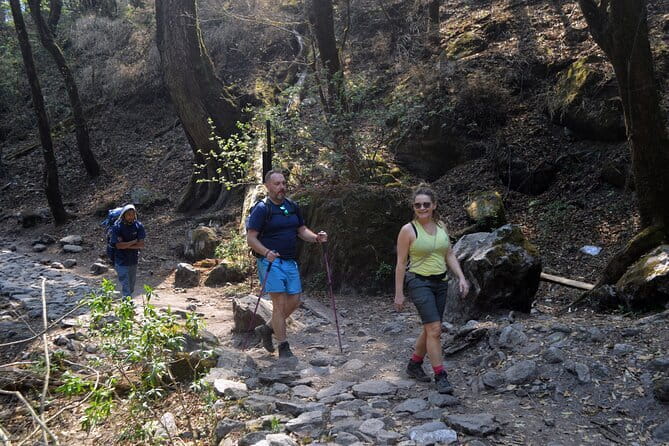
- Rhododendron + pine forests on the main trail, with a steady progression into higher terrain
- Kyanjin Gompa as a cultural stop, not just a waypoint
- Kyanjin Ri (4,773m) for big panoramas on a day-trip style outing
- Permits + TIMS card included, so you’re not scrambling mid-trip
- Guides and porters praised for care and teamwork, including names like Raj Tamang, Pratip, Dup, Maila, Haj, and Hem
- Guesthouse nights on the route, which keeps the trek grounded and simple
Why Langtang Valley feels different from a typical trek
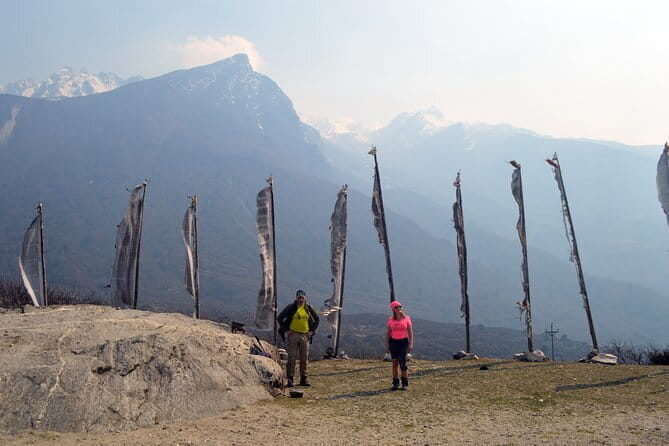
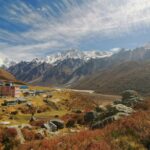
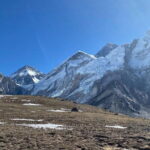
Langtang Valley sits about 80 kilometers north of Kathmandu, inside Langtang National Park, with the park stretching to the Tibet Autonomous Region of China. That border influence matters in the feel of the trek. You get a blend of Himalayan mountain scenery and a cultural world shaped by monasteries, villages, and long routes across the region.
The park itself is dense forest country. You’re moving through a mix of deciduous trees like oak and maple, plus evergreens like pine, and—when conditions line up—rhododendrons and wildflowers can take center stage. It’s one reason this route can feel less like a straight line of switchbacks and more like a string of changing scenes.
Wildlife exists here too, at least in the broader sense. The area is home to animals like Himalayan black bear, Himalayan tahr, yaks, red panda, and even snow leopard in the wild (though you shouldn’t plan your day around seeing them). There are also more than 250 bird species. Even if spotting rare animals isn’t guaranteed, knowing the park is that alive adds weight to every forest section.
You can also read our reviews of more tours and experiences in Kathmandu.
Kathmandu to Syabrubesi: plan for a long travel day
The trek starts with a pickup from your hotel or apartment in Kathmandu. From there, you head to the local bus station in Balaju and take a 6–7 hour ride toward Syabrubesi (with shared jeep/bus included). The day one rhythm is simple: travel, arrive, then get your first night in Syabrubesi.
This is a good setup if you like not having to coordinate transport yourself. It’s also a heads-up: you’re not starting with a quick warm-up hike. You’re starting with a day that can eat your energy. I suggest you treat day one like the appetizer, not the main course—hydrate early and don’t overpack your mindset for big accomplishments before the first sleep.
Meeting time is 6:45 am, so set your body clock before the alarm becomes your boss.
Day 2: Syabrubesi to Lama Hotel inside the National Park
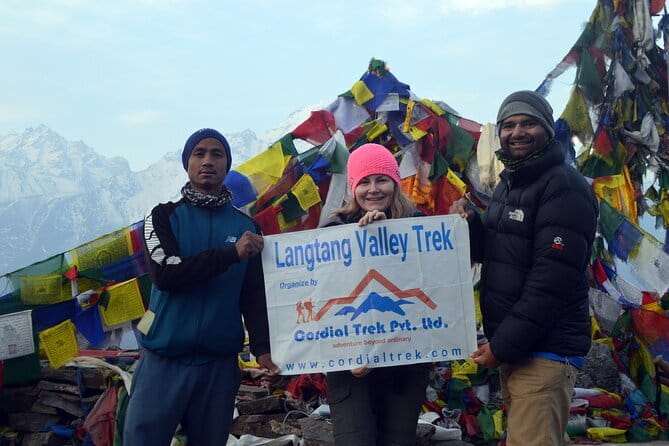
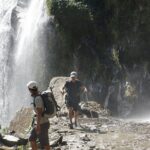
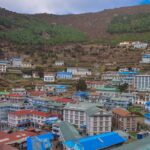
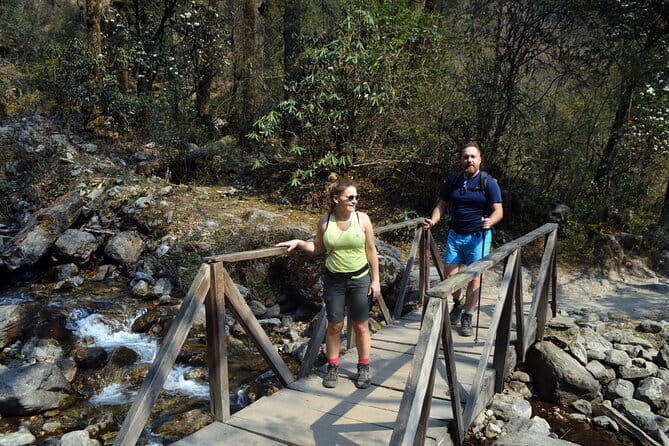
Day two is your first real trail day: a 5–6 hour hike from Syabrubesi to Lama Hotel, moving through Langtang National Park. The route passes waterfalls and traditional village areas along the way. This matters because it gives you variety early. You’re not just climbing. You’re also seeing how people live and move in the mountains.
If you’re new to trekking, Lama Hotel is a smart target. It’s far enough to feel like you earned the day, but close enough that you don’t need to burn yourself out in the first 24 hours of hiking.
One practical note: the itinerary frames this trek as doable even for people without prior trekking experience, but that doesn’t mean it’s effortless. You’ll still be working uphill for hours. The best first-timer strategy is boring and effective: steady pace, frequent water breaks, and listening to your guide.
Day 3: Lama Hotel to Langtang Village through rhododendron and pine
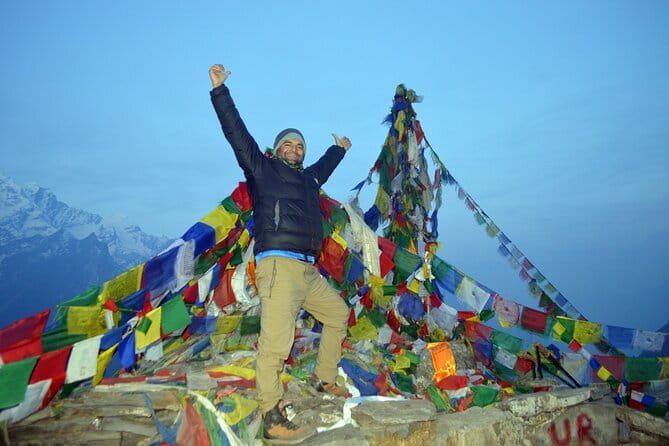
On day three, you’ll hike 6–7 hours from Lama Hotel to Langtang Village. This stretch is described as dense forest territory, with rhododendrons and pine trees taking over the scene as you move deeper into the valley.
This is one of those days where the trail can feel calmer than you expected. Forest hiking often makes time behave differently—turns come faster, and the view doesn’t have to wait until the end of the day. That said, forest trails can also be uneven, so keep your footing game strong.
Langtang Village is your turning point for the trek’s feel. By the time you reach it, you’re less in the “approach” phase and more in the “this is the valley” phase. You’ll also be heading toward a monastery stop soon, so soaking up village life now adds context.
Day 4: Langtang Village to Kyanjin Gompa for old-stone views
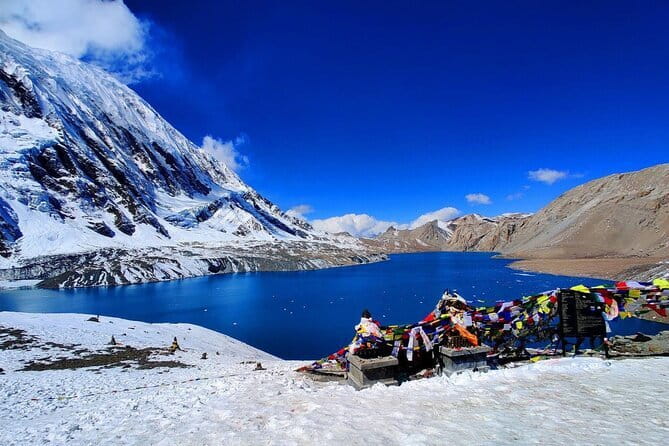
Day four is a 3–4 hour trek from Langtang Village to Kyanjin Gompa, described as one of the oldest monasteries in the region. Compared with the earlier days, the hike time is shorter. That’s intentional: you’re saving your legs for acclimation and for the views you’ll want later.
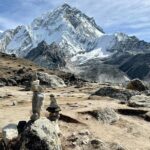
Kyanjin Gompa also isn’t just a cultural checkbox. From here, you get panoramic mountain views. That combination—history and high-sight—makes day four a favorite for many trekkers.
If you’re the type who likes taking in details (how people build, how temples sit in the mountain world), this is a great day to slow down. Let the guide point things out. Past groups highlighted guides like Raj Tamang and Pratip for clear explanations and for helping make sense of what you’re seeing, not just where to walk next.
Day 5: Kyanjin Ri day-trip to 4,773m panoramas
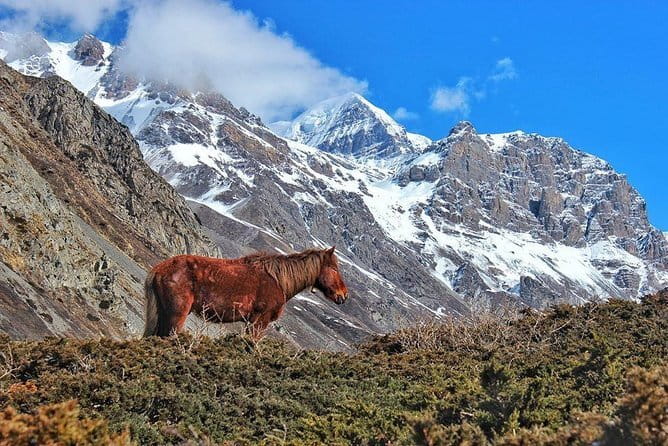
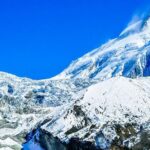
Day five is a 3–4 hour round trip from Kyanjin Gompa to Kyanjin Ri (4,773m). The payoff is panoramic views that can include Mt. Langtang Ri, Mt. Dorje Lakpa, and Mt. Langtang Lirung.
This is the trek’s altitude moment. Even though the hike is described as a round trip (so you come back to sleep at Lama Hotel), your body will still notice the height. In groups that reached Kyanjin Ri at around 4,700m, the common pattern was getting there because the guide kept things organized and paced properly.
My advice: start early, keep your steps small and controlled, and don’t treat this like a race. The views are best when you arrive with enough breath to actually enjoy them.
Day 5 night: back to Lama Hotel to recover
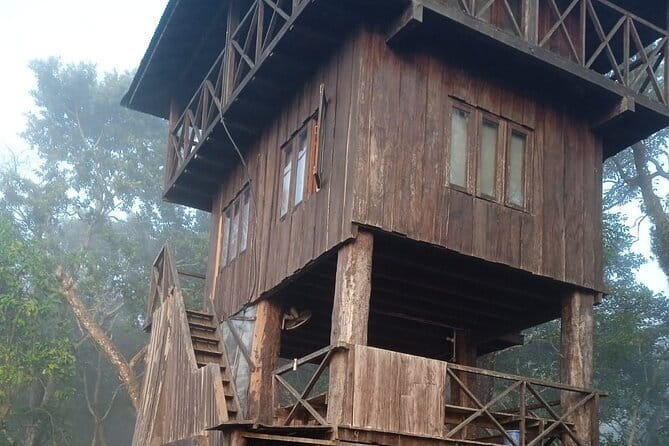
After the Kyanjin Ri outing, you hike down to Lama Hotel for your night halt. This down-move is a crucial part of the trek’s design. It gives you a proper reset before the final big travel day back to Syabrubesi and then Kathmandu.
Downhill can still be tough on knees, so don’t assume you’re “done” just because it’s going lower. Watch your footing and take the descent slowly.
Day 6: Lama Hotel back to Syabrubesi and a real rest night
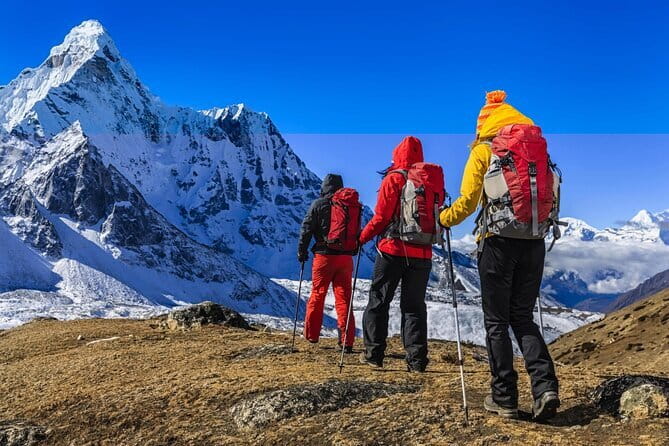
Day six brings you back: a 5–6 hour trek from Lama Hotel to Syabrubesi. You’ll stay overnight at a guesthouse in Syabrubesi.
This is one of the best feelings of the whole trip: the trail gets familiar, and you can finally stop thinking about tomorrow’s logistics. You’re also closing the loop on what you started day two. If the earlier days felt like you were entering the valley, day six feels like you’re returning as part of it.
Day 7: Syabrubesi back to Kathmandu for the finish
On day seven, it’s a 7–8 hour bus/sharing jeep drive from Syabrubesi to Kathmandu, followed by escorting you back to your hotel. It’s a long ride, but it’s the easy kind of tired. You get to let your legs recover while your eyes catch up with the journey.
Price and logistics are handled in a way that keeps the ending smooth: sharing jeep/bus is included, and hotel pickup/drop is included.
Guides, porters, and why the human side matters here
Langtang is not a high-adventure expedition where you’re barely surviving. It’s a trekking circuit where comfort and clarity matter. That’s why I put extra weight on how the trip has been run in practice.
Across the best feedback, guides like Raj Tamang and Pratip come up for being caring, motivating, and good at explaining Nepal—sometimes down to cultural details and history. Porters also get named for their teamwork and for keeping the group comfortable as the days stack up. You’ll see examples such as Dup, Maila, Haj, and Hem being credited with smooth coordination and great support.
There’s also one very practical bit of service in the feedback: when someone forgot shoes, the team was able to locate them and drop them at the person’s hotel later. That’s not the sort of thing you can schedule in advance, but it’s a sign of communication and follow-through.
What’s included vs. what costs extra
This trek is $300 per person. For a 7-day experience, that price is best understood as buying a lot of the heavy lifting: shared transport (Kathmandu–Syabrubesi–Kathmandu), mountain guesthouses, and the official paperwork through the National Park permit and TIMS card. That’s real value because you avoid multiple separate vendors and you reduce the chance of last-minute permit hassles.
What’s not included is also clear:
- Meals are not included
- Gratuity for your guide is optional
So, your true budget is $300 plus what you plan to spend on food. The trek can also involve small personal expenses for drinks and snacks, especially if you like keeping your hiking energy stable.
Best fit: who this trek will suit (and who should rethink)
This route is described as suitable for travelers with no prior trekking experience, but it also asks for moderate physical fitness. If you can handle walking several hours a day and you’re willing to pace yourself on a high day to 4,773m, you’ll probably feel right at home.
This trek also makes sense if you want:
- a structured itinerary with permits handled
- a route that mixes forest trails, village life, and monastery views
- clear guiding support during the highest-stress moments of the trek
I’d rethink it if you want a low-effort hike, or if you’re dealing with health concerns that need more flexible programming than this kind of fixed schedule provides.
Should you book the Kathmandu to Langtang Valley 7-Day Trek?
If you want a trek that balances nature with culture—without turning logistics into a second job—this one is a strong option. The combination of guesthouses included, permits included, and guides who have a track record of being attentive and motivating makes it easier for first-timers to succeed.
I’d book it if you’re comfortable with the real work: uphill hiking for 3–7 hours on most days, long travel days by road, and the altitude push to Kyanjin Ri. I’d skip it if you need a shorter hiking window every day, or if you’re not ready to take altitude seriously.
FAQ
What time does the trek start?
The start time is listed as 6:45 am.
Where does the trek start from in Kathmandu?
Your day begins with pickup from your hotel or residential apartment in Kathmandu.
How do you get to Syabrubesi?
You’re taken from Kathmandu to the local bus station in Balaju and then ride about 6–7 hours to Syabrubesi by sharing jeep/bus.
What is the highest point on the trek?
Kyanjin Ri at 4,773 meters.
What’s included in the price?
Included items are sharing jeep/bus (Kathmandu–Syapru Besi–Kathmandu), mountain guesthouses, the National Park permit and TIMS card, and hotel pickup and drop.
Are meals included?
No. Meals are not included.
Do you need trekking experience?
The trek is planned to suit travelers with no prior trekking experience, with the note that you should have moderate physical fitness.
Where will I sleep each night?
You’ll stay in mountain guesthouses.
Is the trek available year-round?
It is available all year long except for monsoon seasons.
Can I cancel for a full refund?
Yes, free cancellation is available. You can cancel up to 24 hours in advance for a full refund; canceling less than 24 hours before the start time doesn’t get refunded.