REVIEW · HANOI
2-Days Sapa Tour with Fansipan Cable Car Trekking Three Village
Book on Viator →Operated by Best Vietnam Tours · Bookable on Viator
Sapa hits hard in just two days. You get a three-village trek plus a real Fansipan morning, with cable car views that can look unreal even when the clouds move in.
What I like most is the balance: you’re out on the trail for part of Day 1, then you slow down with a Ta Van bungalow and a local cooking session. I also like the pacing of the transport—pickup in Hanoi, return by bus the next night, and an itinerary that keeps you from wasting daylight.
One thing to think about: this is a moderate fitness plan, including a 9km hike and a full second day at Fansipan. If you’re not feeling steady on uneven paths, you’ll want to go slow or consider a gentler option.
In This Review
- Key highlights to know before you go
- Two days in Sapa: the “good fast” version of the mountains
- Day 1 Hanoi to Sapa: pickup, bus comfort, and the arrival rhythm
- The three-village trek: Y Linh Ho to Lao Chai to Ta Van
- Y Linh Ho Village: views from a remote feel
- Lao Chai Village: the Black H’Mong and rice terraces
- Ta Van Village: the Dzay community and daily hospitality
- One realistic consideration
- Muong Hoa Stream and the transition into homestay time
- Ta Van bungalow stay and the local cooking session (this is the heart)
- Day 2 Fansipan cable car to 2,800m: views, pagoda, and cloud reality
- Lunch in Sapa, then the sleeper bus back to Hanoi
- Price and value: what $134 buys you in time and certainty
- Pace and fitness: who this tour suits best
- Practical tips that make the whole trip smoother
- Should you book this 2-Day Sapa trek with Fansipan cable car?
- FAQ
- What’s the duration of the tour?
- Where are you picked up in Hanoi?
- Which villages do you trek through on Day 1?
- Do you sleep in a homestay or a hotel?
- Is Fansipan included, and how do you go up?
- What’s included in the price?
Key highlights to know before you go

- Three-village trekking route through Y Linh Ho, Lao Chai, and Ta Van with a guided mountain valley walk
- Ta Van bungalow stay in a home-style setting, plus a cooking session with a local family
- Fansipan cable car up to 2,800m, then about three hours on-site around Kim Son Bao Thang Pagoda
- Small group size (maximum 15) that makes questions and pacing easier
- Comfort perks: AC sleeper bus, Wi‑Fi on the bus and at the homestay, and water included for both ways
Two days in Sapa: the “good fast” version of the mountains
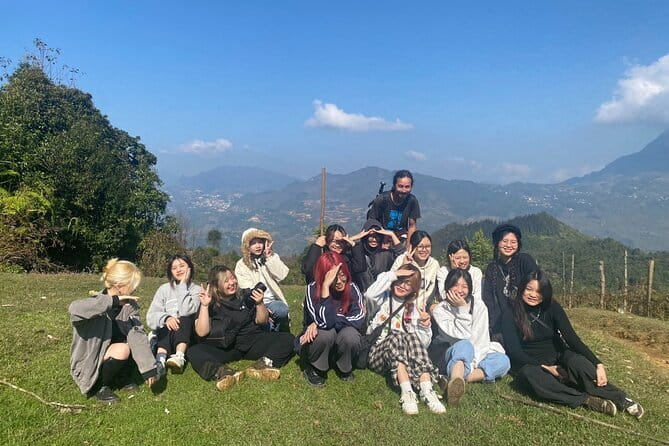
This tour is for people who want Sapa now, not later. In 48 hours, you’ll travel from Hanoi to Sapa, trek through three villages, sleep in a bungalow, then tackle Fansipan with a cable car climb. It’s a packed rhythm, but it’s built around actual time on the ground rather than only bus stops and photo pull-offs.
The best part is how the days are split. Day 1 focuses on community and walking—Y Linh Ho, Lao Chai’s rice terrace area, and Ta Van’s cultural vibe. Day 2 is about the big summit goal—taking the cable car up to 2,800m and spending time near the pagoda area before returning to Sapa for lunch and then back to Hanoi.
If you like structure, this tour has it. If you’re the type who needs lots of unplanned downtime, you might feel a little rushed. But if you want a solid “starter course” to Sapa, it’s a strong option.
You can also read our reviews of more tours and experiences in Hanoi.


Day 1 Hanoi to Sapa: pickup, bus comfort, and the arrival rhythm
You’re picked up from the Hanoi Old Quarter between 6:00 and 6:30am, then you drive to Sapa Town on a modern air-conditioned bus. There are planned rest stops along the highway—one around Lao Cai city and another stop after that—so the drive doesn’t feel constant-stress the whole time.
By around 1:00pm, you arrive in Sapa. Your local guide meets you, and you start with lunch. Then the walking begins in the afternoon, so you’re not dragging your bag for hours before you get to the trail.
Practical angle: this format works well if you’re trying to avoid the chaos of sorting transport on your own. It also helps you keep your energy. You don’t have to negotiate taxis or figure out how to time your first hike day. You do have a long ride early, though, and that matters if you hate mornings.
The three-village trek: Y Linh Ho to Lao Chai to Ta Van
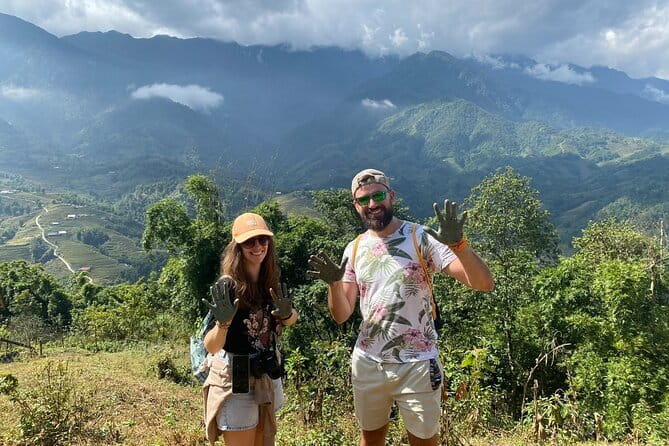
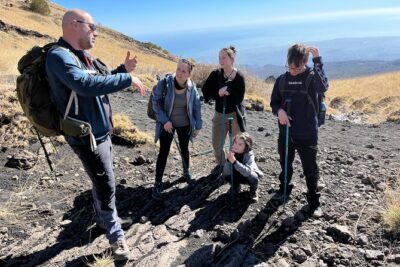
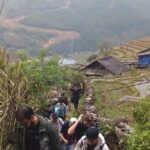
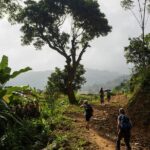
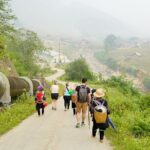
Day 1 afternoon is built around a trekking loop through three villages, totaling about 9km (around 3.5 hours). The walk is the core of the experience, and it’s the part you’ll remember most.
Y Linh Ho Village: views from a remote feel
You start at Y Linh Ho Village, described as a remote area with mountain views. Even if weather softens the scenery, there’s still something rewarding about the sense of space here—you’re not walking through a crowded walkway. You’re walking into the hills.
Timing note: the schedule gives you about an hour here, so you’ll likely get a mix of walking and a short moment to take in the area with your guide.
Lao Chai Village: the Black H’Mong and rice terraces
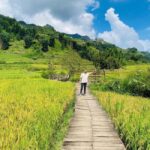
Next is Lao Chai, home to the Black H’Mong community. The big draw is the rice-terrace look—especially when you can see how the fields step across the slopes. This is the kind of place where your photos make sense only because the walk gives you the perspective.
Your itinerary allows an hour, and that’s a realistic window: enough time to move through the area and get context, not so long that you lose the rest of the day.
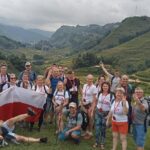

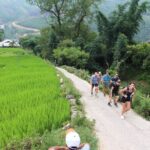

Ta Van Village: the Dzay community and daily hospitality
Then you reach Ta Van Village, associated with the Dzay ethnic group, known for hospitality. In plain terms, this is where your trip starts to feel less like sightseeing and more like you’re part of a living place for a night.
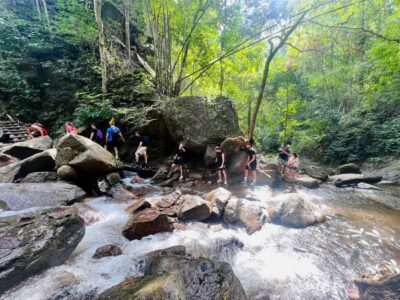
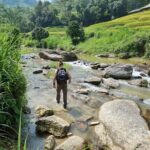
You’re scheduled to walk along Muong Hoa Stream as well, which helps break up the village-to-village movement with a natural setting. If you like gentle “follow the water” sections, this part is worth paying attention to.
One realistic consideration
The trail includes uneven paths and steady walking. The tour asks for moderate physical fitness. If you usually skip hikes under 10km, go slower than you think you need to on Day 1. Your legs will thank you later on Day 2.
Muong Hoa Stream and the transition into homestay time
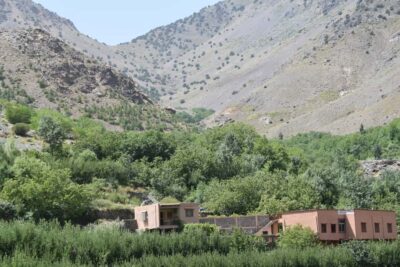
After the villages, the itinerary doesn’t just drop you at the next stop. It brings you toward the stream section and then back into Sapa for check-in at a bungalow in Ta Van Village by around 17:30.
That transition matters. If you finish the trek and immediately have a chaotic “figure it out” moment, fatigue takes over fast. Here, check-in is built in. You’re given time to relax at the bungalow before dinner.
And you do get downtime. Even if your day was full, the evening plan is simple: a relaxed home base, then dinner with a local family.
Ta Van bungalow stay and the local cooking session (this is the heart)

Dinner and breakfast are included, and the dinner comes via a local cooking session with a family. This is the part that makes the trip feel human rather than just scenic.
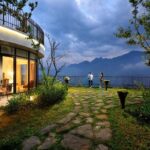
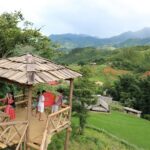
In the homestay setting, you’re not chasing a schedule all night. You can unwind, and one group highlighted a fire place area in front of the house where they enjoyed sitting in the evening. That little detail matters. It turns the night from “just a bed” into part of the experience.
Expect this evening to feel like a cultural exchange in a small, practical way. You’ll get to see what a home meal looks like and get a sense of daily rhythm. You’re also in Ta Van, so you’re sleeping close to the village atmosphere rather than commuting back to Sapa Town.
What I’d watch for: if you’re sensitive to long travel days, keep your evening low-key. Don’t plan extra nightlife. You’ll want sleep for the next morning’s cable car and summit time.
Day 2 Fansipan cable car to 2,800m: views, pagoda, and cloud reality

Day 2 starts with breakfast at the bungalow and check-out. Your luggage is handled for you, being brought and deposited at the meeting point before your return to the cable car station. Then you transfer to Fansipan Cable Car Station at 8:00am.
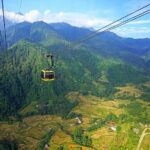
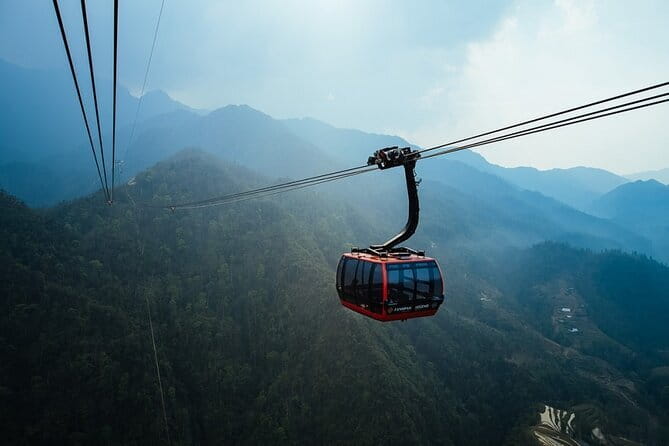
The big move: you take the modern cable car up to 2,800m. The itinerary schedules 08:30 to 11:30 for the Fansipan portion, including sightseeing time and visiting Kim Son Bao Thang Pagoda. That gives you roughly three hours to experience the summit area and the pagoda setting.
Here’s the reality check I’d give you: Fansipan can be foggy, and visibility can change fast. One of the best “success habits” is mental flexibility—don’t treat clouds as failure. Even when you can’t see far, the cable-car height still changes your perspective, and the pagoda stop gives you a meaningful focal point.
Dress factor: since you’ll be outside on a mountain, comfort matters. You’ll be standing and walking around at elevation, so wear proper shoes and layers you can adjust quickly.
Lunch in Sapa, then the sleeper bus back to Hanoi
After Fansipan, you return to Sapa around 12:00pm for lunch at a local restaurant. Then there’s free time from 14:00pm to about 15:00pm, with options like visiting the market or relaxing at a café.
That free window is useful, but it’s not long. Don’t treat it like a full day in town. Use it to reset, grab a small snack, and maybe do one simple shopping stop if you want local items.
At 15:00pm, you board the sleeper bus back to Hanoi, arriving around 21:30pm. Your bus includes Wi‑Fi and comfortable seats, and it’s described as modern and air-conditioned.
One note from real-world rhythm: sleeping on a sleeper bus is easier when you’re in the correct sleep headspace. Since you’re doing a morning summit schedule, you might not fall asleep instantly on the return ride. Still, it’s a smart way to stack travel time without losing another day in transit.
Price and value: what $134 buys you in time and certainty

At $134 per person, the price is less about a single activity and more about what’s bundled together. You’re getting:
- Round-trip transport: Hanoi to Sapa and back on an AC bus
- A bungalow stay in Ta Van
- Meals: dinner and breakfast are included, plus lunch (2)
- Wi‑Fi on the bus and at the homestay
- Entrance tickets and the Fansipan cable car ticket
- An English-speaking tour guide
- Water: two bottles per person per trip on the bus
If you tried to stitch this together alone, the time cost would often be the problem—getting transport lined up, booking the right order of activities, and securing tickets. This tour pays for that coordination with a fixed plan.
Could you find cheaper? Maybe, but you’d likely trade away guide support, meal bundling, and the convenience of having luggage handled and transfers timed. With a maximum group size of 15, you still get organization without feeling like you’re swallowed by a giant crowd.
My practical take: this is good value if you’re trying to do Sapa plus Fansipan in only two days.
Pace and fitness: who this tour suits best
This is a good match if you:
- Want a guided introduction to Sapa villages
- Don’t mind a full Day 1 trek and a structured Day 2 plan
- Like the idea of sleeping in a traditional bungalow and eating a home-style dinner
This might be a harder match if you:
- Have trouble on uneven ground (the trek is still 9km and a few hours)
- Prefer slow travel with lots of blank time
- Get cranky after early mornings and long buses (you start pickup at 6:00–6:30am)
The tour also requires moderate physical fitness, so be honest with yourself about hiking comfort.
Practical tips that make the whole trip smoother
Here’s what you can do to make this itinerary feel easier:
- Wear shoes you trust. You’ll be on a 9km trail through villages and likely uneven paths.
- Bring a small day bag with water and a light layer. You’ll start walking in the afternoon and continue into village time.
- Plan for changing visibility at Fansipan. If it’s foggy, enjoy the pagoda and the experience anyway.
- Keep your evening light after the trek. You’ll want rest for the cable car morning.
- Use the short Sapa free time wisely. If you want souvenirs or market browsing, decide fast—your window is limited.
If you’re the type who likes to stay flexible, you’ll enjoy this more. Mountains don’t follow perfect schedules, and the itinerary is built to keep moving.
Should you book this 2-Day Sapa trek with Fansipan cable car?
I’d book it if your goal is clear: Sapa villages + Fansipan in two days, with transport and key tickets handled for you. The inclusion of meals, a homestay bungalow in Ta Van, and the cooking session makes it feel like a real experience, not just a sightseeing checklist.
I wouldn’t book it if you want lots of slow wandering, minimal walking, or a fully flexible schedule. This plan is structured, and it asks you to keep up.
If you’re unsure, think of it like this: you’re paying for certainty—pickup, guide, lodging, and tickets—so you can spend your energy on the parts that matter: the trek, the home-cooked dinner, and the climb to Fansipan at 2,800m.
FAQ
What’s the duration of the tour?
The tour runs for 2 days (approximately), from the Hanoi pickup in the morning through returning to Hanoi on the second night.
Where are you picked up in Hanoi?
Pickup is offered from your hotel in the Hanoi Old Quarter, between 6:00 and 6:30am.
Which villages do you trek through on Day 1?
You trek through Y Linh Ho, Lao Chai, and Ta Van, with a walking section that includes the Muong Hoa Stream area.
Do you sleep in a homestay or a hotel?
You stay in a bungalow in Ta Van Village for the night.
Is Fansipan included, and how do you go up?
Yes. You include the Fansipan Cable Car ticket and ride the cable car to 2,800m, with a scheduled visit to Kim Son Bao Thang Pagoda.
What’s included in the price?
The price includes dinner, breakfast, lunch (2), entrance tickets, the Fansipan cable car ticket, the English-speaking guide, AC bus transport, Wi‑Fi on the bus and at the homestay, and water (two bottles per person per bus trip).