REVIEW · KATHMANDU
Langtang Valley Trek
Book on Viator →Operated by Nepal Social Treks and Expedition · Bookable on Viator
Langtang Valley Trek turns big Himalayan scenery into a trek you can actually fit into time. You’ll get Himalaya views without going full mountaineer mode, plus a strong mix of Tamang culture and Buddhist sights in the Langtang National Park area. I like that it starts close to Kathmandu, then gradually ramps up with teahouse stops and yak pastures. Day highlights like Kyanjin Gompa and the hike to Tserko Ri make it feel special, not just scenic.
Two things I really like: first, the route design—gradual days with a few steeper pushes—so you’re never guessing about what comes next. Second, the way it’s set up for comfort at a practical level: lodge stays, meals, permits, and a professional guide handling the details. One thing to think about before you sign up: the trek is built for people with moderate fitness, and at least one day is a long hike with a big climb up to the top of Tserko Ri.
In This Review
- Key things that make this trek worth your attention
- Why Langtang Valley feels easier than you expect
- Getting there: Kathmandu to Syabrubesi on the Prithvi Highway
- Day 2 trailwork: Syabrubesi to Lama Hotel via bridges, rhododendron, and tea houses
- Day 3 to Langtang village and Mundu: river walking, yak pastures, and the feel of recovery
- Day 4 to Kyanjin Gompa: prayer flags, water mills, chortens, and big monastery energy
- Day 5: Tserko Ri hike for sunrise and Langtang Range views
- Day 6: retracing steps down the Langtang Khola to Lama Hotel
- Day 7: back to Syabrubesi with oak-and-rhododendron walking and a steep drop
- Day 8: drive back to Kathmandu and a hotel transfer
- Price and value: what $860 actually buys (and what it doesn’t)
- The human part: guides, coordination, and how this trek runs on real-world experience
- Practical tips so you enjoy the trek, not just complete it
- Should you book the Langtang Valley Trek?
- FAQ
- How long is the Langtang Valley Trek?
- Where does the trek start and what’s the first big travel day like?
- What’s included in the tour price?
- Do I need to bring my own sleeping bag?
- Are international flights and visa fees included?
- Is a trekking porter included?
- What’s the cancellation policy?
Key things that make this trek worth your attention
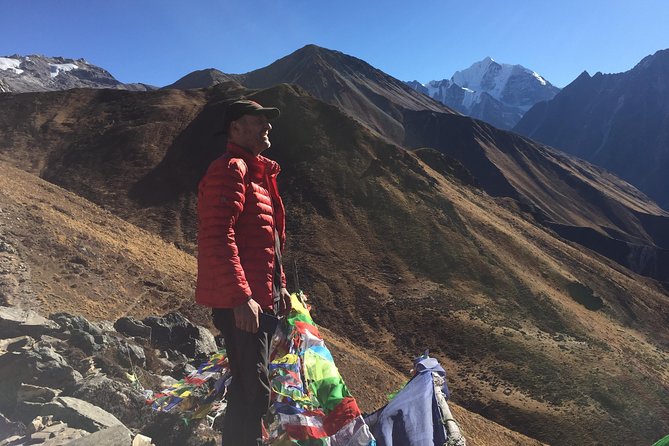
- Tserko Ri’s altitude payoff: a high point in the trek plus sunrise and big Langtang Range views.
- Kyanjin Gompa with real Buddhist details: prayer flags, prayer wheels, chortens, and monastery importance.
- Old village memory at Mundu: you’ll see what older homes looked like, alongside newer lodge construction.
- Teahouse trail life on Day 2 and backtracking days: oak and rhododendron walking, with village stops like Tiwari Gaon, Bamboo, Rimche, and Ghoda Tabela.
- Value for trekkers who want structure: permits, transportation, lodge lodging, and meals are built in.
- Guides who get praised for care and responsiveness: Nepal Social Treks and Expedition has earned strong feedback for guide attention and smooth coordination (names like Santabir, Sandip Aryal, and others show up in past experiences).
Why Langtang Valley feels easier than you expect
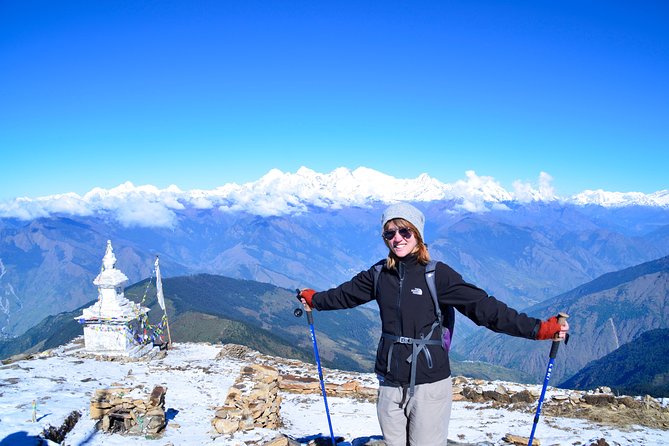
Langtang is often sold as the Valley of Glaciers, and that label makes sense fast. Even when you’re not climbing high peaks, you’re walking through a region where glaciers and high mountains sit close enough to feel present. The big win here is pacing. The trek is designed to deliver serious views while keeping the physical effort in the moderate range for most fit walkers.
You’ll also get culture in a way that doesn’t feel forced. This isn’t just a scenic corridor. You move through Tamang villages, you pass monasteries, and Buddhist symbols show up again and again—especially around Kyanjin Gompa. If you like your treks to feel human-scale, this one delivers.
And since it’s close to Kathmandu, you’re not stuck planning a month-long adventure. The trek starts with a long drive day, sure, but after that you’re on foot—one day at a time.
You can also read our reviews of more tours and experiences in Kathmandu.
Getting there: Kathmandu to Syabrubesi on the Prithvi Highway
The trekking story starts with a 7-hour drive from Kathmandu to Syabrubesi. You’ll travel on the famous Prithvi Highway, passing terraced farms, villages, and green hillsides with occasional mountain glimpses. It’s a long road day, but it also helps you understand the region before you ever start hiking.
You’ll go through areas like Galchi and Trishuli Bazaar, then reach Dhunche, the administrative headquarters of Rasuwa District. After that, Syabrubesi appears as the practical base for Langtang treks. It’s the kind of place where you’ll find hotels, guesthouses, restaurants, ATMs, and shops. That matters because it gives you the option to settle in, organize your small needs, and get your bearings fast before the trail takes over.
This is also where the trip’s “no-stress logistics” concept shows. The package includes transport from the starting and ending point, and there’s pickup offered. That usually makes a difference for first-time Nepal trekkers.
Day 2 trailwork: Syabrubesi to Lama Hotel via bridges, rhododendron, and tea houses
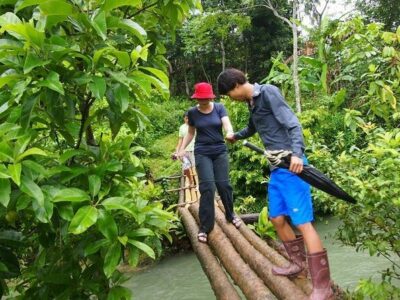
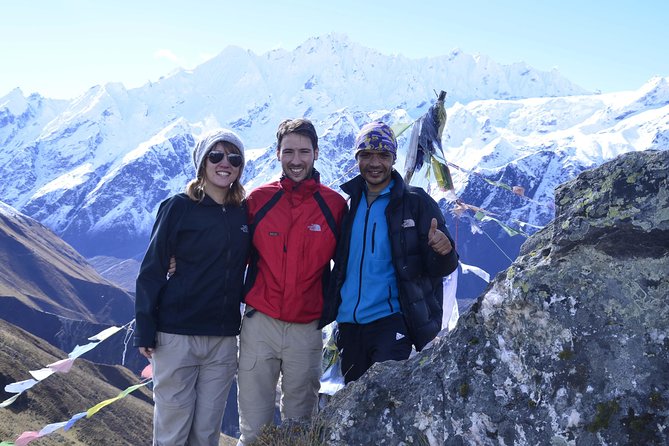
Day 2 is where the trek switches from road scenery to trail reality. After an early breakfast, you cross a small suspension bridge over Ying Yang Khola. Then you leave the main road behind and step onto a narrow trekking trail that follows Langtang Khola.
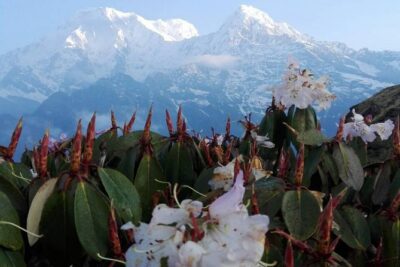
Expect gradual switchbacks. For much of the day, you’re under oak and rhododendron trees. That’s great for two reasons: shade when the sun is strong, and a calmer walking rhythm before the steeper stretch kicks in.
You’ll pass through teahouse settlements like Tiwari Gaon, Bamboo, and Rimche. These stops are more than dots on a map. They’re where you can slow down, refuel, and watch the trail community go by—locals moving their day, walkers comparing notes, and guides keeping an eye on pacing.
Wildlife can be part of the day too. The route description notes exotic birds and langurs, so stay present and don’t walk with your phone glued to your face the entire time. After Rimche, the trail gets relatively steep until you reach Lama Hotel. That’s the tradeoff for the gentle early portion: you’ll earn your arrival.
Day 3 to Langtang village and Mundu: river walking, yak pastures, and the feel of recovery
On Day 3, the trail aims for Langtang village, described as a rocky hillside with cascading waterfalls and occasional glimpses of Langtang Lirung. You’ll follow the Langtang River uphill. This kind of uphill river trail can feel long, but it also gives steady progress—especially compared to constantly steep switchbacks.
One of the best mid-trek moments comes as you approach Ghoda Tabela, where you’ll walk through wide yak pastureland. That’s when the Langtang Range and the surrounding views usually become hard to ignore. This is also a day where villages and monastery presence grows. You pass villages and monasteries on the way to the Tamang village of Langtang.
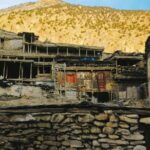
Then you reach Mundu, about a 30-minute walk away. Mundu is where you feel history in a quiet way. The old houses in the area are reminders of what villages here used to look like. The description also notes that many lodges and homes now sit in a more contemporary style.
So yes—this trek is beautiful. But it’s also grounded. You’re walking through a region that was severely affected by the 2015 Nepal earthquake and is still recuperating. You’ll see that recovery in the way the valley’s built spaces have changed.
If you prefer treks with meaning as well as views, this day hits.
Day 4 to Kyanjin Gompa: prayer flags, water mills, chortens, and big monastery energy
After leaving Mundu behind, Day 4 takes you to Kyanjin Gompa. The walk starts with a gentle incline through yak pastures, and the valley opens up more as you go. That widening view is a mental reward. You’re not just grinding forward—you’re being allowed to see further.
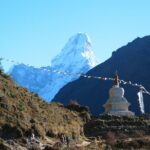
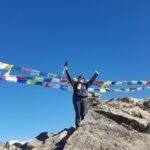
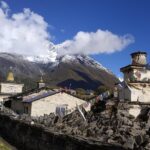
Along the way, expect villages, water mills, and chortens. Prayer flags, prayer wheels, and small local dwellings appear as part of daily life here. Kyanjin Gompa is presented as a monastery of immense importance for locals, and the Buddhist culture presence feels strong—not like decoration, but like a living pattern you walk through.
Once you arrive, you get time to relax in the afternoon. If you’re the type who wants a little extra, there’s a suggested option: exploring Langshisha Kharka up the valley for more breathtaking views. That’s not required, but it’s a good fit if you want to stretch the day without adding a whole second trek.
Note the bigger practical point: Kyanjin Gompa is also the base for some of the trek’s most memorable moments later, including the hike to Tserko Ri. Spending a calm afternoon here helps you start the next day with energy.
Day 5: Tserko Ri hike for sunrise and Langtang Range views
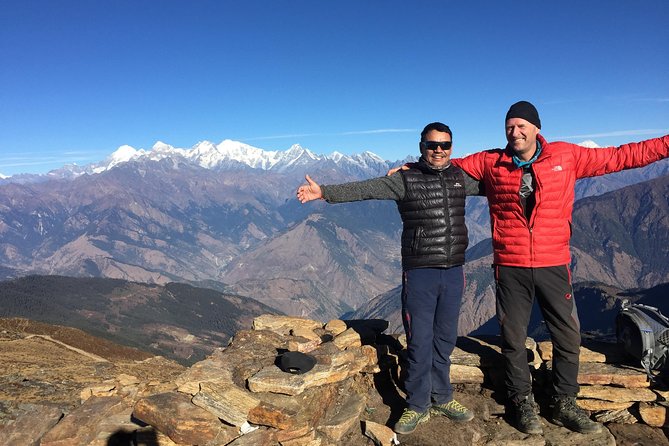
Day 5 is the big altitude hit of the trek—hiking to Tserko Ri, listed as the highest altitude of the journey. You’ll pass through pastures with yaks. This is one of those places where the scenery isn’t only about mountains; it’s about animals, grazing, and the everyday rhythm of the valley.
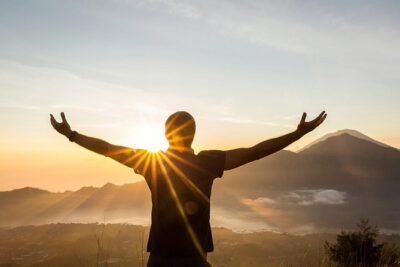
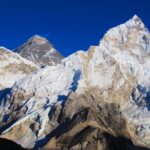
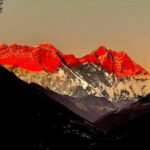
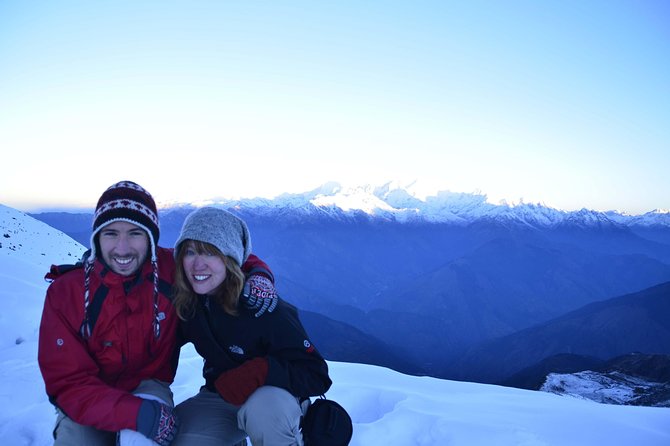
When you reach the top, the payoff is described as spectacular sunrise and a breathtaking view of the Langtang range. Even if you’re not a sunrise perfectionist, you’ll appreciate the idea: you’re going up when the world is quieter and the mountains show clearer.
After time at the top, you hike back to Kyanjin. The rest of the day includes exploring the village and a fun food-based bonus: you can visit the local yak cheese factory, try yak cheese, or purchase it.
This is exactly the kind of detail that turns a trek into a memory. A tasting is simpler than a long museum stop. It’s also very local and very tied to what the valley actually does.
Day 6: retracing steps down the Langtang Khola to Lama Hotel
On Day 6, you start from Kyanjin and retrace your path up the valley following Langtang Khola until you reach Mundu. Then you proceed to Ghoda Tabela and continue onward.
The trek description is honest here: the descent is quicker than the ascent. That means you’ll likely finish faster and feel less drained on the legs—though downhill can still be tough on knees. The best strategy is controlled steps, not heroic speed.
After lunch, you continue your descent down to Lama Hotel. This day is about flow and recovery. It’s the point in the trek where you’re grateful that you can see the trail you already did, now with the pressure reduced.
Day 7: back to Syabrubesi with oak-and-rhododendron walking and a steep drop
Day 7 retraces the route back to Syabrubesi. It starts with a steep descent to Rimche, then becomes a gradual path leading to Syabrubesi. You’re back in oak and rhododendron areas, and the route again includes views of Langtang Khola plus the possibility of exotic birds and animals.
As you pass through villages, you re-enter the more “civilization” feeling of the valley. You’ll arrive at Syabrubesi and cross a suspension bridge before connecting to a motorway. That final connection matters because it signals you’re done with the hardest part of the physical journey.
You’ll often feel tired in a good way on this day. You’ve completed the loop, and you’re closing with familiar trail elements.
Day 8: drive back to Kathmandu and a hotel transfer
After breakfast, you leave Syabrubesi and drive back to Kathmandu along the same route used at the start. The drive is about 8 hours, and it’s your chance to let your eyes rest on countryside views again.
When you arrive, you get transferred to your hotel. The trip description also indicates overnight at your lodging in Kathmandu, which is a welcome buffer day after trekking.
This last day is simple on purpose: it helps you avoid that classic post-trek feeling where you’re too tired to enjoy even a good meal.
Price and value: what $860 actually buys (and what it doesn’t)
At $860, the biggest value here is that you’re not paying only for walking. You’re paying for structure.
Included in the package:
- Lodge accommodation during the trekking days
- Airport transfers and all necessary permits
- Transportation from the trek start and end points
- A professional trek guide
- A first aid kit
- Meals: breakfast (8), lunch (8), dinner (7)
- Nepal Social Treks Gears like a sleeping bag and duffel bag for use during the trip
- A private setup where only your group participates
- Pickup offered and group discounts
Not included:
- International flight ticket
- Nepal entry visa fees (paid by the guest)
- Personal expenses like snacks and alcohol
- Gratuities for guide and porter
- Trekking porter (explicitly not included)
So here’s the honest value math: if you’d otherwise have to arrange permits, guide, lodge stays, and most meals, you’re already saving time and hassle. You’re also getting gear support in the form of a sleeping bag and duffel.
The main “gotcha” is the porter situation. Since a trekking porter isn’t included, you’ll likely carry your own load. If you’re sensitive to weight or you’re carrying extra gear, you may want to budget extra or plan packing carefully.
The human part: guides, coordination, and how this trek runs on real-world experience
Nepal Social Treks and Expedition gets strong feedback for organization and responsiveness. Past experiences praise clear communication before departure and helpful support when hiccups happen with baggage. That kind of coordination matters on trekking routes where delays can cascade.
Guide care also shows up in feedback. Names like Santabir and Sandip Aryal are praised as attentive and professional. Other guide names that appear in feedback for this company and region include Kamal and Santa, Bishnu, Yadu, and Madan. Even if you don’t get the same person, the bigger point is consistent: the operation seems tuned to how trekkers actually feel day to day.
That’s especially relevant on longer trekking days like the Tserko Ri hike day, where good pacing and calm guidance can make the difference between struggling and enjoying.
Practical tips so you enjoy the trek, not just complete it
A few practical notes based on how this trek is described and what trekkers report:
- Plan for long walking days. Day 2 and Day 3 are both around 6–7 hours, and Day 5 is longer at about 10 hours. This isn’t a quick hike. It’s a trek with real stamina needs.
- Watch the trail. The route specifically mentions paying attention on the narrow paths and after steeper segments. If you slip into autopilot, that’s when trouble happens.
- Bring your appetite. Meals are included, and teahouse food is part of the day. Still, snacks fall under personal expenses, so expect to purchase extras if you want them.
- Pack with the gear in mind. A sleeping bag and duffel bag are provided by the company’s Nepal Social Treks Gears. That reduces what you need to bring, but it doesn’t replace essentials like your own personal items.
- Don’t rely on insurance from the package. In emergencies, travel and medical insurance aren’t included. If you’re going, treat insurance as part of your own prep.
Should you book the Langtang Valley Trek?
You should book this trek if you want a Himalayan experience that’s serious but not punishing. It fits travelers who want Langtang views, Tamang village culture, and Buddhist monastery atmosphere without needing advanced trekking knowledge. The included guide, permits, lodge stays, and most meals make it a solid choice for people who want their trip to run smoothly.
It’s also a good match if you like options for the “extra” moments—like the afternoon exploration around Kyanjin Gompa or adding the Langshisha Kharka viewpoint if you have energy. Those small choices are what turn a planned trek into your personal trek.
Only pass if you know you want porter support (since it’s not included) or if you’re not comfortable with a moderate fitness trek that includes a high point hike and long days.
If you’re okay carrying your own kit and you want a real valley experience with clear logistics, this is a strong pick.
FAQ
How long is the Langtang Valley Trek?
The trek is listed as 8 days (approx.).
Where does the trek start and what’s the first big travel day like?
It starts in Kathmandu, with a drive of about 7 hours to Syabrubesi via the Prithvi Highway.
What’s included in the tour price?
Accommodation in lodges during the trekking days, airport transfers, necessary permits, start/end transportation, meals (8 breakfasts, 8 lunches, 7 dinners), a professional trek guide, first aid kit, and Nepal Social Treks gear including a sleeping bag and duffel bag.
Do I need to bring my own sleeping bag?
No. The package includes a sleeping bag for use during the trip.
Are international flights and visa fees included?
No. International flights are not included, and Nepal entry visa fees are paid directly by the guest.
Is a trekking porter included?
No. A trekking porter is not included.
What’s the cancellation policy?
Free cancellation is available. You can cancel up to 24 hours in advance for a full refund; within 24 hours, there’s no refund.
If you want, tell me your hiking experience level and whether you prefer early starts for sunrise. I can help you judge whether Day 5 (Tserko Ri) sounds like your kind of challenge.