REVIEW · CUSCO
Ultimate Lares Trek & Inca Trail 5 days
Book on Viator →Operated by TreXperience · Bookable on Viator
Beat the crowds, drink in the Andes. This 5-day trek mixes the quieter Lares route with UNESCO-listed Machu Picchu, using strong guides and smooth logistics so you spend less energy on planning and more on the trail. You also get real Andean village time, plus a sunrise-style Machu Picchu morning when conditions cooperate.
I especially love the day-one rhythm: market stop, then relaxing thermo-medicinal hot springs before you hike. And I’m a big fan of how the trek team handles food and pace, with guides like Manolo, Sara, and Rosmel praised for clear coaching and supportive energy, plus chefs who consistently turn camping into a full-on dining experience.
One thing to consider: you’ll hit real altitude and a tougher hiking day, including Condor Pass at 4700 m, so this is not a casual walk-in-the-park plan.
In This Review
- Key highlights worth knowing
- Lares vs the Usual Crowds: The Big Idea Behind This Trek
- Your First Morning in the Sacred Valley: Markets and Thermo-Medicinal Hot Springs
- Day 2 Over Condor Pass: Altitude, Pace, and Cancha Cancha Without Modern Tech
- Day 3 Down to Ollantaytambo: Huaran, Salineras, and Inca Water Power
- The Short Inca Trail to Machu Picchu: Chachabamba to Wiñay Huayna to Sun Gate
- Machu Picchu Morning: Sunrise Chances and a Guided 2–3 Hour Tour
- Transport, Packing, and the Horse-Carried Duffle (What Actually Makes This Easy)
- Price and Value: Why $980 Can Make Sense
- Food on Trek and in Town: The Camp Kitchen Is Part of the Adventure
- Who Should Book This Trek—and Who Might Want a Different Plan
- Should You Book the Ultimate Lares Trek & Inca Trail?
- FAQ
- What time do we start in Cusco?
- How hard is the trek?
- What are the highest altitudes on the route?
- Are meals included?
- Is Machu Picchu admission included?
- Do you provide camping equipment?
- Do you need a passport for this trip?
Key highlights worth knowing
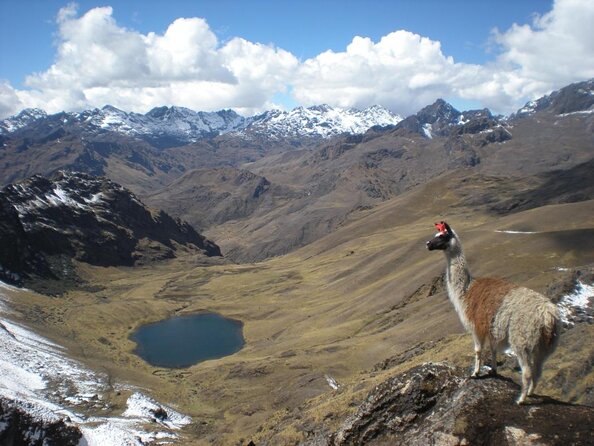
- Quieter route to Machu Picchu via Lares instead of the busiest approach
- Hot springs early with different pools for a pre-trek reset
- Condor Pass day with the trip’s highest point (4700 m) and a long hike
- Cancha Cancha village stays traditional with Quechua-only life and no modern tech
- Top camp food and smooth logistics backed by a professional kitchen team and porters/horse support
- Machu Picchu with a quieter feel because you arrive in the afternoon after the hike
Lares vs the Usual Crowds: The Big Idea Behind This Trek
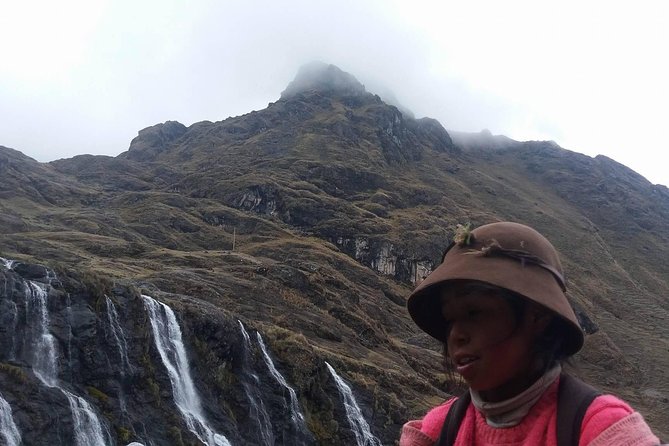
This trek is built around a simple goal: get you to Machu Picchu without turning your trip into a crowd-management exercise. The Lares route runs through quieter valleys and small communities, so the trip feels more like walking through living Peru than checking boxes.
You’ll also feel the difference in how the days are structured. Instead of spending most of your time “getting to the next photo spot,” you’ll have time for meals, stargazing nights, and slow moments in villages and passes. That balance matters when you’re dealing with altitude and long hiking days.
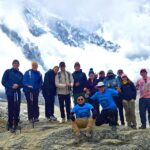
The group size is small (maximum 12), which keeps the vibe calmer and makes it easier for your guide to actually notice how you’re doing. If you’re the kind of person who hates being lost in the shuffle, this is a big plus.
You can also read our reviews of more tours and experiences in Cusco.
Your First Morning in the Sacred Valley: Markets and Thermo-Medicinal Hot Springs
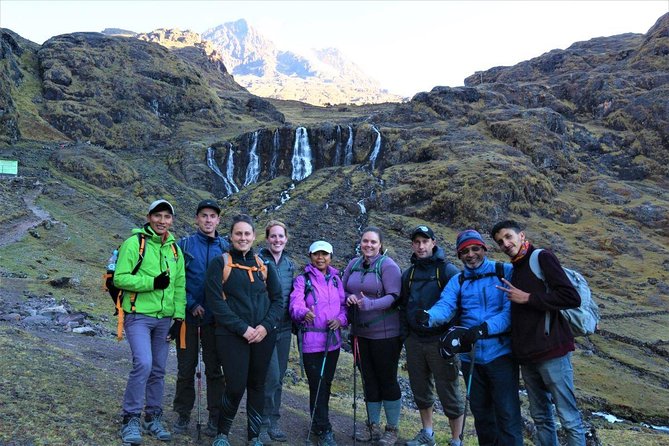
You start very early—pickup from your hotel is around 5:30 am, with the tour start time listed as 4:30 am—then drive toward the Sacred Valley area. There’s a local market stop along the way, and that’s a smart way to kick things off because it gives context for what you’ll see later: how people live, trade, and move through these highlands.
The real warm-up happens at the Lares thermo-medicinal baths. You jump straight into pools set at different temperatures, and the idea is practical: loosen muscles, calm aches, and start your trek with less stress on day one. Reviews and tour details consistently frame it as a bone-and-muscle helper, which makes sense if you’re about to begin an uphill walk.
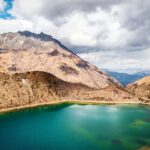
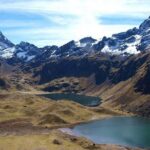
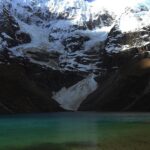
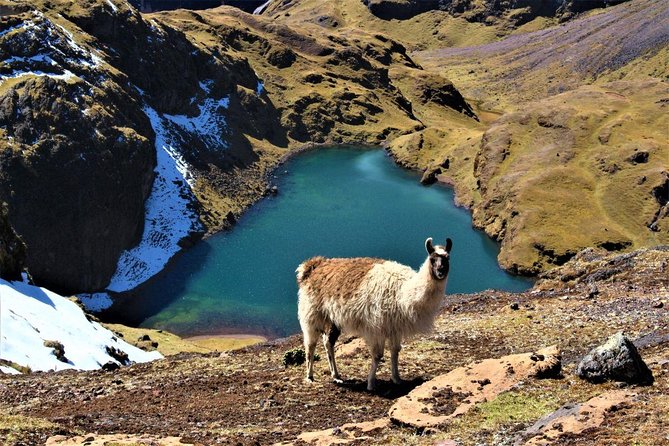
After breakfast, you head out for your first hike—uphill for about 2 hours to Kiswarani village, then another couple hours to the campsite beside a blue lake at 3750 m. This is marked as easy, and it’s the right choice for acclimating. You finish with time to relax, stargaze, and even learn a bit about Inca astronomy—because you’re at elevation, the night sky is a star show, not just scenery.
Day 2 Over Condor Pass: Altitude, Pace, and Cancha Cancha Without Modern Tech
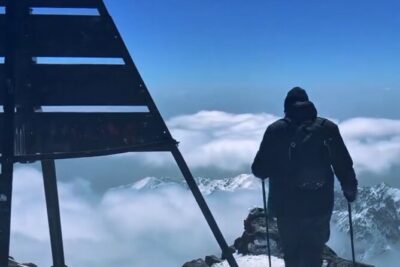
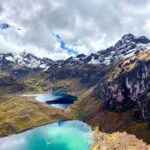
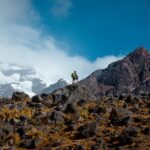
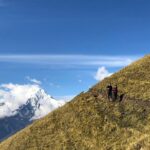
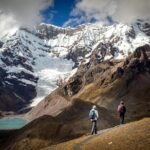
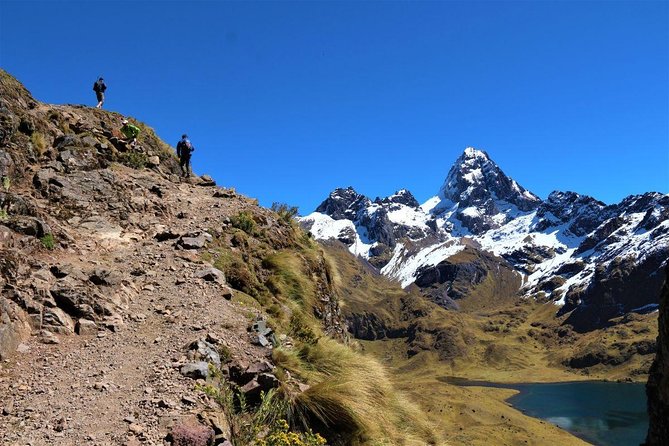
This is your toughest day, and the tour doesn’t hide that. After breakfast you hike uphill about 4 hours to Condor Pass at 4700 m, then you explore at the summit and descend for about 3 hours through big scenery. Overall, it’s around 16 km and about 7 hours of walking, rated moderate to challenging.
The highlight isn’t just the altitude number. It’s the way the pass reshapes your awareness. When you crest Condor Pass, you’re no longer thinking about the next step—you’re thinking about how high the Andes can feel and how quickly your body changes at 4700 m.
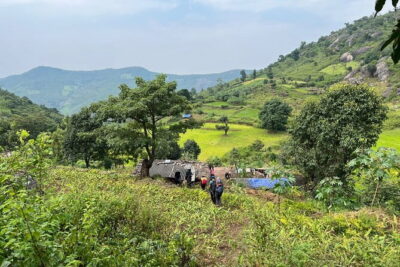
Then comes a rare cultural moment at Cancha Cancha, a village described as completely isolated from modern technology: no drainage system, electricity, computers, internet, or cellphone service, and Quechua is the only language used. That’s a big deal for your trip’s tone. You’re not passing through a themed set; you’re seeing how daily life continues at its own pace.
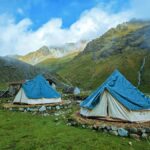
You sleep again at about 3750 m with camping and a full camp setup. Your chef handles dinner, and you’ll likely appreciate that you don’t have to manage anything beyond your own breathing, hydration, and morale.
Day 3 Down to Ollantaytambo: Huaran, Salineras, and Inca Water Power
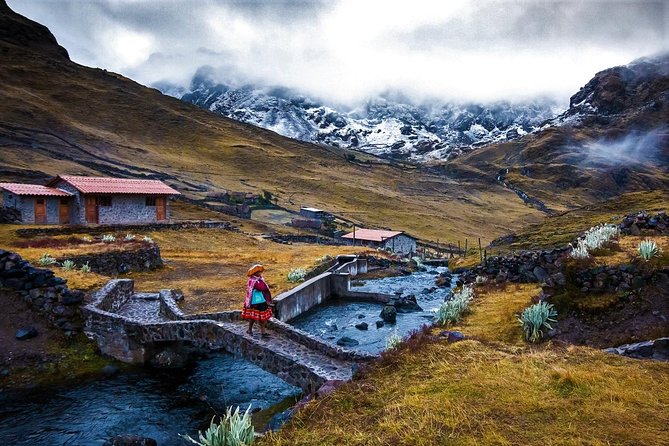
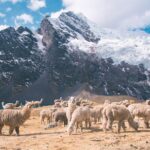
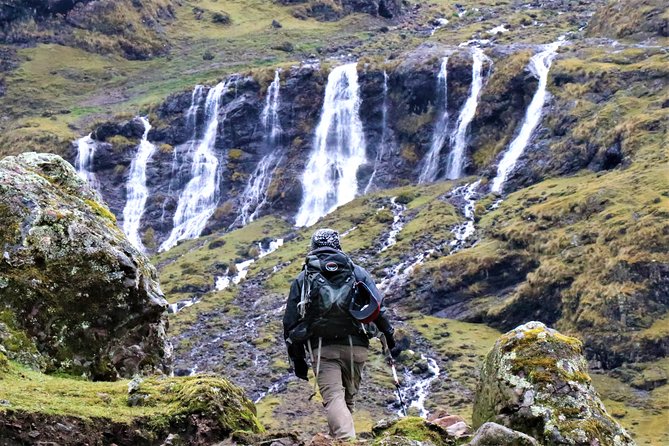
Day 3 shifts the energy from climbing to rhythm. After a morning in a village with llamas and alpacas nearby, you hike downhill for about 4 hours. You finish your trekking portion in Huaran at 2700 m, then transfer onward by private bus.
From there, you visit Salineras and Ollantaytambo, often described as a living Inca city. Ollantaytambo is especially interesting if you like details, because you can walk the ancient streets and see the Inca-era water channel that has been in use for a long time.
You’ll also get a real end-of-trek feeling here: dinner in a local restaurant and an actual hotel night in Ollantaytambo. That matters because it lets your body recover from the trekking days while you’re still in the Sacred Valley area, not far from what you’ll need for Machu Picchu logistics later.
The Short Inca Trail to Machu Picchu: Chachabamba to Wiñay Huayna to Sun Gate
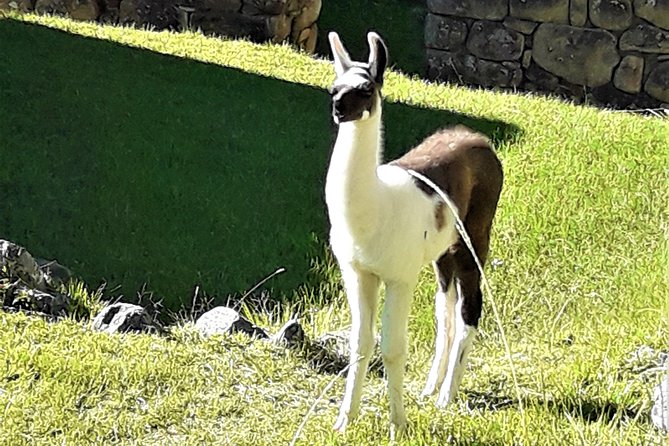
On day 4, you get the bridge between Andes trekking and Machu Picchu. You start from your hotel around 6 am, walk to the train station, then ride the Urubamba river line from Ollantaytambo to km 104 at Chachabamba. The train ride is about 1 hour 30 minutes, and it’s a nice decompression after a full trekking stretch.
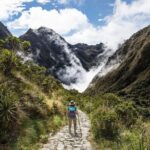
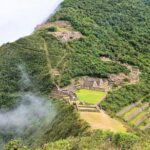
From Chachabamba, you hike for roughly 4 hours, starting with a first Inca ruin stop at Chachabamba itself. Then you continue toward Wiñay Huayna, described as the place that never gets old. After that, you keep hiking to the Sun Gate, and that’s your payoff moment—the first big glimpse of Machu Picchu.
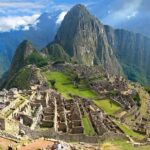
Lunch is packed for you on this day, which keeps things efficient. You then descend about an hour to the city itself, arriving in the afternoon. The big practical perk: you’re said to experience Machu Picchu in a way that feels closer to quiet time, because you get in when many day-trippers are already moving on.
After exploring the site, you take the bus down to Aguas Calientes for dinner and your second hotel night. This overnight is a smart buffer: you’re not scrambling around with timing for the next morning’s Machu Picchu entry.

Machu Picchu Morning: Sunrise Chances and a Guided 2–3 Hour Tour
Day 5 is the big one. You wake up early in your hotel, have breakfast, then take the early buses up to the citadel. On a clear day, you can watch sunrise over Machu Picchu, and even when it’s not perfect weather, getting up early generally improves the whole experience.
Your guide does a comprehensive tour of Machu Picchu for about 2 to 3 hours. This is the time you’ll learn how to look at the place, not just where to stand for photos. After that, you’re free to explore at your own pace.
There are optional add-on climbs, Huayna Picchu or Montaña, but tickets must be booked far in advance. The standard point here is simple: the “main ticket” is included, but the “higher adventure tickets” aren’t, so plan early if you want one of those.
Then you’ll handle the descent and transfer back to Cusco with the group: bus back to Aguas Calientes for lunch (not included), then Panoramic train and bus back. The TreXperience team meets you off the train and returns you safely to your hotel in Cusco.
Transport, Packing, and the Horse-Carried Duffle (What Actually Makes This Easy)
The logistics are one of the quiet strengths of this trip. You get round-trip transport between Cusco and the route, plus internal transfers when the trek ends and the train/bus pieces begin. This is one of those deals where you pay for not having to figure out transport at high altitude with tired legs.
You’ll also get a duffle bag service: up to 7 kilos of your personal stuff is carried by horse. That’s practical for hikers because it lets you travel lighter. Your daypack will still hold your essentials, but you shouldn’t be lugging everything on your back for hours.
Camping includes comfortable equipment for two nights in the mountains. If you don’t want to rely on provided gear, there are optional upgrades like a mattress, sleeping bag, and trekking poles that you can request guidance on. Even if you’re an experienced hiker, think about comfort here—sleep matters when you’re waking up at altitude for another long day.
Price and Value: Why $980 Can Make Sense
At $980 per person, you’re paying for far more than “a guide and a trail.” Your package includes hotel nights in Ollantaytambo and Aguas Calientes (3-star), two camping nights with gear, and all transport during the trek portion and the Machu Picchu connection.
It also includes entry to the Machu Picchu circuit as part of the trip admissions, while extra peak climbs are optional and not included. On top of that, you get all meals for the trekking days (breakfast 5 times, lunch 4 times, dinner 4 times), plus snacks, and a Pachamanca cooking demonstration.
For me, the best value piece is the team size and roles: you have experience chefs, porters, and guides, which shows up as better pacing and less “camp chaos.” When a chef can put together full meals in the mountains, your energy stays steadier, and your trek feels less like survival. Multiple people also highlight how caring and safe they felt with the team, including solo travelers.
Food on Trek and in Town: The Camp Kitchen Is Part of the Adventure
This is one of the most praised parts of the experience. People consistently mention food that’s plentiful, varied, and far better than they expected on a trek. If you’ve ever done a tour where meals feel like an afterthought, this will feel different.
On trek, you’re not just getting the minimum. The pattern is consistent: hot drinks in the morning setup, full meal service at camp, and lunches that keep you moving without constant stops. Several named team members show up in past feedback: chef Augusto and assistant Paulino, chef Tiburcio, head chef Vidal, assistant chef Andreas, and chef Oscar with Beto.
There’s also a big morale advantage. When your chef and support team feel organized, the pace feels calmer, and you’re less likely to start the day already frustrated. Even small touches matter—like being served hot tea early or having desserts prepared at camp. One birthday example was described with a cake prepared despite being in the woods, which tells you how much effort the kitchen puts into the experience, not just nutrition.
Who Should Book This Trek—and Who Might Want a Different Plan
This trip fits best if you want a quieter route, enjoy villages and culture, and don’t mind a real hiking day. Day 2 is the one that separates “I can do this” from “I didn’t train for this,” especially with Condor Pass at 4700 m and the long hike distance.
It’s also a good pick for solo travelers who want safety and structure. Names like Manolo and guides such as Sara and Rosmel show up in feedback as encouraging and supportive, with English communication noted as a help for staying comfortable and informed.
Where you might want to pass or choose a lighter option: if you’re nervous about altitude, you have knee or ankle issues, or you want a very relaxed walking pace every single day. The plan also starts early, and day 4 includes walking plus train timing, so you need to be okay with a schedule that runs on mountain time.
Also remember: lunch on Machu Picchu day (after you descend to Aguas Calientes) isn’t included, and extra peak climb tickets need advance booking. Those are small details, but they affect your planning.
Should You Book the Ultimate Lares Trek & Inca Trail?
I’d book this if you want the calmer route to Machu Picchu, care about cultural stops like Cancha Cancha, and like the idea of a strong camp team handling meals and logistics. The biggest selling point for me is the combination: hot springs and recovery up front, then a real high-pass day, then Machu Picchu handled with smart timing so you’re not drowning in crowds.
One more practical check: make sure you’re physically ready for the moderate-to-challenging hiking day and altitude, and plan your optional Montaña or Huayna Picchu tickets early if you want them. If you’re on the fence, that preparation is what turns this from tough into satisfying.
FAQ
What time do we start in Cusco?
The tour start time is listed as 4:30 am, and on day 1 you’re picked up from your hotel around 5:30 am.
How hard is the trek?
Day 1 is rated easy (about 9 km), while day 2 is moderate to challenging (about 16 km) and includes Condor Pass at 4700 m. Day 3 is easier (about 12 km downhill), and day 4 involves a hike of about 4 hours.
What are the highest altitudes on the route?
The highest point is Condor Pass at 4700 m. Camping altitudes are listed around 3750 m, and you also sleep at about 2700 m on day 3 after the trek.
Are meals included?
Yes. Breakfast is included 5 times, lunch 4 times, and dinner 4 times, plus snacks on trekking days. Day 4 includes a packed lunch.
Is Machu Picchu admission included?
The tour includes admission tickets, but optional entrance tickets for Machu Picchu Montaña or Waynapicchu are not included and must be booked ahead of time.
Do you provide camping equipment?
Yes—two nights of camping include comfortable equipment. Optional add-ons like a mattress, sleeping bag, and trekking poles are available upon guidance.
Do you need a passport for this trip?
Yes. You’ll need your passport details (name, number, expiry, and country) at booking, and a current valid passport is required on the day of travel.