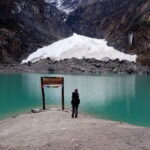
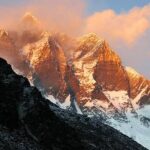
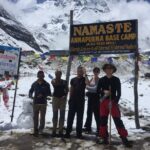
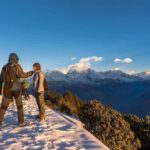
Five days, and the mountains steal your breath. This Annapurna Base Camp trek threads through Gurung villages, terraced farmland, rhododendron forests, waterfalls, and suspension bridges, then ends at the foot of the Annapurna giants. I like how the route gives you nonstop scenery, from classic Himalayan faces to the famous Fishtail silhouette.
What I also really like is the practical setup: English-speaking trekking guidance, included permits (TIMS and trekking permit), and daily lodge-style stops with breakfast, lunch, and dinner. The main drawback to plan for is that the trek is best with moderate fitness and early starts, since some stretches are steeper and conditions can swing from cold mornings to warmer afternoons.
In This Review
- Key Things That Make This Trek Special
- Pokhara Start: Permits, Road Time, and Your First Big Views
- Day-by-Day: From Sinuwa Steps to Hot Springs in Jhinu Danda
- Day 1: Drive, Village Trails, and the Sinuwa Area
- Day 2: Deurali Climb, Bamboo, and the Rhythm of Steps
- Day 3: The Surprising Shortcut Day to Annapurna Base Camp
- Day 4: Early Morning at the Base Area and the Descent to Lower Sinuwa
- Day 5: Jhinu Danda Hot Spring Recovery and Return to Pokhara
- Mountain Views You’ll Actually Want to Photograph
- Lodges, Tea Houses, and Included Meals That Keep You Moving
- Guides, Pace, and the Little Stuff That Changes the Trip
- Price and Value: What $450 Covers (and What It Doesn’t)
- Packing for Cold Dawn and Warm Midday Weather
- Who This 5-Day Annapurna Base Camp Trek Fits Best
- Should You Book This Annapurna Base Camp Trek?
- FAQ
- Is this Annapurna Base Camp trek based in Pokhara?
- What is the trek duration?
- Is the trek private?
- What’s included in the price for $450?
- Are trekking permits and TIMS included?
- Do you get meals during the trek?
- Is a hot spring stop included?
- Do you need travel insurance?
Key Things That Make This Trek Special
- Village walking with Gurung culture: you pass through lived-in communities, not just empty trails.
- Permits and TIMS handled: fewer admin headaches once you’re in Nepal.
- A sunrise-style day at the base area: you get that early-morning push to see the peaks clearly.
- A short, easier-feeling day: one day is intentionally shorter, so you’re not crushed every single day.
- Jhinu Danda hot spring stop: a real recovery moment on the way back toward Pokhara.
- Guides who act like problem-solvers: past travelers highlighted attentive, patient guidance (including Janak Karki, Mr. Gurung, and Damodar dai).
Pokhara Start: Permits, Road Time, and Your First Big Views
Most Annapurna treks feel like they begin in Pokhara, and this one keeps that vibe. You’ll be picked up from ABC Treks Pvt Ltd on Lakeside Road and transferred toward the trailhead area after the required checks.
Day 1 starts with a drive via Nayapul and then a pause in Birethanti for permits. This matters more than it sounds. If you’ve ever traveled where paperwork gets chaotic at the last second, you know how stressful that can feel. Here, the plan builds that check into the route so you’re not guessing what you need while everyone else is waiting on you.
Once you’re moving, you transition from road to trail fast: from the initial stops around Jhinu Danda you work your way through villages like Chhommrong and onward to Lower Sinuwa. Expect a mix of suspension bridges and stone steps. Those first hours are your warm-up, but you’ll still get rewarding mountain views right away—especially on the days when clouds cooperate.
You can also read our reviews of more tours and experiences in Pokhara.
Day-by-Day: From Sinuwa Steps to Hot Springs in Jhinu Danda
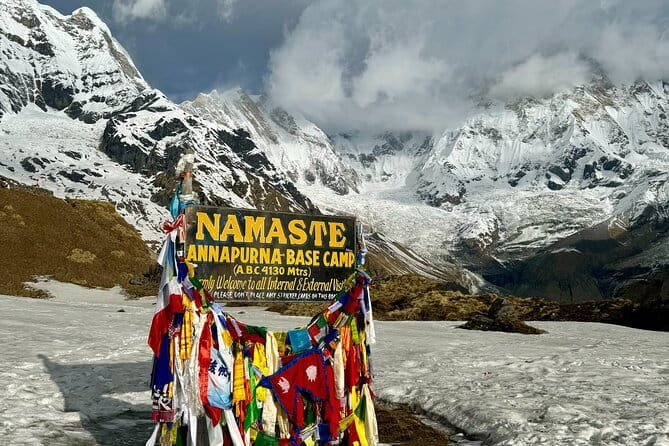
This is a 5-day trek (about), paced so you can reach Annapurna Base Camp without feeling like you’re racing the mountain. The itinerary isn’t equally hard each day, and that’s a big part of why it works for many first-time or near-first-time hikers.
Day 1: Drive, Village Trails, and the Sinuwa Area
After breakfast, you’re transported roughly three hours toward Jhinu Dada via Nayapul, with permits checked around Birethanti. Then you begin walking through the Gurung villages and scenic hamlets, with views of Fishtail, Annapurna South, and Hiunchuli along the way.
The day takes about 5 to 6 hours on the trail. The walking includes high suspension bridges and the kind of ups and downs that make your legs learn the route. You end in the Sinuwa/Lowe Sinuwa area, which sets you up for the longer second day climbs.
Practical note: if you’re prone to sore knees, take your time on the first descent and don’t rush the bridge sections. Those are the moments where a fast pace turns into awkward foot placement.
Day 2: Deurali Climb, Bamboo, and the Rhythm of Steps
Day 2 is a bigger hiking day at around 7 hours. You climb to Sinuwa using stone steps, then descend to Bamboo. After lunch in a Himalaya-area lodge, you continue for roughly two more hours to Deurali.
This day teaches the rhythm of trekking in the Himalaya: short climbs, calmer trail stretches, and the constant need to manage effort. Even when the path feels “easy,” you’ll still be stacking elevation and working longer than a typical day hike.
Why it’s valuable: Deurali is a key waypoint that moves you closer to the base camp basin without turning the entire trip into one nonstop grind.
Day 3: The Surprising Shortcut Day to Annapurna Base Camp
Today is described as the shortest day, and it shows in the mental game. The first hour to Bagar is straightforward. Then you hike toward Machhapuchre Base Camp, where you’ll hit some steeper sections before lunch.
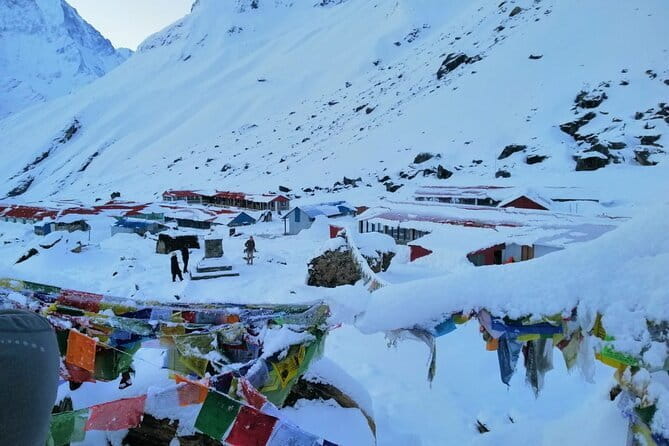
After that, you continue for an easy two-hour walk to Annapurna Base Camp itself. When you arrive, you’re in the heart of a serious view zone—Annapurna peaks and other towering faces around the basin. The physical effort fades because the scenery becomes the main task.
That’s the feeling you want on Day 3. It gives you enough energy to enjoy base camp without arriving totally cooked.
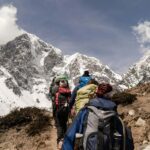
Day 4: Early Morning at the Base Area and the Descent to Lower Sinuwa
Day 4 starts before sunrise. You’re up early to catch a panoramic view of major peaks, including Machhapuchchhre (Fishtail), Himchuli, and Annapurna South, among others. After breakfast at the base area lodging, you hike back down toward Lower Sinuwa.
This day is about two things: seeing the peaks clearly and managing the downhill. Downhill is where fatigue turns into ankle stress, especially if you’re carrying a heavier daypack or your shoes aren’t broken in.
The plan keeps this day full at around 8 hours, so plan on it as a real trekking day, not a casual stroll.
Day 5: Jhinu Danda Hot Spring Recovery and Return to Pokhara
Your last day starts with leaving Sinuwa and continuing back toward Pokhara. Along the way, you stop at Jhinu Danda hot spring for a soak, then continue a short hike—about 30 minutes—before transportation takes you back.
The hot spring entry is listed as included, so you get that reset without hunting for tickets. You’ll then be dropped back at your hotel in Pokhara, ending the trek at the same meeting area you started from.
This is a smart finish. After several days of footwork and cold mornings, the hot spring can feel like real trip magic—simple, physical relief.
Mountain Views You’ll Actually Want to Photograph
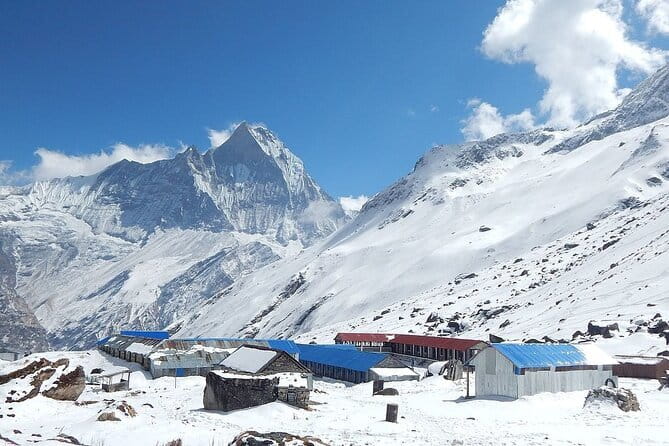
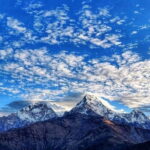
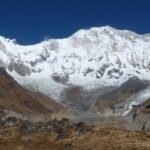
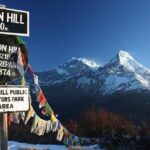
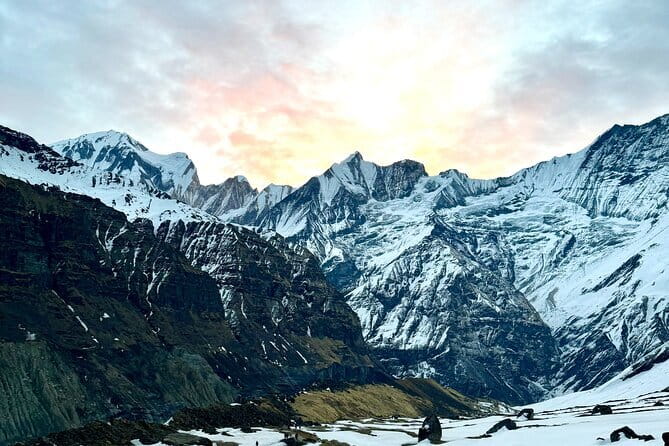
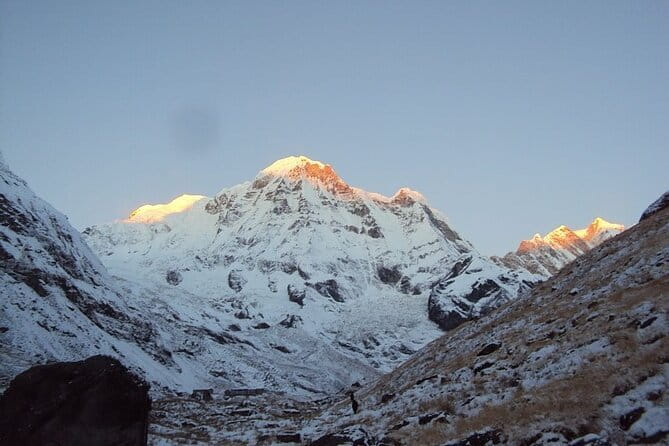
Annapurna Base Camp gets talked about for a reason: the trek offers a front-row seat to snow-covered peaks that encircle the basin.
The plan highlights mountains from the wider Annapurna region, including Annapurna I and the surrounding giants like Hiunchuli (often spelled Himchuli), Annapurna II, Gangapurna, Annapurna III, Annapurna IV, and the famous Machhapuchhre (Fishtail). Not every name will matter equally on the trail, but the point is that the basin is surrounded by big walls of mountains, and the viewing angles shift as you climb.
Day 3 is your arrival day, and Day 4 is your chance to see those peaks again in early light. One of the best pieces of value here is repetition: you don’t just reach the view point once and move on. You get at least two strong peak-view moments.
And in practical terms, this helps with weather. If you have low cloud on one day, the next morning can still give you a cleaner look.
Lodges, Tea Houses, and Included Meals That Keep You Moving
This trek is structured around lodge or tea house style lodging, with meals included every day (5 breakfasts, 5 lunches, and 5 dinners). That takes a lot of guesswork out of your budget and planning. You’re not trying to figure out what’s open, what’s far, or what costs extra when you’re tired.
Dietary needs are also handled if you mention them at booking. The tour notes support for vegetarian, vegan, and gluten-free, among others. That matters on trekking days when your options can otherwise shrink.
Here’s the balance to keep in mind: included meals are a comfort, but tea house food quality can still vary by location and season. You’ll do best if you’re flexible and don’t assume every meal will be identical. Still, having food planned for you daily is one less stressor when the cold hits.
Guides, Pace, and the Little Stuff That Changes the Trip
This is a private trek for your group, with an in-person English-speaking guide during the trek and sharing transport for the route into and out of the trail.
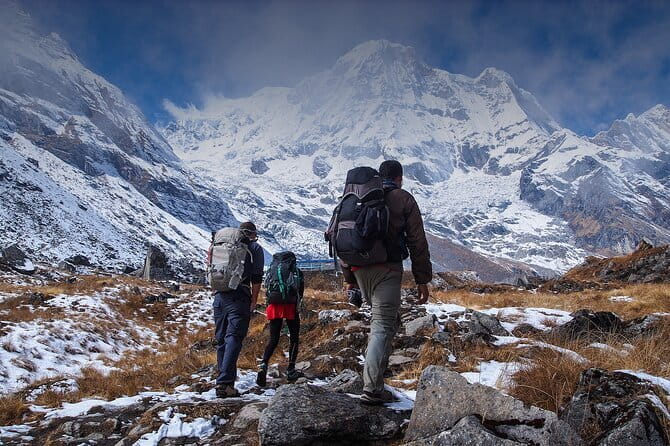
The biggest “soft value” here is the guide’s role. When you’re adjusting pace, managing steep bits, and trying to stay steady on stone steps or rocky sections, a good guide can keep you calm. Past travelers specifically called out kindness and patience from guides, with names like Janak Karki and Mr. Gurung mentioned as supportive and helpful with details. Damodar dai also came up as friendly and cooperative in other trek experiences connected with the same operator.
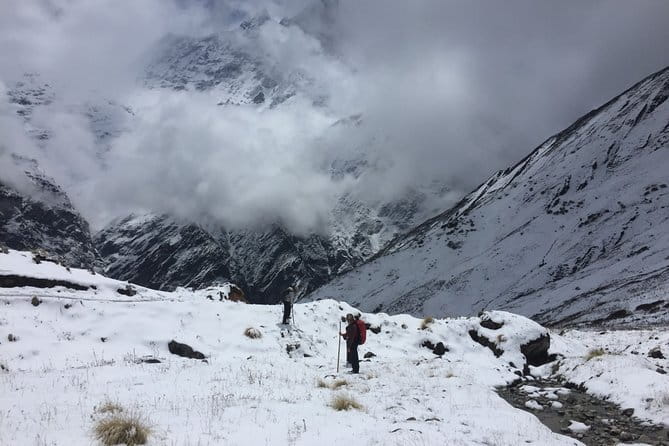
You’ll also appreciate the guide when the mountain plays games with conditions. Weather can swing, and one traveler noted the cold and hot contrast, saying they prepared some extra items. That’s the kind of moment where a guide’s practical advice can save you discomfort.
How to use this well: ask your guide how to pace on the steep sections, what to pack for early mornings, and how to keep your energy steady. Guides are there to make the trek easier to manage, not just to point at the mountains.
Price and Value: What $450 Covers (and What It Doesn’t)
At $450 per person for a roughly 5-day trek, this package is positioned as a full-travel setup, not just a route.
What’s included:
- Hotel pick up and drop off in Pokhara
- Private trip for your group
- Sharing transport to the starting point and back
- Trekking permit and TIMS
- English-speaking trekking guide in person
- Meals: 5 breakfasts, 5 lunches, 5 dinners
- Tea house/lodge option
- Hot spring admission included on Day 5 (as listed)
What’s not included:
- Insurance and rescue
- Gratitude is optional
Here’s how I’d judge the value. The biggest cost sinks on treks are usually permits, guide support, and food/logistics. This plan bundles all of that together. If you would otherwise need a guide, buy permits separately, and spend your time coordinating meals while tired, the package becomes more than just a convenience—it becomes a sanity saver.
One caution: the price includes a guide and the essentials, but it doesn’t include rescue insurance. For trekking at higher elevations, I strongly recommend you line up travel medical coverage before you go. It’s not glamorous, but it’s smart.
Packing for Cold Dawn and Warm Midday Weather
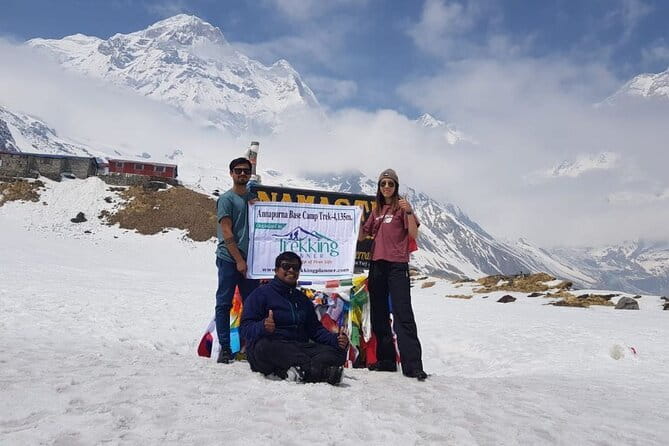
You’re trekking in Nepal’s Annapurna region, and conditions can feel mixed—cold early, warmer later. One traveler flat out mentioned weather being cold and hot, so plan for temperature swings.
My practical approach:
- Layering beats one big jacket. You’ll warm up quickly on climbs and cool fast at rest stops.
- Bring warm gear for mornings, especially for early starts around base camp.
- Wear comfortable trekking shoes that you’ve used before the trip, not brand-new soles.
- Bring a small snack stash if you prefer having something familiar between lodge breaks.
Also, if you’re sensitive to cold, pack accordingly for the pre-sunrise time window. That’s when discomfort can slow you down the most.
Who This 5-Day Annapurna Base Camp Trek Fits Best
This trek is described as suitable for moderate physical fitness. In plain terms, it’s not meant for couch-to-summit heroics, but it isn’t a hardcore extreme expedition either.
It’s a great choice if you:
- Want the Annapurna Base Camp goal in about 5 days
- Appreciate village walking and cultural route days
- Prefer having an English-speaking guide to manage pacing and logistics
- Like the idea of a hot spring recovery on Day 5
It may be less ideal if you:
- Want totally flat, easy hiking every day (there are steeper sections)
- Hate early mornings (Day 4 starts before sunrise)
- Rely on guaranteed rescue coverage as part of the price (insurance isn’t included)
Should You Book This Annapurna Base Camp Trek?
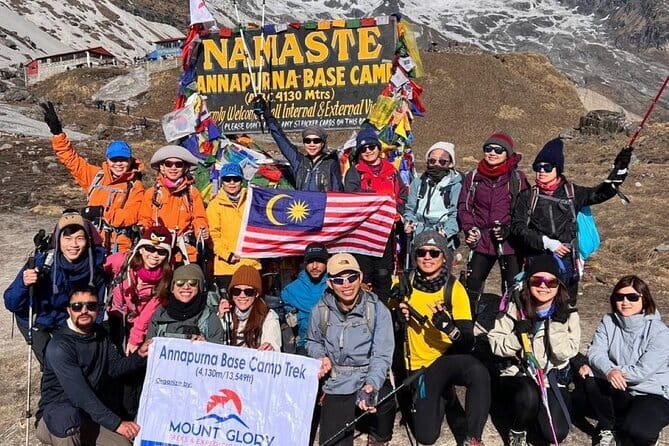
If you want a clean, guided route to Annapurna Base Camp with meals, permits, and transport handled, I think this is a solid booking. The itinerary is structured so you get major viewpoints more than once, you have a shorter-feeling day to recover mentally, and you finish with an actual body reset at Jhinu Danda hot spring.
Book it if you’re comfortable with moderate effort, you’re willing to layer for temperature swings, and you want the mountains plus real village trail time. Skip it only if you’re looking for luxury comfort, or you want zero-steep sections, or you haven’t planned for trek insurance.
If you do book, message your organizer about dietary needs early, and ask the guide about what to expect on the steeper stretches. Small planning now makes a big difference when you’re hours deep on stone steps.
FAQ
Is this Annapurna Base Camp trek based in Pokhara?
Yes. The meeting point is ABC Treks Pvt Ltd, Lakeside Rd, Pokhara 33700, Nepal, and you’re also dropped back there at the end (with hotel drop-off included).
What is the trek duration?
The trek is listed as 5 days (approx.).
Is the trek private?
Yes. It’s described as a private trip, meaning only your group participates.
What’s included in the price for $450?
The package includes hotel pick up and drop off, a trekking guide who is English speaking, private trip setup, sharing transport to and from the trekking starting/ending points, trekking permit and TIMS, and daily meals (5 breakfasts, 5 lunches, 5 dinners). It also lists tea house/lodge availability.
Are trekking permits and TIMS included?
Yes. The trekking permit and TIMS are included.
Do you get meals during the trek?
Yes. Breakfast (5), Lunch (5), and Dinner (5) are included.
Is a hot spring stop included?
Yes. On the last day you visit Jhinu Danda Hot spring, and it’s marked as admission ticket included.
Do you need travel insurance?
Insurance and rescue are not included. The notes say insurance and rescue are not covered, so you’ll need to arrange that separately.