REVIEW · POKHARA
Pokhara: 3-Day Ghorepani, Poon Hill & Ghandruk Guided Trek
Book on GetYourGuide →Operated by Snow Peak Tours and Travels pvt. ltd. · Bookable on GetYourGuide
Poon Hill sunrise earns its early wake-up. On this 3-day guided hike from Pokhara, you’ll chase that big moment over the Poon Hill sunrise panorama, then spend the daylight walking through rhododendron forests and terraced trails toward mountain villages. It’s short enough to fit into a Nepal stop, but it still feels like you’re living inside the Annapurna foothills.
I also love how the route lands you in real communities, especially Ghandruk, where Gurung village life and mountain views go together. One thing to think about: this is not a flat stroll. The daily hiking hours add up, and higher spots can feel cold fast, so you’ll want to dress for it and move at a steady pace.
In This Review
- Key things to know before you go
- Pokhara to the trail start: a smooth ramp-up toward Ghorepani
- Day 2 at Poon Hill: sunrise timing and why it’s the big draw
- Ghandruk village: Gurung culture plus mountain viewpoints
- Tea houses, meals, and the real cost of being warm
- Guides and private groups: how names, explanations, and details change the walk
- Packing for cold mornings and step-heavy walking
- Who this trek suits (and who should think twice)
- Price and value: is $179 per person fair for three days?
- Should you book this Pokhara–Poon Hill–Ghandruk trek?
- FAQ
- FAQ
- How high do you go on this trek?
- How much walking is there each day?
- Are permits and fees included?
- What languages will the guide speak?
- Is travel insurance included?
- Do I need a porter?
Key things to know before you go
- Poon Hill sunrise: expect an early uphill burst, then a wide view of major Himalayan peaks
- Rhododendron + terraced trail walking: you’ll cover a lot of steps without needing technical skills
- Ghandruk village time: you get culture and viewpoint time, not just trekking-through
- Cozy tea houses: warm hospitality matters here because the mornings and evenings can be chilly
- Guide explanations: a good guide can turn small details into big learning—like mountain names and wildlife sightings
- Meal plan choices: included meals depend on your option, and you should sanity-check the cost before committing
Pokhara to the trail start: a smooth ramp-up toward Ghorepani
Your day begins with transport from your Pokhara area pickup point, with multiple hotel and airport options. From there, you head toward Tikhedhunga or Ulleri, usually by bus/coach (about 3 hours) or jeep/SUV (about 2 hours) depending on your starting setup. You’ll feel the change as the road climbs and the air cools.
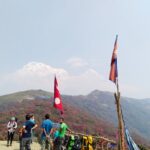
Once you start walking, Day 1 is your ramp-up. You’ll trek uphill through villages and then into forest trails, and you’ll likely stop at Ulleri for a break and photo time before continuing. The uphill is steady, and the last stretch to Ghorepani (around 2,874 m) is where you’ll feel the stairs and the altitude working together.
How to make Day 1 easier: plan on slow, consistent steps. If you go out too fast, the effort catches up later. You’ll finish the day in a teahouse in Ghorepani, which is exactly what you want on a short trek: you’re building fitness without turning it into a misery march.
You can also read our reviews of more tours and experiences in Pokhara.
Day 2 at Poon Hill: sunrise timing and why it’s the big draw
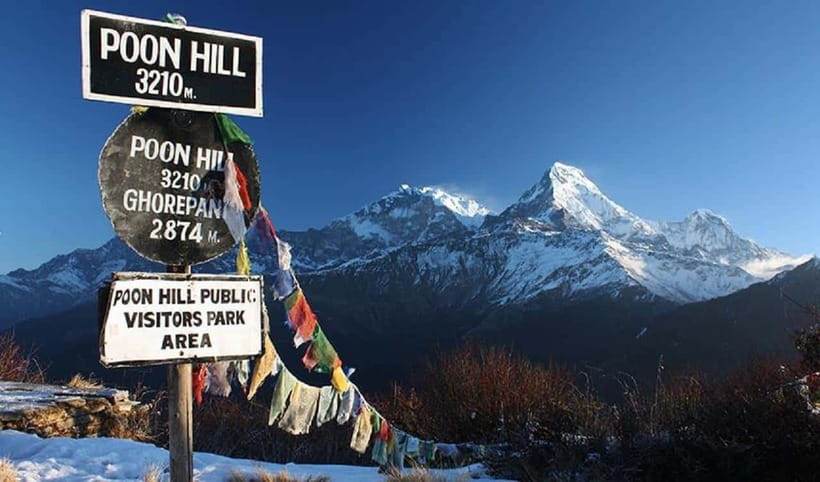
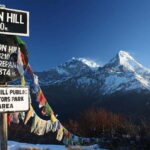
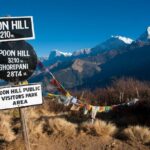
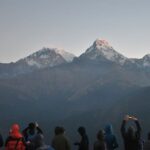
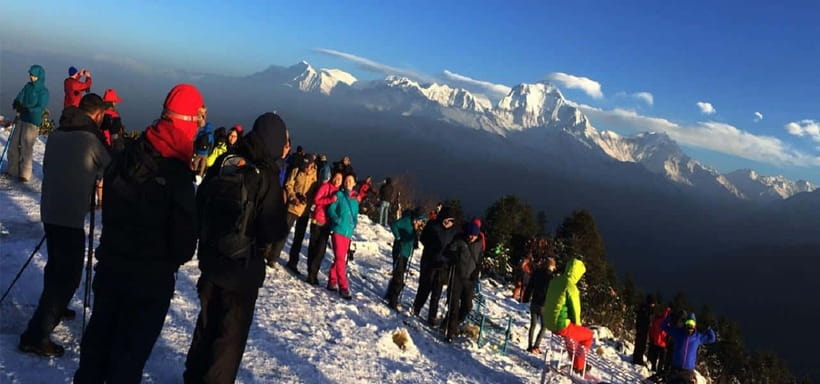
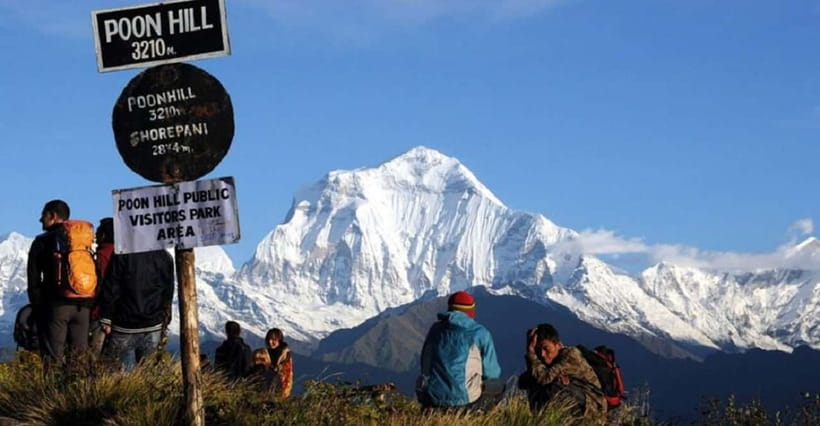
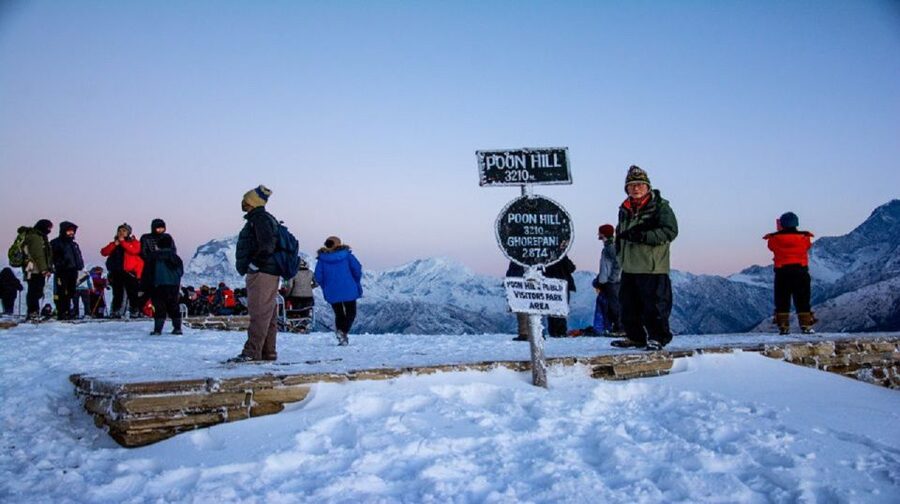
Day 2 starts earlier than you probably want—on purpose. You’ll hike up to Poon Hill (about 3,210 m) for sunrise, roughly 45–60 minutes of uphill walking from Ghorepani. Then you return for breakfast, and you keep trekking for another 5–6 hours afterward.
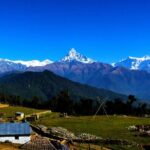
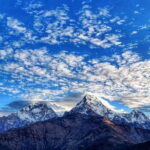
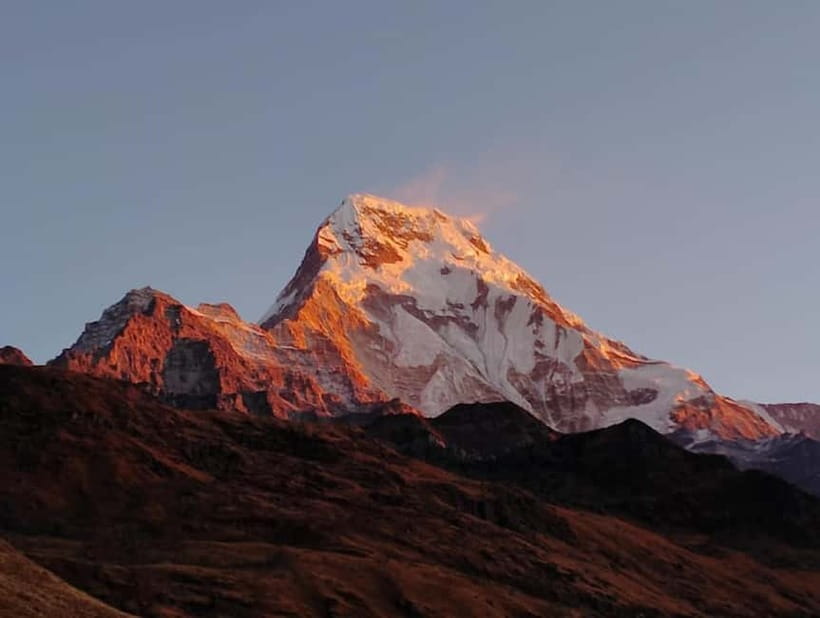
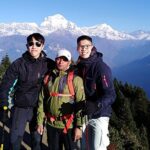
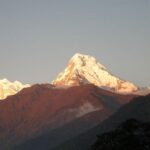
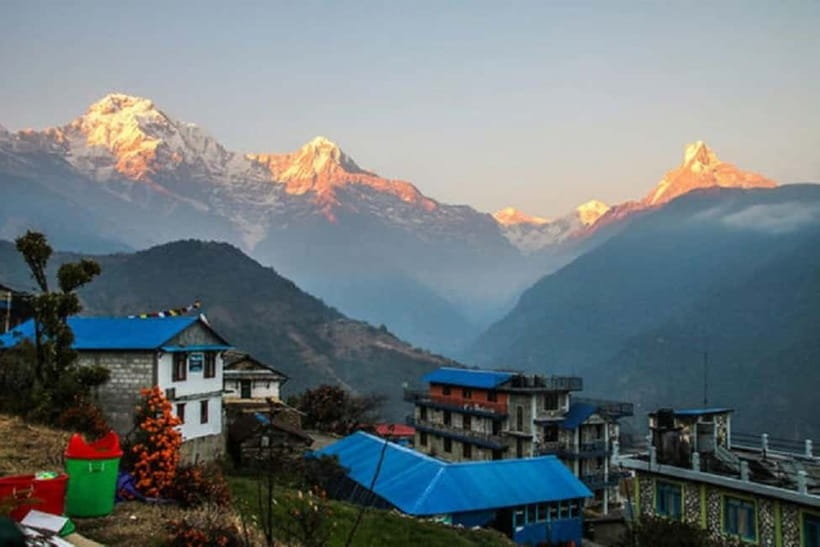
The payoff is the viewpoint: you’re up high enough to see a big panorama of Annapurna and Dhaulagiri, plus Machhapuchhre and other surrounding peaks when visibility is good. This is the classic reason people choose a short Ghorepani trek. Even with only a couple of nights, you still get that “Himalayas are real” moment.
Practical reality check: mornings at this altitude can be cold, and the trail can be a little slick before the sun warms things up. Bring a warm layer, keep your hat handy, and expect wind. The sunrise itself is worth it, but it’s the setup that makes or breaks your comfort.
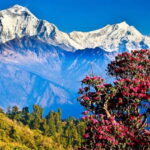
After sunrise and breakfast, your trek continues via forest and ridge trails toward Tadapani (about 2,630 m) or Ghandruk (about 1,940 m), depending on where you stay that night. This is also when rhododendron scenery can be at its best, since you’re moving through wooded sections rather than only open slopes.
Ghandruk village: Gurung culture plus mountain viewpoints
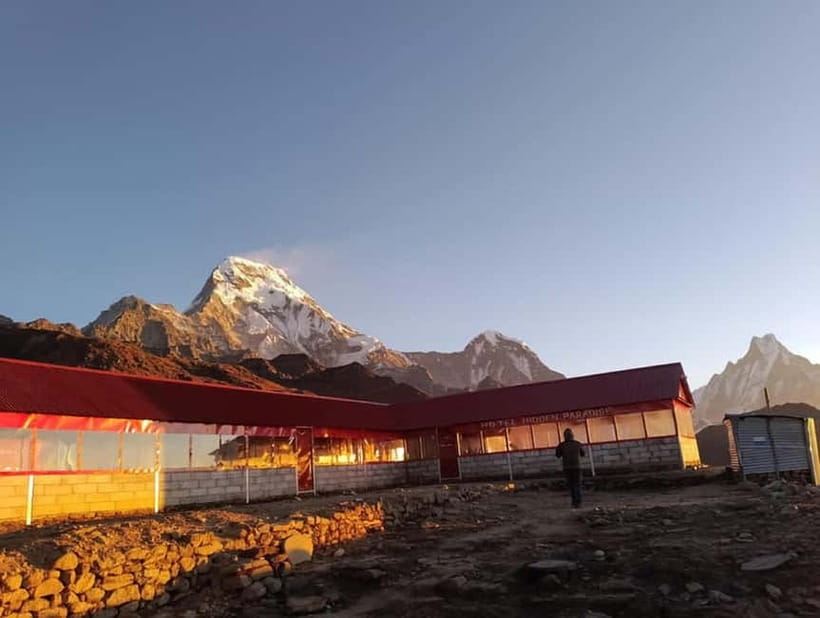
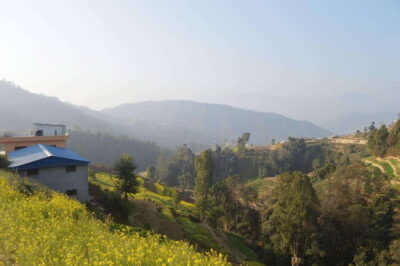
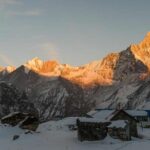
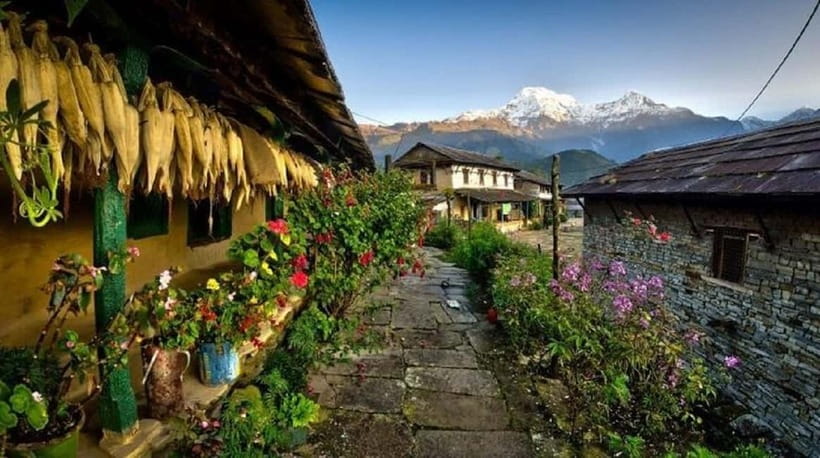
Ghandruk is where this trek changes pace from “climb and arrive” to “look around and absorb.” You’ll spend time exploring the village, with Gurung culture a core part of the experience. The views are part of the charm too—Ghandruk sits in a spot where the mountain scenery shows up in multiple directions.
On the final morning, you’ll have a lighter block of walking focused on village viewpoints and photos, around 2.5 hours of exploration time. Then it’s back to transport for the drive to Pokhara (about 3 hours).
Why Ghandruk matters on a short trek: a lot of “quick” mountain trips focus only on scenery. Here, you get human-scale moments—village life, traditional architecture, and a sense of place. It’s also a nice landing after two hiking-heavy days, because you can move slower and enjoy the atmosphere.
Tea houses, meals, and the real cost of being warm
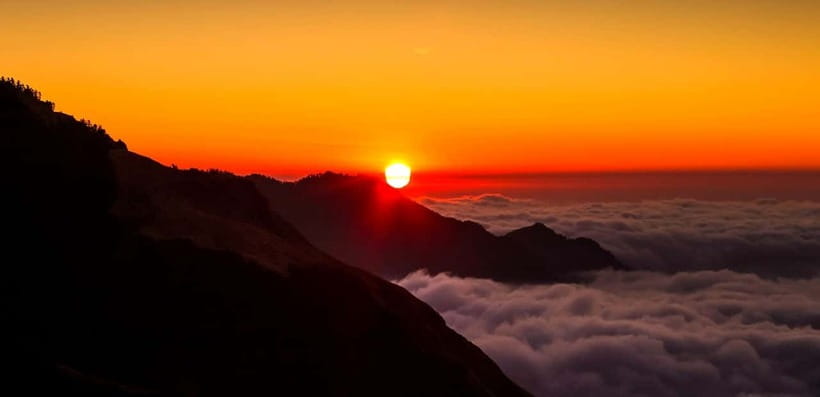
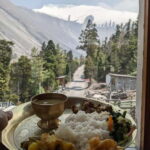
Staying in teahouses is a big part of why this works as a 3-day trek. You’re not just passing through; you’re sleeping in simple lodges with the warm hospitality people associate with the Annapurna trails. That matters on a short itinerary, because a good night of rest helps you keep moving the next day.
Your meals may be included depending on the option you select. Even so, you’ll usually still want cash for personal snacks and drinks. Plan for the fact that packaged meal plans can be expensive compared with ordering at the tea house directly. One booking example shared a meal-plan price of NR 40k for three days, with the person estimating tea-house ordering would come out closer to half that. That doesn’t mean every meal plan is overpriced, but it does mean you should check the total you’re agreeing to.
My practical advice: confirm whether your price includes meals for every day, then ask what’s covered. If the package meal cost feels high, you can often make smarter choices by paying at the tea house instead.
Guides and private groups: how names, explanations, and details change the walk
This is a private group trek with a certified guide. Your guide communicates in English, Hindi, and Nepali, which helps a lot on routes where the trail has many small turns and features. Since it’s private, you’re not stuck with a “march in line” vibe unless you want one.
Good guides also make the trail more than just exercise. In real-world examples from this trek, guides like Jeet, Anil, and Sanjay were praised for being friendly and for explaining what you’re seeing—like the names of Himalayan peaks in the distance and small discoveries on the trail. One standout set of observations included monkeys hiding in trees, vegetation at your feet, and even beehives built into rock walls.
You’ll get the most out of this if you treat your guide like a walking encyclopedia. Ask what you’re looking at during breaks. When you can attach names to peaks and features, the views feel more “yours” instead of just camera fodder.
Packing for cold mornings and step-heavy walking
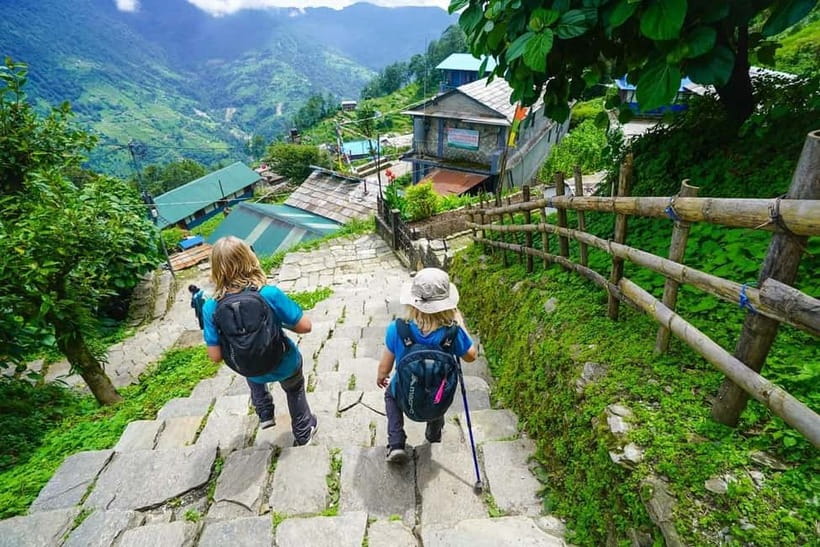
The tour provides some trekking support, including trekking sticks and sleeping bags as needed, plus a first aid kit and luggage storage in Pokhara for convenient safekeeping during the trek. That said, you still need your own clothing and footwear plan.
Bring:
- Passport or ID card (needed for permits)
- Comfortable shoes plus hiking shoes
- Jacket, hat, and change of clothes
- Camera
- Cash
- Hair tie
- Hiking pants
- Jacket/layers for cold periods
Temperatures can swing. The trek climbs to higher points like Poon Hill, so expect cold—especially early morning. If you’re unsure, pack an extra warm layer rather than relying on just one jacket. You can always tie off something bulky once the sun climbs.
One admin item that’s easy to miss: you’ll need to submit a copy of your passport at least one day before the trek so permits can be arranged.
Who this trek suits (and who should think twice)
This is built for people who want big Annapurna-region views in three days without technical hiking. Walking days are around 5–6 hours, with an added early push to Poon Hill on Day 2. You don’t need climbing gear, but you do need stamina for uphill and steps.
You’ll probably love it if:
- You want a short route with sunrise as the main goal
- You like village walking and culture as much as scenery
- You can handle cold mornings and longish walking blocks
You might want to pause before booking if you know you struggle with uphill walking or if you’re not comfortable with the physical demands described for this trek. The altitude and stair-stepping can be a factor, even though the route stays doable for many travelers.
Price and value: is $179 per person fair for three days?
At $179 per person for a 3-day guided trek, the value depends on how your option handles meals, plus what you personally want from a guide and logistics. What you are paying for includes important stuff: round-trip transport between your Pokhara hotel/airport area and the trek start, teahouse accommodation, meals depending on option, a certified guide, permits and fees, guide expenses, luggage storage in Pokhara, and basic trekking support like sticks/sleeping bags as needed.
What you’re not paying for:
- Travel insurance (and it’s required)
- Personal snacks and beverages
- Emergency rescue services
- A porter, if you decide you want one (listed as $20 per day if needed)
To decide if it’s a good deal for you, think in terms of stress reduction. This trek takes care of permits, route know-how, and daily logistics. If you’d otherwise be spending time figuring out transport and trekking paperwork, you’re paying for convenience as much as for walking.
If the meal plan option feels expensive to you, ask questions early. Based on the pricing experience mentioned earlier (NR 40k for three days for one bundled plan), you may be happier comparing included meal pricing versus ordering at the tea houses directly.
Should you book this Pokhara–Poon Hill–Ghandruk trek?
If your top goal is the classic short-trek hit—Poon Hill sunrise, rhododendron trail walking, and then time in Ghandruk—this is a strong fit. The guide-led format makes it easier, especially for first-time trekkers who want to understand what they’re seeing instead of just trudging uphill.
I’d book this if you’re comfortable with 5–6 hour walking days, you can handle cold early mornings, and you’re willing to budget a bit of cash for personal items and possibly meal flexibility. I’d hesitate only if uphill walking is a struggle for you, or if you hate the idea of planning layers and moving at a steady pace.
Overall: it’s a smart way to get real Annapurna scenery and culture without needing a long trek—especially when you have a guide who brings the mountains to life with clear explanations and attention to small trail details.
FAQ
FAQ
How high do you go on this trek?
You start around 1,540–2,050 m on the drive day, then reach Ghorepani at about 2,874 m. The main climb is to Poon Hill at about 3,210 m, and the route continues toward Tadapani (about 2,630 m) or Ghandruk (about 1,940 m).
How much walking is there each day?
Day 1 is about 5–6 hours of hiking. Day 2 includes the early hike to Poon Hill (about 45–60 minutes) plus another 5–6 hours after breakfast. Day 3 is lighter, with about 2.5 hours to explore Ghandruk before the drive back to Pokhara.
Are permits and fees included?
Yes. The trek includes required permits and fees.
What languages will the guide speak?
The live tour guide speaks English, Hindi, and Nepali.
Is travel insurance included?
No. Travel insurance is not included, and it’s listed as mandatory for your safety and peace of mind.
Do I need a porter?
A porter is not included. If you want one, the option provided is $20 per day.