REVIEW · SAPA
2D1N Buffalo trek by Hmong Sister House and Trekking
Book on Viator →Operated by Hmong Sister House and Trekking · Bookable on Viator
Buffalo life starts after your first hike. What makes this trek stand out is the mix of village walking and a real family stay, with time to reset at Zizi’s homestay (hot shower, breakfast, and luggage drop). I also love that you’re not just seeing Sapa from trails—you’re following Hmong routines through the day, led by a local English-speaking H’mong guide who can connect the scenery to daily life and stories.
The one consideration is that this is a trekking-style outing, so you’ll need moderate physical fitness, and the experience depends on good weather. If conditions turn rough, the plan may shift or be rescheduled.
In This Review
- Key highlights at a glance
- Why this buffalo-house trek feels different in Sapa
- Day 1: Hau Thao villages, forest trails, and Zizi’s homestay start
- The overnight stay: buffalo house life and family rhythms
- Day 2: sunrise start, rice fields, Red Dao village, and the waterfall finale
- Pace, fitness level, and what the trek asks of you
- What’s included in the $110 value (and what to plan for)
- Meeting point timing and how to avoid first-day stress
- Who this trek suits best (and who might want a different Sapa option)
- Should you book the 2D1N Buffalo trek?
- FAQ
- What’s the duration of the buffalo trek?
- Where does the trek start and end?
- Is pickup included?
- What does Day 1 include?
- What does Day 2 include?
- What language is the guide?
- What fitness level do I need?
- Is it a private tour?
- What if weather is bad?
- Is cancellation free?
Key highlights at a glance
- Pickup around 7am and a chance to leave luggage at Zizi’s homestay before you start hiking
- Hau Thao village and other ethnic villages, with animals living alongside daily routines
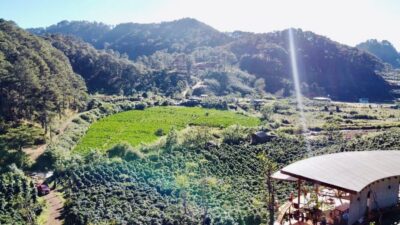
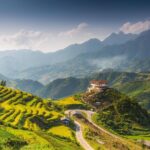
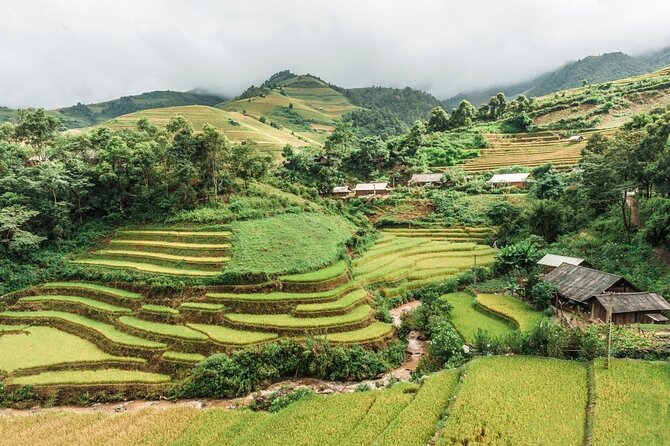
- Terraced rice paddies, forest paths, and mountain views that build step by step
- An overnight stay in an authentic family Hmong home, tied to a buffalo-house setting and family life
- A second-day downhill trek that includes an early look at rice fields and a Red Dao village stop, plus a waterfall
Why this buffalo-house trek feels different in Sapa
Sapa treks often promise views. This one adds something rarer: a window into how Hmong families actually move through their landscape and work with animals, rice, and time.
The route is built around people first, trails second. Day 1 heads from Hau Thao village through nearby communities, where you’ll see animals co-existing with residents and catch glimpses of traditional life in the mountainous area. Then you slow down for the night in an authentic family setting connected to the buffalo house, where Zizi’s mother lives.
On day 2, the rhythm flips. You wake early with sunrise, eat breakfast, and trek down through rice fields and into other villages, including a stop at a Red Dao village, before finishing with a waterfall viewpoint.
Day 1: Hau Thao villages, forest trails, and Zizi’s homestay start
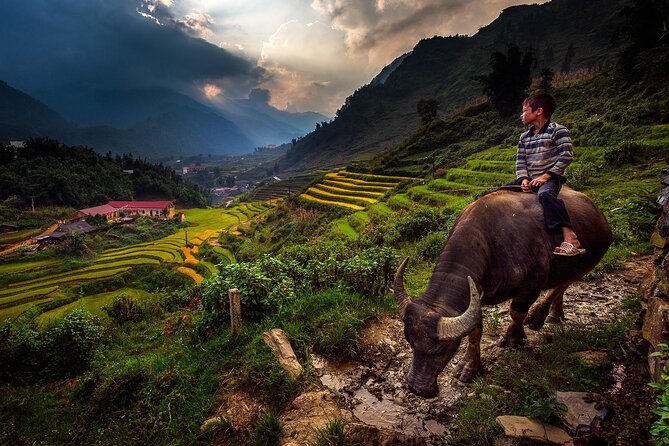
You begin with a practical morning. The car picks you up at the bus station around 7am and brings you to Zizi’s homestay, where you can drop your luggage. After that, you get the kind of start that makes treks feel human: a hot shower and breakfast cooked by Zizi.
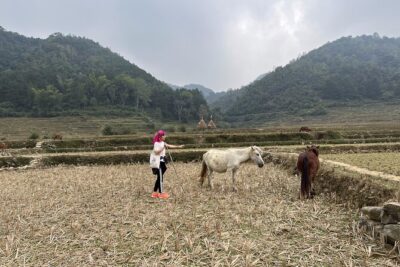
Once you have energy, you move into the mountain world. From Hau Thao village, the day focuses on exploring Hmong minority life across small villages. Expect day-to-day scenes rather than just photo stops—animals around homes, people working, and the sense that this is lived-in terrain, not an attraction set up for visitors.
Lunch is part of the day too, prepared by your guide. That matters more than it sounds. When food is planned and cooked for the trek, you’re less likely to end up hungry and cranky halfway through a long stretch—plus it supports the local setup you came for.
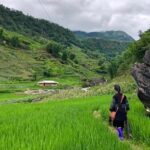
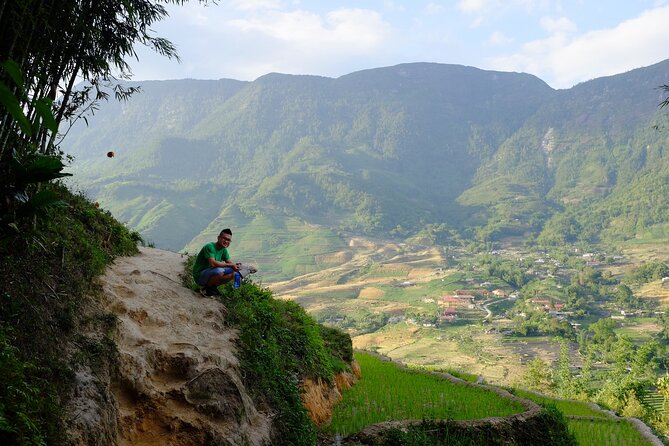
The walking itself follows the shape of Sapa: forest sections, then higher up paths that connect you to terraced rice paddies and mountain views. Even if you’re not chasing difficulty, Sapa terrain can feel steady but demanding. You’ll feel it most when the ground turns uneven and you’re switching between sun, shade, and cloud.
The overnight stay: buffalo house life and family rhythms
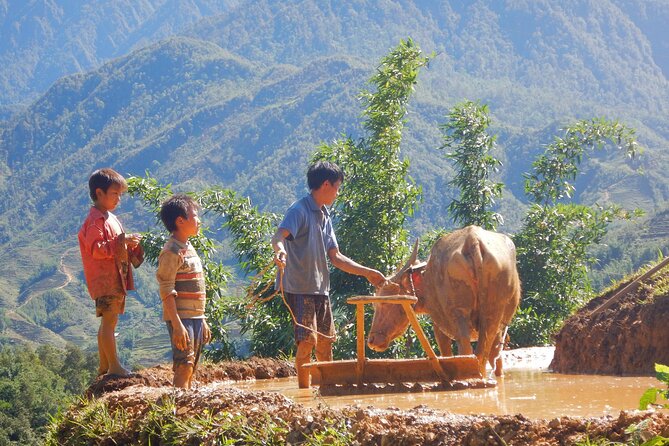
The second big reason to choose this trek is the night. Instead of a generic lodge stop, you stay in a family Hmong house. The experience is tied to the buffalo house setting where Zizi’s mother lives, so your evening connects more directly to the household routines behind the trek.
Why I like this approach: it keeps the trek grounded. You’re not just passing through villages like a visitor with a checklist. You’re sharing the same time window as the family—arriving before the evening calm, eating and resting, then starting day 2 early like locals often do.
You’ll also likely notice the difference between a hostel-like stay and a home setup. A homestay is usually quieter, with fewer people and fewer set activities. That can be a great thing if you like authenticity and don’t need constant entertainment.
One practical thing: this kind of overnight often means you should come ready to adjust expectations around comfort. The experience emphasizes real life over luxury. If you’re expecting hotel-level bedding and big-room service, you might be disappointed. If you want to slow down and absorb how families host, you’ll probably enjoy it more than any viewpoint.
Day 2: sunrise start, rice fields, Red Dao village, and the waterfall finale
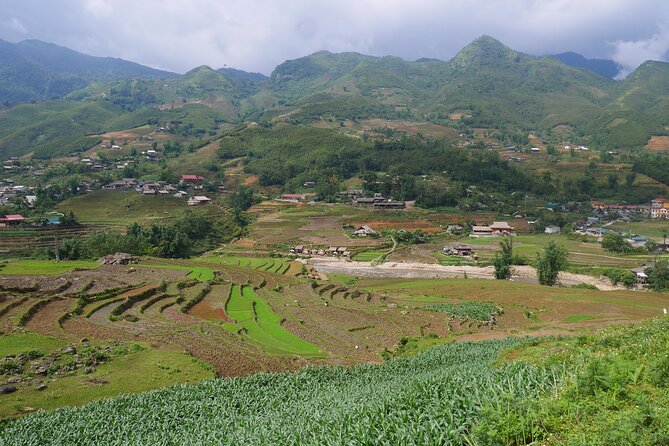
Day 2 begins gently. You wake up slowly with sunrise, then eat breakfast before heading out to say goodbye to the family. That early start is a big deal in Sapa: the light is better, the air can feel cooler, and the rice fields look alive rather than sleepy.
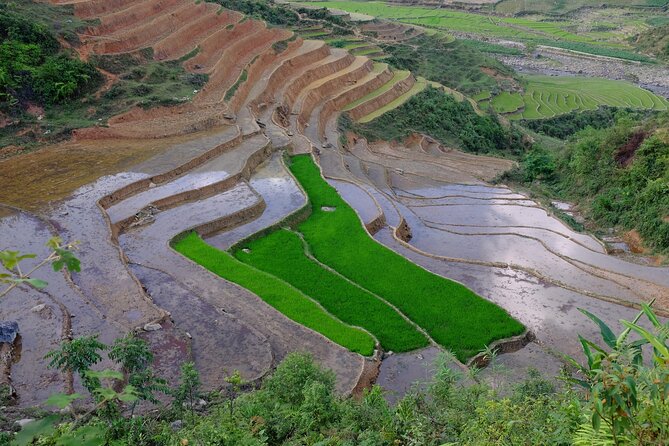
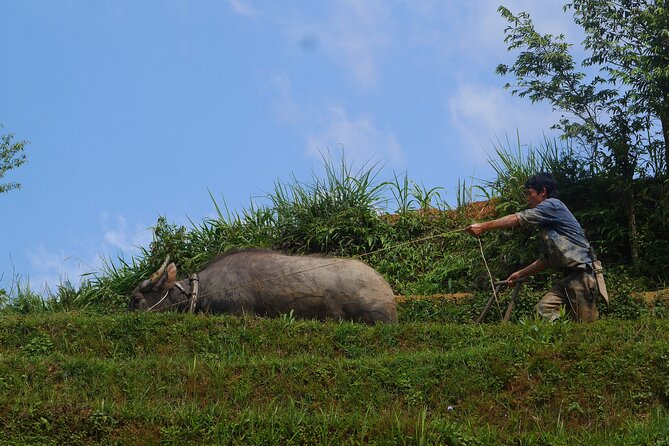
As you trek down, you’ll pass farmers working early on the rice fields. This is one of those moments where the scenery clicks into place. Terraces aren’t just scenery here—they’re part of how families feed themselves, and the work happens whether or not visitors are around.
You then reach a Red Dao village. The stop helps break up the downhill route with another community look, and it adds variety to the ethnic mix along the trek. You’ll keep moving from there toward new villages, plus a waterfall stop that acts like a satisfying payoff at the end of the hike.
The tone of day 2 is more downhill than day 1, so it often feels easier on the legs. Still, downhill can be tough on knees and ankles, especially on muddy or slippery sections. If you’ve got a bit of hiking experience, you’ll know how to pace it. If you don’t, take your time and use sturdy shoes.
Pace, fitness level, and what the trek asks of you
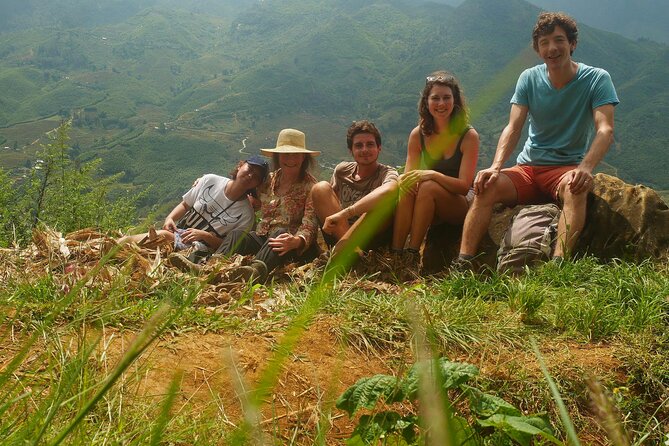
This is rated for travelers with moderate physical fitness. That usually means you’re walking multiple hours with mountain terrain and some elevation changes, but you’re not signing up for a hardcore mountaineering mission.
The itinerary format supports that. It’s a 2-day trek with a morning pickup, a first day that includes villages plus forest and high sections, an overnight homestay, and a day 2 that’s focused on sunrise, rice fields, another village stop, and the waterfall finish.
If you’re prone to getting sore in your calves or you dislike uneven footing, bring a little extra caution. Sapa trails can be slick depending on conditions, and even when weather is good, mountain paths are rarely flat. Trekking poles can help if you use them, but they’re not mentioned in the details, so think of them as optional based on your own habits.
What’s included in the $110 value (and what to plan for)
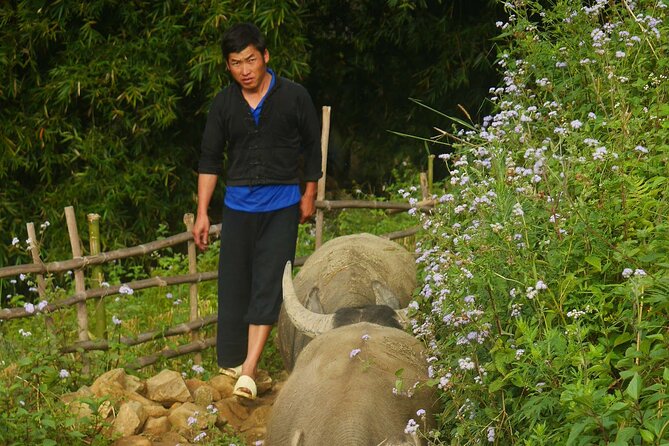
At $110 per person, the value comes from the mix of logistics and local support. You’re not just paying for guide time. You’re paying for transportation pickup, a homestay connection, meals during key parts of the trek, and guided village access.
Here’s what you can count on from the info provided:
- Pickup offered around 7am from the bus station and a ride to Zizi homestay
- Hot shower and breakfast cooked by Zizi at the start
- Lunch prepared by your guide on day 1
- Sunrise breakfast on day 2
- A local English-speaking H’mong guide throughout
- Private tour setup, meaning you only share the experience with your group
There’s also the buffalo-house element, which is harder to quantify in dollars but easy to feel. That’s the sort of experience that can’t be recreated by a standard day hike. You’re spending a night in a family setting tied to livestock care and household life.
What you should plan for: you’ll likely want some extra budget for personal snacks and drinks if you’re the kind of hiker who likes to top up between meals. The details clearly highlight breakfast and lunch, but they don’t promise a full meal plan beyond that.
Meeting point timing and how to avoid first-day stress
You start at Ta Van, Mường Hoa, Sa Pa, Lào Cai, Vietnam, and the tour ends back at the meeting point. That round-trip structure makes it easier to fit into your Sapa schedule.
The provider’s opening hours are listed as 6:00AM–2:00PM, which lines up with the early start. Also note the pickup happens around 7am, so don’t plan anything early that could make you late to the bus station connection.
One more planning angle: this trek is booked a lot in advance (on average 85 days). If you’re traveling in a busy season or want specific dates, lock it in earlier rather than later. You’ll avoid the stress of hunting last-minute availability.
You’ll also get a mobile ticket, which is handy if you’re already juggling multiple Sapa bookings on your phone.
Who this trek suits best (and who might want a different Sapa option)
This is a strong fit if you like:
- cultural walking where the goal is how people live, not just monuments
- an overnight in a family homestay instead of another hotel night
- moderate hiking and you’re comfortable with mountain footing
- a guide who can share stories and connect daily life to what you’re seeing
It may feel less ideal if:
- you want minimal hiking and mostly scenic viewpoints
- you need predictable, hotel-style comfort every step of the way
- you’re easily uncomfortable with uneven or slippery terrain
If you’re traveling as a couple or a small group, the private tour format is a nice bonus. It keeps things quieter and usually makes it easier to ask questions or pause when the path gets interesting.
Should you book the 2D1N Buffalo trek?
I’d book it if you want a Sapa trek with a human center. The buffalo-house homestay connection, the village walking through places like Hau Thao, and the sunrise rice-field feel on day 2 create a full 48-hour rhythm instead of a quick checkbox hike.
It also tends to work well for people who like authenticity over show. The best part isn’t just the mountain views—it’s the sense that you’re following real routines with a local English-speaking guide, including personal storytelling. A review also highlighted a guide named Li sharing childhood memories and how she and her community live now and in the past. That kind of connection is exactly what this trek is built to deliver.
If you’re short on time, hate early mornings, or aren’t comfortable with moderate trekking, you might prefer a gentler, shorter walk. But if you’re game for two days of real village life plus a meaningful homestay night, this one is good value for what you actually get.
FAQ
What’s the duration of the buffalo trek?
The experience runs for 2 days, approximately.
Where does the trek start and end?
It starts at the Hmong Sister House and Trekking meeting point in Ta Van, Mường Hoa, Sa Pa, Lào Cai, Vietnam, and ends back at the same meeting point.
Is pickup included?
Yes. Pickup is offered, with the car bringing you from the bus station around 7am to Zizi’s homestay.
What does Day 1 include?
Day 1 includes a stop at Zizi’s homestay for luggage drop, hot shower, and breakfast, then trekking from Hau Thao village through ethnic village areas, with lunch prepared by the guide.
What does Day 2 include?
Day 2 starts with sunrise and breakfast, then you trek downhill past farmers working in the rice fields, reach a Red Dao village, and continue toward new villages and a waterfall.
What language is the guide?
The tour includes a local English-speaking H’mong guide.
What fitness level do I need?
The trek is listed for travelers with moderate physical fitness.
Is it a private tour?
Yes. It’s a private tour/activity, and only your group participates.
What if weather is bad?
The experience requires good weather. If it’s canceled due to poor weather, you’ll be offered a different date or a full refund.
Is cancellation free?
You can cancel for a full refund up to 24 hours in advance of the experience start time.