REVIEW · SAPA
2 Days Fansipan Trekking
Book on Viator →Operated by Sapa Original Trek · Bookable on Viator
Fansipan is the Roof of Indochina, and it rewards effort fast. What makes this trek interesting is the full day-by-day rhythm from Sapa, plus culture woven in with a local Black H’Mong guide like Sing and a team that keeps the hike moving.
I especially liked the English-speaking guidance that turns trail time into real context, not just facts. I also love the practical wrap-up details: hot shower at the Sapa office before and after, plus sleeping gear for the camp night. Mr. Tinh-style patience showed up in how the guide paced and explained things on tough sections, which matters when you’re tired.
One consideration: this is a physically demanding climb in mountain air. If you’re not used to sustained uphill, go slow, layer up for cold and rain, and accept that summit timing can be weather-dependent.
In This Review
- Key things I’d bet on before you go
- Mount Fansipan: Two Days on the Roof of Indochina
- Price and what $136 really buys you
- Day 1: Tram Ton Pass to Fansipan, where the trail steadily climbs
- Tram Ton Pass: the warm-up that isn’t really a warm-up
- Fansipan summit approach: ridge walking after lunch
- The camp night: gear, food, and the relief of a hot shower
- What camp life feels like here
- Hot shower in Sapa’s office
- Day 2: sunrise option, then either trek down or take the cable car
- Sunrise timing option: why it’s worth considering
- Descent to Tram Ton Pass, then back to Sapa
- The guide and culture: Black H’Mong context that feels human
- Sustainable tourism support
- Food, safety, and the small comforts that matter more than you think
- Feeling safe on the mountain
- What you should bring (and what to prioritize)
- Who this trek is for, and who should think twice
- Should you book this 2-Day Fansipan Trek?
- FAQ
- What time does the trek start?
- How long is the Fansipan trek?
- Is this tour private?
- What’s included in the price?
- What is not included?
- Do I need strong fitness?
- Can I do sunrise at the summit?
- Is free cancellation available?
Key things I’d bet on before you go
- Black H’Mong cultural insight with a local guide on the trail, not off in a classroom
- Real camp comfort basics: sleeping bag and mattress plus dinner and breakfast included
- Hot shower before and after at the Sapa office, a rare treat on a trek
- Flexible summit approach with an option for sunrise timing from the camp area
- Solid meal support with bottled water provided (1.5 liters per person per day)
- Transport + entrance fees + certificate bundled in, so you’re not chasing add-ons
Mount Fansipan: Two Days on the Roof of Indochina
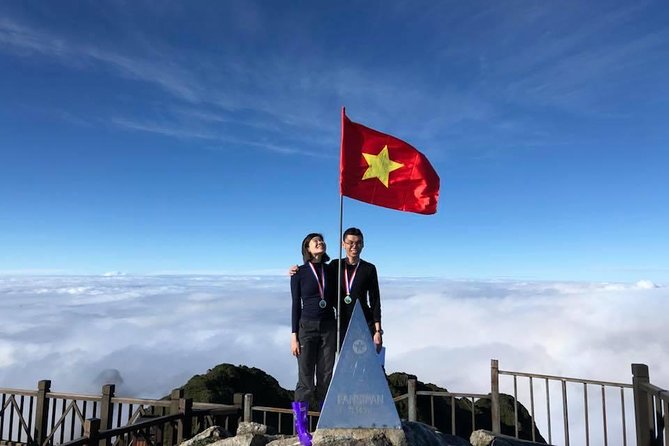
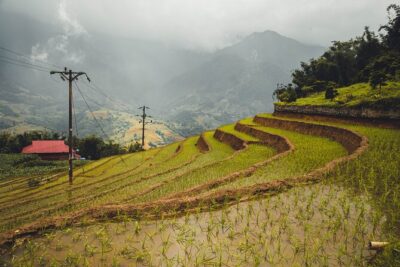
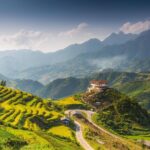
Mount Fansipan is Vietnam’s mountain bragging right, and it’s earned. It’s the highest peak on the Indochina peninsula, so on clear days you get serious views over northern Vietnam and toward southern China. Even on cloudier days, the payoff is still there. You feel the altitude, the weather shifts, and the trail changes texture from bamboo and pine forests to open ridge walking.
This trek is built for people who want the experience without turning it into a multi-day logistics puzzle. You start from Sapa, trek hard for day 1, sleep at base camp, then either push for sunrise or focus on getting down safely and comfortably on day 2.
Price and what $136 really buys you
At $136 per person for two days, this is not a “cheap badge” kind of tour. It’s closer to a bundled hike-with-support package. Here’s what you’re actually paying for, and why it can feel like good value.
You get an English-speaking guide, entrance fees, transport to and from the trail areas, camping basics (sleeping bag and mattress), and meals (two lunches, one dinner, one breakfast). You also get 1.5 liters of water per person per day, which you’ll appreciate when the weather turns.
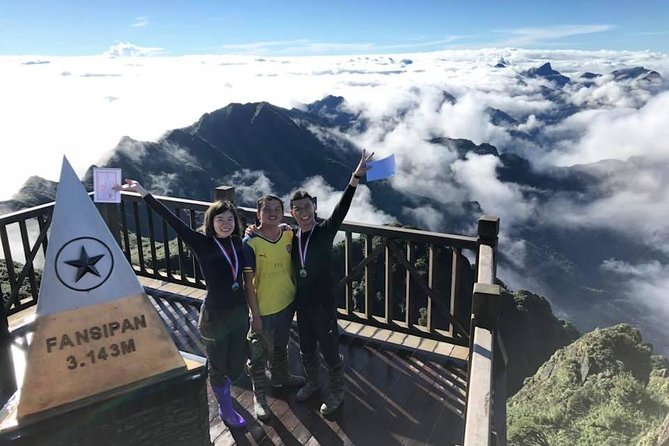
On top of that, the tour includes a medal and certificate. That’s not life-changing, but it’s a nice way to mark a trek that can feel bigger than “just a hike” once you’re on the mountain.
What’s not included is also clear: tips, personal expenses, any extra insurance, and cable car tickets if you choose that option for descent. If you’re the type who likes to travel light, this pricing structure works well because the expensive items are already handled.
Day 1: Tram Ton Pass to Fansipan, where the trail steadily climbs
You start around 8:30 am in Sapa and then ride up toward the Tram Ton area. If you’re traveling as a single person, the guide may ride a scooter and you follow behind. Either way, the point is the same: you spend more energy on the climb, not on figuring out transfers.
Tram Ton Pass: the warm-up that isn’t really a warm-up
The trek begins at Tram Ton Pass and runs about 10 km with 5–6 hours of hiking and roughly 1,200 meters of elevation gain. This is where your pace matters. If you go too fast, your legs may be fine, but your breathing won’t be.
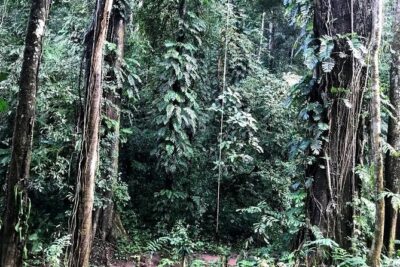
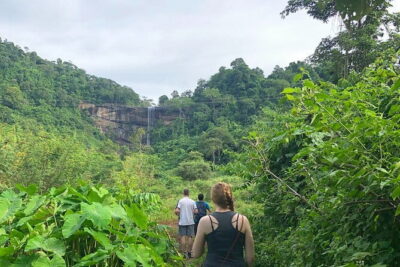
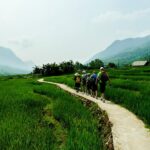
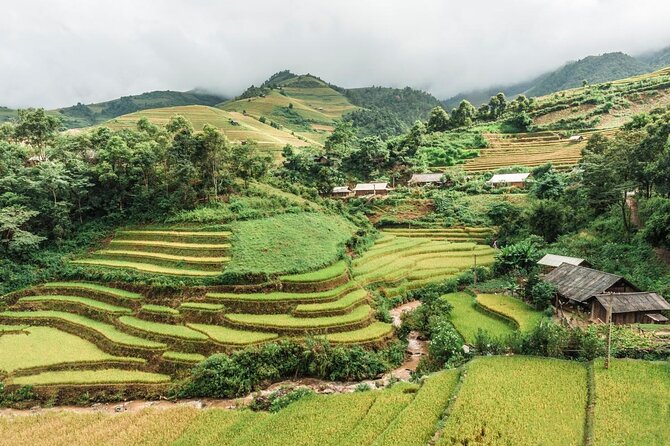
The trail moves through pine, bamboo, and along streams. That variety helps. You’re not stuck staring at one kind of view for hours. It also breaks the mental grind because the surroundings keep changing.
Fansipan summit approach: ridge walking after lunch
After a picnic lunch, you keep going on a ridge toward the top. This is the stretch that tests your focus. Expect about 5 hours of hiking during the day’s summit push.
This is also where your guide’s role becomes practical. A good guide helps you keep consistent effort and gives you small reminders about what’s coming next. That kind of pacing is where experiences like those guided by Mr. Tinh tend to make the difference: staying patient, reading how you’re doing, and sharing extra knowledge about what you’re passing through.
Drawback to plan around: bad weather changes everything on a mountain. Even with careful scheduling, rain and cloud cover can affect how you feel on the ridge and how closely sunrise timing works later.
The camp night: gear, food, and the relief of a hot shower
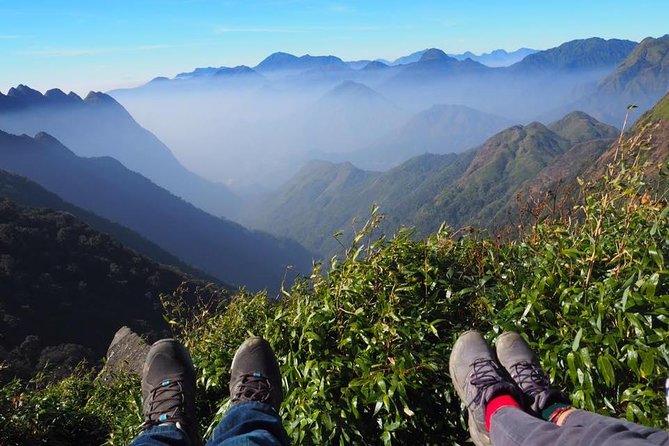
The tour includes one night at base camp, and it’s not an adventure-only-from-a-campfire fantasy. You’re set up with a sleeping bag and mattress, plus dinner and breakfast.
That base camp stop is important for two reasons. First, it breaks the effort into two days, which makes the summit option more realistic than doing it as a single push. Second, it gives you time to recover before the early start on day 2.
What camp life feels like here
You’ll be sleeping in a camping setup, and the mountain temperature can drop. One of the clearest takeaways from hikers is simple: bring warm layers and dress in layers. Rain gear can also matter because weather on Fansipan can change fast.
Hot shower in Sapa’s office
This part is genuinely useful. You get hot shower access at the office in Sapa before and after the trek. That means you’re not just “surviving” your way back into civilization. You can rinse off, rest, and reset.
If you’re the type who worries about hygiene or the downtime after a long hike, this detail alone can tip the scale toward booking.
Day 2: sunrise option, then either trek down or take the cable car
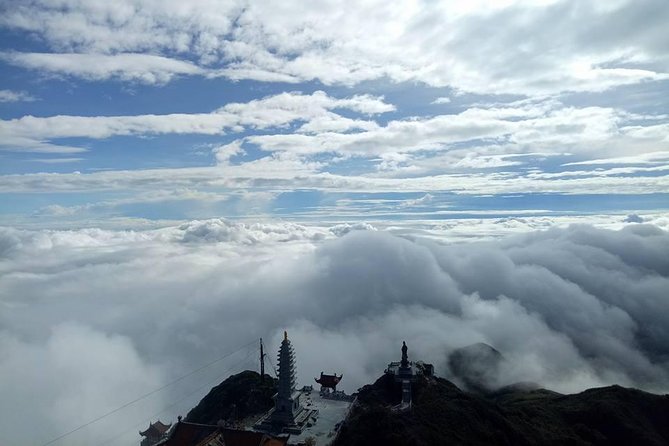
Day 2 starts with a breakfast at 4:00 or 6:00 am, depending on your plan and timing. Then you continue the trek for the next leg.
You’ll hike about 14 km over 6–7 hours, with roughly 300–400 meters uphill and 1,100–1,200 meters downhill. Translation: expect a longer leg and sore knees. This is the part where good footwear and a steady downhill pace matter more than your speed.
Sunrise timing option: why it’s worth considering
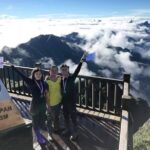
The tour includes an option to reach the summit for sunrise. If conditions allow, sunrise can be one of those moments that makes all the earlier effort feel worth it.
But don’t treat it like a guarantee. Wind, cloud, and rain can change the plan. If you’re flexible and you focus on the experience rather than a photo-perfect timetable, sunrise can be a bonus instead of a pressure point.
Descent to Tram Ton Pass, then back to Sapa
Later, you trek down to Tram Ton Pass. The tour timing suggests about 6 hours for the descent portion, with arrival back around 13:00 in Sapa.
You also have an option: instead of trekking the whole descent, you can take the cable car by yourself to a station near Sapa town, where transport is waiting. Cable car tickets are not included, so you’ll pay that separately if you choose it.
Practical note: cable car can be a smart choice if you’re feeling knee fatigue or if the weather is rough. If you still feel strong and your feet handle downhill well, trekking down is part of the full mountain experience.
The guide and culture: Black H’Mong context that feels human
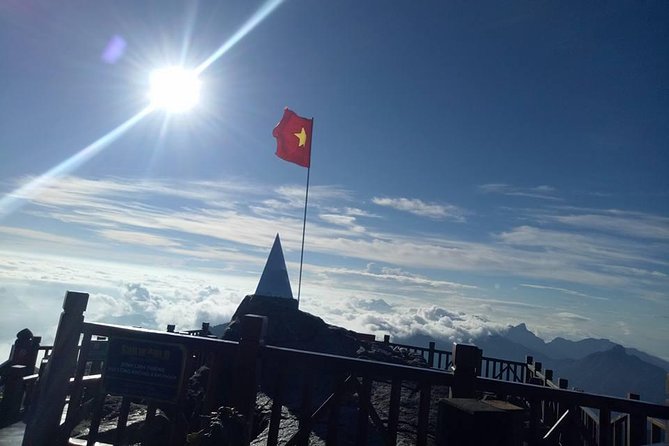
This trek is not just about getting a summit. The tour focuses on cultural insight with a local Black H’Mong guide. That matters because the region’s mountain life isn’t abstract. It’s connected to daily work, traditions, and how people move through the same terrain year after year.
The best part is how the culture shows up while you walk. Guides can point out what’s practical about living here and how communities relate to the mountains. In real experiences, guides like Sing and Mr. Tinh have been praised for being patient, engaging, and willing to share extra knowledge without making the hike feel like a lecture.
Sustainable tourism support
The tour also frames itself around sustainable tourism initiatives that support the local community. In plain terms, it means your payment is more likely to stay tied to local people and efforts, rather than disappearing into a distant corporate setup.
Even if you don’t obsess over the word sustainable, you’ll still feel it in the way the tour is structured around local guides and community-linked operations.
Food, safety, and the small comforts that matter more than you think
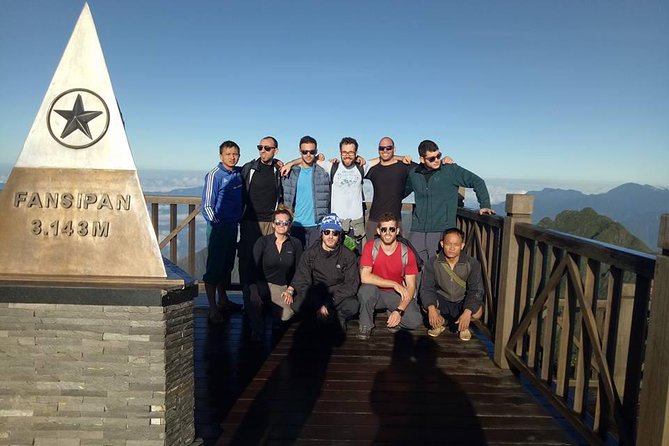
You get two lunches, one dinner, and one breakfast, plus 1.5 liters of water per person per day. On a mountain, this is not a small detail. It keeps energy stable and reduces decision fatigue.
In particular, hikers have highlighted that the food prepared by the guide team can be genuinely impressive. That sounds minor until you’re hungry and damp and trying to decide what’s worth eating. Here, you don’t have to think much.
Feeling safe on the mountain
Safety on a trek is mostly about organization: the guide stays with you, transport is handled, and you have hot shower access back in Sapa. Also, the group setup is private for your group, so you’re not stuck in a chaotic mix of strangers moving at incompatible speeds.
If you’re hiking solo, having clear handoffs (meeting time, transport timing, and after-hike shower) can make the whole day feel easier to manage.
What you should bring (and what to prioritize)
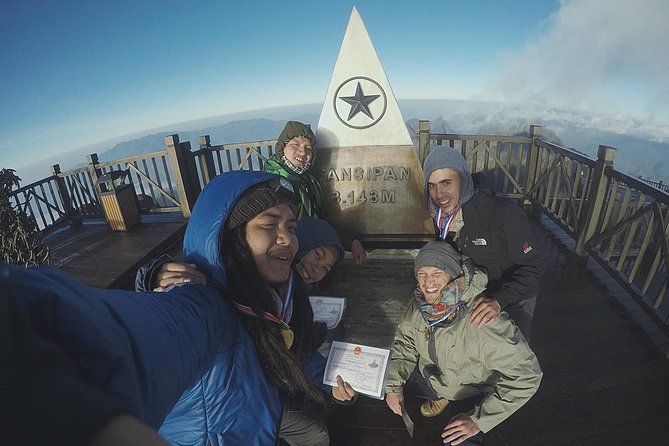
You should show up with strong fitness. The tour openly expects that, because the hiking time is substantial across both days. But even fit hikers can suffer if they’re underprepared, especially in rain and cold.
Here’s the practical checklist based on what matters on Fansipan trekking:
- Warm layers and a rain layer for sudden weather shifts
- Good shoes with grip for slippery downhill sections
- A mindset that says slow is smart, especially on elevation gain
- Optional snacks if you know you get low-energy during long stretches (the tour includes meals, but you may still want backup)
And remember: breathable pace beats big hero steps. If the air feels thin, you’ll still move forward. You just do it slower.
Who this trek is for, and who should think twice
This is best for you if:
- You like hiking with a clear structure and support
- You want culture plus mountain views, not one or the other
- You appreciate a tour that handles the “hard parts” like transport, gear basics, and meals
- You’re okay with early mornings and long walking days
You might think twice if:
- You’re looking for an easy nature walk. This has real elevation gain and a long downhill on day 2.
- You hate cold or wet conditions. You can mitigate it with layers, but weather is still weather.
- You’re sensitive about summit timing. Sunrise is an option, not a guarantee.
Should you book this 2-Day Fansipan Trek?
I’d recommend booking if you want an organized, supportive Fansipan experience with real cultural context and comfort touches that many treks skip. The biggest wins for me are the English-speaking guidance, the local Black H’Mong connection, and the fact you end with a hot shower in Sapa rather than just rolling back into travel chaos.
If you’re fit, bring warm layers, and pace yourself, this is the kind of trip that gives you more than a summit photo. It gives you a full two-day rhythm: climb, camp, food, early-morning decision-making, then a satisfying descent back into Sapa.
FAQ
What time does the trek start?
The start time is 8:30 am, with pickup/meeting in Sapa. The activity ends back at the meeting point.
How long is the Fansipan trek?
It’s 2 days (approx.), with a full hiking schedule across both days plus one night at base camp.
Is this tour private?
Yes. This is described as a private tour/activity, and only your group participates.
What’s included in the price?
Included items are breakfast and dinner, two lunches and one breakfast, 1.5 liters of water per person per day, an English-speaking guide, transport, camping (sleeping bag and mattress), entrance fees, insurance, and a medal and certificate. Hot shower access in the Sapa office is also included.
What is not included?
Tips, insurance (if you buy extra beyond what’s included), personal expenses, and cable car tickets (if you choose the cable car option for descent) are not included.
Do I need strong fitness?
Yes. The tour notes that travelers should have a strong physical fitness level.
Can I do sunrise at the summit?
There is an option to reach the summit for sunrise. Breakfast is scheduled early (around 4:00 or 6:00 am) depending on the plan.
Is free cancellation available?
Yes. You can cancel for a full refund up to 24 hours before the experience’s start time.