REVIEW · HANOI
Hanoi- SaPa: 3-Day Homestay Trek to Explore Ethnic cultures
Book on GetYourGuide →Operated by Vietnam Nomadtrails · Bookable on GetYourGuide
Rice terraces start fast, but the people linger longer. This 3-day trek from Hanoi to Sapa mixes mountain walking with real time in two homestays, plus chances to meet ethnic minority communities and learn customs firsthand. I like that it’s small-group (up to 14), so your guide can actually pace the trip for your comfort and questions.
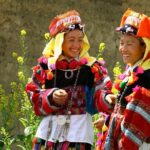
I especially like the mix of cultures you visit: Hmong villages around Lao Chai, Giay life in Ta Van, then Red Dzao families near bamboo forest paths, a rattan bridge, and Nam Tong. I also love that food is included on a full schedule—breakfast, lunch, and dinner—so you’re not constantly figuring out logistics in the hills.
One consideration: you’re hit with an overnight bus and cold mornings. If you’re sensitive to cramped, dirty-feeling transport or winter weather (Oct–Mar is chilly in Sapa), plan for that and pack for rain, mud, and layers.
In This Review
- Key things to know before you go
- Overnight transfer from Hanoi to Sapa: the trip begins before morning
- Day 1: from Lao Chai (Hmong) through Y Linh Ho to Ta Van (Giay)
- Day 2: bamboo forest, Red Dzao rattan bridge, and the downhill to Ban Ho
- Day 3: Ban Ho sunrise and Nam Tong with the Red Dzao
- Food and homestay rhythm: included meals plus real sharing
- Your guide matters: English support and real flexibility
- Price and value: what $139 gets you in Sapa trekking time
- What to pack for Sa Pa weather, trail mud, and bugs
- Who this trek suits best (and who should skip it)
- Should you book this Hanoi to Sapa homestay trek?
- FAQ
- What is the duration of the Hanoi to Sapa homestay trek?
- How much does the trek cost?
- Where do you meet for pickup?
- What time is pickup in Hanoi and when do you arrive in Sapa?
- Are homestay nights included?
- What meals are included?
- Is an English guide provided?
- What should I bring for trekking?
- When should I pack warm clothing?
- Is this tour suitable for children or limited mobility?
Key things to know before you go
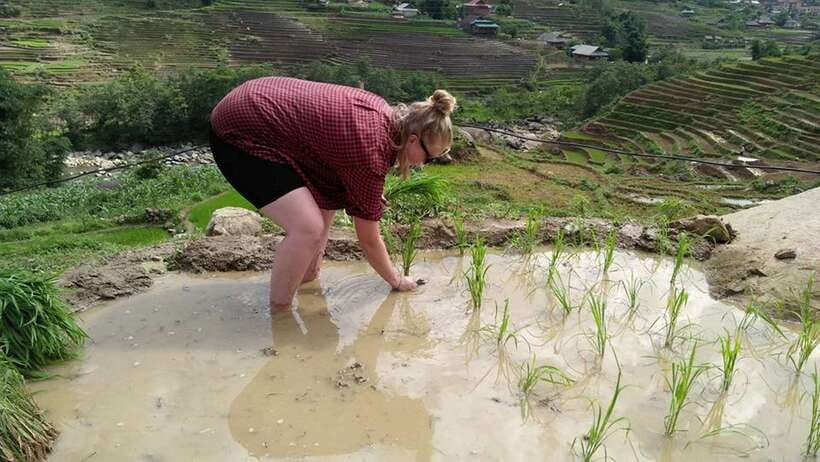
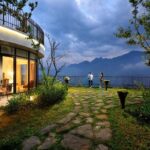
- Two homestay nights in Ta Van and Ban Ho (you sleep with local families, not just a lodge stop)
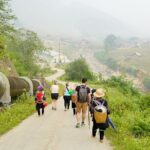
- Small group size up to 14 helps the pace feel human and makes it easier to ask questions
- Guide-led cultural time: you’ll visit family spaces and learn village traditions as you walk
- Walking days with “weather makes it or breaks it” views—day 1 can be cold and foggy if conditions are bad
- Meals are handled for you (3 breakfasts, 3 lunches, 2 dinners; mineral water included)
Overnight transfer from Hanoi to Sapa: the trip begins before morning
Most Sapa trips start when you arrive. This one starts earlier—at your hotel pickup in Hanoi Old Quarter around 20:45. You get free time in the Old Quarter first, then the bus takes over so you can sleep partway and save daylight for hiking.
You’ll arrive in Sapa around 4:00 AM the next morning. The plan is to sleep on the bus until about 6:00 AM, then you’re woken up and taken to a boutique hotel for breakfast. Practically speaking, this means you’ll feel like you’re doing a lot on day 1—even if the day starts with an early meal and regrouping.
A common trip-killer on any overnight ride is comfort. Some people report the sleeping bus can feel dirty and uncomfortable, and it’s not the kind of ride where you wake up refreshed. If you’re planning to take photos at sunrise-ready energy, bring a small kit: earplugs, a dry layer, and something warm for your neck and hands.
You can also read our reviews of more tours and experiences in Hanoi.
Day 1: from Lao Chai (Hmong) through Y Linh Ho to Ta Van (Giay)
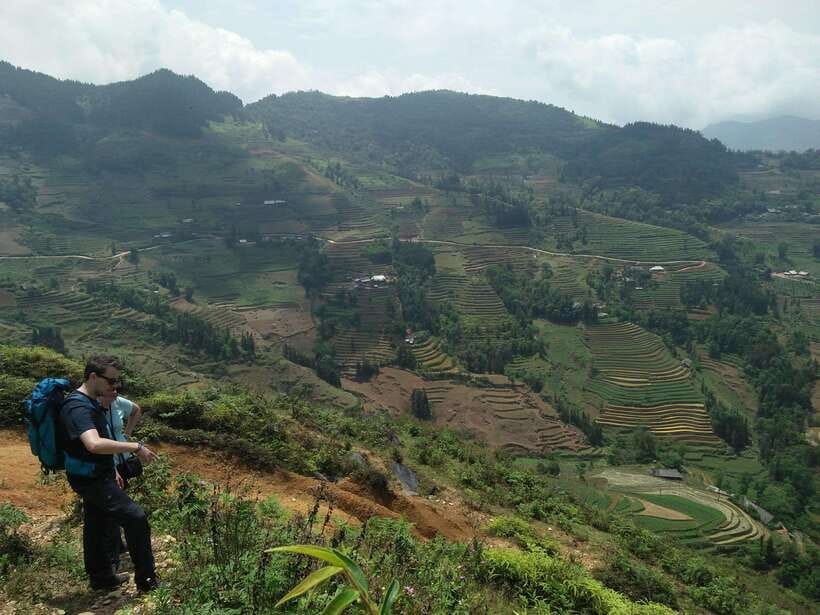
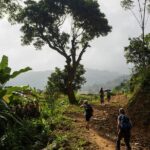
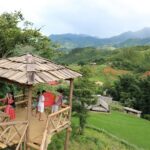
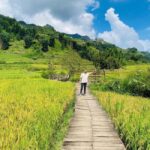
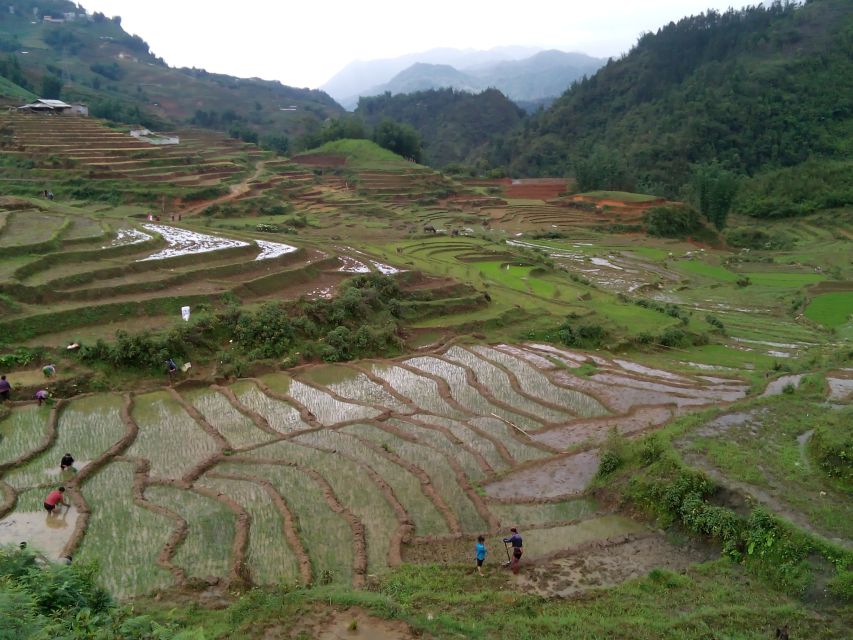
After breakfast and a group meet-up, your guide collects you around 9:00 AM. Then you start trekking from the Lao Cai area toward Y Linh Ho and into Lao Chai, an area inhabited by the Hmong. This is the first day where you start seeing why Sapa is famous: stepped hills, rice fields, and paths that feel like they were made for walking slow.
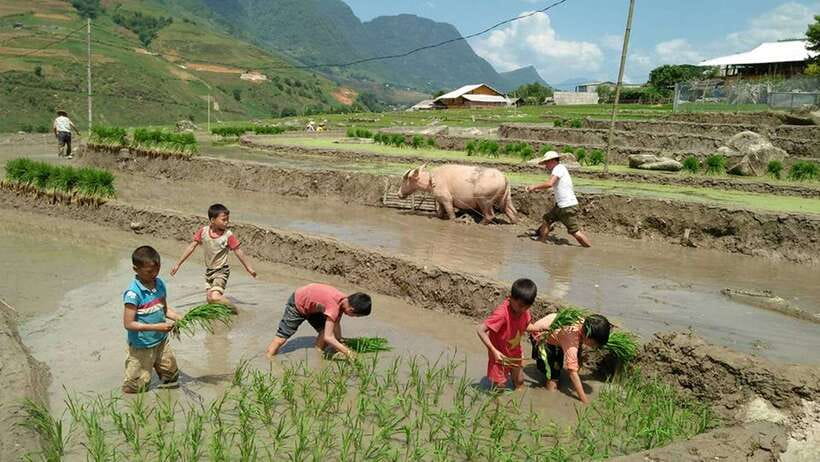
One of the strongest parts of this day is lunch. You eat in a local family setting in Lao Chai, which keeps the meal from feeling like a roadside stop. It also gives you a quick lesson in how daily life ties to the land—what grows, when people work, and how the rhythm of farming shows up in village schedules.
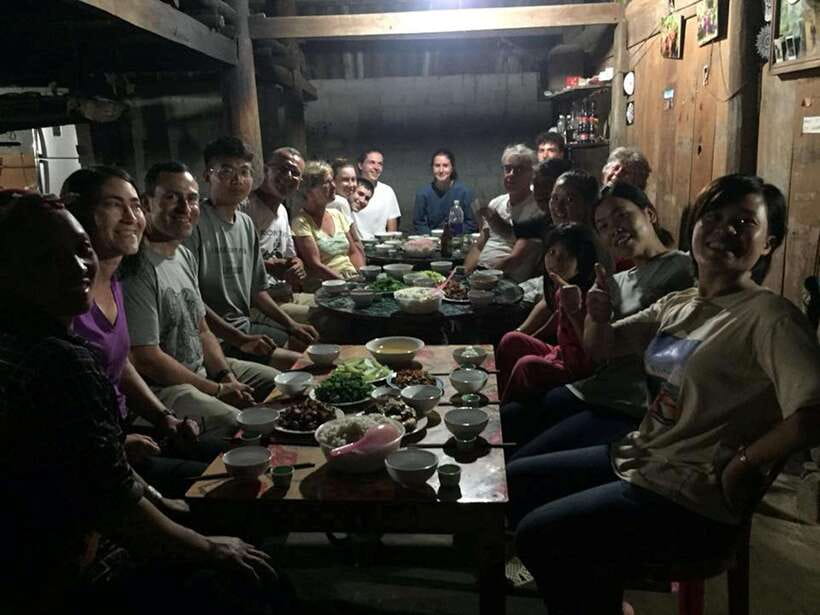
After lunch, you continue trekking toward Ta Van, where the Giay people live. You’ll stay overnight in a Ta Van homestay, and this is where the trip starts to feel more personal. In practice, homestays are where you’ll ask the most questions—about clothing, work, family routines, and what visitors should do (and not do) in the community.
If weather is rough, day 1 can be frustrating for views. Some experiences describe cold, wet conditions and limited visibility, so keep expectations flexible. Still, the cultural side holds up even when the scenery is hidden by fog—because you’re not only hiking for photos.
Day 2: bamboo forest, Red Dzao rattan bridge, and the downhill to Ban Ho
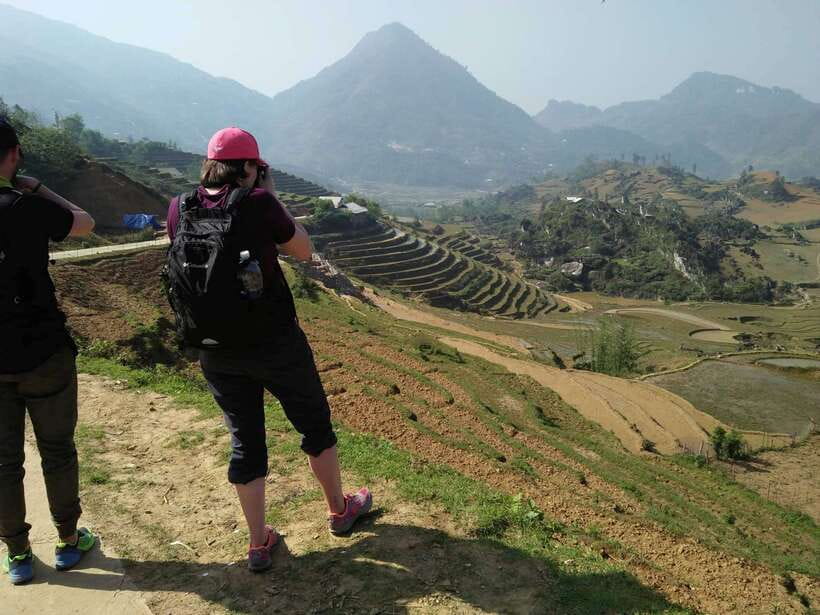
You’ll start day 2 with local breakfast in the homestay area, then leave Ta Van by trekking through a bamboo forest. This is a nice change of pace from open valley walking. Bamboo can make the air feel cooler and the trail feel more shaded—so your effort feels different even if the distance is similar.
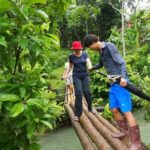
Next comes Giang Ta Chai, home to the Red Dzao. You’ll visit a rattan bridge and a Dzao family home. These stops matter because they’re not just photo points. They give you a sense of how families adapt their materials and daily movement to the terrain—how people cross gaps, how paths connect houses, and how tradition stays practical.
Lunch is described as happening on the footpath. That can be a bonus for people who like to keep moving, but it also means you’ll want to be comfortable eating while standing and adjusting your layer for wind. Bring a small snack or two if you’re the type who gets hungry fast, because the included meals are scheduled, not continuous.
Then you continue trekking to Ban Ho. You’ll get free time to relax and stroll in the village, and you’ll have dinner and another homestay night. That free-time block is genuinely useful. It’s where you stop feeling like you’re passing through and start feeling like you’re part of the evening routine for a bit.
Day 3: Ban Ho sunrise and Nam Tong with the Red Dzao
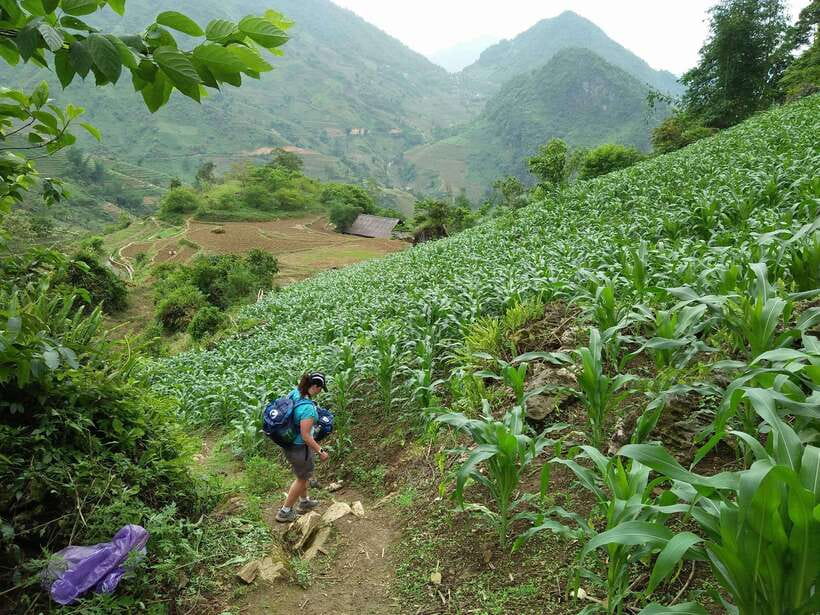
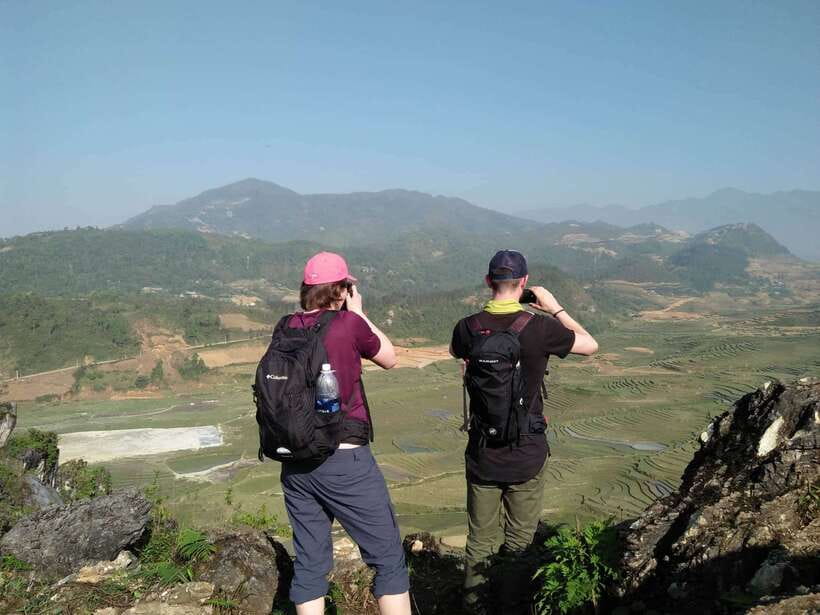
Day 3 starts with one of the more memorable moments: sunrise in Ban Ho valley. Even if you’re not a sunrise die-hard, it’s worth it because the morning light changes how the rice terraces and ridgelines look. It also feels different from the daytime trek—quieter trails, less rush, more time to look.
After breakfast, the trek becomes a shorter route to Nam Tong village, also inhabited by the Red Dzao. You’ll learn more about their culture and traditions during the visit. This is the final cultural stop, and it’s typically where questions come faster because by now you’ve already seen the patterns of village life across two communities.
Afterward you return to Ban Ho. A van picks you up for the ride back to Sapa and then you’ll take the bus back to Hanoi at 4:00 PM. You reach Hanoi around 10:00 PM, so it’s a full travel day at the end—plan for an easy evening when you arrive.
Food and homestay rhythm: included meals plus real sharing
The tour includes 3 breakfasts, 3 lunches, 2 dinners, plus mineral water. In a trek like this, that’s a big deal. You’re not constantly negotiating for food prices, and you won’t lose hiking time searching for the next meal.
Homestay dinners are usually where the cultural exchange feels strongest. Some experiences describe hosts inviting guests into kitchen spaces and even including them in meal preparation. Even when language is limited, you can still connect through food—shared tastes, shared routines, and the way families explain what you’re eating.
Portions tend to be generous. Some people also mention rice wine being available during the homestay experience, typically for a price. If you don’t drink, that’s totally fine, but it’s helpful to know so you’re not surprised by what’s offered.
One practical note: mineral water is included, but extra beverages aren’t. So if you tend to sip frequently while walking, or you’re sensitive to heat and cold swings, plan to buy water and other drinks as needed.

Your guide matters: English support and real flexibility
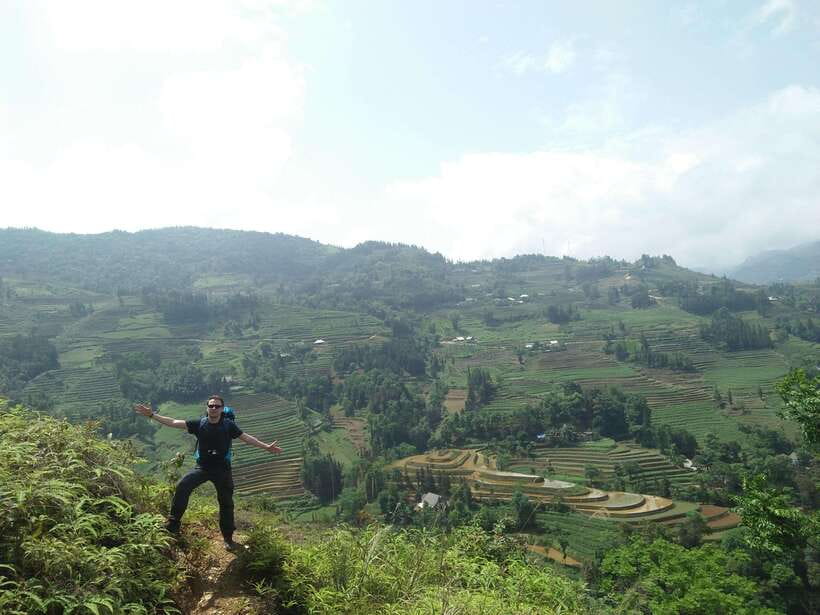
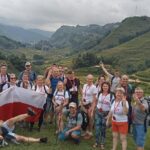
This trip runs with an English live tour guide, and the group size stays small (up to 14). The guide role goes beyond translating words. It’s about pacing, route decisions, and keeping the group safe and comfortable when weather changes quickly in the mountains.
Two guide names came up in experiences: Su and Sang. Both sound like they focused on being attentive rather than sticking rigidly to a script. One account describes the guide adapting the route toward more nature when plans shifted, and another highlights a flexible approach when someone wasn’t feeling well.
In real terms, that flexibility is what you want on a trek. Sapa weather can turn fast—fog, rain, and cold can change what’s visible and what feels safe. A good guide helps you make those calls without turning the day into stress.
Also, because you’ll be visiting multiple villages, expect cultural differences in how things are explained. Even with English, you may run into moments where translation is imperfect. That’s normal—so treat the day as curiosity time, not a classroom.
Price and value: what $139 gets you in Sapa trekking time
At $139 per person, this price can feel like a bargain if you break it down. You’re paying for roundtrip bus from Hanoi to Sapa, an English guide for multiple days, two homestays, and a full set of meals (3 breakfasts, 3 lunches, 2 dinners) plus mineral water.
Your money is also buying convenience: you don’t have to arrange the homestays yourself, and you don’t have to figure out daily village routing. That matters because the hard part of Sapa trekking isn’t just hiking. It’s the coordination across villages, timing, and transport.
That said, the trip has costs that aren’t included. Beverages beyond the included mineral water, personal expenses, and travel insurance are on you. There’s also a $75 per person Lunar New Year surcharge for dates noted as 26 Jan to 2 Feb 2025, paid at the meeting point.
If you’re trying to keep your budget tight, your biggest controllable costs are drinks and snacks. If you’re okay spending a bit for extra water and a drink with dinner if offered, this becomes a very solid value for the structure you get.
What to pack for Sa Pa weather, trail mud, and bugs
Bring the basics, but bring them seriously. The tour lists comfortable shoes, plus sunglasses, sun hat, sunscreen, and insect repellent. In practice, trekking shoes matter because paths can be slippery, and the soil in wet conditions won’t feel like city sidewalks.
Warm clothes are recommended for October to March in Sapa. Even if the sun comes out later, you’ll likely feel cold on early mornings and in the bus ride. Layering beats one bulky jacket because temperatures can swing during the day.
A small towel or wet wipes can help too, especially if you’re doing early mornings and changing after travel. Some experiences mention needing to shower or change on arrival, but not always with a private bathroom situation. So have a plan that doesn’t depend on perfect facilities.
Who this trek suits best (and who should skip it)
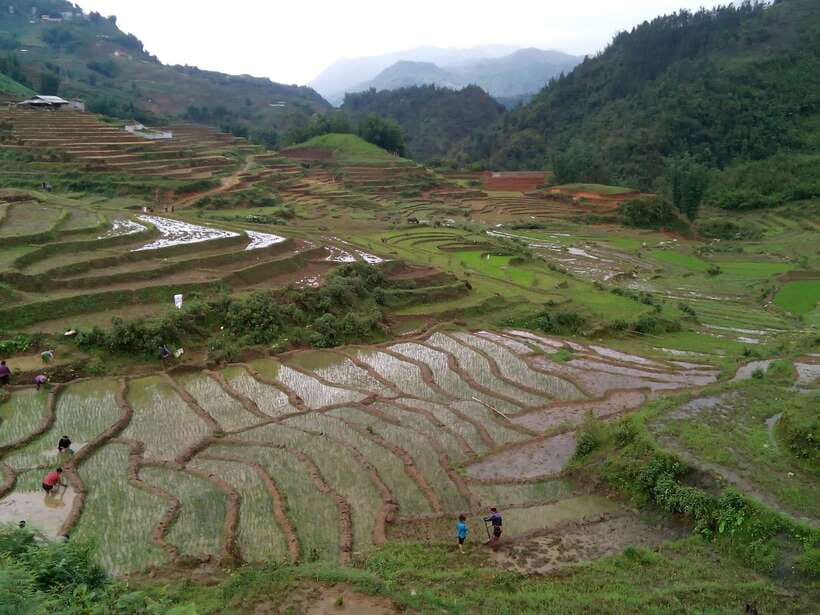
This is a hiking-focused cultural trek, and it’s not for everyone.
It’s not suitable for people with limited mobility, wheelchair users, children under 6, and it’s also listed as not suitable for pregnant women. If you have balance issues, significant mobility limits, or you expect lots of sitting and minimal walking, this won’t match your needs.
On the other hand, it suits people who:
- like walking with a purpose (not just short scenic strolls),
- want cultural contact through homestays rather than only viewpoints,
- can handle variable weather without letting it ruin the whole day.
It also works well if you’re traveling solo or as a couple and want a structured plan. Small group size helps you feel part of the group without being stuck in a crowd.
Should you book this Hanoi to Sapa homestay trek?
If you want Sapa in a way that goes beyond a one-day photo loop, I think this is a strong pick. The biggest win is the combination: guided walking plus two homestay nights plus visits to multiple ethnic communities. You’ll likely feel you understand daily life more than you would from a viewpoint-only trip.
Book it if you’re ready for:
- an early start and a long travel day,
- real trekking effort (and mud potential),
- homestay-style comfort rather than hotel standards.
I’d reconsider if you’re very sensitive to overnight bus comfort or you hate cold, wet mornings with limited visibility. In that case, the itinerary still offers culture and food, but the hiking-day views may not feel as rewarding.
FAQ
What is the duration of the Hanoi to Sapa homestay trek?
The tour is listed as 3 days.
How much does the trek cost?
The price shown is $139 per person.
Where do you meet for pickup?
Pickup starts at 30 Hàng Muối, Lý Thái Tổ, Hoàn Kiếm, Hà Nội, Vietnam in the Old Quarter area. The tour ends back at the meeting point.
What time is pickup in Hanoi and when do you arrive in Sapa?
Pickup is around 20:45 from the Hanoi Old Quarter, and you arrive in Sapa at about 4:00 AM the following day.
Are homestay nights included?
Yes. You get 2 nights accommodation in homestays.
What meals are included?
The tour includes 3 breakfasts, 3 lunches, and 2 dinners, plus mineral water.
Is an English guide provided?
Yes. The guide is listed as English.
What should I bring for trekking?
You’re advised to bring comfortable shoes, sunglasses, a sun hat, sunscreen, and insect repellent.
When should I pack warm clothing?
Warm clothes are recommended for Sapa from October to March.
Is this tour suitable for children or limited mobility?
No. It’s listed as not suitable for children under 6 and not suitable for people with limited mobility or wheelchair users.