REVIEW · SUNDARIJAL
Kathmandu: Chisapani Nagarkot 3-Days 2-Nights Trek
Book on GetYourGuide →Operated by Breakfree Adventures Pvt. Ltd. · Bookable on GetYourGuide
This trek is a smart way to chase big views. You’ll hike through Shivapuri National Park and classic hill villages, then cap it with Nagarkot sunrise and the Changu Narayan temple. It’s designed for mountain payoff without the ultra-high altitude headache.
What I like most is the balance: a real trekking effort (stairs, forest sections, village crossings) plus comfortable planning. The second thing I love is the private, English-speaking guide, with support that feels human and practical—whether it’s setting a steady pace or explaining what you’re seeing as you go.
One consideration: the Himalaya views depend heavily on weather. If clouds and rain roll in, you’ll still hike a lot, but you may lose that clear “wow” moment.
In This Review
- Key Things That Make This Nagarkot Trek Worth It
- A 2-Night Trek With Himalayan Payoff (Without Ultra-Altitude)
- Day 1: Sundarijal to Chisapani Through Water-Pipe Roots and Shivapuri
- Day 2: Chisapani to Nagarkot for Forest Steps and Ridge Ambition
- Day 3: Nagarkot Sunrise, Changu Narayan, and the Descent to Culture
- Guides and Lodges: The Comfort Level (and Where to Be Ready)
- Price and Logistics: What $190 Buys You (and What It Doesn’t)
- Weather, Rain Gear, and the Real View Expectation
- Who This Trek Fits Best (And Who Might Want Another Option)
- Should You Book This 3-Day Chisapani–Nagarkot Trek?
- FAQ
- What is the route for the Chisapani to Nagarkot trek?
- How long is the hiking each day?
- Are hotel pickup and drop-off in Kathmandu included?
- Do you get a guide and permits?
- What is not included in the price?
- What happens if weather is bad or you need to cancel?
Key Things That Make This Nagarkot Trek Worth It
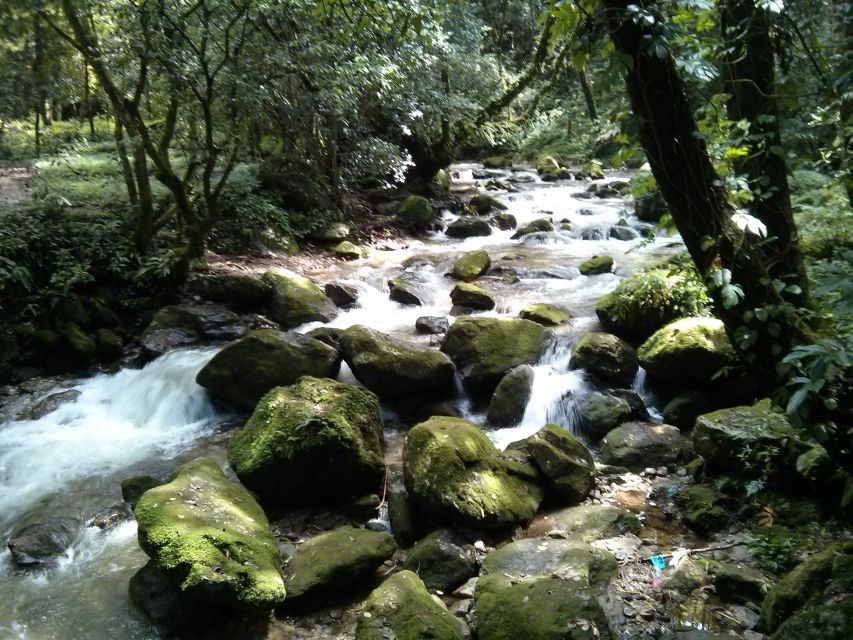
- Sundarijal to Chisapani via Shivapuri National Park: you start by following the line of a water pipe out of the reservoir area.
- Hikes with real variety: forest uphills, village-and-terrace walking, and ridge moments where the air changes.
- Long second day, big day energy: often described as the longest stretch, with some groups estimating around 25 km.
- Nagarkot for sunrise and sunsets: Day 1 ends with sunset potential, and Day 3 begins with early-morning Himalayan sights.
- Changu Narayan’s 323 AD temple stop: a culture win at the finish, plus sweeping views toward Kathmandu/Bhaktapur en route.
A 2-Night Trek With Himalayan Payoff (Without Ultra-Altitude)
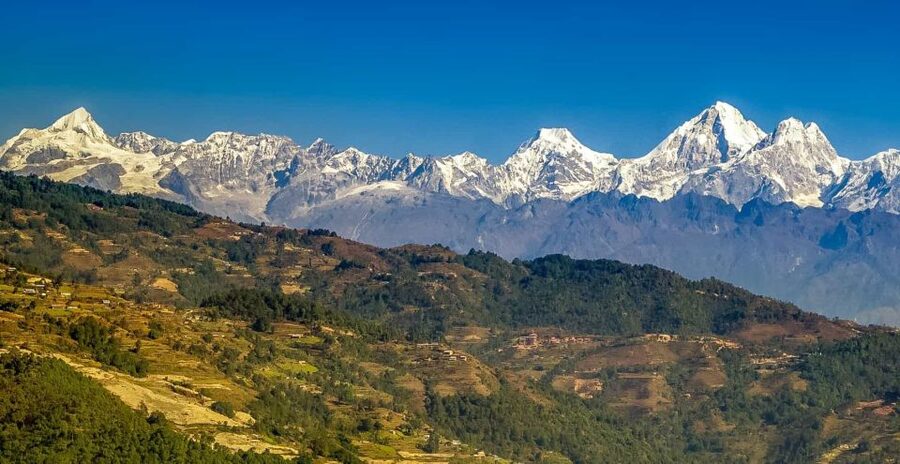
This is the kind of route you book when you want “Himalayas” on your trip, but you don’t want to sign up for the stress of very high-altitude hiking. The highest point you reach is around 2,175–2,175 meters near Nagarkot, so you’re working uphill, but not playing the altitude lottery like you would on higher trekking routes.
You’ll feel the effort anyway. Day 1 and Day 2 both include long walking stretches and plenty of stair climbing and uphill sections. The upside is that the path is active—water pipe starts, national-park trail through forest, then village and terrace sections that keep you from staring at the same scenery for hours.
And then there’s the reason people choose Nagarkot in the first place: the viewpoint. Even on a route this short, the goal is clear—get you in position for mountain views and a dramatic sunrise window, assuming conditions cooperate.
Day 1: Sundarijal to Chisapani Through Water-Pipe Roots and Shivapuri
You begin with a smooth start: a drive from Kathmandu to Sundarijal (1,460 m), then you transition quickly into hiking mode. The trail begins uphill while you follow a large water pipe coming down from the Sundarijal Reservoir area. It’s not what you’d expect on a postcard trail, which makes it memorable in a practical way—you get a clear sense of direction early on.
From there, you enter Shivapuri National Park and work your way toward villages like Mulkharka and Tamang Village before reaching Chisapani (2,165 m). If the skies are cooperative, you can spot Himalayan views—one named highlight is Langtang Himal—as you gain elevation.
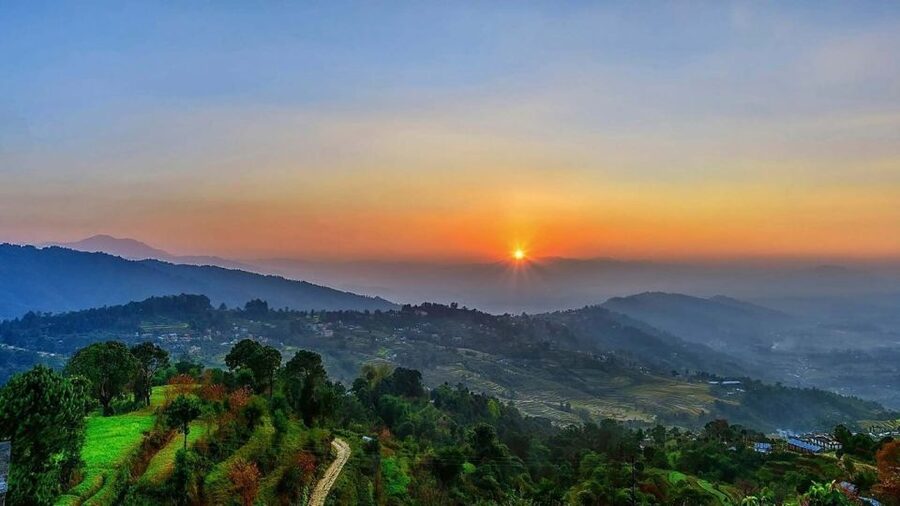
This day is described as about a 5–6 hour hike with a strong uphill feel. Expect an active first day, not a gentle warm-up. By evening, you’ll be in Chisapani for a lodge night, and sunset over the mountains is part of the plan. In monsoon conditions, sunset can shift to clouds and mist, but the village evening atmosphere still lands.
Practical note: the timing of visibility can change quickly in this region. Plan to enjoy the hike itself, not just the view window.
Day 2: Chisapani to Nagarkot for Forest Steps and Ridge Ambition
Day 2 is the longest-feeling part of the trek. After breakfast in Chisapani, you start with a lush forest section and then deal with the rhythm of descending and re-ascending. The route moves through places like Jhule and Chauki Bhanjyang, then continues across villages and terraced fields.
Eventually you reach Kattike Bhanjyang, where the trail asks for a final push up to Nagarkot (about 2,175 m). This is the day’s payoff moment. The ascent sets you up for big-view potential across multiple Himalayan ranges, again with Langtang Himal highlighted in the overall route focus.
How hard is it? Many hikers describe it as a long day—often 6–7 hours—and one detail that stood out in past experiences is the distance feel. Some groups have estimated it around 25 km, which matters for pacing. If you tend to start fast and then fade, you’ll want to take control early. Your guide can help you keep your effort consistent.
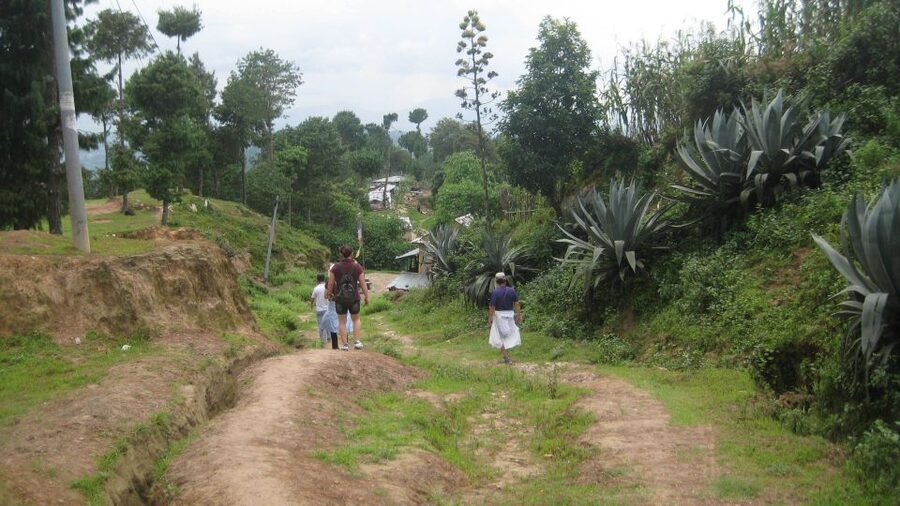
Also, you’re crossing through inhabited areas. That means the trail isn’t just “nature hike.” It’s walking alongside everyday life—paths that connect homes, fields, and small community stops—so expect varied terrain and frequent visual changes.
Day 3: Nagarkot Sunrise, Changu Narayan, and the Descent to Culture
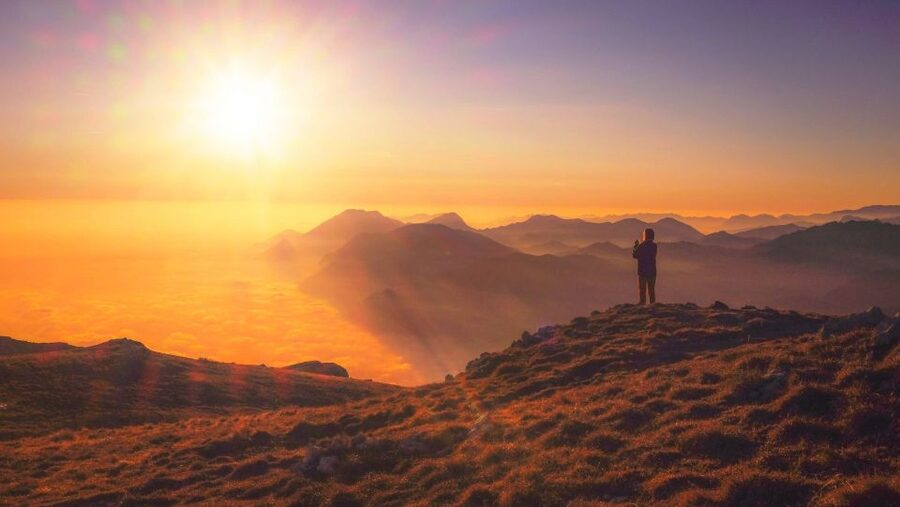
Day 3 starts early. The plan is a wake-up timed for sunrise over the Himalayas, then breakfast and a final hiking stretch. This is your “go easy” day compared to Day 2, but don’t treat it like a walk in the park. You’ll still be hiking for 3–4 hours.
You’ll head toward Changu Narayan (1,541 m), with the trail descending via Telkot. One of the best described moments here is the bird’s-eye view of Bhaktapur and Kathmandu along the way. It’s the kind of panorama that makes the earlier effort feel worth it.
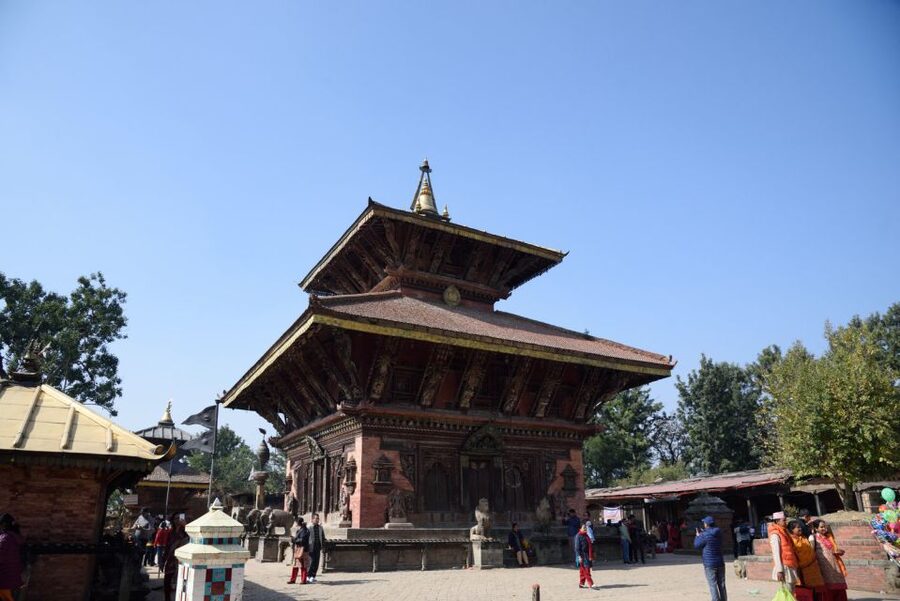
Your destination is the Changu Narayan temple, built in 323 AD. That date turns this from a scenic finish into an actual cultural anchor. Even if you don’t go deep on architecture, you’ll appreciate the sense that this isn’t just a viewpoint stop—it’s part of a long timeline in the Kathmandu Valley.
After you reach Changu, you meet your vehicle and return to Kathmandu for hotel drop-off, about 1 hour by drive.
Guides and Lodges: The Comfort Level (and Where to Be Ready)
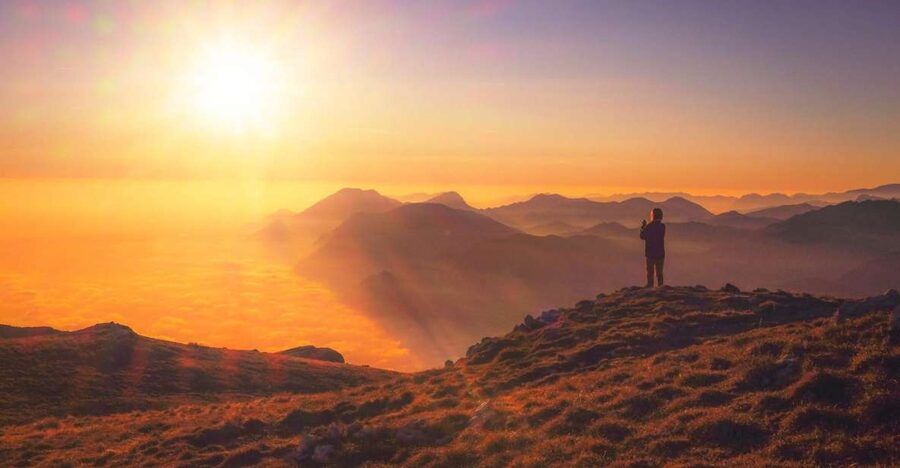
This trek runs with a licensed guide in English, and the guide experience is consistently one of the strongest reasons people recommend it. You may hike with guides such as Dipak Karki or Govinda Pathak, and other guides like Ramesh also show up in past experiences. The common theme is clear: people get explanations about the route, talk easily with the guide, and feel looked after.
That matters because short treks still have decision points. Where do you slow down? When do you take a break? How do you handle weather? A good guide doesn’t just lead; they help you manage the day.
Lodging is generally lodge/guesthouse style with breakfast included at both Chisapani and Nagarkot. Nagarkot includes attached bathroom lodging, which is a real comfort upgrade for an active trek.
One caution from real-world experiences: quality can vary on the Chisapani side. In one instance, rooms weren’t ready and there was no toilet paper, so it’s smart to carry a small amount of your own essentials. It’s a small item that can save the evening.
Price and Logistics: What $190 Buys You (and What It Doesn’t)
At $190 per person for 3 days and 2 nights, the value is less about luxury and more about cutting the hassle. What’s included is substantial:
- Hotel pickup and drop-off in Kathmandu
- Private vehicle transport to Sundarijal and back from Changu Narayan
- Lodge/guesthouse accommodation with breakfast in Chisapani and in Nagarkot
- National park and hiking permits
- Private English-speaking guide
- Taxes
What’s not included is equally important: lunch and dinner and porter service if you decide you need one. If you’re the type who wants your days fully covered meal-wise, you’ll want a plan for where you’ll eat during lunch breaks.
Price can also feel different depending on who you travel with. If you’re going solo, you might end up paying a bit more for the private format, especially during busier or monsoon seasons when group options can change.
Still, when you add up the guide, permits, two private rides, and the two-night lodging structure, $190 doesn’t look like “tour price fluff.” It’s paying for a workable, low-stress itinerary.
Weather, Rain Gear, and the Real View Expectation
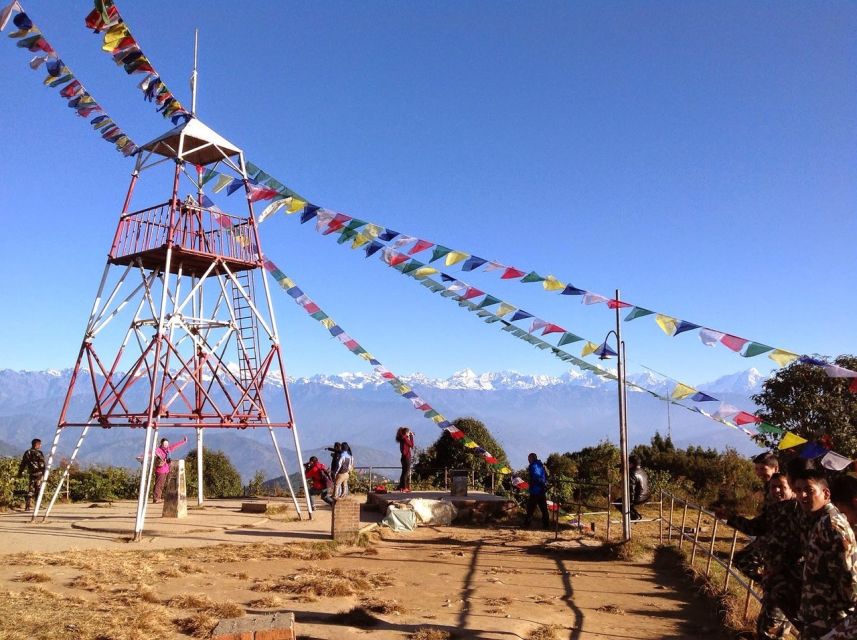
This trek is weather-dependent. The route promise is big: if skies are clear, you can soak in panoramic Himalayan views including Langtang and more. When clouds move in, the hike stays solid, but the visuals can turn into misty silhouettes.
Monsoon season is a good example of why you should pack for the worst. Bring:
- Windbreaker
- Rain gear
- Hiking shoes
- Warm clothing
That’s not just for comfort. On a rainy trail, you move slower, feel more tired, and your sunrise window can fade fast. If you’re mentally preparing for rain variability, you’ll enjoy the trek even when the peaks hide.
One extra tip from lived experience: don’t assume every lodge setup includes toilet paper. A small pack in your day bag is a simple fix.
Who This Trek Fits Best (And Who Might Want Another Option)
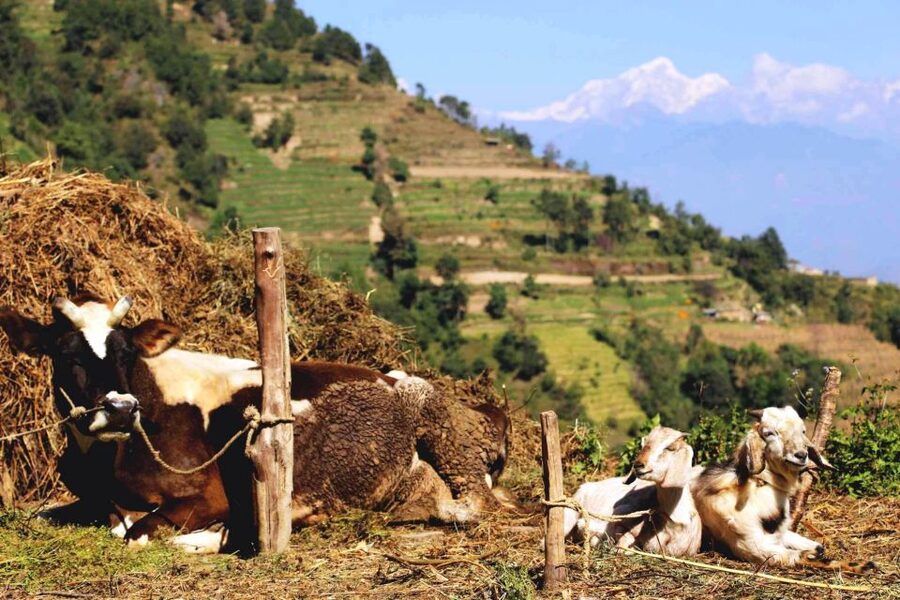
This trek fits best if you want a short Himalayan experience with meaningful walking, strong viewpoint goals, and a finish that includes a real temple stop. It’s also a good match for first-time trekkers who understand that there are stairs and a couple of long hike blocks.
It might not fit if you:
- hate long days on foot, especially Day 2’s long stretch
- have very limited flexibility in weather tolerance
- need fully guaranteed mountain visibility
The good news is that even without perfect skies, the hike has personality: national-park sections, village crossings, terrace scenes, and the Kathmandu Valley perspective from the descent toward Changu.
Should You Book This 3-Day Chisapani–Nagarkot Trek?
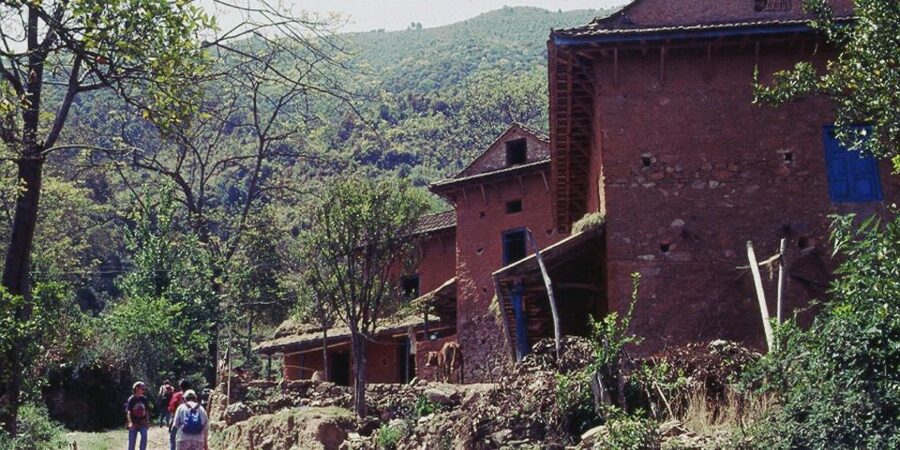
If your goal is to get Himalayan sunrise/sunset potential plus a culturally anchored temple finish, and you want it handled with a guide and private transport, this is a solid book. The included permits, lodging, and two-way private rides do real work for your time and energy.
I’d especially recommend it to you if you like independent-feeling days but still want someone to manage pacing and logistics. Just be honest with yourself about weather. If you can accept that views might be partial, you’ll still come away with an active trek you can feel in your legs—in the best way.
FAQ
What is the route for the Chisapani to Nagarkot trek?
You hike from Sundarijal to Chisapani via the Shivapuri National Park area on Day 1, then continue from Chisapani to Nagarkot on Day 2. On Day 3 you trek from Nagarkot to Changu Narayan before driving back to Kathmandu.
How long is the hiking each day?
Day 1 is about a 5–6 hour hike after a drive to Sundarijal. Day 2 is around a 6–7 hour hike from Chisapani to Nagarkot. Day 3 is about a 3–4 hour hike from Nagarkot to Changu Narayan.
Are hotel pickup and drop-off in Kathmandu included?
Yes. The package includes pick up and drop off in Kathmandu, plus private vehicle transport from Kathmandu to Sundarijal at the start and from Changu Narayan back to Kathmandu at the end.
Do you get a guide and permits?
Yes. You’ll have a private English-speaking licensed guide, and the trek includes hiking and National Park permits.
What is not included in the price?
Lunch and dinner are not included. Porter service is also not included if you want one.
What happens if weather is bad or you need to cancel?
The trek’s Himalayan views are described as dependent on clear weather, so rain or clouds can affect what you see. You can cancel up to 24 hours in advance for a full refund, and you may also be able to reserve now and pay later for flexibility.