REVIEW · KATHMANDU
Mardi Himal Trek Nepal
Book on Viator →Operated by Magic Himalaya Treks · Bookable on Viator
Mardi Himal is the Annapurna trek with fewer crowds and better breathing. This 9-day Mardi Himal trek from the Kathmandu–Pokhara loop is built around tea-house stays and big Fishtail (Machapuchare) views, with a mix of forest paths, alpine meadows, and higher, rockier walking. It’s also newer as a trekking route, which helps it feel calmer than the region’s best-known classics.
I like two things a lot here: the way the logistics are handled for you (bus to Pokhara, private drives to the trail, then a jeep back), and the human side of the operation, led by Magic Himalaya’s owner Nabin and supported by guides who stay close and attentive. One thing to plan for is the early mornings (the start time is listed as 1:15 am) and the fact that you’ll be walking on steep, narrow trail for long stretches at altitude.
In This Review
- Key Highlights You’ll Care About
- Why Mardi Himal Feels Quieter Than Annapurna’s Big Names
- Kathmandu to Pokhara: Getting Your Body Ready (and Your Head Clear)
- Day 3 Toward Deurali via Australian Camp: Your First Real Mountain Payoff
- Low Camp Through the Forest: Where the Trek Shifts Gears
- High Camp Day: Tree Line Tightens and the Views Get Serious
- Upper Viewpoint Day: Long Hours, Steep Sections, and Big Reward
- Shiding Village Detour and Jeep Back to Pokhara: A Smart Way to Finish
- Pokhara to Kathmandu: The Soft Landing After the Mountains
- Price and What It Covers: Is $750 Good Value?
- Tea-House Comfort vs Reality: What “Included” Actually Means
- Guide Team, Nabin’s Leadership, and Why Small Groups Matter
- Gear and Fitness: How to Prepare for a 4500m-Type Effort
- Who This Trek Suits Best (and Who Might Want a Different One)
- Should You Book This Mardi Himal Trek with Magic Himalaya Treks?
- FAQ
- Where is the meeting point in Kathmandu, and do you handle airport transfers?
- What time should I be ready to start?
- How do I travel between Kathmandu and Pokhara?
- Do you sleep in tea houses or camp tents?
- Will I have a guide and porter during the trek?
- Are Annapurna conservation permits included?
- Which meals are included, and what is not included in the cities?
- What is the maximum group size?
- Do I need travel insurance and a Nepal visa fee?
Key Highlights You’ll Care About
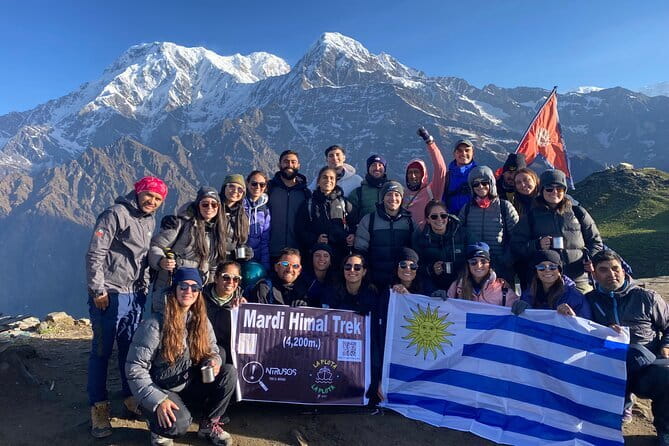
- Tea-house trekking instead of camping makes the route feel simpler and more comfortable
- Views tied to specific stops like Australian Camp, High Camp, and the upper viewpoint day
- Magic Himalaya’s small group cap (max 16) keeps the trail from feeling crowded
- Support from guide + porter plus a company duffel bag for your porter’s load
- Transport is packaged end-to-end, including Kathmandu–Pokhara and the jeep return from Shiding
Why Mardi Himal Feels Quieter Than Annapurna’s Big Names
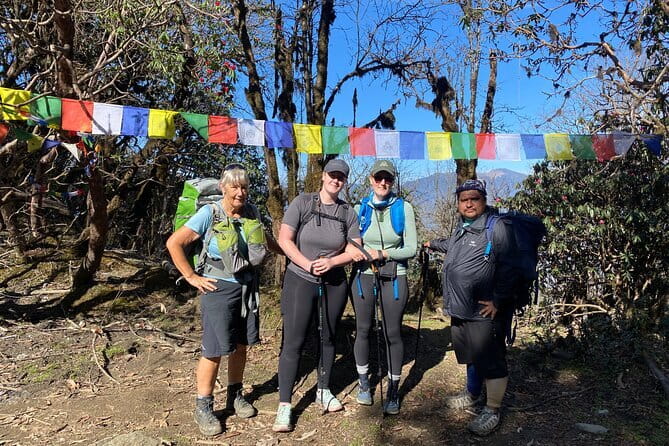
If you’ve done the math on Nepal trekking, you know the Annapurna region draws heavy traffic. Mardi Himal is different because it’s less of a mega-route and more of a focused out-and-back style experience built around a chain of recognizable stops. The result is a trail that feels more relaxed, with fewer moments of walking around other groups for your whole day.
Another reason this trek is appealing is that it’s no longer the old-school camping format. It’s a newly opened route that has shifted into a tea-house trek thanks to lodges and hotels along the way. For you, that means less hassle and fewer “what do we do tonight” questions. You show up, you eat, you sleep, and the next day’s walking feels like a real plan instead of a guess.
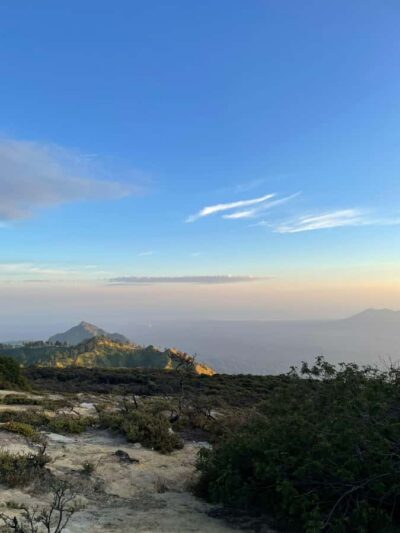
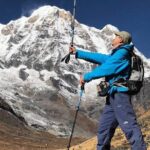
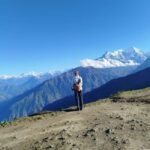
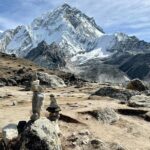
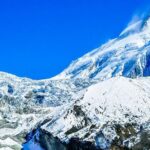
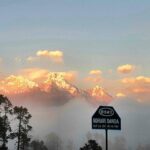
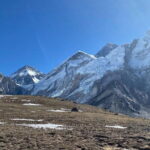
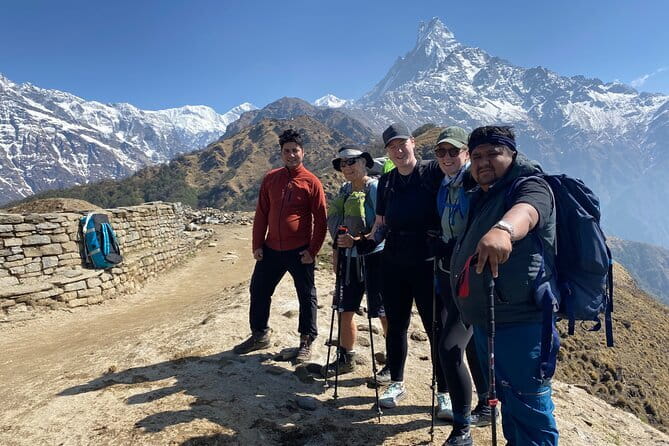
And yes, the views are part of the bargain. You’re aiming for panoramic scenery featuring Mount Machapuchare (Fishtail), along with Annapurna South and Hiunchuli. The route is designed so you don’t just stare at mountains in one dramatic photo spot; you get repeated chances as the trail climbs.
You can also read our reviews of more tours and experiences in Kathmandu.
Kathmandu to Pokhara: Getting Your Body Ready (and Your Head Clear)
Most trekking fatigue starts before the trail even begins. This trip reduces that problem by handling the big transfers in a straightforward way: you get airport pickup in Kathmandu and a drive to a hotel in Thamel, then you head to Pokhara by tourist bus.
On the Kathmandu side, the first evening includes a briefing at the Magic Himalaya office. That matters more than it sounds. You’ll get your questions answered early, so you’re not trying to figure out basics while you’re already tired from travel.
Then comes the Kathmandu to Pokhara leg, about 7 hours. It’s not glamorous, but it’s efficient, and you’re saving energy for the hike that starts soon after. Also, being in Pokhara the night before trekking usually makes the next day feel easier because you’re not rushing in with baggage and uncertainty.
One practical tip: plan for the next day’s shift in rhythm. The pace becomes slower but more physical. You’ll be glad to have that “buffer night” in Pokhara.
Day 3 Toward Deurali via Australian Camp: Your First Real Mountain Payoff
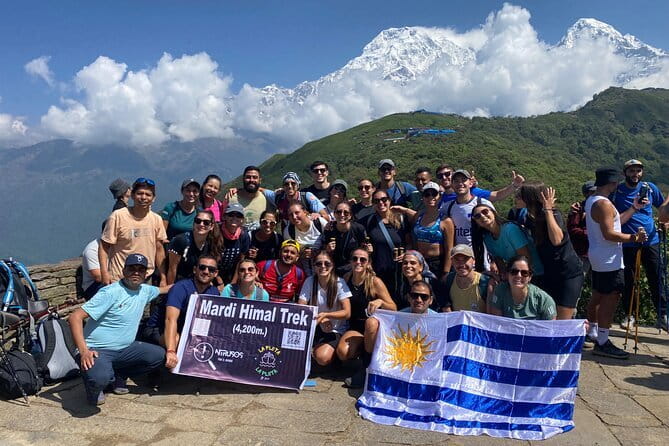
After the early setup day, you start trekking from Kande, walking toward Deurali. On paper, this segment can look short, but the point is not distance. The point is getting your legs going while the scenery starts taking over.
You’ll likely stop for lunch at Australian Camp, which is described as a viewpoint. That’s a smart concept for a trekking route: you don’t waste the early climb with only “getting started” walking. Instead, you earn a view early and let your body learn the rhythm of climbing before the taller days.
Deurali is where you sleep that night, and the itinerary notes stays in a Deurali villa-type accommodation. Expect a basic mountain lodge vibe: not luxury, but functional, warm when it needs to be, and focused on meals and rest.
Potential drawback for you: even early days can feel cooler and thinner in the air. If you’re the type who hates being underprepared, bring layered clothing and keep your warm gear accessible in your day pack.
Low Camp Through the Forest: Where the Trek Shifts Gears
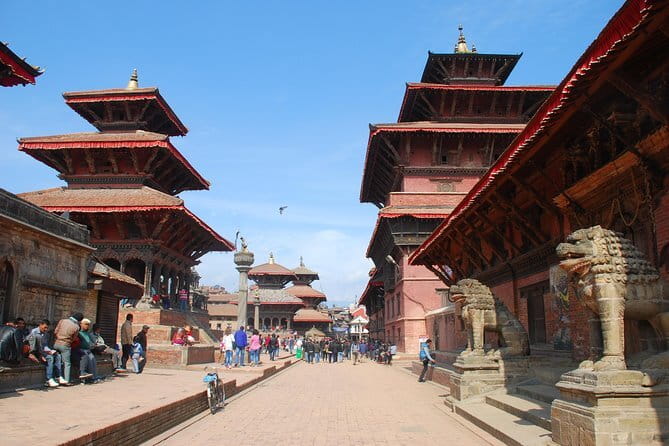
The next walking day continues through forest until you reach Low Camp. The itinerary frames this as a 6-hour trek, which is long enough to settle into a steady effort. Forest walking is a blessing when you want a break from constant open exposure to wind and glare. You’re still working, but the environment is gentler.
Low Camp also acts like a transition zone. The route description emphasizes that you’ll see outstanding Himalayan ranges from here. That means you’re not just walking through trees; you’re moving toward better sightlines as you climb.
The included meals here matter because they keep your energy stable. Accommodation, breakfast, lunch, and dinner are listed for this day segment. In tea-house trekking, that’s a big deal. You don’t want to be hunting for food options when your body is already running on a tight schedule.
One more practical angle: forest trails can be muddy or slippery after moisture. If your footing isn’t great when you’re tired, you’ll want shoes that grip and poles if you use them.
High Camp Day: Tree Line Tightens and the Views Get Serious
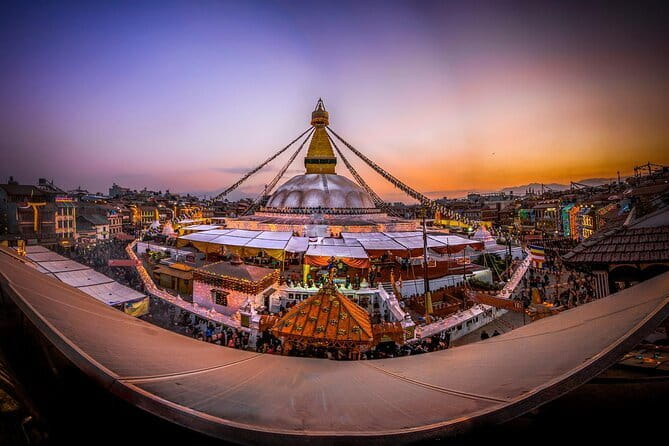
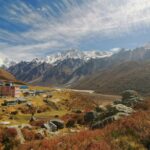
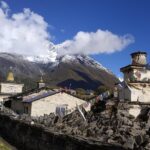
On the day to High Camp, the itinerary highlights walking upwards, and it notes that the tree line becomes thinner as you gain elevation. That’s classic “altitude education.” Less greenery means more open sky, more wind, and a different kind of cold. For you, it’s a sign that the hike is turning into higher-elevation trekking.
High Camp is described as the final destination of the day. That’s exactly what you want after a climb: you arrive, eat, rest, and avoid the stress of figuring out where to go next.
The route also mentions the possibility of seeing Danphe (a national bird of Nepal). It’s not a guarantee, but it’s a reminder that trekking here isn’t only about mountains. Forest to meadow to higher slopes often means you’ll notice life you’d miss at sea level.
Also, High Camp is one of those days where you’ll feel the reward of moving from shaded walking into brighter, harsher light. If you’re sensitive to glare, sunglasses help more than you’d think.
Upper Viewpoint Day: Long Hours, Steep Sections, and Big Reward
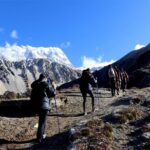
This is the day to plan for real effort. The itinerary calls out ascending, descending, and time on steep and narrow trail while moving toward an upper viewpoint. It’s also the kind of day where you can feel proud you came prepared, because the trail demands focus.
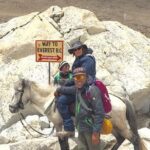
The route notes that the trail passes through pastures and includes narrow rides to reach the upper viewpoint. That wording is a hint: you’ll be on uneven ground, and you’ll need careful steps more than brute speed.
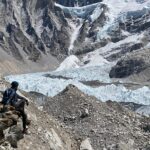
For views, this day is where the trek starts to feel like a statement. You’re aiming for the kind of panorama that people remember long after the walking aches fade. If you’ve heard about Mardi Himal as an underrated alternative in Annapurna, the upper viewpoint day is usually the reason.
Important consideration: the day is listed as 10 hours. Even if you’re fit, a day like this can be mentally tiring. You’ll want to keep your pace smooth, drink water steadily, and resist the urge to charge ahead just because the view starts early.
Shiding Village Detour and Jeep Back to Pokhara: A Smart Way to Finish
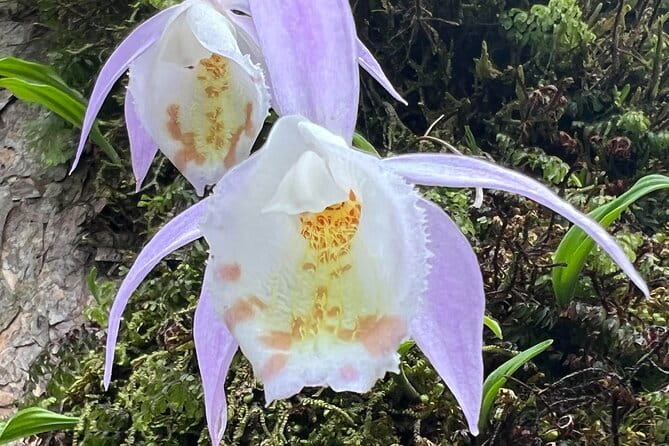
Not every trek ends by retracing exactly what you did in the morning. This one adds variety on Day 7 by taking a different route to Shiding Village, then returning to Pokhara by jeep for an overnight stay.
That detour is worth it for two reasons. First, it breaks the monotony of repeating the same scenery. Second, it gives you a change in terrain and perspective before the final travel day back to Kathmandu.
From Shiding Village, the itinerary calls for a drive back to Pokhara. This is one of those “value choices” in trekking planning. By using a jeep at the right moment, you reduce fatigue that would otherwise stack up right before your final transit days.
For you, that means you arrive in Pokhara with enough energy to reset. You’re not finishing the trek and immediately doing a long bus ride in the same day.
Pokhara to Kathmandu: The Soft Landing After the Mountains
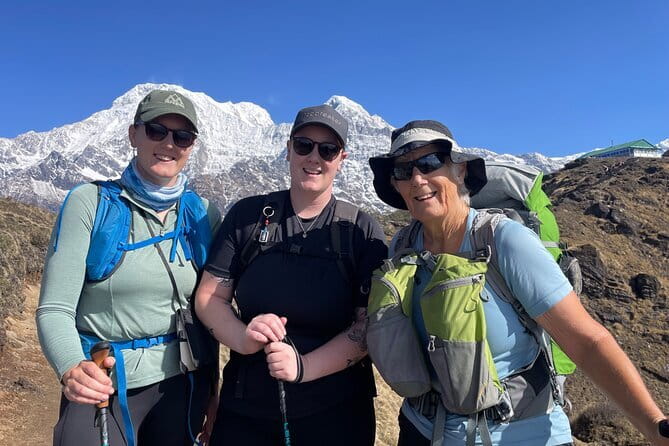
The last full travel day is Pokhara to Kathmandu by bus, about 6–7 hours. The plan includes breakfast at your Pokhara hotel and a small walk or drive to the tourist bus park.
This part of the trip is practical, not dramatic. You’re likely to feel travel-rhythm fatigue, especially if you’ve been active for multiple days. The upside is that you get to close out the experience with less stress.
Then on the final day, the plan is simple: pickup from your hotel and transfer to the airport. That clean ending is a big quality-of-life detail. It keeps the last day from turning into frantic taxi bargaining and time anxiety.
Price and What It Covers: Is $750 Good Value?
At $750 per person for roughly 9 days, this trek can feel like a bargain or like a question mark, depending on what you expect. Here’s the honest way to judge it: you’re not paying for a bare minimum hike. You’re paying for a package that includes transport, guides, permits, lodging, and most meals.
Included items listed for the experience include:
- Kathmandu–Pokhara round-trip transport (air-conditioned vehicle and tourist bus), plus private drives to Kande and a jeep from Shiding back to Pokhara
- Guide and porter support, with equipment, food, accommodation, and insurance noted
- Annapurna conservation permits and required documents
- A trekking map and a company duffel bag for the porter
- A medical kit box with required medicine for the trek
- Breakfast (8), lunch (5), dinner (5), plus a farewell dinner and celebrations
- Government tax (listed)
What’s not included matters just as much. You’re on your own for all clothes and required gears, plus lunch and dinner in Kathmandu and Pokhara. Personal expenses, bar bills, and alcohol are also not included. Rescue operations are not covered, which is standard in many trekking packages.
So is $750 worth it? For many walkers, yes, because the real cost drivers on a trek like this are often the same ones people forget: permits, guide time, porter time, and the transport chain. If you tried to DIY all of that, you’d likely spend more time coordinating, and you’d still pay for permits and reliable local support.
Tea-House Comfort vs Reality: What “Included” Actually Means
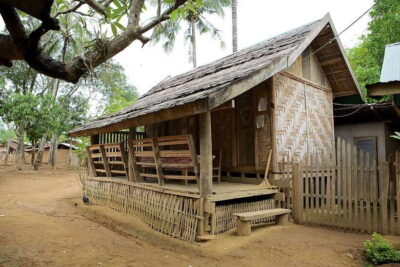
Tea houses sound cozy in photos. On the trail, they’re more like “good enough and dependable.” This trek is built on that reality, with accommodation included on trekking days and breakfast/lunch/dinner coverage.
The itinerary specifically mentions Deurali villa, Low Camp accommodation, and High Camp as the destinations. That tells you the style: you’re sleeping in lodges connected to the trail, not in tents. You’ll still be cold at times, and you’ll still share space, but you’re not dealing with camping logistics.
Food coverage is solid in the trekking window: breakfasts most days, and both lunch and dinner on several days. That reduces the chance you’ll end up hungry in a place where options are limited or prices spike.
Where you need to adjust is in Kathmandu and Pokhara. Lunch and dinner there aren’t included, so you’ll pay for those on your own. That’s normal, but it’s good to know so you can budget your last meal with zero stress.
Guide Team, Nabin’s Leadership, and Why Small Groups Matter
The experience provider is Magic Himalaya Treks, and the standout theme from the way this company is described is attention to detail and accessibility. Nabin, the owner, is mentioned as someone who checks in, and guides are described as friendly and available for help.
For you, that matters because tea-house trekking lives on small things. A late-arriving meal, unclear trail guidance, or uncertainty about what to do next can turn a good day into a frustrating one. When the team stays responsive, you keep your focus on walking and resting.
Group size adds another layer. With a maximum of 16 people, the trek should feel manageable. You won’t be in a huge crowd where you’re always stuck behind someone or constantly changing lanes on narrow paths.
Also, there’s porter support, and you get a company duffel bag for your porter. That’s not just convenience; it’s a strategy. Less weight on your back makes steep sections and narrow trail days easier to handle.
Gear and Fitness: How to Prepare for a 4500m-Type Effort
You’re told to have moderate physical fitness, and the route includes steep, narrow sections and long days like the 10-hour upper viewpoint trek. Reviews also mention a feeling of going up to around 4500m at some point. That tells me this trek can feel high even if it’s not a technical mountaineering climb.
For your training, focus on steady endurance. You don’t need to be a marathon runner, but you do need to comfortably walk uphill for hours without getting wiped out. If you can’t do that yet, I’d still recommend you walk more on flat ground now and get comfortable with gradual climbs.
Gear-wise, the trip doesn’t include your clothes and required trekking gear. Plan for layers, rain protection, and footwear with good traction. If your shoes are worn down or your socks don’t wick sweat, you’ll notice it quickly when the weather shifts and the trail gets narrow.
One smart approach: keep your day pack light on uphill days. Let your porter handle as much as the plan allows, and make sure your essentials stay easy to reach.
Who This Trek Suits Best (and Who Might Want a Different One)
This Mardi Himal trek is a great fit if you want:
- A quieter Annapurna experience with tea-house stops
- Big views of Machapuchare, Annapurna South, and Hiunchuli
- A guided setup that handles transport, permits, and meals so you can focus on trekking
It’s also a good match if you prefer a small group and someone to help keep the day moving, especially on the long upper viewpoint day.
You might choose a different trek if you dislike early mornings (the start time is listed as 1:15 am) or if you want a very gentle walking day every day. The route includes steep and narrow hiking for extended hours, so comfort depends on your willingness to work.
Should You Book This Mardi Himal Trek with Magic Himalaya Treks?
I’d book this tour if you want a well-run Mardi Himal experience with tea-house comfort, guided support, and a transport plan that doesn’t leave you scrambling. The $750 price looks fair because permits, guide/porter support, and most meals are included, and the itinerary avoids wasting your energy on unnecessary logistical chaos.
I’d pause before booking if you’re the type who needs very low-intensity days or you’re unprepared for long walking hours on steep trail. If that’s you, plan differently or pick a less demanding route in the region.
If you’re aiming for Machapuchare views without the biggest crowd energy, this trek is one of the more practical ways to get there.
FAQ
Where is the meeting point in Kathmandu, and do you handle airport transfers?
On arrival in Kathmandu, you’re picked up from the airport and transferred to a hotel in Thamel. On the final day, you’re picked up from your hotel and transferred to the airport for departure.
What time should I be ready to start?
The listed start time for the experience is 1:15 am, so you should plan for an early wake-up.
How do I travel between Kathmandu and Pokhara?
The trip includes air-conditioned vehicle travel and tourist bus transport between Kathmandu and Pokhara, with the Pokhara–Kathmandu return also by bus.
Do you sleep in tea houses or camp tents?
This trek is described as a tea house trek with hotels and lodges along the route, rather than a camping-only format.
Will I have a guide and porter during the trek?
Yes. The package includes a guide and porter support, along with equipment, food, accommodation, and insurance for the trekking team.
Are Annapurna conservation permits included?
Yes. Annapurna conservation permits and required documents are included.
Which meals are included, and what is not included in the cities?
Breakfast is included for 8 days, lunch for 5 days, and dinner for 5 days. Lunch and dinner in Kathmandu and Pokhara are not included, and you’ll also cover personal expenses.
What is the maximum group size?
The maximum group size is 16 travelers.
Do I need travel insurance and a Nepal visa fee?
You should arrange travel insurance for the Nepal trek, and a Nepal entry visa fee is listed as part of the other trip costs you may need to plan for.